
Sustainable Interior Design: Eco-Friendly Ideas for Your Home
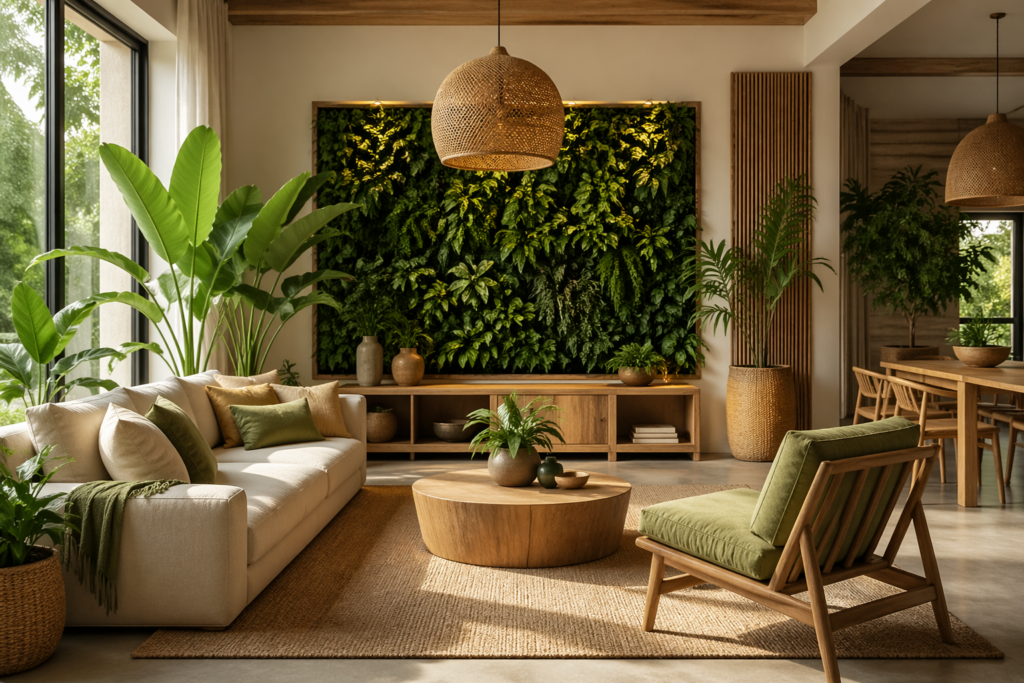

Sustainable interior design is no longer just a trend—it has become a necessity in today’s environmentally conscious world. As homeowners grow more aware of their environmental impact, the demand for eco-friendly interiors is rapidly increasing. Sustainable design focuses on creating beautiful living spaces while minimizing harm to the planet, conserving resources, and promoting healthier lifestyles.
Every design decision you make—from the materials you choose to the lighting you install—can significantly affect the environment. By adopting eco-friendly interior design practices, you not only reduce your carbon footprint but also create a home that is healthier, more efficient, and cost-effective in the long run.
At Avinnyya, sustainability is at the core of design philosophy, combining aesthetics with responsibility to craft spaces that are both elegant and environmentally friendly.
What is Sustainable Interior Design?
Definition and Core Principles
Sustainable interior design refers to designing spaces in a way that reduces negative environmental impact while enhancing the well-being of occupants. It revolves around three core principles: environmental responsibility, resource efficiency, and human health.
Environmental responsibility involves minimizing waste, reducing pollution, and choosing materials that are renewable or recyclable. Resource efficiency focuses on using energy, water, and raw materials wisely. Lastly, creating healthy living spaces ensures better indoor air quality and reduced exposure to harmful chemicals.
Why Sustainability Matters in Interior Design
The importance of sustainability in interior design stems from growing concerns about climate change and resource depletion. Buildings and interiors contribute significantly to global carbon emissions, making it essential to adopt eco-friendly practices.
Additionally, sustainable interiors are not just good for the planet—they are beneficial for homeowners as well. They lead to lower energy bills, reduced maintenance costs, and improved indoor comfort. As awareness grows, sustainable homes are also becoming more desirable in the real estate market.
Benefits of Eco-Friendly Interior Design
Environmental Benefits
One of the most significant advantages of sustainable interior design is its positive impact on the environment. By using eco-friendly materials and reducing waste, you contribute to lowering pollution and conserving natural resources. Sustainable practices also help reduce greenhouse gas emissions, making your home part of the solution rather than the problem.
Health Benefits
Eco-friendly interiors promote better health by improving indoor air quality. Traditional materials often release harmful toxins, whereas sustainable alternatives use low-VOC or non-toxic substances. This reduces the risk of respiratory issues, allergies, and other health concerns, creating a safer living environment for you and your family.
Financial Benefits
Although sustainable materials and technologies may seem expensive initially, they offer long-term financial benefits. Energy-efficient appliances, LED lighting, and durable materials significantly reduce utility bills and replacement costs over time. Investing in sustainability is ultimately a smart financial decision.
Eco-Friendly Materials for Sustainable Interiors
Natural and Renewable Materials
Choosing natural and renewable materials is a cornerstone of sustainable interior design. Materials like bamboo, cork, and reclaimed wood are not only eco-friendly but also aesthetically appealing. Bamboo, for instance, grows rapidly and requires minimal resources, making it an excellent alternative to traditional hardwood.
Organic fabrics such as cotton, linen, and wool are also sustainable options for upholstery, curtains, and décor. These materials are biodegradable and free from harmful chemicals, ensuring both comfort and environmental safety.
Recycled and Upcycled Materials
Recycled materials help reduce waste and conserve resources. Glass, metal, and plastic can be repurposed into stylish and functional design elements. Upcycling, on the other hand, involves transforming old or discarded items into something new and valuable.
For example, an old wooden door can be turned into a unique coffee table, or reclaimed wood can be used for wall paneling. These creative approaches not only reduce waste but also add character and uniqueness to your home.
Low-VOC and Non-Toxic Materials
Volatile Organic Compounds (VOCs) are harmful chemicals found in many paints, adhesives, and finishes. Sustainable design prioritizes low-VOC or zero-VOC products to improve indoor air quality.
Using non-toxic materials ensures a healthier environment, especially for children and elderly family members. It also contributes to long-term well-being by reducing exposure to harmful substances.
Energy-Efficient Interior Design Ideas
Smart Lighting Solutions
Lighting plays a crucial role in energy consumption. Switching to LED lights can significantly reduce electricity usage while providing better illumination. Additionally, maximizing natural light through large windows, skylights, and reflective surfaces reduces the need for artificial lighting during the day.
Energy-Saving Appliances
Modern appliances are designed to consume less energy without compromising performance. Choosing energy-efficient refrigerators, air conditioners, and washing machines can drastically lower your energy bills. Smart appliances further enhance efficiency by allowing you to control usage remotely.
Insulation and Ventilation
Proper insulation helps maintain indoor temperatures, reducing the need for heating and cooling systems. Similarly, good ventilation ensures fresh air circulation, minimizing reliance on air conditioning. Cross-ventilation techniques can naturally cool your home, especially in warmer climates.
Sustainable Furniture Choices
Buying Responsibly
When selecting furniture, it is essential to consider how and where it is made. Ethically sourced furniture ensures that materials are harvested responsibly and workers are treated fairly. Certifications can help identify sustainable products.
Vintage and Second-Hand Furniture
Buying vintage or second-hand furniture is an excellent way to reduce waste. These pieces often have superior craftsmanship and durability compared to mass-produced items. They also add a unique charm and personality to your interiors.
Modular and Multi-Functional Furniture
Modular furniture is designed for flexibility and longevity. It can be reconfigured or expanded as needed, reducing the need for replacements. Multi-functional furniture, such as sofa beds or storage units, maximizes space and minimizes resource consumption.
Water Conservation in Interior Design
Water-Efficient Fixtures
Installing low-flow faucets, showerheads, and dual-flush toilets can significantly reduce water usage. These fixtures are designed to maintain performance while conserving water.
Smart Plumbing Design
Efficient plumbing layouts minimize water wastage by reducing the distance water needs to travel. This ensures faster access and less water loss.
Indoor Plants for Natural Humidity Control
Indoor plants not only enhance aesthetics but also help regulate humidity levels. This reduces the need for artificial humidifiers and contributes to a healthier indoor environment.
Indoor Plants and Biophilic Design
Benefits of Indoor Plants
Indoor plants improve air quality by filtering toxins and releasing oxygen. They also reduce stress and enhance mental well-being, making your home a more relaxing space.
Best Plants for Sustainable Homes
Low-maintenance plants like snake plants, pothos, and peace lilies are ideal for sustainable interiors. They require minimal care and thrive in indoor conditions.
Incorporating Nature into Interiors
Biophilic design goes beyond plants by incorporating natural elements such as wood, stone, and water features. Earthy textures and colors create a harmonious connection between indoor and outdoor spaces.
Waste Reduction and Minimalist Living
Decluttering and Conscious Consumption
Sustainable living starts with mindful consumption. Avoid unnecessary purchases and focus on quality over quantity. Decluttering your home helps reduce waste and creates a more organized living space.
Recycling and Composting at Home
Recycling and composting are practical ways to manage waste. Separating recyclable materials and composting organic waste reduces landfill contributions and supports environmental sustainability.
Minimalist Design Approach
Minimalism emphasizes simplicity and functionality. By adopting a “less is more” approach, you create a clean, clutter-free environment that is both aesthetically pleasing and sustainable.
Sustainable Color Palettes and Finishes
Eco-Friendly Paint Options
Choosing low-VOC or natural paints ensures a healthier indoor environment. These paints are free from harmful chemicals and provide excellent durability.
Nature-Inspired Color Schemes
Earth tones, greens, and neutral shades are commonly used in sustainable interiors. These colors create a calming atmosphere and reflect the beauty of nature.
Smart Technology for Sustainable Homes
Smart Thermostats and Lighting
Smart thermostats and lighting systems optimize energy usage by adjusting settings based on your habits. This reduces energy waste and enhances convenience.
Home Automation Systems
Automation systems integrate various functions such as lighting, security, and climate control. This not only improves efficiency but also provides greater control over energy consumption.
How Avinnyya Creates Sustainable Interiors
Design Philosophy
Avinnyya believes in creating spaces that are both beautiful and environmentally responsible. Sustainability is integrated into every stage of the design process, from concept to execution.
Customized Green Solutions
Every home is unique, and Avinnyya offers tailored solutions that align with clients’ needs and sustainability goals. This ensures a perfect balance between functionality and eco-friendliness.
Use of Innovative Materials and Technology
By incorporating advanced materials and smart technologies, Avinnyya delivers interiors that are modern, efficient, and sustainable. Their approach ensures long-lasting designs that minimize environmental impact.
Practical Tips to Make Your Home More Sustainable
Creating a sustainable home does not require a complete overhaul. Start with small changes, such as switching to LED lighting or using eco-friendly cleaning products. Choose durable materials that last longer and reduce the need for replacements. Supporting local artisans and sustainable brands also contributes to eco-friendly living.
Timeless designs are another key aspect of sustainability. Avoid following short-lived trends and focus on styles that remain relevant over time. This reduces the need for frequent renovations and updates.
Common Mistakes to Avoid in Sustainable Design
One common mistake is prioritizing aesthetics over durability. Sustainable design should focus on long-lasting materials that can withstand wear and tear. Another mistake is ignoring energy efficiency, which can lead to higher utility costs and environmental impact.
Falling for “greenwashing” is also a concern. Not all products labeled as eco-friendly are genuinely sustainable. It is essential to research and verify claims before making a purchase.
Future Trends in Sustainable Interior Design
The future of interior design is undeniably sustainable. Circular design concepts, which focus on reusing and recycling materials, are gaining popularity. Smart eco-homes equipped with advanced technologies are becoming the norm.
Sustainable luxury is another emerging trend, proving that eco-friendly design can also be elegant and sophisticated. As innovation continues, sustainable interiors will become more accessible and widely adopted.
Conclusion
Sustainable interior design is a powerful way to create a home that is both stylish and environmentally responsible. By choosing eco-friendly materials, optimizing energy usage, and adopting mindful consumption habits, you can significantly reduce your environmental impact.
The journey toward sustainability begins with small steps, but the long-term benefits are immense—for your home, your health, and the planet. Whether you are renovating or designing a new space, making conscious choices will ensure a better future.
If you’re looking for expert guidance, working with an experienced interior design company in bangalore like Avinnyya can help you transform your vision into a sustainable reality.