
How Technology Is Revolutionizing Interior Design
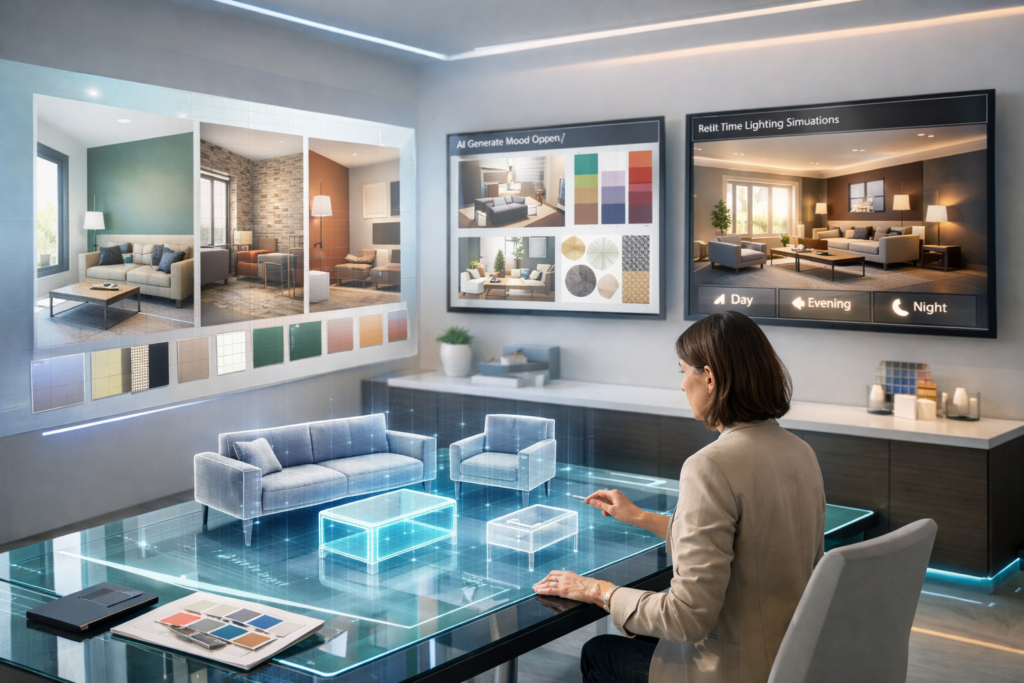

Interior design, once rooted mainly in creativity and manual craftsmanship, has entered a new era driven by digital transformation. Today, technology is not merely supporting interior design—it is reshaping it. From conceptualization and visualization to material selection and execution, every step is becoming smarter, more efficient, and significantly more precise. The expectations of clients have also evolved. They now seek instant clarity, accurate previews of their future spaces, seamless digital communication, and smarter homes that enhance lifestyle and comfort.
This technological shift is especially prominent in fast-growing, tech-forward cities like Bangalore, where modern homeowners, young IT professionals, and businesses expect design solutions that blend aesthetics with innovation. In this environment, Avinnyya has emerged as a leader—adopting cutting-edge tools and intelligent design workflows to provide clients with futuristic, immersive, and high-performance interiors. This article explores in-depth how technology is transforming interior design and how forward-thinking firms like Avinnyya are redefining the industry.
The Rising Influence of Technology in Modern Interior Spaces
The role of technology in interior design has expanded in parallel with the digital transformation across industries. Homes and offices are no longer designed only for functionality and aesthetics. They now serve as environments that support digital lifestyles—whether it’s remote work, smart home living, or digitally enabled collaboration.
In urban Indian cities, the shift has been rapid. The growing middle class, exposure to global design trends, and the booming real estate sector have accelerated the adoption of tech-driven design. In Bangalore, for instance, modern apartments often come pre-integrated with smart home provisions, modular furnishing options, and digitally mapped layouts. Homeowners expect designers to bring technological clarity early in the process—something that traditional sketches or mood boards can no longer satisfy.
This demand has pushed companies like Avinnyya to adopt a future-first approach, making technology central to their design philosophy.
3D Modeling and Rendering: Visualizing the Future Before Construction Begins
One of the most transformative advancements in interior design is the evolution of 3D modeling and photorealistic rendering. Earlier, clients had to rely heavily on imagination, navigating through sketches and fabric swatches without fully understanding how the final space would look. Today, 3D visualization eliminates this uncertainty entirely.
High-resolution renders allow clients to preview flooring, wall colors, lighting effects, furniture placements, and even small décor elements in extraordinary detail. These visuals often look so realistic that it becomes difficult to distinguish them from actual photographs of completed homes.
For designers, the benefits are equally significant. Revisions can be made instantly, allowing efficient collaboration with clients. Instead of multiple site visits or lengthy discussions, clients can view updated versions of their space within minutes.
At Avinnyya’s studio, this technology is a fundamental part of their process. Clients receive immersive renders and 360-degree walkthroughs even before the first nail is hammered. As a result, decision-making becomes quicker, more informed, and far more aligned to the client’s preferences.
AR and VR: Immersive Design Experiences for Confident Decisions
While 3D renders provide depth and detail, augmented reality (AR) and virtual reality (VR) take visualization to an entirely new level. With AR, clients can point their smartphone at a room and digitally place furniture, lighting fixtures, or décor items to see exactly how they would look in the real environment. VR, on the other hand, creates an immersive digital environment where clients can “walk through” their future home long before it is built.
These technologies eliminate the fear associated with committing to big design decisions. Whether it is choosing between two sofa models or finalizing a modular kitchen layout, AR/VR makes the process interactive and intuitive.
Avinnyya uses these tools extensively—offering VR previews during concept presentations and AR-based material comparisons during site visits. This allows clients to truly “experience” their space early in the design stage, ensuring satisfaction and reducing last-minute changes.
Artificial Intelligence and Automation: Smarter Design, Faster Execution
AI is rapidly becoming the silent architect behind modern interiors. Advanced design algorithms can now analyze room dimensions, lighting patterns, user preferences, and lifestyle habits to suggest optimized layouts and color palettes. AI-powered tools can also identify design inconsistencies, automate material estimation, and even predict project timelines with impressive accuracy.
For clients, AI brings personalization to a new level. By studying behavior and style tendencies, AI can recommend furniture styles, décor themes, and space planning options tailored to individual needs. For designers, automation reduces manual tasks and speeds up the entire workflow.
At Avinnyya, AI plays a strategic role in the design ideation phase. It helps the team quickly produce multiple concepts, refine them based on client feedback, and ensure precise execution on-site. Automated project management tools keep clients updated with real-time progress, making the entire experience transparent and stress-free.
Smart Home Technology and IoT: Living Beyond Convenience
Smart home technology is no longer a luxury; it has become a defining feature of contemporary interior spaces. From intelligent lighting systems to app-controlled climate settings, technology now plays a core role in how people interact with their homes.
In cities like Bangalore, where tech-savvy professionals seek comfort and efficiency, IoT-powered homes are in high demand. Voice assistants, automated blinds, smart locks, security cameras, mood-changing lights, and energy-efficient thermostats are becoming standard interior features.
However, integrating these elements requires thoughtful design. Wires must be concealed, devices must align aesthetically with the interior theme, and all systems should work harmoniously.
This is an area where Avinnyya excels. Their team collaborates with automation experts to create smart homes that are both beautifully designed and intuitively functional. Whether it is designing a tech-enabled home theater or a fully automated living room, Avinnyya ensures seamless integration without compromising design aesthetics.
Sustainable Technology: Designing for an Eco-Conscious Future
Sustainability has become an essential part of modern interior design. Technology plays a crucial role in enabling environmentally responsible choices. Digital simulations now help designers analyze natural lighting, ventilation, and energy consumption before construction begins, allowing for more sustainable layouts.
Material-tracking systems ensure eco-friendly sourcing, and modern manufacturing techniques like CNC cutting drastically reduce material wastage. Even modular furniture is becoming more sustainable thanks to engineered materials and precision-driven production methods.
Avinnyya’s design philosophy places strong emphasis on eco-friendly interiors. They prioritize energy-efficient lighting, certified materials, and manufacturing partnerships that use technology to reduce environmental impact. This commitment aligns perfectly with Bangalore’s growing interest in green living.
The Rise of Tech-Enhanced Modular Furniture
Modular furniture has evolved significantly due to advancements in manufacturing technology. CNC machines, robotic cutting tools, and digital design systems have enabled precision-based production, resulting in durable, sleek, and customizable modular units.
Today’s modular kitchens, wardrobes, TV units, and workstations can be designed digitally, manufactured with millimeter accuracy, and installed in days rather than weeks. This fusion of technology and craftsmanship has made modular solutions ideal for compact urban homes.
Avinnyya leverages advanced modular manufacturing systems to create tailored solutions that meet the lifestyle needs of Bangalore’s diverse population—from young bachelor apartments to family homes seeking multifunctionality. The result is furniture that is stylish, robust, and intelligently optimized for space.
Collaborative Digital Tools: Enhancing Transparency and Client Involvement
Technology has not only transformed design; it has reinvented the relationship between designers and clients. Today, cloud-based collaboration tools allow homeowners to stay involved at every step—no matter where they are.
Clients can review layouts, approve materials, track project milestones, and request modifications through digital platforms. This level of accessibility is particularly beneficial for NRI homeowners or clients with busy schedules.
Avinnyya uses advanced project management and design collaboration tools, allowing clients to receive weekly updates, 3D previews, and detailed documentation. This builds trust, reduces misunderstandings, and ensures a smooth workflow from concept to completion.
New Design Trends Born from Technology
With new tools come new design trends. Digital advancements have led to the rise of parametric design—complex, algorithm-based shapes and patterns that were previously difficult to create manually. Biophilic design, enhanced by digital lighting systems, creates interiors that mimic natural environments, supporting well-being and productivity.
The rise of remote work has made tech-enabled home offices essential. Ergonomic chairs, sound-treated walls, LED-balanced lighting, and smart desk setups are now integral parts of modern home design.
Multi-functional and space-saving furniture, often engineered with advanced mechanisms, reflects the needs of compact urban living. Digital twin technology—creating a virtual replica of an entire home—allows designers to test layouts and utilities before implementation.
These trends highlight the limitless possibilities when technology meets creativity.
Tech-Savvy Designers: The Future of the Industry
Interior designers of the future will be equal parts creative and tech-proficient. They must understand software, automation ecosystems, material innovation, and virtual visualization. Clients increasingly expect a designer who can translate concepts into immersive, precise, and executable plans.
Cities like Bangalore are driving this shift. With its tech population and demand for modern living spaces, the city has set new standards for what interior design should look like in the digital age.
Avinnyya stands at the forefront of this movement, combining artistic vision with technological mastery. Their approach reflects the future of interior design: adaptable, intuitive, intelligent, and deeply personalized.
Why Avinnyya Leads the Future of Tech-Enabled Interior Design
What sets Avinnyya apart is their commitment to merging creativity with cutting-edge technology. Their process is transparent, collaborative, and deeply client-centric. Each project begins with digital precision—laser measurements, 3D views, VR simulations—ensuring clarity from the very first meeting.
Their modular execution partners and smart-home experts bring technology into the home in seamless, aesthetically pleasing ways. From ideation to installation, every phase is strengthened by tech-forward tools that accelerate timelines, reduce errors, and enhance quality.
Most importantly, Avinnyya understands the pulse of Bangalore. They design spaces that match the lifestyle of the city—cosmopolitan, evolving, and deeply modern.
Conclusion
Technology has truly revolutionized interior design, turning once-lengthy processes into streamlined, immersive, and deeply personalized experiences. For homeowners and businesses alike, this shift means greater clarity, enhanced comfort, better energy efficiency, and smarter use of space.
As new digital innovations continue to emerge, the future of interior design promises even more intelligence, sustainability, and creative freedom. Firms like Avinnyya are leading this transformation—bringing the best of technology and design together to create spaces that inspire, comfort, and elevate everyday living.
If you’re looking to build a modern, intelligent, and beautifully crafted space in Bangalore, there’s no better time to embrace the future of design with Avinnyya.