
Top Interior Design Trends for Modern Homes in 2026
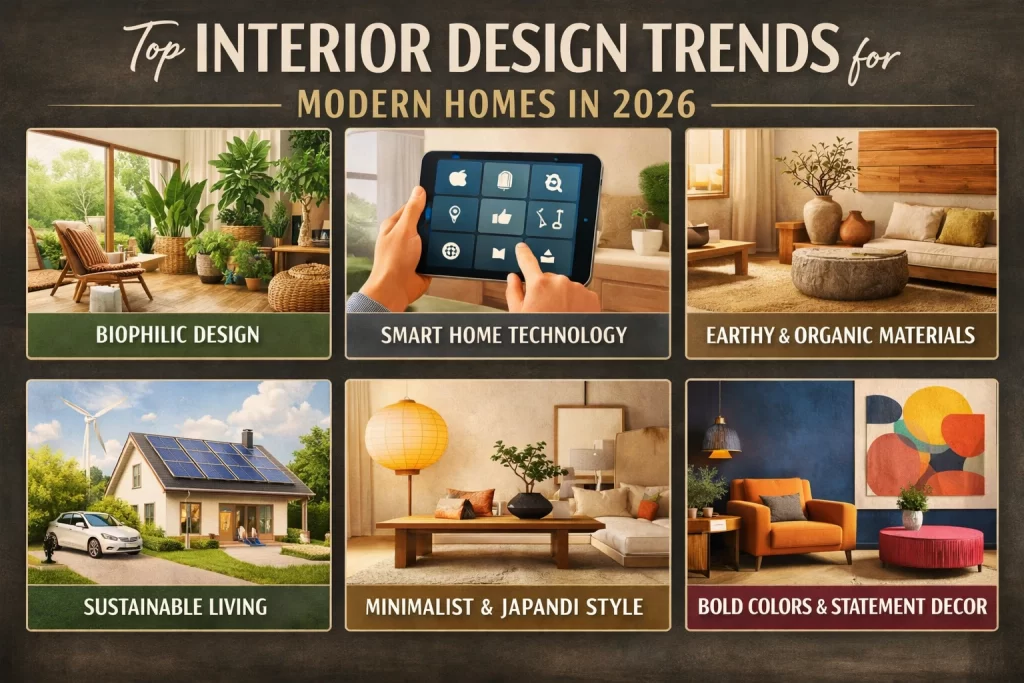
Interior design in 2026 is no longer just about aesthetics—it is about creating intelligent, sustainable, and deeply personalized living environments. Modern homeowners are increasingly seeking spaces that reflect their lifestyle, enhance comfort, and integrate seamlessly with technology. As urban living evolves and homes become multifunctional hubs for work, relaxation, and entertainment, interior design trends are adapting to meet these dynamic needs.
The top interior design trends for modern homes in 2026 revolve around a harmonious blend of functionality, innovation, and emotional well-being. From eco-conscious materials to smart automation and warm minimalism, every trend is rooted in enhancing the quality of life. Avinnyya, known for its forward-thinking approach, embraces these trends to craft interiors that are both timeless and future-ready.
Sustainable and Eco-Friendly Interiors
Rise of Conscious Living
Sustainability is no longer a niche concept—it has become a fundamental aspect of modern interior design. Homeowners today are more aware of their environmental impact and are actively choosing eco-friendly solutions for their living spaces. This shift toward conscious living is driving the demand for interiors that are not only beautiful but also responsible.
Popular Sustainable Materials
In 2026, materials play a crucial role in defining sustainable interiors. Designers are increasingly using bamboo, reclaimed wood, recycled metals, and natural stones. These materials not only reduce environmental impact but also add a unique, organic character to the space. Organic textiles such as cotton, linen, and jute are widely preferred for upholstery and décor, creating a warm and natural ambiance.
Energy-Efficient Design Elements
Energy efficiency is another key aspect of sustainable interiors. LED lighting, solar-powered systems, and energy-efficient appliances are becoming standard features in modern homes. These elements not only reduce energy consumption but also contribute to long-term cost savings, making them a practical and eco-conscious choice.
Smart Homes and Tech-Integrated Interiors
Smart Living in 2026
Technology is redefining how we interact with our homes. In 2026, smart homes are no longer a luxury but a necessity. From controlling lighting to managing security systems, automation has become an integral part of modern living.
Key Smart Features
Voice-controlled assistants, smart thermostats, automated curtains, and advanced security systems are among the most sought-after features. These technologies offer convenience, efficiency, and enhanced control over the home environment.
Design Meets Technology
One of the biggest challenges in tech-integrated interiors is maintaining aesthetics. Modern design solutions ensure that technology blends seamlessly into the décor. Hidden wiring, sleek panels, and minimalist interfaces allow homeowners to enjoy smart features without compromising on style.
Minimalism with Warmth (Soft Minimalism)
Evolution of Minimalism
Minimalism has evolved significantly over the years. While earlier designs focused on stark, monochromatic spaces, the 2026 version embraces warmth and comfort. Soft minimalism combines clean lines with inviting textures and colors.
Key Design Elements
Neutral color palettes dominate this trend, but with a twist. Shades like beige, taupe, and earthy browns replace cold whites, creating a cozy and welcoming environment. Soft fabrics, layered textiles, and subtle patterns add depth without cluttering the space.
Functional and Clutter-Free Living
Functionality remains at the core of minimalism. Multi-purpose furniture, hidden storage solutions, and smart layouts ensure that the space remains organized and efficient. This approach is particularly beneficial for urban homes where space optimization is essential.
Biophilic Design: Bringing Nature Indoors
Connection with Nature
Biophilic design is one of the most influential trends shaping modern interiors. It focuses on strengthening the connection between humans and nature, which has been proven to improve mental well-being and productivity.
Elements of Biophilic Design
Indoor plants, vertical gardens, and natural light are key elements of this trend. Large windows, skylights, and open layouts allow sunlight to flow freely, creating a bright and refreshing atmosphere.
Materials and Textures
Natural materials such as wood, stone, and clay are extensively used in biophilic interiors. These elements bring a sense of calm and authenticity, making the space feel more grounded and harmonious.
Bold Colors and Statement Pieces
Color Trends for 2026
While minimalism remains popular, bold colors are making a strong comeback. Deep greens, terracotta tones, navy blues, and warm browns are trending in modern interiors. These colors add personality and depth to the space.
Accent Walls and Furniture
Statement pieces such as bold sofas, artistic wall panels, and unique décor items serve as focal points. Accent walls with textured finishes or vibrant hues create visual interest and break the monotony.
Balancing Boldness
The key to using bold colors effectively is balance. Pairing vibrant elements with neutral backgrounds ensures that the design remains elegant and not overwhelming.
Multifunctional Spaces for Modern Living
Rise of Hybrid Homes
The concept of multifunctional spaces has gained immense popularity, especially with the rise of remote work. Homes are now designed to accommodate multiple activities within the same area.
Flexible Layouts
Convertible furniture, foldable desks, and modular partitions allow spaces to adapt to different needs. A living room can easily transform into a workspace or a guest area.
Space Optimization
Smart storage solutions, such as built-in cabinets and under-bed storage, help maximize space without compromising on design. This trend is particularly relevant for compact urban homes.
Textured Interiors and Layered Materials
Importance of Texture
Texture plays a crucial role in adding depth and dimension to interiors. It enhances the tactile experience and makes the space more visually engaging.
Trending Textures
Materials like velvet, boucle, rattan, and cane are widely used in 2026 interiors. These textures create a rich and layered look, adding warmth and character.
Layering Techniques
Layering different materials through rugs, cushions, curtains, and wall panels creates a cohesive and dynamic design. This approach adds complexity without overwhelming the space.
Personalized and Custom Interiors
Shift Toward Individuality
Modern homeowners are moving away from generic designs and embracing personalized interiors that reflect their personality and lifestyle.
Custom Furniture and Décor
Custom-made furniture and bespoke décor elements are becoming increasingly popular. These pieces not only fit perfectly within the space but also add a unique touch.
Cultural and Local Influences
Incorporating local craftsmanship and cultural elements adds authenticity to the design. Indian textiles, handcrafted furniture, and traditional patterns are being reimagined in modern contexts.
Open and Fluid Layouts
Open Concept Living
Open layouts continue to dominate modern home design. Combining living, dining, and kitchen areas creates a spacious and connected environment.
Visual Connectivity
Glass partitions, sliding doors, and minimal barriers enhance visual connectivity while maintaining functionality.
Zoning Techniques
Zoning is achieved through strategic use of rugs, lighting, and furniture placement. This allows different areas to serve distinct purposes without physical separation.
Luxury Meets Comfort
Redefining Luxury
Luxury in 2026 is defined by comfort and usability rather than extravagance. Homeowners prefer spaces that feel indulgent yet practical.
Key Elements
Plush furniture, premium finishes, and elegant lighting are essential components of this trend. These elements create a sophisticated and inviting atmosphere.
Affordable Luxury Ideas
High-impact décor items such as statement lighting, designer cushions, and textured walls can elevate the look without exceeding the budget.
Statement Lighting as a Design Feature
Lighting Beyond Function
Lighting has evolved into a key design element. It is no longer just functional but also decorative.
Trending Lighting Styles
Pendant lights, sculptural chandeliers, and LED strip lighting are among the top choices. These fixtures serve as focal points and enhance the overall aesthetic.
Layered Lighting Approach
A combination of ambient, task, and accent lighting ensures a balanced and versatile lighting scheme.
Vintage and Retro Revival
Nostalgia in Design
Vintage and retro styles are making a comeback, bringing a sense of nostalgia and charm to modern interiors.
Mixing Old with New
Blending vintage pieces with contemporary elements creates a unique and eclectic look.
Sustainable Appeal
Reusing and refurbishing old furniture aligns with sustainable design practices, making this trend both stylish and eco-friendly.
Why Choose Avinnyya for Modern Interior Design in 2026
Innovative Design Approach
Avinnyya combines creativity with functionality to deliver interiors that are both visually stunning and highly practical.
Client-Centric Solutions
Every design is tailored to the client’s needs, preferences, and lifestyle, ensuring a personalized experience.
Expertise in Modern Trends
With a deep understanding of global and local trends, Avinnyya ensures that every project is future-ready. If you are looking for a trusted interior design company in bangalore, Avinnyya stands out for its commitment to excellence and innovation.
Conclusion
The top interior design trends for modern homes in 2026 reflect a shift toward sustainability, technology, and personalization. These trends are not just about aesthetics but about creating spaces that enhance well-being and adapt to modern lifestyles.
By incorporating elements such as smart technology, eco-friendly materials, and multifunctional designs, homeowners can create spaces that are both stylish and functional. Whether you prefer minimalism, bold designs, or biophilic elements, the key is to choose trends that resonate with your personality and needs.
Avinnyya continues to lead the way in transforming modern homes with innovative and thoughtful design solutions, helping clients bring their dream spaces to life.
FAQs
What are the biggest interior design trends in 2026?
The biggest trends include sustainable materials, smart home technology, soft minimalism, and multifunctional spaces.
How can I make my home more modern on a budget?
You can focus on small changes like updating lighting, adding textures, and incorporating statement décor pieces.
What is biophilic interior design?
It is a design approach that integrates natural elements into interiors to enhance well-being and connection with nature.
Are smart homes expensive to design?
While initial costs may be higher, smart homes offer long-term savings and convenience.
How do I choose the right interior design style?
Consider your lifestyle, preferences, and space requirements to select a style that suits your needs.