
Traditional vs. Contemporary Interiors: What’s the Difference?
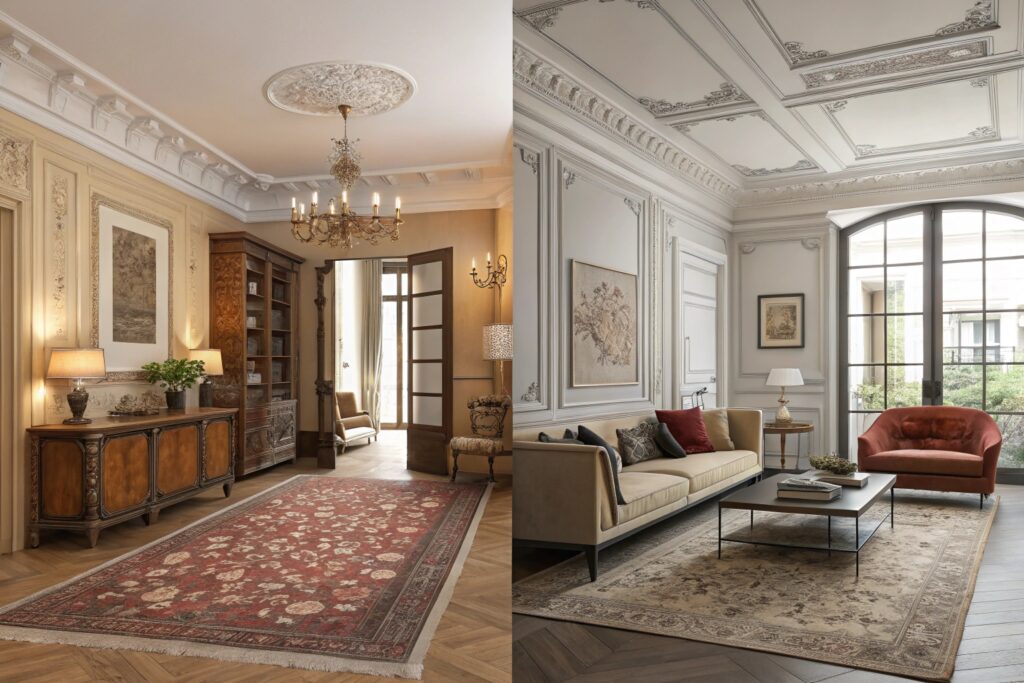

Interior design is far more than a visual expression—it is a crafted experience that shapes how we live, feel, and connect with our spaces. As homes evolve with modern lifestyles, one of the most frequent questions homeowners ask is: Should I choose traditional interiors or contemporary interiors? At Avinnyya, leading interior designers in Bangalore, this is a conversation we have with clients every day. With diverse architectural styles, cultural influences, and modern living preferences in Bangalore, the decision isn’t always simple.
This blog breaks down the differences between traditional and contemporary interiors, explores their characteristics, and helps you understand which style suits your lifestyle, space, and personal taste. Whether you’re renovating or building from scratch, this comprehensive guide will help you make an informed choice.
Understanding Interior Design Styles
Interior design styles are shaped by eras, philosophies, cultural influences, and evolving tastes. Each style tells a story—sometimes one rooted in heritage, and sometimes one that embraces the present or future. Traditional and contemporary interiors stand at opposite ends of this design spectrum, yet both hold immense appeal.
Traditional interiors draw heavily from history, reflecting timeless elements inspired by centuries of craftsmanship and cultural values. Meanwhile, contemporary interiors represent the “now”—a constantly evolving expression shaped by modern materials, technology, and functional living.
In dynamic cities like Bangalore, homeowners often find themselves at the crossroads between the warm nostalgia of traditional design and the clean sophistication of contemporary styling. Many even blend the two to craft hybrid spaces that harmonize heritage with modernity.
To appreciate their differences, let’s dive into what each style truly represents.
What Are Traditional Interiors?
Definition & Origins
Traditional interiors reflect centuries-old design principles rooted in classical architecture and craftsmanship. Globally, this style is influenced by European, Victorian, and colonial aesthetics. In India, traditional design also draws inspiration from local cultural elements—South Indian woodwork, Rajputana details, Mughal artistry, and regional materials.
This design is grounded in permanence. Every piece of furniture, every colour tone, and every décor element conveys history, art, and emotional value. Traditional interiors aren’t just designed—they’re curated.
Key Characteristics of Traditional Interiors
Traditional homes are rich, ornate, and deeply expressive. Some defining traits include:
- Rich and warm colour palettes
Expect deep reds, golds, greens, browns, maroons, and earthy tones that create an instantly warm and intimate environment. - Heavy, carved wooden furniture
Furniture is often made of solid wood—teak, rosewood, walnut—featuring intricate carvings that highlight India’s artisanal legacy. - Luxurious materials and textures
Silk cushions, brocade fabrics, brass lamps, stone flooring, and handwoven rugs are commonly used. - Decorative and heritage elements
Think antique clocks, classical paintings, brass artifacts, traditional statues, ornate mirrors, and patterned drapes. - Symmetry and formality
Traditional interiors depend on balance. Furniture, lighting, and décor are arranged symmetrically to create visual harmony.
When Traditional Interiors Work Best
Traditional design is ideal for homeowners who value heritage, craftsmanship, and timeless elegance. It suits families who appreciate a warm, culturally rooted ambiance. Large homes with generous space benefit most from traditional elements, as they allow heavy furniture and intricate décor to breathe.
Traditional Interiors in Bangalore Homes
Many homes across Bengaluru’s established localities—Jayanagar, Basavanagudi, Malleshwaram—still preserve traditional aesthetics with carved furniture, brass décor, and warm colour palettes. Villas and independent homes often integrate South Indian elements like wooden pillars, temple corners, swings (oonjal), and handcrafted designs. Designers today skillfully bring these elements into modern homes, ensuring they remain functional without losing their charm.
What Are Contemporary Interiors?
Definition & Evolution
Contemporary interior design represents the present moment—constantly evolving, always fresh. Unlike traditional design, it doesn’t belong to a fixed period. Contemporary interiors prioritize simplicity, subtle elegance, functional living, and clean aesthetics.
Over the last two decades, as urban living in India shifted toward compact, high-efficiency spaces, contemporary design rose to prominence. Today, it is the go-to choice for young homeowners, professionals, and modern families.
Key Characteristics of Contemporary Interiors
- Neutral Colour Palettes
Whites, blacks, greys, beige, and soft earth shades dominate. These palettes make homes feel open, calm, and clutter-free. - Sleek, functional furniture
Clean lines, lightweight materials, and ergonomic shapes define contemporary furniture. Comfort meets practicality. - Modern materials and textures
Expect glass partitions, metal accents, engineered wood, eco-friendly composites, matte finishes, and minimalist fabrics. - Minimal décor with purposeful accents
Instead of ornate pieces, contemporary design uses statement elements—abstract art, geometric décor, or subtle accent walls. - Innovative lighting
Recessed lighting, LED strips, spotlights, and designer fixtures help emphasize architectural elements.
When Contemporary Interiors Work Best
Contemporary interiors are perfect for city apartments and compact homes. They maximize functionality and create visually clean spaces that reduce clutter. This style also suits tech-driven lifestyles that emphasize convenience, modularity, and efficiency.
Contemporary Interiors in Bangalore
With a rising population of young tech professionals, contemporary design has become extremely popular in areas like Whitefield, Electronic City, and Koramangala. Many modern apartments prioritize open layouts, modular storage, and minimalist aesthetics—making contemporary interiors a natural fit.
Traditional vs. Contemporary: A Side-by-Side Comparison
To truly understand the contrast, let’s break it down across key design elements.
1. Design Philosophy
Traditional interiors celebrate legacy and elaborate craftsmanship, while contemporary interiors highlight simplicity and the essence of modern living.
2. Colour Schemes
Traditional homes lean on deep, rich hues. Contemporary homes use clean, neutral, almost monochromatic palettes with minimal visual weight.
3. Furniture
Traditional furniture is grand, heavy, and intricately carved. Contemporary furniture is sleek, lightweight, and functional above all else.
4. Materials
Traditional spaces use natural woods, silk, brass, and marble. Contemporary interiors embrace engineered materials, glass, steel, and eco-conscious composites.
5. Décor Elements
Traditional décor is abundant—vintage frames, ornate lamps, sculptures, and patterned fabrics. Contemporary décor is minimal—clean walls, abstract art, subtle accents.
6. Space Planning
Traditional layouts emphasize symmetry and structured environments. Contemporary layouts focus on openness, flow, and flexible living.
7. Lighting
Warm lighting with chandeliers and floor lamps suits traditional styling. Contemporary spaces rely on minimalistic, recessed, and indirect lighting techniques.
8. Maintenance
Traditional interiors require more upkeep, especially for wooden furniture and fabric-heavy décor. Contemporary interiors are easier to maintain due to clean surfaces and minimal accessories.
9. Cost
Traditional interiors can be more expensive due to the cost of solid wood, handcrafted pieces, and premium materials. Contemporary interiors vary widely but are often more budget-flexible.
10. Lifestyle Compatibility
Traditional style suits family-oriented, culturally driven lifestyles. Contemporary design suits fast-paced, modern, practical living preferences.
Combining Traditional & Contemporary (Transitional Interiors)
In recent years, an increasing number of homeowners have embraced transitional design—a blend of traditional warmth and contemporary simplicity. This hybrid style delivers the best of both worlds.
Why Blend the Two?
Modern families in Bangalore want spaces that feel connected to their cultural roots but still look sleek, functional, and modern. Transitional design bridges this gap beautifully.
How to Blend the Styles Effectively
- Use a contemporary layout with traditional wooden furniture.
- Pair neutral wall paints with traditional art pieces or handcrafted décor.
- Introduce modern lighting while keeping heritage accents intact.
- Combine engineered materials with traditional motifs.
- Use a cohesive colour palette to prevent visual clutter.
Real Applications in Bangalore Homes
Many apartments now feature:
- A modern modular kitchen with traditional patterned tiles.
- A minimalist living room with a wooden swing or carved wooden coffee table.
- Bedrooms with sleek storage but classic hand-carved headboards or ethnic textiles.
This balance creates a home that feels both stylish and soulfully grounded.
Choosing the Right Style for Your Home
Choosing between traditional and contemporary interiors depends on several personal and practical factors. Here’s how to decide:
1. Consider Your Lifestyle
A family that enjoys cultural rituals and gatherings might prefer the warmth of traditional design. Individuals with busy routines might prefer the simplicity of contemporary interiors.
2. Evaluate Your Space
Large villas and bungalows comfortably carry traditional design’s heavy elements. Compact apartments benefit from the openness and airiness of contemporary layouts.
3. Understand Maintenance Levels
Traditional décor needs more regular polishing, care, and cleaning. Contemporary homes, with fewer accessories and smoother surfaces, are easier to maintain.
4. Reflect Your Personal Taste
Your home should mirror your personality. Do you love vintage charm or clean modern lines? Warm richness or minimalist calm?
5. Budget and Long-Term Costs
Traditional décor can require a higher initial investment. Contemporary design offers more flexibility in terms of materials and costs.
Interior designers help homeowners evaluate all these factors to arrive at a style that reflects their identity while staying practical for daily use.
Real-Life Examples from Bangalore Homes
1. Traditional Luxury Villa
A family villa in Whitefield embraced rich cultural aesthetics: rosewood furniture, brass lamps, a central puja room, and intricately carved pillars. The clients wanted a home that celebrated their roots. The final design beautifully brought heritage alive with modern comforts like concealed storage and ambient lighting.
2. Contemporary Urban Apartment
A young couple’s Koramangala apartment required smart space utilisation. The design included glass partitions for openness, modular storage, a neutral palette, sleek wardrobes, and minimal décor. This created a calm, polished home perfect for their fast-paced lifestyle.
3. Transitional Premium Apartment
A 3BHK in Hebbal combined modern layout planning with traditional accents. Minimalist furniture paired with antique sculptures, a modern TV unit paired with handcrafted wall art, and contemporary lights complementing ethnic textiles. The result was a uniquely balanced home.
These examples demonstrate the versatility of design styles and how thoughtful planning can transform any home.
Expert Tips
Tips for Traditional Interiors
- Invest in genuine hardwood pieces—they last decades.
- Choose handcrafted décor items to maintain authenticity.
- Use warm lighting to enhance the richness of the palette.
Tips for Contemporary Interiors
- Declutter frequently and keep surfaces clean.
- Maximize natural light and opt for open layouts.
- Use functional furniture with hidden storage.
Tips for Transitional Interiors
- Maintain a visual balance; avoid overmixing.
- Use traditional accent pieces sparingly but meaningfully.
- Stick to a limited colour palette that blends both styles seamlessly.
Sustainable Interior Design Tips
- Opt for eco-friendly materials where possible.
- Choose energy-efficient lighting.
- Invest in durable furniture to minimize replacements.
Why Choose Avinnyya for Your Interior Design Project?
Designing a home is a deeply personal journey. Avinnyya brings a unique approach to interior design—combining creativity, technical expertise, practical space optimization, and a deep understanding of Bangalore’s lifestyles and architectural patterns. Whether you prefer traditional elegance, contemporary sophistication, or a beautiful blend of both, the team ensures every detail reflects your vision.
From concept development to execution, Avinnyya focuses on craftsmanship, material quality, budget transparency, and timely delivery. Every home is treated as a unique project with a tailored design strategy. With an eye for detail and a commitment to excellence, Avinnyya transforms spaces into homes that are functional, beautiful, and deeply meaningful.
Conclusion
Traditional and contemporary interiors represent two distinct design philosophies—one rooted in heritage and artistic expression, the other shaped by modern needs and evolving aesthetics. Understanding their differences helps homeowners make informed decisions that match their lifestyle, space, budget, and personal preferences.
Whether you resonate with the richness of traditional design, the simplicity of contemporary style, or the harmony of a transitional blend, the goal is always the same: to create a home that feels truly personal.
For those seeking expert guidance, Avinnyya offers end-to-end interior design solutions tailored to your taste. Your dream home is just a conversation away.