
Vastu Tips for Modern Interior Designz: Creating Harmony in Contemporary Homes
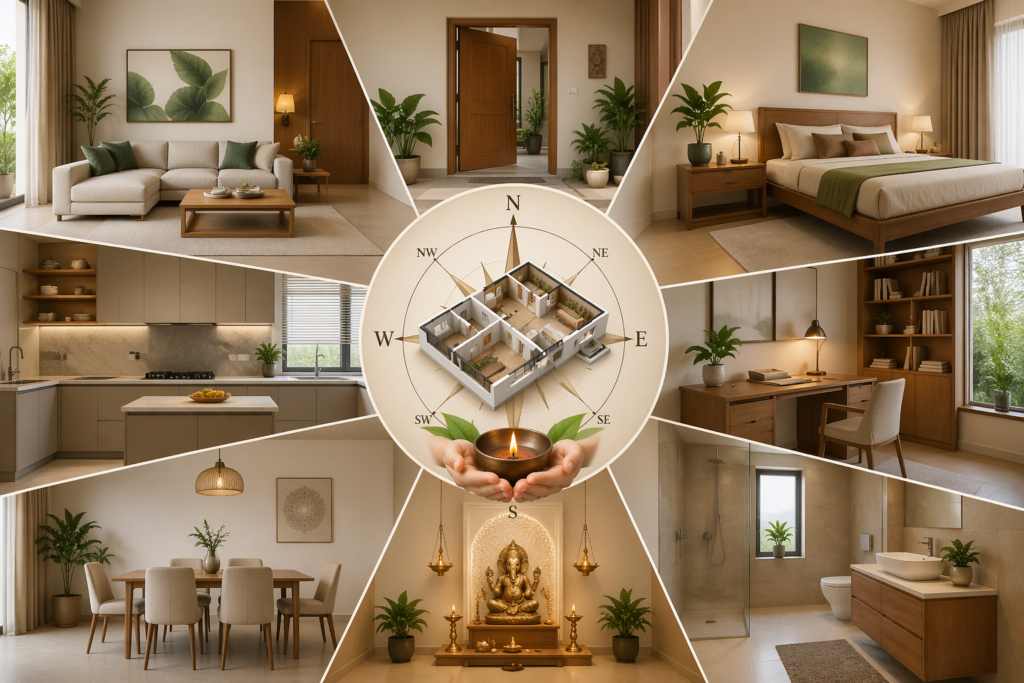

Modern homes today are all about clean lines, functional layouts, and aesthetic appeal. However, beyond visual beauty, there is an increasing awareness about creating spaces that also promote peace, positivity, and well-being. This is where Vastu Shastra becomes highly relevant. The ancient Indian science of architecture, Vastu focuses on aligning your living space with natural energies to enhance harmony and prosperity.
Incorporating Vastu into modern interior design does not mean compromising on style or creativity. Instead, it enhances the functionality and emotional comfort of your home. With thoughtful planning and smart design choices, you can easily blend contemporary interiors with timeless Vastu principles. This blog explores practical, actionable, and modern-friendly Vastu tips to help you design a home that feels as good as it looks.
What is Vastu Shastra in Interior Design?
Origins and Principles of Vastu
Vastu Shastra is an ancient Indian architectural system that dates back thousands of years. It is based on the concept of balancing the five fundamental elements of nature—Earth, Water, Fire, Air, and Space. These elements are believed to influence energy flow within a space, directly impacting the well-being of its occupants.
In interior design, Vastu focuses on spatial arrangement, directional alignment, and energy flow. Each direction is associated with specific energies, and when rooms and objects are placed accordingly, it creates a balanced and harmonious environment. Unlike rigid traditional interpretations, modern Vastu allows flexibility, making it adaptable for apartments, villas, and contemporary homes.
Why Vastu Matters in Modern Homes
In today’s fast-paced lifestyle, your home serves as a sanctuary where you recharge and relax. A Vastu-aligned home can improve mental clarity, reduce stress, and enhance productivity. It supports better sleep, stronger relationships, and a more positive atmosphere overall.
For homeowners who value both design and well-being, integrating Vastu into interiors is no longer optional—it’s a strategic choice. When done correctly, it complements modern design rather than restricting it.
Key Vastu Principles for Modern Interior Design
Importance of Directions
Directions play a crucial role in Vastu. Each direction is governed by a specific type of energy:
- The North direction is associated with wealth and career opportunities.
- The East represents health, growth, and new beginnings.
- The South signifies stability and strength.
- The West relates to gains and achievements.
Modern interior design can align with these directional principles through furniture placement, room orientation, and usage of space. Even in compact apartments, small adjustments can significantly improve energy flow.
Balancing the Five Elements
Balancing the five elements is at the heart of Vastu. In modern interiors, this can be achieved creatively:
- Earth element through natural materials like wood and stone
- Water element via indoor fountains or aquariums
- Fire element through kitchen placement and lighting
- Air element with ventilation and open layouts
- Space element by avoiding clutter
A well-balanced home ensures that no single element dominates, creating a calm and stable living environment.
Vastu Tips for Living Room Design
Ideal Placement and Direction
The living room is one of the most important areas in a home, as it is where interactions and social connections happen. According to Vastu, the ideal location for the living room is in the North or East direction. These directions invite positivity and natural light, making the space feel welcoming.
In modern layouts, even if relocation is not possible, ensuring that seating faces East or North can help align with Vastu principles.
Furniture and Layout
Furniture placement should promote free movement and avoid obstruction of energy flow. Heavy furniture like sofas should ideally be placed in the South or West areas of the room. This creates a sense of grounding and stability.
Minimalist furniture designs work exceptionally well with Vastu, as they reduce clutter and allow energy to circulate freely. Avoid sharp-edged furniture and overcrowded arrangements.
Colors and Décor
Colors play a significant role in influencing mood and energy. Light shades such as beige, white, soft yellow, and pastel tones are ideal for living rooms. Mirrors can be used to reflect light and expand space, but they should not face the main door directly.
Décor elements like indoor plants, artwork depicting nature, and calming textures enhance both aesthetics and energy.
Vastu Tips for Bedroom Interiors
Master Bedroom Placement
The master bedroom should ideally be located in the Southwest direction of the house. This direction represents stability and strengthens relationships, making it perfect for homeowners.
Bed Positioning
The placement of the bed is crucial for restful sleep and mental peace. The head of the bed should face South or East, as these directions are considered beneficial for health and relaxation. Avoid placing mirrors directly in front of the bed, as they can disrupt sleep patterns.
Color Schemes
Bedrooms should have soothing and calming colors such as light blue, lavender, pastel green, or neutral tones. Bright and overly stimulating colors should be avoided as they can create restlessness.
Soft lighting, comfortable textures, and minimal décor contribute to a serene and Vastu-compliant bedroom.
Vastu Guidelines for Kitchen Design
Ideal Kitchen Location
The kitchen represents the Fire element, making the Southeast direction the most suitable location. If this is not possible, the Northwest direction can be considered as an alternative.
Stove and Sink Placement
The stove should be placed in the Southeast corner of the kitchen, while the sink should be in the North or Northeast direction. This separation ensures that fire and water elements do not clash, maintaining balance.
Storage and Appliances
Heavy appliances like refrigerators should be placed in the Southwest direction. Storage units should be organized and clutter-free. Modern modular kitchens can easily incorporate these principles without affecting design aesthetics.
Vastu Tips for Bathroom and Toilets
Ideal Location
Bathrooms and toilets should ideally be located in the Northwest or Southeast areas of the home. These placements help manage negative energy effectively.
Fixtures and Layout
The toilet seat should face either North or South. Proper ventilation is essential to ensure airflow and prevent stagnation of energy.
Remedies for Vastu Defects
If the bathroom is not in the ideal location, simple remedies like using light colors, placing indoor plants, or ensuring cleanliness can help minimize negative effects.
Entrance and Main Door Vastu
Importance of Entrance Direction
The main entrance is the gateway for energy into the home. North and East-facing entrances are considered the most auspicious, as they allow maximum positive energy to enter.
Design Tips
A clean, well-lit, and clutter-free entrance sets the tone for the entire home. Adding elements like a stylish nameplate, warm lighting, and decorative accents enhances both aesthetics and energy flow.
Vastu for Home Office and Study Area
deal Direction
For a productive work environment, the home office should be located in the North or East direction. These directions are associated with growth and clarity.
Desk Placement
The desk should be positioned so that you face East or North while working. This improves focus and decision-making abilities.
Enhancing Productivity
Natural light, minimal clutter, and organized storage are key to a productive workspace. Adding plants or subtle décor can enhance creativity without causing distraction.
Colors and Lighting According to Vastu
Vastu-Based Color Palette
Each direction corresponds to specific colors. For example, green for East, blue for North, red for Southeast, and earthy tones for Southwest. Choosing colors accordingly can enhance the energy of each space.
Lighting Tips
Lighting plays a crucial role in Vastu. Natural light is always preferred, so windows should not be blocked. Artificial lighting should be warm and evenly distributed to avoid dark corners.
Modern Interior Design Meets Vastu
Minimalism with Vastu
Minimalist design aligns perfectly with Vastu principles. A clutter-free environment allows energy to flow freely, making the space feel more open and peaceful.
Smart Homes and Vastu
With the rise of smart homes, technology can be seamlessly integrated without disrupting Vastu. Automated lighting, climate control, and smart layouts can enhance both comfort and energy balance.
Open Layouts and Vastu Alignment
Open-plan layouts are popular in modern homes. Vastu can be applied by zoning spaces effectively using furniture, rugs, or partitions without blocking energy flow.
Common Vastu Mistakes to Avoid
Many homeowners unknowingly make mistakes that disrupt the energy balance of their homes. These include blocking natural light, placing mirrors incorrectly, cluttering spaces, and ignoring directional guidelines. Avoiding these common errors can significantly improve the overall harmony of your home.
Simple Vastu Remedies for Existing Homes
Not every home can be redesigned from scratch, but simple adjustments can still make a big difference. Rearranging furniture, using appropriate colors, adding plants, and improving lighting are effective ways to align your home with Vastu principles without major renovations.
Why Choose Avinnyya for Vastu-Compliant Interiors
Designing a home that is both modern and Vastu-compliant requires expertise and a deep understanding of both aesthetics and spatial energy. Avinnyya specializes in creating interiors that seamlessly blend these aspects, ensuring your home is stylish, functional, and harmonious.
If you are looking for a trusted interior design company in bangalore, Avinnyya offers customized solutions tailored to your lifestyle and preferences. From concept to execution, every detail is carefully planned to enhance both beauty and positive energy.
Conclusion
Vastu Shastra is not about rigid rules but about creating balance and harmony within your living space. When combined with modern interior design, it offers a powerful approach to building homes that are not only visually appealing but also emotionally and energetically fulfilling.
By incorporating these Vastu tips into your home, you can create a space that promotes happiness, health, and prosperity. Even small changes can lead to noticeable improvements in your daily life.