Dining rooms have always been an important part of the home. Traditionally, they were considered formal spaces used mainly for family dinners or hosting guests during special occasions. Today, however, the concept of the dining room has evolved significantly. Modern homes treat dining spaces as multifunctional areas where families gather, conversations happen, celebrations take place, and memories are created. Because of this shift, dining room interior design has become more important than ever.
A thoughtfully designed dining space balances style, comfort, and functionality. It should encourage interaction while also reflecting the personality and lifestyle of the homeowners. Elements such as layout planning, furniture selection, lighting design, wall décor, and color schemes all contribute to creating a dining room that feels welcoming and practical.
Professional designers understand how to combine these elements effectively. Many homeowners seeking expert help often work with an interior design company in Varanasi to create dining areas that complement the rest of the home while maximizing both aesthetics and usability.
In this guide, we will explore everything you need to know about dining room interior design—from layouts and furniture to color palettes, lighting ideas, décor inspiration, and modern design trends.
Why Dining Room Interior Design Matters
Designing a dining room is not just about placing a table and chairs in a space. It involves thoughtful planning to ensure the room supports daily activities while creating a pleasant atmosphere.
Enhancing Family Experiences
The dining room is one of the few places in a home where family members regularly gather together. Whether it is a quick breakfast before work or a long dinner with loved ones, the environment of the dining room plays a major role in shaping these experiences.
A well-designed dining room creates a warm and inviting environment that encourages conversations and bonding. Comfortable seating, pleasant lighting, and a visually appealing layout make the space enjoyable to spend time in. When the atmosphere feels welcoming, families are more likely to gather regularly, strengthening relationships and creating meaningful moments.
Improving Functionality
Functionality is one of the most important aspects of interior design. A dining room should allow easy movement around the table, convenient serving of food, and comfortable seating for everyone.
For instance, proper spacing between furniture ensures that chairs can be pulled out without obstruction. Storage solutions such as sideboards or cabinets help keep tableware organized and easily accessible. Designers also consider traffic flow, especially in open-plan homes where the dining room connects to the kitchen or living room.
Increasing Home Value
A beautifully designed dining space can significantly increase the appeal of a home. Buyers and guests often notice the dining area as a focal point because it is associated with hospitality and gatherings.
Well-planned interiors with elegant lighting, high-quality furniture, and coordinated décor make a home look sophisticated and thoughtfully designed. This attention to detail can contribute positively to the overall value and desirability of the property.
Types of Dining Room Layouts
The layout of a dining room depends largely on the size of the home, architectural design, and lifestyle preferences of the residents.
Separate Formal Dining Room
A separate dining room is typically found in larger homes or traditional house layouts. This space is dedicated exclusively to dining and entertaining guests.
Formal dining rooms often feature large tables, elegant chandeliers, decorative wall panels, and luxurious furniture. Because the space is separate from other areas, designers can experiment with more dramatic colors, statement lighting, and decorative elements that create a sophisticated atmosphere.
Open-Concept Dining Space
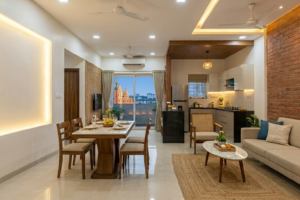
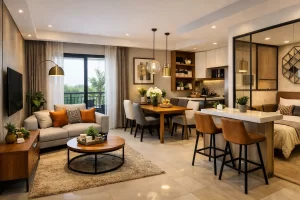
Modern homes increasingly feature open floor plans where the dining area is connected to the living room or kitchen. This layout creates a sense of spaciousness and encourages interaction between family members during meals.
Open dining spaces require careful design to ensure visual harmony between different areas of the home. Designers often use rugs, lighting fixtures, or furniture arrangements to subtly define the dining area within the larger space.
Compact Dining Areas
In apartments and smaller homes, dining areas are often compact and integrated within the living room or kitchen. Even in limited spaces, a well-designed dining setup can be stylish and functional.
Smart furniture choices such as round tables, foldable designs, or wall-mounted units help maximize space without sacrificing comfort.
Multi-Purpose Dining Rooms
Many modern homes use dining spaces for multiple purposes. For example, the dining table may also serve as a workspace, study area, or gathering spot for casual conversations.
In such cases, the design should focus on flexibility and practicality while maintaining a clean and organized look.
Key Elements of Dining Room Interior Design
Creating a perfect dining room involves combining several design elements in a balanced way.
Dining Table Selection
The dining table is the centerpiece of the room and often determines the overall style of the space. Choosing the right table involves considering size, shape, and material.
Rectangular tables are ideal for larger rooms and can accommodate more people. Round tables encourage conversation and work well in smaller spaces. Square tables provide symmetry and are suitable for compact dining areas.
Material selection also affects the look and durability of the table. Wooden tables offer warmth and timeless appeal, while glass tables create a modern and airy feel. Marble tables add luxury but require careful maintenance.
Dining Chairs and Seating Options
Comfortable seating is essential for a pleasant dining experience. Upholstered chairs provide softness and elegance, while wooden chairs offer durability and classic style.
Some homeowners prefer bench seating on one side of the table, which can create a relaxed and casual dining atmosphere. Mixing different chair styles is also becoming popular in contemporary interior design.
Lighting Design
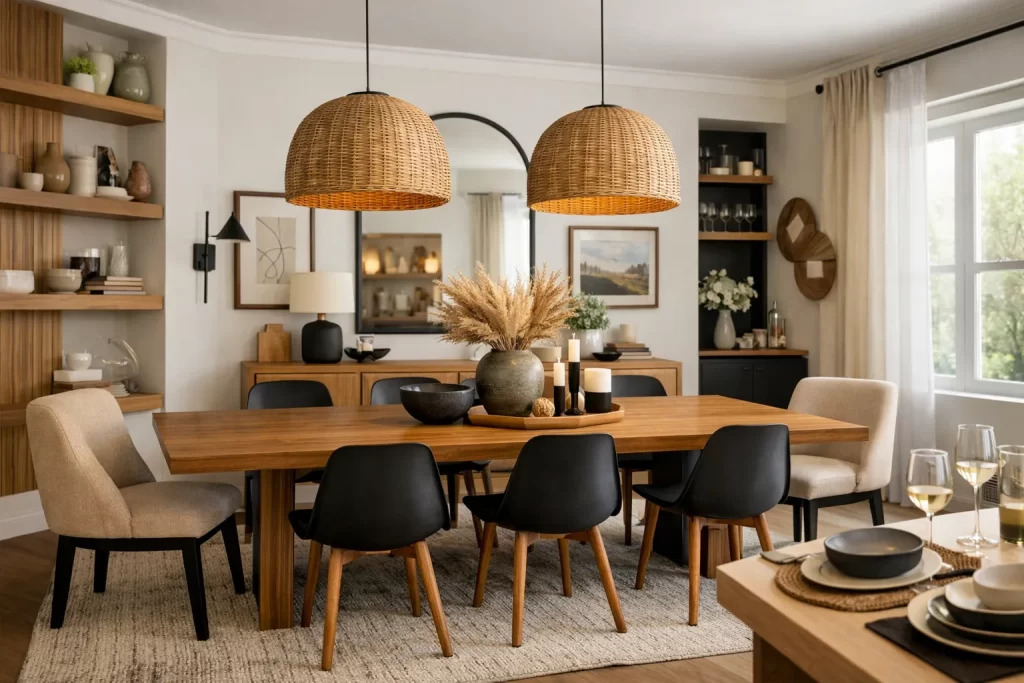
Lighting plays a crucial role in setting the mood of a dining room. The most common lighting element is a chandelier placed directly above the dining table. This creates a focal point while providing adequate illumination.
Pendant lights are another popular option, especially in modern interiors. Designers often use layered lighting that combines ambient lighting with accent lighting to create a balanced atmosphere.
Flooring Choices
The flooring in a dining room should be durable and easy to maintain. Materials such as hardwood, marble, and ceramic tiles are commonly used because they can handle spills and frequent use.
Adding a rug under the dining table can enhance the aesthetic appeal of the room while also defining the dining area.
Wall Design and Treatments
Walls offer an opportunity to add personality and visual interest to the dining room. Accent walls, wallpapers, textured paint, and wooden panels can transform a simple space into a stylish one.
Artwork, decorative mirrors, or framed photographs can further enhance the visual appeal of the room.
Popular Dining Room Interior Design Styles
Different design styles can dramatically influence the appearance and ambiance of a dining room.
Modern Dining Room Design
Modern dining rooms focus on simplicity and clean lines. Furniture is typically minimalistic, and color palettes are neutral. Materials like metal, glass, and engineered wood are commonly used.
The goal of modern design is to create a sleek and clutter-free environment.
Contemporary Dining Room Style
Contemporary interiors blend elements of modern design with current trends. This style often includes unique lighting fixtures, textured walls, and artistic furniture pieces.
Luxury Dining Room Interiors
Luxury dining rooms feature premium materials such as marble, velvet upholstery, and polished metals. Large chandeliers, statement artwork, and elegant décor elements enhance the grandeur of the space.
Minimalist Dining Room Design
Minimalist dining rooms focus on functionality and simplicity. Furniture pieces are carefully selected, and unnecessary décor is avoided. The result is a clean, calm, and uncluttered environment.
Traditional Dining Room Design
Traditional dining rooms feature classic wooden furniture, rich colors, and detailed craftsmanship. Decorative moldings, chandeliers, and elegant table settings contribute to a timeless aesthetic.
Dining Room Color Schemes and Themes
Color plays a powerful role in shaping the mood and character of a dining space.
Neutral Color Palettes
Neutral shades such as beige, cream, grey, and white create a calm and elegant atmosphere. These colors are versatile and can easily be paired with different furniture styles.
Bold and Dramatic Colors
Deep colors like navy blue, emerald green, or burgundy add drama and sophistication to dining spaces. When balanced with proper lighting and décor, bold colors can create a luxurious ambiance.
Light and Airy Dining Spaces
Light color schemes are perfect for small dining rooms because they make the space feel larger and brighter. White walls combined with wooden furniture create a fresh and welcoming look.
Two-Tone Dining Room Concepts
Two-tone designs combine contrasting colors or materials to add depth and interest. For example, dark furniture against light walls can create a striking visual effect.
Dining Room Furniture and Storage Solutions
Storage plays an important role in maintaining an organized dining room.
Sideboards and Buffets
Sideboards provide convenient storage for tableware, linens, and serving dishes. They also offer additional surface space for decorative items.
Display Cabinets
Display cabinets allow homeowners to showcase elegant dinnerware, glassware, and collectibles while keeping them protected.
Built-In Storage Units
Built-in storage solutions are ideal for smaller homes because they maximize space without adding bulky furniture.
Bar Units in Dining Rooms
Modern dining rooms often include stylish bar units where beverages and glassware can be stored. These units also enhance the entertaining experience when hosting guests.
Dining Room Decor Ideas
Decor elements add character and personality to the dining room.
Wall Art and Paintings
Artwork can instantly elevate the visual appeal of a dining room. Large paintings or gallery walls create a focal point and reflect personal taste.
Mirrors to Enhance Space
Mirrors are a great design trick for making rooms appear larger and brighter. They reflect light and add elegance to the dining area.
Indoor Plants
Plants bring freshness and natural beauty to interiors. Even small plants placed on shelves or corners can make a dining room feel lively.
Table Decor and Centerpieces
A stylish centerpiece such as a flower arrangement, decorative bowl, or candle display can enhance the dining table without overwhelming it.
Curtains and Window Treatments
Curtains add softness and elegance to dining rooms while controlling natural light. Sheer curtains create a bright atmosphere, while heavier fabrics provide a more formal look.
Lighting Ideas for Dining Rooms
Lighting design has a significant impact on the overall dining experience.
Statement Chandeliers
Chandeliers remain one of the most popular lighting choices for dining rooms because they create a luxurious focal point above the table.
Pendant Lighting Clusters
Clusters of pendant lights add a contemporary touch and work well in modern interiors.
Recessed Lighting
Recessed lights provide balanced illumination and can highlight architectural features.
Accent Lighting
Wall sconces and cove lighting create subtle ambiance and enhance the atmosphere during evening meals.
Dining Room Design Tips for Small Spaces
Small dining areas require creative solutions to maximize functionality.
Foldable or extendable dining tables allow flexibility when hosting guests. Bench seating can save space compared to individual chairs. Light color schemes make rooms appear larger, and mirrors enhance the sense of openness.
Compact furniture with sleek designs helps maintain a clutter-free look while ensuring comfort.
Common Dining Room Interior Design Mistakes to Avoid
One common mistake is choosing oversized furniture that overwhelms the room. Poor lighting placement can also negatively affect the dining experience.
Ignoring proportions, overcrowding the space with décor, and neglecting storage solutions are other frequent design errors. Proper planning and professional guidance can help avoid these issues.
Latest Dining Room Interior Design Trends (2026)
Modern dining rooms are increasingly incorporating sustainable materials and eco-friendly furniture. Smart lighting systems allow homeowners to adjust brightness and mood with ease.
Mixed-material furniture that combines wood, metal, and glass is also trending. Nature-inspired interiors featuring plants, natural textures, and earthy colors are becoming increasingly popular.
Many homeowners now seek professional Varanasi home interior services to incorporate these trends while maintaining functional design.
How Professional Designers Transform Dining Spaces
Interior designers bring expertise in space planning, color coordination, and furniture selection. They analyze the dimensions of the room and develop layouts that maximize both beauty and practicality.
Custom furniture design, tailored lighting plans, and cohesive décor strategies help create dining rooms that feel harmonious and sophisticated. Homeowners looking for expert guidance often consult an interior designer in Varanasi to achieve a balanced and stylish dining space that complements the rest of their home.
Conclusion
Dining rooms are more than just places to eat—they are spaces where families connect, guests are welcomed, and memories are made. A well-planned dining room interior design combines comfort, functionality, and aesthetics to create a warm and inviting atmosphere.
From choosing the right furniture and lighting to selecting colors and décor, every detail contributes to the overall experience of the space. By understanding design principles and incorporating modern trends, homeowners can transform their dining areas into elegant and practical spaces that enhance everyday living.