
Texture Play in Interiors: Fabrics, Finishes & Materials
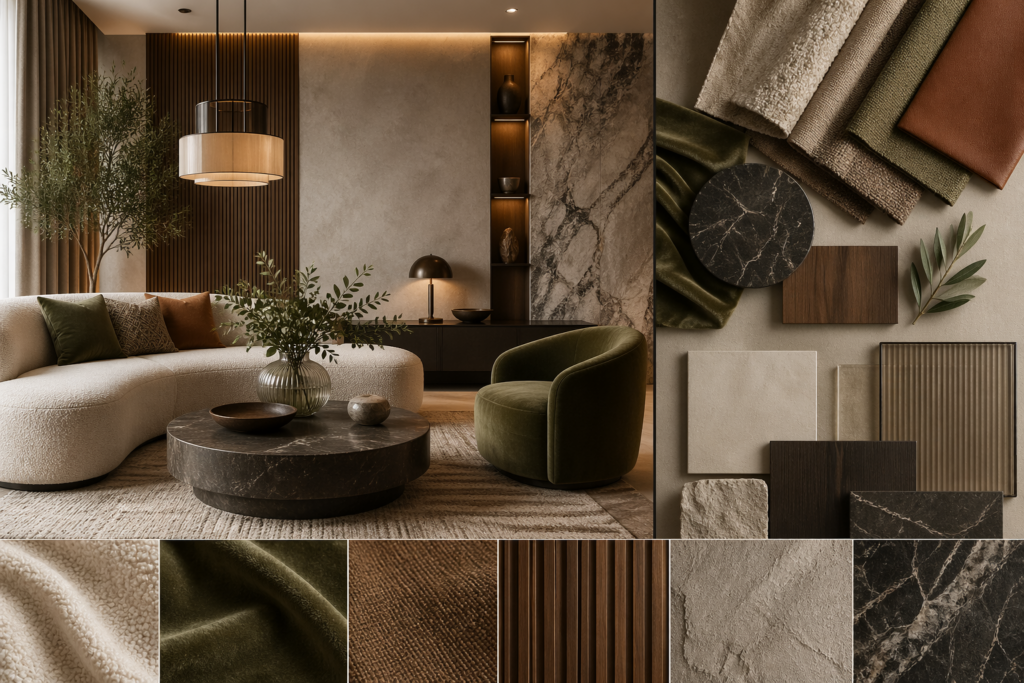

Interior design is no longer just about choosing the right colors or furniture—it’s about creating an immersive experience. One of the most powerful yet often overlooked elements that defines a space is texture. From the softness of a velvet sofa to the rugged charm of exposed brick, texture adds personality, depth, and emotion to interiors. Texture play in interiors involves a thoughtful combination of fabrics, finishes, and materials that transform flat, lifeless rooms into dynamic, inviting environments.
In today’s design landscape, especially in modern and luxury homes, textures play a crucial role in storytelling. Whether you’re designing a cozy bedroom or a sophisticated living room, mastering texture is what elevates a space from ordinary to extraordinary.
Introduction to Texture in Interior Design
Texture in interior design refers to the surface quality of materials—how they look and feel. It can be broadly categorized into visual texture, which is perceived by the eye, and tactile texture, which is experienced through touch. For example, a wallpaper with a brick pattern creates visual texture, while an actual exposed brick wall delivers tactile texture.
Understanding texture is essential because it directly impacts how a space is perceived. Smooth, glossy surfaces tend to reflect light and make spaces feel sleek and modern, while rough, matte textures absorb light and create warmth and intimacy. Designers often use a mix of both to strike a perfect balance.
At Avinnyya, texture is treated as a foundational design element rather than an afterthought. By layering different materials and finishes, spaces are crafted to feel rich, balanced, and deeply engaging.
Why Texture Matters in Modern Interiors
Creating Depth and Dimension
Without texture, interiors can feel flat and uninspiring, even if the color palette is well chosen. Texture introduces layers that create visual depth, making a room more dynamic. For instance, pairing a smooth marble floor with a textured rug instantly adds contrast and dimension. This layering technique ensures that the eye keeps moving, making the space feel alive.
Enhancing Sensory Experience
Interior design is not just visual—it’s sensory. Texture appeals to touch and emotion, influencing how people feel in a space. Soft fabrics like chenille or velvet evoke comfort and luxury, while raw materials like stone or concrete bring a sense of authenticity and grounding. These sensory cues can significantly enhance the overall living experience.
Balancing Minimalism and Warmth
Minimalist interiors often risk feeling cold or sterile. Texture becomes the key to adding warmth without cluttering the space. A neutral room with layered textures—like a wool rug, linen curtains, and a wooden coffee table—can feel cozy and inviting without compromising simplicity.
Types of Textures in Interior Design
Visual Texture
Visual texture is created through patterns, prints, and surface treatments that mimic real textures. Wallpapers, laminates, and printed tiles are common examples. These are especially useful when you want the look of a material without its maintenance or cost.
Tactile Texture
Tactile texture refers to the physical feel of a surface. Materials like wood, stone, metal, and fabric fall into this category. These textures are crucial for creating authenticity and richness in interiors, as they engage both sight and touch.
Natural vs Artificial Textures
Natural textures, such as wood grains, marble veins, and linen fabrics, bring organic beauty and uniqueness. Artificial textures, on the other hand, offer consistency and durability. A well-designed space often blends both, using natural materials for focal points and engineered finishes for practicality.
Fabric Textures: Soft Furnishing That Defines Comfort
Fabrics play a vital role in defining the comfort and mood of a space. They are the easiest way to introduce texture and can be updated seasonally or stylistically.
Upholstery Fabrics
Upholstery is often the centerpiece of a room. Velvet adds a sense of luxury and depth, making it ideal for statement sofas or accent chairs. Linen offers a relaxed, breathable feel, perfect for casual and contemporary interiors. Leather, with its smooth and durable surface, brings sophistication and longevity.
Curtains & Drapery
Curtains are more than functional—they frame the room. Sheer fabrics allow light to filter through, creating an airy feel, while heavier drapes add drama and insulation. Layering sheer and opaque curtains enhances both functionality and visual appeal.
Rugs and Carpets
Rugs anchor a space and define zones, especially in open layouts. A plush shaggy rug adds warmth and comfort, while a flatweave rug offers a clean and modern look. The texture of the rug can dramatically influence the room’s overall feel.
Cushions & Throws
Cushions and throws are small elements with a big impact. Mixing different fabrics—such as silk, cotton, and wool—creates a layered, inviting look. They also allow for easy updates, making them perfect for seasonal styling.
Surface Finishes: The Backbone of Interior Texture
Surface finishes form the structural layer of texture in interiors. They set the tone for the entire design.
Wall Finishes
Walls offer a large canvas for texture experimentation. Matte paints provide a subtle, sophisticated look, while glossy finishes reflect light and add drama. Textured paints, wallpapers, and wall cladding—such as wood panels or stone veneers—introduce depth and character.
Flooring Materials
Flooring is one of the most tactile elements in a space. Marble flooring exudes luxury, wooden floors add warmth, and tiles offer versatility. Combining flooring with rugs enhances texture and comfort.
Ceiling Treatments
Often overlooked, ceilings can significantly impact a room’s texture profile. False ceilings with layered designs, wooden beams, or textured panels add architectural interest and elevate the overall design.
Material Play: Combining Elements for Visual Harmony
Wood
Wood is timeless and versatile. Whether polished for a sleek look or left distressed for a rustic feel, it adds warmth and natural beauty to interiors.
Metal
Metals like brass, gold, chrome, and matte black introduce contrast and shine. They are best used as accents—lighting fixtures, handles, or décor elements—to avoid overpowering the space.
Glass
Glass adds lightness and transparency. Frosted or tinted glass can provide privacy while maintaining an open feel, making it ideal for partitions and décor.
Stone & Concrete
Stone and concrete bring a raw, industrial edge. While polished stone feels luxurious, exposed concrete adds a contemporary, minimalist vibe. Balancing these materials with softer textures ensures harmony.
How to Layer Textures Like a Pro
The Rule of Three
A simple yet effective principle is to combine at least three different textures in a space. For example, a living room might include a leather sofa, a wool rug, and a wooden coffee table. This creates balance without overwhelming the design.
Contrast is Key
Contrast makes textures stand out. Pairing rough with smooth or soft with hard materials enhances visual interest. For instance, a sleek glass table against a textured wall creates a striking effect.
Maintaining Balance
While layering is important, overdoing it can lead to clutter. The key is to create focal points and allow certain textures to dominate while others support.
Texture Trends in Contemporary Interior Design (2025–2026)
Modern interiors are embracing texture more than ever, with a focus on sustainability and innovation.
Sustainable & Eco-Friendly Materials
Materials like bamboo, jute, and reclaimed wood are gaining popularity for their environmental benefits and natural appeal.
Earthy & Organic Finishes
Earth-inspired textures, such as clay finishes and raw stone, are trending for their calming and grounding effect.
Maximalist Texture Layering
Designers are experimenting with bold combinations, mixing multiple textures to create rich, layered interiors.
Tech-Integrated Materials
Smart materials that combine aesthetics with functionality—such as anti-scratch surfaces or temperature-responsive fabrics—are shaping the future of interiors.
Room-by-Room Guide to Texture Application
Living Room
The living room is ideal for experimenting with textures. A mix of upholstered furniture, rugs, curtains, and wall finishes creates a welcoming and stylish environment.
Bedroom
Bedrooms benefit from soft, calming textures. Layered bedding, upholstered headboards, and plush rugs enhance comfort and relaxation.
Kitchen
In kitchens, textures come through cabinets, backsplashes, and countertops. Matte finishes and subtle textures add sophistication without overwhelming the space.
Bathroom
Bathrooms can combine tiles, glass, and stone to create a spa-like atmosphere. Textured tiles or natural stone add depth and elegance.
Common Mistakes to Avoid When Using Textures
One of the most common mistakes is overloading a space with too many textures, which can make it feel chaotic. Another is ignoring color harmony—textures should complement the color palette, not clash with it. Poor lighting can also diminish the impact of textures, as shadows and highlights play a crucial role in how textures are perceived.
Expert Tips from Avinnyya Designers
Professional designers emphasize starting with a base palette of materials and building layers gradually. It’s important to test samples in real lighting conditions before finalizing. Mixing high-end and budget materials smartly can achieve a luxurious look without overspending. Most importantly, textures should be used to highlight focal areas rather than compete for attention.
For homeowners looking for expert guidance, working with an experienced interior design company in bangalore can help translate these principles into a cohesive and personalized design.
Conclusion
Texture is the secret ingredient that brings interiors to life. It adds depth, enhances comfort, and creates a multi-sensory experience that goes beyond visual appeal. By thoughtfully combining fabrics, finishes, and materials, you can transform any space into a sophisticated and inviting environment.
Whether you prefer minimalist elegance or bold maximalism, mastering texture play allows you to design spaces that reflect personality and style. With the right balance and creativity, textures can turn even the simplest interiors into stunning works of art.
FAQs
What is texture in interior design?
Texture refers to the surface quality of materials in a space, including how they look and feel, contributing to depth and sensory appeal.
How do I mix textures without making a space look messy?
Stick to a cohesive color palette, use the rule of three, and balance contrasting textures to maintain harmony.
Which textures are best for small spaces?
Light, subtle textures like linen, soft woods, and matte finishes work best, as they add depth without overwhelming the space.
Are textured walls better than plain walls?
Textured walls add character and depth, but should be used strategically to avoid visual clutter.