
How to Design a Home That Stays Cool in Summer
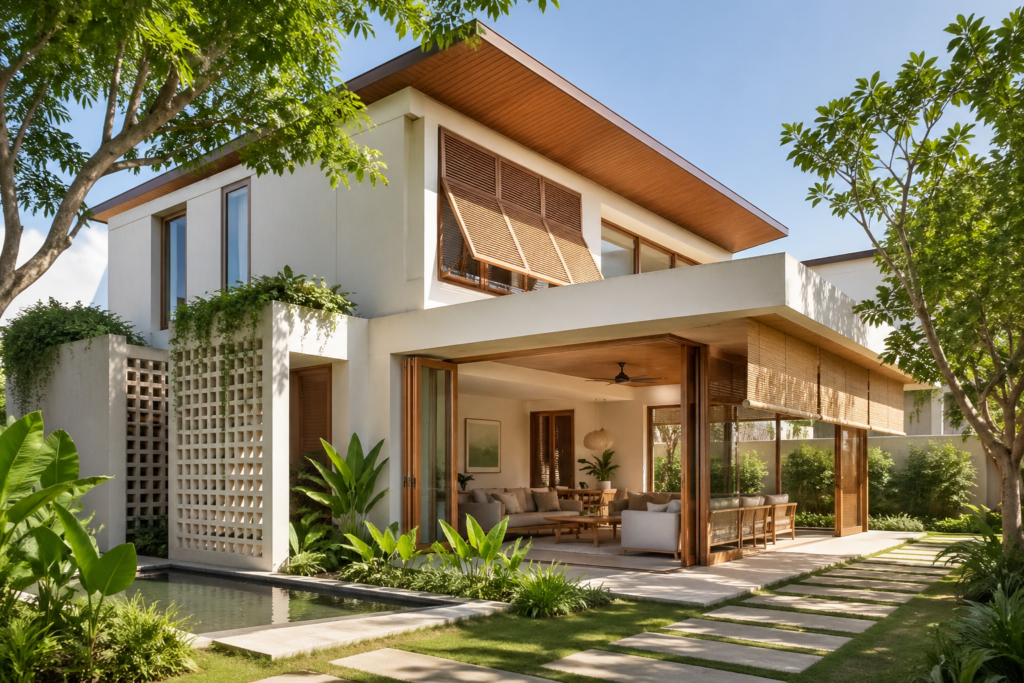

Summer can be harsh, especially in regions where temperatures soar for months at a time. While air conditioners and coolers provide temporary relief, they also increase energy consumption and electricity bills. The real solution lies in designing a home that naturally stays cool, reducing dependence on artificial cooling systems.
A well-designed home considers airflow, materials, colors, and layout to create a comfortable indoor environment even during peak summer heat. The good news is that you don’t need to rebuild your house or invest in major renovations to achieve this. With thoughtful design strategies and smart interior choices, you can significantly lower indoor temperatures and improve overall comfort.
In this comprehensive guide, we will explore how to design a home that stays cool in summer using practical, effective, and budget-friendly methods. These insights will help you create a refreshing living space that feels naturally cooler and more energy-efficient.
Understanding Why Homes Heat Up in Summer
Before implementing solutions, it is essential to understand why homes become excessively hot during summer.
Heat Gain Through Walls and Roofs
Walls and roofs are the primary sources of heat absorption. Materials like concrete and brick absorb heat during the day and release it slowly at night, making interiors uncomfortable even after sunset.
Poor Ventilation and Airflow
Without proper ventilation, hot air gets trapped inside the house. This leads to stagnant indoor air, making rooms feel stuffy and warmer than they actually are.
Inefficient Window Placement and Coverings
Windows that face direct sunlight without proper shading allow heat to enter easily. Heavy or poorly chosen curtains can also trap heat instead of reflecting it.
Smart Layout Planning for Natural Cooling
The layout of your home plays a significant role in maintaining a cooler environment.
Encourage Cross Ventilation
Cross ventilation allows fresh air to flow through the house while pushing hot air out. Opening windows and doors on opposite sides creates a natural airflow that cools interiors effectively.
Keep Pathways for Airflow Clear
Furniture placement should not obstruct airflow. Bulky furniture placed near windows or in narrow pathways can block the movement of air, reducing ventilation efficiency.
Use Open Layout Concepts
Open layouts allow air to circulate freely between spaces, preventing heat from being trapped in enclosed areas.
Choosing the Right Colors for a Cooler Home
Color selection is more powerful than most people realize when it comes to temperature control.
Light Colors Reflect Heat
Light shades such as white, beige, and pastels reflect sunlight instead of absorbing it. Using these colors on walls, ceilings, and furnishings can significantly reduce heat retention.
Avoid Dark and Heat-Absorbing Shades
Dark colors absorb more heat, making rooms feel warmer. Limiting their use, especially on large surfaces, helps maintain a cooler indoor temperature.
Summer-Friendly Materials for Interiors
The materials used in your home can either trap heat or help dissipate it.
Switch to Breathable Fabrics
Cotton and linen are ideal for summer as they are lightweight and breathable. Replacing heavy fabrics like velvet with these options can instantly make your home feel cooler.
Use Natural Materials
Materials like bamboo, cane, and rattan stay cooler compared to synthetic alternatives. Incorporating them into furniture and decor enhances both comfort and aesthetics.
Opt for Cool Flooring Solutions
Stone, marble, and tile flooring remain cool underfoot and help regulate indoor temperatures better than carpets or wooden flooring.
Window Treatments That Block Heat
Windows are a major source of heat gain, but the right treatments can minimize this effect.
Use Reflective or Blackout Curtains
Blackout curtains and reflective blinds prevent heat from entering while maintaining indoor comfort.
Install Sheer Curtains for Daytime Use
Sheer curtains allow light to enter while diffusing harsh sunlight, reducing heat buildup.
Add Bamboo Blinds or Shades
Bamboo shades provide natural insulation and block direct sunlight effectively.
Improve Ventilation Without Renovation
Ventilation is key to keeping your home cool.
Use Exhaust Fans Strategically
Exhaust fans help remove hot air from kitchens and bathrooms, preventing heat from spreading to other areas.
Keep Windows Open During Cooler Hours
Opening windows early in the morning and late in the evening allows cooler air to circulate inside.
Use Door Ventilation Techniques
Keeping internal doors slightly open improves airflow throughout the house.
Indoor Plants for Natural Cooling
Plants are not just decorative—they can actively contribute to cooling your home.
How Plants Reduce Heat
Plants release moisture into the air through transpiration, which helps lower surrounding temperatures.
Best Plants for Cooling
Indoor plants like areca palm, snake plant, and aloe vera are known for their cooling and air-purifying properties.
Placement Tips for Maximum Effect
Placing plants near windows and in heat-prone areas enhances their cooling impact.
Reduce Heat from Appliances and Lighting
Appliances and lighting can significantly contribute to indoor heat.
Limit Use of Heat-Generating Appliances
Ovens, stoves, and certain electronics generate heat. Using them during cooler hours can help maintain a comfortable indoor temperature.
Switch to LED Lighting
LED lights emit less heat compared to traditional bulbs, making them a better choice for summer.
Unplug Devices When Not in Use
Even idle electronics generate heat. Turning them off reduces unnecessary heat buildup.
Smart Cooling Additions for Modern Homes
Technology can enhance your home’s cooling efficiency without major changes.
Use Smart Thermostats
Smart thermostats optimize cooling by adjusting temperatures based on usage patterns.
Install Energy-Efficient Fans
Ceiling and pedestal fans improve air circulation and make rooms feel cooler.
Add Cooling Films to Windows
Window films reduce heat penetration while maintaining natural light.
Budget-Friendly DIY Cooling Hacks
Simple DIY solutions can make a noticeable difference.
Use Wet Curtains or Rugs
Damp fabrics can cool the air as it passes through them.
Place Ice in Front of Fans
This creates a cooling effect similar to an air conditioner.
Create Temporary Shade Outdoors
Using shades or awnings outside windows reduces heat entering the house.
Room-by-Room Cooling Strategies
Each room requires a tailored approach to stay cool.
Living Room
Use light fabrics, proper ventilation, and layered cooling methods to maintain comfort.
Bedroom
Focus on breathable bedding and minimal heat sources to ensure restful sleep.
Kitchen
Improve ventilation and limit heat-generating activities during peak hours.
Bathroom
Ensure proper exhaust systems to remove humidity and heat.
Home Office
Position workspaces near windows with indirect light and good airflow.
Common Mistakes That Make Homes Hotter
Many homeowners unknowingly make choices that increase indoor temperatures. Blocking ventilation paths, using heavy fabrics, and relying solely on air conditioning without addressing design flaws are common mistakes. Ignoring natural cooling techniques often leads to higher energy consumption without achieving long-term comfort.
When to Consider Professional Help
While these strategies can significantly improve comfort, some homes may require expert intervention for optimal results. A professional can analyze your space and recommend tailored solutions that align with your lifestyle and climate conditions.
If you’re aiming for a comprehensive transformation, consulting an interior design company in bangalore can help you create a home that stays cool naturally while maintaining a stylish and functional design.
Conclusion
Designing a home that stays cool in summer is not about expensive renovations or heavy reliance on air conditioning. It’s about making smart, thoughtful choices that enhance natural cooling and reduce heat absorption. From optimizing airflow and choosing the right materials to incorporating plants and improving window treatments, every small step contributes to a more comfortable living environment.
By understanding how heat enters and behaves within your home, you can take proactive measures to control it effectively. The result is a space that feels refreshing, energy-efficient, and perfectly suited for summer living.