
How to Use Color Psychology in Interior Design to Transform Your Space
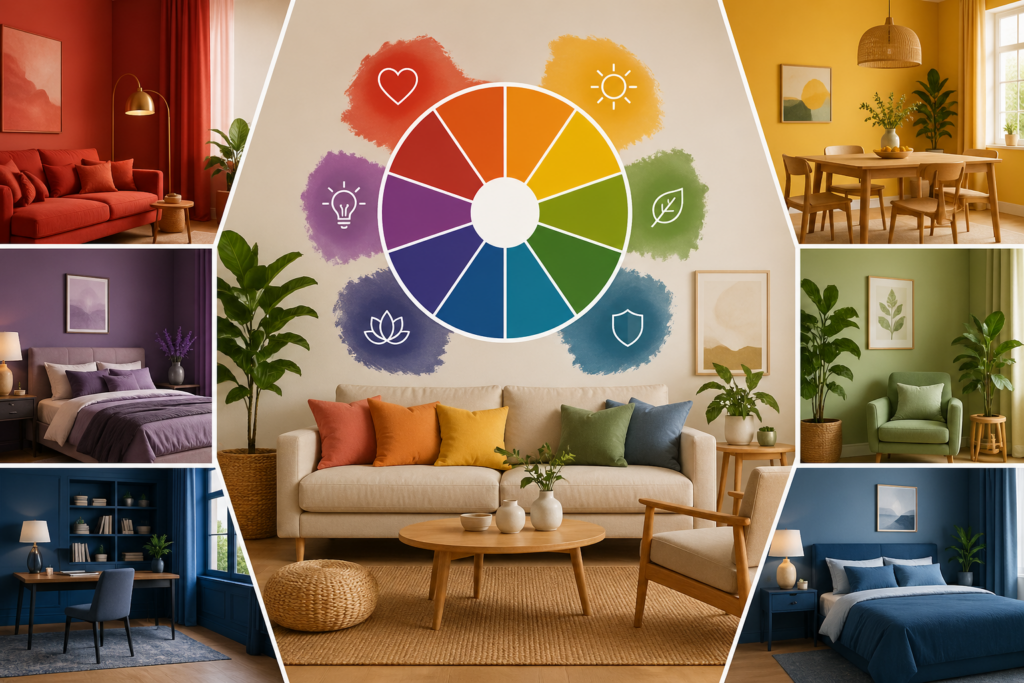

Walk into a room painted in soft blues and you instantly feel calm. Step into a space filled with bold reds, and your energy levels subtly rise. This isn’t coincidence—it’s color psychology at work. Colors have a profound impact on how we feel, think, and behave, making them one of the most powerful tools in interior design.
Understanding how to use color psychology in interior design allows you to create spaces that are not just visually appealing but also emotionally supportive and functional. Whether you’re designing a cozy bedroom, an energizing workspace, or a welcoming living room, the colors you choose play a critical role in shaping the experience of that space.
In this detailed guide, you’ll learn how different colors influence mood, how to choose the right palette for each room, and how to combine shades effectively to achieve a balanced and harmonious interior.
What is Color Psychology?
Color psychology refers to the study of how colors affect human emotions, behavior, and perception. It is widely used in fields like marketing, branding, and interior design because of its ability to influence mood and decision-making without conscious awareness.
In interior design, color psychology helps create environments that align with the intended purpose of a space. For example, calming tones are often used in bedrooms to promote relaxation, while vibrant hues may be used in social areas to encourage interaction and energy.
It’s important to note that color perception can vary based on personal experiences, cultural background, and even lighting conditions. However, many color associations are widely recognized. Blue is generally seen as calming, green as refreshing, and yellow as uplifting. By understanding these associations, you can make more intentional design choices.
Understanding the Color Wheel
Before applying color psychology, it’s essential to understand the basics of the color wheel. The color wheel is a visual representation of colors arranged according to their chromatic relationship.
Primary colors—red, blue, and yellow—form the foundation. Secondary colors are created by mixing primary colors, such as green, orange, and purple. Tertiary colors are formed by mixing primary and secondary colors, resulting in more nuanced shades.
Colors are also categorized as warm or cool. Warm colors like red, orange, and yellow tend to evoke feelings of warmth, energy, and excitement. Cool colors such as blue, green, and purple are associated with calmness, relaxation, and serenity.
Neutral colors, including white, gray, beige, and brown, act as balancing elements in a design. They provide a backdrop that allows other colors to stand out while maintaining visual harmony.
Understanding how these colors interact is key to creating aesthetically pleasing and emotionally effective interiors.
Psychological Effects of Different Colors
Warm Colors: Energy and Vibrancy
Warm colors are stimulating and attention-grabbing. They are ideal for spaces where activity and interaction are encouraged.
Red is one of the most powerful colors. It symbolizes passion, energy, and intensity. In interior design, red can stimulate appetite and conversation, making it a popular choice for dining areas. However, excessive use can feel overwhelming, so it’s best used as an accent.
Orange combines the energy of red with the cheerfulness of yellow. It promotes enthusiasm and creativity, making it suitable for living rooms, play areas, or creative studios.
Yellow is associated with happiness, optimism, and warmth. It can brighten up a space and make it feel more inviting. However, overly bright shades can cause visual fatigue, so softer tones are often preferred.
Cool Colors: Calmness and Relaxation
Cool colors have a soothing effect and are perfect for spaces meant for rest and focus.
Blue is widely known for its calming properties. It can reduce stress and promote concentration, making it ideal for bedrooms and home offices. Lighter blues create an airy feel, while darker shades add depth and sophistication.
Green represents nature, balance, and renewal. It is one of the most versatile colors in interior design and works well in almost any room. Green creates a refreshing and peaceful environment, especially in living rooms and bathrooms.
Purple is often associated with luxury, creativity, and spirituality. Lighter shades like lavender are calming, while deeper tones like plum add richness and drama.
Neutral Colors: Balance and Sophistication
Neutral colors are essential in interior design because they provide stability and versatility.
White creates a sense of cleanliness and openness. It makes spaces appear larger and brighter, which is why it’s commonly used in modern and minimalist interiors.
Gray offers a sophisticated and contemporary feel. It can be warm or cool depending on its undertones, making it a flexible choice for various design styles.
Beige and brown bring warmth and comfort. These earthy tones create a cozy atmosphere and pair well with both warm and cool color schemes.
How to Choose the Right Colors for Each Room
Living Room: Creating Comfort and Connection
The living room is often the heart of the home, where people gather and interact. Warm and inviting colors work best here. Shades of beige, soft gray, warm whites, and muted greens create a welcoming environment. You can add pops of color through cushions, rugs, or artwork to introduce personality without overwhelming the space.
Bedroom: Promoting Rest and Relaxation
Bedrooms should feel calm and serene. Cool colors like blue, green, and soft lavender are ideal choices. These tones help reduce stress and promote better sleep. Avoid overly bright or intense colors, as they can disrupt relaxation.
Kitchen: Encouraging Energy and Appetite
The kitchen is a space of activity and nourishment. Colors like yellow, orange, and warm neutrals work well here. They create a lively and inviting atmosphere while subtly stimulating appetite. White kitchens with colorful accents are also a popular modern choice.
Bathroom: Creating a Spa-Like Experience
Bathrooms benefit from clean and refreshing colors. Soft blues, greens, and whites create a spa-like environment that promotes relaxation and cleanliness. Adding natural textures like wood or stone enhances the calming effect.
Home Office: Enhancing Focus and Productivity
In a home office, the goal is to maintain focus and efficiency. Blue is an excellent choice for concentration, while green can reduce eye strain during long working hours. Neutral backgrounds with subtle color accents help maintain a professional and distraction-free environment.
Combining Colors Effectively
Using the right colors is only part of the process; combining them correctly is equally important. One of the most effective guidelines is the 60-30-10 rule. This means 60% of the room should be a dominant color, 30% a secondary color, and 10% an accent color.
This approach creates visual balance and prevents the design from feeling chaotic. Accent walls are another way to introduce bold colors without overwhelming the space. They draw attention and create focal points.
Textures and materials also play a role in how colors are perceived. A matte finish may feel subtle and soft, while a glossy surface can make colors appear more vibrant.
Lighting and Its Impact on Colors
Lighting significantly affects how colors appear in a space. Natural light changes throughout the day, altering the way colors are perceived. A color that looks perfect in the morning may appear different in the evening.
Artificial lighting also influences color tones. Warm lighting enhances warm colors, while cool lighting complements cooler shades. It’s essential to test paint samples under different lighting conditions before finalizing your choices.
Common Mistakes to Avoid
One of the most common mistakes in interior design is using too many bold colors in one space. This can create visual clutter and make the room feel overwhelming. Instead, balance bold shades with neutrals.
Ignoring lighting is another frequent error. A color that looks good in a showroom may not work in your home due to different lighting conditions.
Following trends blindly can also lead to regret. While trends can be inspiring, it’s important to choose colors that align with your personal style and the function of the space.
Trending Color Combinations in Modern Interiors
Modern interior design is embracing nature-inspired palettes. Earthy tones like terracotta, olive green, and warm beige are becoming increasingly popular. These colors create a grounded and calming environment.
Minimalist neutral schemes continue to dominate, with shades of white, gray, and taupe forming the base. Bold accent colors, such as deep blue or emerald green, are used sparingly to add character.
Sustainable design is also influencing color choices, with a focus on natural dyes and eco-friendly paints.
Practical Tips for Beginners
If you’re new to using color psychology, start with a neutral base and gradually introduce colors through décor elements like cushions, curtains, and artwork. This allows you to experiment without committing to a full repaint.
Creating a mood board can help you visualize how different colors work together. Testing paint samples on your walls is also crucial, as colors can look different depending on lighting and surroundings.
Benefits of Using Color Psychology in Interior Design
Applying color psychology in interior design goes beyond aesthetics. It improves mental well-being by creating environments that support relaxation, focus, or energy, depending on the need.
It also enhances functionality. A well-designed space feels intuitive and comfortable to use. Additionally, thoughtfully chosen colors can increase the visual appeal and value of a property.
For those seeking professional guidance, working with an experienced interior design company in bangalore can help translate color psychology principles into practical and visually stunning designs.
Conclusion
Color is one of the most powerful elements in interior design. It influences mood, shapes perception, and defines the overall experience of a space. By understanding and applying color psychology, you can create interiors that are not only beautiful but also meaningful and functional.
Whether you prefer calming blues, energizing yellows, or timeless neutrals, the key is to choose colors with intention. When used thoughtfully, color becomes more than just decoration—it becomes a tool for enhancing everyday life.