
Ceiling Material Comparison: Gypsum vs POP vs Wood vs PVC
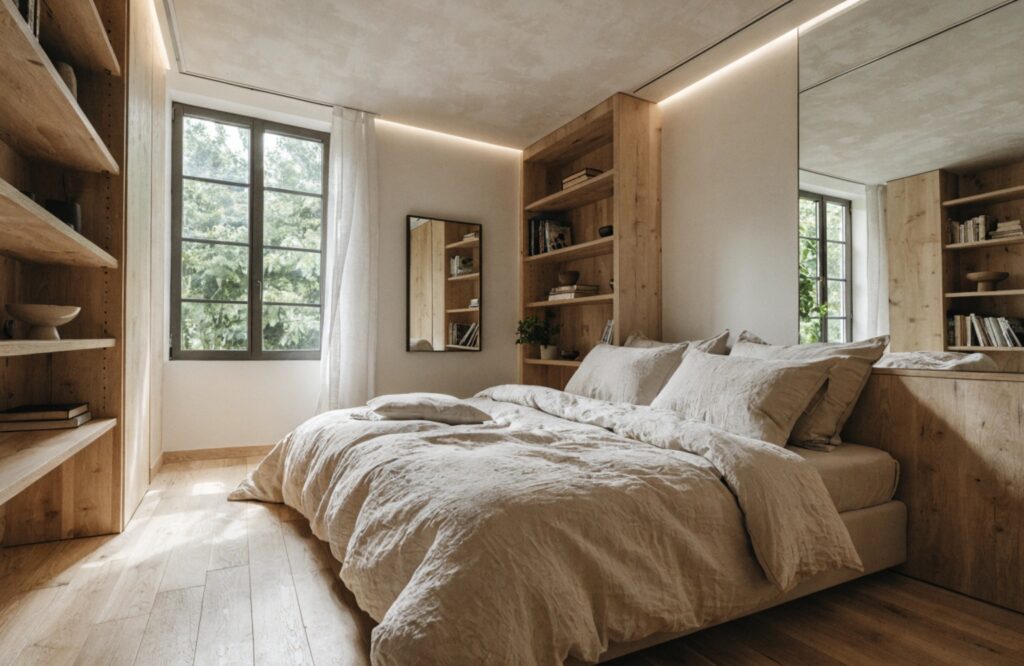

Choosing the right ceiling material is one of the most important decisions you’ll make when designing or renovating a small bedroom. The ceiling not only affects the look and feel of the space, but also impacts lighting, thermal comfort, maintenance costs, and long‑term durability. In this guide, we compare the four most commonly used ceiling materials — Gypsum, POP (Plaster of Paris), Wood, and PVC — to help you decide which one suits your small bedroom the best.
Whether you’re working with a tight budget, want a premium finish, or are aiming for minimal maintenance, understanding the strengths and weaknesses of each material will help you make an informed choice for your home.
Why Ceiling Material Matters for Small Bedrooms
Ceiling design does more than cover your head. It can make your bedroom appear taller, brighter, and more spacious or, if chosen poorly, can make the room feel boxed‑in and darker than it actually is.
In small bedrooms, ceiling selection should consider:
- Visual height impact: Some materials and designs reduce room height more than others.
- Light reflection: Smooth, light surfaces help reflect natural and artificial light.
- Durability and maintenance: Materials that handle moisture, heat, and cleaning differently can affect long‑term satisfaction.
- Installation time and costs: Time and budget constraints often influence your choice.
1. Gypsum Ceilings: Modern, Clean & Practical
Gypsum board ceilings are made from factory‑manufactured plaster boards attached to a metal frame. They are among the most popular ceiling choices in modern homes because of their sleek look and durability.
Benefits of Gypsum Ceilings
Gypsum ceilings offer a smooth and modern finish that works well with recessed lighting, coves, and geometric ceiling styles. The uniformity provided by factory‑made boards makes the finishing process cleaner and quicker compared to traditional site‑applied materials. Their relatively light weight puts less load on the structural framework while still providing durability. Gypsum boards also offer decent fire resistance and can be enhanced with moisture‑resistant additives for humid environments.
Drawbacks
Standard gypsum boards have limited flexibility when it comes to curved or intricate designs. They can also suffer from moisture issues if water penetrates the surface, leading to sagging or staining over time. Repairing gypsum ceilings typically means replacing an entire panel, which can be expensive and disruptive.
Typical Costs
Depending on regional pricing and quality, gypsum ceiling materials and installation generally fall in the mid‑range compared to other options. For example, in India the cost ranges broadly based on thickness and finishing.
Best For
- Minimalist and modern ceiling styles
- Bedrooms where a clean, seamless look is desired
- Projects requiring quick installation
2. POP (Plaster of Paris) Ceilings: Artistic & Affordable
Plaster of Paris ceilings have been widely used for decades. Unlike gypsum boards, POP is mixed onsite from powdered material and plastered onto a support mesh, allowing maximum design flexibility.
Why Choose POP
The biggest strength of POP ceilings is the ability to create artistic shapes, curves, borders, and layered effects unattainable with rigid board materials. This makes POP ideal for decorative and custom ceiling designs, especially if you want intricate cornices, waves, or multi‑tiered ceiling layouts.
Considerations Before Choosing POP
Despite its flexibility and lower material costs, POP ceilings take longer to install and require highly skilled craftsmen to avoid cracks and uneven textures. Improper mixing or rushed installation can make ceilings prone to cracking later, especially in high‑humidity regions. In addition, because POP is plaster based, it doesn’t inherently resist moisture as well as PVC ceiling panels.
Cost Perspective
POP ceilings tend to be more affordable in terms of material costs, but labor expenses can add up because of the time and skill required. Over time, POP ceilings may require periodic maintenance or repainting.
Best For
- Homeowners wanting elegant, curved, or layered ceiling designs
- Rooms where aesthetics outweigh installation speed
- Budget‑limited projects that still want decorative features
If you’re interested in further concepts, explore our in-depth ceiling materials guide.
3. Wooden Ceilings: Warmth and Premium Look
Wood ceilings add natural warmth and visual depth to any bedroom. Available as solid wood, engineered wood, or veneer‑finished panels, wood is often used to create a premium, cozy atmosphere.
Advantages of Wood Ceilings
Wood boasts excellent acoustic qualities and an inherently rich look that adds luxury to interiors. It pairs beautifully with softer lighting and creates a warm ambiance that plaster or synthetic materials can’t replicate.
Drawbacks and Challenges
Wood is generally the most expensive ceiling option, costing significantly more than gypsum, POP, or PVC. It also requires careful maintenance — sealing, termite protection, and moisture control are essential for long‑term performance, especially in climates with high humidity. Untreated wood can warp, swell, or deteriorate over time.
Best For
- Accent ceilings or feature areas
- Luxury bedroom interiors
- Spaces where the ceiling is a focal point
4. PVC Ceilings: Budget‑Friendly & Moisture‑Resistant
PVC (Polyvinyl Chloride) ceilings are lightweight, waterproof, and fast to install. Panels come in a wide range of finishes — including glossy, matte, wood‑grain, or textured patterns — making them versatile for different design aesthetics.
Strengths of PVC
PVC panels excel in areas where moisture is a concern, such as kitchens and bathrooms, but they work equally well in bedrooms. Because they are waterproof and termite‑proof, they require almost no maintenance and are very easy to clean — often just needing a damp cloth. Their lightweight nature also helps in rooms where reduced load is preferred, and they can be suitable for DIY installation in some cases.
Limitations
While durable, PVC is less premium in appearance compared to wood or gypsum and can look more plastic‑like if cheap panels are used. Basic PVC materials may also yellow under long‑term exposure to sunlight, so it’s important to choose UV‑resistant panels if the room gets direct sun.
Best For
- Quick installations
- Moisture‑sensitive areas
- Low‑maintenance ceiling projects
Comparing the Materials Side‑by‑Side
Now that we’ve discussed each material individually, let’s compare them across important factors that matter most to homeowners:
Cost
- Gypsum: Mid‑range pricing, moderate installation time
- POP: Generally more affordable initially but labor can add up
- Wood: Highest cost due to materials and skill required
- PVC: Very affordable and low maintenance cost over time
Durability
Gypsum and wood tend to last longer in interior settings if properly maintained. PVC offers good longevity, especially when moisture resistance is key, while POP may need more upkeep due to potential cracking and repainting needs.
Installation Time
PVC is usually fastest to install, followed by gypsum. POP takes longer due to site application and drying times, and wood depends on complexity and finishing.
Design Flexibility
POP leads the way in custom moulding and freeform shapes. Gypsum also allows layered patterns, though not as fluid as POP. PVC and wood are less flexible in creating intricate shapes, though wood can be creatively designed with paneling.
Moisture & Maintenance
PVC outperforms others in moisture resistance and easy cleaning. Gypsum can be treated for better moisture performance, while POP needs careful sealing. Wood requires protection for humidity and pests.
Visual Aesthetic
Gypsum suits modern minimalism, POP fits ornate styles, PVC offers practical looks, and wood delivers rich warmth. Your choice should match the overall bedroom design and aesthetic goals.
Which Material Is Best for Your Small Bedroom?
Choosing the best ceiling material depends on your priorities:
- Best for Modern, Seamless Look: Gypsum
- Best for Budget Decorative Designs: POP
- Best for Moisture & Low Maintenance: PVC
- Best for Premium, Warm Finish: Wood
For small bedrooms where height and brightness matter, gypsum and PVC tend to work best because they maintain slim profiles and reflect light well, making spaces feel airier.
Conclusion
Selecting the right ceiling material is a balance of aesthetics, durability, cost, installation time, and maintenance. Gypsum offers a harmonious blend of modern finish and practicality. POP is ideal if you prioritize decorative freedom on a budget. Wood delivers unmatched warmth but requires more investment, and PVC is unbeatable when it comes to moisture resistance and low upkeep.
By understanding how each material performs across real‑world conditions and long‑term use, you can confidently choose the ceiling that transforms your small bedroom into a comfortable, stylish, and functional space.