
Small Bedroom Ceiling Costs, Installation Steps & Professional Services (Full Buyer’s Guide)
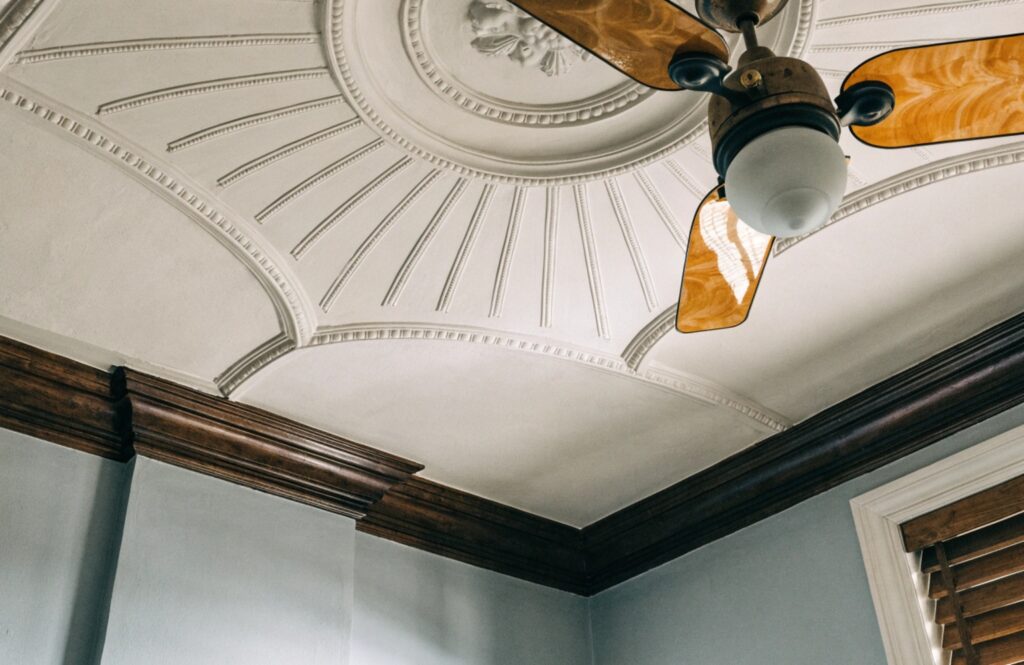

Designing the ceiling of a small bedroom involves far more than choosing a material and adding lights. The ceiling affects the room’s spaciousness, lighting quality, comfort, and overall aesthetics. Whether you’re renovating or building new, understanding the costs, installation steps, materials, contractor selection, and maintenance requirements is essential for making informed decisions.
At Avinnyya, we believe that the right ceiling strategy can transform even the most compact bedrooms. This comprehensive buyer’s guide walks you through every element of small bedroom ceiling design—from pricing and material breakdowns to installation steps, professional hiring tips, and long-term care.
Understanding Ceiling Design Costs for Small Bedrooms
Cost is the first concern for most homeowners planning a ceiling renovation. The price depends on the design, materials, lighting choices, and labor rates in your region.
Average Cost of Ceiling Designs in Small Rooms
A typical small bedroom ranges between 80–120 sq. ft, and ceiling installation prices are usually calculated per sq. ft.
Typical Cost Range per Sq. Ft
- Simple gypsum false ceiling
- POP false ceiling
- PVC ceiling
- Wooden ceiling
- Designer ceilings (cove lighting, recessed shapes)
Prices fluctuate based on design complexity, number of light cutouts, and finishing requirements.
Regional Price Variations
Labor and material costs vary significantly between urban and rural areas. Large metro cities typically have:
- Higher labor costs
- Better access to premium materials
- More professional contractors
Smaller towns often offer cheaper labor but may have limited design and material options.
Factors Increasing or Reducing Cost
Costs increase when:
- You add multi-layer or carved designs
- Incorporate cove or recessed lighting
- Use premium materials like hardwood
- Room has wiring or structural issues
Costs decrease when:
- Choosing basic gypsum panels
- Avoiding complex lighting fixtures
- Minimizing height reduction
- Using PVC or POP instead of wood
Examples for Different Room Sizes
Example 1: 10×10 ft room
Ideal for a basic false ceiling with 4 downlights.
Example 2: 12×12 ft room
Can fit cove lighting or a recessed center panel.
Example 3: 10×8 ft room
Requires minimal height reduction and simple design to avoid cramped appearance.
Cost Breakdown by Ceiling Style
Simple/Plain Ceiling Cost
A plain ceiling with minimal design is the most affordable option. It usually involves a metal frame and single-layer gypsum boards.
POP Ceiling Cost
POP is cost-effective but takes longer to install because it needs hand-layering, shaping, and curing.
Gypsum False Ceiling Cost
One of the most popular choices, perfect for modern homes. It offers a smooth finish, easy installation, and works well with recessed lighting.
Wooden Ceiling Cost
Wood adds warmth and luxury but is expensive and requires maintenance. It works best as partial ceiling accents.
PVC Ceiling Cost
Lightweight, waterproof, and cost-effective. Excellent for homes that need long-term durability without frequent maintenance.
Labor Charges vs Material Costs
Labor constitutes a significant portion of ceiling expenses. The complexity of the design determines how much time and skill are required.
Skilled Labor Costs
Skilled carpenters and ceiling installers charge more than generic labor due to:
- Precision cutting
- Electrical integration
- Framing accuracy
- Finishing expertise
Installation Complexity
Costs rise if the ceiling includes:
- Curves
- Layers
- Cutouts
- LED coves
- Wooden battens
Additional Charges
- Light cutouts
- Decorative molding
- Premium finishing
- Painting and sanding
- Extra framing in weak corners
Gypsum Board Pricing & Material Cost Guide
Gypsum ceilings dominate modern ceiling design because of their clean appearance and excellent durability.
What Is a Gypsum Board?
Gypsum boards are made from calcium sulfate and laminated between thick paper sheets. They are lightweight, easy to install, and provide a seamless finish.
Why Gypsum Is Popular
- Smooth finish
- Fire-resistant
- Ideal for recessed lighting
- Reduces room echo
- Quick installation
Benefits
- Great for small rooms
- Helps hide wiring
- Offers uniformity
- Compatible with paint, wallpaper, or texture
Gypsum Board Price Per Sq. Ft
Standard Board Pricing
Standard boards are affordable and work for most designs.
Premium vs Regular Boards
Premium boards offer moisture resistance, thicker layers, and better soundproofing.
Thickness-Based Differences
Thicker boards are sturdier but heavier and slightly pricier.
Additional Gypsum Ceiling Costs
Framing & Channels
Metal channels support the gypsum boards and ensure long-term stability.
Jointing & Finishing Materials
Joint compound, tape, and corner guards help create a smooth and crack-free surface.
Screw, Tape & Compound Cost
These small materials collectively impact the overall cost.
Waste Percentage
Always calculate a 5–10% waste margin for cuts, corners, and errors.
Step-by-Step False Ceiling Installation Guide
Understanding installation steps helps you monitor your contractor’s work and anticipate time/cost requirements.
Step 1 – Planning & Measurements
Proper planning ensures:
- Safe ceiling height
- Correct lighting placement
- Optimal material selection
Assessing Ceiling Height
Small bedrooms require minimal height reduction—usually 3–6 inches.
Identifying Lighting Zones
The lighting must highlight:
- Bed area
- Corners
- Study desk
- Wardrobe
Selecting Materials
Choose based on:
- Budget
- Durability
- Room humidity
- Aesthetic preference
Step 2 – Framing Work
Metal channels form the skeleton of the false ceiling.
Metal Channels
These include ceiling channels, perimeter channels, and intermediate channels.
L-Angle Placement
L-angles secure the perimeter and maintain level alignment.
Step 3 – Board Fixing
After framing, gypsum or POP boards are installed.
Cutting Gypsum Boards
Boards must be measured and cut accurately for edges and corners.
Screwing Pattern
Boards are fixed using screws at consistent distances to prevent sagging.
Safety Considerations
Installers must use:
- Safety glasses
- Gloves
- Dust-free sanding tools
Step 4 – Finishing Process
A poorly finished ceiling shows cracks and seams quickly.
Joint Tape
Applied over all joints to prevent cracking.
Putty Work
Smoothens the board surface and hides imperfections.
Sanding
Ensures a perfectly even surface.
Painting & Priming
Primer enhances paint adhesion and longevity.
Step 5 – Quality Inspection Checklist
After installation:
Crack Check
No fine cracks should appear near joints.
Sagging Prevention
Check if the ceiling feels firm and stable.
Seam Visibility
A good finish should have zero visible seams.
How to Hire the Right Ceiling Contractor
Hiring a skilled contractor can save you time, money, and future repair costs.
What to Look for in a Contractor
Your contractor must demonstrate:
- Verified certifications
- Experience with gypsum and POP ceilings
- Portfolio of small room designs
- Knowledge of modern lighting plans
- Commitment to deadlines
Key Questions to Ask Before Hiring
Ask about:
- Warranty terms
- Material brands used
- Expected completion timeline
- Payment stages
- Repair policy
Warning Signs of a Bad Contractor
Avoid contractors who:
- Offer no written contract
- Quote extremely low prices
- Delay communication
- Refuse to provide previous work sample
Recommended Ready-Made Ceiling Options for Small Bedrooms
Ready-made ceiling materials simplify installation and reduce labor cost.
Popular Gypsum & PVC Brands
Many brands offer durable, pre-treated boards suitable for small rooms. PVC panels are especially good for low-maintenance installations.
LED Panel & Ceiling Lighting Manufacturers
Ready-made LED panels are efficient, long-lasting, and enhance ceiling design.
Why Ready-Made Panels Work for Small Rooms
- Lightweight
- Pre-finished
- Time-saving
- Cost-efficient
- Minimal mess
Ceiling Lighting Cost Breakdown
Lighting defines the mood, brightness, and style of your bedroom.
Types of Ceiling Lighting & Their Costs
LED Strip Lights
Ideal for peripheral glow and cove lighting.
Recessed Downlights
Provide focused, soft lighting without clutter.
Surface Lights
Budget-friendly and easy to maintain.
Cove Lighting
Adds luxury but increases installation complexity and cost.
Electrical & Wiring Charges
Installation cost depends on:
- Number of lights
- Wiring length
- Switchboard upgrades
- Concealed wiring
Smart Lighting Add-Ons
Dimmers
Control light intensity.
Remote Controls
Enable brightness and color adjustments.
Smart Home Integration
Works with voice assistants and apps.
Ceiling Renovation Budgeting for Small Bedrooms
Budgeting prevents overspending and unexpected delays.
Budget Planning Checklist
Include:
- Material costs
- Labor charges
- Lighting expenses
- Painting
- Post-installation cleaning
Hidden Costs to Prepare For
- Repairing old wiring
- Fixing dampness
- Additional framing
- Fixing uneven base ceiling
Cost-Saving Tips
- Choose simple designs
- Use multi-purpose lighting
- Plan wiring early
- Avoid unnecessary design layers
Maintenance Tips for Small Bedroom Ceilings
Proper maintenance extends the life of your ceiling.
Gypsum Ceiling Maintenance
- Keep dry
- Avoid heavy fixtures
- Inspect annually
POP Ceiling Maintenance
- Prevent cracks
- Repaint as needed
Wooden Ceiling Maintenance
- Anti-termite treatment
- Regular polishing
When to Call a Professional
- Water leakage
- Sagging boards
- Flickering or damaged lights
Read the full Guide here – Complete Guide to Ceiling Types & Materials for Small Bedrooms (Gypsum, POP, PVC, Wood & More)
Common Installation Mistakes to Avoid
Avoiding mistakes ensures long-lasting results.
Incorrect Ceiling Height Reduction
Small rooms need minimal height drop.
Poor Lighting Placement
Lighting must be evenly distributed.
Weak Framing Work
Weak framing leads to sagging and cracks.
Not Using High-Quality Joint Compound
Good compounds prevent long-term cracks.
Full Ceiling Design & Renovation Packages
Complete packages simplify the entire project.
What’s Included
- Materials
- Labor
- Electrical work
- Painting
- Cleanup
Package Types
- Standard (simple ceiling + basic lights)
- Premium (cove lighting + decorative panels)
- Custom (tailored shapes, colors, lighting)
How to Select the Best Package
- Budget
- Room size
- Ceiling height
- Design preference
Final Summary
Designing a small bedroom ceiling requires thoughtful planning. Understanding costs, choosing suitable materials, selecting the right contractor, and maintaining the ceiling properly will help you create a beautiful and durable space.
If you’re ready to upgrade your bedroom, explore modern ceiling ideas or connect with a professional to start planning your project today.