
False Ceiling vs No Ceiling: Which Is Better for Small Rooms?
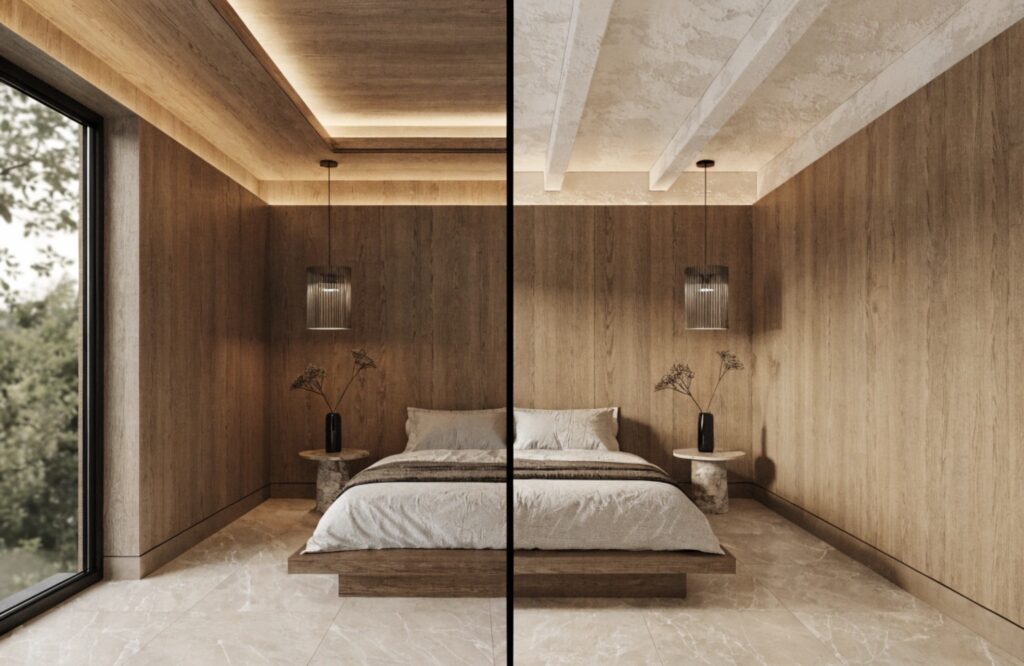

Designing ceilings for small rooms is often more complicated than it appears. While most people focus on color, flooring, wardrobes, or lighting, the ceiling quietly determines how spacious the room feels, how well it lights up, how warm or cool it stays, and even how neat the wiring or fixtures look. Choosing between a false ceiling and no ceiling (exposed slab) is one of the most important decisions when designing compact bedrooms, studios, or small living spaces.
While false ceilings offer modern aesthetics and lighting flexibility, they reduce height. No-ceiling designs preserve vertical space but limit design possibilities. This guide breaks down both options in depth so you can confidently make the right choice for your home.
What Is a False Ceiling?
A false ceiling—also known as a dropped or suspended ceiling—is a secondary layer of material installed a few inches below the structural slab. Typically made of gypsum, POP, PVC, or wooden panels, false ceilings are framed on channels and then finished with paint or texture. This design creates a concealed gap that hides wiring, ducts, and lighting systems while giving the room a polished appearance.
In small rooms, false ceilings are often used to integrate LED strip lighting, cove lighting, spotlights, or even sound-absorbing materials. Many homeowners prefer false ceilings because they transform an ordinary room into a stylish, hotel-like space. However, the loss of height is a serious consideration in compact areas.
What Is a No-Ceiling Design?
A “no ceiling” concept simply means using the original slab as the finished ceiling. Instead of adding a false layer, the existing concrete slab is painted, polished, or lightly textured to create a clean, minimal look. This approach preserves maximum ceiling height, which is crucial in small rooms with low structural height.
No-ceiling designs are especially popular in modern, Scandinavian, industrial, and minimalist interiors. They allow more airiness and openness but offer limited opportunities for recessed lighting or hidden wiring. The surface must be properly finished because the slab’s imperfections are visible.
Pros of False Ceilings in Small Rooms
False ceilings offer a number of functional and aesthetic advantages—especially in modern homes—but each advantage has particular relevance in small rooms.
1. Advanced Lighting Flexibility
The biggest benefit of false ceilings is lighting. Small rooms often struggle with uneven or inadequate lighting, which makes spaces feel even smaller. A false ceiling lets you integrate recessed spotlights, LED strip lighting, cove lighting, backlit panels, and concealed lights. These lighting styles distribute brightness more evenly, creating an illusion of more space and reducing harsh shadows.
2. Hides Wiring, Pipes & Imperfections
Older rooms or renovated spaces may have messy wiring, conduit lines, beams, or cracks on the slab. A false ceiling neatly hides all of this, giving the room a premium, clutter-free finish. This is especially useful when installing ceiling fans, AC units, smart lighting, or speakers.
3. Better Insulation & Acoustics
False ceilings help regulate room temperature by trapping air between the slab and the ceiling. This makes rooms cooler in heat and slightly warmer during cold weather. They also reduce echo and outside noise—important in tightly packed apartments.
4. Modern Design Possibilities
From tray ceilings and border ceilings to floating strip lighting, a false ceiling gives you endless design freedom. This is often impossible with a no-ceiling slab, which restricts creativity.
Cons of False Ceilings in Small Rooms
Despite their advantages, false ceilings have a few drawbacks that become more noticeable in compact spaces.
1. Height Reduction
This is the biggest concern. Even the thinnest false ceiling requires 2.5–4 inches of drop, while most practical designs require 5–7 inches. In rooms that are already low, this can make the environment feel slightly compressed.
2. Higher Cost
False ceilings require metal framing, skilled labor, high-quality materials, putty, paint, and sometimes lighting installation. For small rooms, this can be a significant expense when compared to a simple slab finish.
3. Requires Maintenance
False ceilings may develop cracks or stains over time and need repainting every few years. Hidden electrical components also become less accessible because they sit behind the panels.
Pros of No-Ceiling Designs in Small Rooms
1. Maximum Height & Spaciousness
The most obvious benefit of a no-ceiling approach is that you keep the room’s full height. This added vertical space dramatically improves openness, making it ideal for compact bedrooms, small studios, and rooms with 8–9 ft structural height.
2. Clean, Minimal, Airy Look
The exposed slab, when finished well, has a raw yet elegant appeal. Minimal interior styles prioritize simplicity, and a no-ceiling design suits modern aesthetics perfectly. It keeps the room visually open and uncluttered.
3. Lower Cost
Since there is no frame or extra material, you only need paint, minor texture, or light finishing. This reduces both installation cost and long-term maintenance.
4. Easy Access for Electrical Work
Any repairs or new wiring are easier to execute because the slab remains exposed. Surface lighting fixtures can be upgraded at any time without dismantling structures.
Find out which ceiling styles work best for maximizing space in small bedrooms.
Cons of No-Ceiling Designs
1. Limited Lighting Choices
No ceiling means no space for recessed lighting, cove lighting, hidden LED strips, or backlit panels. You’re limited to surface fixtures like panels, tube lights, track lights, or small hanging lights.
2. Visible Imperfections
Most slabs are not perfectly smooth. Even after sanding and painting, cracks may remain visible. If your wiring, conduits, or beams are exposed, they can interfere with the aesthetics unless you adopt a full industrial look.
3. Less Insulation
Exposed ceilings don’t help with temperature control or sound reduction. Rooms may feel warmer or noisier depending on their location.
False Ceiling vs No Ceiling — Detailed Comparison
1. Space & Height
- False Ceiling: Reduces height but can be kept shallow.
- No Ceiling: Best choice for very small rooms or low-height spaces.
2. Lighting Options
- False Ceiling: Ideal for modern lighting and uniform brightness.
- No Ceiling: Limited to surface lighting.
3. Aesthetics
- False Ceiling: Sleek, modern, premium look.
- No Ceiling: Minimal, raw, airy aesthetic.
4. Cost
- False Ceiling: More expensive due to framing and material.
- No Ceiling: More budget-friendly.
5. Wiring & Concealment
- False Ceiling: Hides everything neatly.
- No Ceiling: Requires creative routing.
6. Maintenance
- False Ceiling: More complex.
- No Ceiling: Easier long-term maintenance.
7. Practicality in Small Rooms
- False Ceiling: Works well if height is sufficient.
- No Ceiling: Best when height is limited.
How to Decide Based on Room Height
Ceiling height is the most important factor in this decision.
If your room height is 9.5 ft or above
A false ceiling is perfectly safe and will not make the room feel cramped. You can even install shallow drop designs or border lighting.
If your room height is 8.5–9 ft
You may use a border false ceiling that only covers the perimeter. This allows lighting while keeping most of the height intact.
If your room height is below 8.5 ft
A no-ceiling approach is strongly recommended. Preserving height will make the space feel more open and breathable.
Design Tips for Making Either Option Work
If You Choose a False Ceiling
Use minimal drop measurements.
A simple 4–5 inch border gives room for wiring and indirect light while maintaining visual height. Choose light colors like white, ivory, or pastel tones to avoid visual heaviness. Avoid heavy patterns or layered sections. Use warm-white LED lights (3000K–4000K) to create a calming ambiance.
If You Choose No Ceiling
Smooth the slab with putty or texture coating for a clean finish.
Paint the ceiling and walls in cohesive shades to create visual continuity. Use slim surface lights, track lights, or low-profile LED panels to maintain simplicity. A matte finish works better than semi-gloss because it hides imperfections and prevents glare.
When Should You Choose a False Ceiling?
A false ceiling is the right choice if:
- Your room has sufficient height
- You want premium lighting effects
- Your wiring needs to be hidden
- You prefer a modern hotel-style aesthetic
- You want better insulation and reduced noise
- You plan to use smart lighting systems
When Is a No-Ceiling Design Better?
A no-ceiling design is best when:
- Room height is limited
- You love a minimalist or Scandinavian look
- Budget is tight
- You prefer easy access for electrical updates
- You want the room to feel airy and open
- The slab is in good condition or can be easily finished
Final Conclusion — Which One Should You Choose?
There is no single universal answer. The right choice depends on your room’s height, lighting needs, design preference, and budget.
Choose a false ceiling if you want:
- Stylish lighting
- Concealed wiring
- A polished, modern look
- Some level of insulation
Choose a no-ceiling design if you want:
- Maximum height
- A minimal aesthetic
- Lower cost
- A spacious, airy feeling
For most small rooms, homeowners prefer no ceiling when height is low, and a minimal false ceiling when height is moderate. Ultimately, the correct decision is the one that balances comfort, practicality, design, and your personal taste.