
PVC Ceiling Designs for Compact Bedrooms – Stylish, Modern & Space-Enhancing Ideas
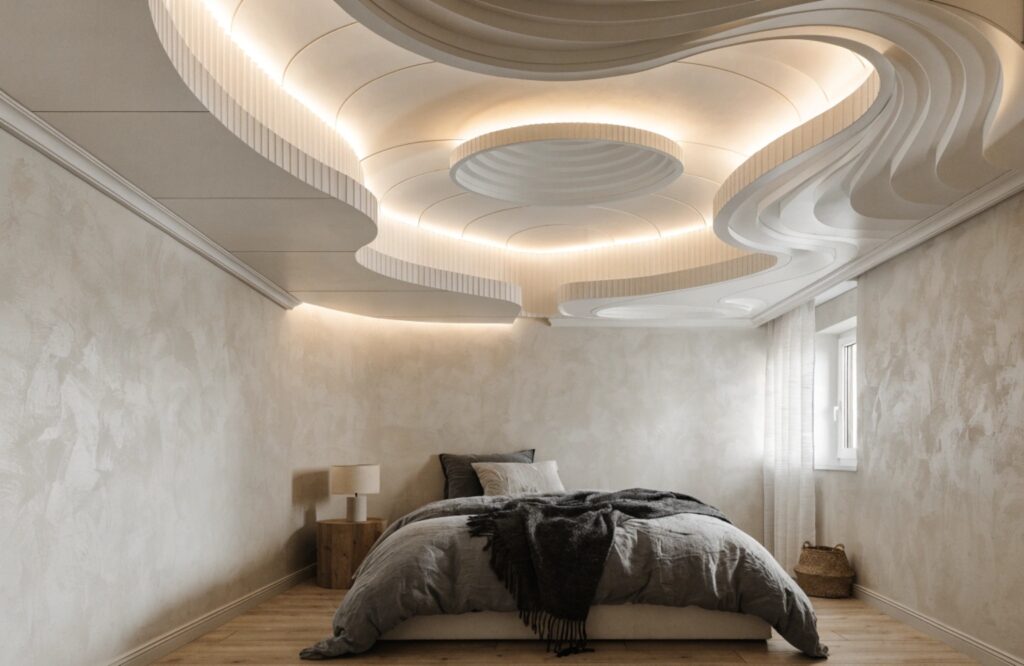

Designing a small bedroom comes with unique challenges—limited square footage, low ceiling heights, and the constant need to balance style with practicality. While many people focus on wall colors and furniture choices, the ceiling often remains an underrated design opportunity. The right ceiling can instantly make a compact bedroom look taller, brighter, and more modern.
Among all ceiling materials available today, PVC (Polyvinyl Chloride) has become one of the most popular choices for compact bedrooms due to its lightweight nature, low maintenance, budget-friendly pricing, and wide range of design finishes. Whether you’re looking for a sleek modern style, a cozy textured ceiling, or an eye-catching accent panel, PVC provides endless design flexibility.
This guide—based on analyzing the top-ranking pages on the SERP—will help you understand everything about PVC ceilings for compact bedrooms, from design ideas and lighting integration to maintenance, pros and cons, and expert recommendations.
What Is a PVC Ceiling?
A PVC ceiling is made from durable polyvinyl chloride panels that are molded into lightweight boards or planks. These panels are installed over a framing system to create a false ceiling or decorative ceiling covering.
What makes PVC ideal for small bedrooms is its lightweight, moisture-resistant, and highly customizable nature. Unlike gypsum or wooden boards, PVC panels are easier to install, require minimal maintenance, and come in hundreds of textures, colors, and finishes—from matte minimalism to glossy reflective designs.
PVC ceilings are especially beneficial in compact rooms because they reflect light, enhance spaciousness, and don’t add visual heaviness like wood or plaster might.
Benefits of PVC Ceilings in Small Bedrooms
1. They Make Small Rooms Look Bigger
PVC naturally reflects light, whether natural or artificial. This reflection helps create an illusion of more vertical height and wider space—ideal for rooms under 120 sq. ft.
2. Lightweight & Easy to Install
PVC is significantly lighter than gypsum, POP, or wooden panels. This reduces installation time, labor cost, and structural load on the ceiling.
3. Waterproof & Termite-Proof
PVC panels resist moisture, mold, and insects—perfect for bedrooms in humid climates or homes prone to seepage problems.
4. Very Low Maintenance
A simple wipe-down with soapy water keeps PVC ceilings looking new for years. No polishing, repainting, or anti-termite treatments are needed.
5. Budget-Friendly
PVC ceilings are available at various price tiers, making them cost-effective compared to gypsum or elaborate false ceiling designs.
6. Excellent Range of Designs
You can choose from wood grain, 3D textures, matte finishes, high gloss panels, metallic accents, stripes, or even printed patterns.
These benefits make PVC an excellent choice for modern compact bedrooms where budgeting, style, and functionality must work together.
Best PVC Ceiling Designs for Compact Bedrooms
Below are the top simplified, modern, and functional PVC ceiling designs ideal for small bedrooms. Each option is crafted based on trends observed across high-performing interior design publications and SERP leaders.
1. Minimalist PVC Ceiling With Recessed Lighting
A minimalist PVC ceiling is ideal for homeowners wanting a clean and clutter-free look. The smooth surface creates visual continuity, making compact bedrooms appear taller and wider.
Recessed lighting—especially warm LED recessed lights—adds a soft, harmonious glow that avoids shadows. This design works exceptionally well in rooms with low ceilings as it reduces the need for bulky fixtures.
Light colors like white, soft beige, or cream complement minimalistic aesthetics and maximize light reflection.
2. Floating PVC Ceiling With Hidden Lighting
Floating PVC ceilings are a popular modern trend, especially in compact spaces. A slim central PVC panel is mounted slightly below the original ceiling, and hidden LED strips are installed around the perimeter to create a floating effect.
Why it’s perfect for small bedrooms:
- The illusion of depth visually increases height
- Hidden lighting reduces clutter
- Creates premium hotel-like aesthetics
This style blends flawlessly with contemporary interiors or minimalistic bedroom designs.
3. Matte PVC Ceilings With Shadow Gap Lines
Matte PVC panels offer a sleek, subtle finish that reduces glare and creates a calming effect. Adding shadow gap lines around the edges provides a “floating” or “lifted” illusion without the need for complex lighting systems.
It’s perfect for homeowners who prefer subtle elegance over bold patterns.
4. Slim PVC Slat Designs for Height Illusion
PVC slatted ceilings mimic the look of wooden slats but without weight or maintenance issues. Their linear pattern draws the eye upward, making the room feel taller.
PVC slats are available in:
- Light oak
- Walnut
- Beige wood
- White and grey finishes
For compact bedrooms, lighter tones are recommended to maintain brightness and spaciousness.
5. High Gloss PVC Ceilings for Light Reflection
Glossy PVC panels reflect ambient light, which helps small bedrooms feel brighter. They are particularly effective when natural light is limited.
However, rather than using gloss across the entire ceiling—which can overwhelm small rooms—using it as an accent panel works best.
Gloss panels pair well with cove lighting and recessed fixtures.
6. Subtle Geometric PVC Designs
PVC ceilings with soft geometric patterns can add personality to compact bedrooms without making them look cluttered. Soft hexagons, wave patterns, or panel divisions create depth while maintaining visual balance.
These designs work best with soft neutral colors and warm lighting.
Discover how various ceiling materials impact durability and maintenance.
7. Backlit PVC Ceilings With Integrated LED Strips
Backlit PVC ceilings combine aesthetics with functionality. LED strips installed behind the panels create a diffused glow, reducing shadows and making the room feel cozy and spacious.
This style is excellent for bedrooms that require:
- Soft ambient lighting
- Mood lighting options
- Space-saving fixtures
Smart RGB LED strip integration can further elevate the design for a personalized experience.
8. Wood-Grain PVC Panels for Warmth Without Weight
Wood-like textures are trending in modern interiors, but real wood is expensive and high-maintenance. PVC wood-grain panels provide the aesthetic without the drawbacks.
To avoid visual heaviness in compact bedrooms, choose:
- Light ash
- Maple
- Beige oak
- Neutral-toned wood textures
Pair these with warm lighting to achieve a cozy, Scandinavian-inspired bedroom.
Best Colours & Finishes for Small Bedroom PVC Ceilings
Choosing the right colour dramatically affects how large or small the room feels. For compact bedrooms:
Use Light Colours for Height Expansion
- White
- Off-white
- Soft grey
- Pastel beige
These colours reflect maximum light and reduce shadows, helping ceilings feel higher.
Avoid Dark Colours
Dark panels absorb light and visually shrink the room’s vertical space.
Neutral Matte Finishes = Best for Small Rooms
Matte tones create a soft, balanced environment—ideal for bedrooms meant for relaxation.
Lighting Integration in PVC Ceilings
The right lighting can transform PVC ceilings from functional to extraordinary. For compact bedrooms, the most effective lighting combinations include:
1. Cove Lighting
Installs around the edges of the ceiling and provides soft, indirect light.
2. Recessed LED Lighting
Ideal for bright, focus-free illumination. Works perfectly with PVC panels.
3. LED Strip Lighting
Used behind floating or layered designs to create illusionary depth.
4. Panel Lighting
Modern LED panels integrate cleanly with PVC ceilings and distribute balanced light.
The combination you choose should depend on the mood you want and the room’s natural lighting conditions.
Maintenance & Practical Tips
Maintaining PVC ceilings is simple and requires minimal effort:
- Dust weekly with a microfiber cloth
- Clean monthly with mild soapy water
- Avoid bleach or harsh cleaners
- Inspect panel joints twice a year
- Ensure ventilation in humid climates to prevent panel expansion
PVC ceilings are extremely durable—but choosing good-quality panels ensures longevity.
Pros & Cons of PVC Ceilings
Pros
- Lightweight & easy to install
- Budget-friendly
- Waterproof & termite-resistant
- Available in hundreds of designs
- Excellent for compact rooms
Cons
- Not suitable near high-heat sources
- Low-quality PVC may warp over time
- Limited load-bearing capacity
Choosing high-grade PVC panels solves most of these drawbacks.
How to Choose the Right PVC Ceiling Design for Your Compact Bedroom
Your final decision should depend on:
Ceiling Height
- Low ceilings → choose matte, light-colored, minimal designs
- Standard heights → floating panels or backlit designs are suitable
Room Lighting
- Low natural light → glossy PVC with recessed LEDs
- Bright rooms → matte textures maintain balance
Interior Style
- Modern → floating, matte, recessed
- Cozy → wood-grain PVC
- Minimal → plain white with hidden lighting
Budget
- Simple matte panels are the most affordable
- Floating and backlit designs cost slightly more
Maintenance Preferences
If you want a long-lasting, easy-to-clean solution, PVC is ideal.
Conclusion
PVC ceilings offer a versatile, stylish, and cost-effective way to elevate compact bedrooms. Their lightweight design, moisture resistance, and ease of installation make them a practical choice for modern homeowners. Whether you prefer a minimalist look, floating design, wood-grain texture, or integrated lighting, PVC ceilings can enhance spaciousness, brightness, and aesthetic appeal.
The key is to choose the right combination of color, pattern, and lighting to match your room size and personal preferences. With thoughtful planning, PVC ceilings can transform even the smallest bedroom into a bright, comfortable, and visually stunning living space.