
Scandinavian Interior Design: A Complete Guide to Minimal, Cozy Living
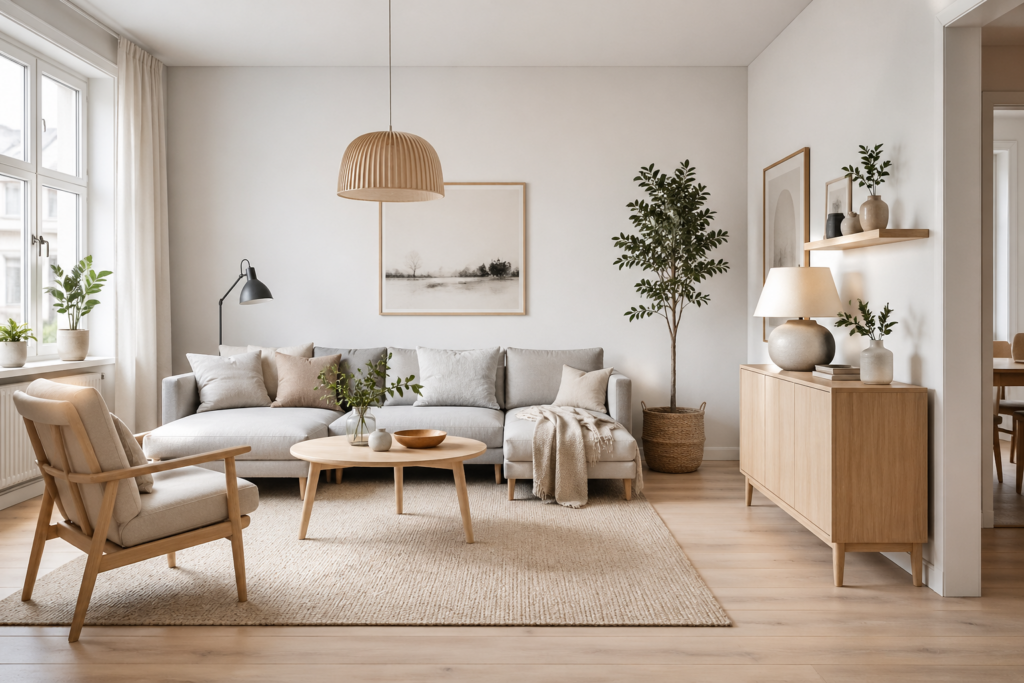

Scandinavian interior design has taken the global design world by storm—and for good reason. Known for its clean lines, calming palettes, and cozy aesthetics, this design style strikes the perfect balance between minimalism and comfort. Whether you’re living in a compact apartment or a spacious home, Scandinavian interiors offer a timeless approach that feels both modern and inviting.
Rooted in simplicity and functionality, Scandinavian design isn’t just about how a space looks—it’s about how it feels. It promotes a lifestyle that values calmness, organization, and connection to nature. In today’s fast-paced world, this design philosophy resonates deeply with homeowners looking to create peaceful, clutter-free environments.
In this complete guide by Avinnyya, you’ll learn everything you need to know about Scandinavian interior design—from its origins and core principles to practical tips for implementing it in your own home.
2. What is Scandinavian Interior Design?
Scandinavian interior design originates from the Nordic countries—Sweden, Denmark, and Norway—where long winters and limited daylight influenced how people designed their homes. The goal was simple: create spaces that feel bright, warm, and functional despite harsh climates.
Emerging in the early 20th century and gaining prominence in the 1950s, Scandinavian design was heavily influenced by modernism. However, unlike stark modernist styles, it introduced warmth through natural materials, soft textures, and cozy elements.
At its core, Scandinavian design is built on three pillars: simplicity, functionality, and comfort. Every piece of furniture, every color choice, and every decorative element serves a purpose while contributing to an overall sense of harmony.
3. Core Elements of Scandinavian Design
3.1 Minimalism
Minimalism is the foundation of Scandinavian interiors. Spaces are intentionally kept uncluttered, allowing each element to stand out without overwhelming the room. This doesn’t mean empty or boring—it means thoughtful and intentional.
Furniture is limited to essentials, and decorative items are carefully curated. The idea is to eliminate excess and focus on what truly matters, creating a clean and visually calming environment.
3.2 Functionality
Functionality is equally important. Every piece in a Scandinavian home is designed to serve a purpose. Furniture often includes smart storage solutions or multi-functional features, especially useful in smaller spaces.
This practical approach ensures that homes are not only beautiful but also highly livable. It’s about designing for real life, not just aesthetics.
3.3 Natural Light
Due to long, dark winters in Nordic countries, maximizing natural light is a top priority. Large windows, sheer curtains, and reflective surfaces are commonly used to enhance brightness.
Even in homes with limited sunlight, clever design choices—such as mirrors and light-colored walls—help create an open, airy feel.
3.4 Neutral Color Palette
Scandinavian interiors rely heavily on neutral tones such as white, grey, beige, and soft pastels. These colors reflect light and make spaces feel larger and more serene.
While the base palette is neutral, subtle contrasts—like black accents or muted hues—are often introduced to add depth and visual interest.
3.5 Natural Materials
Nature plays a central role in Scandinavian design. Materials like wood, linen, wool, and leather bring warmth and texture to otherwise minimal spaces.
Light-toned woods, such as oak and pine, are especially popular, helping to maintain the bright and airy aesthetic.
3.6 Hygge: The Essence of Coziness
A key concept in Scandinavian living is “hygge,” a Danish term that represents comfort, warmth, and well-being. It’s about creating a space that feels inviting and emotionally comforting.
Think soft blankets, warm lighting, candles, and cozy corners—elements that make a house truly feel like home.
4. Scandinavian Color Schemes
Color plays a crucial role in achieving the Scandinavian look. White is often the dominant shade, used on walls, ceilings, and even furniture to reflect light and create a sense of openness.
Complementing this base are soft hues like pale blue, sage green, and blush pink. These subtle tones add personality without disrupting the calm aesthetic.
To prevent the space from feeling too monotone, darker accents such as black, charcoal, or deep brown are used sparingly. Metallic finishes like brass or copper can also add a touch of elegance.
5. Furniture in Scandinavian Design
Furniture in Scandinavian interiors is defined by simplicity, functionality, and craftsmanship. Pieces typically feature clean lines, smooth curves, and minimal ornamentation.
Wood is the most commonly used material, often paired with neutral upholstery. Sofas are comfortable yet understated, while tables and chairs are lightweight and practical.
One of the defining characteristics is the use of tapered legs, which create a sense of openness by allowing light to flow beneath furniture.
The focus is always on quality over quantity—fewer, well-made pieces that stand the test of time.
6. Lighting in Scandinavian Interiors
Lighting is a cornerstone of Scandinavian design, especially given the limited natural light in Nordic regions. A layered lighting approach is used to create warmth and functionality.
This includes a mix of ambient lighting (ceiling lights), task lighting (reading lamps), and accent lighting (decorative fixtures). Pendant lights, floor lamps, and table lamps are commonly used.
Warm lighting is preferred over harsh white light, as it enhances the cozy atmosphere. Candles are also a staple, adding both light and a sense of hygge.
For Indian homes, especially in urban areas, incorporating multiple light sources can help replicate this effect even with limited daylight.
7. Textures and Fabrics
While Scandinavian design is minimal, it is never cold or sterile. Textures play a vital role in adding warmth and depth.
Soft furnishings such as rugs, throws, and cushions are used generously. Materials like wool, cotton, and linen bring comfort while maintaining a natural aesthetic.
Layering different textures—such as a woven rug with a knitted throw—creates visual interest without adding clutter.
8. Scandinavian Decor Elements
Decor in Scandinavian interiors is kept simple yet meaningful. Instead of excessive ornamentation, the focus is on a few carefully chosen pieces.
Wall art often includes black-and-white prints, abstract designs, or nature-inspired themes. Indoor plants are another essential element, adding freshness and a connection to nature.
Mirrors are frequently used to reflect light and make spaces appear larger. Handmade or artisanal items are also लोकप्रिय, adding a personal touch to the space.
9. Scandinavian Interior Design Room-by-Room
9.1 Living Room
The living room is the heart of a Scandinavian home. It typically features a neutral sofa, a wooden coffee table, and soft textiles like rugs and cushions.
The layout is open and uncluttered, with an emphasis on comfort and conversation.
9.2 Bedroom
Bedrooms are designed to be calm and restful. Simple bed frames, light bedding, and minimal decor create a peaceful environment.
Soft lighting and cozy textiles enhance the sense of relaxation.
9.3 Kitchen
Scandinavian kitchens are both stylish and functional. White cabinetry, wooden countertops, and open shelving are common features.
The design emphasizes efficiency while maintaining a clean and modern look.
9.4 Bathroom
Bathrooms follow the same minimalist approach, with neutral tiles, simple fixtures, and natural materials.
The goal is to create a spa-like atmosphere that feels both clean and relaxing.
10. Scandinavian Design for Indian Homes
Adapting Scandinavian design to Indian homes is not only possible but highly effective. The key is to blend the core principles with local needs and materials.
In smaller Indian apartments, the focus on minimalism and functionality works perfectly. Multi-purpose furniture and smart storage solutions help maximize space.
Locally available materials like teak or bamboo can be used as alternatives to Nordic woods. Additionally, breathable fabrics like cotton are ideal for warmer climates.
For those seeking professional guidance, working with an experienced interior design company in bangalore can help tailor Scandinavian aesthetics to Indian lifestyles seamlessly.
11. Budget-Friendly Scandinavian Design Tips
Creating a Scandinavian-inspired home doesn’t have to be expensive. Start by decluttering your space and focusing on essentials.
DIY decor, such as handmade wall art or upcycled furniture, can add a personal touch while saving money. Thrift stores and local markets are great places to find unique pieces.
Stick to a neutral color palette and invest in a few key items, like a comfortable sofa or quality lighting, rather than filling your home with unnecessary decor.
12. Common Mistakes to Avoid
One common mistake is taking minimalism too far, resulting in spaces that feel cold or lifeless. Remember, warmth and comfort are just as important.
Ignoring textures is another pitfall. Without soft furnishings, the space can feel incomplete.
Poor lighting choices can also ruin the ambiance. Avoid overly bright or harsh lighting and instead focus on warm, layered illumination.
Lastly, overcrowding the space defeats the purpose of Scandinavian design. Keep it simple and intentional.
13. Benefits of Scandinavian Interior Design
Scandinavian interiors offer numerous benefits beyond aesthetics. They create a calm and stress-free environment, which can positively impact mental well-being.
The timeless design ensures that your home remains stylish for years, reducing the need for frequent updates.
Additionally, the focus on functionality makes everyday living more efficient and enjoyable.
14. Scandinavian vs Minimalist Design
While Scandinavian and minimalist designs share similarities, they are not identical. Both emphasize simplicity and clean lines, but Scandinavian design incorporates warmth and comfort through textures and natural materials.
Minimalism, on the other hand, can sometimes lean toward a more stark and industrial look.
If you prefer a cozy yet clean aesthetic, Scandinavian design is the better choice.
15. Future Trends in Scandinavian Design
As sustainability becomes increasingly important, Scandinavian design continues to evolve. Eco-friendly materials, energy-efficient lighting, and sustainable furniture are gaining popularity.
Smart home technology is also being integrated seamlessly into Scandinavian interiors, enhancing functionality without compromising aesthetics.
The future of Scandinavian design lies in blending tradition with innovation while maintaining its core principles.
16. Conclusion
Scandinavian interior design is more than just a trend—it’s a lifestyle that prioritizes simplicity, comfort, and functionality. Its timeless appeal makes it suitable for homes of all sizes and styles.
By incorporating neutral colors, natural materials, and thoughtful design choices, you can create a space that feels both modern and inviting.
Whether you’re redesigning your entire home or making small changes, Scandinavian design offers a practical and सुंदर way to transform your living space.