
Simple Ceiling Designs for Compact Rooms — Ideas to Make Small Bedrooms Feel Bigger & Brighter
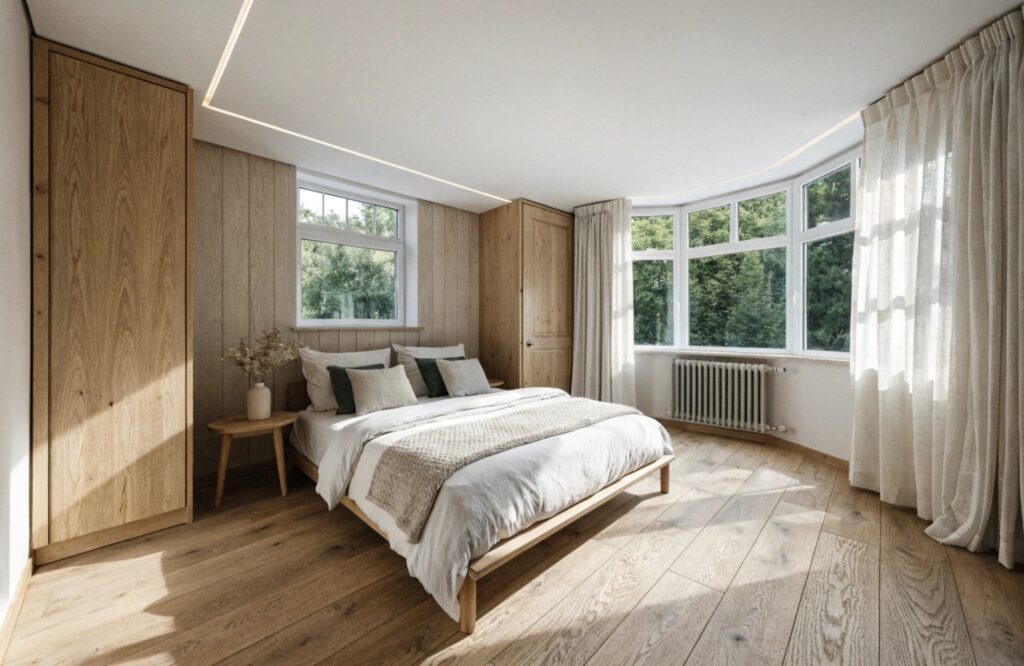

Designing a ceiling for a small bedroom is not just about choosing a color or installing a light. In compact rooms, the ceiling plays a major role in how spacious, airy, bright, and comfortable the space feels. Unlike large bedrooms that can handle ornate or layered ceiling designs, small spaces demand simplicity, balance, and clever lighting to avoid looking cramped.
Whether you’re renovating your existing bedroom or designing one from scratch, a simple ceiling design can visually raise the height of the room, enhance light distribution, reduce shadows, and create a calming environment. This guide explores the best simple ceiling designs that blend style with practicality—ensuring your small bedroom looks clean, modern, and effortlessly spacious.
Why Simple Ceiling Designs Work Best in Compact Rooms
Small bedrooms often struggle with limited height, minimal natural light, and restricted floor area. The ceiling becomes a major opportunity to open up the space visually.
A simple ceiling design automatically creates a sense of openness. By avoiding overly complex patterns, heavy layering, dark colors, or bulky fixtures, you give the eye less to process. This results in a cleaner visual field that makes the ceiling appear higher than it really is.
Simplicity also enhances lighting performance. Smooth surfaces reflect more light, while recessed or hidden lighting prevents shadows and visual clutter. This improves brightness and makes the room feel airy, even when the actual square footage is small.
Minimalistic ceilings are also cost-effective, easy to maintain, and blend well with any interior style—modern, Scandinavian, industrial, or classic.
1. Minimalist Flat Ceiling with Recessed Lighting
The simplest and most effective ceiling design for small bedrooms is a clean, flat surface paired with recessed lighting. A smooth gypsum, POP, or plaster ceiling painted in a soft white or off-white instantly enhances height perception.
Recessed LED lights eliminate the need for large fixtures that hang downward, which can make small rooms feel cluttered. Instead, they tuck neatly into the ceiling, providing even illumination across the entire space. This design is especially helpful for low ceilings where height is limited.
The flat ceiling works well with almost any décor style. Whether your room features wooden furniture, bright accents, or neutral tones, a minimal ceiling keeps the space feeling calm and uncluttered.
2. Light-Valued Painted Ceilings That Increase Height Perception
Painting the ceiling might sound basic, but it is one of the most powerful visual tricks for small bedrooms.
Light colors reflect more illumination, helping the room feel brighter and taller. Shades like soft white, cream, warm beige, or very pale gray create a smooth reflective plane. This is especially useful when the room receives little natural light.
If you want a subtle accent, consider painting the ceiling just a shade lighter than the walls. This creates a seamless transition that “lifts” the ceiling visually. Avoid dark or bold colors unless your room is exceptionally well-lit, as they can quickly make the ceiling feel lower.
A matte or satin finish works best—glossy finishes may cause glare.
3. Peripheral Tray or Border Ceiling
A full tray ceiling may reduce height in a small bedroom, but a peripheral tray design solves that problem. Instead of lowering the whole center area, only the outermost border gets a slight recess.
This creates:
- a subtle framing effect
- soft shadow lines that add depth
- an opportunity for hidden cove lighting
The best part? The central portion of the ceiling remains untouched, preserving maximum height. When paired with soft LED strip lighting along the border, the ceiling develops a floating effect—ideal for compact rooms.
This design is extremely popular because it blends simplicity with elegance without overwhelming the space.
4. Simple False Ceiling with Cove Lighting
Many people assume false ceilings automatically make rooms look smaller, but that’s not true when they’re designed correctly. A low-profile false ceiling—ideally a single flat panel—can be paired with cove lighting to create a warm, spacious feel.
LED strip lights hidden in the recesses bounce light off the ceiling surface, distributing gentle illumination across the room. This eliminates harsh shadows and makes the ceiling appear higher. It’s an excellent option for creating a modern, cozy, and visually clean look.
Choose warm white LEDs for maximum comfort, especially in bedrooms.
5. Slim Wood or Faux Wood Accents
Wooden ceilings can be intimidating in small rooms because they’re often associated with heavy or rustic styles. But when used sparingly and correctly, wood can add warmth without reducing height.
Slim wooden slats or faux wooden strips are ideal. They create a linear visual effect that draws the eye upward. If installed vertically or along the room’s length, they elongate the space visually.
Light or medium wood tones—like birch, ash, or oak—keep the design airy. Avoid dark woods unless used very sparingly.
This is perfect for minimalistic or Scandinavian-inspired bedrooms.
6. Shallow Coffered or Panel Designs
Traditional coffered ceilings are deep and complex, but a shallow coffered design adds subtle dimension without compromising space. By creating low-profile square or rectangular panels, you introduce architectural interest in a calm and understated way.
This design works best in:
- modern bedrooms
- rooms with good lighting
- homes where you want a touch of sophistication
Thin panel molding or simple POP borders can help achieve this effect.
Since the depth is minimal, the ceiling still feels spacious and uncluttered.
7. Simple Geometric or Line-Based Patterns
If a plain ceiling feels too minimal for your taste, geometric lines or soft panel patterns offer a stylish middle ground. Instead of big 3D elements, these rely on fine grooves, straight lines, or gentle curves.
Popular options include:
- thin linear grooves
- delicate crisscross lines
- small rectangular shapes
- narrow frame borders
These add character without overwhelming the room. For compact bedrooms, less is more—choose one consistent pattern instead of multiple layers.
Combine this design with recessed lighting for a crisp, modern finish.
8. Skylights & Natural Light Enhancers
If your room structure allows it, a skylight can completely transform a small bedroom. It introduces direct natural light, making the room feel airy and open.
Even a small skylight:
- reduces reliance on ceiling fixtures
- adds vertical openness
- enhances morning light
- creates a peaceful ambiance
If a skylight is not an option, sun tunnels or light tubes are excellent alternatives for delivering natural light without major construction.
9. Integrated Functional Ceiling Designs
Practicality matters in small bedrooms. Simple ceilings that integrate functional elements keep the room organized without adding clutter.
Popular integrations include:
- flush-mount ceiling fans
- compact LED panels
- minimalistic pendant lights (if height allows)
- concealed AC vents or wiring channels
Avoid heavy chandeliers or elaborate fixtures. The goal is to maintain a clean visual flow and prevent the ceiling from drawing too much attention.
10. Light Textures That Add Soft Dimension
Texture can add elegance, but in small bedrooms, the goal is subtlety. Light textures enhance interest without reducing perceived space.
Good options:
- soft swirl patterns
- delicate brush strokes
- feather-light popcorn textures
- micro-patterns with minimal depth
Poor options for small rooms:
- heavy knockdown textures
- deep craters
- 3D POP sculptures
The key is keeping the texture shallow and refined.
Best Materials & Colors for Simple Ceiling Designs
For compact rooms, the material choice can make or break your ceiling design.
Best materials:
- Gypsum: smooth, clean, durable
- POP: flexible for fine detailing
- PVC: lightweight, budget-friendly
- Wood (light tone): warm and minimal when used sparingly
Best colors:
- Pure white
- Soft cream
- Light gray
- Warm ivory
- Very pale beige
Avoid dark colors unless strategically used as accents.
Lighting Tips for Small Bedroom Ceilings
Lighting is the backbone of a simple ceiling design. The right lighting can make a small room appear larger, brighter, and more relaxing.
Top methods include:
Recessed LED Lights
Provide uniform lighting without visual clutter.
Cove Lighting
Creates a floating ceiling effect and soft ambient glow.
LED Strip Lights
Great for borders or highlighting simple patterns.
Warm Light Temperature (2700K–3000K)
Ideal for bedrooms—warm, cozy, and soothing.
Minimal Fixtures
Choose flush mounts or small panel lights instead of bulky chandeliers.
Common Ceiling Mistakes to Avoid in Compact Rooms
To achieve an ideal simple ceiling look, avoid these common mistakes:
- Installing multi-layered ceilings that reduce height
- Using dark ceilings in low rooms
- Adding heavy chandeliers or large fans
- Overusing textures that feel visually heavy
- Choosing complex patterns that shrink space
- Poor lighting placement resulting in shadows
Sticking to clean lines, soft colors, and good lighting ensures your small bedroom ceiling works in your favor.
If you want more color tips and ceiling design ideas, explore our complete guide: 25+ Small Bedroom Ceiling Ideas & Inspirations to Transform Compact Spaces.
Conclusion
Simple ceiling designs are the most effective approach for compact rooms. By choosing clean lines, soft colors, recessed lighting, and low-profile elements, you can instantly make a small bedroom feel larger, brighter, and more inviting.
Each idea in this guide is practical, modern, and tailored for small spaces—perfect for both budget renovations and complete remodels. Explore the design that best fits your room’s height, lighting conditions, and interior style, and transform your compact bedroom into a cozy, spacious retreat.