
Why Interior Design Is More Than Just Looks
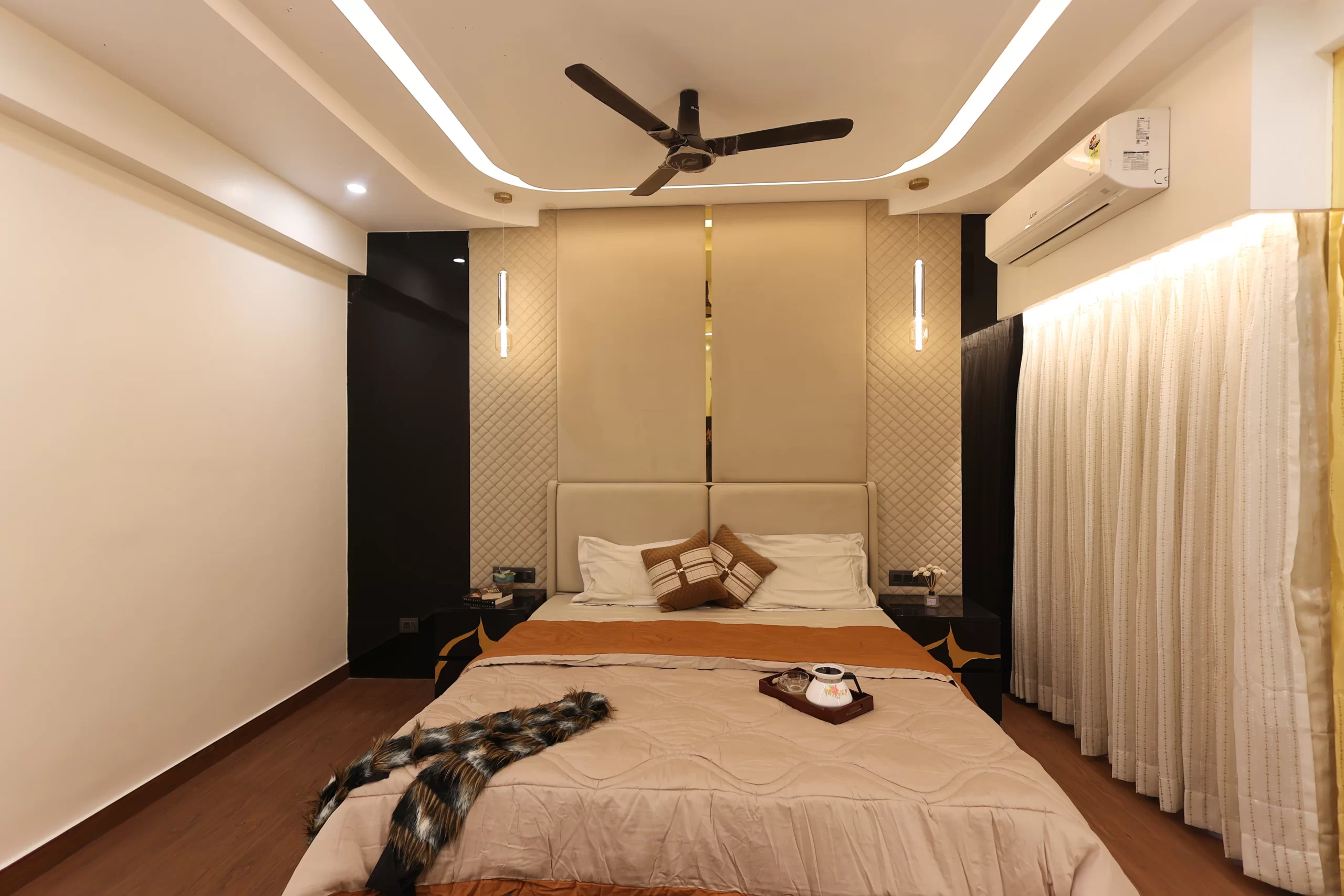
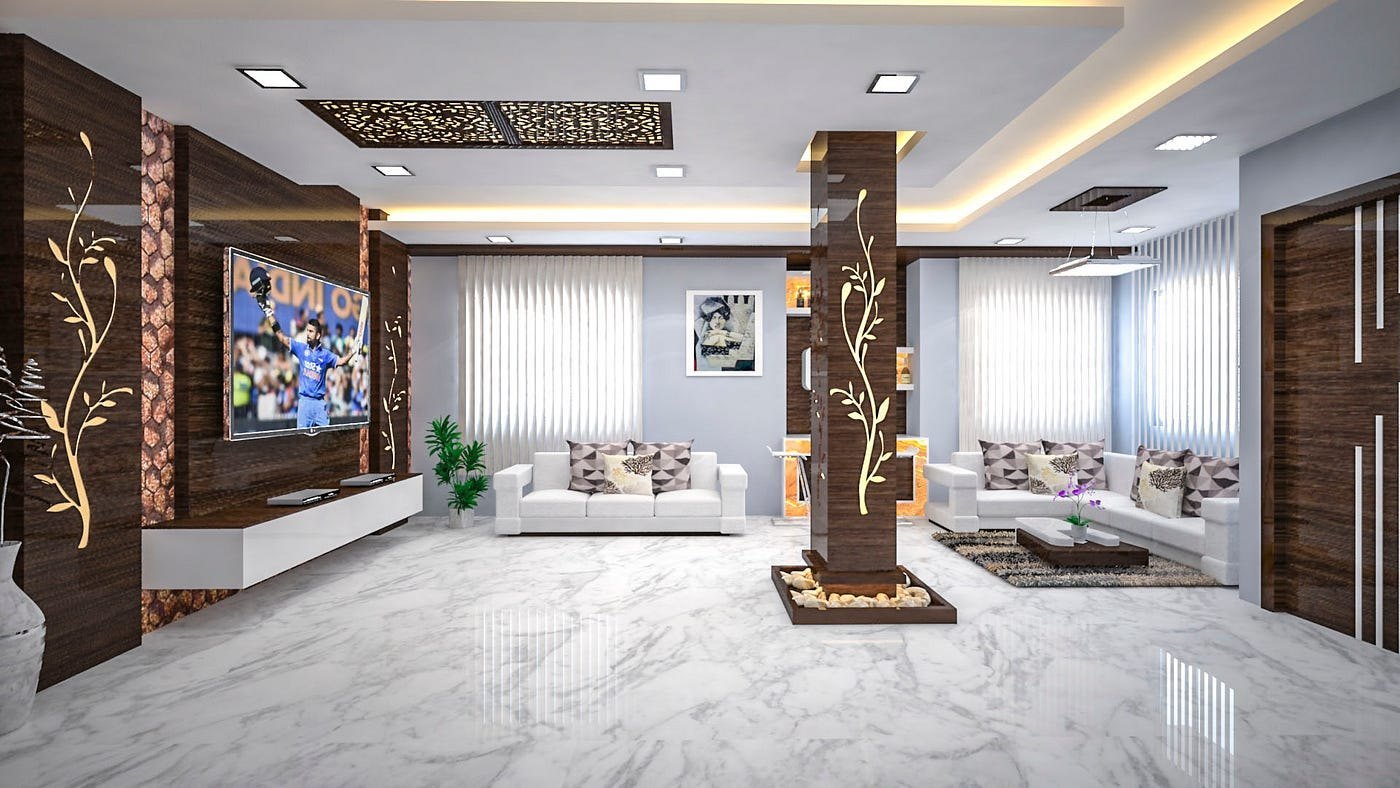

When most people think about interior design, the first thing that comes to mind is aesthetics — beautiful colors, stylish furniture, elegant lighting, and picture-perfect spaces that look like something from a magazine or Instagram. While visual appeal is certainly an important part of interior design, it is only the surface of something much deeper.
Good interior design is not just about making a space look attractive. It is about improving how a space functions, how people feel inside it, and how efficiently it supports daily life. Whether it’s a home, office, café, clinic, or retail store, the true purpose of interior design is to create an environment that works well, feels comfortable, and enhances the experience of the people using it.
In reality, great interiors are not designed for photos — they are designed for life.
Let’s explore why interior design is much more than just looks, and how thoughtful design can improve comfort, productivity, efficiency, and long-term value.
1. Interior Design Is About Function First
A space may look beautiful, but if it doesn’t function well, it quickly becomes frustrating to use.
Imagine:
- A kitchen with no proper storage
- A wardrobe that looks stylish but cannot hold your clothes
- A living room where furniture blocks movement
- An office where employees feel cramped and distracted
This is where functional design becomes critical.
Good interior design focuses on:
- Efficient space planning
- Easy movement and circulation
- Practical storage solutions
- Correct placement of furniture and utilities
- Accessibility and convenience
For example, a well-designed kitchen considers:
- Cooking habits
- Work triangle (sink, stove, refrigerator)
- Storage for daily-use items
- Counter space for preparation
Similarly, a well-designed bedroom considers:
- Wardrobe accessibility
- Lighting for reading and relaxation
- Space around the bed for movement
- Noise control for better sleep
Function makes a space comfortable to use every day — and that matters far more than appearance alone.
2. Interior Design Impacts Daily Comfort
Interior design directly affects how comfortable a space feels. Elements like lighting, ventilation, materials, colors, and layout influence the physical and emotional experience of a space.
Lighting
Poor lighting can cause eye strain, headaches, and fatigue. Good design uses:
- Natural light wherever possible
- Layered lighting (ambient, task, and accent)
- Warm lighting for relaxation areas
- Bright lighting for work zones
Ventilation & Airflow
Proper window placement and layout planning ensure fresh air circulation, which improves health and comfort.
Materials
The choice of materials affects:
- Temperature control
- Maintenance requirements
- Durability
- Safety
Comfort-focused design ensures that a space not only looks good but also feels pleasant throughout the day.
3. Interior Design Influences Mood and Mental Well-being
The environment we live and work in has a powerful impact on our mental state.
- Cluttered spaces increase stress
- Dark rooms can feel depressing
- Overcrowded layouts create discomfort
- Harsh lighting causes irritation
On the other hand:
- Organized spaces create calmness
- Natural light improves mood
- Balanced colors promote relaxation
- Green elements and plants reduce stress
Color psychology plays an important role:
- Soft neutrals create a peaceful atmosphere
- Warm tones add comfort
- Cool tones improve focus
- Bright accents add energy
Thoughtful design helps create spaces that support emotional well-being, not just visual appeal.
4. Interior Design Improves Productivity
In work environments, interior design directly affects performance.
Poorly designed offices can lead to:
- Lack of focus
- Physical discomfort
- Low employee morale
- Reduced efficiency
Good office design considers:
- Ergonomic furniture
- Proper lighting
- Acoustic control
- Clear circulation paths
- Collaborative and quiet zones
Similarly, home offices need:
- Comfortable seating
- Adequate lighting
- Minimal distractions
- Organized storage
A well-designed workspace can significantly improve concentration, efficiency, and overall productivity.
5. Space Optimization Matters More Than Size
Many people believe that good interiors require large spaces. In reality, good design is about making the most of the available space.
Smart interior planning includes:
- Multi-functional furniture
- Vertical storage
- Built-in units
- Foldable or modular elements
- Open layouts to reduce visual clutter
For small homes or apartments, efficient space planning can make a big difference in usability and comfort.
Interior design is not about how big a space is — it’s about how intelligently it is used.
6. Interior Design Adds Long-Term Value
Interior design is an investment, not just an expense.
Well-designed spaces:
- Last longer due to quality materials
- Require less maintenance
- Improve property value
- Attract buyers or tenants faster
- Reduce the need for frequent renovations
For commercial spaces, good design can:
- Improve customer experience
- Increase footfall
- Strengthen brand identity
- Improve employee retention
Instead of focusing only on upfront cost, it’s important to consider long-term durability and performance.
7. Interior Design Enhances Safety
Safety is another important aspect that often goes unnoticed.
Good interior design considers:
- Proper electrical planning
- Fire-resistant materials where needed
- Anti-slip flooring in bathrooms and kitchens
- Safe furniture placement
- Adequate lighting in circulation areas
In homes with children or elderly members, safety-focused design becomes even more important.
A space should not only look good — it should also be safe for everyday use.
8. Interior Design Reflects Lifestyle
Every family or business uses a space differently. Good design adapts to real-life needs rather than following generic styles.
For example:
- A family that cooks daily needs a highly functional kitchen
- A work-from-home professional needs a dedicated workspace
- A frequent host needs a flexible living area
- A business needs layouts based on workflow
Design based on lifestyle ensures that the space feels personal and practical.
This is why customized interiors work better than catalog-based designs.
9. Interior Design Supports Brand Identity (For Businesses)
For commercial spaces, interior design plays a major role in branding.
A well-designed space communicates:
- Professionalism
- Brand personality
- Quality standards
- Customer experience
For example:
- A modern office reflects innovation
- A cozy café encourages longer stays
- A premium retail store enhances perceived value
Customers often form their first impression based on the environment before interacting with products or services.
10. Good Design Balances Aesthetics and Practicality
The best interiors strike a balance between beauty and usability.
A well-designed space:
- Looks appealing
- Functions efficiently
- Is easy to maintain
- Supports daily routines
- Remains relevant for years
Trendy designs may look attractive initially, but timeless and practical solutions provide better long-term satisfaction.
Interior design should never sacrifice function for appearance.
11. Interior Design Reduces Daily Stress
Poorly designed spaces create small frustrations that add up over time:
- Not finding things easily
- Limited storage
- Poor lighting
- Difficult movement
- Constant maintenance issues
Good design eliminates these problems by:
- Organizing storage logically
- Planning layouts carefully
- Choosing durable materials
- Simplifying daily routines
When a space works smoothly, life becomes easier and more comfortable.
Final Thoughts: Good Design Is About Living Better
Interior design is not just decoration. It is a thoughtful process of planning spaces that support comfort, efficiency, safety, and well-being.
A truly successful interior:
- Fits the lifestyle of its users
- Makes daily activities easier
- Feels comfortable and welcoming
- Stays functional over time
- Looks good without compromising practicality
Beautiful spaces may attract attention, but functional spaces improve everyday life.
Before focusing only on colors, finishes, or trends, it’s important to ask:
- Will this space work for daily use?
- Is it comfortable and practical?
- Will it remain useful in the long run?
Because in the end, interior design is not about creating picture-perfect spaces — it’s about creating spaces where people can live, work, and feel their best.