
Traditional Indian Interior Design: Timeless Elegance for Modern Homes
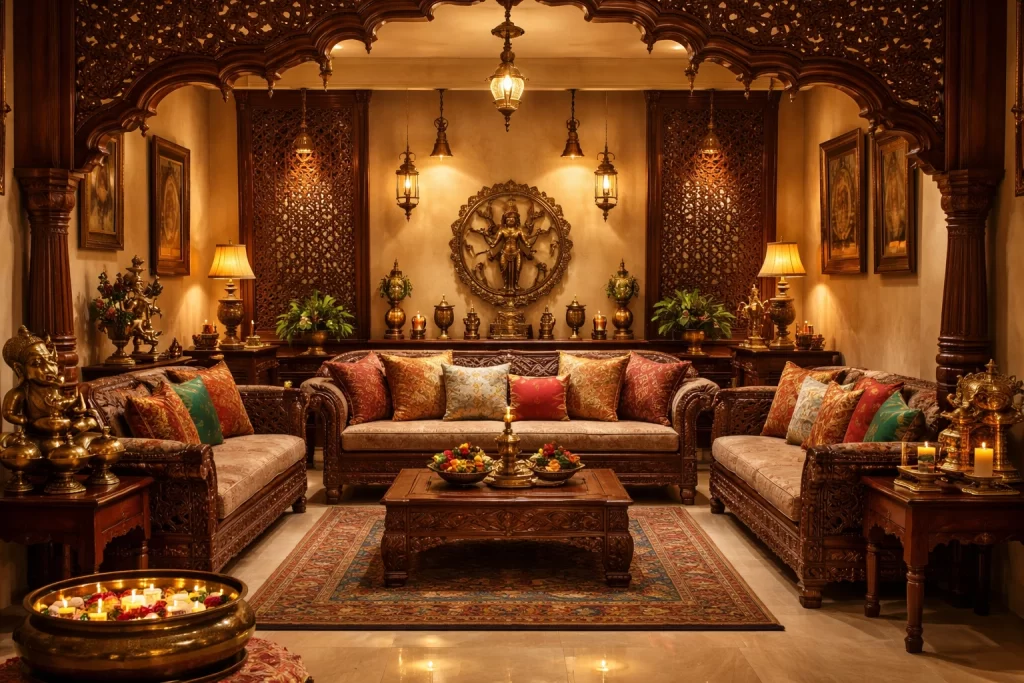

A traditional Indian interior designer represents a beautiful blend of history, craftsmanship, culture, and artistry. Indian homes have always reflected a deep connection to heritage, spirituality, and regional craftsmanship. From intricately carved wooden furniture and vibrant textiles to handcrafted décor and natural materials, traditional interiors tell stories that have been passed down for generations.
Even in today’s modern world of minimalism and smart homes, traditional Indian design continues to hold a special place. Many homeowners now prefer to combine heritage aesthetics with modern functionality, creating spaces that feel both elegant and comfortable. The richness of colors, the warmth of wood, and the beauty of handcrafted décor make Indian interiors timeless and welcoming.
In this detailed guide, we will explore the core elements, design ideas, materials, colors, and regional influences that define traditional Indian interior design. Whether you are designing a new home or renovating an existing one, understanding these principles will help you create interiors that celebrate India’s cultural legacy while meeting modern lifestyle needs.
What is Traditional Indian Interior Design?
Traditional Indian interior design is a style rooted in India’s cultural heritage and architectural history. It emphasizes handcrafted elements, natural materials, rich colors, and decorative details that reflect regional art and craftsmanship.
Unlike modern minimalist design, which focuses on simplicity and neutral tones, traditional Indian interiors embrace ornamentation, textures, and vibrant hues. Every element—from furniture to wall décor—plays a role in creating a space that feels warm, artistic, and culturally meaningful.
Definition and Concept
Traditional Indian interior design focuses on creating spaces that reflect India’s heritage, traditions, and lifestyle. The concept revolves around blending artistic craftsmanship with practical living spaces.
Homes designed in this style often feature carved wooden furniture, traditional fabrics, brass or copper décor pieces, and cultural artwork. Instead of mass-produced décor, traditional interiors highlight handmade items created by skilled artisans.
Another defining feature of traditional Indian design is the strong connection with nature. Materials like wood, stone, clay, cotton, and silk are commonly used, making interiors feel warm and organic.
Historical Influence on Indian Interiors
The evolution of traditional Indian interiors is deeply connected with the country’s architectural history. Different dynasties and regions have contributed unique elements that influence interior design today.
For example, Mughal architecture introduced symmetrical layouts, floral motifs, marble surfaces, and intricate patterns. Rajput palaces contributed vibrant colors, carved wooden furniture, and decorative arches. South Indian homes brought wooden pillars, courtyards, and temple-inspired elements.
Colonial architecture also influenced Indian interiors by introducing large windows, high ceilings, and spacious verandas. These historical influences continue to inspire modern traditional homes today.
Key Characteristics of Traditional Indian Homes
Traditional Indian interiors share several distinctive characteristics that make them instantly recognizable.
First, they feature rich color palettes inspired by nature and Indian culture. Deep reds, mustard yellows, royal blues, and earthy tones are commonly used to create warmth and vibrancy.
Second, handcrafted furniture plays a central role. Carved wooden pieces, antique cabinets, and traditional seating arrangements are common in Indian homes.
Third, cultural décor elements such as brass lamps, clay pots, and traditional artwork add personality and authenticity to the space.
Finally, natural materials like wood, stone, and terracotta help create a connection between the indoors and the natural environment.
Core Elements of Traditional Indian Interior Design
Several key elements define the beauty and authenticity of traditional Indian interiors. These elements work together to create a space that feels luxurious, artistic, and culturally rich.
Intricately Carved Wooden Furniture
Furniture is one of the most important aspects of traditional Indian interior design. Unlike modern furniture that focuses on sleek and minimal designs, traditional Indian furniture celebrates craftsmanship and intricate detailing.
Wood is the primary material used in traditional furniture. Teak, rosewood, and Sheesham are particularly popular because they are durable and beautiful. Skilled artisans carve elaborate patterns and motifs into the furniture, making each piece unique.
Common furniture pieces in traditional homes include carved wooden sofas, antique cabinets, low seating arrangements, and decorative side tables. One iconic element is the wooden swing, also known as a jhoola, which is often placed in living rooms or verandas.
These handcrafted furniture pieces not only enhance the beauty of the space but also serve as heirlooms that can be passed down through generations.
Rich Color Palettes
Color plays a powerful role in traditional Indian interior design. Indian culture celebrates color, and this is reflected in home interiors.
Deep and vibrant colors are commonly used to create a sense of warmth and luxury. Shades like royal red, emerald green, mustard yellow, and indigo blue are frequently seen in walls, fabrics, and décor.
Gold accents are also widely used to add a regal touch. Whether it is through decorative frames, mirrors, or textiles, gold elements enhance the richness of the space.
While modern homes sometimes prefer neutral tones, traditional interiors use bold colors to express personality and cultural identity.
Traditional Fabrics and Textiles
Textiles are another essential element of Indian interior design. India is famous for its diverse textile traditions, and these fabrics bring texture, color, and elegance to interiors.
Silk curtains, embroidered cushion covers, and handwoven rugs are commonly used to enhance the visual appeal of rooms. Block-printed fabrics, Ikat designs, and traditional embroidery patterns add authenticity and artistic value.
Layering textiles is a common technique used in traditional interiors. For example, a living room may feature a richly patterned carpet, decorative cushions, and embroidered curtains that together create a cozy and luxurious environment.
Traditional Indian Living Room Design Ideas
The living room is often the heart of an Indian home. It is the place where families gather, guests are welcomed, and cultural traditions are celebrated.
Designing a traditional Indian living room involves combining elegant furniture, decorative accessories, and cultural artwork.
Wooden Furniture and Handcrafted Pieces
Carved wooden furniture forms the centerpiece of most traditional Indian living rooms. Sofas with detailed carvings, wooden coffee tables, and antique cabinets help establish the overall theme.
Low seating arrangements with floor cushions are also common in traditional settings. This seating style creates a relaxed and welcoming atmosphere.
Decorative Accessories
Traditional Indian living rooms often feature decorative accessories that reflect cultural heritage.
Brass lamps, clay pots, carved wooden sculptures, and decorative trays are commonly used. These accessories not only enhance the aesthetic appeal but also add a sense of history and tradition.
Wall Décor Ideas
Walls in traditional Indian interiors are rarely left plain. Instead, they are decorated with artwork and cultural pieces that tell a story.
Traditional paintings such as Madhubani, Warli, or Tanjore art are popular choices. Textile wall hangings and carved wooden panels can also be used to create visual interest.
Traditional Indian Bedroom Interior Design
Bedrooms designed in traditional Indian style focus on comfort, warmth, and elegance. The goal is to create a peaceful space that reflects both luxury and cultural aesthetics.
Classic Wooden Beds
The bed is the centerpiece of a traditional Indian bedroom. Four-poster beds with carved wooden frames are particularly popular.
These beds often feature intricate designs and detailed headboards that add grandeur to the room.
Warm and Earthy Color Themes
Traditional bedrooms often use warm and earthy color palettes. Shades like beige, terracotta, mustard, and deep red help create a cozy and inviting environment.
These colors are usually complemented by vibrant textiles such as embroidered bedspreads or patterned cushions.
Traditional Lighting
Lighting plays an important role in setting the mood of the bedroom. Brass lamps, pendant lights, and lantern-style fixtures are commonly used in traditional interiors.
Soft lighting enhances the warmth of wooden furniture and creates a relaxing atmosphere.
Traditional Indian Kitchen Design
The kitchen is another space where traditional Indian design can shine. While modern appliances are essential, traditional elements can still be incorporated through materials and décor.
Wooden Cabinets and Natural Materials
Wooden cabinets are a popular choice for traditional kitchens. They provide durability and add warmth to the space.
Stone countertops such as granite or marble are also commonly used because they are both practical and elegant.
Open Storage Concept
Traditional Indian kitchens often feature open shelves where brass utensils, clay pots, and traditional cookware are displayed.
This not only makes items easily accessible but also adds decorative value to the kitchen.
Decorative Tiles and Patterns
Handmade tiles with ethnic patterns are often used as backsplashes in traditional kitchens. These tiles introduce color and artistic detail to the space.
Traditional Indian Decorative Elements
Decorative items play a major role in enhancing the authenticity of traditional Indian interiors.
Brass and Copper Accessories
Metal accessories such as brass lamps, urli bowls, and decorative trays are commonly used in Indian homes.
These pieces add a touch of elegance and reflect traditional craftsmanship.
Handcrafted Artworks
India has a rich tradition of art forms that can be incorporated into interior design.
Paintings such as Madhubani, Warli, and Tanjore are popular choices for decorating walls. These artworks not only beautify the home but also celebrate Indian culture.
Traditional Rugs and Carpets
Handwoven carpets and dhurries add texture and warmth to floors. Persian-style rugs are also commonly used in traditional Indian homes.
Importance of Natural Materials in Indian Interiors
Natural materials are a fundamental part of traditional Indian design because they create warmth and durability.
Wood
Wood is widely used in furniture, doors, and decorative panels. It adds character and a sense of timelessness to interiors.
Stone
Marble and granite are commonly used in flooring and countertops. These materials are durable and visually appealing.
Clay and Terracotta
Clay and terracotta items such as pots and decorative pieces bring an earthy charm to Indian homes.
Traditional Indian Lighting Ideas
Lighting in traditional interiors is not just functional—it is also decorative.
Diyas and Lamps
Oil lamps and diyas have cultural and spiritual significance in Indian homes. They are often used during festivals and special occasions.
Chandeliers with Indian Touch
Crystal chandeliers combined with traditional décor elements create a luxurious look.
Lantern Style Lighting
Metal lanterns with intricate designs provide soft and ambient lighting that enhances the traditional aesthetic.
Regional Influences in Traditional Indian Interiors
India’s diversity is reflected in the wide range of regional interior styles.
Rajasthani Interior Style
Rajasthani interiors are known for vibrant colors, ornate furniture, and decorative arches. Hand-painted furniture and mirror work are also common.
South Indian Interiors
South Indian homes often feature wooden pillars, temple-inspired décor, and spacious courtyards that allow natural light and ventilation.
Mughal-Inspired Interiors
Mughal interiors emphasize symmetry, marble surfaces, floral patterns, and luxurious fabrics.
How to Blend Traditional Indian Design with Modern Interiors
Many homeowners today prefer a fusion of traditional and contemporary design.
Mixing Antique Furniture with Modern Layouts
One effective approach is to use antique furniture as statement pieces within modern layouts.
Using Ethnic Décor as Statement Pieces
Instead of filling the room with many traditional elements, select a few standout pieces such as a carved cabinet or traditional artwork.
Neutral Base with Traditional Accents
Using neutral walls and modern furniture while adding colorful textiles or ethnic décor creates a balanced and stylish look.
Benefits of Traditional Indian Interior Design
Traditional interiors offer several advantages beyond aesthetics.
Timeless Aesthetic
Traditional designs rarely go out of style because they are rooted in cultural heritage.
Cultural Connection
They help preserve Indian traditions and craftsmanship.
Durable Materials
Natural materials like wood and stone are long-lasting and sustainable.
Common Mistakes to Avoid in Traditional Interior Design
While traditional design is beautiful, certain mistakes can affect the final result.
Overcrowding the Space
Too many decorative items can make rooms appear cluttered.
Ignoring Lighting Balance
Poor lighting can diminish the beauty of traditional décor.
Poor Color Coordination
Using too many bold colors without balance can overwhelm the space.
Tips from Interior Experts to Create Traditional Indian Homes
Interior designers often recommend starting with key elements such as wooden furniture and traditional textiles. It is also important to focus on craftsmanship and choose handmade décor pieces whenever possible.
Balancing modern functionality with traditional aesthetics ensures that the home remains comfortable and practical while still reflecting cultural heritage
Conclusion
Traditional Indian interior design is a timeless style that celebrates India’s rich cultural heritage and artistic craftsmanship. From carved wooden furniture and vibrant textiles to brass décor and handcrafted artwork, every element contributes to creating a space that feels warm, elegant, and meaningful.
By understanding the principles of traditional design and incorporating them thoughtfully, homeowners can create interiors that are both beautiful and functional. Whether you prefer a fully traditional home or a blend of old and new, Indian design offers endless inspiration for creating spaces that reflect history, culture, and personal style.
With the right combination of colors, materials, and décor elements, any home can capture the timeless charm of traditional Indian interiors.