
Wooden Ceiling Options for Small Rooms: Best Designs, Materials & Modern Ideas
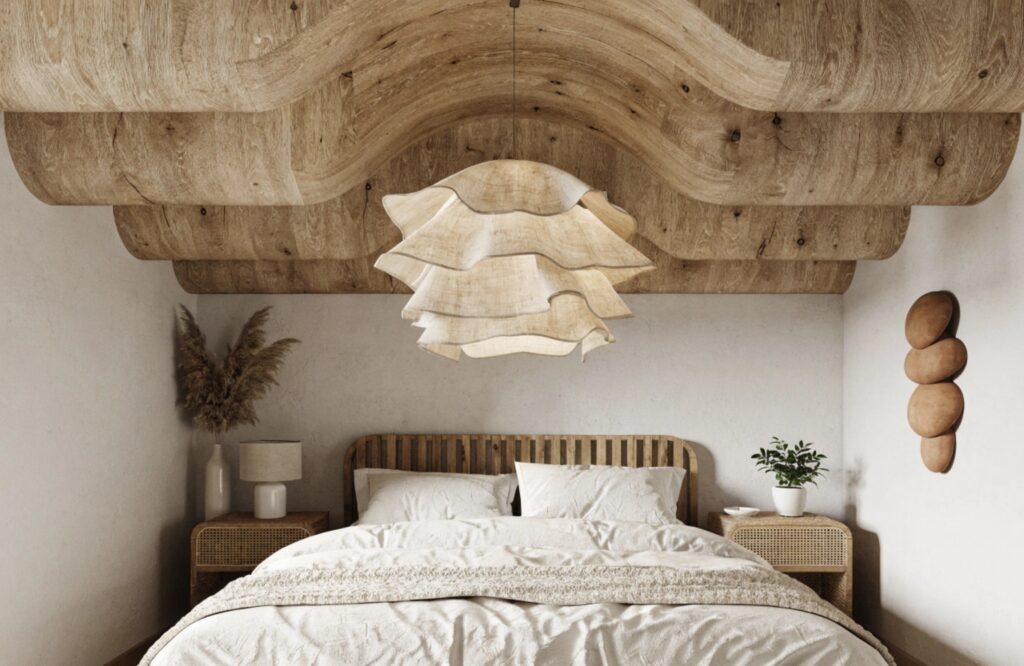

Designing a wooden ceiling in a small room requires thoughtful planning. Wood instantly adds warmth, texture, and richness—but in compact spaces, the wrong type or color can make the ceiling feel heavy or visually shrink the room. That’s why choosing the right wooden ceiling style, material, finish, and lighting strategy is crucial.
In recent years, wooden ceilings have become one of the most popular interior trends for small bedrooms, studios, compact apartments, and minimalist spaces. Modern manufacturing has also introduced lightweight engineered wood, slatted systems, and moisture-resistant panels—making wooden ceilings both stylish and practical even in smaller rooms.
This complete guide breaks down everything you need to know: the best wooden ceiling types, finishes, lighting pairings, installation considerations, and common mistakes homeowners should avoid. Let’s dive in.
1. Why Wooden Ceilings Work Beautifully in Small Rooms
Wood is a transformative material. Its versatility and warmth create comfort, depth, and personality that plain plaster ceilings often lack. In small rooms, wood can:
- Make the space feel warmer and more inviting
- Add architectural character
- Improve acoustics by reducing echoes
- Allow creative lighting integration
- Bring a touch of nature indoors
- Soften modern interiors with organic texture
However, wood must be used smartly. Large, dark, or overly dense wooden structures can overpower a small room. The key is to balance material choice, color, thickness, lighting, and pattern orientation to enhance openness rather than reduce it.
2. Understanding Wood as a Ceiling Material
Before deciding on a wooden ceiling style, it’s helpful to understand the materials available—each with its own benefits, limitations, and best uses.
Natural Wood vs Engineered Wood
Natural Wood
Natural solid wood—like oak, pine, teak, cedar, or walnut—gives a premium, luxurious appearance.
Pros
- Rich natural grain
- Long-lasting
- Aesthetic warmth
- Adds value to the home
Cons
- Costly
- Sensitive to humidity
- Heavier and requires strong support
Engineered Wood
Engineered wood (HDF, MDF, veneer-coated boards, or laminate panels) is commonly used in modern homes.
Pros
- Budget-friendly
- Lightweight
- Less prone to warping
- Easy to install and maintain
Cons
- Less authentic than natural wood
- Limited refinishing options
For small rooms, engineered wood is often the smarter and safer choice—lighter, easier to handle, and visually sleek.
3. Best Wooden Ceiling Styles for Small Rooms
This section expands deeply on the design styles ranking highest in SERPs and interior design recommendations.
3.1 Wooden Slat Ceilings
Wooden slatted ceilings are among the trendiest modern interiors, thanks to their clean lines and ability to visually lengthen a room.
Why Slats Work Well in Small Rooms
Slats create a linear pattern that draws the eye across the room, making it look longer or wider. The spacing between slats introduces subtle shadows, adding depth without overwhelming the ceiling.
Design Tips
- Use light-colored wood (beech, ash, light oak) for openness.
- Run slats parallel to the longest wall to visually stretch the space.
- Combine slats with LED strips for a modern floating effect.
- Use minimal spacing for a compact bedroom to avoid visual clutter.
Slatted ceilings are ideal if you want a modern, minimalist, Scandi-inspired room.
3.2 Exposed Wooden Beams (Natural or Faux)
Exposed wooden beams bring rustic charm and architectural interest. But in small rooms, using real heavy beams must be done carefully. Faux beams made of polyurethane or lightweight MDF give the same appearance without the weight.
Why They Work
- Draw attention upward, adding vertical interest
- Give a cozy cottage or farmhouse feel
- Define the visual structure of the room
How to Use Them in Small Rooms
- Choose slim, narrow beams to avoid heaviness
- Use light-stained wood instead of dark walnut or mahogany
- Space beams wider apart so the ceiling doesn’t feel crowded
Exposed beams can enhance both rustic and modern interiors, making them a versatile option.
3.3 Wooden Ceiling Panels
Wooden planks or panels give a clean, continuous wooden surface—great for those who want a seamless look. They can be installed horizontally, vertically, or diagonally.
Why Panels Work
Their smooth, unified finish prevents the ceiling from looking too busy. With the right color, panels can visually expand the room and add warmth.
Best Panel Styles for Small Rooms
- Light oak or maple panels to maintain airiness
- Narrow-width planks instead of wide ones
- Vertical orientation to make the room feel taller
- Diagonal patterns for dynamic visual movement
Panels balance modern elegance with classic charm.
3.4 Geometric or Patterned Wooden Ceilings
Patterned wooden ceilings (grids, hexagons, chevron inlays) add visual sophistication. In small rooms, keep patterns clean and minimal.
What Works Best
- Thin wood strips forming subtle geometric patterns
- Light or medium wood tones
- Patterns limited to a specific area (like the center)
This style instantly elevates the space, making it look custom and premium.
3.5 Wooden Ceilings with Integrated Lighting
Lighting is essential in small rooms—and when paired with wood, it creates a luxurious, hotel-like appeal.
Best Lighting Techniques
- Recessed LED strips inside wooden slats
- Cove lighting hidden behind wooden panels
- Groove lighting along the edges
- Warm white LEDs to complement wood tones
The combination of wood + soft lighting makes even compact rooms feel cozy and high-end.
4. Color, Finish & Texture Choices for Wooden Ceilings
Choosing the right finish dramatically affects how the room feels.
Light vs Dark Wood
- Light wood (beech, birch, pine, oak) → Larger, brighter feel
- Medium wood (teak, cherry) → Warm but still open
- Dark wood (walnut, mahogany) → Dramatic but can shrink the room
For small rooms, light to medium finishes are almost always better.
Texture Choices
- Smooth finishes = clean, modern, open feel
- Subtle grain textures = depth without heaviness
- Avoid heavy carving or bulky patterns in small rooms
Light texture + soft lighting is the perfect combination.
Read about the advantages and limitations of each ceiling type for compact spaces. – The Complete Guide to Ceiling Types & Materials for Small Bedrooms (Gypsum, POP, PVC, Wood & More)
5. Practical Installation Considerations
Even the best design fails if installation is poor. Here’s what to consider:
Moisture Management
Wood can warp or swell with humidity. Protect it with:
- Laminated or engineered wood
- Moisture-resistant coatings
- Proper room ventilation
- Avoid placing over bathrooms unless wood is treated
Weight & Support
Solid wood is heavy. Make sure:
- The ceiling frame is strong
- Fasteners are high-quality
- Lightweight alternatives are considered for old homes
Engineered wood significantly reduces weight and risk.
Electrical Planning
Lighting should be planned before installation. This avoids:
- Visible cable lines
- Rework or ceiling damage later
Always leave access points for maintenance.
6. Wooden Ceiling Design Mistakes to Avoid
Avoiding common errors ensures the ceiling enhances—not shrinks—the room.
1. Using overly dark wood in a low-ceiling room
It absorbs light and creates heaviness.
2. Installing thick beams in compact rooms
Keeps the ceiling visually heavy and cluttered.
3. Ignoring lighting strategy
Wood absorbs light, so pairing with insufficient illumination makes the space dim.
4. Covering the entire ceiling with heavy patterns
A small room benefits more from thin strips, narrow panels, and lighter finishes.
5. Using untreated wood in humid spaces
This can cause premature damage.
7. Décor Pairing Tips for Wooden Ceilings
The ceiling should work with walls and furniture, not against them.
Best Wall Colors
- White
- Beige
- Light grey
- Pale taupe
- Cool pastels
These tones reflect light and complement wood.
Furniture Pairing
- Minimalist furniture works best
- Light flooring (laminate or tiles) helps balance the ceiling
- Wooden furniture should match the ceiling tone or contrast softly
Avoid mixing too many different wood styles; keep it cohesive.
Conclusion
Wooden ceilings can beautifully transform small rooms—adding warmth, texture, and modern elegance. Whether you choose slatted panels, slim beams, minimalist planks, or geometric patterns, the key is to balance material, color, lighting, and space.
With the right design choices, a wooden ceiling doesn’t shrink a room—it elevates it.
8. Frequently Asked Questions
Is wood a good choice for small bedroom ceilings?
Yes—when used in light tones, slim designs, and paired with proper lighting.
Which wooden ceiling style makes a small room look bigger?
Slatted ceilings, narrow panels, and light-colored finishes work best.
Can wooden ceilings be used with LED lighting?
Absolutely. LED strips, cove lighting, and recessed lights pair beautifully with wood.
Is engineered wood better for ceilings?
Yes, especially in small rooms—it’s lightweight, stable, cost-effective, and easy to install.