
Best Ceiling Textures for Small Spaces
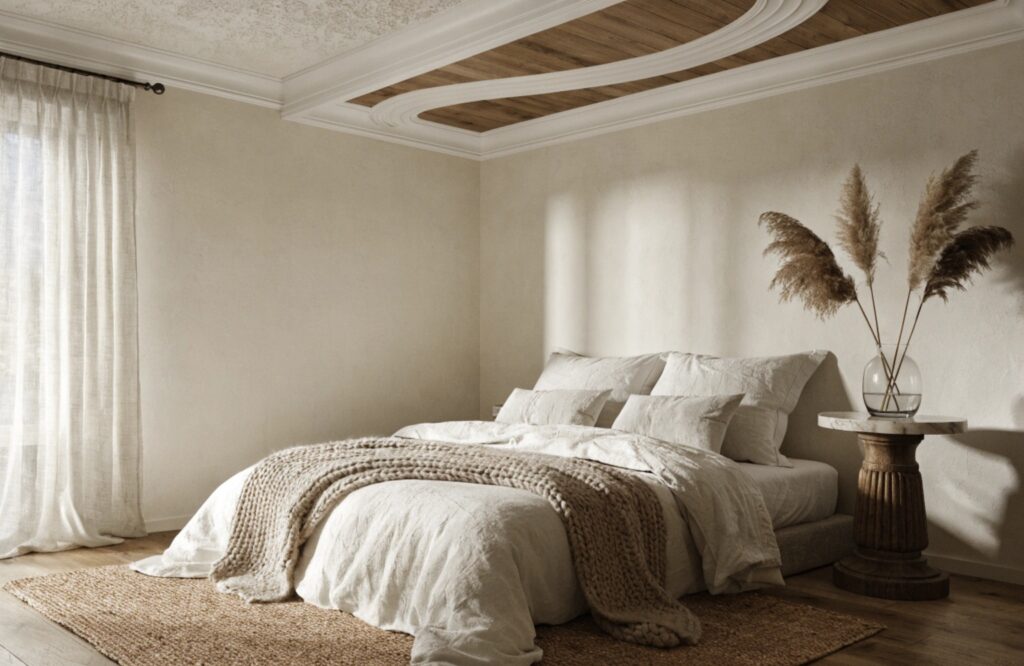

When working with a small bedroom or compact living space, every design detail matters—including the ceiling. While many homeowners focus on paint colors or furniture arrangement, the ceiling texture plays a crucial role in how spacious, bright, and comfortable a room feels. The right texture can enhance light reflection, hide imperfections, improve acoustics, and even add subtle stylistic elegance—all without overwhelming the limited space.
In this guide, we’ll explore the most effective ceiling texture options for small rooms. You’ll learn which textures make a room feel bigger, which ones to avoid, and practical tips for choosing and applying textures that enhance your design goals.
Why Ceiling Texture Is Important in Small Rooms
Ceiling texture isn’t just about aesthetics. Especially in small spaces, it affects:
- Light reflections and shadows: Heavy textures create shadows that can make a ceiling feel lower and a room tighter, while subtle textures amplify light.
- Perceived height: A smooth or lightly textured ceiling leads the eye up, creating a sense of openness.
- Visual flow: Ceilings form the “fifth wall” in a room; too much visual noise can make a small space feel cluttered.
- Imperfection masking: Slight texture can hide cracks, repair marks, or slight unevenness better than a perfectly flat finish.
The key is finding a balance: enough texture to add subtle character without creating shadows or visual bulk that shrink the room.
Smooth & Light Ceiling Finishes (Best for Small Spaces)
1. Smooth Finish – Clean, Minimal & Spacious
A smooth ceiling is the simplest and most modern texture choice. It’s achieved by carefully applying joint compound, sanding to a flawless finish, and painting with a high‑quality ceiling paint.
Unlike textured ceilings, a completely smooth surface reflects light evenly across the room, helping walls and corners feel brighter and more open. Because small rooms often struggle with shadows and contrast, this finish is ideal for contemporary designs or minimalist interiors.
Best for: Modern homes, compact bedrooms, and rooms with natural light.
Pros:
- Visually expands space
- Minimal maintenance
- Work with modern lighting
Cons:
- Requires skilled preparation
- Any imperfection is visible
If your priority is maximum perceived height and brightness, smooth is often the best choice.
2. Orange Peel Texture – Subtle Yet Stylish
Orange peel texture gets its name from its resemblance to the surface of a citrus fruit—featuring tiny rounded bumps across the surface. It is created using a spray hopper gun that applies thinned drywall compound in slight dimples.
Widely seen in many modern homes, this texture adds a hint of depth without drawing attention. For small rooms, it can provide just enough visual interest without overwhelming the space.
Why it works for small spaces:
- Small, shallow bumps don’t cast heavy shadows
- Hides minor flaws
- Easy to paint and maintain
Pros:
- Great balance of texture and smoothness
- Conceals small imperfections
- Works with a range of design styles
Cons:
- Slightly more difficult to dust-clean than smooth
- Needs consistent spray application
When paired with light paint colors like off‑white or soft neutrals, orange peel ceilings help make a room feel both crisp and cozy.
For extended inspiration, make sure to read our full guide on creative ceiling types.
Decorative Yet Subtle Ceiling Textures
Some texture styles offer a bit more visual character but still work well in compact rooms when used appropriately.
3. Knockdown Texture – Textured Yet Clean
Knockdown texture is created by spraying joint compound on the ceiling and then “knocking down” the peaks with a drywall knife once it partially dries. The result is a soft, artistic pattern that’s more subtle than rough stippled finishes but still visually interesting.
This texture type is often popular because it hides imperfections and increases depth without creating heavy shadows.
Why it fits small rooms:
- Adds subtle dimension without bulk
- Works well with recessed LED lighting
- Less visual noise than traditional rough textures
Pros:
- Visually pleasant and adaptable
- Works with modern or classic styles
Cons:
- Slightly harder to clean than smooth
- Needs professional application for best results
Knockdown is a great choice if you want texture without heaviness.
4. Skip Trowel Texture – Artistic & Lightly Patterned
Skip trowel is a handcrafted texture where drywall compound is applied with a trowel, leaving soft, sweeping patches. The effect is modest yet artistic.
Although it adds more visual detail than orange peel or knockdown, it can still be used in small spaces if the texture pattern remains light and colors remain bright.
Pros:
- Elegant, bespoke look
- Soft pattern adds character
Cons:
- Must be done carefully to avoid heavy density
- More expensive than simple finishes
Skip trowel works best when used sparingly—perhaps focused over a seating area rather than across an entire small bedroom.
5. Subtle Swirl or Brush Pattern – Personality With Care
Swirl textures are created by applying compound with a brush or trowel in repeating circular or semi‑circular patterns. On large ceilings, this can be whimsical and decorative; in small rooms, keep the pattern tight and shallow.
Large, highly contrasting swirls can overwhelm a compact space, but soft, shallow swirls that are uniformly light and paired with neutral paint tones can add gentle visual movement without shrinkage.
Texture Types to Avoid in Small Rooms
Not all textures work well in compact spaces. Some styles that may be too heavy visually include:
1. Popcorn Ceilings – Old School and Bulky
Once popular for sound absorption and hiding flaws, popcorn textures are now largely out of favor for modern design. In small spaces especially, popcorn texture:
- Creates deep shadows
- Traps dust
- Visually lowers the ceiling
- Can feel outdated or dated
Homeowners often choose to remove popcorn ceilings or smooth them over entirely to modernize a room.
2. Heavy Stipple or Slap Brush Textures
A stippled or slap brush texture creates prominent peaks and valleys. While this might hide imperfections well, the deep relief casts shadows and draws the eye downward—exactly what you don’t want in a small room.
Avoid heavy stipple finishes unless the space is large or has very high ceilings.
3. Excessively Intricate or Deep Patterns
Elaborate textures like lace or dense phenolic designs may look artistic in large formal spaces, but in compact rooms they can overwhelm the eye and make the ceiling feel lower, cluttered, and visually heavy.
Unless you pair such textures with exceptionally high ceilings or dramatic lighting, they are best saved for larger open spaces.
How Ceiling Texture Interacts With Light and Color
1. Light Paint Colors Amplify Texture Benefits
The interplay between texture and paint color is essential. Light ceiling shades—such as pure white, soft cream, or pale neutrals—reflect light more effectively than darker hues, helping the room feel taller and brighter.
This effect works especially well with subtle textures like smooth, orange peel, or light knockdown.
2. Shadow Play and Visual Height
Minimal textures help reduce shadow depth under artificial lighting. In contrast, deep textures cast shadows that can lead to a cave‑like feel. Strategically choosing a shallow texture is key to preserving perceived height.
Tips for Choosing the Right Ceiling Texture
Choosing the perfect texture requires balancing aesthetics with practical use. Here are some helpful tips:
Match Texture to Your Room Style
- Modern/minimalist: smooth or orange peel
- Transitional/executive: knockdown
- Artistic/rustic: light skip trowel
Factor in Maintenance
Smooth and subtle textures are easier to keep dust‑free than deep stipples.
Think Lighting First
Textures that work well with recessed or indirect lighting help maximize brightness.
Sample Before You Commit
Get small test patches on your ceiling to see how texture and paint interact in your lighting.
Installation & Maintenance Essentials
Smooth or Light Texture
A smooth finish usually requires professional drywall taping, multiple sanding passes, and high‑quality primer and paint.
Spray Textured Finishes (Orange Peel, Knockdown)
These require a spray hopper gun or professional tools for consistent application.
Cleaning
Light textures still need occasional dusting. Avoid textured ceilings in high‑dust or moisture zones unless sealed with quality paint.
Conclusion
Choosing the right ceiling texture for a small space is more than a design decision—it’s a way to enhance light, perception of height, and comfort. Subtle textures like smooth finishes, soft orange peel, or light knockdown create a sense of openness and style without overwhelming compact rooms.
Avoid heavy popcorn or deep stipple textures that cast shadows and shrink visual space. Pair texture with light paint colors and thoughtful lighting to make your small bedroom feel brighter and more expansive.
With the right texture and design strategy, even the smallest room can feel beautiful, airy, and inviting.