
Low-Height Ceiling Solutions for Small Rooms
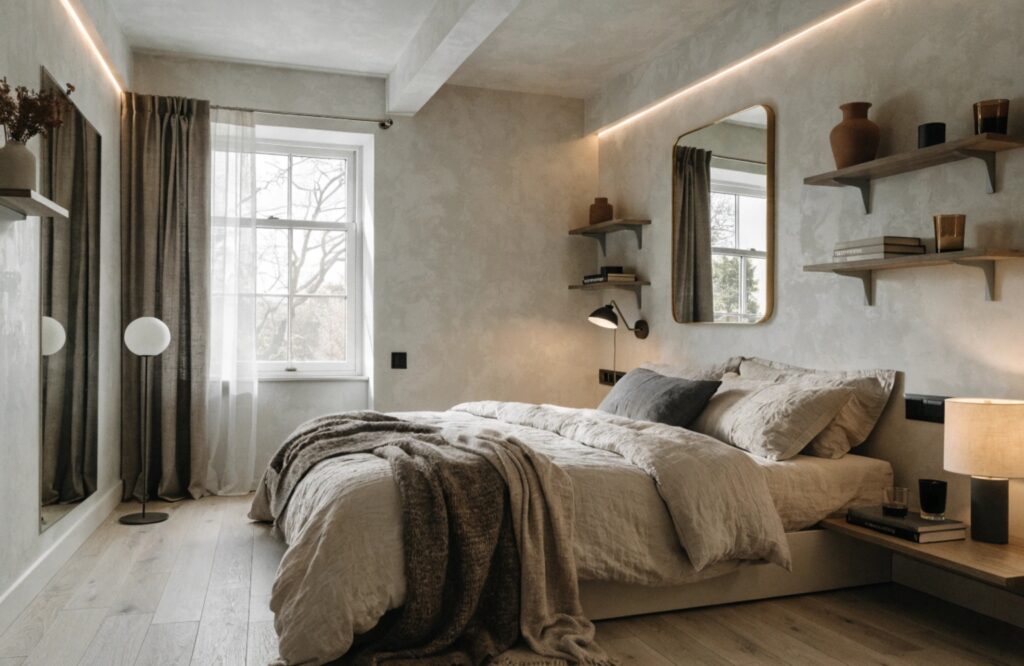

Low ceilings can make even a well‑designed space feel cramped, boxed‑in, and less inviting. In small rooms—especially bedrooms, studios, or apartments with low headroom—visual perception matters just as much as physical space. Thankfully, interior designers and architects use a wide range of clever tricks and design strategies to make low ceilings feel taller without structural changes. These techniques rely on optical illusions, light manipulation, and smart styling choices to expand space visually and create a more open, airy atmosphere.
In this guide, we’ll explore tried‑and‑true solutions—from color choices and lighting strategies to furniture placement and decor—that can dramatically improve how low ceilings look and feel in your small rooms.
1. Use Light, Reflective Colors to Open Up the Space
One of the most effective ways to make a low ceiling feel higher is through paint and color strategy. Light colors reflect more light than dark hues, allowing the room to feel brighter and more spacious.
Paint the Ceiling a Light Shade
A classic trick is to paint your ceiling in a light neutral—such as soft white, pale cream, or light cool tones—which helps reflect light and create the illusion of extra height. Light colors make boundaries less pronounced and make ceilings feel further away than they really are.
Blend Ceiling and Wall Colors
Rather than choosing a stark contrast between walls and the ceiling, painting them in similar light shades helps blur where the wall meets ceiling. This continuity visually lifts the space, encouraging the eye to move upward uninterrupted.
Subtle Gloss or Satin Finishes
A semi‑gloss or satin finish on the ceiling can reflect natural and artificial light without showing imperfections, adding depth and brightness to low spaces.
2. Strategic Lighting to Draw the Eye Upward
Lighting is critical in shaping the perception of height. Poor lighting can accentuate a low ceiling, while good lighting softens that effect and enhances vertical space.
Choose Recessed or Flush‑Mounted Lights
In rooms with low ceilings, flush‑mount or recessed lights are better than chandeliers or pendants, which can intrude into vertical space and draw attention downward.
Use Cove Lighting or LED Strips
Cove lighting hidden in ceiling recesses provides soft indirect illumination that visually pushes illumination upward, creating a floating effect that makes the ceiling feel higher.
Wall Sconces and Upward‑Facing Lamps
Wall sconces that cast light upward make the room feel brighter and draw the gaze toward the upper portion of the walls and ceiling. This encourages the perception of height without lowering fixtures.
3. Emphasize Vertical Lines and Elements
Our eyes naturally follow lines. By incorporating vertical lines in your design, you can trick the eye into perceiving a space as taller than it is.
Tall Curtains Hung Close to the Ceiling
Installing curtain rods at or near the ceiling and using floor‑length drapes helps extend vertical lines and creates a sense of height. Light, airy fabrics such as linen or sheer cotton allow light to pass through while drawing the eye up.
Vertical Wall Art and Wallpaper
Vertical stripes in wallpaper or tall artwork draws attention upward, breaking the horizontal plane that low ceilings emphasize. Soft vertical patterns help expand visual height without overwhelming the space.
Tall Vertical Furniture and Shelving
Floor‑to‑ceiling bookshelves or tall, narrow cabinets add visual height and provide storage without crowding horizontal space. This aligns with recommendations from designers focusing on creating upward motion in room layout.
o dive deeper into creative ceiling ideas, be sure to check out our complete guide.
4. Mirrors: A Powerful Tool for Visual Expansion
Mirrors do more than reflect your image—they expand perceived space by bouncing light and creating depth.
Place Mirrors Opposite Windows
Mirrors positioned across from windows capture daylight, reflecting it throughout the room and increasing brightness. This reflection creates a sense of space and lifts the visual ceiling plane.
Use Tall, Narrow Mirrors for Height Illusion
Tall mirrors draw the eye upward and mimic verticality, making ceilings feel taller and the room more open. These work especially well in small bedrooms or narrow spaces.
Floor‑to‑Ceiling Mirror Panels
If feasible, installing mirror panels flush against a wall can have a dramatic effect, almost doubling the perceived volume of the room.
5. Low‑Profile Furniture and Floor Planning
Furniture that sits too high or bulky items can emphasize a low ceiling. Instead, opt for pieces that sit closer to the floor and allow for more visible vertical wall space.
Platform Beds and Low Seating
Beds and sofas with low profiles help create additional visible wall area above them, encouraging the eye to travel upward rather than being anchored down.
Avoid Tall, Bulky Units
Large wardrobes or tall cabinets interrupt vertical continuity and visually compress ceiling height. Choose streamlined, light‑colored furniture to maintain openness.
6. Decor Choices That Support Vertical Perception
Small tweaks in decor can also contribute significantly to how height is perceived in a room.
High Placed Artwork
Art hung higher on walls, closer to the ceiling line, subtly encourages the eye to travel upward. This makes the ceiling feel further away.
Light, Minimal Accessories
Too many heavy, ornate decor items can make a room feel busy and lower the visual ceiling. Instead, choose light tones and minimal styles that support brightness and clarity.
7. Avoid Common Mistakes That Make Low Ceilings Feel Worse
Just as there are smart choices that lift a space, there are mistakes that can inadvertently make ceilings feel even lower.
Avoid Low Hanging Lights
Bulky pendants or chandeliers draw attention downward and reduce perceived height. Flush or recessed lighting is far more effective for small rooms.
Avoid Dark Horizontal Bands
Dark paint near ceiling edges or horizontal stripes can trap the eye and emphasize the room’s low height. Keep trim and crown molding in light colors or matching the wall tone to reduce horizontal boundaries.
Heavy Window Treatments
Thick valances and short curtains visually cut the wall, reducing the feeling of vertical space. Instead, hang curtains close to the ceiling and use light fabrics.
8. Architectural and Detail Touches
Even small architectural accents can influence how a room’s ceiling feels.
Painted Trim That Matches Wall and Ceiling
Painting crown molding and trim the same color as the wall or ceiling removes abrupt visual breaks, creating a more seamless continuity that makes ceilings feel higher.
Perimeter Lighting and Floating Ceiling Features
Using shallow perimeter lighting (like hidden LED strips) creates depth without lowering the actual ceiling. This floating effect keeps headroom while adding dimension.
Conclusion
Low ceilings might be a fixed physical limitation, but they don’t have to define how a space feels. With the right combination of paint, lighting, mirrors, furniture, decor, and spatial planning, even the most modest rooms can feel brighter, taller, and more open. By using light‑reflective surfaces, emphasizing vertical lines, and avoiding décor that pulls the eye downward, you can create the illusion of space and comfort—no renovation required.
Whether you’re updating a small bedroom, guest room, or cozy living area, these low‑height ceiling solutions help you design a space that feels expansive, welcoming, and beautifully proportioned.
Ready to explore more ceiling design ideas? Check out our related guides on modern ceiling materials, lighting tricks, and space‑saving design inspirations!