
Ready-Made Furniture vs Custom Furniture: Which Option Makes More Sense for Modern Homes?
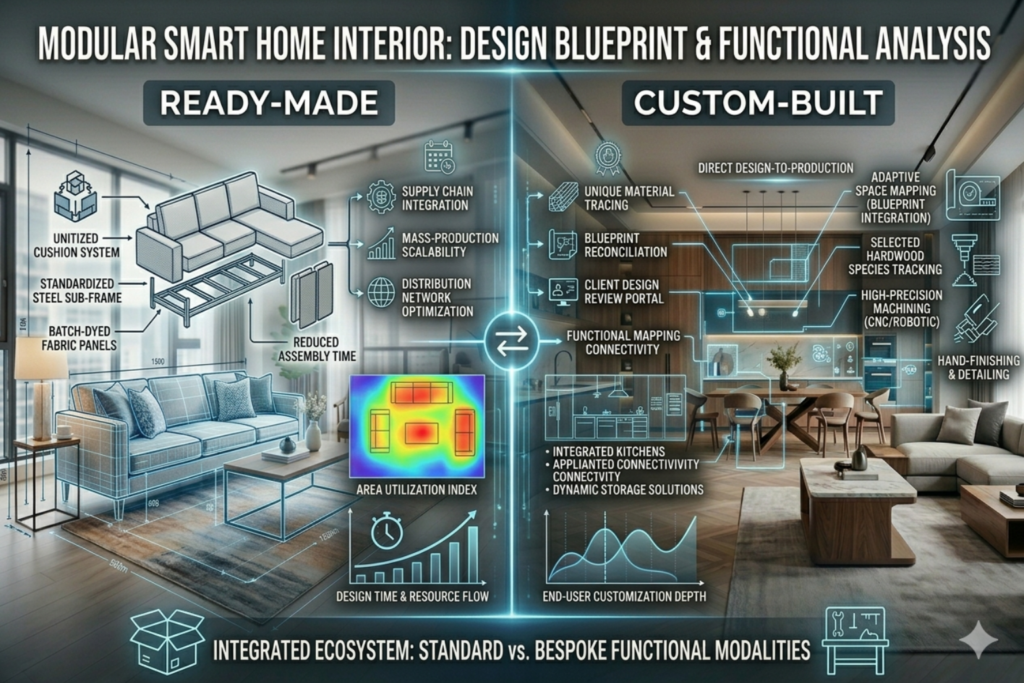
Ready-Made Furniture vs Custom Furniture: Which Option Makes More Sense for Modern Homes? Vallari Shah Principal Designer Furniture is one of the most important investments homeowners make during an interior design project. Whether you’re moving into a new apartment, building a house, or renovating an existing home, one question inevitably arises: Should you buy ready-made furniture or invest in custom furniture? At first glance, ready-made furniture often appears to be the simpler choice. It is readily available, easy to purchase, and typically faster to install. Custom furniture, on the other hand, requires planning, design discussions, manufacturing time, and a larger commitment. However, the decision is not simply about convenience versus customization. It is about understanding which option aligns better with your lifestyle, space requirements, budget, and long-term expectations. The reality is that both approaches have advantages. The right choice depends on how you intend to use your home and what you expect from your furniture over the coming years. Understanding Ready-Made Furniture Ready-made furniture refers to furniture that is manufactured in standard sizes and sold through furniture stores, showrooms, and online platforms. Examples include: Sofas Dining tables Beds Coffee tables Bookshelves TV units Accent chairs These products are designed to suit a wide range of homes and are generally available for immediate purchase. The biggest advantage is convenience. Homeowners can see the product, compare options, and often have it delivered within days. Understanding Custom Furniture Custom furniture is designed and manufactured specifically for a particular home, room, or homeowner requirement. Instead of selecting from existing products, homeowners work with designers and manufacturers to determine: Dimensions Materials Finishes Storage configurations Design aesthetics Functional requirements The furniture is then produced according to those specifications. Custom furniture is commonly used for: Wardrobes TV units Study units Storage systems Walk-in closets Modular kitchens Bedroom furniture Its primary advantage is personalization. Space Utilization: The Biggest Difference One of the most important distinctions between ready-made and custom furniture is space efficiency. Ready-made furniture is manufactured using standard dimensions. This means it may not always fit perfectly within a room. For example: A wardrobe may leave unused gaps near the ceiling or walls. A TV unit may not align with the room’s proportions. A study table may not fit awkward corners effectively. Custom furniture is designed around the available space. This allows homeowners to maximize every inch of the room. In modern apartments where space is valuable, this advantage can be significant. Customization and Personalization Ready-made furniture offers limited customization. Homeowners usually choose from: Available colors Standard sizes Existing designs Custom furniture provides much greater flexibility. Homeowners can select: Materials Plywood MDF Veneers Laminates Acrylic finishes Storage Features Drawers Pull-out units Organizers Hidden compartments Design Details Hardware Handles Lighting integration Finishing styles This flexibility allows furniture to align closely with lifestyle requirements. Cost Comparison One of the most common assumptions is that custom furniture is always significantly more expensive. The reality is more nuanced. Ready-Made Furniture Advantages: Lower initial cost Faster purchasing decisions Wide price range However, costs can increase when homeowners need multiple pieces to compensate for storage limitations. Custom Furniture Advantages: Better space utilization Integrated storage Long-term functionality While custom furniture often requires a higher upfront investment, many homeowners find it delivers better value over time. The key consideration is not simply cost, but cost relative to functionality. Quality and Durability Considerations Furniture quality varies widely in both categories. However, custom furniture often provides greater transparency regarding: Material specifications Hardware quality Manufacturing standards Homeowners can make informed decisions about durability. With ready-made furniture, internal construction details may not always be obvious. This doesn’t mean ready-made furniture is inferior. Many premium brands offer exceptional quality. The important factor is understanding what materials and construction methods are being used. Design Consistency Across the Home One challenge homeowners frequently encounter is maintaining a cohesive design language. Ready-made furniture purchased from multiple brands can sometimes create visual inconsistency. Differences in: Finishes Proportions Materials Design styles may result in a fragmented appearance. Custom furniture allows designers to create a unified aesthetic throughout the home. This often contributes to a more refined and professionally designed environment. Installation and Project Timelines Ready-made furniture has a clear advantage in terms of speed. Most products can be: Purchased immediately Delivered quickly Installed within days Custom furniture requires: Design development Material selection Manufacturing Quality checks Installation This process may take several weeks. For homeowners with urgent timelines, ready-made furniture can be an attractive option. For those planning a long-term residence, the additional time may be worthwhile. Maintenance and Future Modifications Another factor often overlooked is adaptability. Ready-made furniture offers limited flexibility for future changes. Custom furniture can often be designed with: Modular components Expandable storage Future upgrades This can be particularly valuable for growing families whose requirements may evolve over time. A Practical Approach for Modern Homes Interestingly, the best solution is often not choosing one option exclusively. Many successful homes combine both. For example: Custom Furniture Used for: Wardrobes Modular kitchens Study units TV units Storage systems Ready-Made Furniture Used for: Sofas Accent chairs Dining chairs Coffee tables Decorative furniture This hybrid approach combines customization with convenience. What Homeowners Regret Most When reviewing completed interior projects, several patterns emerge. Homeowners rarely regret investing in: Better storage Quality materials Functional customization However, they frequently regret: Insufficient storage Poor space utilization Furniture that doesn’t fit properly Short-term purchasing decisions These observations highlight the importance of evaluating furniture beyond aesthetics alone. Which Option Is Right for You? Ready-made furniture may be ideal if you: Need quick installation Have a limited budget Prefer flexibility in furniture replacement Require standalone furniture pieces Custom furniture may be ideal if you: Want maximum space utilization Need specialized storage Prefer personalized design Plan to stay in the home long-term Want a cohesive interior aesthetic The decision should be based on lifestyle and functionality rather than trends. Expert Insight: Furniture Should Solve Problems, Not Just Fill Space One observation consistently emerges across successful interior projects. The furniture homeowners appreciate most after several
Interior Design Cost Calculator for Bangalore Homes
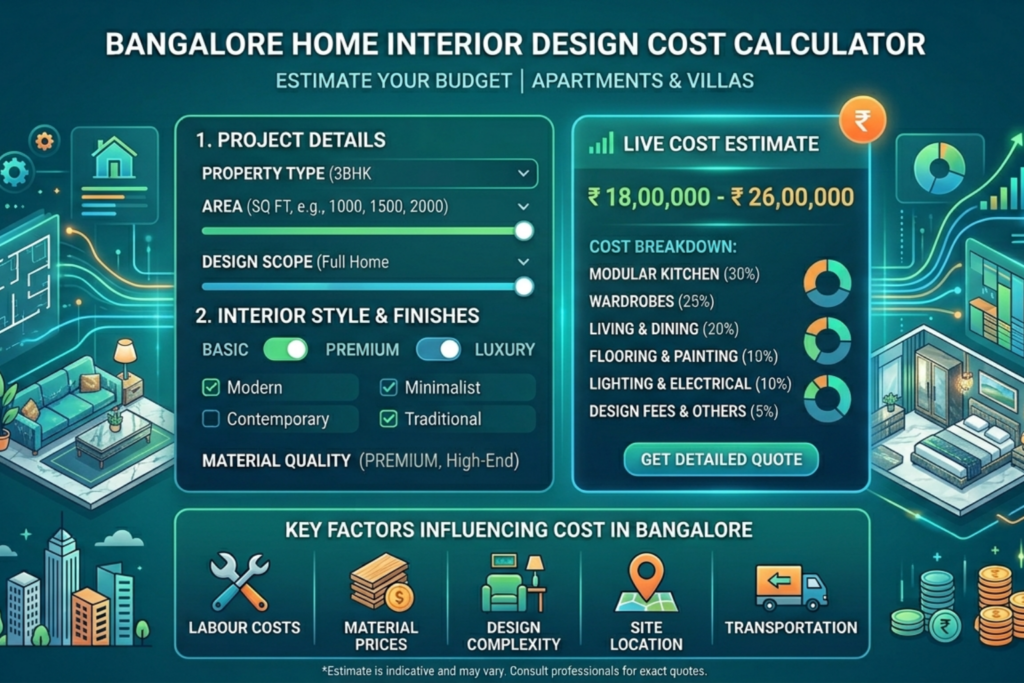
Interior Design Cost Calculator for Bangalore Homes Vallari Shah Principal Designer One of the first questions homeowners ask after purchasing a new apartment or planning a renovation is: “How much will my home interiors cost?” Unfortunately, there is no universal answer. A 2BHK apartment in Whitefield can have a completely different interior budget compared to another 2BHK apartment of the same size in HSR Layout. The reason is simple: Interior costs are determined by requirements, not just square footage. Storage needs, material choices, furniture scope, customization levels, lighting design, and execution quality all influence the final investment. While no online calculator can provide an exact project quotation, homeowners can use a structured cost estimation framework to understand realistic budget ranges before consulting an interior design company. This guide serves as a practical interior design cost calculator for Bangalore homeowners planning a new home, apartment, villa, or renovation project. Why Interior Cost Calculators Often Create Confusion Many online calculators ask for only one input: Square Footage Then they instantly generate a budget. While convenient, this approach is often inaccurate. For example: Home A 1,500 sq. ft. Includes: Basic modular kitchen Standard wardrobes Minimal customization Home B 1,500 sq. ft. Includes: Luxury kitchen Walk-in wardrobe Home office Smart lighting Customized furniture Although both homes have the same area, their budgets can differ dramatically. This is why homeowners should view calculators as planning tools rather than pricing guarantees. Step 1: Identify Your Home Type Your first budget variable is the type of property. 2BHK Apartment Typically requires: Modular kitchen 2–3 wardrobes TV unit Basic storage 3BHK Apartment Typically includes: Larger storage requirements Additional bedroom furniture More lighting and design elements Villa or Independent Home Often requires: Larger furniture scope Extensive customization Additional architectural detailing Property type significantly affects project budgets. Step 2: Choose Your Interior Category Essential Interior Package Suitable for: Rental properties Investment apartments Budget-conscious homeowners Typical Range: ₹1,200–₹1,800 per sq. ft. May include: Basic modular kitchen Standard wardrobes Essential storage Functional design solutions Mid-Premium Interior Package Suitable for: End-use homeowners Family residences Typical Range: ₹1,800–₹3,000 per sq. ft. May include: Better finishes Enhanced storage planning Decorative elements Improved lighting concepts Premium Interior Package Suitable for: Luxury apartments High-end residences Typical Range: ₹3,000–₹5,500+ per sq. ft. May include: Customized furniture Designer finishes Premium hardware Advanced lighting Feature walls Step 3: Estimate Your Budget 2BHK Interior Cost Calculator Home Size Essential Mid-Premium Premium 900–1,100 sq. ft. ₹10–18 Lakhs ₹18–30 Lakhs ₹30–55+ Lakhs These figures vary based on project scope. 3BHK Interior Cost Calculator Home Size Essential Mid-Premium Premium 1,200–1,800 sq. ft. ₹15–25 Lakhs ₹25–45 Lakhs ₹45–90+ Lakhs Storage requirements often influence pricing significantly. Luxury Apartment Calculator Home Size Estimated Range 1,800–2,500 sq. ft. ₹50 Lakhs – ₹1.5 Crore+ Customization levels become major cost drivers at this stage. Villa Interior Cost Calculator Home Size Estimated Range 2,500–5,000+ sq. ft. ₹75 Lakhs – ₹3 Crore+ Villa projects often involve extensive customization and bespoke furniture. Step 4: Add Specialized Requirements Many homeowners forget to include additional lifestyle features. Common additions include: Home Office Custom workstations Storage Acoustic considerations Smart Home Features Automation systems Smart lighting Integrated controls Walk-In Wardrobes Premium storage systems Customized layouts Entertainment Areas Home theaters Gaming rooms Media units Each feature affects overall budgeting. Modular Kitchen Cost Calculator The kitchen is often one of the largest interior investments. Essential Kitchen Approximate Range: ₹2.5–5 Lakhs Mid-Premium Kitchen Approximate Range: ₹5–10 Lakhs Luxury Kitchen Approximate Range: ₹10–25 Lakhs+ Pricing depends on: Layout Materials Appliances Hardware Customization Wardrobe Cost Calculator Wardrobes represent another major cost category. Standard Wardrobes Approximate Range: ₹1,500–₹2,500 per sq. ft. of wardrobe area Premium Wardrobes Approximate Range: ₹2,500–₹5,000+ per sq. ft. Factors include: Internal accessories Finishes Hardware Customization What Homeowners Frequently Forget to Budget For One reason projects exceed expectations is because homeowners focus only on furniture. Additional considerations may include: Decorative lighting Electrical modifications False ceilings Painting Wall treatments Civil alterations Smart home systems Appliances A complete project budget should account for all related components. Why Bangalore Interior Budgets Vary So Much Bangalore’s housing market is extremely diverse. Projects may range from: Compact apartments Premium high-rises Luxury penthouses Villas In addition, homeowner expectations vary significantly. Some prioritize: Functionality Durability Storage Others prioritize: Customization Luxury finishes Design exclusivity As a result, budget ranges are naturally broad. The Most Accurate Interior Cost Calculator Is a Detailed Requirement Analysis Despite advances in online calculators, no automated tool can fully understand: Lifestyle requirements Family size Storage needs Design preferences Future plans This is why professional consultations remain the most accurate budgeting method. A well-defined scope often reveals opportunities to optimize investment while improving functionality. Expert Insight: Focus on Value, Not Just Budget Homeowners who achieve the best outcomes rarely focus solely on minimizing costs. Instead, they evaluate: Functionality Durability Storage efficiency Material performance Long-term usability Interestingly, the features homeowners appreciate most after moving in are often: Better storage Improved lighting Thoughtful layouts Quality hardware These investments continue delivering value long after decorative trends have changed. Interactive Budget Formula You can use this simple estimation method: Example: 1,200 sq. ft. home ₹2,500 per sq. ft. interior package Estimated Budget: ₹30 Lakhs Remember that actual project pricing depends on scope, materials, and customization. FAQ What is the average interior design cost in Bangalore? Most residential projects typically range between ₹1,200 and ₹5,500+ per sq. ft., depending on materials, scope, and customization. How much does a 2BHK interior cost in Bangalore? A professionally executed 2BHK project may range from approximately ₹10 Lakhs to ₹55 Lakhs or more, depending on specifications. Is turnkey interior design more expensive? Not necessarily. Turnkey execution often improves project coordination and may reduce hidden costs. Can online calculators provide accurate estimates? They provide useful planning benchmarks but cannot replace detailed project consultations. What affects interior pricing the most? Storage requirements, materials, customization levels, furniture scope, lighting design, and execution quality. Commercial Interior Designer Varanasi March 23, 2026 | by Vallari Shah Commercial Interior Designer in Varanasi – Transforming Business Spaces with Smart Design
Best Apartment Interior Company in Varanasi: A Homeowner’s Guide to Making the Right Choice
Best Apartment Interior Company in Varanasi: A Homeowner’s Guide to Making the Right Choice Vallari Shah Principal Designer Buying an apartment is one of life’s biggest milestones. Whether it’s your first home, a family upgrade, or an investment property, the interior design journey plays a critical role in transforming a flat into a comfortable, functional, and personalized living space. However, many homeowners face a common challenge: How do you identify the best apartment interior company in Varanasi when so many options claim to offer the same services? The answer goes beyond attractive portfolios and competitive pricing. The best interior company is not necessarily the one with the lowest quote or the most social media followers. It’s the company that understands your lifestyle, plans intelligently, executes professionally, and delivers long-term value. This guide explores what homeowners should evaluate before choosing an apartment interior company in Varanasi. Why Apartment Interior Design Requires Specialized Expertise Designing an apartment differs significantly from designing an independent house. Apartments typically have: Fixed layouts Structural limitations Space constraints Society guidelines Utility restrictions As a result, every design decision must maximize available space without compromising comfort or aesthetics. An experienced apartment interior company understands how to: Optimize storage Improve functionality Enhance lighting Create visual spaciousness Manage execution within apartment regulations These skills often have a greater impact on homeowner satisfaction than decorative design elements. What Homeowners in Varanasi Want From Modern Apartment Interiors Apartment living has evolved significantly over the last decade. Today’s homeowners generally seek more than attractive interiors. Common priorities include: Smart Storage Solutions Storage remains one of the most important requirements in apartment interiors. Functional Space Planning Every square foot should contribute meaningfully to daily life. Modern Aesthetics Homeowners increasingly prefer clean, timeless designs over overly decorative interiors. Low-Maintenance Materials Durability is becoming as important as appearance. Future-Ready Design Families want homes that can adapt to changing needs over time. The best apartment interiors successfully balance all these requirements. Challenges Commonly Found in Apartment Interiors Many homeowners discover similar issues after moving into a newly designed apartment. These include: Inadequate Storage A home may look beautiful initially but become cluttered within a year. Poor Lighting Planning Lighting affects comfort, mood, and functionality more than most homeowners anticipate. Oversized Furniture Furniture selected without proper planning can make rooms feel smaller. Lack of Flexibility Homes designed only for current needs may struggle to accommodate future lifestyle changes. An experienced interior company identifies these challenges during planning rather than after project completion. What Makes an Interior Company Truly Stand Out? While portfolios showcase design capabilities, successful projects often depend on less visible strengths. The best apartment interior companies typically excel in: Requirement Analysis Understanding how a family actually lives. Space Optimization Creating layouts that improve usability. Material Expertise Recommending materials based on performance, not just appearance. Execution Management Coordinating multiple project stages efficiently. Transparent Communication Keeping homeowners informed throughout the process. These factors often influence project success more than visual design concepts alone. The Importance of Turnkey Interior Solutions Many homeowners underestimate the complexity of managing an interior project independently. A typical apartment interior may involve: Designers Carpenters Electricians Painters Hardware suppliers Material vendors Installation teams Coordinating multiple vendors can become time-consuming and stressful. This is why turnkey interior solutions have become increasingly popular. A turnkey model generally provides: Design planning Material procurement Manufacturing Site execution Quality checks Final handover The result is a more streamlined project experience. Questions Every Homeowner Should Ask Before Hiring an Interior Company Choosing an interior partner should involve more than reviewing visual designs. Important questions include: How is the design process structured? Understanding the workflow helps establish realistic expectations. What is included in the quotation? Clear scope documentation prevents misunderstandings later. Who manages project execution? Execution quality often determines final satisfaction. How are design revisions handled? Flexibility during planning can significantly improve outcomes. What materials are recommended and why? Material recommendations should align with lifestyle requirements. The answers often reveal the true professionalism of a company. A Varanasi-Specific Perspective on Apartment Interiors Apartment homeowners in Varanasi often face unique design considerations. Many families seek to combine: Modern aesthetics Traditional values Multi-generational living Guest accommodation Practical storage As a result, successful interiors often require thoughtful customization rather than standardized solutions. Designs that work in metropolitan high-rise apartments may not always align with local lifestyle patterns. This is why local understanding remains important. What Homeowners Regret Most After Completion When discussing completed projects, several recurring themes emerge. Homeowners often wish they had: Planned more storage Invested in better lighting Selected higher-quality hardware Finalized requirements earlier Focused more on functionality Interestingly, regrets are rarely about decorative choices. Most regrets relate to everyday usability. This highlights the importance of practical planning during the early stages. Why Experience Matters More Than Trends Interior trends change constantly. Design principles do not. The most successful apartment interiors focus on: Functionality Comfort Efficiency Durability Timeless aesthetics Experienced interior companies understand how to balance current preferences with long-term usability. This approach helps homes remain relevant and enjoyable for years. What Defines the Best Apartment Interior Company? The answer varies from one homeowner to another. However, the best interior company is usually the one that: Understands your lifestyle Creates functional design solutions Communicates transparently Delivers consistent quality Provides professional project management Focuses on long-term value Ultimately, great interior design is not about creating spaces that look impressive for photographs. It’s about creating homes that improve everyday living. Why Homeowners Choose Avinnyya for Apartment Interiors in Varanasi At Avinnyya – Interior Design & Turnkey Solutions, we believe successful apartment interiors begin with understanding how families live, work, relax, and grow. Our approach focuses on: Lifestyle-driven design planning Smart storage optimization Customized modular solutions Premium material selection Professional turnkey execution Transparent project management Rather than following generic design formulas, we create interiors tailored to each homeowner’s unique requirements, ensuring functionality, comfort, and timeless appeal. FAQ How do I choose the best apartment interior company in Varanasi? Evaluate design expertise, project management capabilities, execution
Bengaluru vs Bangalore Interior Pricing Differences: What Homeowners Should Actually Focus On
Bengaluru vs Bangalore Interior Pricing Differences: What Homeowners Should Actually Focus On Vallari Shah Principal Designer One of the more interesting questions that appears during online searches is: “Is interior design more expensive in Bengaluru than Bangalore?” The short answer is: No. Because Bengaluru and Bangalore are the same city. However, the question reveals something more important. What homeowners are actually trying to understand is: Why do interior design quotations vary so much across projects? Why do some companies charge significantly more than others? What factors genuinely influence interior costs? The reality is that interior pricing differences have very little to do with whether someone says Bengaluru or Bangalore. The real pricing differences come from location within the city, project scope, material selections, customization levels, execution quality, and the type of interior company managing the project. Understanding these factors is far more valuable than comparing city names. The Real Question Homeowners Are Asking When people search for Bengaluru vs Bangalore interior pricing, they’re usually noticing something else. For example: A homeowner may receive: One quote of ₹8 lakh Another quote of ₹14 lakh A third quote of ₹22 lakh for what appears to be the same apartment. Naturally, this creates confusion. The assumption is often that companies are simply pricing differently. In reality, the scope of work is rarely identical. The differences often lie beneath the surface. Why Interior Design Pricing Varies Across Bengaluru The city itself is not driving pricing differences. The housing ecosystem is. Different areas of Bengaluru have different project characteristics. For example: Premium Residential Locations Areas such as: Indiranagar Koramangala HSR Layout Sarjapur Road Whitefield often feature: Larger apartments Premium communities Greater customization requirements Higher design expectations These projects naturally involve larger budgets. Emerging Residential Corridors Many developing neighborhoods contain: First-home buyers Investment properties Budget-focused projects These interiors often prioritize: Essential functionality Modular solutions Controlled budgets The pricing difference comes from project requirements—not geography. What Actually Influences Interior Pricing? When analyzing residential projects, several factors consistently influence cost. Scope of Work This is often the largest variable. For example: Project A Includes: Modular kitchen Basic wardrobes Project B Includes: Kitchen Wardrobes TV unit Crockery unit False ceiling Decorative lighting Custom furniture Home office Even if both homes have identical square footage, budgets will differ significantly. Material Selection Material choices can dramatically affect pricing. Examples include: Budget-Oriented Materials Standard laminates MDF-based solutions Basic hardware Premium Materials Veneers Acrylic finishes Quartz surfaces Premium hardware systems The visual difference may appear subtle. The pricing difference may not. Customization Levels Highly customized homes generally require: Additional design development Specialized manufacturing More installation time Greater quality control Customization often increases project complexity more than homeowners initially expect. Why Square Foot Pricing Can Be Misleading One of the biggest misconceptions in the interior industry is relying solely on cost-per-square-foot comparisons. Consider two apartments: Apartment 1 1,500 sq. ft. Minimal storage Standard finishes Apartment 2 1,500 sq. ft. Walk-in wardrobe Premium kitchen Home office Smart lighting Both apartments share identical dimensions. Neither should share identical budgets. This is why experienced designers focus on requirements before discussing pricing. The Turnkey Pricing Advantage Many homeowners compare quotes without understanding execution models. A turnkey interior company typically manages: Design Manufacturing Procurement Installation Project management Handover While initial quotations may appear higher than fragmented vendor-based approaches, turnkey execution often reduces: Coordination issues Delays Rework costs Accountability gaps The comparison should focus on overall project value rather than headline pricing alone. A Bengaluru-Specific Observation One unique characteristic of Bengaluru’s residential market is the diversity of housing types. Within a few kilometers, homeowners may encounter: Compact 2BHK apartments Luxury residences Villas Penthouses Rental investments As a result, pricing benchmarks vary more than in many other cities. This diversity explains why generic pricing advice often fails to provide meaningful guidance. What Homeowners Often Overlook When Comparing Quotes Many comparisons focus only on visible furniture. However, project costs may also include: Site supervision Hardware quality Design revisions Installation standards Warranty coverage After-sales support Quality inspections Two quotations may appear similar on paper while offering very different long-term value. Understanding what is included is often more important than comparing final numbers. The Hidden Cost of Cheap Interiors Interestingly, homeowners rarely regret investing in: Better storage planning Premium hardware Improved lighting Durable materials However, they frequently regret: Poor execution quality Limited functionality Frequent maintenance issues Insufficient storage A lower upfront investment can sometimes create higher long-term costs. This is why value-based decision-making generally produces better outcomes than price-based decision-making. What Successful Homeowners Do Differently Homeowners who feel satisfied with their investment typically focus on: Functionality First They prioritize usability over trends. Long-Term Thinking They evaluate durability rather than immediate savings. Scope Clarity They understand exactly what is included. Quality Evaluation They assess materials, hardware, and execution standards. Lifestyle Alignment They ensure design solutions support everyday living. These factors often influence satisfaction far more than the final quoted rate. Expert Insight: Focus on Cost Drivers, Not City Names Whether someone searches for Bengaluru interiors or Bangalore interiors, the pricing conversation remains the same. The true drivers of cost are: Project scope Material quality Customization Storage requirements Execution standards Design complexity Homeowners who understand these variables make more confident decisions and avoid many of the budgeting frustrations commonly associated with interior projects. Ultimately, the goal should not be finding the cheapest interior solution. The goal should be creating a home that delivers lasting comfort, functionality, and value. FAQ Is there a pricing difference between Bengaluru and Bangalore interior projects? No. Bengaluru and Bangalore refer to the same city. Pricing differences come from project scope, materials, customization, and execution quality. Why do interior quotations vary so much? Different companies may include different materials, hardware, services, design scope, and execution standards. Is cost per square foot a reliable pricing method? It can provide a rough estimate but should not be used as the sole budgeting tool. Do premium locations increase interior costs? Not directly. However, premium residential projects often involve higher customization and material expectations. How
Interior Designer in Indiranagar: Creating Homes That Reflect Modern Bengaluru Living
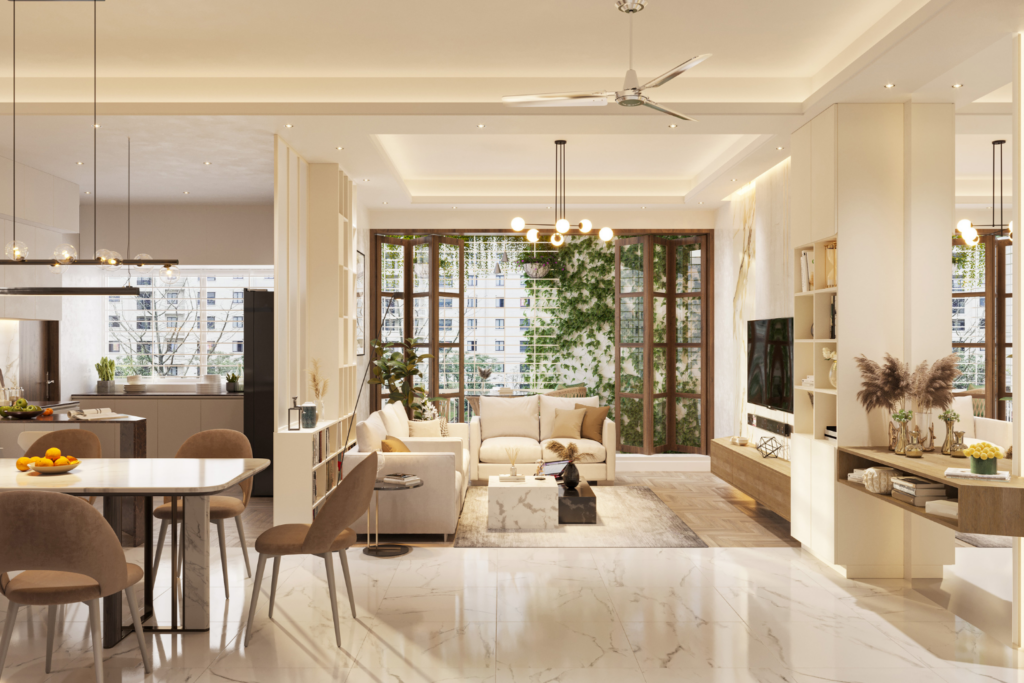
Interior Designer in Indiranagar: Creating Homes That Reflect Modern Bengaluru Living Vallari Shah Principal Designer Indiranagar has long been one of Bengaluru’s most desirable residential neighborhoods. Known for its blend of premium apartments, independent homes, luxury villas, and vibrant urban lifestyle, the area attracts homeowners who value both design and functionality. As property values continue to rise, many homeowners are investing more thoughtfully in interior design—not simply to make their homes look attractive, but to improve everyday living. However, one interesting trend has emerged over the last few years. Homeowners are no longer asking only for beautiful interiors. They’re asking for homes that are: Easier to maintain Better organized More functional Future-ready Personalized to their lifestyle This shift has changed the role of an interior designer significantly. Today, successful interior design is less about decorating rooms and more about solving lifestyle challenges through thoughtful planning and execution. Why Interior Design Matters More in Indiranagar Homes Properties in Indiranagar represent a significant investment. Whether it’s a premium apartment, penthouse, independent residence, or luxury villa, homeowners often expect their interiors to deliver long-term value. Yet many homes encounter similar challenges: Insufficient storage Poor space planning Inadequate lighting Underutilized rooms Outdated layouts These issues can affect daily comfort regardless of the property’s size or location. Thoughtful interior design helps ensure that every square foot contributes meaningfully to the homeowner’s lifestyle. What Homeowners in Indiranagar Are Prioritizing Today During design consultations, homeowners increasingly focus on practical outcomes rather than specific styles. Common priorities include: Better Space Utilization Even large homes can feel inefficient if layouts are poorly planned. Organized Storage Hidden storage solutions continue to be among the most requested features. Modern Luxury Homeowners seek elegance without excessive ornamentation. Flexible Living Spaces Many families want spaces that adapt to work, entertainment, and social gatherings. Low-Maintenance Materials Durability and ease of maintenance often influence material selections as much as aesthetics. These priorities reflect a broader shift toward lifestyle-centered design. Common Interior Design Challenges in Indiranagar Homes Every neighborhood develops its own design patterns based on housing types and homeowner expectations. In Indiranagar, some recurring challenges include: Optimizing Apartment Layouts Premium apartments often require: Better storage integration Space-efficient furniture planning Lighting enhancement Functional zoning Renovating Older Homes Many independent homes require modernization while preserving architectural character. Creating Luxury Without Excess Homeowners increasingly prefer sophisticated interiors that feel timeless rather than trend-driven. Balancing Work and Home Life Hybrid work arrangements continue influencing home design decisions. Addressing these challenges effectively requires a strong understanding of both design principles and lifestyle needs. What Separates a Good Interior Designer From a Great One? Many homeowners evaluate designers primarily through portfolios. While visual work is important, successful projects often depend on less visible capabilities. A strong interior designer should help homeowners: Define priorities clearly Avoid costly mistakes Improve functionality Plan for future needs Optimize budgets Coordinate execution effectively The ability to solve problems often creates more value than the ability to create attractive visualizations alone. Why Space Planning Should Come Before Design Styles One of the most common homeowner mistakes is selecting a design style before understanding how the space should function. For example: A homeowner may request: Modern interiors Scandinavian design Contemporary luxury However, the underlying need may actually be: More storage Better circulation Improved lighting Flexible family spaces When functionality is addressed first, design styles become much easier to implement successfully. The Growing Demand for Turnkey Interior Solutions Many Indiranagar homeowners have demanding professional schedules. As a result, turnkey interior solutions have become increasingly popular. A turnkey approach typically includes: Design development Material selection Manufacturing Procurement Site execution Project coordination Final handover This integrated model often reduces the complexity of managing multiple vendors independently. More importantly, it provides greater accountability throughout the project lifecycle. What Homeowners Often Regret After Completing a Project Conversations with homeowners frequently reveal recurring themes. Common regrets include: Not Planning Storage Properly Insufficient storage often becomes noticeable within months. Following Trends Blindly Design trends can lose relevance surprisingly quickly. Prioritizing Cost Over Value The cheapest solution is not always the most economical over the long term. Ignoring Lighting Design Lighting influences comfort and aesthetics more than many homeowners anticipate. Rushing Early Decisions Most costly mistakes originate during the planning phase rather than execution. Understanding these patterns helps future homeowners make better decisions. A Modern Perspective on Luxury Interiors Luxury has evolved significantly. Today’s homeowners often define luxury differently than previous generations. Rather than focusing solely on expensive materials, modern luxury emphasizes: Comfort Functionality Personalization Craftsmanship Simplicity Longevity This shift is particularly visible in premium Bengaluru neighborhoods such as Indiranagar. The most admired homes are often those that feel effortless rather than extravagant. What to Look for Before Hiring an Interior Designer in Indiranagar Before finalizing a design partner, homeowners should evaluate: Design Process How are requirements gathered and translated into solutions? Scope Transparency Are inclusions and exclusions clearly defined? Material Knowledge Can the designer explain the practical implications of material choices? Execution Capabilities Who manages manufacturing, installation, and quality control? Communication Approach How are updates, approvals, and revisions handled? The answers to these questions often reveal more than a portfolio alone. Expert Insight: The Best Interiors Solve Problems You Didn’t Realize Existed One observation consistently emerges across successful residential projects. Homeowners initially focus on visible design elements. However, the features they appreciate most after moving in are often: Well-planned storage Efficient layouts Comfortable lighting Easy maintenance Functional daily workflows These improvements may not always appear prominently in photographs, but they significantly influence long-term satisfaction. This is where thoughtful interior design creates its greatest value. FAQ How do I choose the best interior designer in Indiranagar? Focus on design expertise, planning capabilities, execution experience, transparency, and understanding of your lifestyle needs rather than aesthetics alone. Are turnkey interior solutions worth considering? For many homeowners, turnkey solutions simplify coordination and provide a more streamlined project experience. How long does an interior design project typically take? Project timelines vary depending on scope, customization, and property size. Comprehensive
False Ceiling Design Ideas for Varanasi Homes
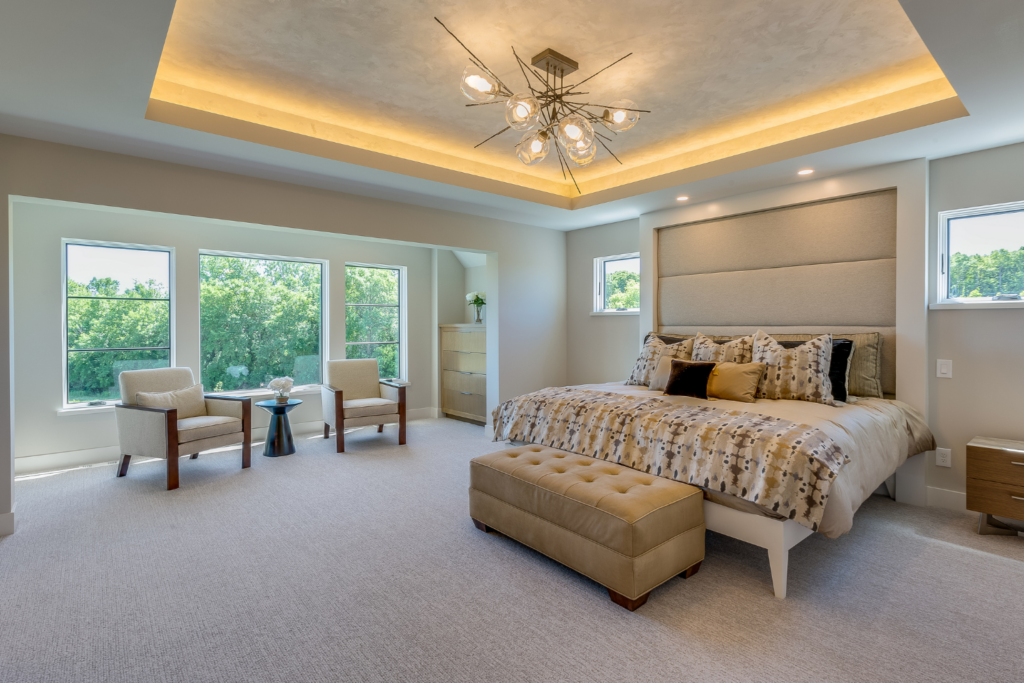
False Ceiling Design Ideas for Varanasi Homes Vallari Shah Principal Designer When homeowners plan a new home interior, most attention naturally goes toward flooring, furniture, wall finishes, kitchens, and wardrobes. Yet one design element has the power to completely transform how a room feels without occupying any floor space: The ceiling. A well-designed false ceiling doesn’t just improve aesthetics. It influences lighting quality, room proportions, thermal comfort, and the overall perception of luxury within a home. Interestingly, many homeowners in Varanasi still approach ceiling design as a decorative afterthought. The result is often either an overly complicated ceiling that feels dated within a few years or a missed opportunity to enhance the entire interior experience. The best false ceilings are not necessarily the most elaborate ones. They are the ones that improve how a space functions while complementing the architecture of the home. This guide explores practical false ceiling ideas that work particularly well for modern homes in Varanasi while helping homeowners make informed design decisions. Why False Ceilings Have Become More Important in Modern Homes Ten years ago, false ceilings were often considered a luxury feature. Today, they serve multiple practical purposes. Homeowners increasingly use false ceilings to: Improve lighting design Conceal electrical wiring Integrate air-conditioning systems Enhance room proportions Create visual zoning Improve aesthetics As homes become more sophisticated and technology-driven, ceiling design has evolved from decoration to infrastructure. The ceiling is now one of the most important architectural surfaces in a room. A Common Mistake: Designing the Ceiling Before Designing the Lighting One of the most frequent mistakes homeowners make is finalizing ceiling patterns before planning lighting requirements. In reality, lighting should guide ceiling design—not the other way around. A ceiling that looks attractive on paper may fail to provide: Comfortable illumination Proper task lighting Balanced ambient lighting Visual warmth The most successful projects treat ceilings and lighting as a single design system. This approach typically creates better results than focusing exclusively on decorative patterns. Why False Ceilings Work Well in Varanasi Homes Homes in Varanasi often combine contemporary design aspirations with practical family living requirements. Many homeowners seek: Elegant interiors Better lighting Modern aesthetics Functional spaces Long-term durability False ceilings help achieve these goals while addressing everyday challenges. For example: Larger rooms can feel more proportionate. Lighting becomes more effective. AC ducts and wiring remain hidden. Spaces feel more finished and cohesive. When planned thoughtfully, ceiling design improves both functionality and visual appeal. False Ceiling Design Ideas That Work Well in Varanasi Homes Minimal Peripheral Ceiling Design One of the most timeless approaches is the peripheral ceiling. Instead of covering the entire ceiling surface with layers and patterns, a clean border is created around the room’s perimeter. Benefits include: Elegant appearance Lower visual clutter Better lighting integration Easier maintenance This design works exceptionally well for: Living rooms Bedrooms Dining spaces Homeowners looking for a modern aesthetic often find this approach more future-proof than heavily decorative designs. Cove Lighting Ceilings Cove lighting remains one of the most effective ways to create a premium atmosphere. Instead of exposing light sources directly, illumination is reflected through concealed channels. Advantages include: Softer lighting Improved ambiance Reduced glare Luxury appearance Cove lighting is particularly effective during evenings when homeowners want a relaxed environment. Layered Ceiling Designs for Large Living Rooms In larger Varanasi homes, layered ceilings can help define zones without constructing physical partitions. For example: Living area Dining space Conversation zones can be visually distinguished through ceiling treatments. When used selectively, layered designs create depth and architectural interest. However, restraint is important. Overly complex layers often make rooms feel visually heavy. Wood-Finish Ceiling Accents Natural wood-inspired finishes are becoming increasingly popular. Rather than covering the entire ceiling, designers often use wood accents strategically. Common applications include: TV areas Dining zones Bedroom focal points These finishes introduce warmth while maintaining a modern appearance. For homeowners seeking contemporary luxury, wood ceiling accents often provide a sophisticated alternative to decorative mouldings. Geometric Contemporary Ceilings Modern homes increasingly favor clean geometric patterns. These designs use: Straight lines Symmetry Minimal detailing to create architectural interest. Unlike ornate ceiling designs that may feel dated over time, geometric ceilings often maintain their relevance for many years. False Ceiling Design for Living Rooms The living room typically benefits most from thoughtful ceiling planning. A successful living room ceiling should: Support layered lighting Complement furniture layouts Create visual balance Enhance room proportions Many homeowners mistakenly assume larger designs create greater impact. In reality, a simpler design paired with excellent lighting often produces a more premium result. False Ceiling Design for Bedrooms Bedrooms have different requirements. The objective is not visual drama. The objective is comfort. Effective bedroom ceilings typically focus on: Soft ambient lighting Warm illumination Minimal visual complexity Relaxing atmosphere Many homeowners later discover that understated ceiling designs contribute more to comfort than highly decorative alternatives. Should Every Room Have a False Ceiling? Not necessarily. This is an important consideration many homeowners overlook. In some cases: High ceilings already create sufficient character. Smaller rooms may benefit from minimal interventions. Budget allocation may be better directed elsewhere. The goal should be purposeful design rather than uniform application throughout the house. A thoughtfully designed ceiling in selected spaces often creates greater impact than applying false ceilings everywhere. Material Considerations Homeowners Often Ignore Many ceiling discussions focus on appearance. However, performance matters equally. Important considerations include: Durability Materials should withstand long-term use with minimal maintenance. Moisture Resistance Particularly important in kitchens, utility spaces, and areas susceptible to humidity. Maintenance Future cleaning and repairs should be considered during planning. Lighting Compatibility The ceiling should accommodate present and future lighting requirements. Good material decisions typically remain unnoticed because they simply perform well for years. What Homeowners Regret Most About Ceiling Design When discussing completed projects, several common regrets emerge. Homeowners often wish they had: Planned lighting more carefully Simplified overly decorative designs Added more ambient lighting Considered maintenance earlier Focused on functionality rather than trends Interestingly, very few homeowners regret choosing a
Smart Storage Ideas for Apartments
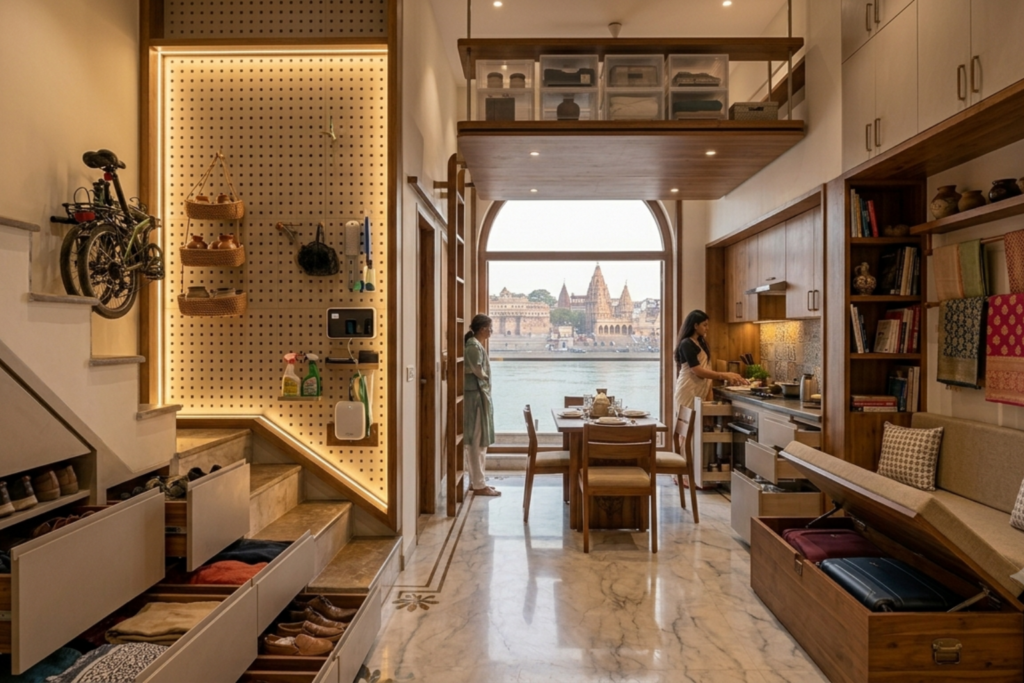
Smart Storage Ideas for Apartments Vallari Shah Principal Designer Modern apartment living often comes with one major challenge: limited space. As urban homes become more compact, homeowners increasingly struggle with: clutter accumulation insufficient storage poor organization cramped layouts reduced functionality However, smart interior planning can completely transform how an apartment feels and functions. Today’s modern apartment interiors are no longer defined by size alone. Well-designed homes can feel: spacious organized breathable elegant highly functional through intelligent storage solutions and thoughtful layout planning. Modern homeowners increasingly prefer interiors that combine: minimal visual clutter multifunctional design organized living seamless aesthetics space efficiency Whether designing: a studio apartment a 2BHK home a compact urban residence a luxury apartment smart storage planning significantly improves: comfort usability movement flow emotional calmness For homeowners seeking intelligent turnkey interiors, Avinnyya – Interior Design & Turnkey Solutions creates customized apartment interiors focused on smart storage, modern aesthetics, and highly functional urban living. Why Smart Storage Matters in Apartments Poor storage planning can make even beautiful apartments feel: congested disorganized stressful visually heavy Smart storage improves: cleanliness accessibility visual openness everyday convenience long-term usability Organized homes also contribute to: mental calmness smoother routines improved productivity better lifestyle comfort Modern storage solutions focus not only on storing items but also on maintaining: visual harmony circulation space functional balance Floor-to-Ceiling Wardrobes One of the most effective apartment storage solutions is maximizing vertical space. Floor-to-ceiling wardrobes provide: additional storage capacity better organization cleaner visual continuity These wardrobes help utilize: loft space upper wall sections unused vertical areas while reducing clutter significantly. Modern wardrobe systems increasingly include: sliding shutters concealed storage integrated lighting modular compartments for better functionality and aesthetics. Multifunctional Furniture Modern apartments increasingly rely on furniture that serves multiple purposes. Popular multifunctional furniture ideas include: storage beds foldable dining tables sofa-cum-beds ottomans with storage modular seating systems These solutions improve: space efficiency flexibility apartment usability without compromising comfort or aesthetics. Hidden Storage Concepts Concealed storage helps apartments feel: cleaner more spacious visually calm Modern interiors increasingly integrate: hidden drawers under-bed storage concealed cabinets hidden utility spaces built-in wall units These systems maintain: minimal visual clutter seamless aesthetics organized functionality through smart interior planning. Smart Modular Kitchen Storage Apartment kitchens require highly efficient organization. Modern modular kitchens increasingly include: pull-out pantry units corner storage systems tandem drawers vertical bottle pull-outs cutlery organizers Smart kitchen storage improves: accessibility workflow efficiency countertop cleanliness overall usability while maximizing compact kitchen spaces. Vertical Storage Solutions Many apartments underutilize wall space. Vertical storage systems include: wall-mounted shelves hanging organizers overhead cabinets vertical study units floating storage systems Vertical organization improves: floor space availability accessibility apartment openness without overcrowding interiors. Storage Beds for Compact Bedrooms Bedrooms often require hidden organization solutions. Storage beds help accommodate: seasonal clothing bedding luggage infrequently used items without adding extra furniture. Modern storage bed designs maintain: visual simplicity room openness practical functionality while improving space efficiency significantly. Entryway Storage Planning Apartment entrances often become clutter zones. Smart entryway storage may include: shoe cabinets concealed storage benches wall hooks compact console units Organized entrances improve: first impressions daily convenience overall cleanliness while maintaining visual balance. Modular TV Units With Storage TV units increasingly function as: entertainment centers decorative features hidden storage systems Modern TV unit designs integrate: floating shelves concealed cabinets vertical storage cable management systems These units improve: organization visual cleanliness living room functionality without overwhelming compact spaces. Bathroom Storage Optimization Apartment bathrooms often suffer from insufficient storage. Modern bathroom organization includes: vanity storage mirrored cabinets recessed shelves vertical storage racks Smart bathroom storage improves: cleanliness usability organization maintenance convenience while maintaining minimalist aesthetics. Balcony Storage Ideas Balconies increasingly serve multiple purposes including: relaxation zones utility spaces mini gardens storage areas Smart balcony organization may include: weather-resistant cabinets foldable seating vertical planters concealed utility storage This improves functionality without reducing openness. Home Office Storage Solutions Remote work has increased demand for organized workspaces. Modern apartment study areas increasingly use: floating desks vertical shelving concealed cable systems multifunctional storage units Well-organized workspaces improve: productivity focus visual calmness while supporting modern work lifestyles. Decluttering Through Better Organization Good storage design is not only about adding cabinets. It also focuses on: reducing unnecessary accumulation improving accessibility maintaining visual simplicity Modern apartment interiors increasingly prioritize: intentional storage organized layouts clutter-free living to create calmer and more breathable homes. Sliding Doors and Space Efficiency Traditional swing doors consume floor space. Modern apartments increasingly use: sliding wardrobes pocket doors sliding partitions These solutions improve: movement flow spatial openness furniture flexibility especially in compact layouts. Lighting and Spaciousness Perception Storage design and lighting work together. Layered lighting combined with organized layouts helps apartments feel: brighter larger more open visually balanced Modern interiors increasingly use: profile lighting under-cabinet lighting floating furniture illumination to enhance spatial perception. Customized Storage Planning Every apartment has unique: dimensions lifestyle requirements storage habits functionality needs Customized storage solutions improve: efficiency usability aesthetics long-term convenience far more effectively than generic furniture systems. Modern Apartment Storage Trends Modern homeowners increasingly prefer: warm minimalist interiors concealed storage systems multifunctional furniture modular organization clutter-free layouts space-saving furniture Today’s smart storage design prioritizes: functionality simplicity visual calmness organized living rather than excessive cabinetry. Common Apartment Storage Mistakes to Avoid Overcrowding Small Spaces Too much furniture reduces openness and movement comfort. Ignoring Vertical Space Unused wall height wastes valuable storage potential. Poor Kitchen Organization Insufficient kitchen planning quickly creates clutter. Choosing Style Over Functionality Beautiful interiors must still support daily usability. Using Bulky Furniture Heavy furniture visually shrinks compact apartments. Why Turnkey Interior Planning Improves Apartment Storage Turnkey interiors allow better coordination between: storage systems furniture planning lighting layout optimization material consistency Homeowners increasingly prefer turnkey execution because it improves: finishing quality organization efficiency visual harmony project convenience while reducing execution stress significantly. Why Homeowners Choose Avinnyya – Interior Design & Turnkey Solutions Modern apartment owners increasingly seek interiors that combine: smart functionality organized storage modern aesthetics space efficiency elegant simplicity Avinnyya – Interior Design & Turnkey Solutions creates customized apartment
Vastu-Friendly Interior Design for Bangalore Homes
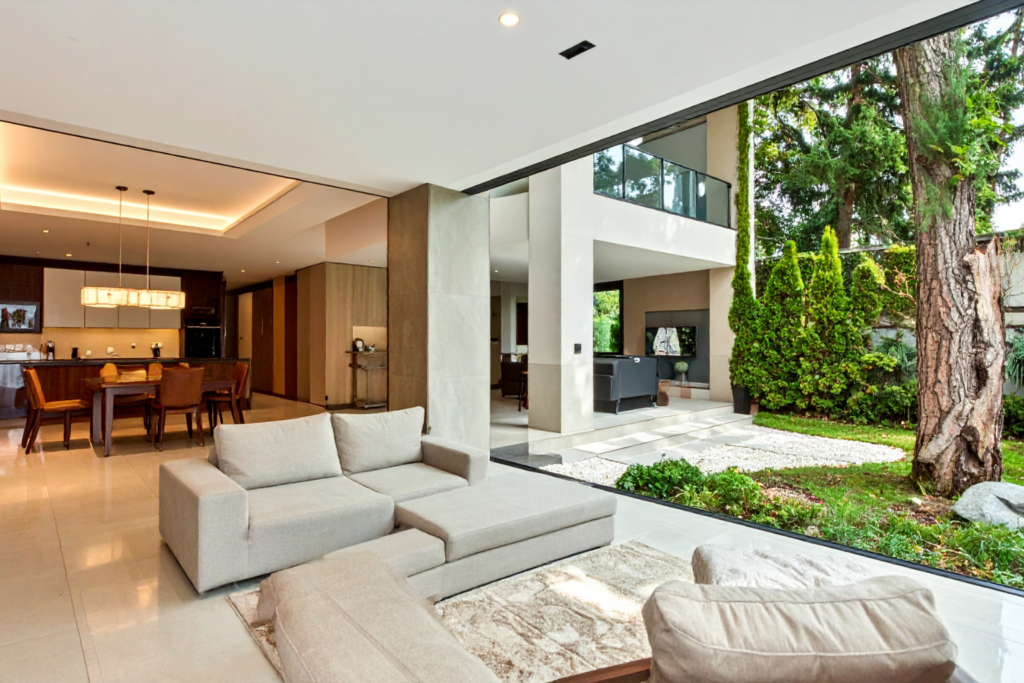
Vastu-Friendly Interior Design for Bangalore Homes Vallari Shah Principal Designer Modern homeowners in Bengaluru increasingly seek homes that combine: aesthetic sophistication functional comfort emotional wellness positive spatial energy modern lifestyle convenience This has led to growing interest in Vastu-friendly interior design that balances traditional principles with contemporary living. Today’s homeowners no longer want interiors that feel: visually cluttered emotionally heavy poorly organized disconnected from daily comfort Instead, they prefer homes that feel: calm harmonious spacious balanced naturally comfortable Modern Vastu interior design is no longer about rigid traditional layouts alone. Contemporary homes increasingly integrate Vastu principles thoughtfully through: intelligent space planning natural lighting balanced material palettes organized layouts healthy energy flow For homeowners seeking modern Vastu-compliant interiors, Avinnyya – Interior Design & Turnkey Solutions creates customized turnkey interiors tailored around functionality, spatial harmony, and refined contemporary aesthetics. What Is Vastu-Friendly Interior Design? Vastu Shastra is a traditional Indian design philosophy focused on balancing: spatial arrangement natural elements directional alignment environmental harmony In modern interiors, Vastu-friendly design focuses on creating spaces that support: emotional comfort mental clarity natural energy flow organized living healthier environments Rather than blindly following rigid rules, contemporary Vastu interiors prioritize: balance openness light ventilation functional harmony within modern architectural limitations. Why Bangalore Homeowners Prefer Vastu-Friendly Interiors Urban lifestyles in Bengaluru are increasingly fast-paced and mentally demanding. As a result, homeowners increasingly seek homes that feel: peaceful organized emotionally grounding visually balanced Vastu-friendly interiors help improve: spatial comfort mental relaxation family harmony visual calmness while supporting modern urban lifestyles. Many apartment owners and villa homeowners now prefer interiors that combine: modern luxury practical functionality traditional spatial balance without compromising aesthetics. Entrance Design and Positive First Impressions The entrance strongly influences the overall energy perception of a home. Modern Vastu-friendly entrances prioritize: cleanliness openness warm lighting clutter-free layouts Popular entrance design ideas include: wooden textures soft lighting elegant name panels subtle décor accents A balanced entrance creates: visual warmth welcoming energy stronger spatial harmony without excessive ornamentation. Living Room Planning for Better Energy Flow The living room is one of the most active social zones in modern homes. Vastu-friendly living rooms increasingly focus on: spacious seating arrangements balanced furniture layouts natural light optimization clutter-free organization Modern contemporary living rooms often use: warm neutral palettes layered lighting breathable layouts subtle textures to create calm and welcoming environments. Vastu-Friendly Modular Kitchen Design The kitchen represents one of the most functionally important areas in a home. Modern Vastu-conscious kitchens increasingly prioritize: organized workflow proper ventilation clutter-free storage balanced layouts Popular kitchen design features include: modular storage systems quartz countertops warm lighting moisture-resistant materials ergonomic layouts A clean and organized kitchen improves: usability hygiene visual comfort daily convenience while maintaining contemporary aesthetics. Bedroom Design for Emotional Comfort Bedrooms should feel: calming restful emotionally balanced Modern Vastu-friendly bedrooms increasingly use: soft neutral tones warm ambient lighting minimal visual clutter organized wardrobes comfortable furniture layouts Balanced bedroom interiors improve: relaxation sleep comfort emotional well-being while maintaining modern elegance. Importance of Natural Lighting Natural light plays a major role in both: Vastu principles contemporary interior design Homes with good natural lighting often feel: healthier larger more positive visually open Modern interiors increasingly maximize daylight through: lighter color palettes open layouts reflective surfaces minimal visual obstruction Good natural lighting also improves: emotional comfort energy efficiency spatial vibrancy Space Organization and Decluttering Clutter heavily affects: visual calmness functionality emotional comfort Vastu-friendly homes increasingly prioritize: organized storage concealed organization minimal visual congestion efficient layouts Modern storage systems include: modular wardrobes multifunctional furniture hidden storage solutions vertical organization concepts Organized homes feel significantly more peaceful and breathable. Color Psychology in Vastu Interiors Color selection strongly influences: emotional perception spatial comfort visual harmony Modern Vastu-friendly interiors increasingly use: warm whites earthy neutrals muted greens beige palettes soft wood textures These palettes create homes that feel: soothing balanced elegant timeless while supporting contemporary aesthetics beautifully. False Ceiling and Lighting Design Lighting strongly affects ambiance and spatial energy. Modern Vastu-friendly homes increasingly use: layered lighting cove lighting profile lighting warm ambient illumination False ceilings help: improve visual softness create architectural balance conceal services enhance spatial depth Warm lighting palettes create more emotionally comfortable interiors. Dining Area Design for Family Harmony Dining spaces are increasingly viewed as: family interaction zones social connection spaces emotional gathering areas Modern dining interiors commonly include: balanced seating layouts pendant lighting soft textures organized crockery storage Well-designed dining spaces improve: visual harmony comfort social warmth within the home. Home Office and Study Area Planning Modern Bangalore homes increasingly require: productive workspaces study zones multifunctional office corners Vastu-friendly workspaces focus on: good lighting ergonomic comfort organized layouts minimal distractions Balanced study environments improve: focus productivity mental clarity while maintaining aesthetic continuity. Indoor Plants and Natural Elements Natural elements improve: freshness visual softness emotional comfort Modern homes increasingly integrate: indoor plants wooden textures natural fabrics earthy material palettes These additions create: calming interiors better visual balance stronger connection to nature within urban homes. Smart Home Integration With Vastu-Friendly Layouts Modern homeowners increasingly combine: Vastu principles smart home technology contemporary aesthetics Smart systems improve: convenience lighting control climate management energy efficiency while supporting modern lifestyle comfort. Modern Vastu Interior Trends in Bangalore Homeowners increasingly prefer: warm minimalism clutter-free layouts wellness-focused interiors earthy palettes natural lighting smart organization breathable spatial planning Today’s Vastu-friendly interiors prioritize: emotional wellness comfort organization timeless elegance rather than overly traditional decorative styling. Common Vastu Interior Mistakes to Avoid Overcomplicating Vastu Rules Modern homes require practical adaptation rather than rigid interpretation. Ignoring Functionality Beautiful layouts must still support daily usability. Creating Visual Clutter Excess décor reduces calmness and openness. Poor Lighting Planning Dark interiors affect comfort and ambiance negatively. Ignoring Storage Organization Disorganized homes reduce both functionality and visual harmony. Why Turnkey Vastu-Friendly Interiors Are Growing in Demand Turnkey solutions simplify: design coordination material selection execution management quality supervision project timelines Homeowners increasingly prefer turnkey services because they improve: finishing consistency accountability communication efficiency overall project experience while reducing execution stress significantly. Why Homeowners Choose Avinnyya – Interior
Modular Kitchen Services in Varanasi
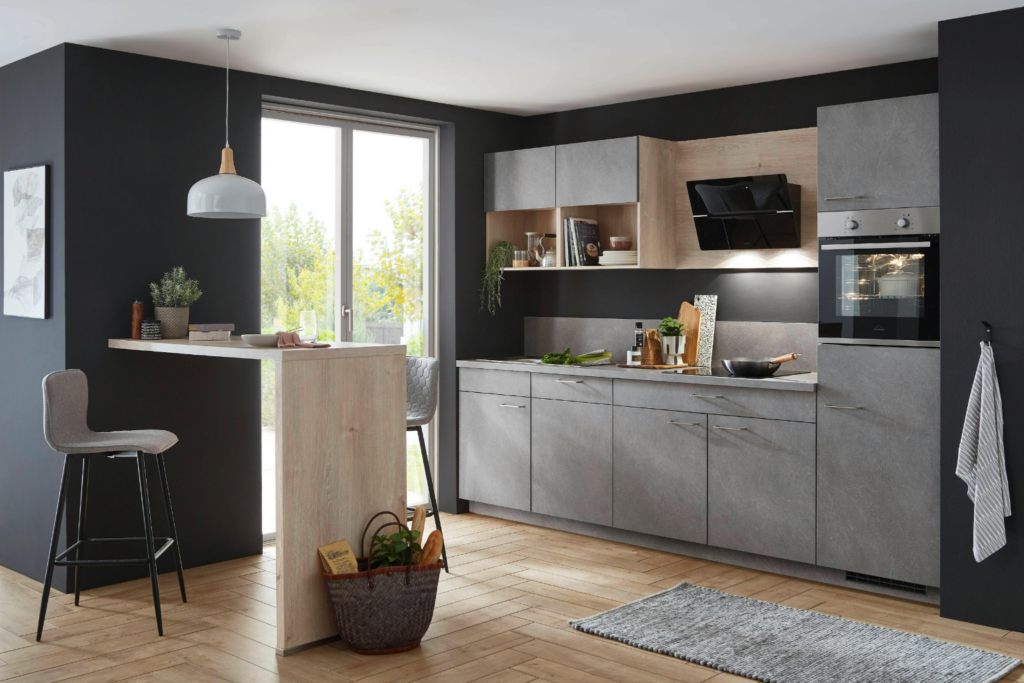
Modular Kitchen Services in Varanasi Vallari Shah Principal Designer The kitchen has evolved far beyond being only a cooking area. In modern homes, it functions as: an organized workspace a lifestyle zone a family interaction space a reflection of design aesthetics a center of daily functionality Homeowners in Varanasi increasingly prefer modular kitchens because they combine: intelligent organization efficient layouts elegant aesthetics modern convenience long-term durability Unlike traditional kitchens, modular kitchen systems are designed around: optimized storage ergonomic functionality easy maintenance space efficiency contemporary lifestyles Whether designing: compact apartment kitchens family kitchens luxury home kitchens villa interiors modern modular solutions improve both: usability visual sophistication For homeowners seeking customized kitchen interiors, Avinnyya – Interior Design & Turnkey Solutions creates modular kitchen solutions tailored around smart functionality, durable materials, and refined contemporary aesthetics. What Is a Modular Kitchen? A modular kitchen is a systemized kitchen layout made using pre-designed cabinet modules and organized storage units. These kitchens are designed to improve: workflow efficiency accessibility organization maintenance convenience Modular kitchens typically include: base cabinets wall units drawer systems pull-out organizers overhead storage integrated accessories The result is a kitchen that feels: cleaner more spacious highly functional visually cohesive Why Modular Kitchens Are Popular in Varanasi Homes Modern homeowners in Varanasi increasingly prioritize: organized living low-maintenance interiors modern aesthetics smart storage solutions Modular kitchens support these requirements through: efficient layouts clutter-free organization customizable designs better space utilization They are especially beneficial for: apartments compact homes duplex residences premium villas where efficient planning significantly improves everyday convenience. Space Optimization and Smart Layouts One of the biggest advantages of modular kitchens is intelligent space utilization. Professional kitchen planning improves: movement flow cooking efficiency storage accessibility countertop usability Popular modular kitchen layouts include: L-shaped kitchens U-shaped kitchens parallel kitchens straight kitchens island kitchens Each layout is selected based on: kitchen size workflow requirements storage needs family lifestyle Intelligent Storage Solutions Modern kitchens require organized storage systems that reduce clutter and improve accessibility. Popular modular storage features include: tandem drawers cutlery organizers pantry pull-outs corner units bottle pull-outs tall storage units Smart storage improves: cleanliness organization usability efficiency while maximizing available kitchen space. Modern Material Selection Material quality strongly influences: durability maintenance aesthetics moisture resistance Modern modular kitchens commonly use: moisture-resistant plywood MDF panels acrylic finishes laminates quartz countertops Material selection depends on: budget usage frequency aesthetic preference maintenance expectations Premium materials improve long-term performance significantly. Contemporary Kitchen Finishes Modern kitchen aesthetics increasingly focus on: simplicity clean visual lines elegant textures timeless palettes Popular kitchen finishes include: matte laminates acrylic gloss finishes wood textures neutral palettes handleless shutters These finishes create kitchens that feel: modern spacious sophisticated easy to maintain Modular Kitchen Hardware Systems Kitchen hardware affects both: functionality user experience Modern modular kitchens increasingly use: soft-close hinges premium drawer channels lift-up systems pull-out accessories hydraulic fittings High-quality hardware improves: operational smoothness durability long-term convenience especially in high-use family kitchens. Countertop Design and Material Choices Countertops are among the most heavily used kitchen surfaces. Popular countertop materials include: quartz granite solid surfaces Modern homeowners increasingly prefer quartz because it offers: durability stain resistance elegant aesthetics low maintenance Countertop selection significantly affects overall kitchen appearance and usability. Lighting Design for Modular Kitchens Lighting strongly influences kitchen functionality and ambiance. Modern kitchens increasingly use: under-cabinet lighting profile lighting task lighting ceiling spotlights Good lighting improves: visibility cooking comfort visual aesthetics workspace usability while creating a more sophisticated kitchen environment. Appliance Integration in Modern Kitchens Contemporary modular kitchens increasingly integrate: built-in ovens microwaves chimneys dishwashers refrigerators Integrated appliances improve: visual continuity organization functionality kitchen efficiency while maintaining clean and modern aesthetics. Modular Kitchens for Compact Apartments Apartment kitchens often require: maximum storage efficient layouts multifunctional organization Smart modular planning helps compact kitchens feel: organized spacious practical visually balanced Modern apartment kitchens increasingly prioritize: vertical storage concealed organization clutter-free layouts to improve usability significantly. Luxury Modular Kitchen Concepts Luxury kitchens increasingly focus on: premium finishes elegant lighting seamless organization sophisticated material palettes Popular luxury kitchen features include: island counters glass shutters designer backsplashes integrated appliances ambient lighting concepts Luxury kitchens combine: aesthetics practicality social interaction lifestyle experience in a highly refined manner. Importance of Proper Ventilation Indian kitchens generate: heat smoke moisture oil residue Good ventilation improves: air quality kitchen cleanliness maintenance convenience long-term durability Modern kitchens increasingly integrate: efficient chimneys exhaust systems natural airflow planning to create healthier cooking environments. Turnkey Modular Kitchen Services Turnkey kitchen solutions simplify: design planning material selection manufacturing installation quality supervision Homeowners increasingly prefer turnkey execution because it improves: coordination accountability finishing consistency timeline management while reducing project stress significantly. Modern Modular Kitchen Trends in Varanasi Homeowners increasingly prefer: warm minimalist aesthetics matte finishes neutral palettes smart storage systems handleless designs clutter-free layouts Modern kitchens prioritize: efficiency usability durability low maintenance elegant simplicity rather than excessive decorative detailing. Common Modular Kitchen Mistakes to Avoid Ignoring Workflow Planning Poor layouts reduce kitchen efficiency. Choosing Style Over Durability Kitchen materials must withstand heavy daily usage. Poor Storage Planning Insufficient organization creates clutter quickly. Using Low-Quality Hardware Poor hardware affects long-term functionality. Ignoring Ventilation Requirements Improper ventilation increases maintenance issues. Why Homeowners Choose Avinnyya – Interior Design & Turnkey Solutions Homeowners in Varanasi increasingly seek modular kitchens that combine: intelligent organization modern aesthetics durable materials seamless functionality elegant usability Avinnyya – Interior Design & Turnkey Solutions creates customized kitchen interiors tailored around: smart storage systems ergonomic layouts premium hardware contemporary material palettes turnkey execution excellence Every kitchen is designed to balance practicality, sophistication, and long-term usability. Frequently Asked Questions Why are modular kitchens popular? They improve organization, storage efficiency, functionality, and modern aesthetics. Which layout is best for modular kitchens? The ideal layout depends on kitchen size, workflow, and storage requirements. What materials are commonly used in modular kitchens? Plywood, MDF, laminates, acrylic finishes, quartz, and premium hardware systems are commonly used. Why is kitchen hardware important? Good hardware improves durability, smooth operation, and long-term functionality. Are modular kitchens suitable for compact apartments? Yes. Smart modular planning
Interior Designer vs Architect: Who Should You Hire?
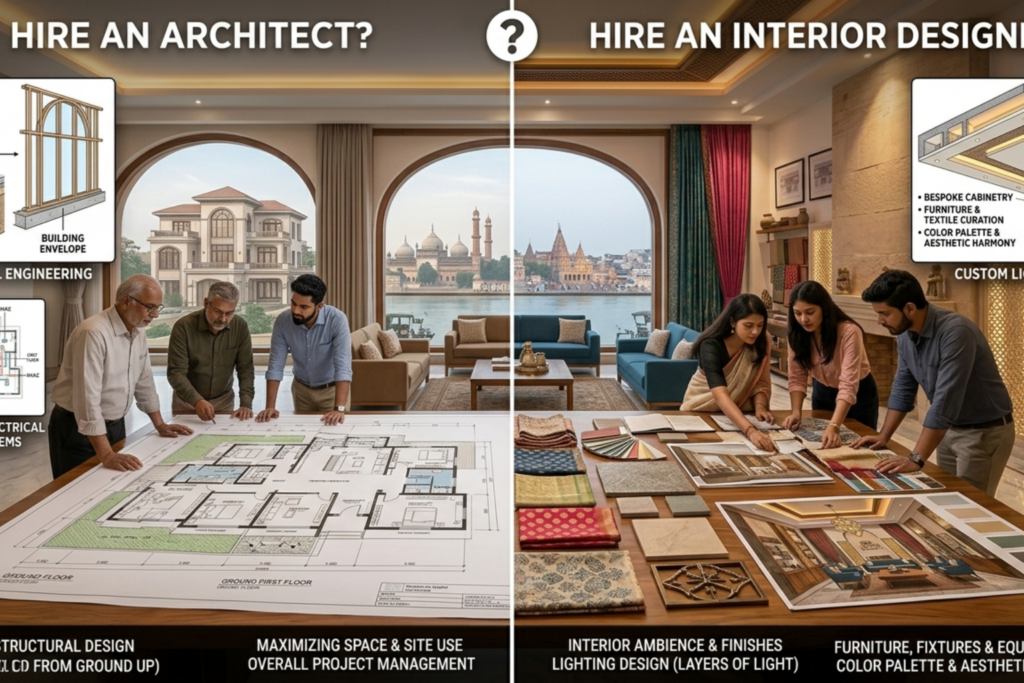
Interior Designer vs Architect: Who Should You Hire? Vallari Shah Principal Designer When planning a new home, renovation, apartment interior, or luxury residence, homeowners often face a common question: Should you hire an architect or an interior designer? Although both professionals contribute to creating better living spaces, their roles are fundamentally different. Confusion usually happens because architecture and interior design frequently overlap during residential projects. However, understanding the distinction is important because hiring the right professional at the right stage can significantly improve: project efficiency functionality aesthetics budget management execution quality long-term usability Modern homes today require much more than attractive visuals. Homeowners increasingly seek spaces that combine: intelligent planning practical functionality modern aesthetics emotional comfort organized living lifestyle personalization Depending on the scope of your project, you may require: an architect an interior designer or both working together For homeowners planning modern turnkey interiors, Avinnyya – Interior Design & Turnkey Solutions creates customized living environments focused on intelligent planning, refined aesthetics, and practical contemporary living. What Does an Architect Do? An architect primarily focuses on: building design structural planning spatial layout construction planning exterior form building regulations Architects are involved in projects where: a house is being built from scratch structural changes are required layout planning needs major modification construction approvals are necessary Their responsibilities often include: floor plans structural coordination elevation design construction drawings site planning ventilation planning building compliance Architects shape the physical structure of the building itself. What Does an Interior Designer Do? An interior designer focuses on: interior functionality aesthetics space optimization furniture planning lighting design storage solutions material selection overall user experience Interior designers transform interior spaces into environments that feel: organized comfortable visually cohesive personalized functional Their work often includes: modular kitchens wardrobes lighting concepts false ceiling design furniture layouts color palettes décor coordination storage integration Interior designers improve how people experience and live inside the space. The Core Difference Between Architects and Interior Designers Aspect Architect Interior Designer Primary Focus Building structure Interior experience Scope Construction & planning Interior functionality & aesthetics Involvement Stage Before construction During or after construction Structural Work Yes Limited Furniture Planning Minimal Extensive Lighting Design Basic Detailed Storage Optimization Limited Comprehensive Material Styling Moderate Extensive Space Personalization Limited High Turnkey Execution Rare Common When You Should Hire an Architect You typically need an architect if you are: constructing a new home building a villa redesigning structural layouts planning elevations making major structural modifications developing large residential projects Architects are especially important during: land development building planning construction approval stages civil construction They ensure: structural safety planning efficiency architectural coherence throughout the building process. When You Should Hire an Interior Designer You should hire an interior designer when your focus is: interior transformation functionality improvement modern aesthetics modular solutions storage optimization lighting planning space personalization Interior designers are especially valuable for: apartments luxury homes renovations turnkey interiors modern family homes They improve: usability comfort organization emotional experience through intelligent interior planning. Can Architects and Interior Designers Work Together? Absolutely. In high-quality residential projects, architects and interior designers often collaborate closely. Architect Responsibilities structural layout building envelope floor planning elevations construction coordination Interior Designer Responsibilities interior functionality modular systems material palettes lighting concepts furniture planning styling integration When coordinated properly, this collaboration creates homes that feel: structurally efficient visually refined highly livable Space Planning Differences Architectural Space Planning Architectural planning focuses on: room placement structural flow ventilation construction practicality Interior Space Planning Interior planning focuses on: furniture usability movement comfort storage efficiency emotional comfort lifestyle optimization Interior designers improve how spaces function daily. Aesthetic Role Comparison Architects typically influence: building form façade identity structural proportions Interior designers focus heavily on: textures materials colors lighting visual harmony emotional ambiance They shape how interiors feel experientially. Lighting Planning Differences Architectural lighting planning is usually functional. Interior designers create: layered lighting cove lighting accent lighting mood-focused illumination ambient balance Lighting dramatically influences: luxury perception comfort visual sophistication inside modern homes. Storage and Functionality Modern living requires intelligent organization. Interior designers integrate: modular wardrobes kitchen storage systems concealed organization multifunctional furniture utility optimization Architectural planning alone may not address detailed daily storage functionality. Furniture and Lifestyle Planning Interior designers carefully plan: furniture layouts ergonomic comfort room circulation practical usability This improves: openness convenience family comfort daily functionality while maintaining visual balance. Material and Finish Selection Interior designers coordinate: laminates veneers fabrics countertops flooring finishes lighting fixtures This creates stronger: visual continuity design consistency luxury perception throughout the home. Renovation Projects: Who Is More Important? For most apartment renovations and interior upgrades, homeowners generally benefit more from hiring an interior designer. However, if the renovation involves: wall demolition structural modification major civil changes architectural consultation may also become necessary. Cost Considerations Architectural Costs Architecture fees often depend on: project scale structural complexity construction scope Interior Design Costs Interior costs vary based on: modular requirements customization material selection turnkey scope luxury level Interior design significantly affects everyday living quality and home experience. Modern Homeowners Increasingly Prioritize Interior Design Urban homeowners increasingly value: organized living modern aesthetics intelligent storage emotional comfort turnkey convenience As lifestyles evolve, interiors now influence: productivity wellness comfort family interaction daily convenience more than ever before. Common Mistakes Homeowners Make Hiring Only for Visual Styling Interior design is far more than decoration. Ignoring Functional Planning Poor layouts reduce long-term usability. Underestimating Lighting Design Lighting strongly affects ambiance and comfort. Skipping Storage Optimization Insufficient storage creates long-term clutter issues. Choosing Professionals Without Clear Scope Understanding Understanding responsibilities avoids confusion and project inefficiency. Why Turnkey Interior Solutions Are Growing in Demand Turnkey interior solutions simplify: project coordination procurement execution management vendor handling quality supervision Homeowners increasingly prefer turnkey services because they improve: accountability finishing consistency communication efficiency project convenience while reducing overall execution stress. Why Homeowners Choose Avinnyya – Interior Design & Turnkey Solutions Modern homeowners increasingly seek homes that combine: intelligent functionality elegant aesthetics organized living modern comfort refined luxury Avinnyya – Interior Design & Turnkey Solutions creates customized turnkey interiors tailored