
Modular Kitchen vs Carpenter-Made Kitchen: Which Is Better for Your Home?
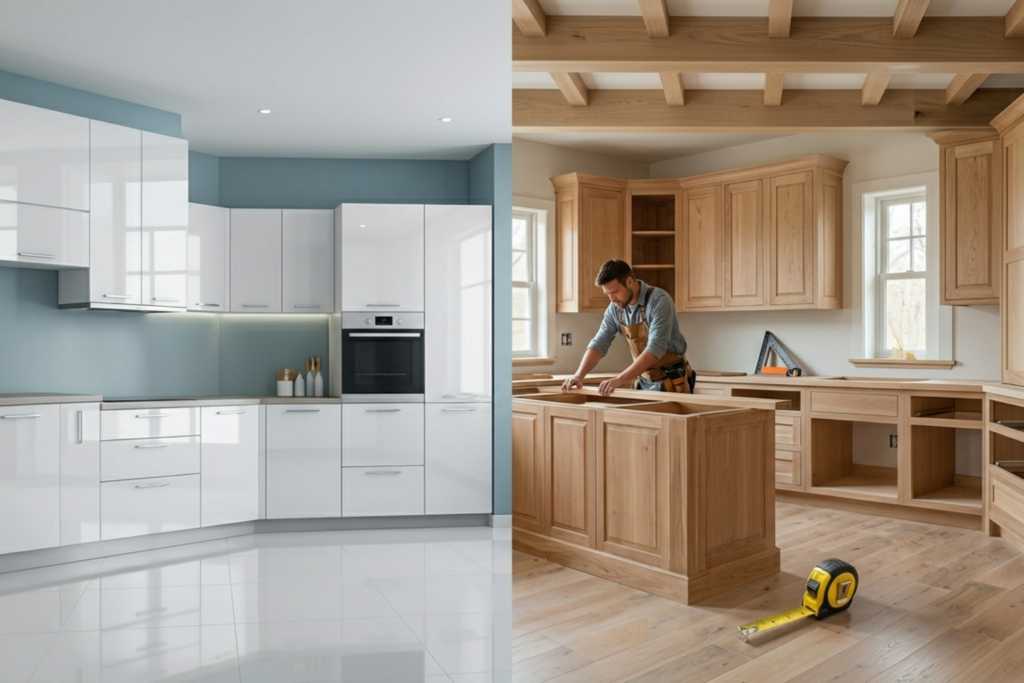
Modular Kitchen vs Carpenter-Made Kitchen: Which Is Better for Your Home? Vallari Shah Principal Designer The kitchen is one of the most heavily used spaces in any home. Whether it is a compact apartment or a luxury villa, homeowners today want kitchens that are functional, organized, durable, and visually elegant. One of the most common questions homeowners face while planning interiors is: “Should I choose a modular kitchen or a carpenter-made kitchen?” Both options have their own advantages, limitations, and suitability depending on: budget customization needs timeline expectations maintenance preferences design goals long-term usability Understanding the real differences between these two approaches helps homeowners make smarter investment decisions instead of choosing purely based on price or trends. For homeowners seeking modern, efficient, and premium kitchen interiors, Avinnyya – Interior Design & Turnkey Solutions creates customized modular kitchen solutions designed around functionality, aesthetics, and modern living convenience. What Is a Modular Kitchen? A modular kitchen is a factory-manufactured kitchen system built using standardized cabinet modules and pre-engineered components. These kitchens are designed with: precision manufacturing organized storage systems optimized layouts modular accessories modern finishes The components are produced in controlled environments and assembled on-site during installation. Modular kitchens typically include: base cabinets wall units tall units pull-outs drawers appliance spaces countertops organized storage accessories The focus is on: functionality efficiency easy maintenance contemporary aesthetics What Is a Carpenter-Made Kitchen? A carpenter-made kitchen is built manually on-site by local carpenters using raw materials such as plywood, laminates, MDF, or solid wood. Unlike modular kitchens, these kitchens are usually fabricated entirely at the project site. Traditional carpenter-made kitchens offer: manual customization flexible design adjustments localized craftsmanship However, the quality heavily depends on: carpenter skill supervision quality material selection site conditions The final output can vary significantly from one project to another. Major Differences Between Modular Kitchens and Carpenter-Made Kitchens Feature Modular Kitchen Carpenter-Made Kitchen Manufacturing Factory-made Site-built Precision High accuracy Depends on craftsmanship Installation Time Faster Slower Finish Quality Consistent Can vary Storage Accessories Advanced systems Limited integration Design Flexibility Structured customization Flexible manual customization Maintenance Easier Depends on material quality Durability High with quality materials Variable Cost Predictability More transparent Often fluctuates Future Modifications Easier More difficult Advantages of Modular Kitchens Better Space Optimization Modern modular kitchens are specifically designed for efficient storage utilization. They commonly include: tandem drawers corner units pantry pull-outs cutlery organizers tall storage systems This helps homeowners maximize every inch of usable space while reducing clutter. In compact apartments, this becomes especially valuable. Superior Finish Quality Since modular kitchens are manufactured in factory-controlled environments, they generally provide: smoother finishes cleaner edges consistent alignment better detailing Machine precision improves the overall visual quality significantly. Faster Installation Most modular kitchen components are pre-manufactured before site installation begins. This reduces: on-site mess labor dependency execution delays Installation timelines are usually much shorter compared to traditional carpenter-made kitchens. Modern Storage Functionality One of the biggest advantages of modular kitchens is advanced functionality. Modern kitchens now include: soft-close mechanisms bottle pull-outs magic corners lift-up shutters concealed organizers These systems improve: accessibility organization workflow efficiency Easier Maintenance Modular kitchens are designed for modern maintenance convenience. Many components can be: repaired replaced upgraded without dismantling the entire kitchen. This improves long-term usability significantly. Advantages of Carpenter-Made Kitchens Flexible Customization Carpenter-made kitchens allow greater flexibility for: unusual layouts highly customized detailing traditional handcrafted aesthetics Some homeowners prefer this personalized approach. Potentially Lower Initial Costs For basic kitchens with limited accessories, carpenter-made execution may initially appear cheaper. However, long-term durability and maintenance costs should also be considered. Better for Traditional Design Styles Traditional Indian kitchens with carved detailing or classic wood craftsmanship may sometimes benefit from skilled carpentry work. Challenges of Carpenter-Made Kitchens Inconsistent Finish Quality Finish precision depends entirely on: carpenter skill site conditions supervision This can lead to: uneven edges alignment issues inconsistent detailing Longer Execution Timelines Since all work happens on-site, carpenter-made kitchens usually take significantly longer to complete. Delays often occur due to: labor dependency weather conditions material coordination Limited Modern Accessories Traditional carpentry setups may not integrate advanced modular accessories efficiently. This can reduce: storage optimization workflow convenience modern usability Higher Maintenance Risks Poor workmanship or low-quality materials can lead to: laminate peeling swelling hinge loosening structural issues especially in moisture-prone kitchen environments. Which Kitchen Option Is More Durable? Durability depends more on: material quality hardware standards moisture resistance execution quality than the construction method alone. However, premium modular kitchens generally perform better because they use: precision engineering moisture-resistant materials branded hardware systems factory-controlled production Marine plywood modular kitchens with quality hardware are highly durable for Indian kitchen conditions. Cost Comparison: Modular Kitchen vs Carpenter-Made Kitchen Many homeowners assume carpenter-made kitchens are always cheaper. In reality, costs can become comparable once: premium materials branded hardware quality finishes skilled labor are included. Kitchen Type Estimated Pricing Basic Carpenter Kitchen Lower initial cost Premium Carpenter Kitchen Similar to modular Basic Modular Kitchen Moderate pricing Luxury Modular Kitchen Higher investment The real comparison should focus on: usability finish quality durability maintenance long-term value —not just initial pricing. Which Option Is Better for Apartments? Modular kitchens are generally better suited for modern apartments because they offer: compact space optimization organized storage sleek aesthetics easy maintenance faster installation This is especially important in urban homes where space efficiency matters significantly. Which Option Is Better for Luxury Homes? Luxury homes increasingly prefer modular kitchens because they provide: premium aesthetics sophisticated functionality seamless appliance integration advanced storage systems refined finishes However, some ultra-luxury homes combine modular systems with handcrafted customization for a hybrid premium approach. Modern Kitchen Trends Influencing Homeowner Choices Current kitchen trends strongly favor modular concepts due to increasing demand for: minimal luxury aesthetics smart organization handleless designs integrated appliances clutter-free layouts open kitchen concepts Modern homeowners increasingly prioritize: functionality maintenance ease organized living visual simplicity which aligns naturally with modular kitchen systems. Why Homeowners Choose Avinnyya – Interior Design & Turnkey Solutions Homeowners planning modern kitchens often seek: elegant aesthetics intelligent storage durable materials
Best Interior Designer in Bengaluru for Premium Apartments
Best Interior Designer in Bengaluru for Premium Apartments Vallari Shah Principal Designer Bengaluru’s residential landscape has transformed dramatically over the past decade. From luxury high-rise apartments and gated communities to smart urban residences, homeowners today expect interiors that are not only visually impressive but also highly functional for modern city living. Premium apartment interiors are no longer about filling homes with expensive décor pieces. The focus has shifted toward: intelligent space planning elegant minimalism customized functionality refined material selection organized storage lifestyle-driven design In a fast-paced urban environment like Bengaluru, interior design plays a crucial role in improving comfort, usability, and everyday living quality. Choosing the right interior designer becomes especially important because apartment living presents unique challenges: limited usable space storage optimization lighting balance ventilation planning layout efficiency multi-functional requirements For homeowners seeking sophisticated and thoughtfully designed apartment interiors, Avinnyya – Interior Design & Turnkey Solutions creates premium turnkey interiors tailored for modern urban lifestyles in Bengaluru. What Makes Premium Apartment Interiors Different? Apartment interiors require a very different design approach compared to independent homes or villas. In premium apartments, every square foot matters. The design must carefully balance: openness storage efficiency movement flow visual harmony functionality comfort Luxury apartment interiors are typically defined by: customized modular solutions elegant false ceiling concepts layered lighting premium material finishes clutter-free layouts smart storage integration sophisticated furniture planning The goal is not simply to make the apartment look luxurious but to make daily living smoother, calmer, and more efficient. Why Bengaluru Homeowners Are Investing More in Interior Design Bengaluru is one of India’s most design-conscious residential markets. Homeowners purchasing apartments in areas such as: Whitefield Sarjapur Road Electronic City HSR Layout Indiranagar Hebbal Jayanagar Yelahanka Bellandur JP Nagar are increasingly prioritizing professionally designed interiors as an essential part of home ownership. Several factors are driving this trend: rising lifestyle expectations work-from-home culture smart apartment layouts premium real estate investments urban space limitations desire for personalized living environments Modern homeowners want interiors that feel elegant yet highly practical for daily urban living. Key Qualities of the Best Interior Designers in Bengaluru Expertise in Apartment Space Planning Apartment interiors require highly efficient spatial organization. A skilled interior designer understands how to: maximize usable space reduce visual clutter improve circulation optimize storage create visual spaciousness Poorly planned apartments often feel cramped despite having decent carpet areas. Professional planning helps apartments feel: larger brighter more organized more breathable This becomes especially important in urban Bengaluru apartments where space optimization directly impacts living comfort. Strong Understanding of Modern Urban Lifestyles Today’s apartments must support multiple lifestyle functions simultaneously. Modern homes often need: work-from-home setups entertainment zones smart storage systems multifunctional furniture easy maintenance solutions Interior designers who understand contemporary urban living can create spaces that adapt naturally to these evolving needs. Premium Material & Finish Knowledge Luxury apartment interiors rely heavily on material sophistication. Professional designers carefully balance: durability aesthetics maintenance texture coordination lighting interaction Premium apartment interiors commonly incorporate: textured laminates natural veneers quartz countertops fluted wall panels matte metallic accents engineered wood finishes premium fabrics The right combination creates interiors that feel timeless rather than trend-dependent. Turnkey Execution Capability Apartment interior projects involve multiple technical aspects including: modular installations electrical coordination ceiling work lighting integration painting furnishing appliance planning Without professional coordination, projects can quickly become stressful. Turnkey execution simplifies the process by providing: centralized management timeline coordination quality supervision material planning execution consistency This is especially valuable for working professionals and first-time homeowners. Most Important Spaces in Premium Apartment Interiors Living Room Interior Design The living room creates the visual identity of the entire apartment. Modern premium living rooms focus on: elegant seating layouts layered lighting TV unit integration subtle luxury aesthetics spatial openness balanced textures Minimal clutter and intelligent furniture placement are key to creating refined apartment interiors. Modular Kitchen Design Urban apartment kitchens must maximize: workflow efficiency organized storage easy maintenance appliance integration Modern Bengaluru homeowners increasingly prefer: open kitchen layouts handleless cabinets quartz countertops smart pull-out systems integrated lighting A professionally planned modular kitchen dramatically improves everyday usability. Bedroom Interior Design Luxury apartment bedrooms prioritize: emotional comfort calming aesthetics storage functionality ambient lighting organized wardrobes Many homeowners now prefer hotel-inspired bedroom concepts with soft textures and warm lighting palettes. False Ceiling & Lighting Design Lighting has a major influence on how apartment interiors feel. Premium apartments commonly include: cove lighting profile lighting pendant fixtures layered illumination mood lighting Modern false ceiling designs add visual sophistication without making spaces feel heavy. Modern Apartment Interior Trends in Bengaluru Minimal Luxury Interiors Clean lines, warm neutrals, and uncluttered spaces are dominating urban interior preferences. Smart Storage Design Hidden storage systems help maintain visual cleanliness in compact apartments. Work-From-Home Integration Dedicated home office corners and ergonomic workspace planning have become essential. Open Living Concepts Integrated living-dining-kitchen layouts create a stronger sense of openness. Earthy Material Palettes Wood textures, stone finishes, muted tones, and matte surfaces create warmth and sophistication. Common Mistakes Apartment Owners Make During Interior Projects Overcrowding the Space Too much furniture or excessive décor makes apartments feel visually smaller. Ignoring Storage Planning Insufficient storage eventually creates clutter, reducing functionality and aesthetics. Following Trends Blindly Overly trendy interiors may become outdated quickly. Timeless design planning offers better long-term value. Choosing Based Only on Price Extremely low-cost execution often compromises: finish quality hardware durability design detailing long-term performance Luxury interiors should be evaluated based on overall living experience, not just upfront cost. Why Turnkey Interior Solutions Are Popular in Bengaluru Bengaluru homeowners increasingly prefer turnkey interiors because they reduce: coordination stress project delays communication gaps execution inconsistencies Turnkey interior companies manage: concept planning 3D design execution vendor coordination quality checks installation This creates a smoother and more organized experience for homeowners. Why Homeowners Choose Avinnyya – Interior Design & Turnkey Solutions Homeowners looking for the best interior designer in Bengaluru for premium apartments often prioritize: elegant aesthetics practical layouts premium finishes organized execution customized solutions modern luxury appeal Avinnyya – Interior Design & Turnkey
Modular Kitchen Designers in Varanasi: Cost, Materials & Layout Guide
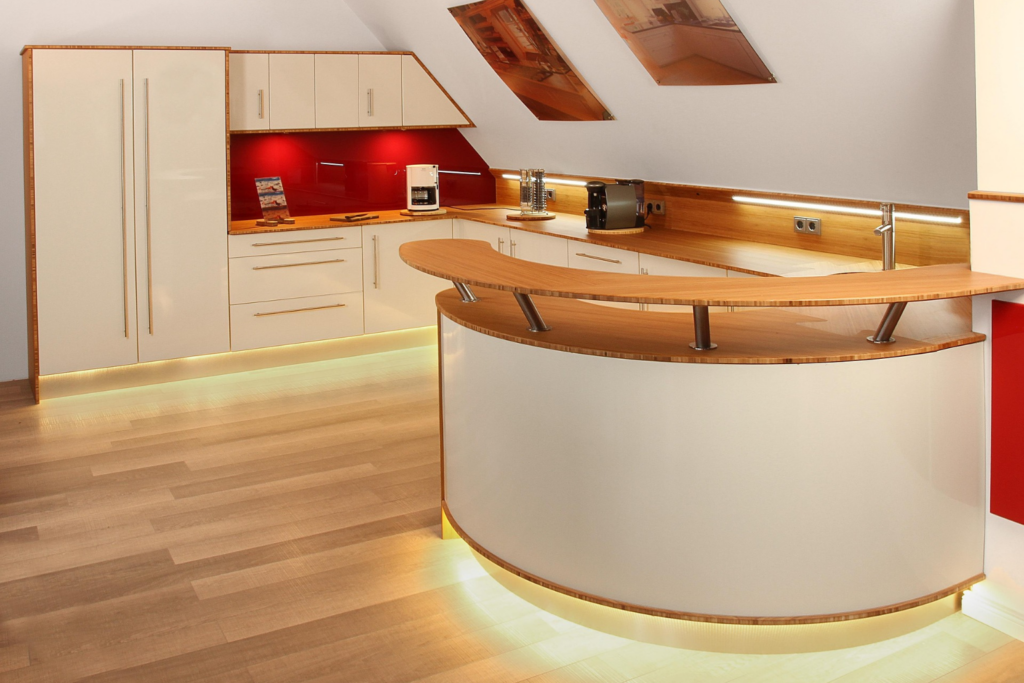
Modular Kitchen Designers in Varanasi: Cost, Materials & Layout Guide Vallari Shah Principal Designer The modern kitchen is no longer just a cooking space. It has evolved into one of the most functional and emotionally important areas of the home. Today’s homeowners in Varanasi want kitchens that are efficient, organized, visually elegant, easy to maintain, and designed around real daily lifestyles. This shift has significantly increased demand for modular kitchen interiors that combine aesthetics with intelligent functionality. Whether it is a compact apartment kitchen, an open-concept family kitchen, or a luxury villa setup, modern homeowners are prioritizing: smart storage ergonomic layouts premium finishes seamless workflow clutter-free organization long-term durability Choosing the right modular kitchen designer becomes critical because kitchen design affects not only visual appeal but also daily convenience, maintenance, and overall home functionality. For homeowners seeking refined and highly practical kitchen interiors, Avinnyya – Interior Design & Turnkey Solutions creates customized modular kitchen solutions tailored for modern living in Varanasi. What Is a Modular Kitchen? A modular kitchen is a modern kitchen system designed using pre-manufactured cabinet modules and customized storage units arranged strategically according to the available space. Unlike traditional carpenter-made kitchens, modular kitchens focus on: organized functionality efficient workflow space optimization cleaner aesthetics easier maintenance standardized precision A professionally designed modular kitchen integrates: base units wall cabinets tall units drawers pull-outs countertops appliance spaces lighting storage accessories The result is a kitchen that feels streamlined, efficient, and visually sophisticated. Why Modular Kitchens Are Becoming Popular in Varanasi Modern residential lifestyles in Varanasi are changing rapidly. Apartment living, premium duplex homes, and contemporary villas are creating demand for kitchens that maximize: functionality storage convenience modern aesthetics Traditional kitchens often struggle with: inefficient storage poor organization maintenance difficulties clutter accumulation awkward workflow Modular kitchens solve these challenges through systematic planning and intelligent storage integration. Homeowners in areas such as: Mahmoorganj Sigra Lanka Bhelupur DLW Shivpur Chitaipur are increasingly investing in premium modular kitchen solutions as part of modern luxury interiors. Popular Modular Kitchen Layouts The right kitchen layout depends on: available space cooking habits family size storage requirements appliance integration movement flow L-Shaped Modular Kitchen One of the most popular layouts for apartments and medium-sized homes. Advantages include: efficient corner utilization open movement flow better space flexibility easy work triangle planning This layout works especially well for compact urban homes. U-Shaped Modular Kitchen Ideal for larger kitchens requiring extensive storage and countertop space. Benefits include: maximum storage capacity efficient workflow multiple work zones organized appliance integration This layout is highly practical for larger families. Parallel Kitchen Layout Common in modern apartments where space efficiency is essential. Advantages include: excellent workflow optimized movement clear work separation efficient compact planning Parallel kitchens work particularly well in narrow layouts. Island Kitchen Design Increasingly popular in luxury homes and open-concept interiors. An island kitchen adds: additional prep space casual seating social interaction zones visual sophistication However, island kitchens require larger floor areas for comfortable circulation. Straight Kitchen Layout Suitable for studio apartments or highly compact homes. While simple, this layout requires intelligent storage planning to remain functional. Best Materials for Modular Kitchens Material selection directly impacts: durability aesthetics maintenance moisture resistance long-term performance Plywood One of the most preferred materials for premium modular kitchens. Advantages: strong durability moisture resistance structural stability long lifespan Marine plywood is especially recommended for Indian kitchens due to humidity exposure. MDF (Medium Density Fiberboard) Commonly used for decorative shutters and painted finishes. Advantages: smooth finish quality affordable pricing elegant paint compatibility However, MDF performs best in lower-moisture conditions. HDF-HMR Boards These boards offer: improved moisture resistance smoother finish quality better dimensional stability They are increasingly used in modern modular interiors. Stainless Steel Components Some luxury kitchens integrate stainless steel for: hygiene heat resistance modern industrial aesthetics durability These are especially useful near sink and cooking zones. Popular Modular Kitchen Finishes Laminate Finish The most widely used option due to: affordability variety of textures easy maintenance durability Acrylic Finish Known for: glossy luxury appearance reflective surfaces modern aesthetics However, fingerprints and scratches may require more maintenance. PU Finish A premium painted finish offering: seamless appearance elegant luxury feel sophisticated customization PU kitchens require skilled execution for long-lasting quality. Membrane Finish Often used for classic and semi-traditional kitchen styles. Provides decorative flexibility while maintaining moderate affordability. How Much Does a Modular Kitchen Cost in Varanasi? Kitchen pricing depends on: layout size material quality hardware brands finish selection storage accessories countertop material appliance integration customization level Approximate kitchen pricing ranges: Kitchen Type Estimated Cost Range Basic Modular Kitchen ₹1.5L – ₹3L Mid-Range Kitchen ₹3L – ₹6L Premium Luxury Kitchen ₹6L – ₹12L+ Luxury kitchens involving: quartz countertops imported hardware profile lighting tandem systems premium finishes island counters naturally involve higher budgets. Important Hardware Components That Affect Kitchen Quality Hardware quality significantly influences kitchen durability and user experience. Premium modular kitchens commonly include: soft-close hinges tandem drawers bottle pull-outs pantry units corner carousel systems cutlery organizers lift-up shutters Inferior hardware often causes: drawer misalignment hinge loosening operational noise premature wear Quality hardware improves functionality and long-term reliability. Modern Modular Kitchen Trends in Varanasi Minimal Luxury Kitchens Clean lines, neutral palettes, and handleless designs are becoming increasingly popular. Open Kitchen Concepts Modern apartments increasingly integrate kitchens with living-dining spaces for openness and social interaction. Warm Wood Textures Walnut, oak, and earthy laminate tones create warm, inviting environments. Smart Storage Solutions Hidden organizers maximize efficiency without visual clutter. Integrated Appliances Built-in ovens, chimneys, microwaves, and dishwashers create seamless aesthetics. Common Mistakes Homeowners Make While Designing Kitchens Prioritizing Appearance Over Functionality A visually attractive kitchen that lacks workflow efficiency quickly becomes frustrating in daily use. Ignoring Ventilation Planning Poor ventilation causes: odor accumulation heat discomfort maintenance problems Proper chimney and airflow planning are essential. Choosing Low-Quality Hardware Cheap hardware reduces long-term durability significantly. Insufficient Storage Planning Many homeowners underestimate storage needs, leading to cluttered countertops later. Why Professional Kitchen Planning Matters A professionally designed kitchen improves: workflow efficiency accessibility organization appliance integration maintenance convenience
Turnkey Interiors vs Traditional Contractors: Which Is Better for Your Home?
Turnkey Interiors vs Traditional Contractors: Which Is Better for Your Home? Vallari Shah Principal Designer Designing a home is exciting, but the execution process can quickly become stressful when too many people, timelines, vendors, and decisions are involved simultaneously. Many homeowners begin their interiors journey assuming that hiring individual contractors separately will save money. Others prefer turnkey interior solutions that offer complete design and execution under one team. The real challenge is understanding which approach actually delivers better results. Both turnkey interiors and traditional contractor-based execution have their own advantages and limitations. However, the right choice depends on: project complexity budget expectations customization requirements time availability execution quality expectations homeowner involvement level For modern homeowners seeking smooth execution, consistent quality, and professionally managed interiors, Avinnyya – Interior Design & Turnkey Solutions delivers integrated turnkey interior solutions designed for efficiency, functionality, and refined living experiences. What Are Turnkey Interior Solutions? Turnkey interiors refer to a complete end-to-end interior design and execution model where one company handles the entire project from concept to completion. This typically includes: space planning interior design concepts 3D visualization material selection modular execution civil work electrical planning plumbing coordination false ceiling work lighting integration furnishing coordination site supervision project management The homeowner works with a single professional team throughout the project. The goal is to provide a streamlined experience where the client receives a “ready-to-move-in” home with minimal coordination stress. Who Are Traditional Contractors? Traditional contractor-based execution involves hiring multiple individual professionals separately for different tasks. For example: carpenter electrician plumber painter POP contractor fabricator furniture vendor In this model, homeowners often coordinate the project themselves or work with an independent designer who supervises external vendors. While this approach can work for smaller or highly customized projects, it also introduces significant management complexity. Major Differences Between Turnkey Interiors and Traditional Contractors Aspect Turnkey Interiors Traditional Contractors Project Management Single point of contact Multiple vendors Design Consistency Centrally managed Can vary between vendors Timeline Coordination Structured process Often fragmented Accountability One company responsible Responsibility divided Execution Quality More standardized Depends on individual contractor Stress Level Lower homeowner involvement Higher coordination effort Budget Tracking Usually more transparent Costs may fluctuate frequently Customization Structured customization Highly flexible Site Supervision Professionally managed Requires homeowner monitoring Advantages of Turnkey Interior Solutions Single Point of Responsibility One of the biggest benefits of turnkey interiors is centralized accountability. If issues arise, homeowners do not need to: coordinate between vendors identify responsibility gaps manage contractor conflicts Everything is handled by one professional team. This reduces confusion significantly during execution. Better Design Consistency Luxury interiors require harmony across: materials lighting textures finishes furniture proportions ceiling concepts When multiple contractors work independently without centralized coordination, consistency often suffers. Turnkey execution ensures that every element follows the same design vision from start to finish. Professional Timeline Management Traditional contractor projects frequently face delays because tasks depend on sequential coordination. For example: carpentry delays affect painting electrical delays affect ceiling work plumbing issues impact kitchen installation Turnkey teams manage dependencies professionally through planned scheduling systems. This improves execution efficiency and reduces unnecessary delays. Reduced Homeowner Stress Many homeowners underestimate how mentally exhausting interior execution can become. Coordinating multiple vendors daily requires: constant follow-up site visits material approvals conflict resolution timeline tracking Turnkey interiors reduce this burden substantially by assigning project management responsibilities to professionals. This is especially valuable for: working professionals NRIs busy families first-time homeowners Better Budget Control Contrary to common assumptions, fragmented contractor projects often exceed budgets due to: unplanned changes vendor miscommunication material wastage execution errors rework Professional turnkey planning improves cost predictability by: defining scope clearly streamlining procurement reducing coordination errors minimizing rework Advantages of Traditional Contractors Flexibility in Vendor Selection Homeowners can individually choose: carpenters fabricators material suppliers local artisans This allows greater customization freedom. Potentially Lower Initial Costs For very basic projects, contractor-based execution may appear less expensive initially. However, lower upfront pricing sometimes compromises: finishing quality material durability project coordination long-term maintenance Useful for Small Renovation Projects Minor renovation work or single-room upgrades may not always require complete turnkey management. In such cases, individual contractors may be sufficient. Common Problems with Traditional Contractor-Based Projects Communication Gaps When multiple vendors work independently, coordination issues become common. This often leads to: execution mismatches measurement errors delays inconsistent finishes Lack of Design Integration Without centralized planning, many homes end up feeling visually disconnected. For example: ceilings may not align with lighting plans furniture proportions may feel imbalanced storage solutions may become impractical Luxury interiors require cohesive planning across all elements. Quality Inconsistency Different contractors often follow different workmanship standards. This can create uneven finishing quality throughout the home. Frequent Site Monitoring Requirements Traditional contractor projects usually demand continuous homeowner involvement. Without regular supervision: timelines may slip detailing may suffer mistakes may go unnoticed When Turnkey Interiors Make More Sense Turnkey interiors are especially beneficial for: luxury apartments villas duplex residences premium homes large-scale renovations busy professionals first-time homeowners projects requiring sophisticated design detailing If the project involves: false ceilings modular kitchens customized wardrobes lighting planning smart storage luxury finishes automation integration then turnkey execution generally delivers smoother results. When Traditional Contractors May Work Better Traditional contractor execution may suit: small renovation work partial room upgrades low-budget projects homeowners with strong project management experience projects needing handcrafted artisan customization However, even in such cases, professional design consultation remains extremely valuable. Cost Comparison: Turnkey vs Traditional Contractors Many homeowners assume turnkey interiors are always significantly more expensive. In reality, the cost difference often narrows because turnkey execution reduces: material wastage rework coordination errors project delays inconsistent execution Traditional projects sometimes appear cheaper initially but become expensive later due to: hidden costs design modifications repeated labor work poor planning corrections The true comparison should focus on: long-term value execution quality homeowner time investment stress reduction durability —not just initial pricing. How Modern Homeowners in Bengaluru and Varanasi Are Choosing Interiors Today’s homeowners increasingly prioritize: execution convenience premium finishes organized project management timeline reliability design consistency As
Interior Design Cost Per Square Foot in Bengaluru: Complete Pricing Guide for Modern Homes
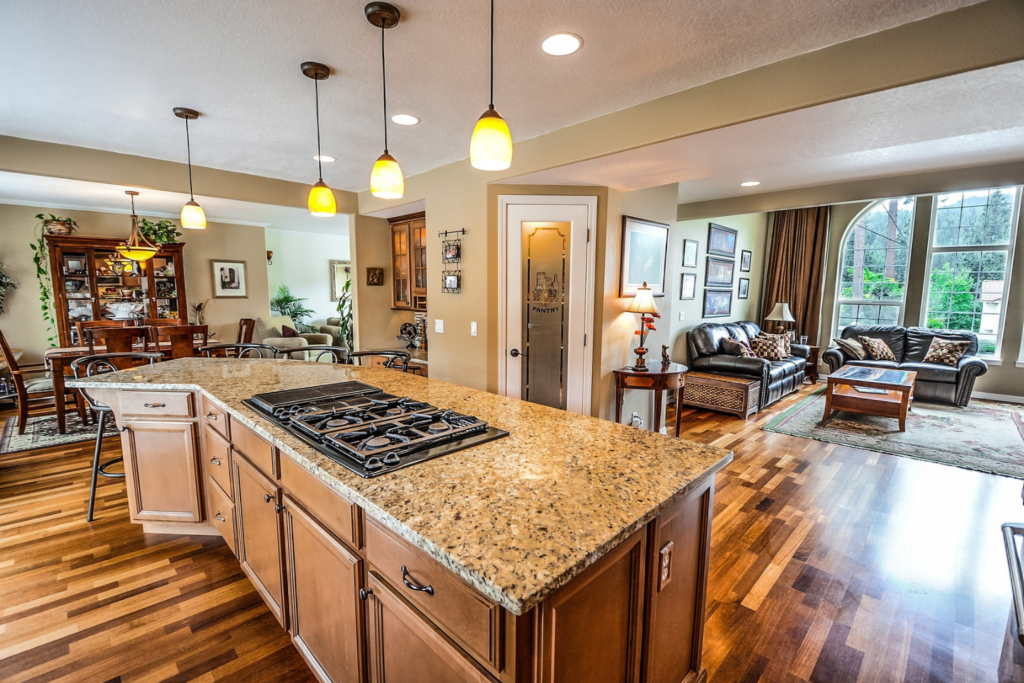
Interior Design Cost Per Square Foot in Bengaluru: Complete Pricing Guide for Modern Homes Vallari Shah Principal Designer One of the first questions homeowners ask before starting a home interiors project is simple: “How much will interior design cost per square foot in Bengaluru?” The answer, however, is rarely straightforward. Interior design pricing depends on multiple factors including material quality, customization level, project scope, design complexity, execution standards, and whether the project involves basic modular work or complete luxury turnkey interiors. In a city like Bengaluru, where residential styles range from compact urban apartments to expansive luxury villas, interior design budgets can vary significantly. Understanding how interior pricing works helps homeowners make informed decisions, avoid unrealistic expectations, and plan interiors that balance aesthetics, functionality, and long-term value. For homeowners looking for refined and professionally executed interiors, Avinnyya – Interior Design & Turnkey Solutions creates customized turnkey solutions tailored to different lifestyles and budget expectations. What Does “Interior Design Cost Per Square Foot” Actually Mean? Interior design cost per square foot refers to the estimated cost of designing and executing interiors based on the usable area of the home. This pricing model helps homeowners: estimate project budgets compare interior packages understand scope differences evaluate customization levels However, many homeowners misunderstand this concept. The per-square-foot rate is not just about furniture placement or decorative work. It usually includes multiple components such as: modular furniture wardrobes kitchen design false ceiling work lighting integration TV units storage solutions wall finishes hardware quality labor and installation The final pricing depends heavily on the level of finish and customization involved. Average Interior Design Cost Per Square Foot in Bengaluru While pricing varies by project scope and material selection, most residential interiors in Bengaluru generally fall into these broad categories: Interior Category Approximate Cost Range Basic Functional Interiors ₹1,200 – ₹1,800/sq ft Mid-Range Modern Interiors ₹1,800 – ₹3,000/sq ft Premium Luxury Interiors ₹3,000 – ₹5,500+/sq ft Ultra Luxury Customized Interiors ₹5,500+/sq ft These estimates can vary depending on: apartment size customization requirements material brands civil modifications automation integration furnishing scope design detailing Luxury homes with extensive customization naturally involve higher execution complexity and premium material costs. Why Interior Costs Are Higher in Bengaluru Compared to Smaller Cities Bengaluru has become one of India’s most design-conscious urban markets. Homeowners here often prioritize: modern aesthetics smart storage modular functionality premium finishes space optimization contemporary layouts Additionally, Bengaluru’s residential landscape includes: luxury apartments gated communities duplex residences villas smart homes This demand for high-quality execution increases the importance of professional interior design services. Other contributing factors include: higher labor costs premium material demand customized modular solutions advanced lighting integration designer hardware preferences faster evolving design trends Major Factors Affecting Interior Design Cost Per Square Foot Size of the Home Larger homes may appear more expensive overall, but per-square-foot costs sometimes reduce slightly due to scale efficiencies. Smaller apartments, especially compact 2BHK units, often have higher per-square-foot costs because storage optimization and space planning become more intensive. Level of Customization Customized interiors cost significantly more than standard modular packages. Luxury customization may include: bespoke wardrobes curved panel detailing custom furniture fluted designs hidden storage systems designer partitions integrated lighting concepts The more personalized the project, the higher the craftsmanship and execution requirements. Material Selection Material quality directly impacts project cost. For example: laminates vs veneers quartz vs granite acrylic vs matte finishes standard hardware vs premium imported fittings Premium materials improve: durability aesthetics tactile experience long-term performance However, they also increase project budgets considerably. Modular Kitchen Complexity The kitchen is often one of the most expensive zones in a home interior project. Luxury modular kitchens may include: tandem drawers corner carousel systems pantry pull-outs built-in appliances quartz countertops profile lighting premium shutters Open kitchens and island kitchens generally cost more due to design detailing and finish requirements. False Ceiling & Lighting Design Ceiling detailing and layered lighting significantly influence interior ambiance. Premium lighting concepts may involve: cove lighting magnetic track lights profile lighting statement chandeliers dimmable mood lighting While these features elevate interiors dramatically, they increase electrical and ceiling execution costs. Turnkey Scope A complete turnkey interior project may include: design consultation 3D visualization civil modifications plumbing coordination electrical work modular execution painting furnishings décor styling The broader the project scope, the higher the overall cost. However, turnkey solutions often improve execution consistency and reduce coordination stress for homeowners. Interior Cost Breakdown for Different Home Types in Bengaluru 2BHK Apartment Interiors Most 2BHK homes prioritize: smart storage modular wardrobes compact kitchen optimization multifunctional furniture clutter-free layouts Modern 2BHK interiors in Bengaluru typically focus on balancing functionality and visual spaciousness. 3BHK Luxury Apartment Interiors Luxury 3BHK homes often include: elaborate living rooms designer false ceilings premium wardrobes customized bedrooms elegant dining spaces statement lighting concepts These projects usually involve greater material sophistication and design detailing. Villa Interior Design Villa interiors involve significantly more customization. They may include: double-height spaces staircase design home automation premium wall treatments custom furniture luxury entertainment zones walk-in wardrobes Villa projects generally have higher per-square-foot costs due to scale and personalization. Hidden Costs Homeowners Often Overlook Many homeowners initially budget only for modular furniture and later encounter unexpected expenses. Common overlooked costs include: civil modifications electrical relocation plumbing changes appliance integration decorative lighting loose furniture soft furnishings wallpaper applications premium hardware upgrades Professional planning helps reduce such surprises during execution. Why Extremely Cheap Interior Packages Can Become Expensive Later Low-cost interior packages often compromise on: hardware quality material durability finishing precision execution standards storage functionality This can lead to: laminate peeling hinge failures poor alignment maintenance issues premature wear Luxury interiors should be evaluated based on long-term value rather than only initial pricing. How to Plan Your Interior Budget Smartly Prioritize Functional Zones Invest more in: kitchen quality wardrobe functionality lighting planning storage efficiency These areas impact everyday living the most. Balance Aesthetics & Practicality Not every premium finish is necessary everywhere. Smart material allocation helps optimize budgets while maintaining elegance. Think Long-Term Durable materials and quality
Best Interior Designer in Varanasi for Luxury Homes
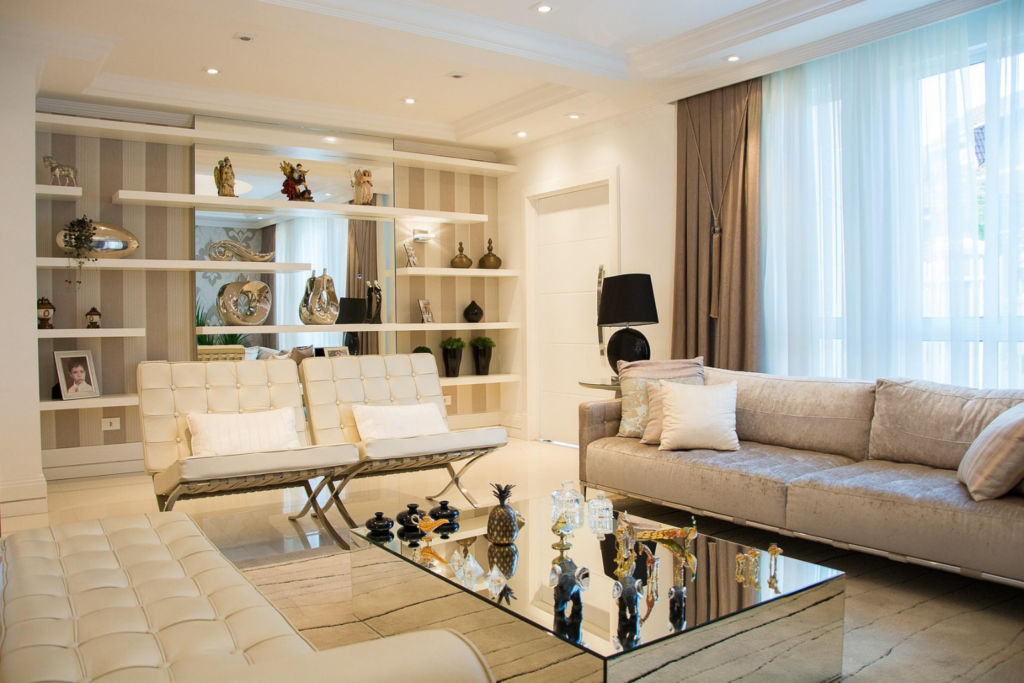
Best Interior Designer in Varanasi for Luxury Homes Vallari Shah Principal Designer Luxury homes are no longer defined only by large spaces or expensive décor. Modern homeowners in Varanasi are increasingly looking for interiors that feel refined, personalized, functional, and emotionally connected to their lifestyle. From elegant villas and duplex residences to premium apartments and independent homes, interior design has become a crucial part of creating a complete living experience. Choosing the right interior designer is one of the most important decisions in this journey. A luxury home requires more than beautiful furniture or trendy finishes. It demands thoughtful planning, technical expertise, material understanding, space optimization, lighting precision, and flawless execution. For homeowners seeking premium residential interiors, Avinnyya – Interior Design & Turnkey Solutions delivers customized luxury interiors designed around elegance, comfort, and long-term functionality. What Makes an Interior Designer Ideal for Luxury Homes? Luxury interior design involves far more detail than standard residential projects. The expectations are higher, the execution standards are stricter, and the design decisions require deeper understanding of lifestyle planning. The best interior designers for luxury homes focus on: personalized design concepts premium material selection intelligent space planning seamless storage integration sophisticated lighting layouts customized furniture solutions long-term functionality execution quality aesthetic consistency Instead of copying catalog designs, experienced designers create interiors tailored specifically to the homeowner’s lifestyle, routines, preferences, and spatial requirements. This customized approach is what separates luxury interiors from ordinary residential decoration. Why Luxury Interior Design Is Growing Rapidly in Varanasi Varanasi is witnessing a major transformation in residential architecture and lifestyle aspirations. New apartments, gated communities, duplex homes, and modern villas are changing how homeowners approach interior design. Areas such as: Mahmoorganj Lanka Sigra Bhelupur Shivpur Chitaipur DLW Ashokpuram are seeing increasing demand for premium interior solutions. Today’s homeowners are more design-aware and expect interiors that combine: luxury aesthetics practical functionality modern living convenience smart organization timeless appeal This shift has created strong demand for experienced luxury interior designers who can execute sophisticated turnkey projects professionally. Key Qualities of the Best Interior Designers in Varanasi Strong Space Planning Expertise Luxury interiors are not about filling spaces with expensive elements. They are about creating balance, flow, openness, and usability. Professional space planning ensures: better circulation visual harmony efficient furniture placement organized storage spacious feel ergonomic comfort Many homeowners underestimate how much planning impacts everyday living. Poorly designed layouts often lead to cluttered spaces, inefficient movement, and underutilized corners despite having large rooms. An experienced interior designer solves these issues strategically before execution even begins. Premium Material Understanding Luxury homes require materials that not only look sophisticated but also perform well over time. A skilled designer understands: durability maintenance requirements climate suitability texture coordination finish compatibility In Varanasi, environmental conditions such as humidity and dust exposure make material selection especially important. Premium interiors commonly incorporate: natural veneers textured laminates quartz surfaces fluted panels marble finishes engineered wood matte metallic accents designer fabrics Choosing the right combination creates interiors that remain elegant for years instead of looking outdated quickly. Turnkey Project Management One of the biggest challenges homeowners face is coordinating multiple vendors, contractors, carpenters, electricians, and suppliers simultaneously. Without proper management, projects often suffer from: delays inconsistent workmanship budget escalation communication gaps execution errors Turnkey interior solutions simplify the entire process by providing: design planning 3D visualization material coordination modular execution site supervision quality control timeline management Luxury homeowners increasingly prefer turnkey execution because it ensures consistency from concept to completion. Customized Design Approach Every luxury home should reflect the personality of the people living in it. Some homeowners prefer: minimal modern interiors warm contemporary aesthetics classic luxury detailing modern Indian fusion design earthy neutral palettes hotel-inspired sophistication The best interior designers avoid one-size-fits-all concepts. Instead, they create customized experiences tailored to: lifestyle habits family needs entertaining preferences storage requirements aesthetic vision Personalization is one of the defining characteristics of premium interiors. Luxury Interior Design Services Homeowners Commonly Need Living Room Interior Design Luxury living rooms focus on: elegant seating layouts statement lighting layered textures premium TV unit concepts false ceiling detailing balanced spatial flow The living room often creates the first impression of the entire home. Modular Kitchen Design Modern luxury kitchens prioritize: intelligent storage workflow efficiency premium finishes integrated appliances easy maintenance sophisticated aesthetics Open kitchens and island layouts are becoming increasingly popular in premium Varanasi homes. Bedroom Interior Design Luxury bedrooms emphasize: comfort calming ambiance customized wardrobes ambient lighting upholstered detailing clutter-free organization Many homeowners now prefer resort-inspired bedroom interiors that feel relaxing yet highly functional. False Ceiling & Lighting Design Lighting dramatically affects how luxury interiors feel. Premium homes often include: cove lighting profile lighting pendant fixtures layered illumination statement chandeliers mood-enhancing warm tones A well-designed ceiling can add visual depth without making spaces feel heavy. Common Mistakes Homeowners Make While Choosing Interior Designers Selecting Based Only on Low Pricing Luxury interiors require design expertise, execution precision, and quality materials. Extremely low-cost execution often compromises craftsmanship and durability. Ignoring Functional Planning Some interiors may look visually attractive online but fail in real-life usability. A luxury home must function beautifully every day, not just photograph well. Not Evaluating Execution Capability Design concepts are only valuable if they can be executed properly. Many homeowners suffer due to weak site management and inconsistent workmanship. Following Short-Term Trends Blindly Overly trendy interiors can feel outdated quickly. Timeless design planning creates longer-lasting value. Modern Luxury Interior Trends in Varanasi Homes Minimal Luxury Design Homeowners increasingly prefer clean, uncluttered spaces with subtle sophistication instead of excessive ornamentation. Warm Neutral Color Palettes Beige, ivory, taupe, walnut, greige, and earthy tones create calm, premium environments. Smart Storage Solutions Hidden storage concepts help maintain organized and visually clean interiors. Natural Texture Integration Wood textures, stone finishes, fabric layering, and matte surfaces add warmth and depth. Luxury Home Automation Smart lighting, automated curtains, and integrated controls are becoming more common in premium residences. Why Homeowners Choose Avinnyya – Interior Design & Turnkey Solutions Homeowners searching for the best interior
How to Use Color Psychology in Interior Design to Transform Your Space
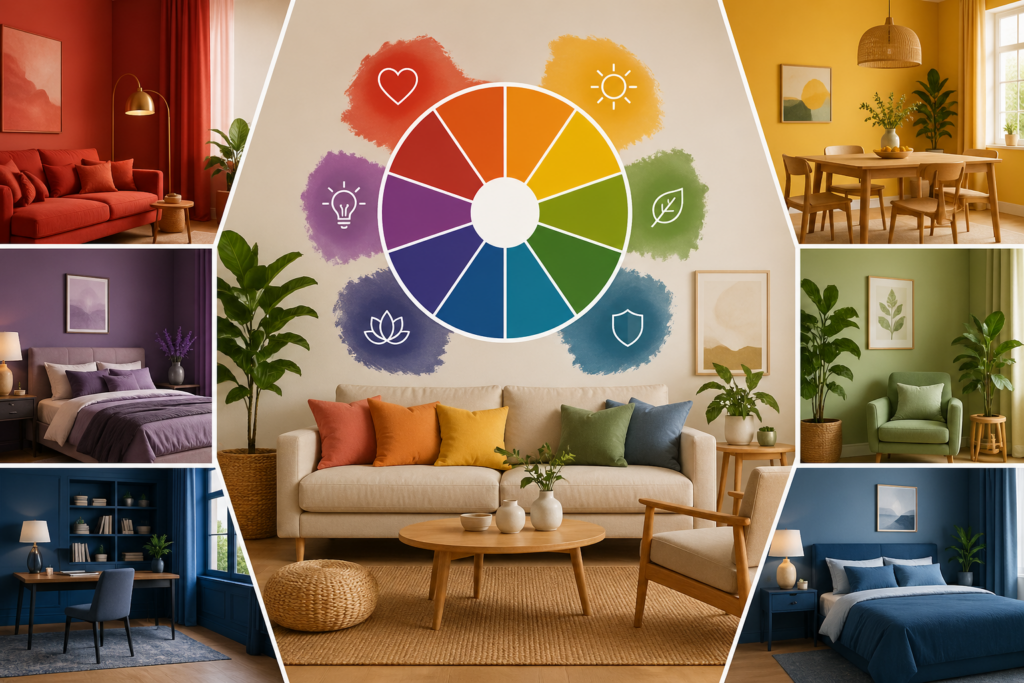
avinnyyaadmin Principal Designer Walk into a room painted in soft blues and you instantly feel calm. Step into a space filled with bold reds, and your energy levels subtly rise. This isn’t coincidence—it’s color psychology at work. Colors have a profound impact on how we feel, think, and behave, making them one of the most powerful tools in interior design. Understanding how to use color psychology in interior design allows you to create spaces that are not just visually appealing but also emotionally supportive and functional. Whether you’re designing a cozy bedroom, an energizing workspace, or a welcoming living room, the colors you choose play a critical role in shaping the experience of that space. In this detailed guide, you’ll learn how different colors influence mood, how to choose the right palette for each room, and how to combine shades effectively to achieve a balanced and harmonious interior. What is Color Psychology? Color psychology refers to the study of how colors affect human emotions, behavior, and perception. It is widely used in fields like marketing, branding, and interior design because of its ability to influence mood and decision-making without conscious awareness. In interior design, color psychology helps create environments that align with the intended purpose of a space. For example, calming tones are often used in bedrooms to promote relaxation, while vibrant hues may be used in social areas to encourage interaction and energy. It’s important to note that color perception can vary based on personal experiences, cultural background, and even lighting conditions. However, many color associations are widely recognized. Blue is generally seen as calming, green as refreshing, and yellow as uplifting. By understanding these associations, you can make more intentional design choices. Understanding the Color Wheel Before applying color psychology, it’s essential to understand the basics of the color wheel. The color wheel is a visual representation of colors arranged according to their chromatic relationship. Primary colors—red, blue, and yellow—form the foundation. Secondary colors are created by mixing primary colors, such as green, orange, and purple. Tertiary colors are formed by mixing primary and secondary colors, resulting in more nuanced shades. Colors are also categorized as warm or cool. Warm colors like red, orange, and yellow tend to evoke feelings of warmth, energy, and excitement. Cool colors such as blue, green, and purple are associated with calmness, relaxation, and serenity. Neutral colors, including white, gray, beige, and brown, act as balancing elements in a design. They provide a backdrop that allows other colors to stand out while maintaining visual harmony. Understanding how these colors interact is key to creating aesthetically pleasing and emotionally effective interiors. Psychological Effects of Different Colors Warm Colors: Energy and Vibrancy Warm colors are stimulating and attention-grabbing. They are ideal for spaces where activity and interaction are encouraged. Red is one of the most powerful colors. It symbolizes passion, energy, and intensity. In interior design, red can stimulate appetite and conversation, making it a popular choice for dining areas. However, excessive use can feel overwhelming, so it’s best used as an accent. Orange combines the energy of red with the cheerfulness of yellow. It promotes enthusiasm and creativity, making it suitable for living rooms, play areas, or creative studios. Yellow is associated with happiness, optimism, and warmth. It can brighten up a space and make it feel more inviting. However, overly bright shades can cause visual fatigue, so softer tones are often preferred. Cool Colors: Calmness and Relaxation Cool colors have a soothing effect and are perfect for spaces meant for rest and focus. Blue is widely known for its calming properties. It can reduce stress and promote concentration, making it ideal for bedrooms and home offices. Lighter blues create an airy feel, while darker shades add depth and sophistication. Green represents nature, balance, and renewal. It is one of the most versatile colors in interior design and works well in almost any room. Green creates a refreshing and peaceful environment, especially in living rooms and bathrooms. Purple is often associated with luxury, creativity, and spirituality. Lighter shades like lavender are calming, while deeper tones like plum add richness and drama. Neutral Colors: Balance and Sophistication Neutral colors are essential in interior design because they provide stability and versatility. White creates a sense of cleanliness and openness. It makes spaces appear larger and brighter, which is why it’s commonly used in modern and minimalist interiors. Gray offers a sophisticated and contemporary feel. It can be warm or cool depending on its undertones, making it a flexible choice for various design styles. Beige and brown bring warmth and comfort. These earthy tones create a cozy atmosphere and pair well with both warm and cool color schemes. How to Choose the Right Colors for Each Room Living Room: Creating Comfort and Connection The living room is often the heart of the home, where people gather and interact. Warm and inviting colors work best here. Shades of beige, soft gray, warm whites, and muted greens create a welcoming environment. You can add pops of color through cushions, rugs, or artwork to introduce personality without overwhelming the space. Bedroom: Promoting Rest and Relaxation Bedrooms should feel calm and serene. Cool colors like blue, green, and soft lavender are ideal choices. These tones help reduce stress and promote better sleep. Avoid overly bright or intense colors, as they can disrupt relaxation. Kitchen: Encouraging Energy and Appetite The kitchen is a space of activity and nourishment. Colors like yellow, orange, and warm neutrals work well here. They create a lively and inviting atmosphere while subtly stimulating appetite. White kitchens with colorful accents are also a popular modern choice. Bathroom: Creating a Spa-Like Experience Bathrooms benefit from clean and refreshing colors. Soft blues, greens, and whites create a spa-like environment that promotes relaxation and cleanliness. Adding natural textures like wood or stone enhances the calming effect. Home Office: Enhancing Focus and Productivity In a home office, the goal is to maintain focus and efficiency. Blue is an excellent choice for
Bohemian Interior Design Style Explained: Ultimate Guide to Boho Decor
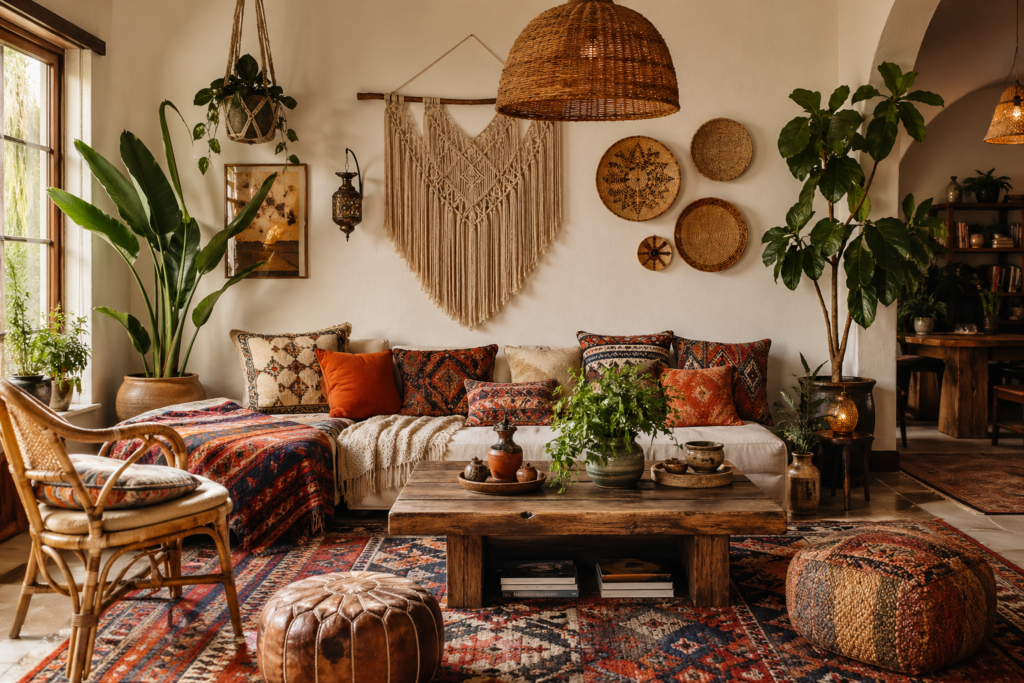
Bohemian Interior Design Style Explained: A Complete Guide to Creating a Free-Spirited Home avinnyyaadmin Principal Designer Bohemian interior design, often referred to as “Boho,” is more than just a decorating trend—it’s a lifestyle. Rooted in creativity, individuality, and a carefree spirit, this style allows homeowners to break free from rigid design rules and embrace a space that truly reflects their personality. If you’ve ever admired homes filled with layered textures, vibrant colors, global influences, and a cozy, lived-in feel, then Bohemian design might be exactly what you’re looking for. In today’s world, where minimalism and uniformity often dominate interiors, Bohemian design offers a refreshing alternative. It celebrates imperfection, storytelling, and artistic expression. Whether you’re redesigning your entire home or just refreshing a single room, this guide will walk you through everything you need to know about Bohemian interior design. What is Bohemian Interior Design? Bohemian interior design traces its origins back to the unconventional lifestyles of 19th-century artists, writers, and travelers. These individuals rejected societal norms and embraced a nomadic, creative existence. Their homes reflected this mindset—filled with collected treasures, cultural influences, and an eclectic mix of furnishings. At its core, Bohemian design is about freedom. There are no strict rules, no matching sets, and no pressure to conform. Instead, it encourages layering different styles, mixing old with new, and creating a space that tells your personal story. Unlike modern or minimalist interiors, Boho spaces feel warm, inviting, and deeply personal. Key Characteristics of Bohemian Style Eclectic Mix of Elements One of the defining features of Bohemian design is its eclectic nature. You’ll rarely find a perfectly coordinated room. Instead, expect a harmonious blend of different styles, patterns, and influences. Vintage furniture might sit alongside modern pieces, while handcrafted decor from different cultures adds depth and character. This mix-and-match approach creates a space that feels collected over time rather than designed in a single day. Layered Textures Texture plays a crucial role in Boho interiors. Think of layered rugs, soft throws, plush cushions, and woven textiles. These layers not only add visual interest but also create a cozy and inviting atmosphere. Materials like cotton, wool, jute, and linen are commonly used to bring warmth and comfort into the space. Vibrant and Earthy Colors Bohemian interiors are known for their rich color palettes. Deep jewel tones like emerald green, sapphire blue, and burgundy are often combined with earthy shades such as terracotta, beige, and brown. The beauty of Boho design lies in its flexibility—you can go bold with colors or keep a neutral base and add pops of vibrancy through decor. Natural and Organic Materials Nature plays a big role in Bohemian interiors. Furniture and decor often incorporate natural materials like wood, rattan, bamboo, and stone. These elements ground the space and add an organic feel. Handmade and sustainable items are especially valued, as they align with the Bohemian philosophy of authenticity and craftsmanship. Personalization and Storytelling Perhaps the most important aspect of Bohemian design is personalization. Every item in a Boho home has meaning—whether it’s a travel souvenir, a vintage find, or a piece of art created by the homeowner. This storytelling aspect transforms a house into a home that feels unique and deeply personal. Essential Elements of Bohemian Interior Design Furniture Bohemian furniture is often low-profile, comfortable, and slightly unconventional. Floor seating, poufs, and daybeds are common choices. Instead of perfectly matching sets, Boho interiors favor a curated collection of pieces with character. Vintage and second-hand furniture work beautifully in this style, adding charm and history to the space. Textiles and Fabrics Textiles are the heart of Bohemian decor. From Moroccan rugs to embroidered cushions, fabrics bring life and color into the room. Layering different patterns—such as tribal prints, florals, and geometric designs—creates a rich and dynamic look. Macramé wall hangings and fringed throws are also popular additions. Lighting Lighting in Bohemian interiors is all about creating a warm and cozy ambiance. Instead of harsh overhead lights, opt for soft, diffused lighting. Lanterns, fairy lights, and pendant lamps with intricate designs can instantly elevate the mood of a room. Plants and Greenery No Bohemian space is complete without plants. Indoor greenery adds freshness, color, and a natural vibe to the interior. Popular choices include snake plants, pothos, monstera, and palms. Hanging planters and clustered arrangements enhance the layered look. Wall Decor Walls in a Boho home are rarely bare. They serve as a canvas for artistic expression. Gallery walls, woven tapestries, mirrors, and handmade art pieces all contribute to the overall aesthetic. The goal is to create a visually rich and interesting space that reflects your personality. Types of Bohemian Interior Styles Modern Boho Modern Boho combines the simplicity of contemporary design with the warmth of Bohemian elements. It typically features a neutral base with carefully selected boho accents. Boho Chic Boho Chic is a more refined version of the style. It blends elegance with comfort, using softer colors and curated decor. Rustic Bohemian This variation emphasizes natural materials and earthy tones. Wooden furniture, raw textures, and organic elements dominate the space. Global Bohemian Global Boho draws inspiration from cultures around the world. It incorporates textiles, patterns, and decor from different regions, creating a vibrant and diverse look. How to Create a Bohemian Interior (Step-by-Step) Creating a Bohemian space doesn’t require a complete overhaul. Start with a neutral base, such as white or beige walls, to allow your decor to stand out. Gradually layer textiles like rugs, cushions, and throws to add warmth and depth. Mix patterns confidently—don’t be afraid to combine different prints. Incorporate vintage or handmade items to add character. Bring in plants to create a natural vibe, and use warm lighting to enhance the ambiance. Finally, personalize your space with items that reflect your journey and experiences. This is what truly defines a Bohemian home. Do’s and Don’ts of Bohemian Design When designing a Bohemian space, it’s important to strike a balance. While the style encourages creativity, it can easily become overwhelming if not done
Luxury Interior Design Ideas for Indian Homes | Elegant Living Guide by Avinnyya
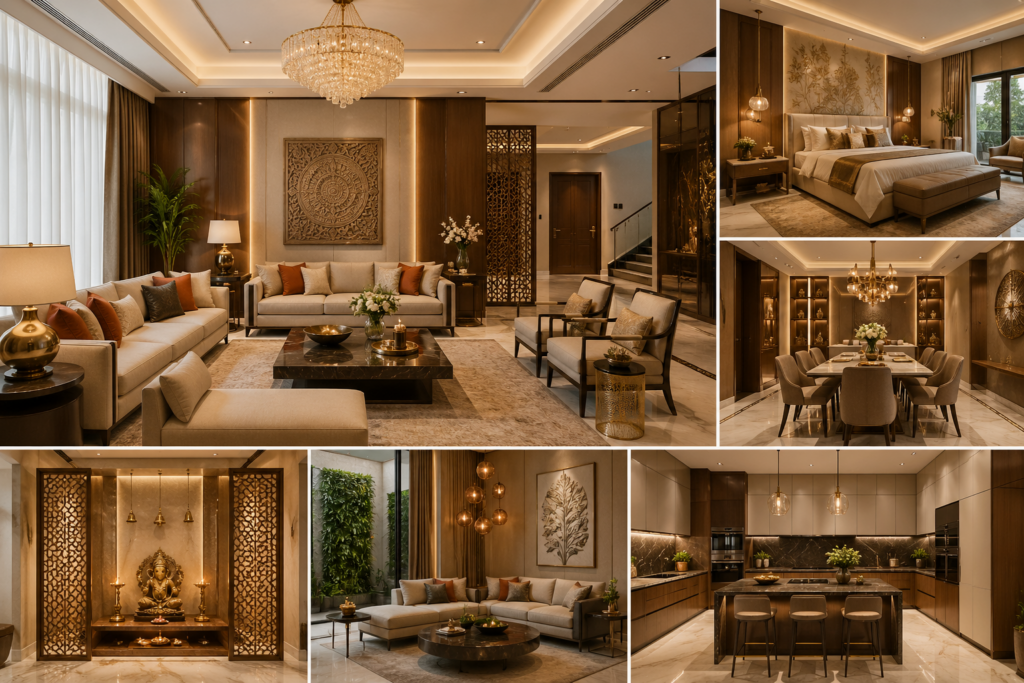
Luxury Interior Design Ideas for Indian Homes: Elegant Living by Avinnyya avinnyyaadmin Principal Designer Luxury interior design in India has evolved far beyond ornate décor and expensive furniture. Today, it represents a seamless blend of sophistication, comfort, functionality, and cultural identity. Indian homeowners are increasingly seeking spaces that reflect their personalities while offering a refined and premium living experience. Whether it’s a modern apartment in a bustling metro city or a spacious villa, the desire to create luxurious interiors is stronger than ever. At Avinnyya, luxury is not just about aesthetics—it’s about crafting a lifestyle. From selecting high-quality materials to designing bespoke furniture and integrating smart technologies, every detail plays a crucial role. This guide explores the most effective and inspiring luxury interior design ideas tailored specifically for Indian homes, helping you transform your space into a statement of elegance and comfort. What Defines Luxury Interior Design in India? Luxury interior design in the Indian context is unique because it merges tradition with modernity. Unlike Western minimalism, Indian luxury often celebrates richness—be it through textures, colors, or craftsmanship—while still embracing contemporary sensibilities. One of the defining characteristics is personalization. A luxurious Indian home reflects the homeowner’s taste, lifestyle, and cultural roots. This could mean incorporating traditional elements like carved wooden panels or blending them with sleek modern finishes. Another key aspect is the use of premium materials. Marble flooring, handcrafted furniture, metallic accents, and designer lighting fixtures all contribute to creating a high-end ambiance. However, luxury is not just about spending more—it’s about making thoughtful choices that enhance the overall experience of the space. Finally, functionality plays a major role. A luxurious home is not only visually appealing but also highly practical, ensuring comfort and ease in everyday living. Key Elements of Luxury Interior Design Premium Materials that Elevate Spaces The foundation of any luxurious interior lies in the materials used. High-end materials such as Italian marble, granite, and natural stones instantly elevate the look of a space. These materials not only add visual appeal but also ensure durability and timeless elegance. Wood is another essential element. Solid wood furniture or high-quality engineered wood finishes can add warmth and richness to interiors. Metallic accents in brass, gold, or chrome further enhance the luxurious feel, especially when used in lighting fixtures, handles, and decorative elements. Rich and Balanced Color Palettes Color plays a vital role in defining the mood of a luxurious home. Neutral shades like beige, ivory, and taupe create a calm and sophisticated base. These tones are often complemented with bold jewel tones such as emerald green, royal blue, or burgundy to add depth and character. Metallic highlights in gold or bronze can be used strategically to create a sense of opulence without overwhelming the space. The key is to maintain balance and harmony between colors. Statement Lighting for Dramatic Impact Lighting is one of the most powerful tools in luxury interior design. A grand chandelier in the living room or dining area can instantly become the focal point of the space. Pendant lights, wall sconces, and recessed lighting work together to create layered illumination. The idea is to combine ambient, task, and accent lighting to enhance both functionality and aesthetics. Designer lighting fixtures not only provide illumination but also act as artistic elements within the home. Custom Furniture and Bespoke Designs Luxury interiors often feature custom-made furniture tailored to the homeowner’s needs. Bespoke sofas, beds, and dining tables allow for greater flexibility in design and ensure a perfect fit within the space. Materials like velvet, silk, and leather are commonly used for upholstery, adding a touch of elegance and comfort. Ergonomic designs ensure that the furniture is not only stylish but also practical for everyday use. Luxury Living Room Design Ideas The living room is the heart of any Indian home and often serves as the primary space for entertaining guests. A luxurious living room should make a strong first impression while remaining comfortable and inviting. Start with a grand sofa set featuring plush cushions and premium upholstery. Accent chairs and a stylish coffee table can add layers to the seating arrangement. An accent wall with textured finishes, wallpaper, or paneling can create a striking visual element. Art plays a significant role in enhancing the luxury quotient. Large paintings, sculptures, or curated décor pieces can add personality and sophistication. Additionally, integrating smart home features such as automated lighting, motorized curtains, and advanced entertainment systems can elevate the overall experience. Elegant Bedroom Interior Ideas A luxury bedroom is a personal sanctuary that combines comfort with style. The bed is the focal point, and an upholstered headboard can add a sense of grandeur. Layered bedding with high-quality fabrics such as Egyptian cotton or silk enhances both comfort and aesthetics. Lighting should be soft and ambient, creating a relaxing atmosphere. Bedside lamps, concealed lighting, and dimmable fixtures allow for flexibility in mood setting. Walk-in wardrobes are a hallmark of luxury bedrooms in Indian homes. Modular wardrobe systems with organized storage solutions ensure both functionality and elegance. Adding a seating area or a small lounge corner can further enhance the comfort of the space. High-End Kitchen Design Modern luxury kitchens in Indian homes are designed to be both functional and visually appealing. Modular kitchens with sleek finishes and handle-less cabinets create a clean and contemporary look. Countertops made of marble or quartz add a premium touch while ensuring durability. Built-in appliances such as ovens, microwaves, and dishwashers contribute to a seamless and clutter-free design. Smart storage solutions, including pull-out drawers and corner units, maximize efficiency. The overall design should strike a balance between minimalism and luxury, ensuring that the kitchen remains practical for daily use while exuding elegance. Luxury Bathroom Concepts Bathrooms are no longer just functional spaces—they have become personal wellness retreats. A luxury bathroom should offer a spa-like experience within the comfort of your home. Materials such as marble and glass are commonly used to create a clean and sophisticated look. Features like rain showers, freestanding bathtubs, and premium
Scandinavian Interior Design: A Complete Guide to Minimal, Cozy Living
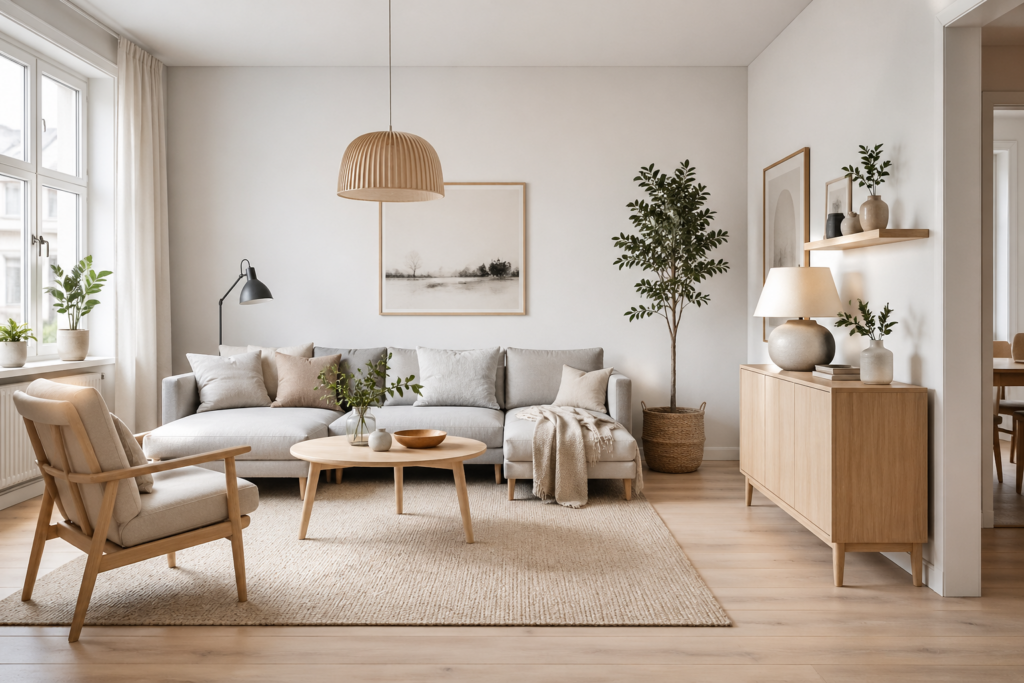
Scandinavian Interior Design: A Complete Guide to Minimal, Cozy Living avinnyyaadmin Principal Designer Scandinavian interior design has taken the global design world by storm—and for good reason. Known for its clean lines, calming palettes, and cozy aesthetics, this design style strikes the perfect balance between minimalism and comfort. Whether you’re living in a compact apartment or a spacious home, Scandinavian interiors offer a timeless approach that feels both modern and inviting. Rooted in simplicity and functionality, Scandinavian design isn’t just about how a space looks—it’s about how it feels. It promotes a lifestyle that values calmness, organization, and connection to nature. In today’s fast-paced world, this design philosophy resonates deeply with homeowners looking to create peaceful, clutter-free environments. In this complete guide by Avinnyya, you’ll learn everything you need to know about Scandinavian interior design—from its origins and core principles to practical tips for implementing it in your own home. 2. What is Scandinavian Interior Design? Scandinavian interior design originates from the Nordic countries—Sweden, Denmark, and Norway—where long winters and limited daylight influenced how people designed their homes. The goal was simple: create spaces that feel bright, warm, and functional despite harsh climates. Emerging in the early 20th century and gaining prominence in the 1950s, Scandinavian design was heavily influenced by modernism. However, unlike stark modernist styles, it introduced warmth through natural materials, soft textures, and cozy elements. At its core, Scandinavian design is built on three pillars: simplicity, functionality, and comfort. Every piece of furniture, every color choice, and every decorative element serves a purpose while contributing to an overall sense of harmony. 3. Core Elements of Scandinavian Design 3.1 Minimalism Minimalism is the foundation of Scandinavian interiors. Spaces are intentionally kept uncluttered, allowing each element to stand out without overwhelming the room. This doesn’t mean empty or boring—it means thoughtful and intentional. Furniture is limited to essentials, and decorative items are carefully curated. The idea is to eliminate excess and focus on what truly matters, creating a clean and visually calming environment. 3.2 Functionality Functionality is equally important. Every piece in a Scandinavian home is designed to serve a purpose. Furniture often includes smart storage solutions or multi-functional features, especially useful in smaller spaces. This practical approach ensures that homes are not only beautiful but also highly livable. It’s about designing for real life, not just aesthetics. 3.3 Natural Light Due to long, dark winters in Nordic countries, maximizing natural light is a top priority. Large windows, sheer curtains, and reflective surfaces are commonly used to enhance brightness. Even in homes with limited sunlight, clever design choices—such as mirrors and light-colored walls—help create an open, airy feel. 3.4 Neutral Color Palette Scandinavian interiors rely heavily on neutral tones such as white, grey, beige, and soft pastels. These colors reflect light and make spaces feel larger and more serene. While the base palette is neutral, subtle contrasts—like black accents or muted hues—are often introduced to add depth and visual interest. 3.5 Natural Materials Nature plays a central role in Scandinavian design. Materials like wood, linen, wool, and leather bring warmth and texture to otherwise minimal spaces. Light-toned woods, such as oak and pine, are especially popular, helping to maintain the bright and airy aesthetic. 3.6 Hygge: The Essence of Coziness A key concept in Scandinavian living is “hygge,” a Danish term that represents comfort, warmth, and well-being. It’s about creating a space that feels inviting and emotionally comforting. Think soft blankets, warm lighting, candles, and cozy corners—elements that make a house truly feel like home. 4. Scandinavian Color Schemes Color plays a crucial role in achieving the Scandinavian look. White is often the dominant shade, used on walls, ceilings, and even furniture to reflect light and create a sense of openness. Complementing this base are soft hues like pale blue, sage green, and blush pink. These subtle tones add personality without disrupting the calm aesthetic. To prevent the space from feeling too monotone, darker accents such as black, charcoal, or deep brown are used sparingly. Metallic finishes like brass or copper can also add a touch of elegance. 5. Furniture in Scandinavian Design Furniture in Scandinavian interiors is defined by simplicity, functionality, and craftsmanship. Pieces typically feature clean lines, smooth curves, and minimal ornamentation. Wood is the most commonly used material, often paired with neutral upholstery. Sofas are comfortable yet understated, while tables and chairs are lightweight and practical. One of the defining characteristics is the use of tapered legs, which create a sense of openness by allowing light to flow beneath furniture. The focus is always on quality over quantity—fewer, well-made pieces that stand the test of time. 6. Lighting in Scandinavian Interiors Lighting is a cornerstone of Scandinavian design, especially given the limited natural light in Nordic regions. A layered lighting approach is used to create warmth and functionality. This includes a mix of ambient lighting (ceiling lights), task lighting (reading lamps), and accent lighting (decorative fixtures). Pendant lights, floor lamps, and table lamps are commonly used. Warm lighting is preferred over harsh white light, as it enhances the cozy atmosphere. Candles are also a staple, adding both light and a sense of hygge. For Indian homes, especially in urban areas, incorporating multiple light sources can help replicate this effect even with limited daylight. 7. Textures and Fabrics While Scandinavian design is minimal, it is never cold or sterile. Textures play a vital role in adding warmth and depth. Soft furnishings such as rugs, throws, and cushions are used generously. Materials like wool, cotton, and linen bring comfort while maintaining a natural aesthetic. Layering different textures—such as a woven rug with a knitted throw—creates visual interest without adding clutter. 8. Scandinavian Decor Elements Decor in Scandinavian interiors is kept simple yet meaningful. Instead of excessive ornamentation, the focus is on a few carefully chosen pieces. Wall art often includes black-and-white prints, abstract designs, or nature-inspired themes. Indoor plants are another essential element, adding freshness and a connection to nature. Mirrors are frequently used to reflect light