
Modern vs Traditional Interior Design
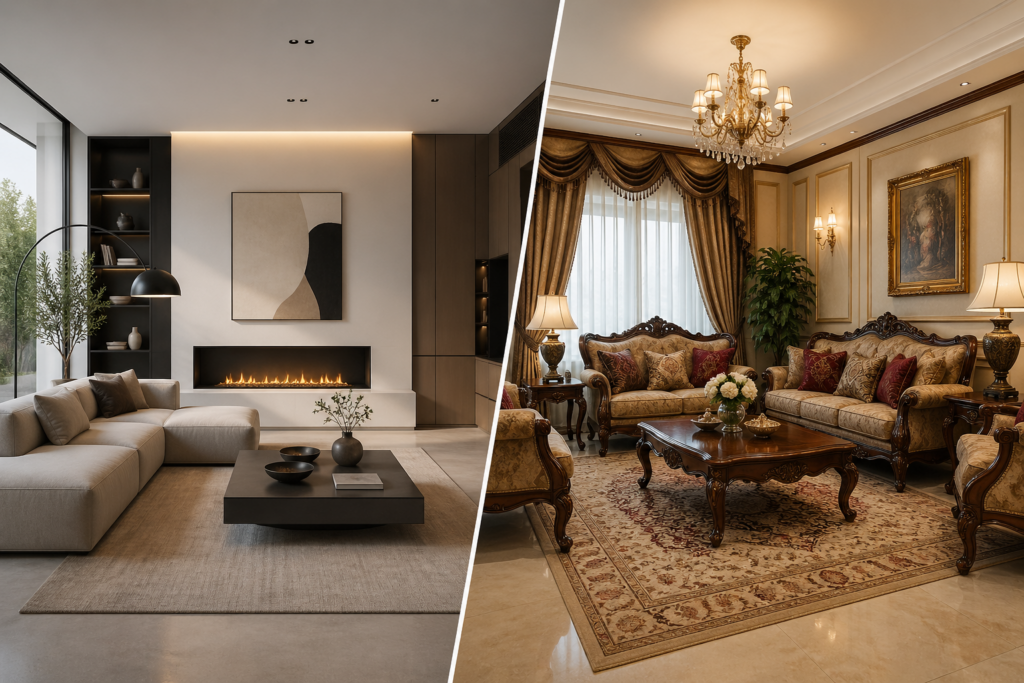
Modern vs Traditional Interior Design: Which One is Right for You? avinnyyaadmin Principal Designer Choosing the right interior design style is more than just picking furniture or colors—it’s about shaping the way you live, feel, and interact with your space. Your home should reflect your personality, lifestyle, and comfort preferences, and that’s where the debate between modern and traditional interior design becomes important. Modern and traditional styles represent two very different design philosophies. While modern interiors focus on simplicity, functionality, and clean aesthetics, traditional interiors emphasize warmth, detail, and timeless elegance. Many homeowners find themselves torn between the sleek appeal of modern design and the cozy charm of traditional spaces. In this comprehensive guide, we’ll break down both styles in detail, compare their features, and help you determine which one truly suits your needs. Whether you’re designing a new home or renovating an existing one, this guide will give you clarity and confidence in your decision. 2. What is Modern Interior Design? 2.1 Definition & Origins Modern interior design originated in the early to mid-20th century, influenced by the modernist movement that emphasized functionality over ornamentation. It was a response to the overly decorative styles of the past, focusing instead on simplicity, clean structures, and purposeful design. The philosophy behind modern design is simple: “less is more.” Every element in a modern space serves a function, and unnecessary details are eliminated. 2.2 Key Characteristics of Modern Design Modern interiors are defined by their clean and uncluttered appearance. Spaces are designed to feel open, breathable, and efficient. Neutral color palettes dominate, often featuring shades like white, grey, beige, and black. These colors create a calm and sophisticated atmosphere. Furniture in modern design is sleek and minimal, often featuring straight lines and geometric shapes. Materials such as glass, metal, and concrete are commonly used, adding to the contemporary feel. Open floor plans are another defining feature, allowing natural light to flow freely and making spaces feel larger. Decor is kept to a minimum. Instead of multiple accessories, modern interiors rely on a few statement pieces that stand out without overwhelming the space. 2.3 Advantages of Modern Interior Design One of the biggest advantages of modern design is its practicality. With fewer decorative elements, maintenance becomes easier, making it ideal for people with busy lifestyles. The simplicity of the design also makes spaces look more organized and stress-free. Modern interiors are particularly effective in smaller homes or apartments, where space optimization is crucial. The open layouts and minimal furniture help create an illusion of more space. Another benefit is the timeless appeal of minimalism. While trends may change, clean and functional spaces rarely go out of style. 2.4 Disadvantages of Modern Interior Design Despite its many benefits, modern design may not appeal to everyone. Some people find it too minimal or lacking in warmth and personality. The heavy reliance on neutral tones can sometimes make spaces feel cold or impersonal. Additionally, achieving the perfect modern look requires precision. Even small design mistakes, like clutter or mismatched elements, can disrupt the entire aesthetic. What is Traditional Interior Design? 3.1 Definition & Origins Traditional interior design is deeply rooted in European styles from the 18th and 19th centuries. It draws inspiration from classical architecture, featuring rich details, symmetry, and timeless elegance. Unlike modern design, traditional interiors celebrate ornamentation, craftsmanship, and history. They create a sense of familiarity and comfort that feels both luxurious and welcoming. 3.2 Key Characteristics of Traditional Design Traditional interiors are known for their warm and inviting atmosphere. They often use rich color palettes, including deep reds, browns, greens, and gold tones. These colors add depth and character to the space. Furniture is typically ornate, featuring curved lines, carved details, and luxurious fabrics. Materials such as wood, marble, and textiles play a significant role in creating a classic look. Symmetry is a key principle in traditional design. Rooms are often arranged in balanced layouts, with matching furniture and decor elements placed thoughtfully. Accessories like curtains, rugs, chandeliers, and artwork are layered to create a cohesive and elegant environment. 3.3 Advantages of Traditional Interior Design Traditional design offers a timeless appeal that never feels outdated. Its rich detailing and classic elements create a sense of luxury and sophistication. Another major advantage is the warmth it brings to a space. Unlike modern interiors, traditional homes feel cozy and lived-in, making them perfect for families. The use of high-quality materials and craftsmanship also ensures durability and longevity. 3.4 Disadvantages of Traditional Interior Design However, traditional interiors can be more expensive due to the use of premium materials and intricate designs. Maintenance can also be a challenge, as detailed furniture and layered decor require regular upkeep. In smaller spaces, traditional design may feel heavy or crowded if not executed carefully. Additionally, some people may find it too formal or outdated for contemporary lifestyles. 4. Key Differences: Modern vs Traditional Interior Design 4.1 Design Philosophy The fundamental difference lies in their approach. Modern design focuses on functionality and simplicity, while traditional design prioritizes comfort and decorative beauty. 4.2 Color Schemes Modern interiors lean towards neutral and monochromatic palettes that create a calm and understated look. In contrast, traditional interiors embrace richer and more vibrant colors that add warmth and depth. 4.3 Furniture Style Furniture in modern spaces is minimal and geometric, designed for functionality. Traditional furniture, on the other hand, is detailed, curved, and often handcrafted. 4.4 Materials Used Modern design incorporates materials like glass, steel, and concrete, reflecting a contemporary aesthetic. Traditional design relies on natural materials such as wood, stone, and fabrics. 4.5 Space Usage Modern interiors favor open layouts that enhance flow and connectivity. Traditional interiors tend to have more defined and segmented spaces, creating a structured environment. 5. How to Choose the Right Style for You 5.1 Consider Your Lifestyle Your daily routine plays a significant role in determining the right design style. If you prefer a clutter-free, low-maintenance home, modern design is a practical choice. However, if you value comfort, detail,
How to Design a Studio Apartment Efficiently | Space-Saving Ideas
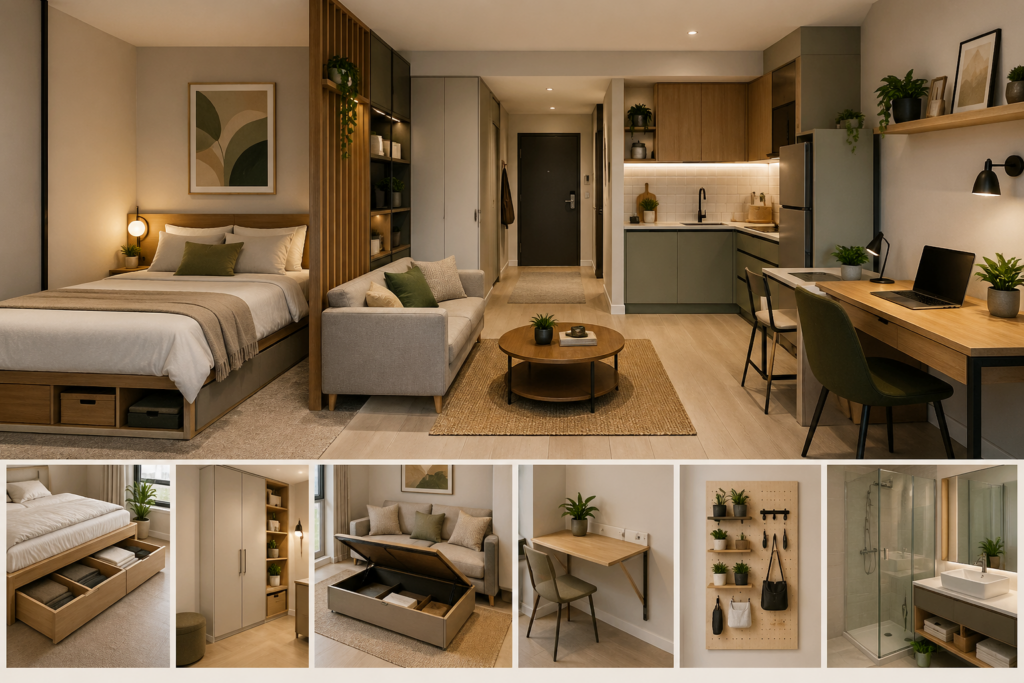
How to Design a Studio Apartment Efficiently: Smart Space-Saving Ideas for Modern Living avinnyyaadmin Principal Designer Designing a studio apartment efficiently is both an exciting and challenging task. With limited square footage, every inch of space matters, and poor planning can quickly lead to clutter and discomfort. However, with the right strategies, even the smallest studio can be transformed into a stylish, functional, and comfortable living space. Studio apartments are becoming increasingly popular in modern cities due to affordability and convenience. Whether you’re a student, working professional, or minimalist lifestyle enthusiast, mastering efficient design is key to making your space feel larger and more livable. In this guide, you’ll learn practical and creative ways to optimize your studio apartment—from layout planning and furniture selection to lighting and décor—so you can achieve both functionality and aesthetic appeal. Understanding Studio Apartment Layouts A studio apartment is a single open space that combines the living room, bedroom, and kitchen into one area, often with a separate bathroom. Because there are no internal walls dividing these functions, thoughtful design becomes essential. There are different types of studio layouts. A traditional open-plan studio is one large room, while an alcove studio includes a small nook that can be used as a sleeping area. Convertible studios are slightly larger and allow for flexible partitioning. Understanding your specific layout helps you make better design decisions. Before adding furniture or décor, take time to observe how natural light flows, where windows are placed, and how movement happens within the space. Planning Your Space Efficiently Efficient design begins with proper planning. Start by measuring your apartment and creating a simple floor plan. This step helps you visualize how different elements will fit together. Next, identify the essential zones you need—sleeping, living, dining, and possibly a workspace. Prioritize these areas based on your lifestyle. For example, if you work from home, your workspace should be more prominent. Avoid the common mistake of buying furniture before planning. Instead, decide the layout first, then select furniture that fits your design. A well-thought-out plan ensures your studio remains organized and functional. Zoning Without Walls One of the biggest challenges in a studio apartment is creating separate areas without building walls. The solution lies in visual zoning. Rugs are a simple yet effective way to define different zones. A rug under your sofa can mark the living area, while another near the bed distinguishes the sleeping space. Open shelving units can act as dividers without blocking light. Curtains and folding screens provide flexibility, allowing you to create privacy when needed and open up the space when desired. Glass partitions are another modern option. They maintain openness while subtly separating areas, making your studio feel more structured without appearing cramped. Choosing Multi-Functional Furniture In a studio apartment, furniture must serve more than one purpose. Multi-functional pieces are essential for saving space and enhancing usability. A sofa bed is one of the most popular choices, allowing your living room to transform into a bedroom at night. Murphy beds are another excellent option, folding into the wall to free up space during the day. Storage ottomans and benches provide hidden compartments for storing items like blankets, books, or seasonal clothing. Foldable tables and wall-mounted desks are ideal for dining or working without occupying permanent space. By investing in versatile furniture, you maximize functionality without overcrowding your studio. Smart Storage Solutions Storage is often the biggest concern in small apartments. Without proper organization, even a well-designed studio can feel chaotic. Vertical storage is a game changer. Installing shelves that extend up to the ceiling helps utilize unused wall space. This keeps your floor area open and makes the room feel larger. Under-bed storage is another effective solution. Use storage boxes or beds with built-in drawers to keep items neatly tucked away. Hidden storage furniture, such as beds with compartments or coffee tables with storage, adds extra functionality. Additionally, adopting a minimalist mindset—keeping only what you truly need—can significantly reduce clutter. Maximizing Natural Light Natural light plays a crucial role in making a studio apartment feel spacious and inviting. Dark, poorly lit spaces tend to feel smaller and more confined. Use sheer curtains instead of heavy drapes to allow sunlight to flow freely. Avoid placing bulky furniture near windows, as it can block light and disrupt the openness of the space. Mirrors are a powerful tool for enhancing light. Placing a mirror opposite a window reflects sunlight and creates the illusion of a larger room. A bright, airy environment not only improves aesthetics but also boosts mood and productivity. Color Palette and Visual Tricks The choice of colors can dramatically impact how your studio apartment feels. Light and neutral shades such as white, beige, and soft pastels help create an open and airy atmosphere. While it’s tempting to experiment with bold colors, it’s best to use them sparingly. An accent wall or colorful décor pieces can add personality without overwhelming the space. Consistency in color flow is important. Using too many contrasting colors can make the apartment feel cluttered. Instead, stick to a cohesive palette for a clean and harmonious look. Mirrors, glossy finishes, and reflective surfaces further enhance the perception of space, making your studio appear larger than it actually is. Lighting Design for Studio Apartments Good lighting is essential for both functionality and ambiance. In a studio apartment, layered lighting works best. Ambient lighting provides overall illumination, while task lighting focuses on specific activities like reading or cooking. Accent lighting adds depth and highlights décor elements. Wall-mounted lights and pendant lights are ideal for saving space. Avoid large floor lamps that take up valuable floor area. Smart lighting solutions, such as adjustable brightness and color temperature, allow you to adapt the atmosphere according to your needs throughout the day. Kitchen and Dining Optimization The kitchen in a studio apartment is usually compact, so efficient organization is key. Keep countertops clutter-free by using wall-mounted racks, hooks, and magnetic strips for utensils. Vertical storage can also be applied
Minimalist Interior Design for Clutter-Free Living
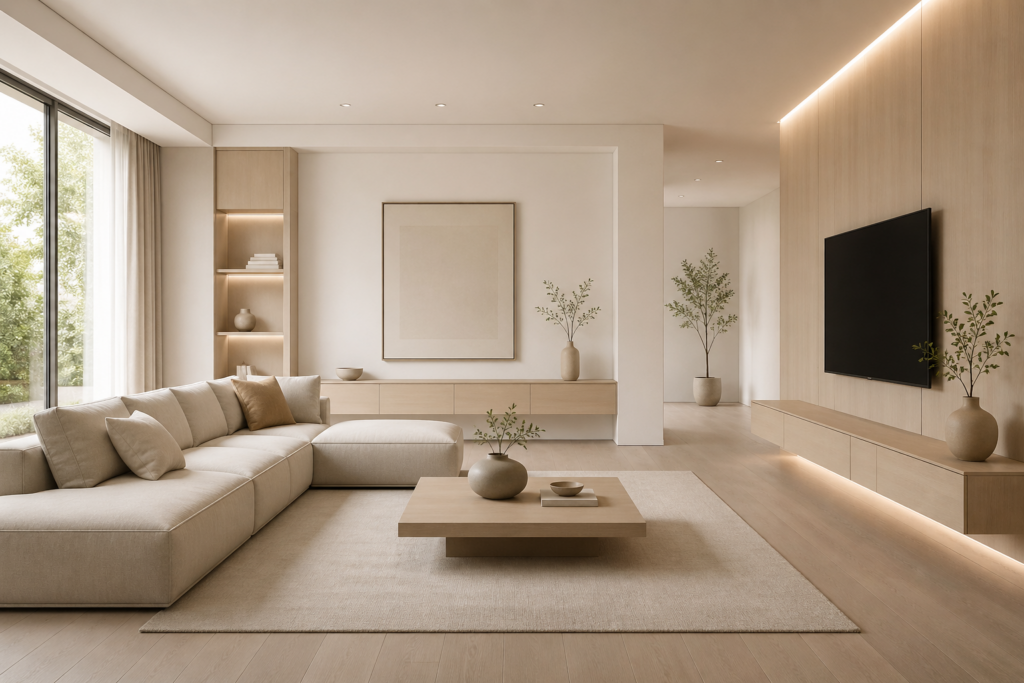
Minimalist Interior Design for Clutter-Free Living avinnyyaadmin Principal Designer In today’s fast-paced world, our homes should be more than just places to live—they should be spaces where we can relax, recharge, and feel at peace. However, clutter often stands in the way of achieving that sense of calm. This is where minimalist interior design comes in. Minimalist design is not about empty rooms or sacrificing comfort. Instead, it focuses on intentional living—keeping only what truly adds value while removing excess. A clutter-free home doesn’t just look beautiful; it also improves mental clarity, reduces stress, and enhances overall well-being. In this detailed guide by Avinnyya, you’ll learn how to transform your home into a minimalist sanctuary using practical strategies, room-by-room ideas, and sustainable habits. What is Minimalist Interior Design? Minimalist interior design is a design philosophy centered around the idea of “less is more.” It emphasizes simplicity, functionality, and clean aesthetics while eliminating unnecessary elements. Core Principles of Minimalism At its heart, minimalist design is guided by a few essential principles: Simplicity: Every element in a room should serve a purpose. Functionality: Furniture and decor should be practical and useful. Clean Lines: Straight, uncluttered lines create a sense of order. Open Spaces: Avoid overcrowding to allow the space to breathe. Minimalism is often misunderstood as making a home feel empty or cold. In reality, it’s about creating balance—where each piece stands out and contributes to the overall harmony of the space. Benefits of a Clutter-Free Minimalist Home Adopting minimalist interior design offers more than just visual appeal. It brings tangible benefits that improve your lifestyle. Reduced Stress and Mental Clarity Clutter can overwhelm the mind, making it harder to focus or relax. A minimalist environment promotes calmness and mental clarity. Easier Maintenance With fewer items to manage, cleaning becomes quicker and more efficient. This saves both time and effort in your daily routine. Better Space Utilization Minimalist design ensures that every inch of space is used effectively, making even small homes feel larger and more open. Financial Savings When you focus on buying fewer, high-quality items, you naturally spend less on unnecessary purchases. Enhanced Aesthetic Appeal A minimalist home looks modern, elegant, and timeless—qualities that never go out of style. Core Elements of Minimalist Interior Design To achieve a clutter-free home, it’s important to understand the essential elements that define minimalist interiors. Neutral Color Palette Minimalist spaces typically use neutral colors like white, beige, grey, and soft earth tones. These colors create a calm and cohesive look. You can add depth through textures such as linen, wood, or subtle patterns without overwhelming the space. Functional Furniture In minimalist design, furniture should be both beautiful and practical. Multi-functional pieces, such as storage beds or foldable tables, are ideal. Instead of filling a room with multiple items, choose fewer pieces that serve multiple purposes. Open Space and Layout Minimalism thrives on open layouts. Avoid overcrowding rooms with too much furniture or decor. Leaving empty space is intentional—it enhances the overall design. Natural Light Lighting plays a crucial role in minimalist interiors. Large windows, sheer curtains, and strategically placed mirrors help maximize natural light, making spaces feel brighter and more inviting. Minimal Decor Decor in a minimalist home should be intentional. Instead of displaying many small items, opt for a few statement pieces like artwork, plants, or sculptures. Step-by-Step Guide to Achieving a Minimalist Home Transforming your home doesn’t happen overnight, but following a structured approach makes the process manageable. Declutter First Start by removing items you no longer need. Go room by room and categorize belongings into: Keep Donate Discard This step is crucial because minimalism begins with eliminating excess. Choose a Simple Color Scheme Limit your color palette to two or three main shades. This creates visual harmony and prevents the space from feeling chaotic. Invest in Smart Storage Solutions Hidden storage helps maintain a clean look. Consider: Built-in cabinets Under-bed storage Wall-mounted shelves These solutions keep essentials accessible without creating visual clutter. Reduce Furniture Evaluate each piece of furniture and ask whether it’s truly necessary. Removing bulky or unused items instantly creates more space. Adopt a “One In, One Out” Rule To maintain a clutter-free home, adopt this simple rule: whenever you bring in something new, remove an old item. Minimalist Design Ideas for Each Room Every room in your home can benefit from minimalist design principles. Living Room The living room should feel open and inviting. Choose a neutral sofa, a simple coffee table, and minimal decor. Avoid overcrowding shelves and keep surfaces clean. A single piece of artwork or a plant can serve as a focal point. Bedroom A minimalist bedroom promotes better sleep and relaxation. Use simple bedding, neutral tones, and minimal furniture. Keep bedside tables uncluttered and limit decor to a few meaningful items. Kitchen A clutter-free kitchen is both functional and visually appealing. Keep countertops clear by storing appliances inside cabinets. Use organizers to keep utensils and ingredients neatly arranged. Bathroom In minimalist bathrooms, less is more. Keep only essential products visible and store the rest in cabinets or drawers. Use clean lines and neutral colors to create a spa-like atmosphere. Home Office A minimalist workspace enhances productivity. Keep your desk clean, organize cables, and avoid unnecessary items that can distract you. Common Mistakes to Avoid While minimalism is simple in concept, it’s easy to make mistakes during implementation. Over-Decluttering Removing too many items can make a space feel cold and uninviting. Balance is key. Ignoring Comfort Minimalism should not compromise comfort. Choose furniture that is both functional and comfortable. Buying Unnecessary “Minimalist” Decor Minimalism is not about buying new items labeled as “minimal.” Focus on reducing, not replacing. Lack of Storage Planning Without proper storage, clutter can quickly return. Plan your storage solutions carefully. Budget-Friendly Minimalist Tips You don’t need a large budget to embrace minimalist design. Repurpose Existing Furniture Instead of buying new items, update what you already have with simple changes like repainting or rearranging. DIY Storage Solutions Create your own storage
Multi-Functional Furniture Ideas for Small Apartments
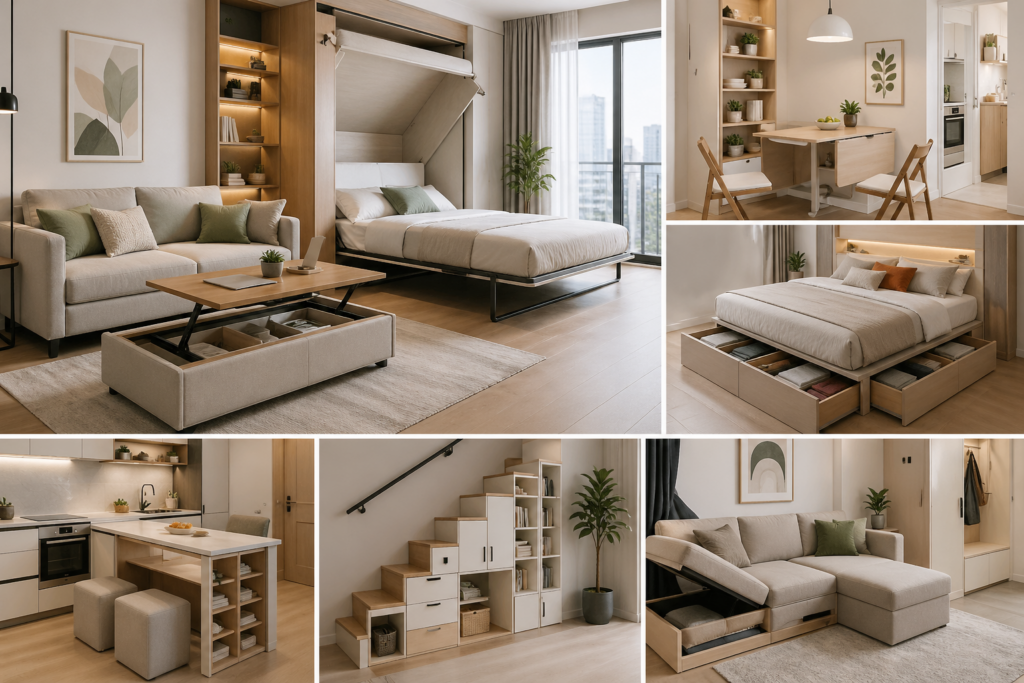
Multi-Functional Furniture Ideas for Small Apartments avinnyyaadmin Principal Designer Living in a small apartment often feels like solving a daily puzzle. Every piece of furniture must justify its existence, every corner needs to serve a purpose, and clutter can quickly make the space feel overwhelming. With urban living on the rise and apartment sizes shrinking, the need for intelligent space solutions has never been greater. This is where multi-functional furniture becomes a game changer. Multi-functional furniture is not just about saving space—it’s about transforming how you live. Imagine a sofa that turns into a bed, a table that doubles as a workspace, or a bed that hides an entire storage system beneath it. These innovations allow you to enjoy comfort, style, and practicality without compromising on any aspect. In this comprehensive guide by Avinnyya, we’ll explore the best multi-functional furniture ideas for small apartments, along with expert tips to help you design a home that feels spacious, organized, and effortlessly stylish. Why Multi-Functional Furniture is Essential for Small Spaces Maximizing Space Efficiency In compact apartments, every square foot matters. Traditional furniture often serves a single purpose, which can quickly lead to overcrowding. Multi-functional furniture, on the other hand, ensures that one piece can serve multiple roles. This reduces the number of items in your home while increasing usability. For example, instead of having a separate guest bed and sofa, a sofa-cum-bed allows you to merge both functions seamlessly. This kind of design thinking helps open up floor space, making your home feel larger and more breathable. Cost-Effective Living While multi-functional furniture might seem like a premium investment initially, it often proves more economical in the long run. Buying one high-quality piece that performs multiple functions is usually cheaper than purchasing several individual items. Additionally, these pieces reduce the need for future upgrades or replacements, making them a smart financial choice for homeowners and renters alike. Encouraging Minimalism Multi-functional furniture naturally promotes a minimalist lifestyle. When your furniture is designed to do more, you need less of it. This leads to a clutter-free environment that feels calm, organized, and visually appealing. Minimalism isn’t just a design trend—it’s a lifestyle shift that enhances mental clarity and improves overall well-being. Key Features to Look for in Multi-Functional Furniture When choosing multi-functional furniture, it’s important to look beyond aesthetics and focus on functionality and durability. Flexible and Foldable Designs Furniture that can fold, expand, or collapse is ideal for small spaces. Foldable tables, wall-mounted desks, and collapsible chairs allow you to free up space when the furniture is not in use. Hidden Storage Options One of the biggest advantages of multi-functional furniture is concealed storage. Beds with storage compartments, ottomans with hidden space, and coffee tables with drawers help keep your home organized without adding extra cabinets. Lightweight and Movable Furniture that is easy to move allows you to reconfigure your space based on your needs. This flexibility is especially useful in studio apartments where one room serves multiple purposes. Modular Design Modular furniture can be rearranged or customized according to your lifestyle. This adaptability ensures that your furniture evolves with your needs. Durability and Quality Since multi-functional furniture often undergoes more wear and tear, investing in durable materials and sturdy construction is essential for long-term use. Top Multi-Functional Furniture Ideas for Small Apartments Sofa Cum Beds: The Ultimate Space Saver A sofa-cum-bed is one of the most popular and practical furniture choices for small apartments. During the day, it serves as a comfortable seating area, and at night, it transforms into a bed. This is especially useful for studio apartments or homes that frequently host guests. Modern designs also prioritize comfort, ensuring that you don’t have to compromise on sleep quality. Storage Beds: Hidden Functionality Storage beds are a brilliant solution for maximizing unused space. With built-in drawers or hydraulic lift mechanisms, these beds provide ample storage for clothes, bedding, and seasonal items. This eliminates the need for additional wardrobes or storage units, keeping your bedroom clean and spacious. Foldable Dining Tables: Compact Yet Functional Dining tables can take up significant space, especially in small homes. Foldable or wall-mounted dining tables offer a smart alternative. These tables can be expanded when needed and folded away when not in use, making them perfect for compact kitchens and living areas. Nesting Tables: Smart and Stylish Nesting tables are a versatile addition to any small apartment. These tables can be stacked together when not in use and separated when needed. They are perfect for serving guests, holding decor, or functioning as temporary workspaces. Ottomans with Storage: Dual-Purpose Comfort Ottomans are not just footrests—they can also serve as storage units, extra seating, or even coffee tables. Their compact size and versatility make them a must-have for small living rooms. Wall-Mounted Desks: Work-from-Home Essential With remote work becoming increasingly common, having a dedicated workspace is important. Wall-mounted desks provide a practical solution without occupying permanent space. These desks can be folded away after use, keeping your home looking neat and organized. Convertible Coffee Tables: Multi-Level Functionality Convertible coffee tables can be adjusted in height or expanded into dining tables or work desks. This flexibility makes them ideal for small living rooms where space is limited. Bunk Beds with Study or Storage For families or shared apartments, bunk beds with built-in desks or storage compartments are incredibly efficient. They combine sleeping, studying, and storage into a single unit. Sliding Wardrobes with Mirrors Sliding wardrobes save space by eliminating the need for door clearance. Adding mirrors enhances functionality while making the room appear larger and brighter. Modular Sofas: Adaptable Living Modular sofas allow you to rearrange seating based on your needs. Whether you want a compact setup or a larger seating arrangement for guests, these sofas provide unmatched flexibility. Smart Design Tips for Small Apartments Designing a small apartment requires thoughtful planning and creativity. Using vertical space effectively can significantly increase storage without occupying floor area. Wall shelves, hanging racks, and tall cabinets help maximize space. Light colors play
Smart Storage Ideas for Compact Homes | Space-Saving Tips by Avinnyya
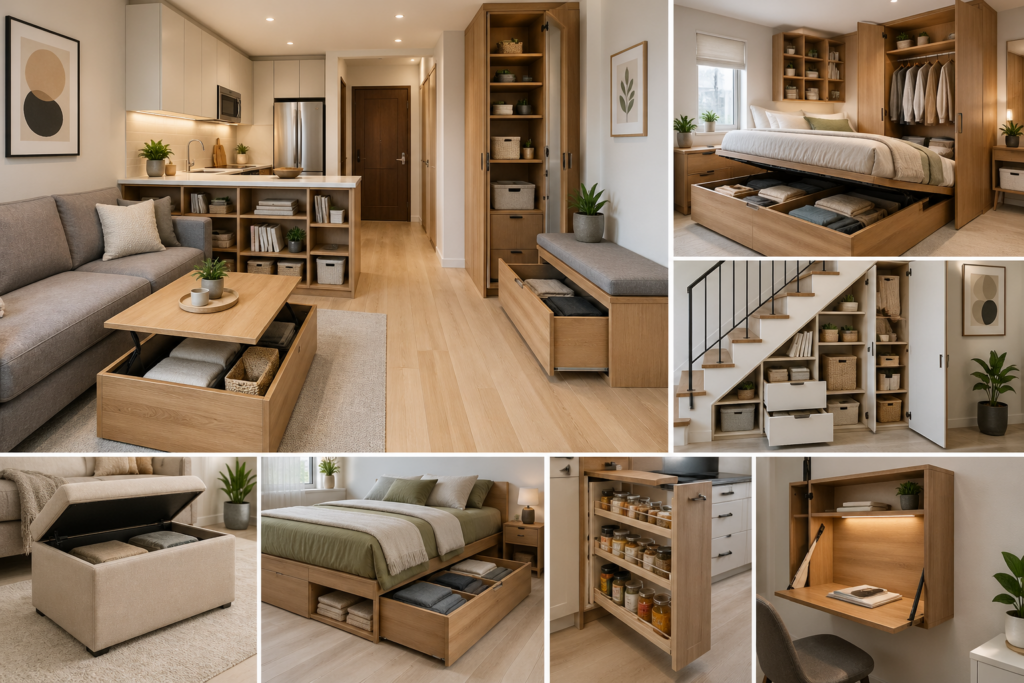
Smart Storage Ideas for Compact Homes: Maximize Space Without Compromising Style avinnyyaadmin Principal Designer Living in a compact home doesn’t mean you have to compromise on comfort, organization, or aesthetics. With urban spaces becoming increasingly limited, especially in modern apartments and small houses, smart storage solutions have become essential rather than optional. The key lies in using every inch of your home efficiently while maintaining a clean and stylish look. Whether you live in a studio apartment or a small family home, clutter can quickly take over if storage isn’t planned strategically. This is where thoughtful design and creative storage ideas come into play. At Avinnyya, the focus is on blending functionality with elegance, helping homeowners transform even the smallest spaces into well-organized, visually appealing environments. In this detailed guide, you’ll discover practical, stylish, and budget-friendly smart storage ideas that will help you maximize space without sacrificing design. Why Smart Storage Matters in Compact Homes Maximizing Limited Space In compact homes, every square foot counts. Poor storage planning can make even a decent-sized room feel cramped and chaotic. Smart storage ensures that every corner is utilized effectively, turning unused areas into functional spaces. Enhancing Visual Appeal A clutter-free home automatically looks bigger and more inviting. Organized storage reduces visual noise, creating a calm and harmonious environment that enhances the overall interior design. Improving Daily Functionality When everything has a designated place, daily routines become smoother. You spend less time searching for items and more time enjoying your space. Boosting Mental Well-being A well-organized home can significantly reduce stress and improve productivity. Clean, structured spaces are known to have a positive impact on mental clarity and overall well-being. Multi-Functional Furniture: The Game Changer Furniture That Does More Than One Job In compact homes, furniture should never serve just one purpose. Multi-functional furniture is one of the smartest investments you can make. Beds with built-in storage drawers or hydraulic lift systems allow you to store seasonal clothing, bedding, or rarely used items without occupying additional space. Sofa-cum-beds are perfect for small living rooms, doubling as guest beds when needed. Foldable dining tables and extendable desks can be tucked away when not in use, freeing up valuable floor space. Hidden Storage in Everyday Pieces Ottomans, benches, and coffee tables with hidden compartments provide discreet storage options while maintaining a clean look. These pieces help keep clutter out of sight without compromising accessibility. Flexibility with Modular Designs Modular furniture allows you to customize your layout based on your needs. You can rearrange, expand, or reduce components as required, making it ideal for evolving lifestyles. Vertical Space Utilization Think Beyond Floor Space One of the most overlooked areas in compact homes is vertical space. Walls offer immense potential for storage without occupying floor area. Installing wall-mounted shelves can instantly increase storage capacity. Tall cabinets that extend up to the ceiling make use of otherwise wasted space and are perfect for storing items that are not frequently used. Smart Wall Storage Ideas Floating shelves, pegboards, and hanging organizers are excellent additions to kitchens, living rooms, and even bedrooms. They keep essentials within reach while maintaining a neat appearance. Balancing Accessibility and Design While using vertical storage, it’s important to strike a balance. Frequently used items should be placed at eye level, while less-used items can be stored higher up. This ensures convenience without compromising safety. Hidden Storage Hacks Making Use of Invisible Spaces Hidden storage solutions are ideal for maintaining a minimalist aesthetic. These clever ideas utilize spaces that are often ignored. Under-stair storage is perfect for homes with staircases, offering room for drawers, cabinets, or even small workstations. Similarly, storage behind mirrors or inside wall niches adds functionality without altering the visual appeal of the room. Built-In Storage Solutions Custom-built furniture with hidden compartments is another effective way to maximize storage. From beds with concealed sections to sofas with storage arms, these designs help keep your home clutter-free. Maintaining a Clean Look Hidden storage ensures that your belongings are easily accessible yet out of sight, creating a seamless and organized environment. Smart Kitchen Storage Solutions Optimizing Every Corner The kitchen is one of the most storage-intensive areas in any home. In compact kitchens, efficient organization is crucial. Pull-out pantry units make it easy to access items stored at the back. Corner carousel units utilize awkward corners effectively, ensuring no space is wasted. Magnetic knife strips and wall-mounted racks free up counter space while keeping essentials within reach. Drawer and Cabinet Organization Drawer dividers help categorize utensils, making them easier to find. Transparent containers allow you to quickly identify contents, while labeled jars add a touch of organization and style. Decluttering Countertops Keeping countertops clear not only improves functionality but also enhances the overall look of your kitchen. Smart storage ensures everything has a designated place. Bedroom Storage Optimization Maximizing Under-Bed Space The area under your bed is a goldmine for storage. Hydraulic beds or storage drawers can accommodate bulky items like blankets, suitcases, and seasonal clothing. Efficient Wardrobe Design Sliding door wardrobes are ideal for compact bedrooms as they save space compared to traditional hinged doors. Incorporating internal organizers such as shelves, hanging rods, and compartments improves functionality. Using Overhead Storage Overhead cabinets are perfect for storing items that are not used daily. They help maximize vertical space without cluttering the room. Small Additions That Make a Big Difference Hooks behind doors, bedside organizers, and compact nightstands can significantly improve storage without taking up much space. Bathroom Storage Solutions Making the Most of Limited Space Bathrooms in compact homes often lack sufficient storage. However, with the right solutions, even the smallest bathroom can be organized efficiently. Wall-mounted cabinets and shelves provide storage without occupying floor space. Over-the-toilet shelving units utilize vertical space effectively. Organizing Essentials Using baskets, bins, and drawer organizers helps keep toiletries neatly arranged. Shower caddies ensure that daily essentials are easily accessible. Maintaining Cleanliness and Hygiene Proper storage reduces clutter, making it easier to clean and maintain hygiene in the bathroom.
Space-Saving Interior Design: Smart Ways to Maximize Small Spaces
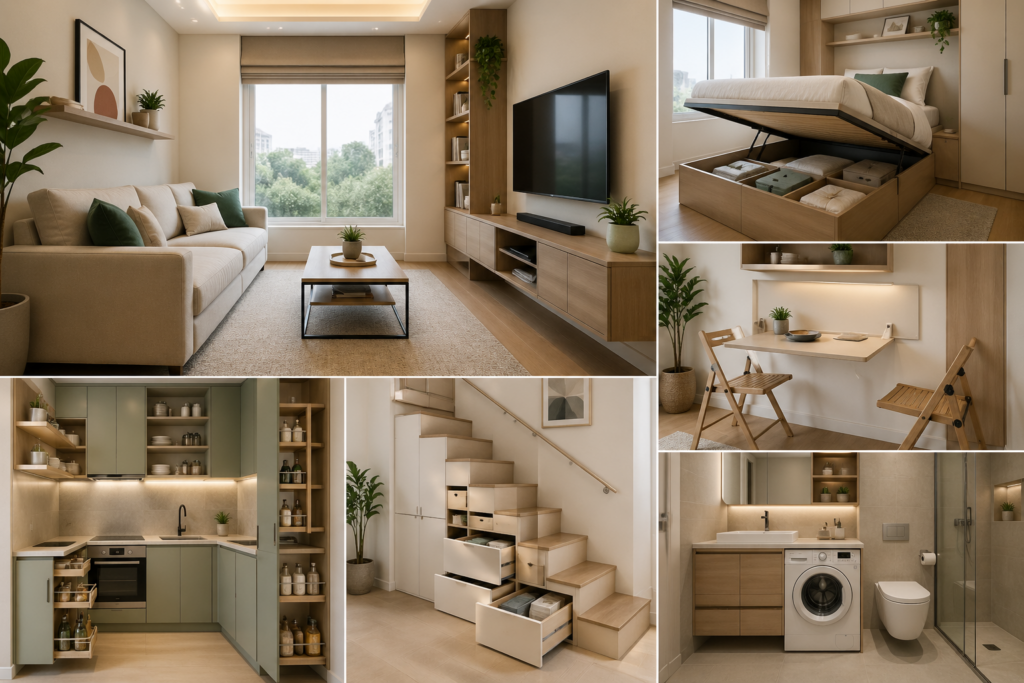
Space-Saving Interior Design: Smart Ways to Maximize Small Spaces avinnyyaadmin Principal Designer Modern urban living often comes with a trade-off—less space. As cities grow denser and property prices rise, homeowners are increasingly adapting to compact apartments and smaller homes. However, limited square footage doesn’t have to mean limited comfort or style. With thoughtful planning and creative solutions, even the smallest spaces can feel open, functional, and visually appealing. Space-saving interior design focuses on optimizing every inch of available space without compromising on aesthetics. It blends smart furniture, clever layouts, and innovative storage solutions to create homes that feel spacious and organized. At Avinnyya, the goal is to transform compact living areas into elegant, highly functional environments tailored to modern lifestyles. Understanding Small Space Challenges Designing small spaces requires a different mindset compared to larger homes. One of the most common challenges is clutter accumulation. Without proper storage, everyday items quickly pile up, making the space feel cramped and chaotic. Another issue is poor layout planning, where furniture placement blocks natural movement and disrupts flow. Limited natural light can also make a room appear smaller than it actually is. Dark corners and heavy furniture absorb light, creating a closed-in feeling. Additionally, lack of dedicated storage often forces homeowners to compromise on organization. Understanding these challenges is the first step toward solving them. A well-designed small space prioritizes functionality, simplicity, and visual openness, ensuring that every element serves a purpose. Smart Furniture Choices Multi-Functional Furniture One of the most effective ways to maximize space is by investing in multi-functional furniture. These pieces serve more than one purpose, reducing the need for additional items. For example, a sofa bed can function as seating during the day and transform into a sleeping area at night, making it ideal for studio apartments or guest rooms. Storage ottomans are another excellent option, offering both seating and hidden storage. Foldable dining tables can be expanded when needed and tucked away when not in use. Beds with built-in drawers eliminate the need for bulky wardrobes or extra storage units. By choosing furniture that adapts to different needs, homeowners can significantly reduce clutter and free up valuable floor space. Modular Furniture Modular furniture is designed to be flexible and customizable. It allows homeowners to rearrange or expand their setup based on changing requirements. For small spaces, this adaptability is incredibly valuable. Modular wardrobes, for instance, can be configured to fit awkward corners or tight spaces. Shelving units can be adjusted to accommodate different items, ensuring efficient use of vertical space. This type of furniture not only maximizes functionality but also provides a clean, cohesive look. Wall-Mounted and Floating Pieces Wall-mounted furniture is a game-changer for compact homes. Floating desks, shelves, and TV units free up floor space, making the room appear larger and less cluttered. They also create a sleek, modern aesthetic. Floating nightstands and wall-mounted cabinets are particularly useful in bedrooms, where space is often limited. By keeping the floor clear, these elements enhance both functionality and visual appeal. Clever Storage Solutions Vertical Space Utilization In small homes, vertical space is often underutilized. Instead of spreading storage horizontally, going upward can significantly increase capacity. Floor-to-ceiling cabinets, tall bookshelves, and hanging organizers make use of otherwise unused wall space. This approach not only provides more storage but also draws the eye upward, creating the illusion of higher ceilings and a more spacious room. Hidden Storage Ideas Hidden storage solutions are essential for maintaining a clean and uncluttered look. Under-bed storage compartments are perfect for storing seasonal clothing, bedding, or rarely used items. Furniture with concealed compartments—such as coffee tables with hidden storage or benches with lift-up seats—adds functionality without adding visual bulk. Even staircases can be transformed into storage units with built-in drawers. Built-In Storage Built-in storage is one of the most efficient ways to maximize small spaces. Custom cabinetry can be designed to fit specific dimensions, ensuring no space is wasted. Window seats with storage underneath provide both seating and functionality. Niche shelves built into walls are another smart solution, offering storage without protruding into the room. These features create a seamless, integrated look while enhancing usability. Layout Optimization Techniques The layout of a room plays a crucial role in how spacious it feels. Open-plan layouts are particularly effective for small homes, as they eliminate unnecessary walls and create a sense of continuity. Zoning is another important technique. Instead of using physical partitions, different areas can be defined using rugs, lighting, or furniture placement. For example, a sofa can act as a divider between the living and dining areas. Strategic furniture placement is key. Positioning furniture against walls and utilizing corners can free up central space, improving movement and flow. Avoiding bulky partitions ensures that light can travel freely throughout the room. Light and Color Strategies Light Colors and Neutrals Color has a significant impact on how a space is perceived. Light colors such as white, beige, and soft pastels reflect light, making a room appear larger and more open. Monochromatic color schemes further enhance this effect by creating visual continuity. Dark colors, while stylish, can make small spaces feel enclosed if not used carefully. Balancing them with lighter tones is essential. Mirrors and Reflective Surfaces Mirrors are one of the oldest tricks in the book for making spaces look bigger. They reflect light and create the illusion of depth, effectively doubling the perceived size of a room. Placing mirrors opposite windows maximizes natural light, while mirrored furniture and glossy finishes add a subtle reflective quality that enhances brightness. Lighting Design Proper lighting is crucial in small spaces. Layered lighting—combining ambient, task, and accent lighting—ensures that every corner is well-lit. Wall sconces and pendant lights are excellent alternatives to floor lamps, as they save space while providing ample illumination. LED strip lighting can be used under cabinets or shelves to add depth and dimension. Space-Enhancing Design Tricks Small design changes can have a big impact. Using glass or transparent materials for furniture, such as acrylic chairs or
Dining Room Interior Design Ideas for Modern Homes | Stylish & Functional Guide
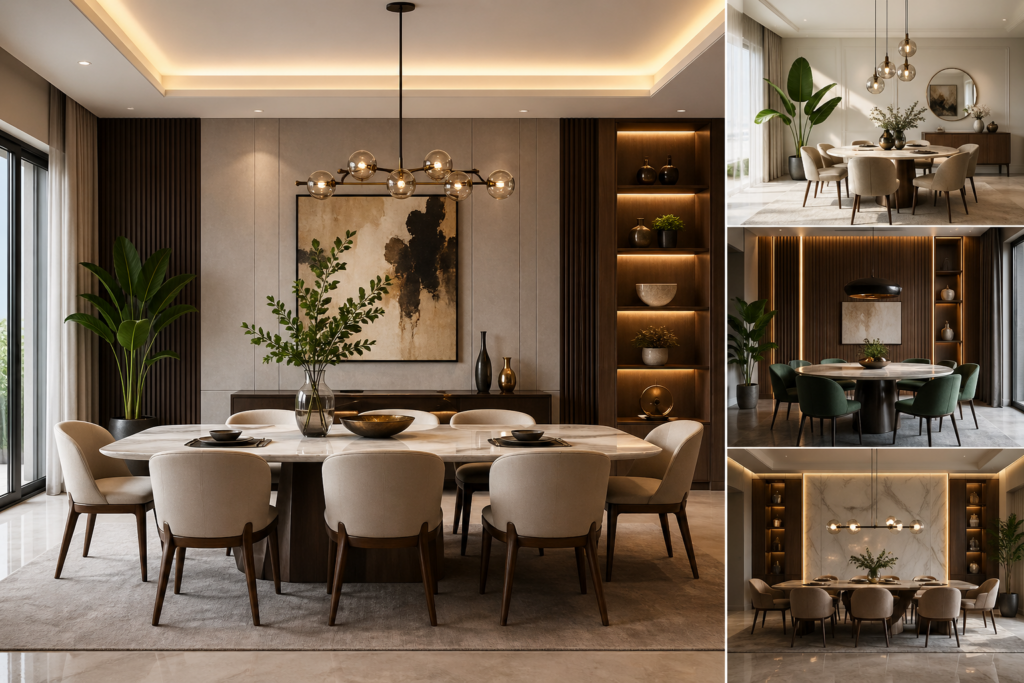
Dining Room Interior Design Ideas for Modern Homes: Stylish & Functional Inspirations Vallari Shah Principal Designer In today’s modern homes, the dining room is no longer just a place to eat—it has evolved into a multifunctional space where families gather, conversations flow, and memories are created. With changing lifestyles and compact living spaces, homeowners are increasingly looking for dining room interior design ideas that balance aesthetics with functionality. A well-designed dining room enhances the overall look of your home while also making everyday dining more comfortable and enjoyable. Whether you live in a spacious villa or a compact apartment, the right design choices can transform your dining area into a stylish and inviting space. In this comprehensive guide by Avinnyya, you’ll discover practical and creative ideas to design a modern dining room that reflects your personality while maximizing space and comfort. 2. Key Elements of Modern Dining Room Design 2.1 Minimalism with Purpose Modern dining room design is deeply rooted in minimalism, but it’s not about creating empty spaces—it’s about intentional design. Every piece of furniture and decor should serve a purpose. Clean lines, uncluttered layouts, and simple silhouettes dominate modern interiors. Instead of filling the room with excessive décor, focus on a few high-quality elements that stand out. For instance, a sleek dining table paired with elegant chairs can create a strong visual impact without overwhelming the space. Minimalism also improves functionality. With fewer items, cleaning and maintaining the space becomes easier, making it ideal for busy households. 2.2 Neutral Color Palettes Neutral tones are the backbone of modern dining room design. Shades like white, beige, grey, and soft earth tones create a calm and sophisticated ambiance. These colors serve as a perfect canvas, allowing you to experiment with textures and accents. For example, pairing a beige dining setup with wooden textures adds warmth, while subtle metallic accents introduce a touch of luxury. To avoid monotony, you can incorporate accent colors through cushions, artwork, or table décor. Deep greens, navy blues, or muted terracotta tones work beautifully in modern settings. 2.3 Smart Lighting Choices Lighting plays a crucial role in defining the mood of a dining room. Modern homes often use layered lighting to create a balanced and functional environment. A statement pendant light or chandelier above the dining table acts as a focal point while providing adequate illumination. Ambient lighting ensures the room feels warm and welcoming, while accent lighting highlights décor elements like artwork or wall textures. Natural light is equally important. Large windows, sheer curtains, or glass partitions can help maximize daylight, making the dining area feel more open and inviting. 3. Furniture Selection for Modern Dining Rooms 3.1 Dining Tables The dining table is the centerpiece of the room, so choosing the right one is essential. Modern dining tables come in various materials, including wood, glass, marble, and engineered finishes. Wooden tables offer warmth and durability, while glass tables create a sense of openness, making them ideal for smaller spaces. Marble tables add a luxurious touch but require more maintenance. The shape of the table also matters. Rectangular tables are perfect for larger families, while round tables encourage better interaction and work well in compact areas. Extendable tables are a smart choice for modern homes, as they provide flexibility for hosting guests. 3.2 Dining Chairs Dining chairs should strike a balance between comfort and style. Upholstered chairs provide a cozy seating experience, while wooden or metal chairs offer a sleek, modern look. Mixing and matching chair styles is a popular trend in modern interiors. For example, you can pair a wooden table with upholstered chairs in contrasting colors to create visual interest. Ergonomics should not be overlooked. Comfortable seating ensures that your dining area remains functional for long meals and gatherings. 3.3 Storage Solutions Modern dining rooms often incorporate smart storage solutions to keep the space organized. Sideboards and buffets are excellent additions, offering both storage and display space. Built-in cabinets provide a seamless look, especially in compact homes. Open shelving can be used to display decorative items, crockery, or plants, adding personality to the space. 4. Space Optimization Ideas 4.1 Small Dining Room Solutions Designing a dining area in a small space can be challenging, but smart solutions can make a big difference. Foldable or extendable tables are ideal for compact homes, as they can be adjusted based on your needs. Wall-mounted tables and benches help save floor space while maintaining functionality. Mirrors are another effective tool—they reflect light and create the illusion of a larger space. Using light colors and minimal furniture also helps prevent the area from feeling cramped. 4.2 Open-Plan Dining Areas Open-plan layouts are a hallmark of modern homes. Integrating the dining area with the living room or kitchen creates a seamless flow and enhances the sense of space. To define the dining area within an open layout, you can use rugs, lighting fixtures, or furniture placement. For example, a statement pendant light above the dining table visually separates it from the rest of the space. 5. Trending Dining Room Design Styles 5.1 Scandinavian Style Scandinavian design focuses on simplicity, functionality, and natural elements. Light-colored wood, neutral tones, and minimal décor define this style. This approach is perfect for creating a cozy yet modern dining space that feels both airy and inviting. 5.2 Industrial Style Industrial dining rooms feature raw materials like metal, exposed brick, and concrete finishes. Dark tones and bold lighting fixtures add character to the space. This style works well in urban homes and loft-style apartments. 5.3 Contemporary Luxury For those who prefer a more refined look, contemporary luxury design combines modern aesthetics with premium materials. Think marble tables, velvet chairs, statement lighting, and metallic accents. This style emphasizes elegance while maintaining a modern edge. 5.4 Bohemian Vibes Bohemian dining rooms are vibrant, eclectic, and full of personality. They incorporate patterns, textures, and natural elements like plants. This style allows for creativity and individuality, making it ideal for homeowners who want a unique and relaxed dining
Bathroom Interior Design Ideas for a Luxury Feel
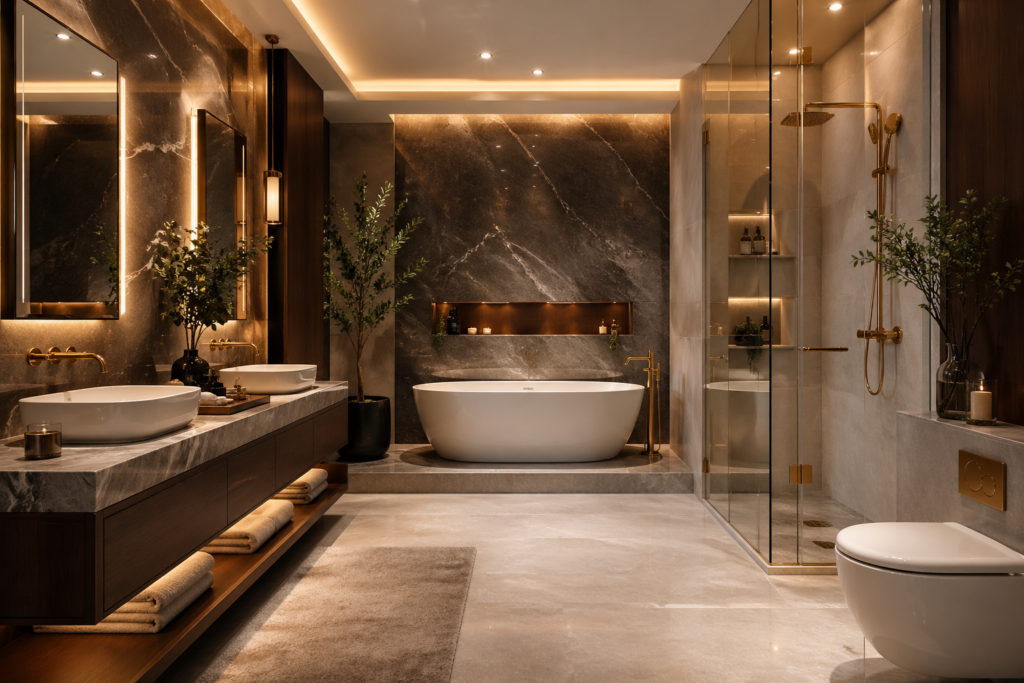
Bathroom Interior Design Ideas for a Luxury Feel avinnyyaadmin Principal Designer Bathrooms have evolved far beyond their traditional purpose of being purely functional spaces. Today, they are seen as personal sanctuaries—places where you begin and end your day. A thoughtfully designed bathroom can significantly elevate your lifestyle by offering relaxation, comfort, and visual indulgence. Creating a luxury bathroom isn’t just about spending more money; it’s about making intentional design choices that combine aesthetics with functionality. From high-end materials and elegant lighting to smart technology and spa-inspired features, every detail contributes to the overall experience. Whether you have a spacious master bathroom or a compact urban layout, there are countless ways to infuse a sense of luxury into your design. Key Elements of a Luxury Bathroom Design Premium Materials that Define Elegance The foundation of any luxurious bathroom lies in the materials you choose. High-quality materials not only enhance the visual appeal but also ensure durability and long-term value. Marble remains one of the most popular choices for luxury bathrooms due to its timeless beauty and natural veining. Granite and quartz are also excellent options, offering a balance of sophistication and practicality. Natural stone surfaces instantly elevate the space, giving it a rich and refined look. For a warmer touch, incorporating wooden elements—such as vanity cabinets or accent panels—can create a perfect contrast against stone and metal finishes. When it comes to hardware, finishes like brushed gold, matte black, and polished chrome add a premium feel without overwhelming the design. Choosing an Elegant Color Palette Color plays a crucial role in defining the mood of your bathroom. Luxury spaces often rely on a well-curated palette that feels cohesive and calming. Neutral tones such as white, beige, and soft grey create a clean and timeless backdrop. These shades also help reflect light, making the space feel larger and brighter. For those who prefer a bold and dramatic look, deeper tones like navy blue, charcoal, or emerald green can add richness and depth. A monochromatic theme offers a sleek and modern aesthetic, while contrasting colors can create visual interest and highlight key features within the space. Smart Layout Planning for Functionality A luxurious bathroom is not just about how it looks—it’s also about how it functions. Smart layout planning ensures that every element is placed thoughtfully to maximize comfort and usability. Open, clutter-free layouts are a hallmark of high-end design. Separating wet and dry areas helps maintain cleanliness and organization. This can be achieved through glass partitions or strategic placement of fixtures. Even in smaller bathrooms, efficient space planning can make a significant difference by optimizing movement and storage without compromising style. Luxury Bathroom Fixtures & Fittings Statement Bathtubs as Focal Points A freestanding bathtub is often the centerpiece of a luxury bathroom. Its sculptural presence instantly draws attention and sets the tone for the entire space. Modern designs feature sleek curves and minimalist aesthetics, while classic clawfoot tubs bring a vintage charm. Positioning the bathtub near a window or under a statement light fixture can further enhance its visual appeal, creating a spa-like atmosphere that invites relaxation. Designer Wash Basins and Vanities Wash basins are no longer just functional elements—they are design statements. Vessel sinks, for example, sit above the counter and add a contemporary touch. Floating vanities create an illusion of space while maintaining a clean and uncluttered look. Double sinks are a practical luxury, especially for shared bathrooms, offering convenience without sacrificing elegance. Materials such as stone, glass, and high-quality ceramic contribute to a sophisticated finish. High-End Faucets and Shower Systems Luxury lies in the details, and premium faucets and shower systems play a significant role in enhancing the user experience. Rain showers mimic the soothing sensation of natural rainfall, while waterfall fixtures add a unique visual element. Smart showers with temperature control and customizable settings provide both comfort and efficiency. Investing in high-quality fittings ensures longevity and a seamless user experience. Lighting for a Luxurious Ambience Layered Lighting for Depth and Function Lighting is one of the most transformative elements in bathroom design. A layered lighting approach combines ambient, task, and accent lighting to create a balanced and inviting environment. Ambient lighting provides overall illumination, while task lighting ensures clarity for activities like grooming. Accent lighting highlights architectural features, textures, or decorative elements, adding depth and dimension to the space. Decorative Lighting for Visual Impact In larger bathrooms, decorative fixtures such as chandeliers or pendant lights can serve as striking focal points. These elements add a touch of glamour and sophistication, elevating the overall aesthetic. LED mirrors with backlighting are both functional and stylish, offering optimal illumination while enhancing the modern appeal of the space. Maximizing Natural Light Natural light can make any bathroom feel more open and refreshing. Large windows, skylights, or frosted glass panels allow sunlight to filter in while maintaining privacy. The interplay of natural and artificial light creates a dynamic and inviting atmosphere. Storage Solutions with Style A clutter-free bathroom is essential for achieving a luxurious feel. Thoughtfully designed storage solutions help maintain organization without compromising aesthetics. Floating cabinets and wall-mounted units keep the floor area open, creating a sense of spaciousness. Built-in niches within shower areas provide convenient storage for toiletries while maintaining a seamless look. Minimalist shelving can also be used to display carefully selected decor items, adding personality to the space. Incorporating Spa-Like Features Wellness Additions for Ultimate Relaxation Transforming your bathroom into a spa-like retreat is one of the most effective ways to achieve luxury. Features such as steam showers and sauna setups offer therapeutic benefits while enhancing the overall experience. Jacuzzi or whirlpool bathtubs provide a relaxing escape, allowing you to unwind after a long day. These additions turn everyday routines into indulgent rituals. Enhancing the Sensory Experience Luxury is not just visual—it’s sensory. Incorporating elements like aromatherapy diffusers can create a calming ambiance, while integrated sound systems allow you to enjoy soothing music during your bath. Soft textures, pleasant fragrances, and gentle lighting all contribute to a holistic
Kitchen Interior Design Trends That Maximize Space
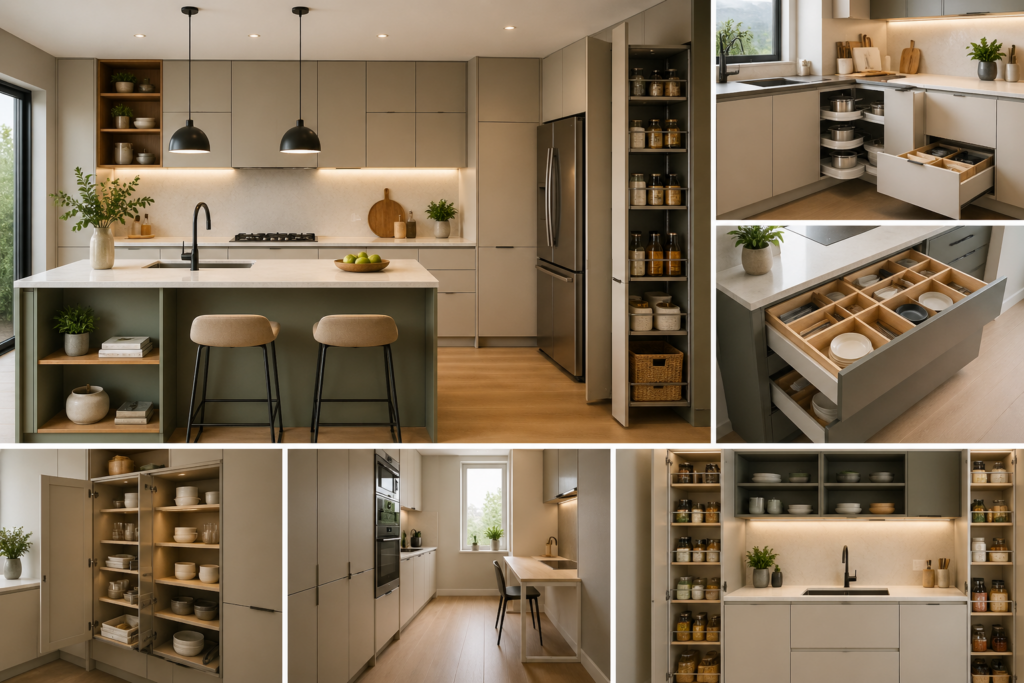
Kitchen Interior Design Trends That Maximize Space avinnyyaadmin Principal Designer In today’s fast-evolving urban lifestyle, homes are becoming more compact, making efficient space utilization more important than ever—especially in the kitchen. Often referred to as the heart of the home, the kitchen is no longer just a place for cooking; it has transformed into a multifunctional hub for dining, socializing, and even working. This shift has driven the demand for smart, space-saving kitchen interior design solutions that combine functionality with modern aesthetics. Whether you live in a compact apartment or a mid-sized home, adopting the right kitchen design trends can dramatically improve usability without compromising on style. From modular layouts to innovative storage solutions, today’s kitchen design trends are all about maximizing every inch of available space. In this comprehensive guide, we’ll explore the most effective kitchen interior design trends that maximize space, along with practical tips to help you create a kitchen that feels larger, more organized, and visually appealing. Why Space Optimization Matters in Kitchen Design Space optimization in kitchen design goes far beyond simply fitting everything into a smaller area. It’s about creating an environment that enhances efficiency, reduces clutter, and improves the overall cooking experience. A poorly designed kitchen can lead to unnecessary movement, wasted time, and frustration. On the other hand, a well-organized kitchen allows for a seamless workflow where everything is within reach. This is especially important in modern homes, where kitchens often share space with dining or living areas. Optimizing space also contributes to better hygiene and maintenance. When items are neatly stored and easily accessible, cleaning becomes simpler and faster. Additionally, a clutter-free kitchen creates a calming atmosphere, making it a more enjoyable place to spend time in. Ultimately, the goal of space optimization is to ensure that your kitchen works smarter, not harder. Top Kitchen Interior Design Trends That Maximize Space Modular Kitchen Designs: Flexibility Meets Efficiency Modular kitchens have become the cornerstone of modern kitchen design, and for good reason. These kitchens are built using pre-designed cabinet modules that can be customized to fit any space, making them ideal for both small and large homes. One of the biggest advantages of modular kitchens is their adaptability. Whether you choose an L-shaped, U-shaped, or parallel layout, modular units can be arranged to maximize efficiency and minimize wasted space. Each component—such as cabinets, drawers, and shelves—is designed to serve a specific purpose, ensuring that every inch of the kitchen is utilized effectively. Additionally, modular kitchens are easy to maintain and upgrade. If your needs change, individual modules can be replaced or reconfigured without a complete overhaul. Smart Storage Solutions: The Backbone of Space Optimization Storage is arguably the most critical aspect of a space-efficient kitchen. Modern kitchen design trends emphasize intelligent storage solutions that go beyond traditional cabinets. Pull-out drawers and cabinets are a game-changer, allowing you to access items stored at the back without hassle. Corner carousel units transform awkward corner spaces into functional storage areas, while tall pantry units make use of vertical space to store bulk items efficiently. Hidden storage compartments are another innovative trend. These include concealed drawers within drawers, toe-kick storage beneath cabinets, and integrated organizers that keep everything in its place. By incorporating smart storage solutions, you can significantly reduce clutter and create a more streamlined kitchen environment. Minimalist Design Approach: Less Clutter, More Space Minimalism continues to dominate interior design trends, and kitchens are no exception. The “less is more” philosophy focuses on eliminating unnecessary elements to create a clean and uncluttered look. In a minimalist kitchen, surfaces are kept clear, and storage is designed to hide away everyday items. Handle-less cabinets, sleek finishes, and neutral color palettes contribute to a sense of openness and simplicity. This approach not only enhances visual appeal but also makes the kitchen feel more spacious. By reducing visual noise, minimalist design allows the available space to breathe. Multi-Functional Furniture: Doing More with Less As homes become more compact, the need for multifunctional furniture has grown significantly. In the kitchen, this trend translates into elements that serve multiple purposes. For example, a kitchen island can double as a dining table, storage unit, and prep station. Foldable countertops can be extended when needed and tucked away to save space. Similarly, extendable dining tables provide flexibility for both everyday use and entertaining guests. Convertible workspaces are also gaining popularity, especially in open-plan homes. These designs allow the kitchen to seamlessly transition into a workspace or social area. Vertical Space Utilization: Thinking Beyond the Floor When floor space is limited, the key is to think vertically. Utilizing vertical space is one of the most effective ways to maximize storage without overcrowding the kitchen. Wall-mounted shelves, tall cabinets, and hanging racks make use of unused wall space. Ceiling-mounted storage options can also be used for items that are not needed frequently. By extending storage upwards, you can free up valuable counter space and maintain a clean, organized look. Open Shelving Concepts: A Modern Storage Trend Open shelving has emerged as a popular alternative to traditional cabinets, particularly in smaller kitchens. By removing bulky cabinet doors, open shelves create a sense of openness and accessibility. However, the key to successful open shelving lies in careful organization. Items should be neatly arranged and limited to essentials to avoid a cluttered appearance. Combining open shelves with closed cabinets offers the best of both worlds—easy access and hidden storage. Light Colors and Reflective Surfaces: Creating an Illusion of Space Color plays a crucial role in how spacious a kitchen feels. Light colors such as white, beige, and pastels reflect more light, making the space appear larger and brighter. Reflective surfaces, including glossy cabinets, glass backsplashes, and polished countertops, further enhance this effect by bouncing light around the room. Together, these elements create an airy and open atmosphere, even in compact kitchens. Smart Appliances and Built-ins: Compact Yet Powerful Modern kitchens are increasingly incorporating smart and built-in appliances that save space without compromising functionality. Built-in ovens, microwaves, and
Bedroom Interior Design Tips for Better Sleep and Comfort | Avinnyya
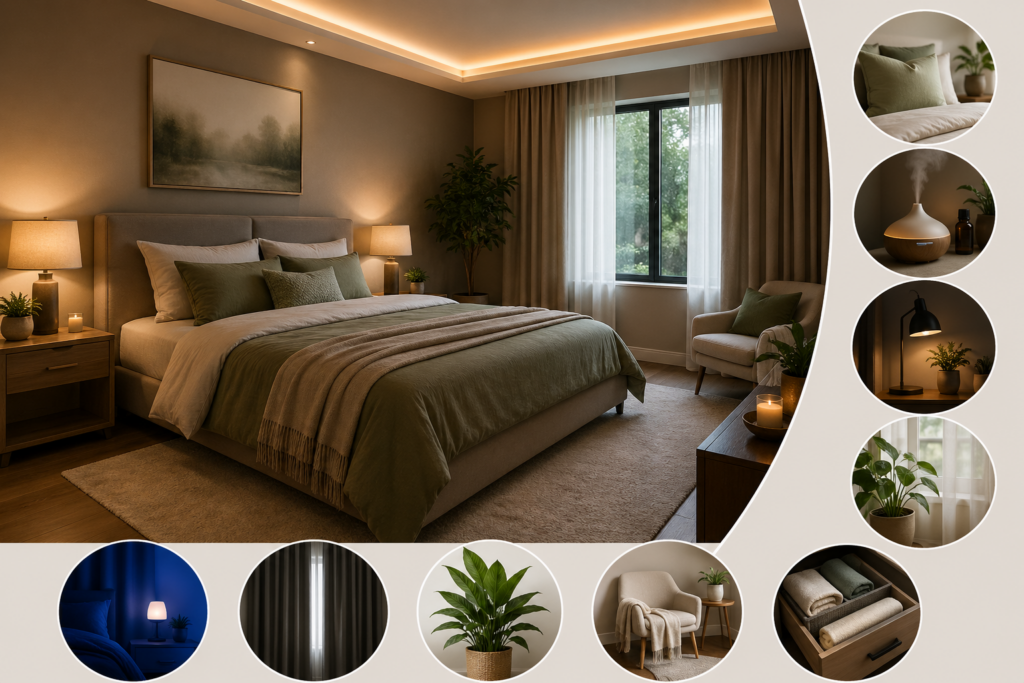
Bedroom Interior Design Tips for Better Sleep and Comfort avinnyyaadmin Principal Designer A well-designed bedroom is more than just a visually appealing space—it plays a critical role in your physical health, mental well-being, and overall quality of life. In today’s fast-paced world, where stress and screen time often interfere with rest, your bedroom should act as a calming sanctuary that promotes relaxation and deep sleep. Thoughtful interior design choices can significantly influence how quickly you fall asleep, how deeply you rest, and how refreshed you feel in the morning. This guide explores practical and effective bedroom interior design tips that enhance both comfort and sleep quality. Whether you’re redesigning your entire space or making small upgrades, these insights will help you create a bedroom that truly supports rest and rejuvenation. The Science Behind Sleep and Interior Design Sleep is deeply influenced by your environment. Factors such as lighting, temperature, noise, and even the arrangement of furniture affect your body’s circadian rhythm—the natural sleep-wake cycle. When your bedroom aligns with these biological needs, your body naturally transitions into a restful state. Lighting, for example, regulates melatonin production, the hormone responsible for sleep. Harsh or bright lighting at night can suppress melatonin, making it harder to fall asleep. Similarly, cluttered or chaotic spaces can subconsciously increase stress levels, preventing your mind from fully relaxing. Interior design isn’t just about aesthetics; it’s about creating an environment that supports both mental calmness and physical comfort. A thoughtfully designed bedroom reduces distractions, enhances relaxation, and prepares your body for quality sleep. Choosing the Right Color Palette Colors That Promote Relaxation Color psychology plays a powerful role in influencing mood and emotions. Soft, muted tones such as light blues, gentle greens, warm beiges, and pastel shades are known to create a calming atmosphere. These colors mimic natural elements like the sky, water, and earth, helping your mind feel grounded and peaceful. Blue, in particular, is often associated with tranquility and has been shown to lower heart rate and blood pressure. Similarly, soft greens evoke a sense of balance and harmony, making them ideal for bedrooms. Colors to Avoid Bright, bold colors such as red, neon orange, or intense yellow can be overstimulating. These shades tend to increase energy levels and alertness, which is the opposite of what you want in a sleep-friendly environment. While they can be used as accents, they should not dominate the room. Creating a Cohesive Look A balanced color scheme combining two to three complementary shades works best. Neutral walls paired with soft furnishings in calming hues can create a layered and inviting aesthetic without overwhelming the senses. Optimize Lighting for Better Sleep Layered Lighting Approach Effective bedroom lighting involves a combination of ambient, task, and accent lighting. Ambient lighting provides overall illumination, while bedside lamps or reading lights offer focused lighting for specific tasks. Accent lighting adds depth and warmth to the space. Warm vs Cool Lighting Warm lighting with a yellow or soft white tone is ideal for bedrooms. It creates a cozy atmosphere and signals your body that it’s time to relax. Cool white or blue-toned lighting should be avoided at night as it can disrupt sleep patterns. Controlling Natural Light During the day, natural light helps regulate your circadian rhythm. Large windows, sheer curtains, or blinds allow sunlight to enter and keep your space bright and refreshing. At night, blackout curtains are essential to block external light and create a dark, sleep-friendly environment. Selecting Comfortable Furniture The Importance of a Good Bed Your bed is the centerpiece of your bedroom and the most important factor in sleep comfort. Investing in a high-quality mattress that supports your body type and sleeping position can drastically improve sleep quality. A sturdy bed frame and comfortable headboard add both functionality and style. Ergonomic Furniture Choices Furniture should be chosen not just for appearance but for comfort and usability. Nightstands at the right height, easy-to-access storage, and clutter-free surfaces contribute to a more functional and relaxing space. Avoid Overcrowding Too much furniture can make your bedroom feel cramped and chaotic. A minimalist approach ensures better airflow, easier movement, and a more peaceful ambiance. Declutter and Organize Your Space Why Decluttering Matters Clutter can create visual stress and mental distraction. A messy room often leads to a restless mind, making it harder to unwind and fall asleep. Smart Storage Solutions Incorporating storage solutions like under-bed drawers, built-in wardrobes, and floating shelves helps keep your bedroom organized without compromising aesthetics. Hidden storage is especially effective in maintaining a clean and streamlined look. Minimalist Décor Approach Choosing fewer, meaningful decorative elements creates a sense of calm. Instead of overcrowding your space with accessories, focus on a few statement pieces that enhance the room’s overall vibe. Temperature and Ventilation Matters Ideal Temperature for Sleep A slightly cool room, typically between 18–24°C, is considered optimal for sleep. Cooler temperatures help lower your body’s core temperature, signaling that it’s time to rest. Importance of Ventilation Proper airflow ensures fresh oxygen circulation, which is essential for uninterrupted sleep. Windows, ventilators, or air purifiers can improve air quality and create a more comfortable environment. Material Choices Using breathable materials like cotton bedding and lightweight curtains helps regulate temperature and enhances comfort throughout the night. Incorporate Soft Textures and Fabrics Choosing the Right Fabrics Soft and breathable fabrics such as cotton, linen, and bamboo are ideal for bedding. They Layering for Comfort Adding layers like cushions, throws, and rugs enhances the coziness of your bedroom. These elements not only improve comfort but also add depth and visual interest. Creating a Cozy Atmosphere Textures play a crucial role in making a space feel inviting. A mix of soft fabrics and warm materials can transform your bedroom into a comforting retreat. Reduce Noise and Improve Acoustics Minimizing External Noise Noise pollution can disrupt sleep patterns. Thick curtains, carpets, and upholstered furniture help absorb sound and reduce disturbances from outside. Soundproofing Options For those living in busy areas, soundproofing solutions such as acoustic panels