
How to Choose the Right Color Palette for Your Home
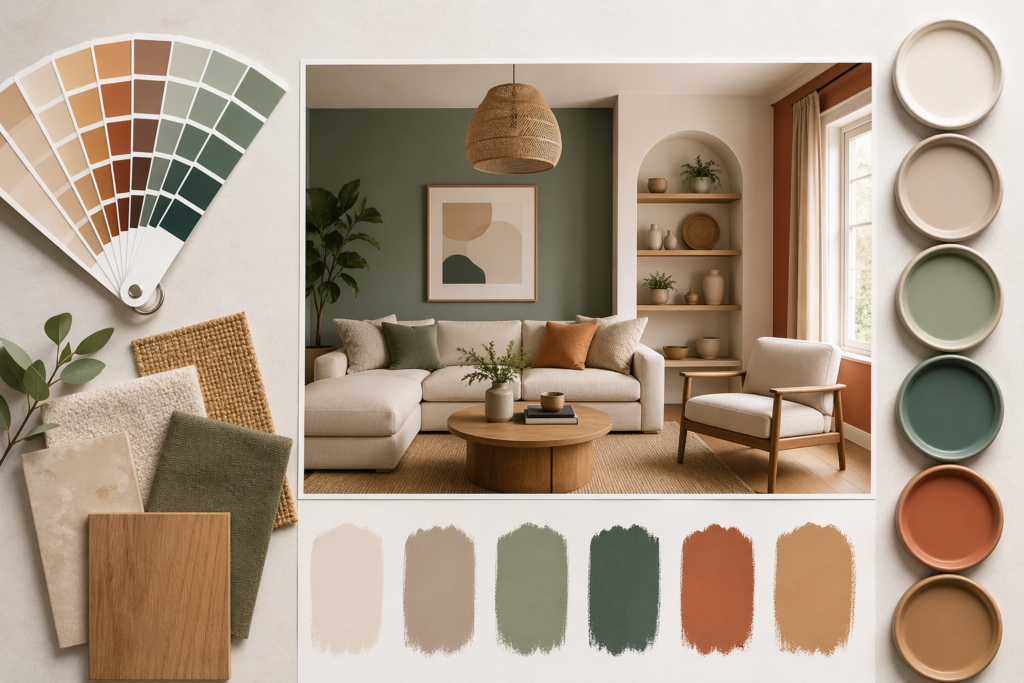
How to Choose the Right Color Palette for Your Home avinnyyaadmin Principal Designer Choosing the right color palette for your home is one of the most important decisions in interior design. Colors do far more than just enhance visual appeal—they influence mood, define spaces, and create a cohesive environment that reflects your personality and lifestyle. Whether you’re designing a new home or refreshing your existing interiors, selecting the right combination of shades can completely transform how your space looks and feels. A well-planned color palette can make small rooms appear larger, create warmth in open spaces, and even boost productivity or relaxation depending on the room’s purpose. However, with countless shades, tones, and combinations available, it’s easy to feel overwhelmed. This guide will walk you through every aspect of choosing the perfect color palette—from understanding color theory to applying it room by room—so you can create a home that feels both beautiful and harmonious. Understanding the Basics of Color Theory Before selecting colors for your home, it’s essential to understand the fundamentals of color theory. This knowledge serves as the foundation for creating visually appealing and balanced interiors. The Color Wheel Explained The color wheel is a visual representation of colors arranged according to their chromatic relationship. It consists of primary colors (red, blue, and yellow), which cannot be created by mixing other colors. Secondary colors (green, orange, and purple) are formed by mixing primary colors, while tertiary colors are created by combining primary and secondary hues. Understanding the difference between warm and cool colors is equally important. Warm colors like red, orange, and yellow evoke energy, warmth, and vibrancy, making them ideal for social spaces. Cool colors such as blue, green, and purple create a calming and relaxing atmosphere, perfect for private areas like bedrooms. Color Harmony Techniques Color harmony refers to aesthetically pleasing combinations of colors. One popular approach is the complementary scheme, where colors opposite each other on the wheel (such as blue and orange) are paired to create contrast and vibrancy. Analogous color schemes use colors that sit next to each other on the wheel, resulting in a more harmonious and subtle look. Monochromatic palettes focus on variations of a single color, offering a clean and sophisticated aesthetic. Triadic combinations, which involve three evenly spaced colors on the wheel, provide balance and vibrancy when used correctly. Choosing the right harmony technique ensures your space looks cohesive rather than chaotic. Undertones Matter Undertones play a crucial role in how colors appear in your home. Even neutral shades like white, beige, or grey can have warm (yellow/red) or cool (blue/green) undertones. These undertones become more noticeable under different lighting conditions. For instance, a beige with warm undertones may look cozy in natural sunlight but appear slightly yellow under artificial lighting. Testing paint samples on your walls at different times of the day helps you understand how undertones behave in your specific space. The Psychology of Colors in Interior Design Colors have a profound psychological impact, influencing emotions, behavior, and even energy levels within a space. Warm Colors Warm colors such as red, orange, and yellow are known for their energizing and stimulating qualities. Red can evoke passion and excitement, making it suitable for dining rooms or accent walls. Orange brings warmth and enthusiasm, while yellow symbolizes happiness and positivity, often used in kitchens or entryways. However, overusing warm colors can make a space feel overwhelming. It’s best to balance them with neutral or cooler tones. Cool Colors Cool colors like blue, green, and purple are associated with calmness and relaxation. Blue promotes tranquility and is commonly used in bedrooms and bathrooms. Green represents nature and balance, making it ideal for living spaces. Purple, especially in softer shades, adds a touch of luxury and creativity. These colors are perfect for creating peaceful environments but should be paired thoughtfully to avoid making a space feel too cold or impersonal. Neutral Colors Neutral colors form the backbone of most interior color palettes. Shades like white, beige, grey, and taupe provide a versatile base that allows other elements in the room to stand out. They create a sense of balance and timeless elegance. Neutrals are especially useful for larger surfaces like walls and floors, as they make it easier to update décor without repainting the entire space. Bold vs. Subtle Shades Choosing between bold and subtle shades depends on your personality and the purpose of the room. Bold colors can create striking focal points and add character, while subtle shades offer a calm and sophisticated ambiance. The key is to strike the right balance—using bold colors as accents rather than overwhelming the entire space. Factors to Consider Before Choosing a Color Palette Selecting the right palette involves more than just picking your favorite colors. Several practical factors must be considered to achieve the best results. Room Size and Space Color can significantly impact how spacious a room feels. Light colors such as whites and pastels reflect light, making small rooms appear larger and more open. Dark colors absorb light, creating a cozy and intimate atmosphere in larger spaces. Natural and Artificial Lighting Lighting plays a crucial role in how colors appear. Natural sunlight brings out the truest version of a color, while artificial lighting can alter its tone. For example, warm lighting can make colors appear more yellow, while cool lighting enhances blue undertones. Understanding your room’s lighting conditions helps you choose colors that look consistent throughout the day. Existing Furniture and Decor Your color palette should complement your existing furniture, flooring, and décor elements. Instead of starting from scratch, consider the colors already present in your space and build around them. This ensures a cohesive and harmonious look. Home Style and Theme Different interior styles require different color palettes. A modern home may feature neutral tones with bold accents, while a traditional design might incorporate richer, warmer hues. Matching your color palette to your overall design theme ensures consistency throughout your home. Room-by-Room Color Palette Guide Each room in your
Trending Interior Design Styles in 2026 You Should Know
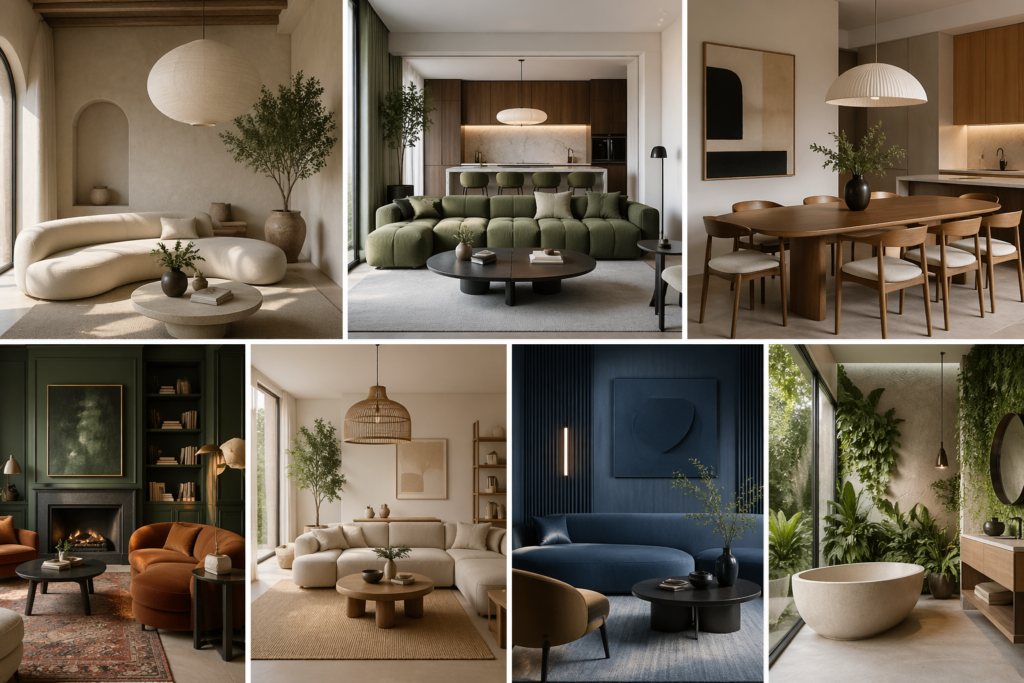
Trending Interior Design Styles in 2026 You Should Know avinnyyaadmin Principal Designer Interior design in 2026 is no longer just about aesthetics—it is a reflection of how we live, work, and connect with our surroundings. As lifestyles evolve, so do our expectations from living spaces. Homes are becoming smarter, more sustainable, and deeply personalized, blending comfort with innovation. The year 2026 brings a dynamic shift in design preferences, where functionality meets beauty in a seamless and thoughtful way. Homeowners today are not just looking for visually appealing interiors; they want spaces that enhance well-being, support hybrid lifestyles, and reduce environmental impact. This transformation has given rise to several exciting trends that are redefining modern interiors. Whether you are renovating your home or designing a new one, understanding these trends will help you make informed choices. At Avinnyya, we stay ahead of evolving design movements to create spaces that are both timeless and trend-forward. Let’s explore the most influential interior design styles shaping homes in 2026. Why Interior Design Trends Are Changing in 2026 Post-Pandemic Lifestyle Shifts The global shift in lifestyle over the past few years has had a lasting impact on how people perceive their homes. Living spaces are now required to serve multiple purposes—home offices, relaxation zones, entertainment hubs, and more. This shift has encouraged designs that prioritize comfort, flexibility, and emotional well-being. People are investing more in interiors that provide a sense of calm and security while accommodating their daily routines efficiently. Rise of Smart Living Technology has become an integral part of modern homes, and in 2026, this integration is more seamless than ever. Smart living is not just about gadgets; it’s about creating intuitive environments where lighting, temperature, and security adapt to your needs. This trend is influencing interior design by encouraging clutter-free spaces where technology blends invisibly into the background while enhancing functionality. Sustainability as a Core Principle Sustainability is no longer a niche concept—it is a necessity. Homeowners are increasingly aware of their environmental footprint and are choosing materials and designs that promote eco-conscious living. From energy-efficient lighting to recycled materials, sustainable design is shaping the future of interiors, making homes healthier for both residents and the planet. Top Interior Design Styles Trending in 2026 Sustainable & Eco-Friendly Design Sustainable interior design continues to dominate in 2026, driven by a growing awareness of environmental issues. This style focuses on using materials that are renewable, recycled, or responsibly sourced. Bamboo flooring, reclaimed wood furniture, and organic fabrics are becoming popular choices for eco-conscious homeowners. Beyond materials, sustainable design also emphasizes energy efficiency and natural ventilation. Homes are being designed to maximize natural light, reducing the need for artificial lighting during the day. Indoor plants are another essential element, as they improve air quality while adding a refreshing touch of greenery. Incorporating sustainable design does not mean compromising on style. In fact, it creates interiors that are warm, inviting, and timeless. By choosing eco-friendly paints, energy-saving appliances, and natural textures, homeowners can create spaces that are both beautiful and responsible. Minimalist Luxury (Warm Minimalism) Minimalism has evolved significantly in 2026, moving away from stark, cold spaces to a warmer and more inviting aesthetic. Known as warm minimalism, this trend combines simplicity with comfort by incorporating soft textures, earthy tones, and high-quality materials. Instead of empty spaces, this style focuses on intentional design where every element serves a purpose. Neutral color palettes such as beige, cream, and taupe are complemented by rich textures like linen, wool, and wood. The result is a space that feels calm yet sophisticated. Warm minimalism is perfect for those who appreciate clean lines but do not want to sacrifice coziness. By adding statement furniture pieces and subtle decorative accents, homeowners can achieve a balanced look that feels both modern and welcoming. Smart Home Integrated Design Smart homes are no longer futuristic—they are a present-day reality. In 2026, interior design is increasingly focused on integrating technology seamlessly into living spaces. From voice-controlled lighting to automated curtains, smart features are becoming standard in modern homes. What sets this trend apart is its emphasis on invisibility. Technology is designed to blend into the environment rather than stand out. Hidden wiring, sleek panels, and multifunctional devices ensure that the aesthetic appeal of the space remains intact. Smart home design enhances convenience, improves energy efficiency, and adds a layer of security. Whether it’s a smart kitchen with automated appliances or a living room with adaptive lighting, this trend is transforming the way we interact with our homes. Biophilic Design Biophilic design is centered around the idea of connecting indoor spaces with nature. In 2026, this trend is gaining even more popularity as people seek environments that promote mental and physical well-being. Natural light plays a crucial role in biophilic design, with large windows and open layouts allowing sunlight to flood the space. Greenery is another key element, with indoor plants, vertical gardens, and natural materials creating a serene atmosphere. The psychological benefits of biophilic design are significant. It helps reduce stress, boost productivity, and create a sense of calm. By incorporating natural elements into interiors, homeowners can create spaces that feel refreshing and rejuvenating. Multifunctional Spaces As urban living spaces become more compact, the demand for multifunctional design is increasing. In 2026, homes are being designed to adapt to various needs without compromising on style. Convertible furniture, such as sofa beds and foldable desks, is becoming essential for maximizing space. Modular layouts allow rooms to be reconfigured easily, making them suitable for different activities throughout the day. This trend is particularly beneficial for small apartments, where efficient use of space is crucial. By incorporating smart storage solutions and flexible furniture, homeowners can create interiors that are both practical and stylish. Retro Revival with a Modern Twist The charm of vintage design is making a comeback in 2026, but with a contemporary twist. Retro revival blends classic elements with modern aesthetics to create unique and personalized interiors. Bold colors, geometric patterns, and vintage furniture pieces are
Simple Ways to Make Your Home Look Premium on a Budget
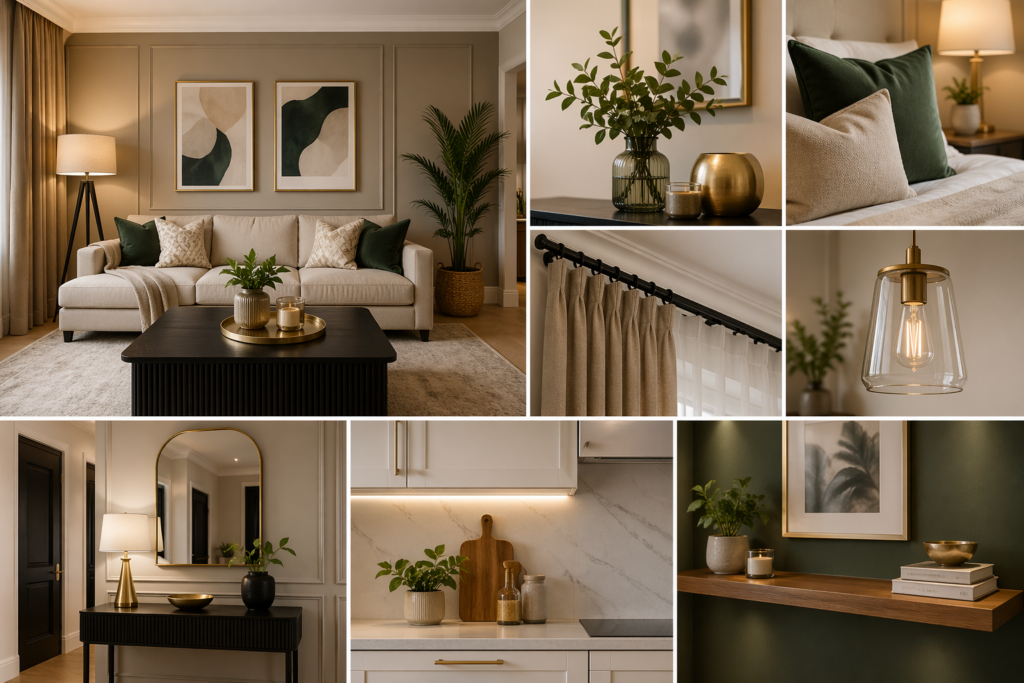
Simple Ways to Make Your Home Look Premium on a Budget avinnyyaadmin Principal Designer Creating a premium-looking home is often associated with high-end materials, expensive furniture, and designer décor. However, the reality is far more accessible. A luxurious home is not defined by how much money you spend, but by how thoughtfully you design and style your space. With the right approach, even a modest budget can deliver a sophisticated and elegant interior that feels refined and timeless. The key lies in understanding design principles, making strategic upgrades, and focusing on details that elevate the overall aesthetic. Instead of overspending, you can create a polished look by being intentional with colors, lighting, textures, and layout. This guide will walk you through simple yet effective ways to transform your home into a premium space without stretching your budget. Understanding What Makes a Home Look Premium Key Elements of Luxury Interior Design A premium home is built on a foundation of balance, harmony, and simplicity. Luxury interiors often follow principles such as symmetry, proportion, and clean lines. When furniture and décor are arranged thoughtfully, the space naturally feels more organized and visually appealing. Another essential element is restraint. Instead of filling every corner with decorative items, premium homes focus on a curated selection of pieces. Each item serves a purpose, whether functional or aesthetic, contributing to a cohesive and uncluttered environment. The Psychology of Premium Spaces Luxury is also about how a space makes you feel. Neutral color palettes, soft lighting, and layered textures create a calm and inviting atmosphere. When a room feels balanced and comfortable, it automatically appears more expensive. Lighting plays a crucial role here. Warm lighting creates a cozy and upscale vibe, while harsh lighting can make even expensive interiors feel uninviting. Similarly, combining different textures such as wood, fabric, and metal adds depth, making the space feel thoughtfully designed. Declutter and Organize for Instant Elegance Minimalism is the New Luxury One of the simplest ways to make your home look premium is by decluttering. A clean, organized space immediately feels more sophisticated. Excess items create visual noise, making a room feel smaller and less refined. Adopting a minimalist approach does not mean removing everything. Instead, it means keeping only what adds value to your space. Choose décor items that complement your theme and remove anything that feels unnecessary or outdated. Smart Storage Solutions Storage plays a significant role in maintaining a premium look. Hidden storage options such as ottomans with compartments, beds with drawers, or wall-mounted cabinets help keep clutter out of sight. Multi-functional furniture is another smart investment. Pieces that serve more than one purpose not only save space but also contribute to a clean and streamlined appearance, which is essential for achieving a luxury aesthetic. Upgrade Your Lighting for a Luxe Feel Layered Lighting Concept Lighting can completely transform the mood of a room. A well-designed lighting plan includes three layers: ambient lighting for overall illumination, task lighting for specific activities, and accent lighting to highlight features. Combining these layers creates depth and dimension, making the space feel more dynamic and high-end. For example, a living room can include ceiling lights, a floor lamp, and subtle LED strips to enhance the ambiance. Budget-Friendly Lighting Upgrades You don’t need expensive fixtures to achieve a premium look. Simply replacing outdated lights with modern designs can make a significant difference. Warm LED bulbs are affordable and instantly create a cozy atmosphere. Adding table lamps or floor lamps in corners can also elevate the space. Even small changes in lighting can have a big impact on how luxurious your home feels. Choose a Sophisticated Color Palette Neutral Colors That Look Expensive Color is one of the most powerful tools in interior design. Neutral shades such as beige, white, grey, and ivory are often associated with luxury because they create a calm and timeless backdrop. These colors reflect light well, making rooms appear brighter and more spacious. They also provide flexibility, allowing you to easily update your décor without changing the entire color scheme. Accent Colors for Depth While neutrals form the base, adding a few rich accent colors can enhance the overall look. Shades like navy blue, emerald green, or deep burgundy introduce depth and contrast, making the space more visually interesting. The key is to use these colors sparingly. A few cushions, a piece of artwork, or a statement chair can be enough to create a striking effect without overwhelming the room. Invest in Statement Pieces (Not Everything) Focus on One Hero Item per Room A common mistake is trying to make everything look expensive. Instead, focus on one standout piece in each room. This could be a stylish sofa, an elegant bed, or a unique dining table. A well-chosen statement piece draws attention and sets the tone for the rest of the space. When paired with simpler, budget-friendly items, it creates a balanced and upscale look. How to Mix High and Low Elements Combining affordable items with a few premium-looking pieces is a smart strategy. For example, you can pair a high-quality sofa with budget-friendly side tables or accessorize a simple bed with luxurious bedding. This mix-and-match approach allows you to achieve a designer look without overspending. Enhance Walls Without Overspending Affordable Wall Treatments Walls offer a great opportunity to elevate your interiors. Options like peel-and-stick wallpaper or textured paint are cost-effective ways to add character and depth. These solutions are easy to apply and can dramatically change the look of a room without requiring a major investment. Gallery Walls Done Right A well-designed gallery wall can look incredibly sophisticated. The key is consistency. Use matching frames and maintain a balanced layout to create a cohesive display. Avoid overcrowding the wall. Instead, focus on a curated selection of artwork or photographs that complement your overall theme. Upgrade Soft Furnishings Curtains That Elevate the Room Curtains have a significant impact on how a room feels. Floor-to-ceiling curtains create the illusion of height, making the space look larger
How to Make a 2BHK Look Spacious Without Breaking Walls
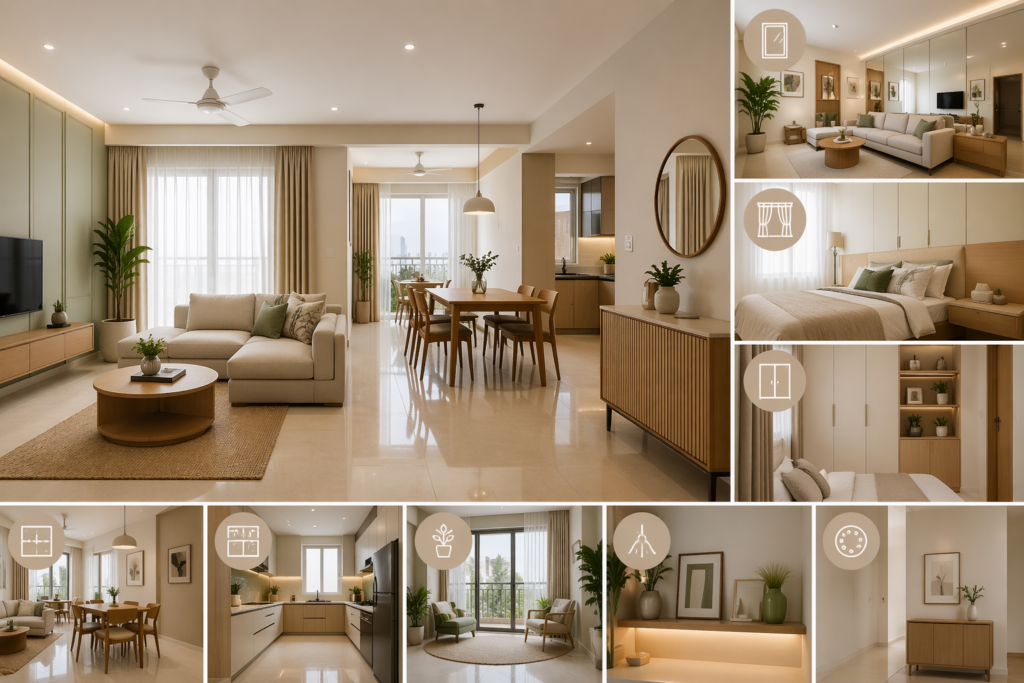
How to Make a 2BHK Look Spacious Without Breaking Walls avinnyyaadmin Principal Designer In today’s urban lifestyle, 2BHK apartments have become the most practical choice for families, working professionals, and even investors. However, one of the most common challenges homeowners face is making these compact spaces feel open, breathable, and clutter-free. While breaking walls or undertaking major renovations might seem like the only solution, the truth is—you don’t need structural changes to create a spacious home. With the right interior design strategies, even a modest 2BHK can feel expansive, elegant, and highly functional. The secret lies in understanding how visual perception works and using smart design techniques to manipulate space. This blog explores practical, expert-approved ways to make your 2BHK look spacious without touching a single wall. Understanding Space Perception in Interior Design Visual vs. Physical Space When it comes to interior design, spaciousness is not always about square footage. A home may be physically small but visually expansive if designed correctly. Visual space refers to how large or open a room feels, which can be influenced by color, lighting, furniture, and layout. By focusing on enhancing visual openness, you can make your 2BHK appear significantly larger than it actually is. This approach is cost-effective and far less disruptive than structural modifications. Key Factors That Affect Spaciousness Several elements contribute to how spacious a room feels. Lighting plays a crucial role—well-lit rooms appear larger and more inviting. Color schemes, especially lighter tones, can open up a space visually. Furniture placement determines flow and movement, while efficient use of vertical space ensures that the room doesn’t feel cramped. When all these factors work together, they create a seamless sense of openness. Smart Furniture Choices for Compact Living Multi-Functional Furniture In a 2BHK apartment, every piece of furniture should serve more than one purpose. Multi-functional furniture such as sofa-cum-beds, foldable dining tables, and storage ottomans can drastically reduce clutter while maximizing usability. These pieces allow you to transform your living area based on your needs without overcrowding it. For example, a foldable dining table can remain compact when not in use, freeing up valuable floor space. Similarly, a bed with built-in storage eliminates the need for extra cabinets. Opt for Sleek and Leggy Furniture Bulky furniture can make a small room feel even tighter. Instead, opt for sleek designs with exposed legs. Furniture that sits slightly above the ground creates a sense of openness by allowing light to flow underneath it. This simple visual trick makes the room feel less crowded. Minimalist sofas, slim chairs, and compact tables contribute to a lighter, more airy aesthetic. Built-In and Custom Furniture Custom-built furniture is one of the smartest investments for small homes. Wall-mounted TV units, built-in wardrobes, and modular storage solutions are designed to fit perfectly into your space without wasting an inch. These designs eliminate awkward gaps and create a clean, streamlined look. Decluttering: The First Step to Spaciousness Minimalism in 2BHK Interiors No matter how well-designed your home is, clutter can instantly make it feel cramped. Adopting a minimalist approach helps maintain a clean and open environment. This doesn’t mean your home should feel empty—it simply means keeping only what is necessary and meaningful. Regularly decluttering your home ensures that every item has a purpose and a designated place. Smart Storage Solutions Effective storage is key to maintaining a spacious look. Hidden storage options such as under-bed compartments, sofa storage, and concealed cabinets help keep everyday items out of sight. Vertical shelving units make use of wall space, reducing the need for additional furniture. In kitchens, modular storage accessories like pull-out drawers and corner units ensure that even the smallest areas are utilized efficiently. Color Psychology to Make Rooms Look Bigger Light and Neutral Shades Color has a powerful impact on spatial perception. Light and neutral shades such as white, beige, cream, and soft pastels reflect more light, making a room appear larger and brighter. These colors create a calm and airy atmosphere, which is essential for compact homes. Monochromatic Color Schemes Using a consistent color palette throughout your home creates visual continuity. When there are fewer color breaks, the eye moves smoothly from one area to another, making the space feel larger. Monochromatic schemes, where different shades of the same color are used, are particularly effective. Accent Colors Done Right While light colors dominate, adding subtle accents can enhance depth and character. The key is to use bold colors sparingly—through cushions, artwork, or small décor elements—without overwhelming the space. Lighting Techniques to Enhance Space Maximize Natural Light Natural light is one of the most effective ways to make a space feel bigger. Keep windows unobstructed and use sheer curtains instead of heavy drapes. The more sunlight that enters your home, the more open and inviting it feels. Layered Lighting Design A well-lit home uses a combination of ambient, task, and accent lighting. Ceiling lights provide overall illumination, while task lighting focuses on specific areas like kitchens or study zones. Accent lighting highlights décor elements and adds depth to the room. Wall-mounted lights are a great alternative to floor lamps, as they save space while maintaining brightness. Mirrors and Reflective Surfaces Mirrors are a classic trick for creating the illusion of space. Placing a mirror opposite a window reflects natural light and makes the room appear larger. Glossy finishes, glass surfaces, and metallic accents also enhance brightness and openness. Layout Planning for Better Flow Open Layout Illusion Without Breaking Walls Even without removing walls, you can create an open-plan feel through smart furniture placement. Arrange furniture in a way that defines zones without blocking movement. For instance, a sofa can act as a divider between the living and dining areas. Rugs and lighting can further differentiate spaces while maintaining visual continuity. Avoiding Overcrowding One of the biggest mistakes in small homes is trying to fit too much furniture into limited space. Prioritize essential pieces and leave enough breathing room between them. Negative space is just as important as occupied space in
Small Living Room Design Ideas That Actually Work in Indian Homes
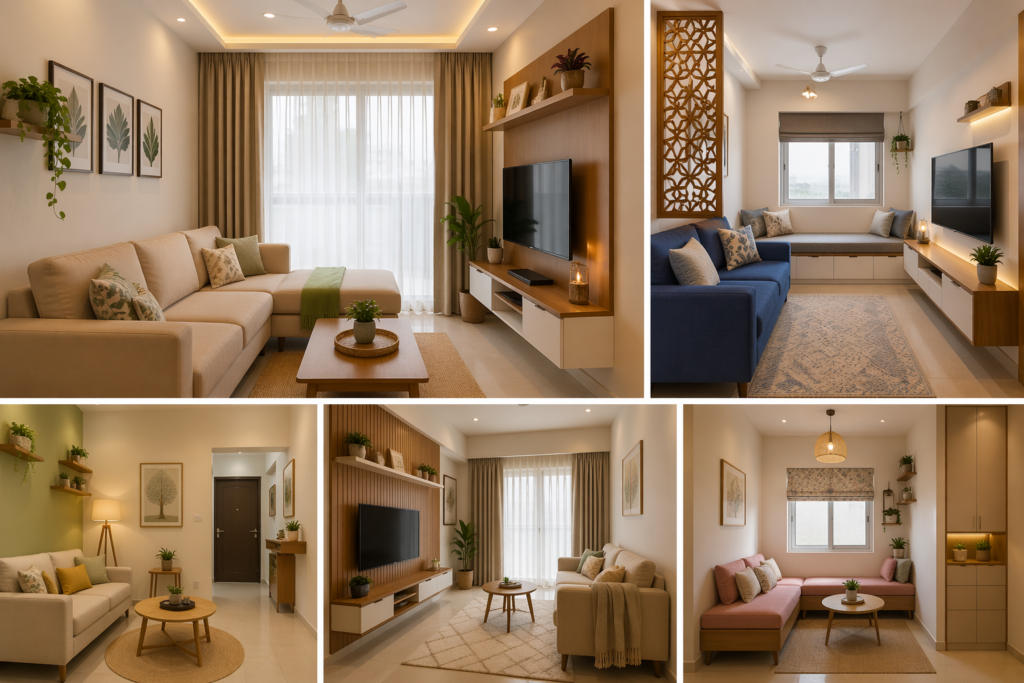
Small Living Room Design Ideas That Actually Work in Indian Homes avinnyyaadmin Principal Designer In most Indian cities today, space comes at a premium. Whether you live in a compact apartment, a builder floor, or a modern flat, the living room often ends up being smaller than expected. Yet, it remains the heart of the home—a space where families gather, guests are entertained, and everyday life unfolds. Designing a small living room in an Indian home is not just about making it look good; it’s about making it work efficiently for multiple purposes. The challenge lies in balancing comfort, storage, aesthetics, and functionality without making the room feel cramped. From accommodating guests during festivals to doubling up as a workspace, Indian living rooms demand versatility. The good news is that with smart planning and thoughtful design choices, even the smallest living room can feel spacious, stylish, and highly functional. In this guide, Avinnyya shares practical, real-world solutions that actually work in Indian homes. Understanding the Challenges of Small Living Rooms in India Limited Carpet Area in Urban Homes Urban housing in India is increasingly shifting toward compact layouts, especially in metro cities. Developers focus on maximizing the number of units, often resulting in smaller carpet areas. This leaves homeowners with limited room to experiment with furniture and décor. As a result, every square foot must be carefully planned to ensure it serves a purpose without overcrowding the space. Multi-Functional Usage Unlike larger homes where rooms are clearly defined, small Indian living rooms often serve multiple roles. It may function as a TV lounge during the day, a guest room at night, and sometimes even a home office. This multi-functional requirement makes it essential to choose flexible furniture and adaptable layouts that can easily transition between uses. Storage Constraints Storage is another major challenge in Indian homes. From extra bedding for guests to seasonal items and daily essentials, there is always a need for more storage. However, small living rooms rarely come with built-in solutions, forcing homeowners to think creatively about how to incorporate storage without cluttering the space. Smart Space Planning: The Foundation of Good Design Choosing the Right Layout The layout is the backbone of any successful small living room design. In Indian homes, L-shaped seating arrangements often work well as they maximize corner space and create a cozy seating area. Alternatively, a linear layout with furniture placed along the walls can open up the center of the room, making it feel more spacious. The key is to avoid blocking pathways and ensure smooth movement throughout the room. Creating Zones in a Small Living Room Even in a compact space, creating defined zones can significantly improve functionality. A simple rug can visually separate the seating area, while a small console or shelf can define a workspace. Strategic zoning helps organize the room without the need for physical partitions, which can make the space feel smaller. Importance of Circulation Space One of the most common mistakes in small living rooms is overcrowding. Maintaining clear walking paths is essential to ensure the room feels open and comfortable. Ideally, there should be enough space between furniture pieces to allow easy movement, which enhances both usability and visual appeal. Space-Saving Furniture Ideas That Actually Work Multi-Functional Furniture In a small living room, every piece of furniture should serve more than one purpose. Sofa-cum-beds are perfect for accommodating overnight guests without requiring a separate guest room. Storage ottomans can double as seating, footrests, and hidden storage units. Similarly, coffee tables with built-in storage help keep the room organized while adding functionality. Compact and Modular Furniture Modular furniture is a game-changer for small spaces. It can be customized to fit your layout and needs perfectly. Compact sofas, nesting tables, and extendable dining units are excellent choices for Indian homes where flexibility is key. These pieces allow you to adapt your space based on the situation, whether you’re hosting guests or enjoying a quiet evening. Wall-Mounted Furniture Wall-mounted units are one of the most effective ways to save floor space. Floating shelves, wall-mounted TV units, and foldable desks keep the floor area clear, making the room feel larger and less cluttered. This approach also adds a modern, minimalist touch to the overall design. Clever Storage Solutions for Small Living Rooms Vertical Storage When floor space is limited, the only way to go is up. Vertical storage solutions such as tall cabinets and open shelving units make use of the wall height, providing ample storage without taking up too much floor area. This is especially useful in Indian homes where storage needs are high. Hidden Storage Options Hidden storage is a lifesaver in small living rooms. Furniture pieces like sofas with storage compartments, beds with drawers, and benches with lift-up lids help keep clutter out of sight. This ensures the room remains tidy and visually appealing. Built-In Units Custom-built furniture can make a significant difference in small spaces. A well-designed TV unit with integrated storage or a floor-to-ceiling cabinet can maximize every inch of available space. Built-in units are tailored to your specific needs, making them both practical and aesthetically pleasing. Color Schemes That Make Small Living Rooms Look Bigger Light and Neutral Colors Light colors such as white, beige, and pastel shades reflect natural light, making the room appear larger and brighter. These shades create a sense of openness and are ideal for small living rooms in Indian homes. Monochromatic Themes Using a single color in different shades creates a cohesive and harmonious look. Monochromatic designs reduce visual clutter and make the space feel more expansive. Strategic Use of Dark Colors While light colors are generally preferred, dark shades can be used strategically to add depth and character. An accent wall or dark-toned furniture can create contrast without overwhelming the space. Lighting Techniques to Enhance Small Spaces Layered Lighting Approach A combination of ambient, task, and accent lighting can transform a small living room. Ambient lighting provides overall illumination, while task lighting focuses on specific
How Interior Design Increases Property Value
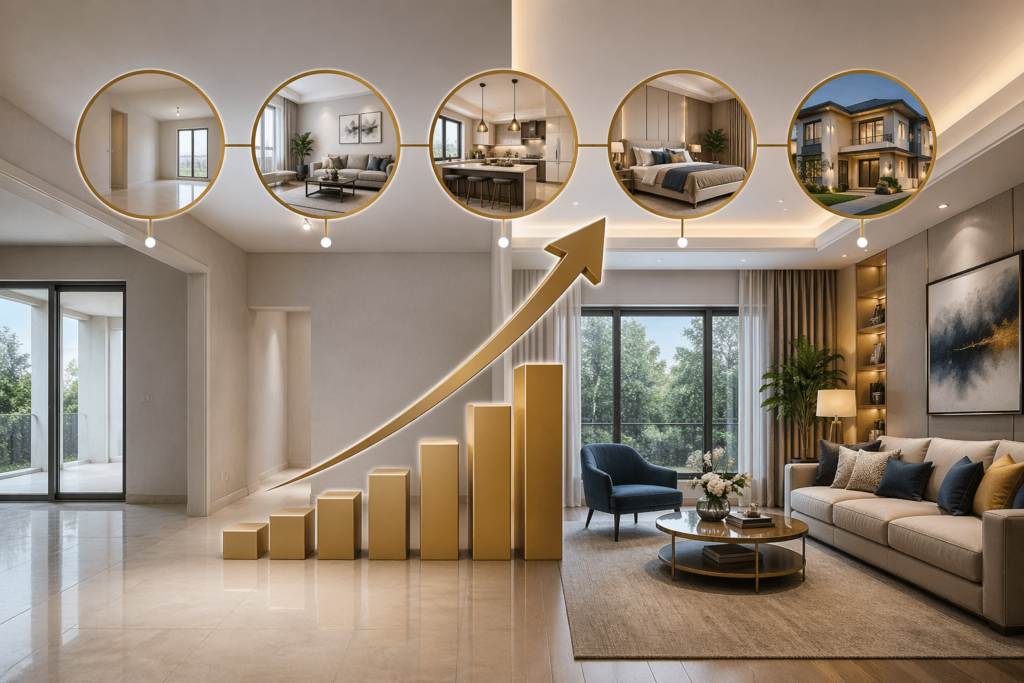
How Interior Design Increases Property Value: A Complete Guide for Homeowners avinnyyaadmin Principal Designer In today’s competitive real estate market, property value is no longer determined by location alone. Buyers are increasingly drawn to homes that are not just structurally sound but also visually appealing, functional, and ready to live in. This is where interior design plays a transformative role. A well-designed home doesn’t just look good—it creates an emotional connection, enhances usability, and ultimately commands a higher price. Interior design has evolved from being a luxury to becoming a strategic investment. Whether you are planning to sell your property or simply want to increase its long-term value, thoughtful design choices can significantly impact your return. From optimizing space to upgrading materials and incorporating modern trends, interior design directly influences how buyers perceive your property. At Avinnyya, the focus is on turning ordinary spaces into high-value assets by combining aesthetics with functionality. This guide will walk you through how interior design increases property value and why it is one of the smartest investments a homeowner can make. Why Interior Design Matters in Real Estate First Impressions Influence Buying Decisions The moment a potential buyer steps into a home, their perception is formed within seconds. This first impression can make or break a sale. A well-designed interior instantly communicates cleanliness, organization, and care, making the property more attractive. Elements such as lighting, color schemes, furniture placement, and décor all contribute to this initial impact. A cluttered or outdated space, on the other hand, can make even a spacious property feel cramped and uninviting. Interior design ensures that every corner of the home presents itself in the best possible way, increasing its perceived value. Emotional Connection Drives Higher Offers Buying a home is not just a financial decision—it is an emotional one. When buyers walk into a beautifully designed space, they begin to imagine their life there. This emotional connection often leads to quicker decisions and even higher offers. Interior design enhances ambiance through thoughtful use of textures, lighting, and layouts. A warm living room, a cozy bedroom, or a sleek modern kitchen can evoke feelings of comfort and aspiration. These emotional triggers play a crucial role in increasing property value. Key Ways Interior Design Increases Property Value Optimizing Space Utilization One of the most powerful ways interior design adds value is by making the best use of available space. Even small homes can feel spacious with the right layout and design approach. Smart space planning involves eliminating unnecessary elements and introducing multi-functional furniture. For instance, modular storage units, foldable furniture, and built-in wardrobes can significantly enhance usability. Open layouts can make a home feel larger, while strategic zoning ensures every area serves a purpose. Efficient space utilization not only improves daily living but also appeals to buyers who are looking for practicality and comfort. Enhancing Aesthetic Appeal Aesthetic appeal is one of the most visible aspects of interior design. A visually cohesive home with a consistent theme creates a sense of harmony and sophistication. Choosing the right color palette is essential. Neutral tones such as beige, white, and grey are widely preferred as they make spaces look larger and more inviting. Adding textures through fabrics, wall finishes, and décor elements further enhances the visual experience. Timeless design choices are particularly important when aiming to increase property value. While trends come and go, a balanced combination of modern and classic elements ensures long-term appeal. Improving Functionality A beautiful home must also be functional. Interior design focuses on improving how a space works, making everyday tasks more convenient. Ergonomic furniture placement, efficient kitchen layouts, and well-designed bathrooms contribute to better usability. Proper lighting design ensures that each area is adequately illuminated for its purpose, whether it’s task lighting in the kitchen or ambient lighting in the living room. Functional design adds immense value because it directly impacts the quality of life for the occupants. Upgrading Materials and Finishes The quality of materials used in a home significantly affects its value. Premium finishes not only enhance durability but also elevate the overall look and feel of the property. Upgrading elements such as flooring, countertops, cabinetry, and fixtures can create a sense of luxury. For example, wooden flooring, quartz countertops, and high-quality fittings are often associated with upscale living. Buyers are willing to pay more for homes that feature durable and aesthetically pleasing materials, making this a crucial aspect of value-driven design. Incorporating Modern Trends Modern buyers expect homes to align with current lifestyle trends. Incorporating these trends through interior design can make a property more desirable. Smart home features, such as automated lighting and security systems, add convenience and appeal. Minimalist design, characterized by clean lines and clutter-free spaces, is highly sought after. Sustainable design practices, including the use of eco-friendly materials, are also gaining popularity. Staying updated with trends ensures that your property remains competitive in the market. High-Impact Areas That Boost Property Value Living Room Design The living room is often the centerpiece of a home and the first space visitors encounter. A well-designed living room sets the tone for the entire property. Strategic furniture arrangement, balanced lighting, and tasteful décor can create a welcoming atmosphere. Incorporating focal points such as feature walls or statement lighting enhances visual appeal. A thoughtfully designed living room can significantly increase a property’s perceived value. Kitchen Interior Design The kitchen is one of the most important areas for potential buyers. A modern, functional kitchen can be a major selling point. Modular kitchens with efficient storage solutions, sleek cabinetry, and high-quality appliances are highly desirable. Proper lighting and ventilation further enhance usability. Investing in kitchen design often yields one of the highest returns in terms of property value. Bathroom Upgrades Bathrooms play a crucial role in influencing buyer decisions. Clean, modern, and well-designed bathrooms create a sense of luxury and comfort. Upgrading fixtures, adding stylish tiles, and ensuring proper lighting can transform the space. Features such as walk-in showers and contemporary vanities add to the appeal.
Latest Trends in Office Interior Design
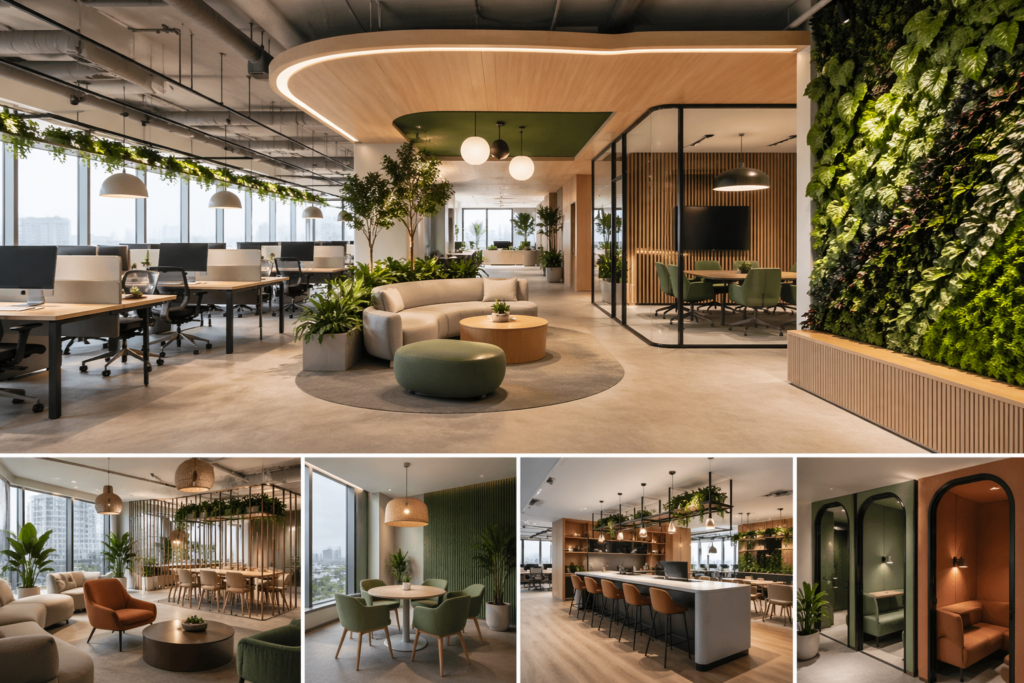
Latest Trends in Office Interior Design avinnyyaadmin Principal Designer The modern workplace has undergone a dramatic transformation over the past few years, evolving from rigid, cubicle-based environments into dynamic, flexible, and experience-driven spaces. As businesses adapt to hybrid work models, technological advancements, and employee-centric cultures, office interior design has become more than just aesthetics—it is now a strategic tool for productivity, collaboration, and brand expression. In 2026, office spaces are no longer designed solely for functionality; they are crafted to inspire, engage, and retain talent. Companies are increasingly investing in thoughtfully designed interiors that reflect their values while enhancing employee well-being. From nature-inspired elements to smart technologies, the latest trends in office interior design are shaping how we work and interact. At Avinnyya, we understand the importance of creating workspaces that are both visually appealing and highly functional. This guide explores the most impactful office design trends that are redefining workplaces in 2026. Why Office Interior Design Matters More Than Ever Office interior design plays a crucial role in influencing employee productivity, satisfaction, and overall performance. A well-designed workspace can significantly boost morale by providing comfort, reducing stress, and encouraging collaboration. Employees spend a large portion of their day in the office, and their environment directly impacts their efficiency and creativity. Beyond employee well-being, office design also reflects a company’s identity and culture. A thoughtfully designed office communicates professionalism, innovation, and brand values to clients and visitors. First impressions matter, and a modern workspace can leave a lasting impact on anyone who walks through the door. Moreover, with the rise of hybrid work, offices must now justify their purpose. They are no longer just places to work but hubs for collaboration, creativity, and team building. This shift has made interior design a critical investment rather than a luxury. Top Office Interior Design Trends in 2026 1. Hybrid Workspaces & Flexible Layouts The hybrid work model has become a defining feature of modern workplaces, and office design is evolving to support this flexibility. Instead of fixed desks and rigid layouts, offices now incorporate adaptable spaces that can serve multiple purposes throughout the day. Flexible layouts include movable partitions, modular furniture, and multi-functional zones that can transition between meetings, collaboration, and individual work. Hot-desking has also gained popularity, allowing employees to choose where they work based on their tasks. This approach not only maximizes space efficiency but also fosters a more dynamic and interactive work environment. 2. Biophilic Design (Nature-Inspired Offices) Biophilic design continues to dominate office interiors in 2026, emphasizing the connection between humans and nature. Incorporating natural elements such as indoor plants, green walls, water features, and natural materials creates a calming and refreshing atmosphere. Natural light plays a vital role in this trend, with designers focusing on maximizing daylight through large windows and open layouts. The use of materials like wood, stone, and bamboo further enhances the organic feel of the space. Studies have shown that biophilic design can reduce stress, improve focus, and boost creativity, making it an essential element in modern office interiors. 3. Smart Offices & Technology Integration Technology is at the heart of modern office design. Smart offices integrate advanced systems that enhance efficiency, comfort, and convenience. From automated lighting and climate control to IoT-enabled devices, technology is seamlessly embedded into the workspace. AI-powered tools are also being used to analyze space utilization and optimize layouts. Wireless charging stations, touchless systems, and digital collaboration tools are becoming standard features in contemporary offices. These innovations not only improve functionality but also create a futuristic and efficient work environment. 4. Minimalist & Clutter-Free Design Minimalism remains a strong trend in office interiors, focusing on simplicity, functionality, and clean aesthetics. Clutter-free spaces with neutral color palettes create a sense of calm and order, allowing employees to focus better on their tasks. Furniture is designed to be both functional and stylish, often incorporating hidden storage solutions to maintain a tidy appearance. The “less is more” philosophy helps reduce visual distractions and promotes a more organized workspace. 5. Collaborative & Social Spaces Modern offices are designed to encourage interaction and teamwork. Collaborative spaces such as breakout areas, lounges, and informal meeting zones are becoming essential components of office layouts. These areas provide employees with comfortable settings to brainstorm ideas, hold discussions, or simply relax. Cafeteria-style seating and open lounges foster a sense of community and enhance communication among team members. By prioritizing collaboration, companies can drive innovation and strengthen team dynamics. 6. Employee Wellness-Focused Design Employee well-being is a top priority in office design. Workspaces are now being designed to support both physical and mental health. Ergonomic furniture, adjustable desks, and supportive seating help reduce physical strain and improve comfort. Quiet zones, meditation rooms, and relaxation areas provide employees with spaces to unwind and recharge. Acoustic design is also crucial, ensuring that noise levels are controlled to minimize distractions. Wellness-focused design not only improves employee satisfaction but also enhances productivity and reduces absenteeism. 7. Bold Branding & Personalized Interiors Office interiors are increasingly being used as a medium to showcase brand identity. Companies are incorporating their brand colors, logos, and values into the design to create a unique and cohesive environment. Custom wall graphics, signage, and themed spaces help tell the company’s story and create a memorable experience for employees and visitors alike. Personalized interiors also foster a sense of belonging and pride among employees. 8. Sustainable & Eco-Friendly Office Design Sustainability is no longer optional—it is a necessity. Eco-friendly office design focuses on reducing environmental impact through the use of energy-efficient systems, sustainable materials, and waste reduction strategies. LED lighting, recycled materials, and low-VOC finishes are commonly used to create environmentally responsible spaces. Green certifications and sustainable practices not only benefit the planet but also enhance a company’s reputation. 9. Home-Like Comfort in Offices As remote work becomes more prevalent, offices are adopting a more residential feel to make employees feel comfortable and relaxed. Soft furnishings, warm lighting, and cozy textures create a welcoming atmosphere. Sofas, rugs, and
Residential vs Commercial Interior Design
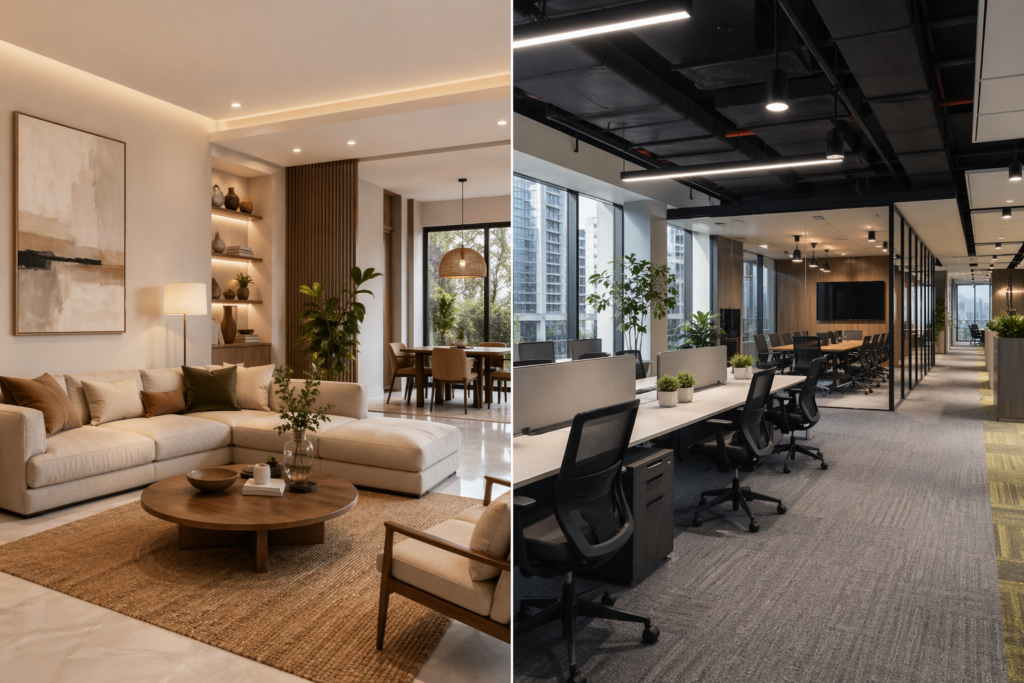
Residential vs Commercial Interior Design: Key Differences avinnyyaadmin Principal Designer Interior design plays a crucial role in shaping how we experience spaces—whether it’s the comfort of our home or the functionality of a workplace. Every space is designed with a purpose, and that purpose determines the approach, materials, aesthetics, and execution involved in the design process. Among the many branches of interior design, residential and commercial interior design stand out as the two primary categories. While both disciplines share foundational principles like space planning, color theory, and lighting design, they differ significantly in terms of goals, scale, and execution. Understanding these differences is essential for homeowners, business owners, and even investors who want to make informed decisions about their spaces. In this comprehensive guide, we’ll explore the key differences between residential and commercial interior design, diving deep into every aspect—from functionality and aesthetics to budget and compliance—while helping you determine which approach best suits your needs. What is Residential Interior Design? Definition and Purpose Residential interior design focuses on creating comfortable, functional, and aesthetically pleasing living spaces tailored to individual lifestyles. These spaces include homes, apartments, villas, and any environment where people live and relax. The primary goal of residential design is to reflect the personality and preferences of the homeowner while ensuring maximum comfort and usability. Unlike commercial design, which is driven by business goals, residential design is deeply personal. Every element—from furniture selection to color palette—is chosen to evoke a sense of belonging and emotional connection. Types of Residential Spaces Residential design encompasses a wide range of living environments. Apartments and flats are among the most common, especially in urban areas, where space optimization becomes critical. Independent houses and villas offer more flexibility in layout and design, allowing for creative experimentation. Studio apartments and duplex homes present unique challenges and opportunities, requiring smart design solutions to maximize functionality without compromising style. Each type of residential space demands a tailored approach, considering factors such as family size, lifestyle habits, and spatial constraints. Key Goals The core goals of residential interior design revolve around comfort, personalization, and functionality. Designers aim to create spaces that cater to daily routines while also offering a relaxing environment. Personal style plays a significant role, as homeowners often want their space to reflect their tastes, whether modern, traditional, or eclectic. Emotional connection is another crucial aspect. A well-designed home doesn’t just look good—it feels right. It becomes a sanctuary where individuals can unwind and recharge. What is Commercial Interior Design? Definition and Purpose Commercial interior design focuses on designing spaces used for business, public interaction, or professional activities. These include offices, retail stores, restaurants, hotels, hospitals, and educational institutions. The primary purpose is to create environments that enhance productivity, reinforce brand identity, and improve user experience. Unlike residential design, commercial design is less about personal preference and more about achieving strategic business objectives. Every design decision is aligned with functionality, efficiency, and brand messaging. Types of Commercial Spaces Commercial spaces vary widely in their function and design requirements. Offices and coworking spaces prioritize productivity and employee well-being. Retail stores and showrooms focus on customer engagement and visual merchandising. Restaurants, cafes, and hotels emphasize ambiance and customer experience, while hospitals and educational institutions require strict adherence to safety and functionality standards. Each type of commercial space demands a unique design approach based on its purpose and audience. Key Goals The primary goals of commercial interior design include creating a strong brand identity, optimizing workflow, and ensuring compliance with safety regulations. For example, an office layout should facilitate collaboration, while a retail store should guide customers seamlessly through the space. Efficiency is key. Every square foot must be utilized effectively to support business operations and maximize return on investment. Residential vs Commercial Interior Design: Core Differences 1. Purpose and Functionality The most fundamental difference lies in purpose. Residential design is centered around personal comfort and lifestyle, whereas commercial design is driven by business objectives such as productivity, sales, and customer satisfaction. 2. Design Approach Residential design is flexible and emotionally driven, often evolving through collaboration between the designer and homeowner. In contrast, commercial design follows a strategic, data-driven approach that considers user behavior, branding, and operational efficiency. 3. Aesthetic Choices In residential spaces, aesthetics are highly personalized, with warm tones, cozy textures, and unique décor elements. Commercial spaces, however, prioritize consistency and brand alignment, often featuring clean lines, professional finishes, and cohesive themes. 4. Material Selection Material selection differs significantly between the two. Residential interiors often use soft, comfortable materials like fabrics, wood, and cushions. Commercial interiors require durable, high-performance materials such as metal, glass, and laminates that can withstand heavy usage. 5. Budget Considerations Residential budgets are typically based on individual financial capacity, with flexibility in spending. Commercial projects usually involve larger budgets with a focus on return on investment, making cost efficiency a critical factor. 6. Timeline and Scale Residential projects are generally smaller in scale and allow for flexible timelines. Commercial projects, on the other hand, are often large-scale and must adhere to strict deadlines to minimize business disruptions. 7. Regulations and Compliance Commercial design must comply with strict building codes, safety standards, and accessibility regulations. Residential design has fewer legal constraints, offering more creative freedom. 8. User Experience Residential design focuses on the comfort of individuals and families, while commercial design prioritizes the experience of customers, employees, and visitors. Design Process Comparison Residential Design Process The residential design process begins with understanding the client’s lifestyle, preferences, and needs. Designers create mood boards and concepts that align with the homeowner’s vision. Material selection and customization follow, ensuring every detail reflects the desired aesthetic. Finally, the execution phase brings the design to life, often with a focus on styling and finishing touches. Commercial Design Process Commercial design starts with analyzing business goals and brand identity. Designers then focus on space planning and workflow optimization to ensure efficiency. Compliance checks and approvals are critical before execution begins. The implementation phase involves precise project management to
What to Expect When Working with an Interior Designer
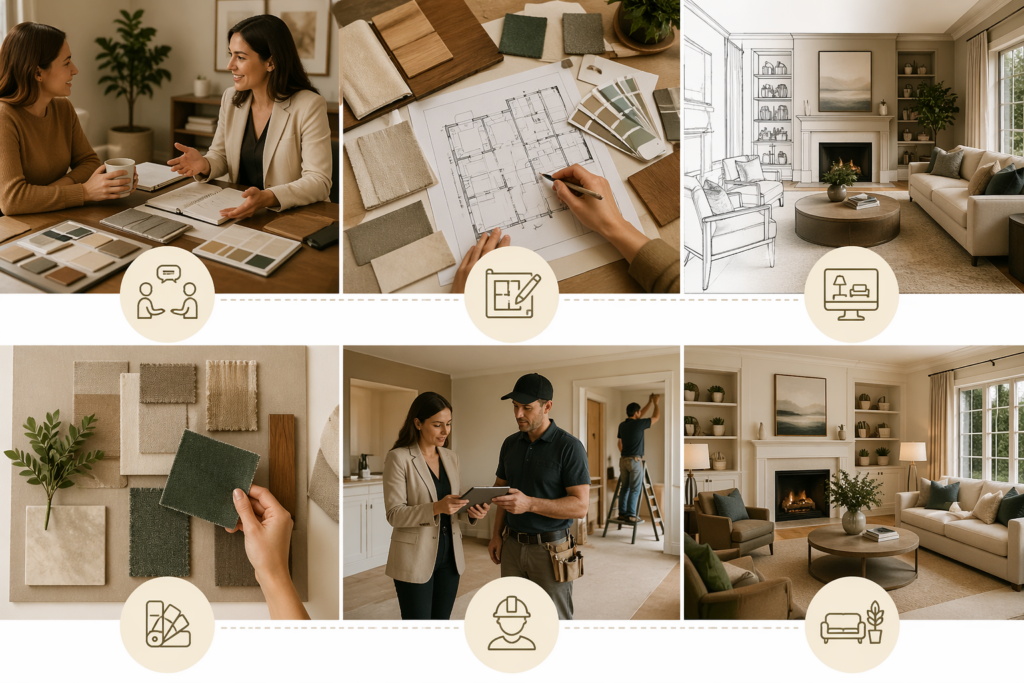
What to Expect When Working with an Interior Designer Vallari Shah Principal Designer Hiring an interior designer is an exciting step toward transforming your living or working space into something functional, beautiful, and uniquely yours. However, many homeowners and business owners often feel uncertain about what the process involves, how much control they will have, and whether the investment is truly worth it. These concerns are completely natural, especially if it’s your first time working with a professional designer. At Avinnyya, the goal is to simplify this journey and make it both enjoyable and rewarding. Working with an interior designer is not just about choosing furniture or colors—it’s about creating a space that reflects your personality, enhances your lifestyle, and maximizes the potential of your environment. This comprehensive guide will walk you through every stage of the process, helping you understand exactly what to expect when working with an interior designer. Why Hire an Interior Designer? Before diving into the process, it’s important to understand the value an interior designer brings to your project. Many people assume that designers are only for luxury homes, but in reality, they can benefit any space regardless of size or budget. Professional Expertise & Creativity Interior designers are trained professionals who combine creativity with technical knowledge. They understand spatial planning, color theory, lighting design, and material selection. When you work with a designer, you gain access to ideas and solutions that you may not have considered on your own. A designer doesn’t just decorate your space—they design it strategically. They consider how each element interacts with the other to create a cohesive and harmonious environment. This level of expertise ensures that your space is not only visually appealing but also practical and comfortable. Time and Cost Efficiency One of the biggest advantages of hiring an interior designer is saving time and avoiding costly mistakes. Without professional guidance, it’s easy to make decisions that may not work in the long run, such as choosing the wrong furniture size, poor lighting placement, or mismatched materials. Designers streamline the entire process by handling planning, sourcing, and coordination. They also help you stay within budget by recommending the best options for your price range, ensuring that you get maximum value for your investment. Access to Resources and Vendors Interior designers have established relationships with trusted vendors, suppliers, and craftsmen. This gives you access to high-quality materials, custom furniture, and exclusive designs that may not be easily available in the market. Additionally, designers can often secure better pricing due to their industry connections, which can help offset their fees in many cases. Personalized Design Solutions Every space is different, and every client has unique preferences and needs. An interior designer takes the time to understand your lifestyle, habits, and vision to create a design that is tailored specifically to you. Whether you prefer a modern, minimalist look or a more traditional and cozy style, a designer ensures that your space reflects your personality while maintaining functionality. Step-by-Step Process of Working with Avinnyya Understanding the design process helps set clear expectations and ensures a smooth experience. At Avinnyya, the journey is structured into well-defined stages to deliver the best results. Initial Consultation The process begins with an in-depth consultation where the designer gets to know you and your requirements. This stage involves discussions about your lifestyle, design preferences, budget, and expectations. A site visit is usually conducted to assess the space, take measurements, and understand its strengths and limitations. This step is crucial as it lays the foundation for the entire project. During this phase, you are encouraged to share your ideas, inspirations, and any specific requirements you may have. The more information you provide, the better the designer can align the design with your vision. Concept Development Once the initial consultation is complete, the designer begins developing a concept that captures the overall look and feel of your space. This includes mood boards, color palettes, material suggestions, and design themes. This stage is highly collaborative. You will be presented with design options and can provide feedback to refine the concept further. The goal is to ensure that the design direction aligns perfectly with your expectations before moving forward. Space Planning and Layout Design Space planning is one of the most critical aspects of interior design. It involves arranging furniture and elements in a way that maximizes functionality and flow. Designers create detailed 2D layouts that show how the space will be organized. This helps in visualizing how each area will be used and ensures that there is no wastage of space. Proper space planning enhances comfort, improves movement, and ensures that every corner of your space serves a purpose. 3D Visualization & Design Presentation To help you visualize the final outcome, designers create realistic 3D renderings of your space. These visuals provide a clear picture of how the design will look once completed. This stage allows you to make informed decisions and request changes before execution begins. It eliminates guesswork and ensures that there are no surprises later in the process. Material Selection Material selection involves choosing everything from furniture and fabrics to lighting fixtures and finishes. Designers guide you through this process by recommending options that match your style, budget, and durability requirements. This stage is essential for achieving the desired aesthetic while ensuring long-term functionality. Designers also suggest alternatives to help you stay within budget without compromising on quality. Execution & Project Management Once the design is finalized, the execution phase begins. This involves coordinating with contractors, vendors, and craftsmen to bring the design to life. Interior designers oversee the entire process, ensuring that the work is carried out according to the plan. They conduct regular site visits, monitor progress, and address any issues that may arise. Effective project management ensures that the project stays on track and meets quality standards. Final Styling & Handover The final stage involves adding finishing touches such as décor, accessories, and styling elements. This is where the space truly comes
Why Hire a Professional Interior Design Company?
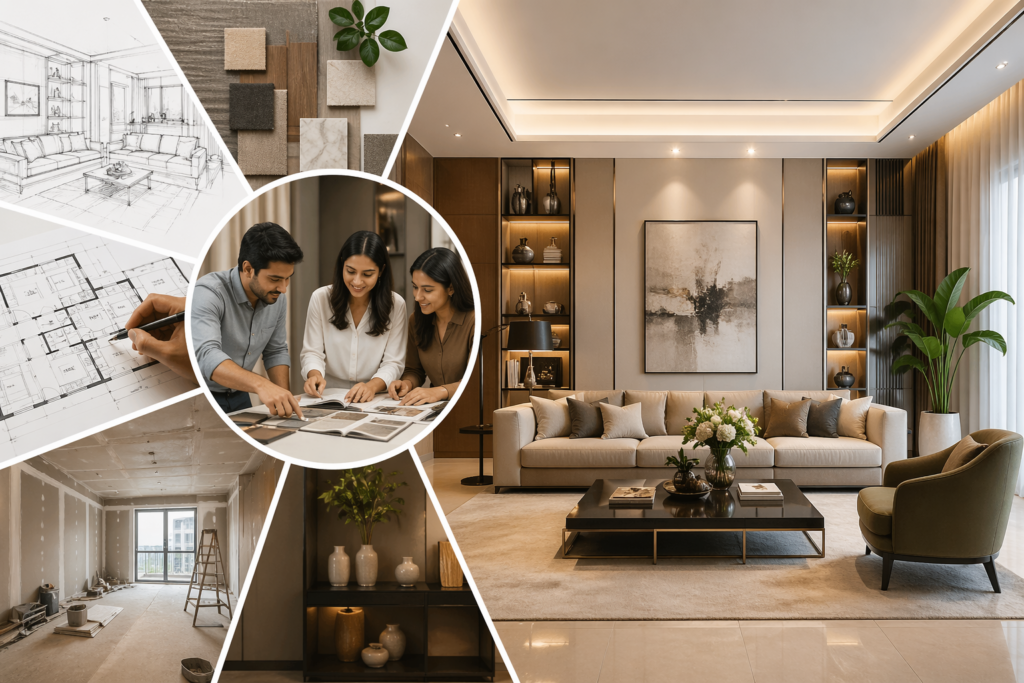
Why Hire a Professional Interior Design Company? A Complete Guide by Avinnyya Vallari Shah Principal Designer In today’s fast-paced world, our homes and workspaces are more than just physical structures—they are reflections of our personality, lifestyle, and aspirations. A thoughtfully designed space can enhance comfort, boost productivity, and significantly improve overall well-being. Whether it’s a cozy apartment, a luxury villa, or a modern office, interior design plays a crucial role in shaping how we experience our surroundings. However, when it comes to designing a space, many people face a common dilemma: should they take the DIY route or hire a professional interior design company? While DIY projects may seem cost-effective initially, they often lack the finesse, functionality, and long-term value that professional expertise brings. This is where a trusted design partner like Avinnyya steps in. With a blend of creativity, technical knowledge, and industry experience, professional designers transform your vision into reality while ensuring efficiency and elegance. In this comprehensive guide, we will explore why hiring a professional interior design company is a smart investment for your space. What Does a Professional Interior Design Company Do? Understanding the role of a professional interior design company is the first step in realizing its value. These experts do much more than just selecting colors and furniture—they create cohesive environments tailored to your needs. Understanding Client Needs Every successful design begins with a deep understanding of the client. Professional designers invest time in learning about your lifestyle, preferences, daily routines, and functional requirements. They consider factors such as family size, work habits, storage needs, and even future plans. Budget is another critical element. Instead of pushing expensive solutions, a good design company works within your financial boundaries to deliver maximum value. This personalized approach ensures that the final design is not only beautiful but also practical and sustainable. Space Planning & Concept Development One of the most important aspects of interior design is space planning. Professionals analyze the layout and optimize every inch to ensure efficient use of space. Whether it’s a small apartment or a large commercial area, proper planning enhances both functionality and flow. Designers also develop concepts that align with your vision. This includes selecting themes, creating mood boards, and presenting 3D visualizations. These tools help you visualize the final outcome before execution begins, allowing you to make informed decisions. Execution & Project Management Execution is where the real challenge lies, and this is where professional interior design companies truly shine. They manage everything—from sourcing materials and coordinating with vendors to supervising on-site work. Project management ensures that timelines are met, budgets are maintained, and quality standards are upheld. Without professional oversight, even the best designs can fall apart during execution. Top Reasons to Hire a Professional Interior Design Company Hiring a professional interior design company offers numerous advantages that go beyond aesthetics. Let’s explore the key reasons why it’s a worthwhile investment. Expertise and Experience Professional designers bring years of training and hands-on experience to the table. They understand design principles such as balance, proportion, scale, and harmony, which are essential for creating visually appealing spaces. They are also well-versed in current trends while maintaining a sense of timeless design. This ensures that your interiors remain stylish and relevant for years to come. Moreover, their problem-solving skills help overcome challenges that may arise during the project. Saves Time and Effort Designing a space involves countless decisions, from selecting materials to coordinating with contractors. For someone without experience, this can quickly become overwhelming and time-consuming. A professional interior design company handles everything on your behalf, streamlining the entire process. With efficient planning and execution, projects are completed faster, allowing you to enjoy your transformed space without unnecessary delays. Cost Efficiency & Budget Management Contrary to popular belief, hiring a professional designer can actually save money in the long run. DIY projects often lead to costly mistakes, such as incorrect measurements, poor material choices, or design inconsistencies. Designers help you avoid these pitfalls by making informed decisions from the start. They also have access to trade discounts and reliable suppliers, ensuring that you get the best value for your investment. Access to Resources & Network Professional interior design companies have an extensive network of vendors, craftsmen, and suppliers. This gives you access to high-quality materials, exclusive furniture, and unique décor items that are not easily available in the market. Their established relationships with vendors also ensure better pricing and timely delivery, which contributes to a smoother project experience. Personalized and Functional Designs Every space is unique, and a one-size-fits-all approach rarely works in interior design. Professionals create customized solutions tailored to your specific needs and preferences. They strike the perfect balance between aesthetics and functionality, ensuring that your space is not only visually appealing but also practical and comfortable. From smart storage solutions to ergonomic furniture placement, every detail is carefully planned. Professional Visualization One of the biggest advantages of hiring a professional interior design company is the ability to see your space before it is built. Through 3D renders and visualizations, designers provide a clear picture of the final outcome. This eliminates guesswork and allows you to make changes early in the process, saving both time and money. DIY Interior Design vs. Professional Designers While DIY interior design has gained popularity, it comes with its own set of challenges. Comparing it with professional services highlights the true value of expert intervention. Challenges of DIY Interior Design DIY projects often lack technical expertise, which can lead to design flaws and inefficiencies. Without proper knowledge of materials, lighting, and spatial planning, achieving a cohesive look becomes difficult. Additionally, managing a project on your own requires significant time and effort. From sourcing materials to coordinating with workers, the process can quickly become stressful and overwhelming. Benefits of Hiring Professionals Professional designers bring structure and organization to the entire process. They follow a systematic approach that ensures consistency and quality at every stage. With their expertise, you can achieve a polished and sophisticated