
Balcony Design Ideas for Urban Apartments
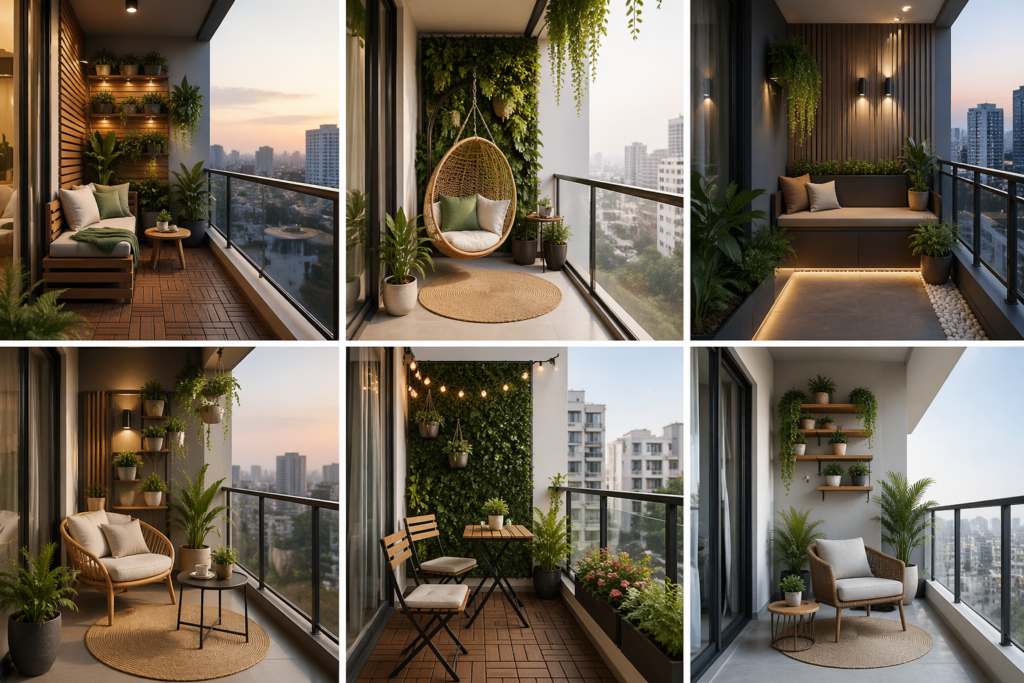
Balcony Design Ideas for Urban Apartments: Transform Small Spaces into Stylish Retreats avinnyyaadmin Principal Designer Urban living often comes with space constraints, but one area that holds immense design potential is the balcony. Whether it’s a compact extension of your living room or a narrow outdoor strip, your balcony can become a serene escape from the chaos of city life. With the right balcony design ideas for urban apartments, even the smallest spaces can be transformed into functional and aesthetically pleasing retreats. In today’s fast-paced cities, balconies are no longer just utility zones—they are lifestyle spaces. From cozy reading corners to lush mini gardens and even work-from-home setups, a well-designed balcony can significantly enhance your quality of life. This guide explores practical, stylish, and space-saving ideas to help you create a balcony that reflects your personality and meets your daily needs. Introduction to Urban Balcony Living As urban apartments continue to shrink in size, balconies have become more valuable than ever. They provide a rare connection to the outdoors, allowing residents to enjoy fresh air, natural light, and a moment of peace without leaving home. In densely populated cities, a thoughtfully designed balcony can act as a personal sanctuary. However, designing a balcony in an urban setting comes with its own challenges. Limited square footage, exposure to weather elements, and privacy concerns often restrict design possibilities. This is why strategic planning and creative thinking are essential. By focusing on functionality, comfort, and visual appeal, you can turn even a tiny balcony into a highly usable space. Understanding Your Balcony Space Types of Urban Balconies Before diving into design ideas, it’s important to understand the type of balcony you have. Open balconies are the most common and offer maximum flexibility in design, but they require weather-resistant materials. Enclosed balconies, on the other hand, provide protection from dust and rain, making them ideal for year-round use. Juliet balconies are minimal and decorative, typically allowing airflow without usable floor space. Utility balconies are often used for laundry or storage but can be redesigned to serve dual purposes. Each type demands a different design approach, so identifying your balcony type helps in making better decisions regarding furniture, décor, and layout. Assessing Size and Layout The next step is to carefully assess your balcony’s size and layout. Measure the available space and identify areas that can be used for seating, greenery, or storage. Pay attention to natural elements such as sunlight direction, wind exposure, and views. These factors influence everything from plant selection to furniture placement. Understanding your balcony’s strengths and limitations allows you to maximize its potential without overcrowding it. Planning the Perfect Balcony Design Setting a Purpose A successful balcony design starts with defining its purpose. Do you want a peaceful relaxation zone where you can unwind with a book? Or perhaps a vibrant garden filled with greenery? Some homeowners prefer a compact dining area for morning coffee, while others need a functional workspace. When you assign a clear purpose to your balcony, it becomes easier to choose the right elements and avoid unnecessary clutter. A well-defined theme ensures that every design choice contributes to the overall functionality of the space. Budget Planning Budget plays a crucial role in determining the scope of your balcony makeover. Fortunately, creating a beautiful balcony doesn’t always require a large investment. Affordable options like DIY décor, repurposed furniture, and budget-friendly materials can deliver impressive results. For those looking for a premium finish, investing in high-quality furniture, custom fittings, and professional design services can elevate the space significantly. The key is to strike a balance between aesthetics and practicality. Space-Saving Balcony Furniture Ideas Foldable and Multi-Functional Furniture In compact urban balconies, furniture must be both functional and space-efficient. Foldable chairs and tables are excellent choices as they can be easily stored when not in use. Multi-functional furniture, such as storage benches, helps maximize utility without occupying additional space. Built-In Seating Solutions Built-in seating is a smart way to utilize every inch of your balcony. Wall-mounted benches or corner seating arrangements provide ample seating while maintaining a clean and organized look. These solutions are particularly useful for narrow balconies. Compact Furniture Picks Compact furniture like bistro sets or stackable chairs adds charm without overwhelming the space. Choosing lightweight and minimalistic designs ensures that the balcony feels open and uncluttered. Balcony Flooring Ideas Flooring plays a vital role in defining the overall look and feel of your balcony. Wooden deck tiles are a popular choice for their warm and natural appearance. They are easy to install and instantly enhance the aesthetic appeal. Artificial grass is another excellent option, especially for those who want a garden-like vibe without the maintenance. It creates a soft, inviting surface that is perfect for relaxation. Outdoor rugs and tiles offer a cost-effective way to refresh your balcony. With a variety of patterns and textures available, they can add personality and comfort to the space. Balcony Wall Design & Decor Vertical Gardens Vertical gardens are a game-changer for small balconies. By utilizing wall space, you can introduce greenery without sacrificing floor area. Whether you opt for DIY planters or professionally installed systems, vertical gardens bring life and freshness to your balcony. Wall Panels and Textures Adding texture to your balcony walls can significantly elevate its design. Wooden panels create a cozy and warm ambiance, while stone cladding adds a touch of luxury. Waterproof paints in vibrant or neutral tones can also enhance the visual appeal. Hanging Decor Elements Hanging décor elements such as macramé planters, wall art, and decorative pieces add character and depth. These elements allow you to personalize your balcony and make it uniquely yours. Balcony Lighting Ideas Lighting is essential for creating the right ambiance, especially in the evenings. Soft ambient lighting, such as string lights or fairy lights, creates a cozy and inviting atmosphere. Functional lighting, including wall-mounted fixtures and LED strips, ensures visibility and usability. Decorative lighting elements like lanterns or solar lights can add a charming touch while being
Home Office Interior Design Tips for Productivity
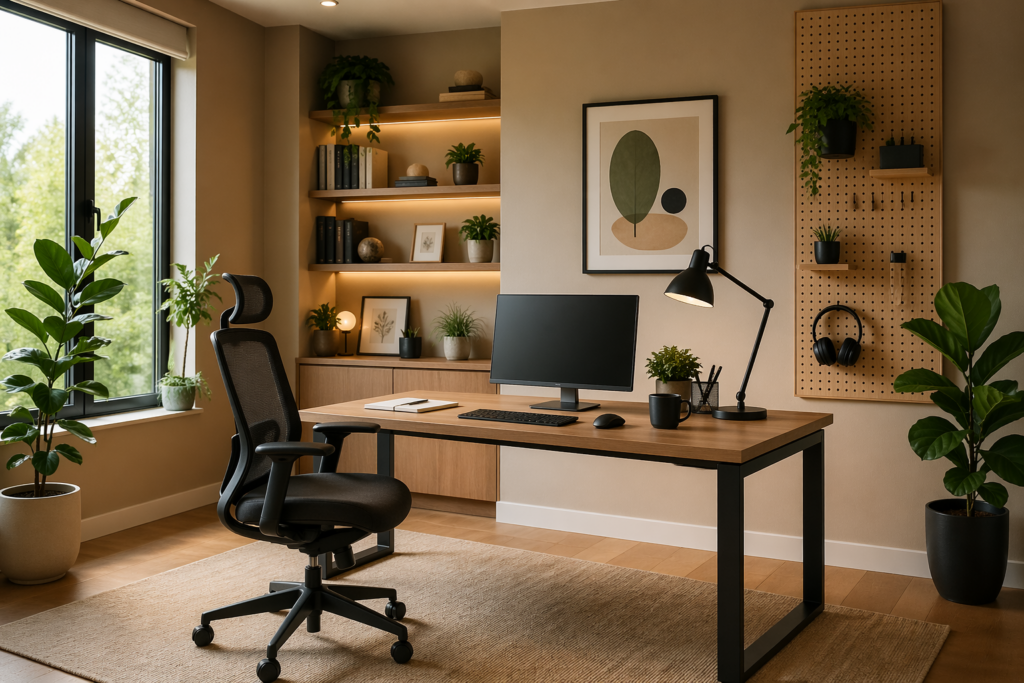
Home Office Interior Design Tips for Productivity avinnyyaadmin Principal Designer The way we work has undergone a massive transformation in recent years, with remote and hybrid work becoming the new normal. As more professionals shift to working from home, the importance of a well-designed home office has never been greater. Unlike traditional offices, home workspaces often compete with distractions, limited space, and poor ergonomics, all of which can significantly impact productivity and mental well-being. A thoughtfully designed home office is not just about aesthetics—it directly influences focus, efficiency, and even creativity. The right layout, lighting, and furniture choices can help reduce stress, improve posture, and enhance overall work performance. At Avinnyya, we understand that a productive workspace is a blend of functionality and style, tailored to individual needs and lifestyles. Understanding Productivity in a Home Office The Psychology of Workspace Design Your environment has a profound effect on how you think, feel, and perform. A cluttered, poorly lit workspace can lead to fatigue and lack of motivation, while a well-organized and visually pleasing office can boost concentration and energy levels. Elements such as color schemes, natural light, and spatial arrangement play a critical role in shaping your mental state. For instance, a workspace that feels open and airy encourages creativity, while a structured and organized setup enhances focus. The goal is to create a balance that aligns with your work style and daily tasks. Common Productivity Challenges at Home Working from home comes with its own set of challenges. Distractions from family members, household chores, and digital interruptions can easily disrupt workflow. Additionally, many people work from makeshift setups like dining tables or beds, leading to poor posture and decreased efficiency. Another common issue is the lack of a dedicated workspace, which makes it difficult to mentally switch between work and personal life. Addressing these challenges through smart interior design solutions is key to maintaining productivity. Choosing the Right Location for Your Home Office Dedicated Room vs. Multi-Functional Space One of the first decisions in designing a home office is selecting the right location. If space allows, a dedicated room is ideal as it provides privacy and minimizes distractions. It creates a clear boundary between work and home life, which is essential for maintaining a healthy routine. However, not everyone has the luxury of a separate room. In such cases, a multi-functional space can work effectively. A corner in the living room, bedroom, or even a hallway can be transformed into a productive workspace with the right design approach. The key is to define the area clearly using furniture, rugs, or partitions. Importance of Privacy and Noise Control Noise can be a major productivity killer. Whether it’s street traffic or household activity, unwanted sound can break concentration. Simple solutions like thick curtains, rugs, and upholstered furniture can help absorb noise. For more privacy, consider using room dividers, sliding panels, or even bookshelves as partitions. Creating a quiet and focused environment ensures that you can work efficiently without constant interruptions. Ergonomic Furniture for Comfort and Efficiency Selecting the Perfect Desk Your desk is the centerpiece of your home office, and choosing the right one is crucial. It should be spacious enough to accommodate your work essentials without feeling cramped. The height of the desk should allow your arms to rest comfortably, reducing strain on your shoulders and wrists. Standing desks have gained popularity for their health benefits, allowing users to alternate between sitting and standing positions. However, a traditional desk with proper ergonomics can be equally effective when paired with the right chair. Investing in an Ergonomic Chair An ergonomic chair is not a luxury—it’s a necessity. Long hours of sitting can lead to back pain, neck strain, and poor posture if your chair does not provide adequate support. Look for features such as adjustable height, lumbar support, and a comfortable seat cushion. A good chair not only improves physical comfort but also enhances focus by reducing fatigue and discomfort. Smart Storage Solutions Clutter is one of the biggest enemies of productivity. A well-organized workspace allows you to focus on tasks without unnecessary distractions. Incorporating smart storage solutions like floating shelves, cabinets, and drawer organizers can help keep everything in its place. Hidden storage options are particularly useful in smaller spaces, as they maintain a clean and minimalist look while maximizing functionality. Lighting Design for Maximum Productivity Natural Light Optimization Natural light is one of the most important elements in a productive workspace. It improves mood, reduces eye strain, and enhances overall well-being. Positioning your desk near a window allows you to take advantage of daylight while providing a refreshing view. However, it’s important to avoid direct glare on your screen. Using sheer curtains or blinds can help control the intensity of sunlight. Artificial Lighting Layers In addition to natural light, a well-designed lighting plan should include multiple layers of artificial lighting. Task lighting, such as desk lamps, provides focused illumination for work, while ambient lighting ensures overall brightness in the room. Accent lighting can be used to highlight décor elements and create a pleasant atmosphere. Choosing the right color temperature is also important—cool white light is ideal for focus, while warm light creates a more relaxed environment. Color Psychology in Home Office Design Best Colors for Productivity Colors have a significant impact on mood and productivity. Blue tones are known to enhance focus and calmness, making them ideal for workspaces. Green promotes balance and reduces eye strain, while yellow stimulates creativity and energy. Selecting the right color palette depends on the nature of your work and personal preferences. Color Combinations and Accent Walls Instead of using a single color, combining complementary shades can create a visually appealing environment. Accent walls are a great way to add character without overwhelming the space. Neutral tones paired with subtle pops of color can strike the perfect balance between aesthetics and functionality. Technology Integration for a Smart Workspace Cable Management and Organization With multiple devices in use, cable clutter can quickly become a
Living Room Layout Ideas for Small and Large Spaces
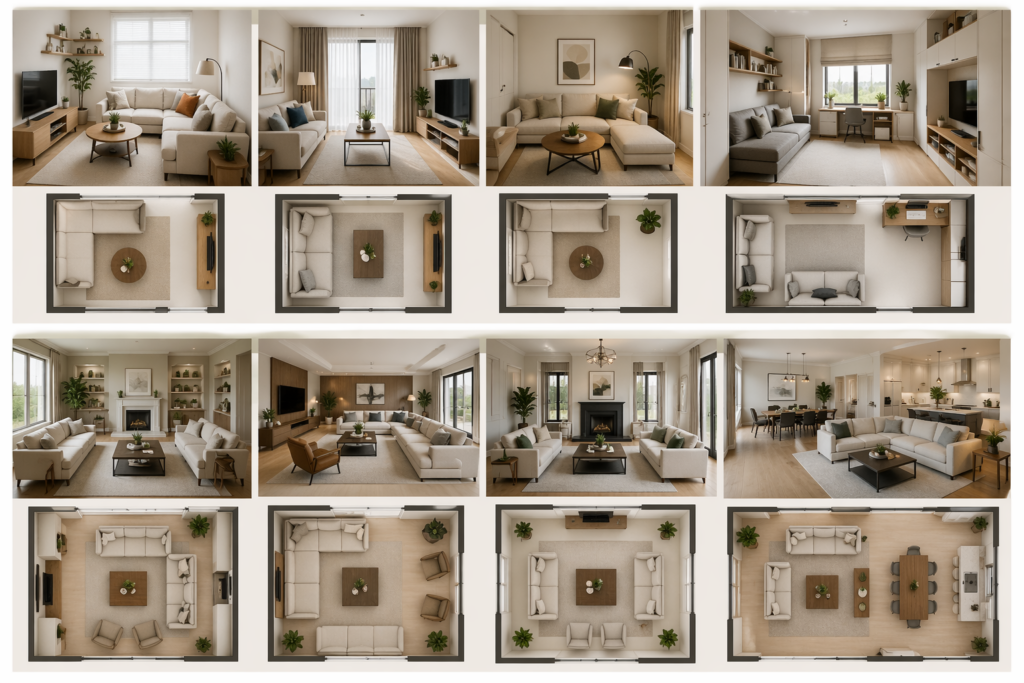
Living Room Layout Ideas for Small and Large Spaces avinnyyaadmin Principal Designer Designing a living room that feels both functional and visually appealing starts with one crucial element—layout. Whether you are working with a compact apartment or a spacious villa, the way you arrange furniture and define spaces directly impacts comfort, usability, and aesthetics. A well-planned living room layout ensures smooth movement, enhances natural light, and creates a welcoming environment for both family and guests. In modern homes, the living room is no longer just a place to sit; it serves multiple purposes such as entertainment, relaxation, work, and social interaction. This makes layout planning even more important. In this comprehensive guide, we’ll explore smart, practical, and stylish living room layout ideas for both small and large spaces, helping you make the most of your home regardless of its size. Introduction to Living Room Layout Planning Living room layout planning is the foundation of great interior design. It involves strategically arranging furniture, lighting, and decor elements to maximize space while maintaining visual harmony. Without a proper layout, even the most expensive furniture can feel out of place, making the room look cluttered or underutilized. For small spaces, the challenge lies in maximizing functionality without overcrowding the room. Every piece of furniture must serve a purpose and fit seamlessly into the layout. On the other hand, large living rooms present a different challenge—making the space feel cohesive and not overly empty or disconnected. Professional designers often begin by analyzing the room’s dimensions, natural light sources, and the homeowner’s lifestyle. This ensures that the layout is not only aesthetically pleasing but also practical for daily use. Thoughtful layout planning transforms a living room into a balanced space where design meets functionality effortlessly. Key Principles of an Effective Living Room Layout Balance and Proportion Balance and proportion are essential in creating a visually pleasing living room. A well-balanced layout distributes furniture evenly across the space, preventing one side from feeling heavier than the other. For example, placing a large sofa on one side can be balanced with two chairs or a console table on the opposite side. Proportion ensures that furniture fits the size of the room. Oversized furniture in a small living room can make the space feel cramped, while tiny furniture in a large room can appear lost. Choosing the right scale is key to achieving harmony in your layout. Functionality First Before focusing on aesthetics, it’s important to define how the living room will be used. Will it be primarily for watching TV, entertaining guests, or relaxing with family? Understanding the purpose helps determine the layout. In many modern homes, living rooms are multifunctional. This means the layout should accommodate different activities without compromising comfort. Flexible furniture arrangements and multi-purpose pieces can help achieve this balance. Traffic Flow and Accessibility A good layout always considers movement within the room. Clear pathways should be maintained so people can move around comfortably without bumping into furniture. Ideally, there should be at least 2.5 to 3 feet of walking space between major furniture pieces. Poor traffic flow can make even a spacious living room feel inconvenient. Arranging furniture in a way that allows easy access to seating areas, doors, and windows is essential for a practical layout. Focal Points in Living Room Design Every living room should have a focal point that anchors the layout. This could be a television unit, a feature wall, a large window, or even a piece of artwork. Once the focal point is identified, furniture should be arranged around it to create a sense of direction and purpose. A strong focal point helps bring the entire room together and ensures that the layout feels intentional rather than random. Living Room Layout Ideas for Small Spaces Minimalist Layout Approach In small living rooms, less is always more. A minimalist approach focuses on keeping only essential furniture and eliminating unnecessary clutter. This creates a clean and open environment, making the room feel larger than it actually is. Neutral color palettes, simple furniture designs, and limited decor elements contribute to a minimalist aesthetic. This approach not only enhances visual appeal but also improves functionality. Space-Saving Furniture Placement Strategic furniture placement is crucial in compact spaces. Placing sofas against the wall can free up central space, making the room feel more open. Choosing furniture with sleek designs and exposed legs can also create an illusion of space. Avoid blocking windows with bulky furniture, as natural light plays a significant role in making small rooms feel airy and spacious. Multi-Functional Furniture Solutions Multi-functional furniture is a game-changer for small living rooms. Pieces like sofa-cum-beds, storage ottomans, and foldable tables serve multiple purposes while saving space. These smart solutions allow homeowners to maximize utility without overcrowding the room. For instance, a storage ottoman can act as seating, a footrest, and a storage unit all at once. Open Layout Concept An open layout can make a small living room feel significantly larger. Combining the living area with the dining or kitchen space creates a seamless flow and eliminates visual barriers. Using consistent flooring and color schemes across spaces enhances this effect, making the entire area feel unified and spacious. Vertical Space Utilization When floor space is limited, vertical space becomes your best friend. Wall-mounted shelves, floating cabinets, and tall storage units help maximize storage without taking up valuable floor area. Vertical design elements also draw the eye upward, creating an illusion of height and making the room feel bigger. Smart Zoning Techniques Even in small spaces, zoning can help define different areas. Rugs, lighting, and furniture placement can be used to create distinct zones within the same room. For example, a rug under the sofa can define the seating area, while a small desk in the corner can create a workspace without disrupting the overall layout. Best Layout Examples for Small Living Rooms Popular layouts for small living rooms include L-shaped seating arrangements, which make efficient use of corners, and studio-style layouts that integrate
Kids’ Room Designs That Grow With Your Child
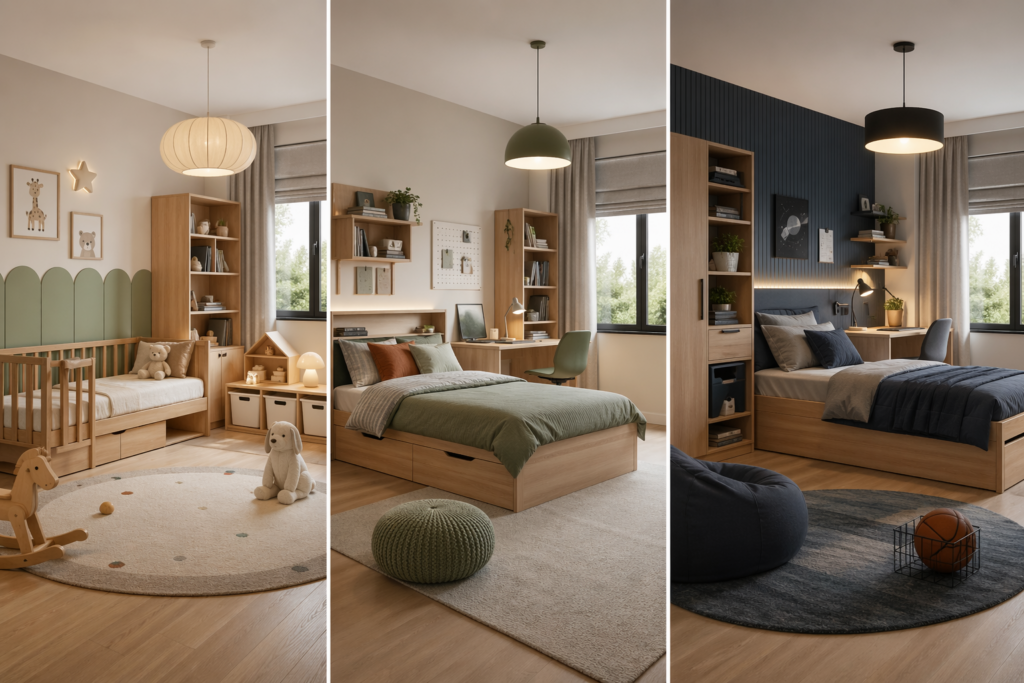
Kids’ Room Designs That Grow With Your Child avinnyyaadmin Principal Designer Designing a child’s room is one of the most exciting parts of creating a home, but it can also be one of the most challenging. Children grow quickly, and their needs, preferences, and lifestyles evolve just as fast. What works perfectly for a toddler may feel completely outdated for a pre-teen or teenager. That’s why modern parents and designers are shifting towards a smarter approach—creating kids’ rooms that grow with the child. A well-designed evolving space doesn’t just save money on frequent renovations; it also ensures consistency, functionality, and comfort over the years. Instead of redesigning every few years, a thoughtful plan allows the room to adapt naturally through different life stages. This blog explores how to design a flexible, future-ready kids’ room that balances creativity, practicality, and longevity. Introduction to Evolving Kids’ Room Design Traditional kids’ rooms often focus heavily on themes—cartoon characters, bright colors, and playful elements that suit a specific age group. While visually appealing, these designs quickly become outdated as children grow older. This leads to repeated redesign costs and unnecessary effort. Evolving kids’ room design focuses on adaptability. The idea is to build a strong, neutral foundation and layer it with elements that can be easily updated over time. This approach not only supports your child’s growth but also aligns with modern interior design principles of sustainability and efficiency. Designing such a room requires foresight. It involves choosing versatile furniture, neutral palettes, and flexible layouts that can transition smoothly from a playful nursery to a functional teenage retreat. Professional expertise, such as that offered by an interior design company in bangalore, often emphasizes these long-term strategies to create timeless and adaptable spaces. Understanding Your Child’s Growth Stages A key part of designing a room that grows with your child is understanding how their needs change over time. Each stage of development brings different functional and emotional requirements. Toddler Stage (0–5 Years) During the early years, safety and comfort are the top priorities. The room should be designed to encourage exploration while minimizing risks. Soft edges, non-toxic materials, and ample open space are essential. Furniture should be low-height and easily accessible, allowing children to move independently. At this stage, playful elements like colorful rugs, wall decals, and themed décor can be added. However, it’s wise to keep these elements temporary. Instead of permanent wallpaper or built-in themed furniture, opt for removable and replaceable décor that can evolve as your child grows. Early School Years (6–10 Years) As children start school, their room needs to support both play and learning. This is when a study area becomes important. A small desk, ergonomic chair, and proper lighting help establish good study habits early on. Storage also becomes more critical. Toys gradually make way for books, school supplies, and hobby materials. A well-organized storage system ensures the room remains clutter-free while encouraging responsibility and independence. Pre-Teen to Teen Stage (11–18 Years) Teenagers require a more personalized and private space. Their room becomes a reflection of their personality, interests, and lifestyle. The design should shift from playful to sophisticated, incorporating mature colors, functional furniture, and tech-friendly features. At this stage, flexibility is crucial. Furniture should accommodate longer study hours, increased storage needs, and possibly even social interactions. A thoughtfully designed room can support both productivity and relaxation. Key Principles of a Grow-With-Your-Child Room Creating a room that evolves seamlessly requires following certain core design principles. Flexibility is Key Flexibility is the foundation of any adaptable design. Furniture and layouts should be easy to modify without major structural changes. Modular furniture, movable storage units, and multi-purpose elements make it easier to update the room as needs change. For example, a play area in early years can later be transformed into a study corner or reading nook without requiring a complete overhaul. Neutral Base Design A neutral base ensures longevity. Walls, flooring, and large furniture pieces should have timeless colors such as white, beige, grey, or soft pastels. These shades create a versatile backdrop that can be easily refreshed with accessories. Instead of repainting walls frequently, you can simply change curtains, cushions, or wall art to match your child’s evolving preferences. Durability & Quality Materials Children’s rooms experience a lot of wear and tear. Investing in durable materials ensures that the space remains functional and visually appealing for years. Scratch-resistant surfaces, sturdy furniture, and easy-to-clean finishes are essential. Sustainable materials are also gaining popularity, as they are both eco-friendly and long-lasting. Smart Furniture Choices for Longevity Furniture plays a major role in determining how adaptable a room can be. Choosing the right pieces can significantly extend the lifespan of the design. Convertible Cribs to Beds Convertible furniture is one of the best investments for a growing child’s room. Cribs that transform into toddler beds and later into full-sized beds eliminate the need for multiple replacements. This not only saves money but also maintains design consistency. Adjustable Study Tables & Chairs An ergonomic study setup is essential for growing children. Adjustable desks and chairs can be modified according to height, ensuring proper posture and comfort over the years. This reduces the need for frequent upgrades and supports healthy habits. Multi-Functional Storage Beds Beds with built-in storage are perfect for maximizing space. They provide additional storage for toys, clothes, or books, helping keep the room organized. As storage needs grow, these beds remain functional without taking up extra space. Modular Wardrobes A modular wardrobe can be easily reconfigured as your child’s storage needs change. Adjustable shelves, hanging rods, and compartments allow customization over time, making it a practical long-term solution. Designing a Flexible Layout A well-planned layout ensures that the room remains functional at every stage of growth. Zoning the Room Dividing the room into zones—sleeping, studying, and playing—creates a structured environment. As your child grows, these zones can be adjusted. For example, the play area can gradually shrink while the study area expands. Open Space Planning Avoid overcrowding the room with
Modular Kitchen Design Ideas for Indian Families
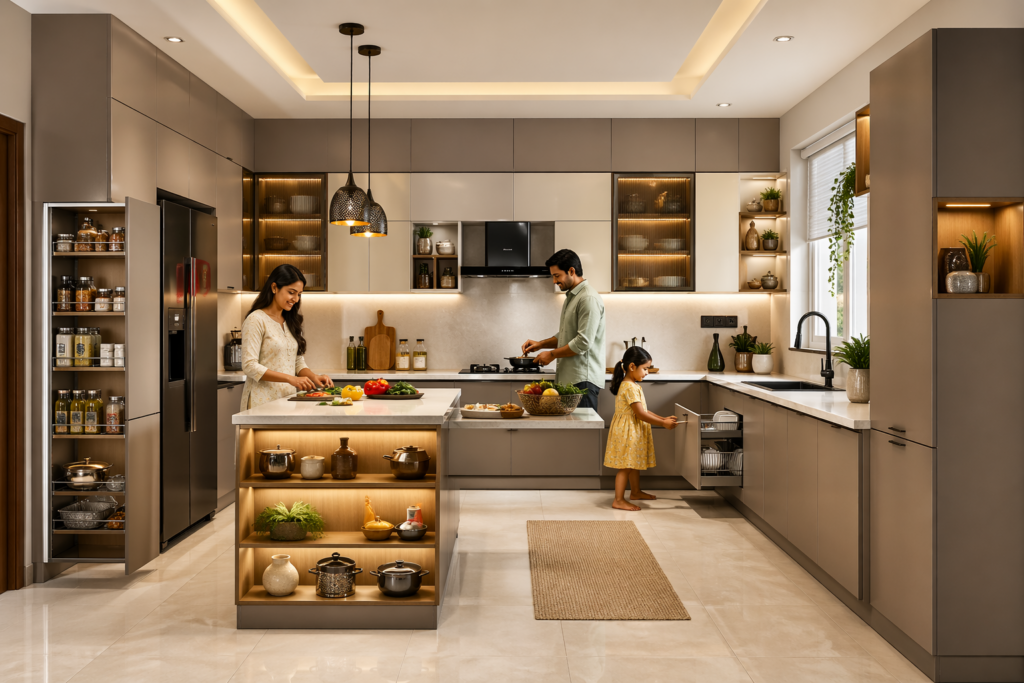
Modular Kitchen Design Ideas for Indian Families avinnyyaadmin Principal Designer The kitchen has always been the heart of Indian homes—a place where not just meals, but traditions and memories are created. However, as lifestyles evolve and urban homes become more compact, the need for functional, efficient, and aesthetically pleasing kitchen spaces has grown significantly. This is where modular kitchens have revolutionized Indian interiors. Unlike traditional kitchens that are often built on-site with fixed structures, modular kitchens consist of pre-designed cabinet modules that can be customized, assembled, and installed with precision. This approach allows homeowners to achieve a perfect balance of style and functionality. Indian families, in particular, benefit greatly from modular kitchens because of their adaptability to diverse cooking styles, heavy usage, and storage needs. Today, modular kitchens are no longer a luxury but a practical necessity. They offer better organization, improved workflow, and modern aesthetics, making daily cooking more efficient and enjoyable. Why Modular Kitchens Are Ideal for Indian Families Efficient Space Utilization One of the biggest challenges in Indian homes—especially in urban apartments—is limited space. Modular kitchens are designed to maximize every inch, ensuring no area goes to waste. From vertical cabinets that utilize wall height to compact drawer systems that optimize corner spaces, these kitchens are engineered for efficiency. For Indian families who often store large quantities of groceries, utensils, and cookware, this smart utilization becomes essential. Instead of cluttered countertops and overflowing shelves, modular kitchens offer designated spaces for everything, creating a clean and organized environment. Customization for Indian Cooking Needs Indian cooking involves a wide variety of ingredients, utensils, and appliances—from heavy pressure cookers to spice boxes and mixers. Modular kitchens can be tailored to accommodate all these elements seamlessly. Designers incorporate specific features such as spice pull-outs, oil trays, and deep drawers for large vessels. Additionally, provisions for gas pipelines, chimneys, and water purifiers are integrated into the design, ensuring both safety and convenience. This level of customization ensures that the kitchen works in harmony with the family’s cooking habits. Easy Maintenance and Durability Indian cooking often involves oil, spices, and high heat, which can take a toll on kitchen surfaces. Modular kitchens are built using materials that are resistant to stains, moisture, and heat, making them easy to maintain. Surfaces like laminates and acrylic finishes can be cleaned with minimal effort, while high-quality hardware ensures long-lasting performance. This durability makes modular kitchens a practical investment for Indian households. Popular Modular Kitchen Layouts for Indian Homes L-Shaped Kitchen The L-shaped layout is one of the most popular choices for Indian homes. It utilizes two adjacent walls, creating an efficient work triangle between the stove, sink, and refrigerator. This layout is ideal for small to medium-sized kitchens, as it maximizes corner space while leaving enough room for movement. For families that prefer an open kitchen connected to the living or dining area, the L-shaped design offers both functionality and visual appeal. U-Shaped Kitchen The U-shaped kitchen is perfect for larger families that require extensive storage and workspace. With cabinets and countertops on three sides, this layout provides ample room for multiple users to work simultaneously. This design is particularly useful for Indian cooking, where meal preparation can be elaborate and time-consuming. The additional storage ensures that all essentials are within easy reach. Parallel (Galley) Kitchen Parallel kitchens, also known as galley kitchens, are highly efficient and commonly found in urban apartments. This layout features two parallel countertops, creating a streamlined workflow. It is especially suitable for compact homes where space is limited but functionality cannot be compromised. The separation of cooking and cleaning zones makes it ideal for Indian households. Island Kitchen Island kitchens are a symbol of modern luxury and are best suited for spacious homes. The central island can serve multiple purposes—additional workspace, storage, or even a casual dining area. For Indian families who enjoy hosting guests, the island becomes a social hub, allowing interaction while cooking. Straight Kitchen Straight kitchens are designed along a single wall and are perfect for studio apartments or very small spaces. Despite their compact size, they can be highly functional when designed thoughtfully with modular components. Smart Storage Solutions for Indian Kitchens Pull-Out Cabinets and Drawers Pull-out systems are a game-changer in modular kitchens. They allow easy access to items stored at the back, eliminating the need to dig through cluttered shelves. Specialized pull-outs for spices, oils, and groceries ensure that everything is organized and within reach. Corner Storage Solutions Corners are often underutilized in traditional kitchens, but modular designs make the most of these spaces with solutions like magic corners and carousel units. These innovative mechanisms ensure that even the deepest corners are accessible and functional. Overhead Cabinets Overhead cabinets provide additional storage for items that are not used daily. They help keep the countertop clutter-free while maintaining a clean and minimalist look. Tall Units and Pantry Storage Tall units are ideal for storing bulk groceries, grains, and packaged food items. With adjustable shelves and pull-out trays, they offer both convenience and organization, which is essential for Indian households. Best Materials for Modular Kitchens in India Cabinets Choosing the right material for cabinets is crucial for durability. Plywood is widely preferred due to its strength and resistance to moisture. MDF and HDF are also used for their smooth finish and affordability, but they may require additional protection in high-moisture areas. Countertops Countertops must withstand heat, stains, and heavy usage. Granite is a popular choice in Indian kitchens due to its durability and heat resistance. Quartz, on the other hand, offers a more uniform appearance and is non-porous, making it easier to maintain. Finishes The finish of the cabinets plays a significant role in the kitchen’s overall look. Laminates are cost-effective and available in a wide range of designs. Acrylic finishes provide a high-gloss, modern appearance, while membrane and PU finishes offer a premium feel. Trending Modular Kitchen Design Ideas (2026) Smart Kitchens with Technology Technology is transforming kitchens into smart, efficient spaces. Features like sensor-based
Bedroom Interior Ideas for Better Sleep and Relaxation
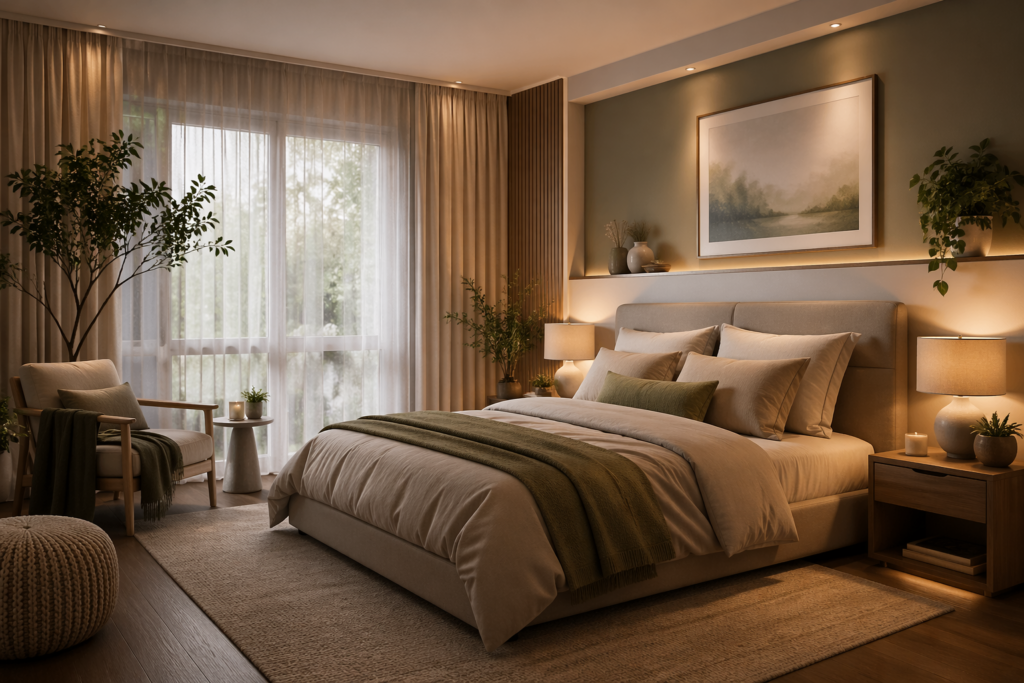
Bedroom Interior Ideas for Better Sleep and Relaxation avinnyyaadmin Principal Designer A well-designed bedroom is more than just a place to sleep—it is your personal sanctuary where comfort meets tranquility. In today’s fast-paced lifestyle, quality sleep has become a luxury for many, and surprisingly, your bedroom interiors play a significant role in determining how well you rest. From the colors on your walls to the type of lighting you use, every design choice can either promote relaxation or disrupt your sleep cycle. Thoughtful bedroom interior design focuses on creating a calm, clutter-free, and soothing environment that helps your mind unwind after a long day. Whether you are redesigning your space or making small improvements, the right ideas can transform your bedroom into a peaceful retreat. In this guide, we will explore practical and stylish bedroom interior ideas that enhance sleep quality and promote deep relaxation. Why Bedroom Design Matters for Sleep Quality The Psychology of Space and Sleep The design of your bedroom directly influences your mental state. A cluttered, poorly organized room often leads to increased stress and anxiety, making it harder for your brain to relax. On the other hand, a clean, thoughtfully designed space signals calmness and order, encouraging your mind to slow down. When your surroundings feel balanced and harmonious, your body naturally aligns with a more restful state. Your brain associates your bedroom with rest, but this connection weakens if the space is chaotic or overstimulating. Incorporating calming design elements strengthens this association, helping you fall asleep faster and enjoy uninterrupted rest. Role of Interior Elements in Relaxation Every element in your bedroom—from lighting and colors to textures and layout—affects your circadian rhythm. Soft lighting, comfortable furniture, and soothing colors work together to create an environment that promotes relaxation. Even small details like the fabric of your curtains or the placement of your bed can influence how relaxed you feel. Choosing the Right Color Palette for a Calming Bedroom Best Colors for Sleep Color psychology plays a crucial role in bedroom design. Soft and neutral tones such as beige, ivory, and light grey create a sense of calm and simplicity. Cool shades like blue, green, and lavender are especially effective in promoting relaxation, as they mimic natural elements like sky and greenery. These colors help lower stress levels and create a serene atmosphere, making it easier for your mind to transition into sleep mode. Colors to Avoid Bright and bold colors like red, neon shades, or overly dark tones can overstimulate the mind. These colors increase energy levels rather than calming them, making it harder to relax. While they may work well in living areas, they are not ideal for a sleep-friendly environment. Accent Colors and Balance You don’t have to stick to a single tone. Adding subtle accent colors through cushions, rugs, or artwork can bring warmth and personality without overwhelming the space. The key is to maintain balance and avoid visual clutter. Bedroom Lighting Ideas for Relaxation Layered Lighting Concept A well-lit bedroom uses a combination of lighting types to create a balanced atmosphere. Ambient lighting provides overall illumination, while task lighting—like bedside lamps—supports activities such as reading. Accent lighting adds depth and enhances the overall aesthetic. Layered lighting allows you to adjust brightness levels according to your mood, which is essential for creating a relaxing environment. Warm vs Cool Lighting Warm lighting is ideal for bedrooms as it creates a cozy and inviting feel. Cool white lighting, while suitable for workspaces, can feel harsh and disrupt your body’s natural sleep signals. Switching to warm-toned bulbs can make a noticeable difference in how relaxed you feel at night. Smart Lighting Solutions Modern bedrooms increasingly incorporate smart lighting systems. Dimmable lights and automated controls allow you to adjust brightness without effort. Gradually dimming lights in the evening can help signal your body that it’s time to wind down. Furniture Layout for Better Comfort and Flow Bed Placement Tips The placement of your bed is one of the most important aspects of bedroom design. Ideally, your bed should be positioned in a way that allows easy access from both sides while maintaining a sense of security. Avoid placing it directly in line with the door, as this can create a feeling of disturbance. Minimalist Approach A minimalist layout enhances relaxation by reducing visual clutter. Instead of overcrowding your bedroom with furniture, focus on essential pieces that serve a purpose. Clean lines and simple designs create a sense of openness and calm. Space Optimization Smart storage solutions such as beds with built-in storage or wall-mounted shelves help keep the room organized. A well-structured layout ensures smooth movement and prevents the space from feeling cramped. Selecting the Perfect Mattress and Bedding Mattress Types and Comfort Your mattress plays a critical role in sleep quality. Memory foam mattresses provide excellent support by contouring to your body, while spring mattresses offer better airflow. Hybrid options combine the benefits of both. Choosing the right mattress depends on your comfort preference and sleeping position. Bedding Materials Natural fabrics like cotton, linen, and bamboo are ideal for bedding. They are breathable, soft, and help regulate body temperature, ensuring a comfortable sleep experience throughout the year. Pillows and Ergonomics Proper neck support is essential for avoiding discomfort and improving sleep quality. Ergonomic pillows designed for your sleeping posture can significantly enhance comfort and reduce strain. Creating a Clutter-Free and Organized Bedroom Smart Storage Solutions A clutter-free bedroom promotes a sense of calm and order. Built-in wardrobes, under-bed storage, and multifunctional furniture help keep everything organized without compromising aesthetics. Decluttering Techniques Adopting a minimalist mindset can make a big difference. Keep only essential items in your bedroom and store away anything that doesn’t contribute to comfort or relaxation. Regularly decluttering your space ensures it remains peaceful and inviting. Incorporating Natural Elements for Relaxation Indoor Plants for Better Air Quality Bringing nature indoors can enhance both the look and feel of your bedroom. Plants like snake plants, peace lilies, and aloe vera improve air
Common Interior Design Mistakes Homeowners Make
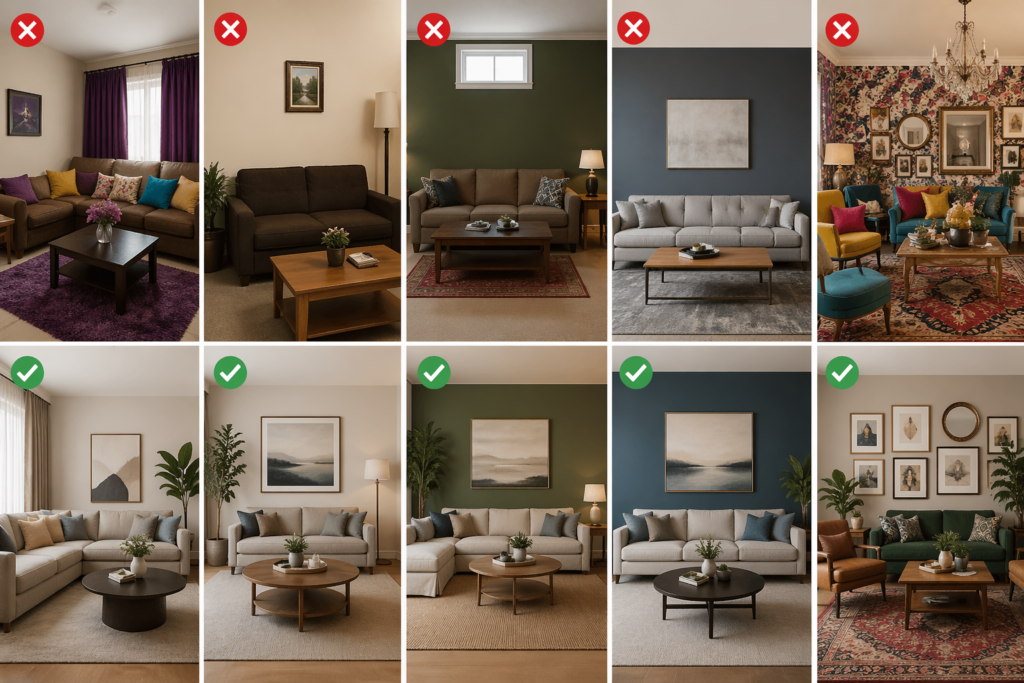
Common Interior Design Mistakes Homeowners Make avinnyyaadmin Principal Designer Designing a home is an exciting journey, but it’s also filled with decisions that can make or break the final outcome. Many homeowners assume that interior design is simply about choosing beautiful furniture or trendy décor, but in reality, it involves a delicate balance of functionality, aesthetics, planning, and long-term usability. Without proper knowledge or guidance, even small mistakes can lead to cluttered spaces, poor functionality, and unnecessary expenses. At Avinnyya, we often see homeowners struggling with avoidable design errors that impact both comfort and visual appeal. The good news is that these mistakes can be easily prevented with the right approach. In this comprehensive guide, we’ll walk you through the most common interior design mistakes homeowners make and, more importantly, how to avoid them to create a home that is both stylish and practical. Lack of Proper Planning Starting Without a Clear Vision One of the biggest mistakes homeowners make is diving into interior design without a clear vision. It’s tempting to start buying furniture or décor items based on what looks appealing in the moment, but this often leads to a mismatched and incohesive space. Without a defined style or theme, rooms can feel disjointed, lacking harmony and flow. A clear vision acts as a roadmap for your design journey. Whether your style leans toward modern minimalism, classic elegance, or contemporary chic, defining it early helps ensure consistency in every element—from colors to furniture and accessories. Creating mood boards, saving inspiration images, and identifying your preferences can significantly reduce confusion and costly mistakes. Ignoring Budget Planning Another critical aspect often overlooked is budgeting. Many homeowners either underestimate the total cost of interior design or spend disproportionately on certain elements while neglecting others. For example, overspending on décor while compromising on quality furniture can affect the longevity and usability of the space. Proper budgeting involves allocating funds strategically across essentials like furniture, lighting, materials, and décor. It also includes accounting for hidden costs such as installation, labor, and maintenance. A well-planned budget ensures that your project stays on track without compromising quality. Solution The key to avoiding planning mistakes is to approach interior design with a structured plan. This includes defining your style, setting a realistic budget, and mapping out every stage of the project. Working with professionals like Avinnyya can further streamline the process, ensuring that every detail is thoughtfully planned and executed. Poor Space Planning Overcrowding Furniture A common mistake in many homes is trying to fit too much furniture into a limited space. While each piece may look appealing individually, overcrowding can make the room feel cramped and uncomfortable. It also disrupts movement, making the space less functional. Proper space planning involves understanding the dimensions of your room and selecting furniture that fits proportionately. Leaving enough space for movement is essential to maintain comfort and usability. Ignoring Functionality Focusing solely on aesthetics while ignoring functionality is another frequent error. A beautiful room that doesn’t serve its purpose effectively can quickly become frustrating. For instance, a stylish living room without adequate seating or a visually appealing kitchen with poor workflow can hinder daily activities. Solution Adopting a “less is more” approach can significantly improve space utilization. Prioritize essential furniture, ensure proper spacing, and design layouts that enhance both comfort and functionality. Thoughtful planning can transform even small spaces into highly efficient and visually pleasing areas. Choosing the Wrong Color Palette Overuse of Bold Colors Color plays a vital role in setting the mood of a space. However, overusing bold or vibrant colors can make a room feel overwhelming and chaotic. While statement colors can add personality, excessive use can disrupt visual balance. Ignoring Lighting Impact on Colors Another mistake is not considering how lighting affects color perception. Natural light and artificial lighting can significantly alter how colors appear throughout the day. A shade that looks perfect in a showroom might appear completely different in your home. Solution The best approach is to use neutral tones as a base and incorporate bold colors through accents such as cushions, artwork, or décor. Testing paint samples in your space before finalizing can help you make more informed decisions and avoid costly repainting. Incorrect Lighting Design Relying Only on One Light Source Lighting is often underestimated in interior design. Many homeowners rely on a single overhead light, which can create harsh shadows and uneven illumination. This not only affects the ambiance but also reduces functionality. Poor Placement of Fixtures Improper placement of lighting fixtures can lead to dark corners or overly bright spots, disrupting the overall balance of the room. Lighting should be strategically placed to highlight key areas and enhance usability. Solution Layered lighting is the key to a well-lit space. Combining ambient, task, and accent lighting creates depth and enhances both functionality and aesthetics. Incorporating natural light along with well-placed artificial lighting can dramatically improve the overall design. Wrong Furniture Size and Scale Oversized Furniture in Small Rooms Using large furniture in small spaces is a common mistake that makes rooms feel cramped and cluttered. It restricts movement and reduces the overall visual appeal. Tiny Furniture in Large Spaces On the other hand, placing small furniture in a large room can make the space feel empty and unbalanced. It fails to create a cohesive and inviting environment. Solution Maintaining the right proportion is essential. Measuring your space and selecting furniture that complements the room’s size ensures balance and harmony. Proper scaling enhances both comfort and visual appeal. Ignoring Storage Needs Lack of Functional Storage Insufficient storage is a major issue that leads to cluttered and disorganized spaces. Without proper storage solutions, even the most beautifully designed rooms can quickly lose their appeal. Overlooking Hidden Storage Options Many homeowners fail to utilize hidden storage opportunities such as under-bed storage, wall-mounted units, or multifunctional furniture. These solutions can maximize space without compromising aesthetics. Solution Investing in smart storage solutions is crucial for maintaining a clean and organized home. Incorporating multifunctional furniture
How Lighting Can Completely Transform Your Home Interiors
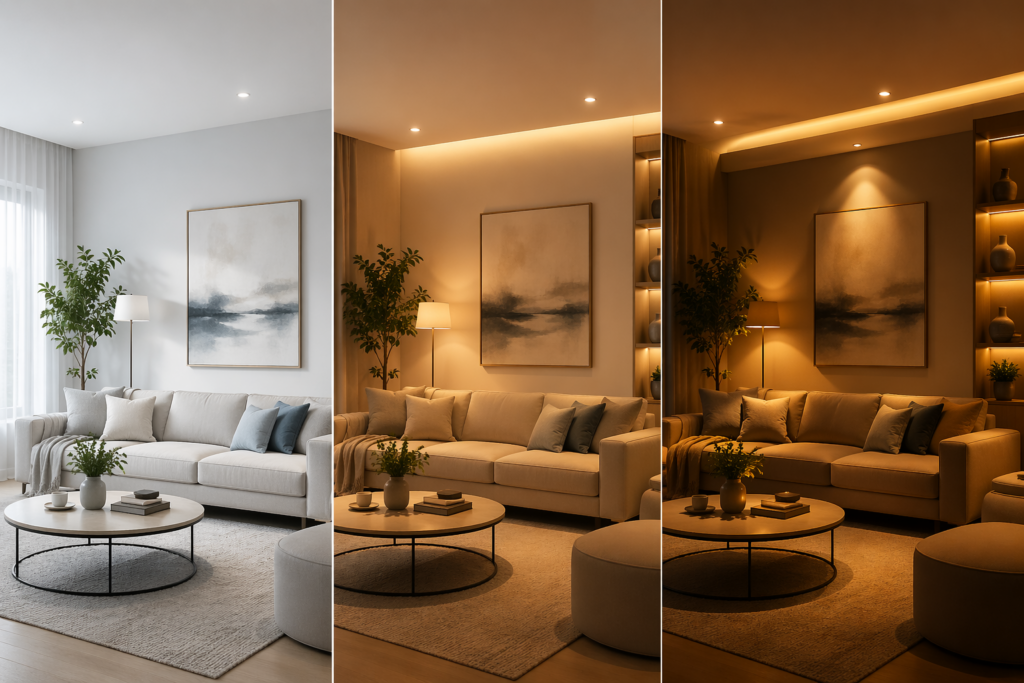
How Lighting Can Completely Transform Your Home Interiors avinnyyaadmin Principal Designer Lighting is one of the most powerful yet underestimated elements in interior design. While homeowners often focus on furniture, color schemes, and décor, lighting quietly shapes how all these elements come together. It influences how a room looks, feels, and functions. The right lighting can make a small room appear spacious, a dull space feel vibrant, and a cold interior become warm and inviting. In modern homes, lighting is no longer just about visibility—it’s about creating experiences. From enhancing architectural details to setting the perfect mood, lighting plays a transformative role in defining your interiors. Whether you are renovating your home or designing a new one, understanding lighting can help you unlock the true potential of your space. This detailed guide explores how lighting can completely transform your home interiors, covering everything from basic principles to advanced design strategies. Why Lighting is the Backbone of Interior Design More Than Just Illumination Lighting is not merely a functional necessity; it is a design tool that shapes the perception of your home. It highlights textures, enhances colors, and adds depth to spaces. A well-lit room brings out the richness of materials such as wood, marble, or fabric, while poor lighting can make even expensive interiors look flat and lifeless. For example, a textured wall or a piece of artwork may go unnoticed without proper lighting. But when illuminated correctly, it becomes a focal point that elevates the entire room. Emotional and Psychological Impact Lighting has a profound effect on human emotions and well-being. Warm lighting creates a cozy, relaxing environment, ideal for bedrooms and living spaces. On the other hand, cool lighting promotes alertness and focus, making it suitable for workspaces and kitchens. The intensity and color of light can influence your mood, productivity, and even sleep patterns. Soft, dim lighting can help you unwind after a long day, while bright lighting energizes you during daily activities. Functional Importance Beyond aesthetics, lighting ensures that your home is practical and comfortable. Task lighting supports activities such as reading, cooking, or working, while proper illumination reduces eye strain and enhances safety. A well-designed lighting plan ensures that every corner of your home is both beautiful and usable. Types of Lighting Every Home Needs Ambient Lighting (General Lighting) Ambient lighting forms the foundation of any lighting design. It provides overall illumination that allows you to navigate your home comfortably. This type of lighting is usually achieved through ceiling-mounted fixtures, chandeliers, or recessed lights. A well-planned ambient lighting setup ensures that the entire space is evenly lit without harsh shadows or overly bright spots. Task Lighting Task lighting focuses on specific areas where activities take place. It is essential in spaces like kitchens, study areas, and bathrooms. Examples include under-cabinet lights in kitchens, desk lamps for workstations, and mirror lights in bathrooms. Task lighting improves functionality and ensures that you can perform activities efficiently without straining your eyes. Accent Lighting Accent lighting adds drama and depth to your interiors. It is used to highlight specific features such as artwork, sculptures, textured walls, or architectural elements. Spotlights, track lights, and wall-mounted fixtures are commonly used for this purpose. This type of lighting creates visual interest and helps define focal points within a room. Decorative Lighting Decorative lighting serves as both a light source and a design statement. Fixtures like pendant lights, designer chandeliers, and artistic lamps fall into this category. These elements enhance the aesthetic appeal of your home and reflect your personal style. How Lighting Transforms Different Areas of Your Home Living Room Lighting Ideas The living room is the heart of your home, where lighting plays a key role in creating a welcoming atmosphere. A layered lighting approach works best here, combining ambient, task, and accent lighting. Soft ambient lighting sets the base, while floor lamps or table lamps provide task lighting for reading. Accent lighting can highlight artwork or decorative pieces, adding character to the space. Bedroom Lighting In bedrooms, lighting should promote relaxation and comfort. Soft, warm lighting helps create a calming environment. Bedside lamps, wall sconces, and dimmable lights are ideal choices. Layered lighting allows you to adjust brightness levels based on your needs, whether you’re reading, relaxing, or sleeping. Kitchen Lighting Kitchens require bright and functional lighting. Task lighting is crucial for cooking and food preparation, while ambient lighting ensures overall visibility. Under-cabinet lights, pendant lights over islands, and recessed ceiling lights work together to create a balanced and efficient kitchen environment. Bathroom Lighting Bathroom lighting should be both functional and flattering. Proper lighting around mirrors is essential to avoid shadows during grooming tasks. Combining overhead lighting with side-mounted fixtures ensures even illumination. Dining Area Lighting Lighting in the dining area sets the mood for meals and gatherings. A statement chandelier or pendant light above the dining table creates a focal point and enhances the dining experience. Warm lighting works best here, as it creates an intimate and inviting atmosphere. The Power of Layered Lighting Design What is Layered Lighting? Layered lighting involves combining different types of lighting—ambient, task, and accent—to create a balanced and dynamic environment. This approach ensures that a space is both functional and visually appealing. Benefits of Layering Lights Layered lighting adds depth and dimension to your interiors. It allows you to control the mood and functionality of a space by adjusting different light sources. This flexibility is especially useful in multifunctional areas like living rooms. Practical Layering Tips Using dimmers is one of the most effective ways to control lighting levels. Proper placement of fixtures is equally important to avoid shadows and glare. A well-layered lighting plan ensures that each area of your home serves its purpose while maintaining aesthetic harmony. Choosing the Right Light Temperature and Color Warm vs Cool Light Warm light (yellow tones) creates a cozy and relaxing ambiance, making it ideal for bedrooms and living rooms. Cool light (white or blue tones) is more energizing and suitable for kitchens, bathrooms,
Smart Storage Ideas for Compact Apartments
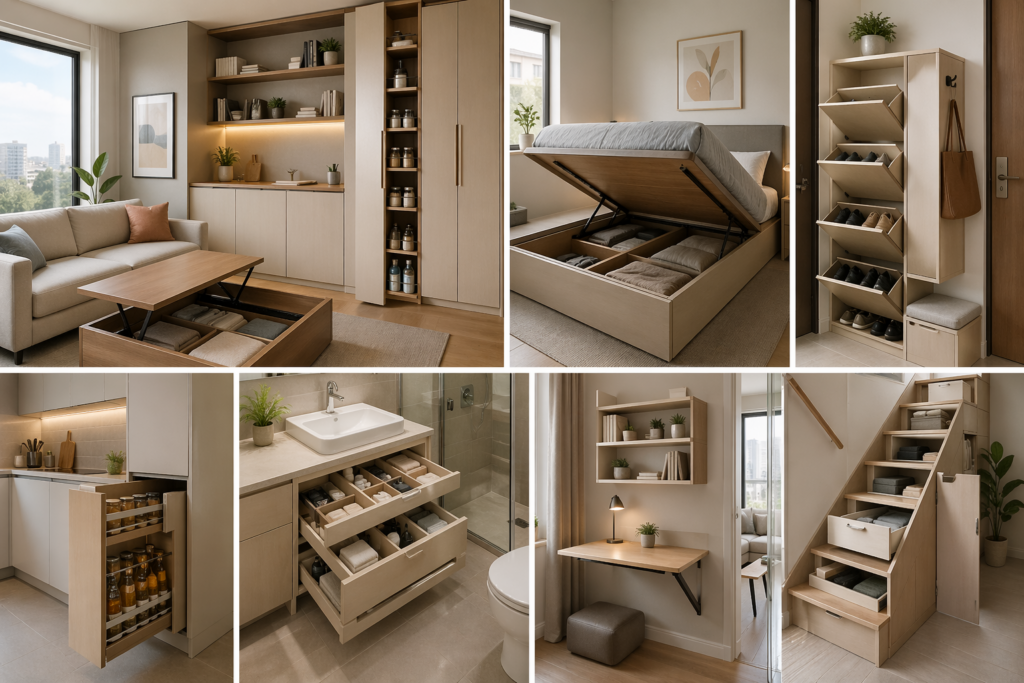
Smart Storage Ideas for Compact Apartments avinnyyaadmin Principal Designer Urban living has redefined the way we design our homes. With compact apartments becoming increasingly common, especially in metropolitan cities, the need for smart storage solutions has never been greater. Limited square footage doesn’t mean compromising on comfort, organization, or style. In fact, with the right approach, even the smallest apartment can feel spacious, functional, and visually appealing. Smart storage is not just about fitting more into less space—it’s about creating a harmonious living environment where everything has its place. From multifunctional furniture to hidden storage hacks, modern interior design offers countless ways to optimize every inch of your home. At Avinnyya, the focus is on blending creativity with practicality to transform compact apartments into efficient and elegant spaces. Why Smart Storage is Essential in Compact Apartments Space Constraints in Modern Urban Homes As urban populations grow, apartments are getting smaller. High real estate costs and increasing demand have led to compact living spaces becoming the norm. This makes efficient space utilization a necessity rather than a choice. Without proper storage planning, even a well-designed apartment can quickly feel cramped and disorganized. Impact of Clutter on Lifestyle Clutter is more than just a visual problem—it directly affects your mental well-being and productivity. A disorganized space can lead to stress, reduced focus, and inefficiency in daily routines. In compact apartments, clutter becomes even more noticeable, making it crucial to adopt smart storage strategies. Benefits of Smart Storage Solutions Smart storage transforms the way a home functions. It maximizes usable space, improves organization, and enhances the overall aesthetic appeal. With thoughtful design, storage solutions can seamlessly blend into the décor, making your apartment feel larger and more inviting. Key Principles of Smart Storage Design Multi-Functionality One of the core principles of smart storage is using furniture that serves multiple purposes. In compact apartments, every piece should contribute to both functionality and storage. For example, a bed with built-in drawers or a coffee table with hidden compartments can significantly reduce clutter. Vertical Space Utilization Many homeowners overlook vertical space, but it is one of the most valuable assets in small apartments. Walls can be transformed into storage zones with shelves, cabinets, and hanging units, freeing up valuable floor space. Hidden Storage Concepts Hidden storage is a game-changer in compact living. It keeps items out of sight, creating a clean and uncluttered look. From concealed compartments in furniture to storage behind panels, these solutions enhance both functionality and aesthetics. Minimalism and Decluttering Smart storage works best when combined with a minimalist approach. Keeping only what you truly need reduces storage demands and makes your home feel more spacious. A well-organized, clutter-free environment enhances both comfort and visual appeal. Living Room Storage Ideas Multi-Functional Furniture The living room is often the most used space in a home, making it essential to keep it organized. Multi-functional furniture like sofa beds and storage ottomans can serve dual purposes while saving space. These pieces are ideal for compact apartments where every inch counts. Wall-Mounted Shelves Wall-mounted shelves are perfect for displaying décor while providing additional storage. Floating shelves can hold books, plants, and decorative items without taking up floor space, making the room feel open and airy. TV Units with Storage Modern TV units are designed with built-in cabinets and drawers, offering ample storage for electronics, accessories, and more. These units help keep the living room tidy while maintaining a sleek look. Hidden Storage Coffee Tables Coffee tables with lift-top designs or hidden compartments provide extra storage for everyday items like magazines, remote controls, and blankets. They combine practicality with style, making them a must-have for compact living rooms. Bedroom Storage Solutions Under-Bed Storage The space under the bed is often underutilized. Storage beds with drawers or hydraulic lift systems provide a convenient way to store seasonal clothing, bedding, and other items without occupying additional space. Built-in Wardrobes Built-in wardrobes are ideal for compact bedrooms as they maximize storage while maintaining a streamlined look. Sliding doors are especially useful as they save space compared to traditional hinged doors. Headboard Storage Headboards with built-in shelves or compartments offer additional storage for books, décor, and essentials. This eliminates the need for bulky bedside tables, freeing up valuable floor space. Vertical Closet Organizers Using vertical organizers within wardrobes helps optimize storage capacity. Hanging organizers, tiered racks, and compartmentalized shelves ensure every inch of the closet is utilized efficiently. Kitchen Storage Ideas for Small Spaces Modular Kitchen Cabinets Modular kitchens are designed to maximize efficiency in small spaces. Custom cabinets ensure that every corner is utilized effectively, providing ample storage without compromising on design. Pull-Out Drawers and Pantry Units Pull-out drawers and pantry units make it easier to access items while optimizing space. These solutions are particularly useful for storing groceries, utensils, and cookware in an organized manner. Wall Hooks and Magnetic Strips Wall hooks and magnetic strips are simple yet effective storage solutions for utensils and knives. They keep frequently used items within reach while freeing up counter space. Corner Storage Solutions Corners are often wasted in kitchens, but smart solutions like lazy Susans and corner drawers can turn them into highly functional storage areas. Bathroom Storage Hacks Wall-Mounted Cabinets Wall-mounted cabinets above the sink or toilet provide additional storage without taking up floor space. They are perfect for storing toiletries and essentials. Floating Shelves Floating shelves add both style and functionality to bathrooms. They can hold towels, décor, and daily-use items while maintaining a clean look. Mirror Cabinets Mirror cabinets serve a dual purpose by combining storage with functionality. They are ideal for compact bathrooms where space is limited. Under-Sink Storage The area under the sink can be optimized with organizers and cabinets, ensuring efficient use of space while keeping items neatly arranged. Smart Storage for Entryways and Hallways Shoe Racks with Seating Shoe racks with built-in seating provide a practical solution for entryways. They offer storage while creating a comfortable spot to sit and wear shoes. Wall Hooks and
Minimalist Home Design: Less Clutter, More Comfort
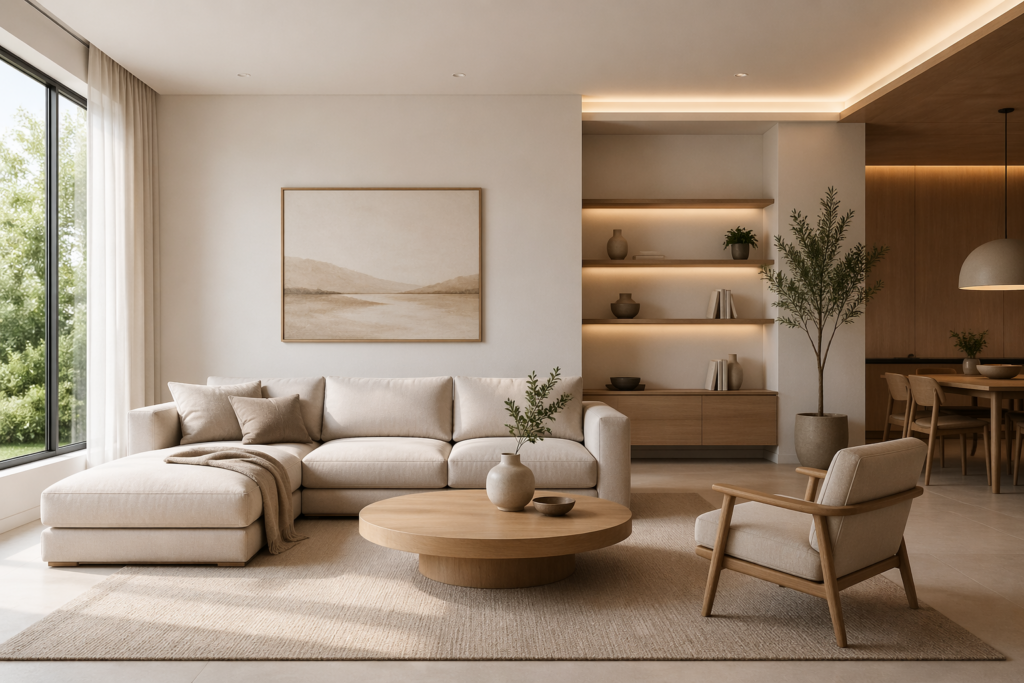
Minimalist Home Design: Less Clutter, More Comfort avinnyyaadmin Principal Designer In today’s fast-paced world, our homes should be a sanctuary—a place where we can relax, recharge, and feel at peace. However, cluttered spaces, excessive furniture, and overwhelming décor often create stress instead of comfort. This is where minimalist home design comes in as a powerful solution. Rooted in the philosophy of “less is more,” minimalist design focuses on simplicity, functionality, and intentional living. Minimalism is not about creating empty or boring spaces; rather, it is about designing homes that are visually calming, highly functional, and deeply comfortable. By eliminating unnecessary items and focusing on essentials, minimalist interiors help create an environment that promotes clarity, productivity, and well-being. At Avinnyya, the approach to minimalist design goes beyond aesthetics. It is about understanding the lifestyle of homeowners and crafting spaces that balance elegance with practicality. Whether you live in a compact apartment or a spacious house, adopting minimalism can significantly enhance your living experience. What is Minimalist Home Design? Core Principles of Minimalism Minimalist home design revolves around the idea that simplicity leads to better living. The concept of “less is more” encourages homeowners to keep only what is necessary and meaningful. Every piece of furniture, décor, or element in a minimalist space serves a purpose. There is no room for excess or unnecessary ornamentation. Clean lines, uncluttered layouts, and a focus on functionality define this design style. Instead of filling a room with multiple decorative items, minimalist interiors emphasize quality over quantity. A single well-designed sofa or a thoughtfully placed artwork can have more impact than an overcrowded room filled with objects. Another essential principle is intentionality. Minimalism encourages homeowners to make conscious choices about what they bring into their homes. This not only enhances the visual appeal but also creates a sense of harmony and balance. Origins and Evolution Minimalist design has its roots in traditional Japanese aesthetics, where simplicity and harmony with nature are deeply valued. The concept of Zen living, which emphasizes calmness and mindfulness, heavily influences minimalist interiors. Over time, this philosophy has evolved and blended with modern design trends to create contemporary minimalist homes. In India, minimalism is gaining popularity, especially in urban areas where space is limited. Homeowners are now moving away from heavy, ornate interiors and embracing cleaner, more functional designs that suit modern lifestyles. Minimalism vs. Modern Design While minimalist and modern design styles share similarities, they are not identical. Modern design often incorporates bold elements, statement pieces, and a mix of materials, whereas minimalism strictly focuses on simplicity and restraint. Minimalist spaces are more refined and calming, with fewer elements and a stronger emphasis on negative space. This makes them ideal for individuals seeking a peaceful and clutter-free environment. Benefits of Minimalist Home Design Reduced Clutter, Reduced Stress One of the most significant advantages of minimalist design is its impact on mental well-being. Cluttered environments can lead to stress, anxiety, and reduced focus. By eliminating unnecessary items, minimalist homes create a sense of calm and order. A clean and organized space allows the mind to relax and function more efficiently. This is especially important in today’s work-from-home culture, where the home environment directly affects productivity. Better Space Utilization Minimalism is particularly beneficial for small homes and apartments. By focusing on essential furniture and smart layouts, it maximizes the available space without making it feel cramped. Open layouts, multifunctional furniture, and clever storage solutions ensure that every inch of space is utilized effectively. This creates a more spacious and breathable environment, even in compact homes. Easy Maintenance With fewer items to manage, minimalist homes are easier to clean and maintain. Dust accumulation is reduced, and organizing becomes simpler. This saves time and effort, allowing homeowners to focus on more important aspects of their lives. Timeless Aesthetic Appeal Minimalist design is not influenced by short-lived trends. Its simplicity and elegance make it timeless. Neutral color palettes, clean lines, and functional layouts ensure that minimalist homes remain stylish for years without requiring frequent updates. Key Elements of Minimalist Interiors Neutral Color Palette Colors play a crucial role in minimalist design. Neutral shades such as white, beige, grey, and soft earth tones are commonly used to create a calm and cohesive look. These colors reflect light, making spaces appear larger and more open. Subtle variations in tones can add depth and interest without overwhelming the space. The goal is to create a soothing environment that feels balanced and harmonious. Functional Furniture In minimalist interiors, every piece of furniture serves a purpose. Multi-functional furniture, such as storage beds, foldable tables, and modular sofas, is widely used to optimize space. The design of the furniture is kept simple, with clean lines and minimal detailing. This not only enhances the visual appeal but also ensures practicality. Open Layouts Open layouts are a hallmark of minimalist design. By reducing unnecessary walls and barriers, spaces feel more connected and spacious. This also improves natural light flow and ventilation, enhancing the overall comfort of the home. Natural Light Lighting is a key element in creating a minimalist atmosphere. Large windows, sheer curtains, and reflective surfaces help maximize natural light. A well-lit space feels more inviting and vibrant while maintaining simplicity. Decluttered Surfaces Minimalist homes prioritize clean and uncluttered surfaces. Countertops, tables, and shelves are kept free from unnecessary items. Hidden storage solutions ensure that essentials are stored neatly out of sight. Room-by-Room Minimalist Design Ideas Living Room The living room is often the focal point of a home, and minimalism can transform it into a comfortable and elegant space. A simple sofa, a coffee table, and a few carefully chosen décor pieces are enough to create a stylish setting. Neutral colors, soft textures, and minimal accessories help maintain a clean look while ensuring comfort. Storage units can be integrated into the design to keep the space organized. Bedroom A minimalist bedroom promotes relaxation and better sleep. By limiting furniture to essentials such as a bed, side table, and wardrobe, the space