
Cost-Effective Modular Furniture Ideas for Modern Homes | Avinnyya
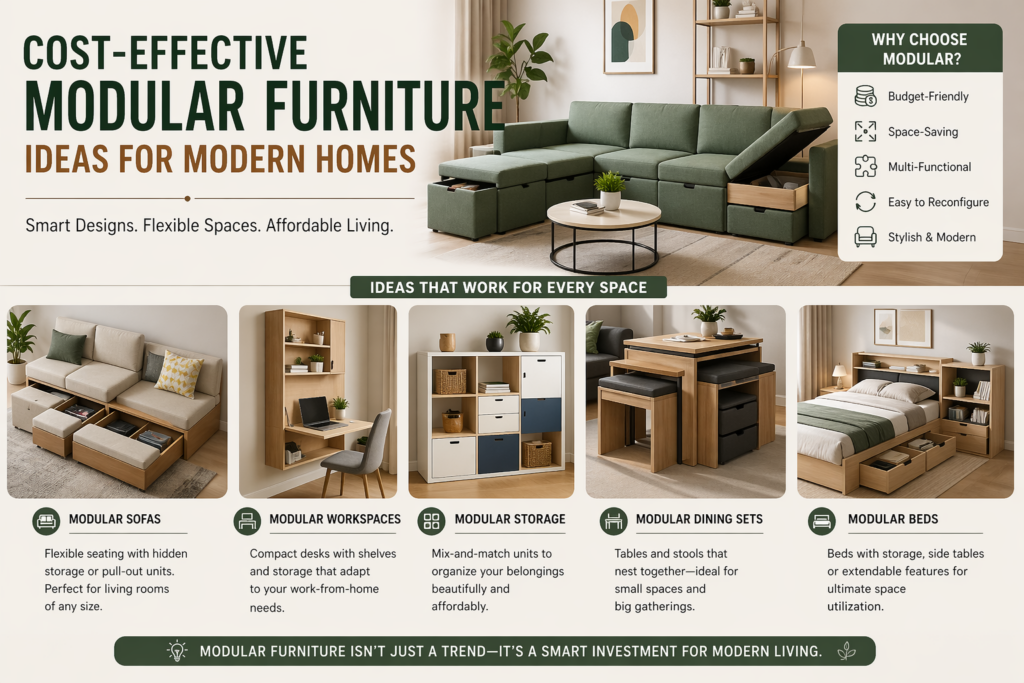
Cost-Effective Modular Furniture Ideas for Modern Homes avinnyyaadmin Principal Designer Modern homes today demand a perfect balance between style, functionality, and affordability. This is where modular furniture has emerged as a game-changer. Modular furniture refers to pre-designed units or modules that can be combined, customized, and arranged according to your space and needs. Unlike traditional bulky furniture, modular designs are flexible, scalable, and easy to install. The rising trend of compact apartments and urban living has made modular furniture a preferred choice among homeowners. Whether you live in a studio apartment or a spacious house, modular solutions help you maximize every inch without overspending. For homeowners looking to achieve a premium look within a limited budget, cost-effective modular furniture ideas offer the ideal solution. At Avinnyya, we specialize in creating smart interior solutions that combine affordability with elegance. With the right design approach, even budget-friendly modular furniture can transform your home into a functional and aesthetically pleasing space. Why Choose Cost-Effective Modular Furniture? Budget-Friendly Without Compromising Style One of the biggest advantages of modular furniture is its ability to deliver high-end aesthetics at a reasonable cost. By using engineered wood, laminates, and standardized designs, manufacturers can reduce costs significantly without compromising on style. This allows homeowners to enjoy sleek, modern interiors without exceeding their budget. Additionally, modular furniture offers a wide range of finishes, colors, and textures, enabling you to customize your interiors without spending excessively. Whether you prefer a minimalist look or a luxurious finish, there are affordable options available for every taste. Space Optimization Space optimization is another key benefit that makes modular furniture highly desirable. In urban homes where space is limited, every square foot matters. Modular designs are specifically created to utilize vertical and horizontal space efficiently. From wall-mounted units to foldable furniture, these solutions ensure that your home remains clutter-free while maintaining functionality. For small apartments, modular furniture is not just a design choice—it is a necessity. Easy Installation & Maintenance Unlike traditional carpentry work that takes weeks to complete, modular furniture is pre-fabricated and can be installed quickly. This reduces labor costs and ensures a hassle-free setup process. Maintenance is also easier, as individual modules can be repaired or replaced without affecting the entire structure. This long-term cost efficiency makes modular furniture a smart investment for homeowners. Key Factors to Consider Before Buying Modular Furniture Material Selection Choosing the right material is crucial when investing in modular furniture. Options like MDF, particle board, and plywood each have their own advantages and cost implications. MDF is affordable and smooth, making it ideal for painted finishes, while plywood offers better durability and moisture resistance. For budget-conscious homeowners, selecting the right balance between cost and durability is essential. Investing slightly more in high-use areas can save you money in the long run. Functionality Over Aesthetics While aesthetics are important, functionality should always be the top priority. Modular furniture is designed to make your life easier, so it’s important to choose designs that serve practical purposes. For example, a stylish sofa without storage may look appealing, but a storage-enabled sofa provides additional utility. Prioritizing functionality ensures better value for your investment. Room Size & Layout Planning Proper planning is the foundation of successful modular design. Before selecting furniture, it is essential to measure your space accurately and understand your layout requirements. Overloading a room with too many modules can make it feel cramped. Instead, focus on essential pieces that enhance usability while maintaining a spacious look. Budget Planning Setting a clear budget helps you make informed decisions and avoid overspending. While modular furniture is cost-effective, additional expenses such as installation, accessories, and customization can add up. Planning your budget in advance ensures that you achieve the desired look without financial stress. Cost-Effective Modular Furniture Ideas for Every Room Living Room Modular Furniture Ideas The living room is the heart of any home, and modular furniture can enhance both its functionality and aesthetics. Modular TV Units Wall-mounted TV units are an excellent way to save space while maintaining a modern look. These units often include open shelves and closed cabinets, allowing you to store electronics, books, and decorative items efficiently. Choosing a simple laminate finish instead of expensive materials can significantly reduce costs while still achieving a stylish appearance. Modular Sofas Modular sofas are designed for flexibility and comfort. Sectional sofas can be rearranged according to your needs, making them ideal for both small and large spaces. Opting for sofas with built-in storage or convertible designs adds extra functionality, making them a cost-effective choice for modern homes. Compact Coffee Tables Coffee tables with storage compartments or nesting designs are perfect for maximizing space. These tables offer both functionality and style without occupying too much room. Bedroom Modular Furniture Ideas The bedroom is your personal retreat, and modular furniture can help you create a comfortable and organized space. Modular Wardrobes Sliding wardrobes are a popular choice for small bedrooms as they eliminate the need for additional space to open doors. Incorporating loft storage further enhances storage capacity without increasing the footprint. Storage Beds Beds with hydraulic or drawer-based storage are highly practical, especially in compact homes. They provide ample space for storing seasonal items, reducing the need for additional furniture. Foldable Study Units Wall-mounted desks and foldable study units are ideal for bedrooms that double as workspaces. These designs ensure functionality without compromising on space. Kitchen Modular Furniture Ideas The kitchen is one of the most important areas where modular design can make a significant impact. Budget Modular Kitchen Layouts Layouts such as L-shaped and parallel kitchens are not only efficient but also cost-effective. These designs optimize workflow while minimizing material usage. Smart Storage Solutions Pull-out drawers, corner units, and vertical storage solutions enhance accessibility and organization. These features ensure that every inch of space is utilized effectively. Open Shelving Concepts Open shelves are an affordable alternative to closed cabinets. They provide easy access to frequently used items while adding a modern touch to your kitchen. Home Office Modular
Affordable Home Makeover Ideas That Look Expensive
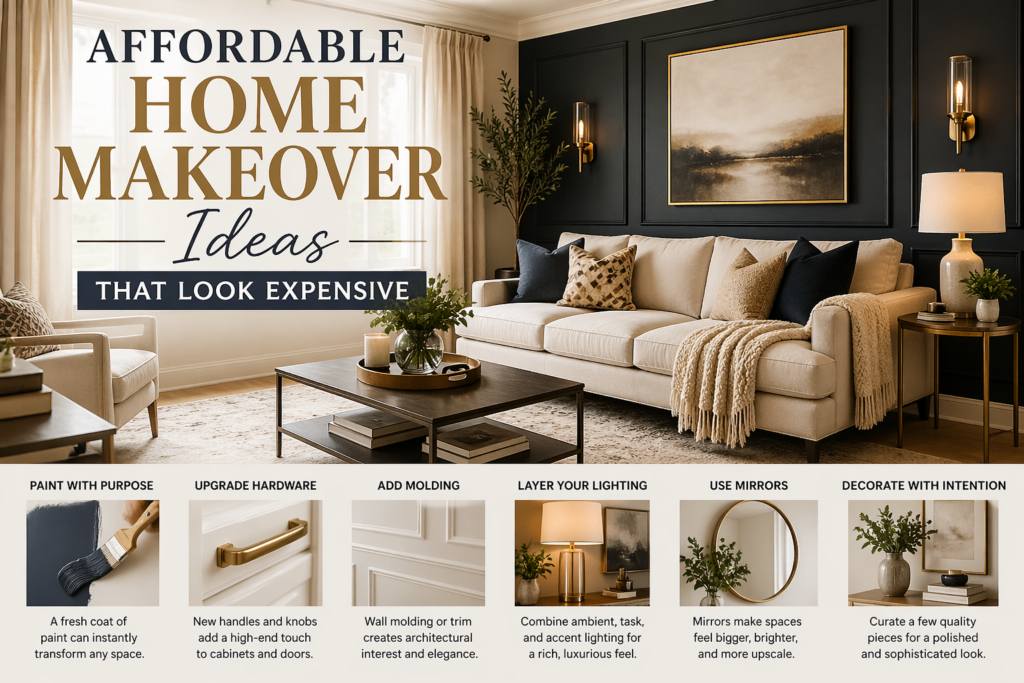
Affordable Home Makeover Ideas That Look Expensive avinnyyaadmin Principal Designer Designing your home is one of the most exciting yet challenging journ Creating a luxurious home doesn’t always require a massive budget. In fact, some of the most stunning interiors are achieved through thoughtful design choices rather than expensive purchases. Many homeowners assume that elegance comes with a hefty price tag, but the truth is that strategic upgrades, clever styling, and attention to detail can completely transform your space without draining your wallet. In today’s design landscape, affordability and sophistication go hand in hand. Whether you live in a compact apartment or a spacious house, there are countless ways to elevate your interiors and give them a premium look. This guide explores practical, stylish, and budget-friendly ideas that can help you achieve a high-end aesthetic effortlessly. Why Affordable Makeovers Are the New Luxury Trend Shift Towards Budget-Conscious Living Modern homeowners are becoming more mindful of their spending habits. With rising costs and changing lifestyles, people are now prioritizing value over extravagance. Instead of investing heavily in expensive décor items, they are focusing on smart upgrades that deliver maximum visual impact with minimal expense. Affordable home makeovers have become a preferred choice because they offer flexibility, creativity, and long-term sustainability. Minimalism and Intentional Design Minimalism has redefined luxury in recent years. A well-designed space with fewer elements often feels more refined than one filled with excessive décor. Intentional design emphasizes selecting pieces that serve both functional and aesthetic purposes. Clean lines, neutral palettes, and uncluttered layouts contribute to a sophisticated ambiance that feels calm and inviting. Designer Tricks vs Expensive Purchases Professional designers rarely rely solely on expensive items to create beautiful spaces. Instead, they use visual tricks such as layering textures, optimizing lighting, and balancing proportions. These techniques can instantly elevate a room’s appearance, proving that style is more about execution than expenditure. Declutter and Deep Clean – The Zero-Cost Transformation Importance of a Clutter-Free Space One of the simplest yet most powerful ways to make your home look expensive is by decluttering. A clutter-free environment automatically appears more spacious and organized. Luxury interiors often emphasize open space, allowing each element to stand out without visual noise. Smart Storage Hacks Effective storage solutions can help maintain a clean and polished look. Consider using multi-functional furniture like ottomans with hidden storage or beds with built-in drawers. Floating shelves and vertical storage units also maximize space while keeping the design visually appealing. Deep Cleaning Techniques Deep cleaning is often overlooked but plays a crucial role in enhancing your home’s appearance. Sparkling floors, spotless windows, and fresh-smelling rooms create an impression of elegance. Paying attention to details like grout lines, curtain cleanliness, and polished surfaces can significantly improve the overall aesthetic. Upgrade Your Lighting for an Instant Luxe Feel Layered Lighting Concept Lighting is one of the most important elements in interior design. A well-lit space feels warm, inviting, and luxurious. Layered lighting involves combining ambient, task, and accent lighting to create depth and dimension. This approach ensures that every corner of your home is well-lit while highlighting key features. Affordable Lighting Options You don’t need expensive chandeliers to achieve a high-end look. Simple additions like pendant lights, floor lamps, or LED strip lighting can transform the ambiance of a room. These options are not only budget-friendly but also versatile enough to suit various design styles. Warm vs Cool Lighting Effects Choosing the right color temperature can dramatically impact the mood of your space. Warm lighting creates a cozy and luxurious feel, while cool lighting works well in modern and functional areas like kitchens and workspaces. Balancing both can help you achieve a harmonious design. Paint Magic – The Most Budget-Friendly Makeover Choosing the Right Colors Paint is one of the most cost-effective ways to refresh your home. Neutral shades like white, beige, and grey create a timeless and elegant backdrop. These colors reflect light well, making spaces appear larger and brighter. DIY Paint Techniques Adding texture or patterns to your walls can elevate their appearance without significant cost. Techniques like color blocking, geometric patterns, or subtle textures can create a designer look while keeping expenses low. Finish Matters The finish of your paint also plays a role in the final outcome. Matte finishes provide a soft, sophisticated look, while satin or gloss finishes add a touch of shine and are easier to clean. Choosing the right finish for each room enhances both functionality and aesthetics. Use Mirrors to Create a High-End Look Illusion of Space Mirrors are a powerful design tool that can make any room feel larger and brighter. By reflecting light and creating depth, they enhance the overall visual appeal of your interiors. Strategic Placement Placing mirrors opposite windows or light sources maximizes their effect. Entryways, living rooms, and narrow corridors benefit greatly from well-positioned mirrors. Affordable Mirror Styles Decorative mirrors with stylish frames can serve as statement pieces. Even simple designs can add elegance when placed thoughtfully within a room. Upgrade Soft Furnishings for Instant Elegance Cushion Covers & Throws Soft furnishings are an easy way to refresh your décor. Mixing textures like velvet, cotton, and linen adds depth and richness to your space. Curtains That Elevate the Room Floor-length curtains instantly make a room look taller and more refined. Choosing light, flowing fabrics or rich, heavy drapes depending on your style can enhance the overall ambiance. Rugs That Define Spaces Rugs help define areas within a room while adding warmth and comfort. A well-chosen rug can tie together different elements and create a cohesive look. Add Statement Wall Decor Without Overspending Gallery Walls Creating a gallery wall using framed photos or artwork adds personality to your space. It’s an affordable way to make a bold statement. Wall Panels & Mouldings Wall mouldings and panels can give your interiors a classic, high-end look. Budget-friendly alternatives are widely available and easy to install. DIY Artwork Ideas Custom artwork doesn’t have to be expensive. Simple canvas paintings or framed prints
DIY vs Hiring an Interior Designer
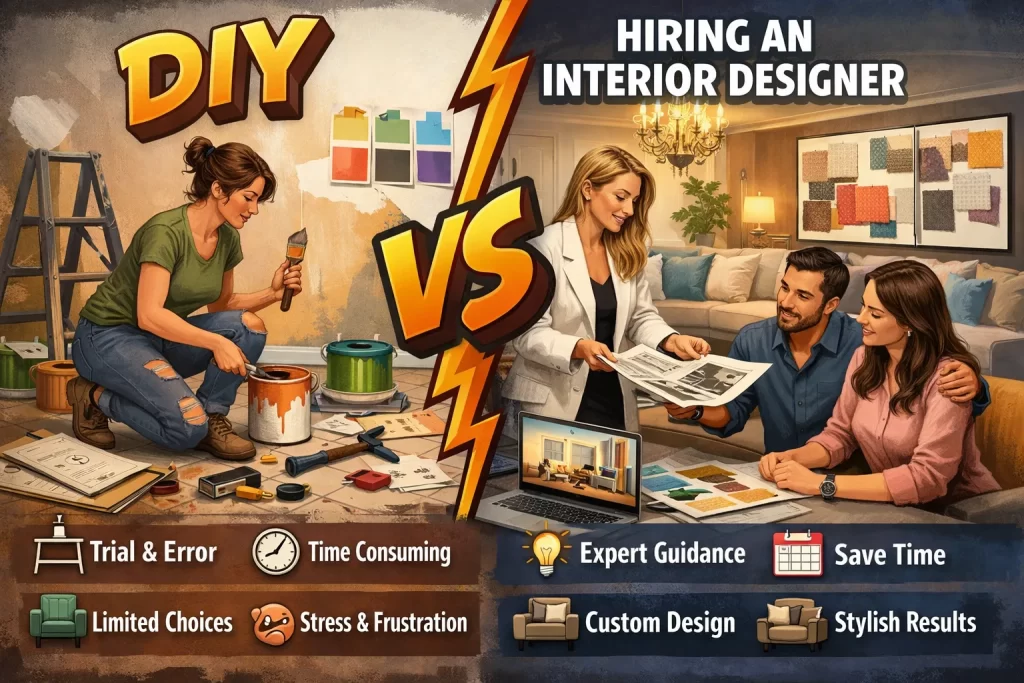
DIY vs Hiring an Interior Designer: What You Should Know avinnyyaadmin Principal Designer Designing your home is one of the most exciting yet challenging journeys you can undertake. From selecting colors and furniture to planning layouts and lighting, every decision contributes to how your space looks and feels. Today, homeowners are increasingly torn between two choices: doing it themselves (DIY) or hiring a professional interior designer. While DIY interior design has gained popularity due to social media inspiration and easy access to design resources, professional designers continue to offer unmatched expertise and efficiency. The decision between DIY and hiring an interior designer is not just about cost—it’s about time, quality, functionality, and long-term value. Understanding the differences, advantages, and limitations of both approaches can help you make a smarter, more informed choice for your home. Understanding DIY Interior Design What is DIY Interior Design? DIY interior design refers to the process of designing and decorating your home without professional help. It involves planning layouts, choosing furniture, selecting materials, and executing the design yourself. With the rise of digital platforms, homeowners now have access to countless design ideas, tutorials, and tools that make DIY more accessible than ever before. Platforms like Pinterest, Instagram, and YouTube have made it easier for individuals to visualize and replicate design trends. Additionally, online tools such as room planners and 3D visualization software allow users to experiment with layouts and styles before making real-world decisions. Why Homeowners Choose DIY One of the primary reasons homeowners choose DIY is cost savings. Hiring a professional designer can seem expensive upfront, so many people prefer to allocate their budget entirely toward materials and furnishings. DIY also offers complete creative freedom, allowing homeowners to personalize every detail according to their taste. Another major factor is the sense of accomplishment. Designing your own space can be incredibly fulfilling, especially when you see your ideas come to life. For creative individuals, DIY becomes not just a task but a rewarding experience. Pros of DIY Interior Design Cost Savings DIY interior design eliminates professional fees, making it an attractive option for budget-conscious homeowners. You can control every expense and decide where to splurge and where to save. This flexibility allows you to prioritize certain elements while cutting costs on others. Full Creative Control When you take the DIY route, you have complete control over every design decision. From color palettes to furniture selection, everything reflects your personal style. There are no limitations imposed by external opinions, giving you the freedom to experiment and innovate. Learning Experience DIY projects offer a valuable learning opportunity. As you navigate through design challenges, you gain knowledge about materials, layouts, and aesthetics. Over time, this hands-on experience can improve your design skills and confidence. Cons of DIY Interior Design Time-Consuming Process One of the biggest drawbacks of DIY interior design is the amount of time it requires. From researching ideas and sourcing materials to executing the design, the process can be overwhelming and lengthy. For individuals with busy schedules, this can quickly become stressful. Risk of Costly Mistakes While DIY may seem cost-effective initially, mistakes can lead to unexpected expenses. Incorrect measurements, poor material choices, or mismatched designs can result in costly rework. Without professional guidance, it’s easy to overlook critical details. Lack of Professional Expertise Interior design is more than just aesthetics—it involves space planning, lighting design, ergonomics, and functionality. DIY enthusiasts may struggle with these technical aspects, leading to inefficient or impractical layouts. Limited Access to Resources Professional designers have access to exclusive materials, trusted vendors, and trade discounts. DIY homeowners often rely on retail options, which may be more expensive and limited in variety. What Does an Interior Designer Do? Role of a Professional Interior Designer An interior designer is trained to create spaces that are both functional and visually appealing. Their role goes beyond selecting furniture—they analyze space, understand client needs, and develop a cohesive design plan. This includes layout planning, color coordination, lighting design, and material selection. Designers also ensure that the final outcome aligns with the client’s lifestyle and preferences. They bring a structured approach to the design process, minimizing errors and maximizing efficiency. Services Offered by Avinnyya Avinnyya offers a comprehensive range of interior design services tailored to modern living. These include residential interior design, modular kitchen solutions, custom furniture design, and complete turnkey projects. Their approach focuses on blending creativity with functionality, ensuring that every space is both beautiful and practical. For those exploring professional help, choosing an experienced interior design company in bangalore can make a significant difference in achieving high-quality results. Pros of Hiring an Interior Designer Professional Expertise & Experience Interior designers bring years of experience and industry knowledge to the table. They understand design principles, space optimization, and material selection, ensuring that every element works harmoniously. Their expertise helps avoid common mistakes and enhances the overall quality of the design. Time Efficiency Hiring a designer saves you a considerable amount of time. They handle everything from planning and sourcing to execution and coordination. With a streamlined process, projects are completed faster and more efficiently. Access to Exclusive Resources Designers have access to a wide network of vendors, suppliers, and craftsmen. This allows them to source high-quality materials and unique pieces that are not easily available to the general public. They can also secure better pricing through trade discounts. Budget Management Contrary to popular belief, hiring a designer can actually help you save money in the long run. They create a clear budget plan and ensure that resources are used efficiently. By avoiding costly mistakes, they help you stay within budget. Customized & Cohesive Design One of the biggest advantages of working with a designer is the ability to achieve a cohesive look. Every element—from furniture to lighting—is carefully selected to create a unified design theme tailored to your preferences. Cons of Hiring an Interior Designer Higher Initial Cost The most common concern when hiring an interior designer is the upfront cost. Design fees and service
How Much Does Interior Design Cost in India?
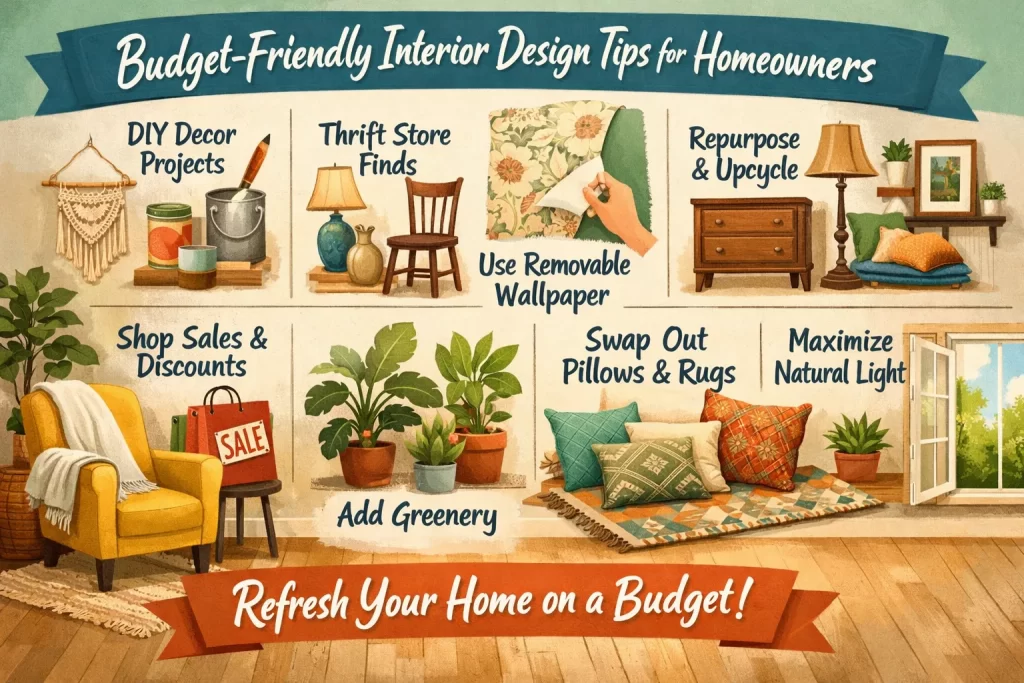
How Much Does Interior Design Cost in India? A Complete Pricing Guide for Homeowners avinnyyaadmin Principal Designer Interior design is no longer considered a luxury reserved only for high-end homes. Today, homeowners across India are investing in well-designed interiors to enhance comfort, functionality, and aesthetics. However, one of the most common questions people ask before starting their design journey is: how much does interior design cost in India? The answer isn’t straightforward, as interior design costs vary widely depending on several factors such as the size of the home, materials used, design complexity, and location. From budget-friendly solutions to premium luxury designs, there is a wide spectrum of pricing options available. Understanding these costs in detail can help homeowners plan better, avoid overspending, and make informed decisions. This comprehensive guide breaks down every aspect of interior design pricing in India, giving you a clear picture of what to expect. Why Understanding Interior Design Costs Is Important Before diving into numbers, it’s essential to understand why knowing the cost structure matters. Interior design involves multiple components, including furniture, materials, labor, and professional fees. Without a clear understanding, expenses can quickly spiral out of control. Having clarity on pricing helps you set a realistic budget and prioritize spending. It also enables better communication with designers and contractors, ensuring that your expectations align with your financial plan. Ultimately, understanding costs empowers you to achieve your dream home without unnecessary stress. Average Interior Design Cost in India (2026 Overview) Interior design costs in India are typically calculated in two ways: per square foot or per room. On average, the cost can range from ₹1,500 to ₹5,000 per square foot, depending on the level of design and materials used. For a basic interior setup, homeowners can expect to spend around ₹1,500 to ₹2,000 per sq. ft. This includes essential furniture, simple finishes, and minimal customization. A mid-range design may cost between ₹2,500 to ₹3,500 per sq. ft., offering better materials, modular furniture, and enhanced aesthetics. Luxury interiors, on the other hand, can go upwards of ₹4,000 to ₹5,000 per sq. ft. or more, featuring premium materials, bespoke furniture, and high-end finishes. These figures provide a general idea, but actual costs can vary significantly based on individual requirements. Factors That Affect Interior Design Costs in India Size of the Home The overall size of your home plays a major role in determining the cost. Larger homes require more materials, furniture, and labor, which increases the total expense. However, the cost per square foot may sometimes decrease slightly for bigger spaces due to economies of scale. Type of Property The type of property—whether it’s an apartment, villa, or independent house—also influences the cost. Villas and larger homes often require more customization, leading to higher expenses compared to standard apartments. Quality of Materials Material selection is one of the biggest cost drivers. Choosing premium materials like hardwood, marble, or imported finishes will significantly increase your budget. On the other hand, laminates, engineered wood, and locally sourced materials can help reduce costs without compromising on aesthetics. Design Complexity Simple designs with minimal customization are more affordable. However, intricate designs, custom-built furniture, and unique layouts require skilled labor and additional time, increasing the overall cost. Labor and Location Labor costs vary across cities in India. Metropolitan cities like Bangalore, Mumbai, and Delhi tend to have higher labor charges compared to smaller cities. Availability of skilled workers and local market rates also impact pricing. Interior Design Cost Per Room in India Living Room Interior Cost The living room is often the focal point of a home, making it one of the most important spaces to design. A basic living room setup may cost between ₹1.5 lakh to ₹3 lakh, including furniture, lighting, and décor. For a more premium look, costs can go up to ₹5 lakh or more, depending on customization and materials used. Bedroom Interior Cost Bedroom interiors typically range from ₹1 lakh to ₹4 lakh. This includes wardrobes, beds, side tables, and lighting. Modular wardrobes and storage solutions can influence the final cost significantly. Kitchen Interior Cost The kitchen is one of the most expensive areas to design due to cabinetry, appliances, and fittings. A modular kitchen can cost anywhere between ₹1.5 lakh to ₹5 lakh or more, depending on size and materials. Bathroom Interior Cost Bathroom interiors usually cost between ₹50,000 to ₹2 lakh per bathroom. The cost depends on fittings, tiles, and fixtures chosen. Cost Breakdown of Interior Design Components Furniture Costs Furniture is often the largest expense in interior design. Custom-made furniture costs more than ready-made options but offers better fit and personalization. False Ceiling and Lighting False ceiling designs with integrated lighting can cost between ₹80 to ₹150 per sq. ft. Lighting fixtures vary widely in price depending on design and brand. Flooring and Wall Finishes Flooring costs depend on materials such as tiles, wood, or marble. Wall finishes like paint, wallpaper, or textures also contribute to the overall cost. Décor and Accessories Décor elements like curtains, rugs, artwork, and plants add the finishing touch to your interiors. While individually affordable, they can collectively impact your budget. Types of Interior Design Packages in India Basic Package A basic package includes essential furniture, standard materials, and minimal design elements. It is ideal for budget-conscious homeowners. Mid-Range Package Mid-range packages offer better materials, modular solutions, and more customization. They strike a balance between cost and quality. Luxury Package Luxury packages include premium materials, bespoke designs, and high-end finishes. These are suitable for homeowners looking for a sophisticated and exclusive look. Hidden Costs to Consider Many homeowners overlook hidden costs that can affect the overall budget. These may include design consultation fees, delivery charges, installation costs, and maintenance expenses. Unexpected structural changes or last-minute design modifications can also increase costs. Planning ahead and discussing all potential expenses with your designer can help avoid surprises. How to Reduce Interior Design Costs Without Compromising Quality One of the best ways to save money is by prioritizing essential elements and
Budget-Friendly Interior Design Tips for Homeowners
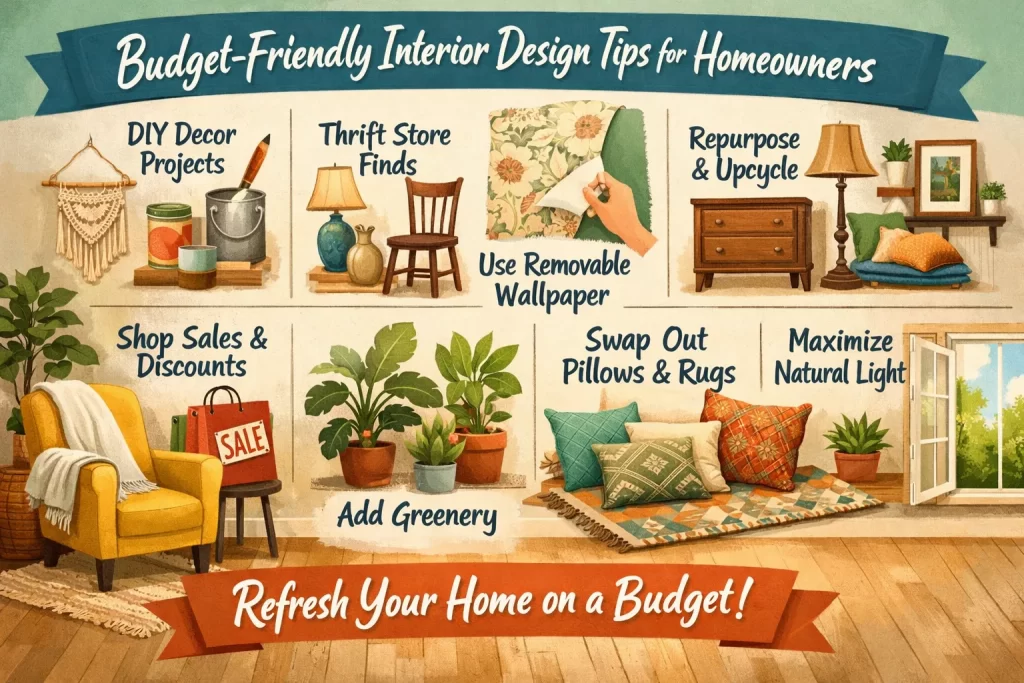
Budget-Friendly Interior Design Tips for Homeowners: Create Stylish Spaces Without Overspending avinnyyaadmin Principal Designer Designing a beautiful home doesn’t have to come with a hefty price tag. Many homeowners believe that achieving a stylish, magazine-worthy interior requires expensive furniture, luxury décor, and high-end materials. However, the truth is quite the opposite. With thoughtful planning, creativity, and the right approach, you can transform your home into a stunning and functional space without overspending. Budget-friendly interior design is all about making smart choices—knowing where to invest, where to save, and how to maximize what you already have. It emphasizes creativity over cost and functionality over extravagance. Whether you’re decorating a new home or refreshing an existing space, affordable design solutions can deliver impressive results. At Avinnyya, the focus is on blending aesthetics with practicality, ensuring that every homeowner can enjoy a stylish living environment regardless of budget constraints. This guide will walk you through proven strategies to achieve a high-end look while staying within your financial limits. Why Budget Interior Design Matters Today Rising Costs of Home Décor In recent years, the cost of home décor materials, furniture, and labor has increased significantly. From premium wood finishes to imported lighting fixtures, prices can quickly escalate, making interior design seem out of reach for many homeowners. This shift has encouraged people to explore smarter, more economical alternatives that deliver the same visual appeal without the premium price. Budget-friendly design is not about compromising on quality but about finding cost-effective solutions that align with your vision. It allows homeowners to create beautiful spaces without financial stress. The Need for Functional Yet Stylish Spaces Modern homes are no longer just about aesthetics—they must also serve practical purposes. Whether it’s a work-from-home setup, a multi-functional living room, or a compact kitchen, every space needs to be efficient and comfortable. Budget interior design focuses on functionality as much as style. Instead of spending excessively on decorative elements, it prioritizes items that enhance usability while maintaining a visually appealing look. Sustainability and Conscious Spending Another important aspect of budget-friendly design is sustainability. Reusing furniture, repurposing materials, and minimizing waste not only saves money but also reduces environmental impact. Conscious spending encourages homeowners to invest in long-lasting solutions rather than short-lived trends. Smart Planning Before You Start Designing Set a Realistic Budget The foundation of any successful interior design project is a well-defined budget. Before making any purchases, it’s essential to determine how much you’re willing to spend and allocate funds accordingly. Divide your budget into categories such as furniture, décor, lighting, and labor. Prioritizing your expenses helps prevent overspending and ensures that you focus on elements that truly matter. A clear budget also allows you to explore alternatives and make informed decisions. Define Your Interior Style Having a clear design direction is crucial when working on a budget. Without a defined style, it’s easy to make impulsive purchases that don’t align with your overall vision. Whether you prefer a modern minimalist look, a traditional aesthetic, or an eclectic mix, defining your style helps streamline your choices. It also ensures consistency throughout your home, making the space look cohesive and well-planned rather than cluttered or mismatched. Prioritize High-Impact Areas Not every part of your home requires equal investment. Focus on high-impact areas such as the living room, kitchen, and bedroom—spaces that are frequently used and highly visible. By allocating a larger portion of your budget to these areas and saving on less prominent spaces, you can achieve a balanced and cost-effective design. Budget-Friendly Interior Design Tips That Actually Work Declutter and Reorganize First Before purchasing anything new, take a step back and evaluate your existing space. Decluttering is one of the simplest yet most effective ways to refresh your home. Removing unnecessary items instantly makes a room feel more spacious and organized. Rearranging furniture can also create a completely new look without any additional cost. Experiment with different layouts to improve flow and functionality. Repurpose and Upcycle Existing Furniture Instead of replacing old furniture, consider giving it a makeover. A fresh coat of paint, new upholstery, or updated hardware can transform outdated pieces into stylish focal points. Upcycling not only saves money but also adds a unique, personalized touch to your home. It allows you to create one-of-a-kind pieces that reflect your personality and style. Choose Affordable Yet Stylish Materials High-end materials can be expensive, but there are plenty of budget-friendly alternatives available. Laminates, for example, can replicate the look of wood at a fraction of the cost. Similarly, quartz or engineered stone can provide a luxurious appearance without the price of marble. Selecting the right materials ensures durability and aesthetic appeal while keeping costs under control. Paint: The Most Cost-Effective Transformation Tool Paint is one of the most powerful tools in interior design. It has the ability to completely transform a space with minimal investment. Choosing the right color palette can enhance the mood, create depth, and make rooms appear larger or cozier. Accent walls are a great way to add visual interest without painting the entire room. Neutral tones paired with bold accents can create a modern and sophisticated look. Invest in Multi-Functional Furniture Multi-functional furniture is a game-changer for budget-conscious homeowners. Pieces like sofa-cum-beds, storage ottomans, and foldable tables serve multiple purposes, reducing the need for additional items. This approach is particularly useful for small homes and apartments, where space optimization is key. Use Lighting Creatively Lighting plays a crucial role in setting the ambiance of a room. Instead of investing in expensive fixtures, consider layering different types of lighting such as ambient, task, and accent lighting. Affordable options like LED strips, pendant lights, and floor lamps can enhance the overall look of your space without exceeding your budget. Add Personality with Accessories Accessories are an easy and affordable way to elevate your interiors. Cushions, rugs, curtains, and artwork can instantly add color, texture, and character to a room. You don’t need to spend a fortune—local markets and DIY projects can offer unique and budget-friendly
How to Use Color Psychology in Interior Design
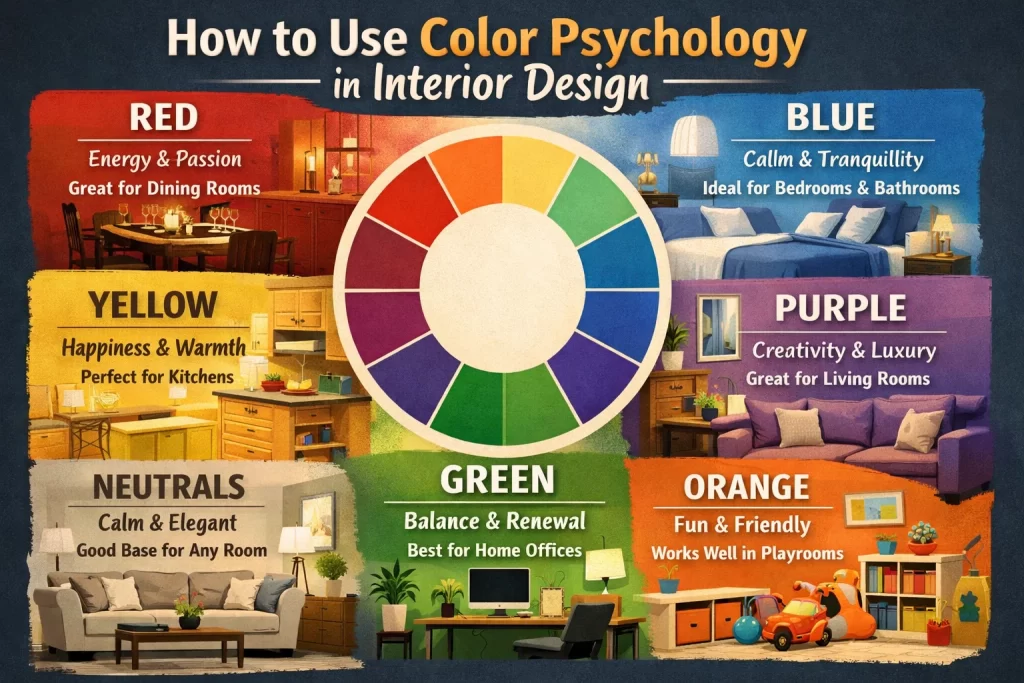
How to Use Color Psychology in Interior Design avinnyyaadmin Principal Designer Color is one of the most powerful tools in interior design, yet it is often underestimated. Beyond aesthetics, colors have a profound psychological impact on how we feel, think, and behave within a space. Whether it’s a calming bedroom, an energetic living room, or a productive workspace, the colors you choose can significantly influence the atmosphere and functionality of your home. Color psychology in interior design is the art and science of using colors to evoke specific emotions and create purposeful environments. At Avinnyya, we believe that every space should not only look beautiful but also feel right. By understanding how different colors affect mood and perception, homeowners can transform ordinary interiors into spaces that truly enhance their lifestyle. What is Color Psychology in Interior Design? Understanding the Basics Color psychology refers to the study of how colors influence human emotions and behaviors. In interior design, it involves strategically selecting hues, tones, and shades to create desired emotional responses within a space. For instance, warm colors like red and orange tend to stimulate energy and conversation, while cool tones like blue and green promote calmness and relaxation. Each color carries its own emotional weight. This is why hospitals often use soothing shades of blue and green, while restaurants prefer warmer tones to stimulate appetite and engagement. When applied thoughtfully, color psychology becomes a powerful design tool that goes far beyond decoration. The Science Behind Colors and Emotions The psychological effects of color are deeply rooted in both biology and cultural associations. Factors such as hue (the color itself), saturation (intensity), and brightness (lightness or darkness) all play a role in how a color is perceived. For example, a soft pastel blue feels entirely different from a deep navy blue, even though both belong to the same color family. Additionally, personal experiences and cultural backgrounds can influence how individuals respond to colors. While white symbolizes purity and simplicity in some cultures, it may represent mourning in others. Therefore, effective use of color psychology requires a balance between universal principles and personal preferences. Why Color Psychology Matters in Interior Design Impact on Mood and Well-being Colors have a direct impact on emotional well-being. A poorly chosen color palette can make a room feel uncomfortable or overwhelming, while the right colors can promote relaxation, happiness, and even mental clarity. For example, soft greens can reduce stress, while warm yellows can evoke positivity and optimism. In modern homes, where people spend more time indoors, creating emotionally supportive environments has become essential. Color choices can contribute to better sleep, improved productivity, and overall well-being. Creating Functional Spaces Every room in a home serves a different purpose, and color can help reinforce that function. A bedroom should feel restful, a kitchen should feel lively, and a home office should enhance focus. By aligning color choices with the intended use of a space, designers can create interiors that are both practical and visually appealing. Enhancing Space Perception Color can also alter how we perceive the size and shape of a room. Light colors tend to make spaces appear larger and more open, while darker shades create a sense of intimacy and coziness. Strategic use of color can help small rooms feel spacious and large rooms feel more inviting. Understanding the Emotional Effects of Colors Warm Colors (Red, Orange, Yellow) Warm colors are associated with energy, passion, and warmth. Red, for example, is a bold and stimulating color that can increase heart rate and encourage conversation. It works well in social spaces like living rooms and dining areas but should be used in moderation to avoid overwhelming the senses. Orange combines the energy of red with the cheerfulness of yellow, making it an excellent choice for creating a lively and welcoming atmosphere. Yellow, often associated with sunshine and happiness, can brighten up spaces and evoke positivity. However, overly bright shades may cause visual fatigue, so softer tones are often preferred. Cool Colors (Blue, Green, Purple) Cool colors are known for their calming and soothing effects. Blue is one of the most popular choices for bedrooms and bathrooms due to its ability to promote relaxation and tranquility. Lighter shades create a peaceful ambiance, while darker blues add sophistication and depth. Green, inspired by nature, symbolizes balance and harmony. It is ideal for creating refreshing and stress-free environments. Purple, on the other hand, is often associated with luxury and creativity. Soft lavender tones can be calming, while deeper shades like plum add richness and elegance. Neutral Colors (White, Grey, Beige, Black) Neutral colors form the foundation of most interior design palettes. They provide balance and allow other colors to stand out. White creates a sense of cleanliness and openness, making it a popular choice for modern interiors. Grey adds sophistication and versatility, while beige brings warmth and comfort. Black, when used strategically, can create contrast and add a touch of elegance. Neutrals are essential for achieving timeless and cohesive designs. Room-by-Room Guide to Using Color Psychology Living Room The living room is a social space where family and guests gather, so it should feel warm and inviting. Neutral bases combined with warm accents such as earthy tones or muted reds can create a balanced and welcoming atmosphere. Layering textures and colors can add depth without overwhelming the space. Bedroom A bedroom should be a sanctuary for rest and relaxation. Soft blues, greens, and pastel tones are ideal for creating a calming environment. Avoid overly bright or stimulating colors, as they can interfere with sleep quality. Subtle contrasts and soft lighting further enhance the soothing ambiance. Kitchen The kitchen is often the heart of the home, where energy and activity are essential. Warm tones like yellow and orange can stimulate appetite and create a lively atmosphere. Pairing these with neutral cabinets or countertops ensures the space remains balanced and visually appealing. Bathroom Bathrooms should evoke cleanliness and freshness. Light blues, whites, and soft greens are perfect for creating a
Bohemian Interior Design Style Explained
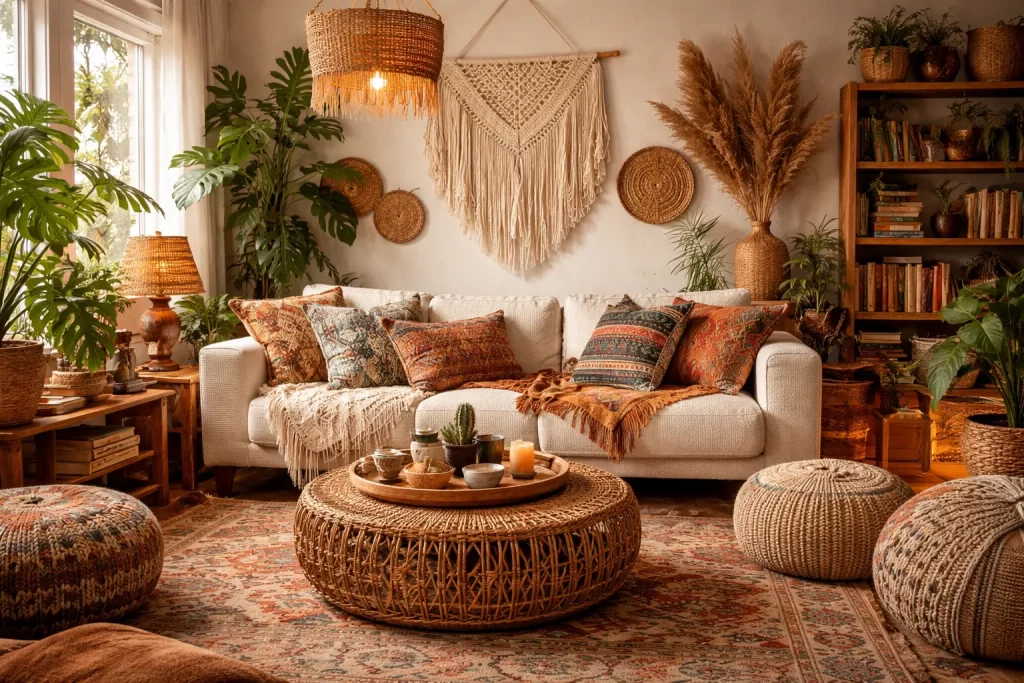
Bohemian Interior Design Style Explained: A Complete Guide by Avinnyya Vallari Shah Principal Designer Bohemian interior design, often referred to as “Boho style,” is more than just a design trend—it is a reflection of personality, creativity, and a free-spirited lifestyle. Unlike rigid and rule-bound interior styles, Bohemian design thrives on individuality, blending colors, textures, and cultural influences into a harmonious yet unconventional aesthetic. In today’s fast-paced world, where homes are becoming sanctuaries of comfort and self-expression, Boho interiors have gained immense popularity for their warmth, charm, and artistic appeal. This style resonates particularly well with homeowners who want their space to tell a story—one filled with travel memories, handcrafted items, and meaningful décor. At Avinnyya, the goal is to transform living spaces into visually rich and emotionally comforting environments, and Bohemian design offers the perfect canvas to achieve that. What is Bohemian Interior Design Style? Bohemian interior design is an eclectic style that embraces a carefree, relaxed, and unconventional approach to decorating spaces. It allows homeowners to break away from uniformity and instead create interiors that feel collected, layered, and deeply personal. Origin and History of Boho Style The roots of Bohemian design can be traced back to 19th-century Europe, where artists, writers, and travelers adopted a lifestyle that rejected societal norms. These individuals, often referred to as “Bohemians,” valued creativity over materialism and drew inspiration from diverse cultures, particularly from regions like Morocco, India, and Central Asia. Their homes reflected this global influence, filled with textiles, patterns, and objects gathered from different parts of the world. Over time, this unconventional aesthetic evolved into a recognizable interior design style that celebrates artistic freedom and cultural diversity. Core Philosophy of Bohemian Design At its core, Bohemian design is about self-expression and authenticity. There are no strict rules to follow, which makes it one of the most liberating styles in interior design. It encourages mixing old with new, bold with subtle, and global with local. The emphasis is on creating a space that feels lived-in, comfortable, and reflective of one’s personality rather than striving for perfection. Key Characteristics of Bohemian Interior Design Bohemian interiors are instantly recognizable due to their rich visual appeal and layered compositions. Each element contributes to a cohesive yet relaxed atmosphere. Eclectic and Layered Look One of the defining features of Bohemian design is its eclectic nature. Different patterns, textures, and colors are combined to create a visually stimulating environment. Layering is key—multiple rugs, cushions, and throws are often used together to add depth and warmth. Despite the apparent randomness, there is an underlying harmony that ties everything together. Natural and Organic Elements Boho interiors heavily incorporate natural materials such as wood, rattan, jute, and linen. These elements not only enhance the aesthetic but also promote sustainability. The use of organic textures brings a sense of calm and grounding, making the space feel closer to nature. Vintage and Handmade Décor Handcrafted items and vintage pieces play a significant role in Bohemian design. Whether it’s a handwoven rug, a carved wooden table, or a macramé wall hanging, these elements add character and uniqueness to the space. They often carry stories and cultural significance, enriching the overall design. Relaxed and Cozy Vibes Comfort is a priority in Bohemian interiors. Furniture is arranged in a way that encourages relaxation and social interaction. Soft lighting, plush textiles, and informal layouts create a welcoming and cozy environment where people can unwind effortlessly. Bohemian Color Palette The color palette in Bohemian design is both diverse and expressive, allowing for creative experimentation. Earthy Base Colors Neutral and earthy tones such as beige, brown, terracotta, and cream form the foundation of Boho interiors. These colors create a warm and grounded base that balances the more vibrant elements. Vibrant Accent Colors To add energy and personality, Bohemian spaces incorporate bold accent colors like deep red, mustard yellow, emerald green, and royal blue. These hues are often introduced through textiles, artwork, and decorative accessories. Mixing and Matching Colors The beauty of Bohemian design lies in its fearless approach to color mixing. However, achieving balance is crucial. By maintaining a neutral base and layering it with carefully chosen vibrant accents, one can create a visually appealing space without overwhelming the senses. Furniture in Bohemian Interiors Furniture in Bohemian design is all about comfort, character, and individuality. Low Seating and Floor Culture Boho interiors often feature low seating arrangements, including floor cushions, poufs, and low sofas. This creates a relaxed and informal setting that encourages lounging and socializing. Vintage and Mismatched Furniture Instead of matching furniture sets, Bohemian design celebrates diversity. Mixing different styles, eras, and materials adds depth and personality to the space. A vintage armchair paired with a modern coffee table can create an interesting contrast. Natural Material Furniture Furniture made from natural materials like bamboo, cane, and reclaimed wood is a staple in Boho interiors. These materials enhance the organic feel of the space while adding texture and warmth. Bohemian Décor Elements Décor plays a crucial role in defining the Bohemian aesthetic, bringing together all the elements into a cohesive look. Textiles and Fabrics Layered textiles are at the heart of Bohemian design. Rugs, cushions, throws, and curtains in various patterns and textures create a rich and inviting atmosphere. Materials like cotton, wool, and silk are commonly used. Wall Décor Ideas Walls in Boho interiors are often adorned with macramé hangings, woven baskets, tapestries, and gallery walls. These elements add visual interest and serve as focal points. Indoor Plants Plants are an essential component of Bohemian design. They bring life, freshness, and a sense of tranquility to the space. From hanging planters to large potted plants, greenery enhances the natural vibe. Lighting Choices Lighting in Boho interiors is soft and warm, creating a cozy ambiance. Lanterns, fairy lights, and pendant lamps with intricate designs are commonly used to achieve this effect. How to Create a Bohemian Living Room Designing a Bohemian living room involves combining comfort with creativity. Start with a neutral base and layer it
Luxury Interior Design Ideas
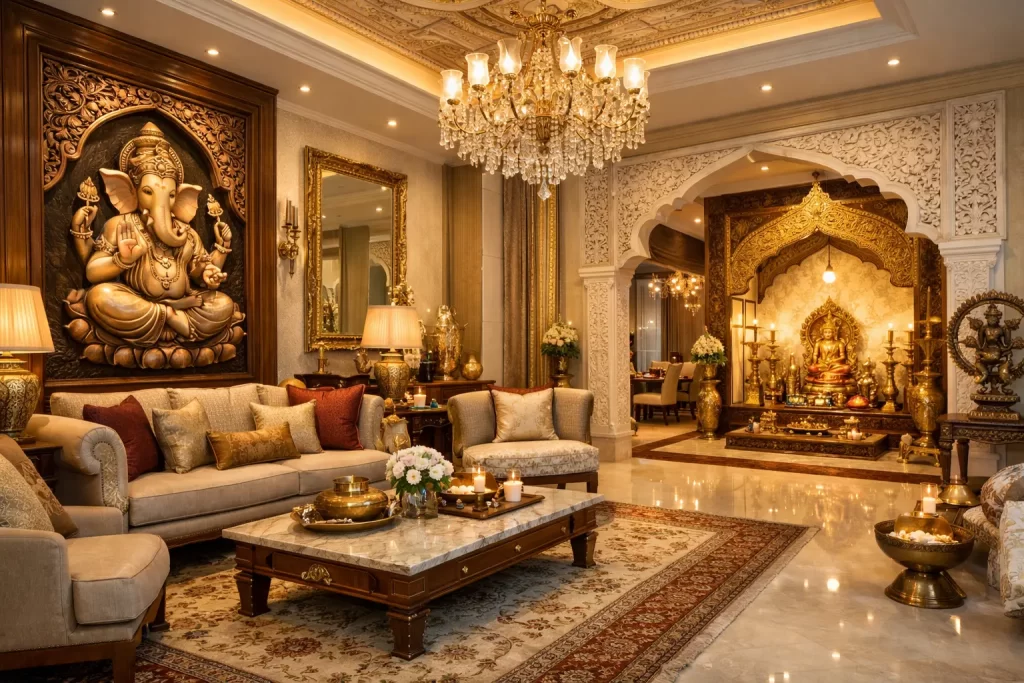
Luxury Interior Design Ideas for Indian Homes Vallari Shah Principal Designer Luxury interior design in India has evolved far beyond traditional opulence into a refined blend of sophistication, comfort, and cultural richness. Today’s homeowners are not just looking for visually appealing spaces—they seek environments that reflect their personality, lifestyle, and aspirations. Whether it’s a modern apartment in a bustling city or a grand villa in a serene neighborhood, luxury interiors are defined by thoughtful planning, premium materials, and meticulous detailing. Indian homes, in particular, present a unique opportunity to merge heritage with modernity. From intricate carvings and handcrafted décor to sleek modular designs and smart technology, the scope of luxury design is vast and exciting. At Avinnyya, we believe that luxury is not just about expensive elements—it’s about creating timeless spaces that offer comfort, elegance, and functionality in perfect harmony. What Defines Luxury Interior Design in Indian Homes? Luxury interior design is often misunderstood as simply incorporating expensive materials or lavish décor. However, true luxury lies in the seamless integration of aesthetics, functionality, and exclusivity. In Indian homes, this concept is further enriched by cultural influences and traditional craftsmanship. Key Elements of Luxury Interiors The foundation of luxury interiors begins with the use of premium materials such as marble, hardwood, granite, and high-quality fabrics. These materials not only enhance the visual appeal but also ensure durability and timelessness. Attention to detail is another defining factor—every element, from furniture finishes to lighting placement, is carefully curated. Custom-made furniture plays a crucial role in achieving a luxurious look. Unlike mass-produced pieces, bespoke furniture is tailored to fit the space perfectly, ensuring both comfort and exclusivity. Additionally, spacious layouts with well-defined zones help create a sense of openness and grandeur, even in compact homes. Indian Aesthetic Meets Modern Luxury One of the most captivating aspects of luxury interior design in India is the fusion of traditional aesthetics with contemporary styles. Rich textures, vibrant colors, and cultural motifs are combined with clean lines, minimalism, and modern functionality. This blend results in spaces that feel both rooted in tradition and aligned with global design trends. Grand Living Room Design Ideas The living room is often the centerpiece of any home, making it the ideal space to showcase luxury design elements. A well-designed living room not only impresses guests but also provides a comfortable space for relaxation and socializing. Statement Furniture Pieces Luxury living rooms are characterized by statement furniture that serves as the focal point of the space. Plush velvet sofas, designer coffee tables, and elegant accent chairs create a sense of sophistication. The key is to maintain balance and proportion, ensuring that each piece complements the overall design without overwhelming the room. Luxury Lighting Concepts Lighting plays a transformative role in luxury interiors. Chandeliers, pendant lights, and layered lighting systems add depth and dimension to the living room. Ambient lighting creates a warm and inviting atmosphere, while accent lighting highlights specific features such as artwork or architectural details. Wall Treatments & Décor Walls in a luxury living room are more than just structural elements—they are canvases for creativity. Textured walls, premium wallpapers, and decorative panels add visual interest and elegance. Incorporating art pieces, mirrors, and sculptures further enhances the aesthetic appeal, making the space truly unique. Luxurious Bedroom Interior Ideas The bedroom is a personal sanctuary, and its design should reflect comfort, tranquility, and elegance. Luxury bedroom interiors focus on creating a relaxing environment while maintaining a sophisticated look. Elegant Bed Designs The bed is the centerpiece of the bedroom, and investing in a high-quality design can elevate the entire space. Upholstered headboards, canopy beds, and premium bedding fabrics such as silk and Egyptian cotton add a touch of opulence. Walk-in Wardrobes & Storage Modern luxury bedrooms often feature walk-in wardrobes that combine functionality with style. These spaces are designed with customized storage solutions, soft lighting, and high-end finishes, making them both practical and visually appealing. Mood Lighting & Comfort Lighting in the bedroom should be soft and calming. Layered lighting solutions, including bedside lamps and concealed LED strips, create a cozy ambiance. Smart lighting systems allow homeowners to adjust brightness and color temperature according to their preferences. Designer Kitchen with a Luxury Touch The kitchen is no longer just a functional space—it has become a focal point of modern homes. Luxury kitchens combine aesthetics with efficiency, offering a seamless cooking experience. Modular Kitchen Concepts Sleek cabinetry with glossy or matte finishes defines luxury modular kitchens. Handle-less designs and clean lines contribute to a minimalist yet sophisticated look. Open layouts and island counters further enhance functionality and style. Premium Materials & Finishes High-quality materials such as quartz countertops, marble backsplashes, and stainless steel appliances add durability and elegance. These elements not only enhance the visual appeal but also ensure long-term performance. Smart Kitchen Technology Smart kitchens are an integral part of modern luxury homes. Automated appliances, touchless faucets, and intelligent storage solutions make daily tasks more convenient and efficient. Luxury Bathroom Design Inspirations Bathrooms in luxury homes are designed to offer a spa-like experience. They combine comfort, functionality, and aesthetics to create a relaxing retreat. Spa-Like Ambience Features such as freestanding bathtubs, rain showers, and natural stone finishes create a serene and luxurious atmosphere. Incorporating greenery and natural elements further enhances the spa-like feel. High-End Fixtures Designer faucets, smart mirrors, and premium sanitary fittings add a touch of sophistication. These elements are not only visually appealing but also highly functional. Lighting & Accessories Ambient lighting, LED mirrors, and carefully selected accessories complete the look of a luxury bathroom. The right lighting enhances the overall mood and highlights key features. Dining Area with Elegance The dining area is where functionality meets style. A well-designed dining space can elevate everyday meals into a luxurious experience. Statement Dining Tables Dining tables made of marble or solid wood serve as the centerpiece of the space. Paired with upholstered chairs or benches, they create a comfortable and elegant setting. Lighting & Ambience Chandeliers or pendant lights above the
Scandinavian Interior Design
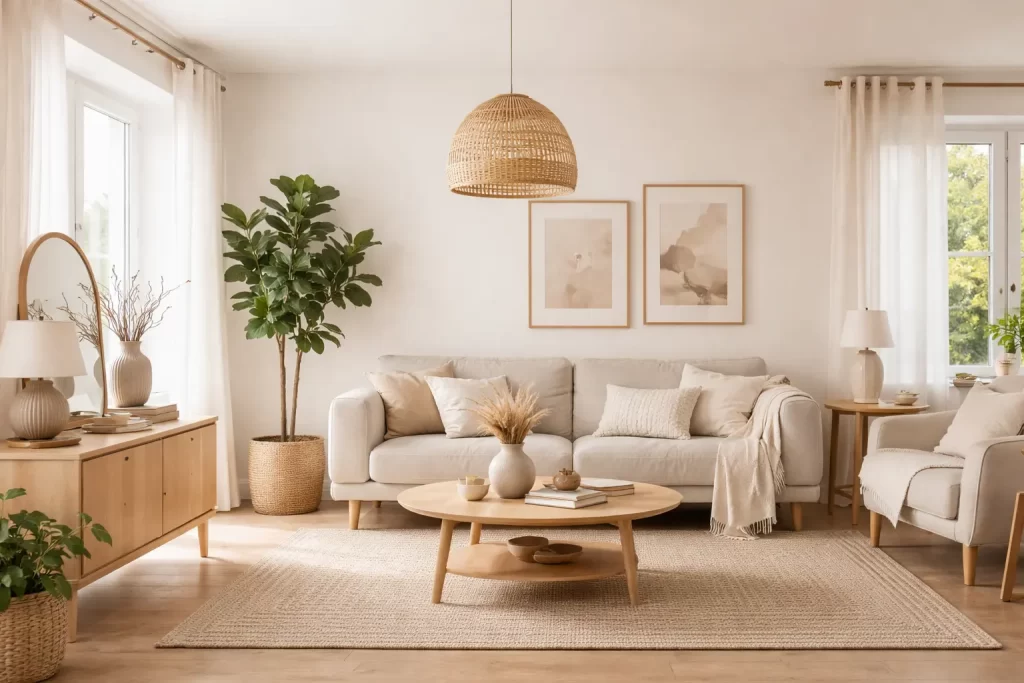
Scandinavian Interior Design: A Complete Guide to Minimalist & Cozy Living avinnyyaadmin Principal Designer Scandinavian interior design has become one of the most sought-after styles in modern homes due to its perfect balance of simplicity, functionality, and warmth. Rooted in the Nordic regions of Denmark, Sweden, and Norway, this design philosophy emphasizes clean lines, natural materials, and a clutter-free aesthetic that promotes both comfort and efficiency. In today’s fast-paced lifestyle, homeowners are increasingly drawn to interiors that feel calm, organized, and inviting—qualities that define Scandinavian design. For Indian homeowners, especially those living in urban apartments, this style offers practical solutions for maximizing space while maintaining elegance. At Avinnyya, we specialize in adapting global design trends like Scandinavian interiors into Indian homes, ensuring they align with local climates, lifestyles, and preferences. Introduction to Scandinavian Interior Design Scandinavian interior design is more than just a visual style; it is a way of living that prioritizes simplicity, comfort, and functionality. Emerging in the early 20th century and gaining global popularity in the 1950s, this design approach was shaped by the harsh Nordic winters, where maximizing light and creating warm interiors became essential. The philosophy revolves around creating spaces that are practical yet beautiful, minimal yet cozy. Unlike overly decorative styles, Scandinavian interiors rely on subtle elegance and thoughtful design elements. The focus is on creating a harmonious environment where every piece serves a purpose while contributing to the overall aesthetic. Core Principles of Scandinavian Design Minimalism with Purpose At the heart of Scandinavian design lies minimalism, but not the cold or empty kind. Instead, it is purposeful minimalism where every item has a role to play. The idea is to eliminate unnecessary clutter and focus on essentials that enhance both functionality and beauty. Clean surfaces, open spaces, and a restrained color palette help create a sense of calm and order. Functionality First Functionality is a key driver in Scandinavian interiors. Furniture and layouts are designed to support daily activities efficiently. Multi-functional furniture, such as storage beds or extendable dining tables, ensures that even small spaces remain practical and comfortable. This approach is particularly beneficial for modern Indian homes where space optimization is crucial. Connection with Nature Scandinavian homes strongly emphasize a connection with nature. This is achieved through the use of natural materials like wood, stone, and textiles, as well as by maximizing natural light. Large windows, light curtains, and indoor plants help bring the outdoors inside, creating a refreshing and serene atmosphere. Comfort & Hygge Concept A unique aspect of Scandinavian design is the concept of “Hygge,” a Danish term that represents coziness, comfort, and well-being. This is reflected in soft furnishings, warm lighting, and inviting spaces that encourage relaxation. Hygge transforms minimal interiors into warm and livable environments. Key Elements of Scandinavian Interior Design Neutral Color Palette Scandinavian interiors predominantly feature neutral colors such as white, grey, beige, and soft pastels. These shades help reflect natural light and make spaces appear larger and brighter. While the base palette remains subtle, occasional accents in muted blues, greens, or blacks are used to add depth and character. Natural Materials Natural materials are a defining feature of Scandinavian design. Light-toned woods like oak, pine, and birch are commonly used for flooring and furniture. Textiles such as linen, wool, and cotton add texture and warmth, while elements like stone and ceramics enhance the organic feel of the space. Lighting Design Lighting plays a crucial role, especially in regions with limited daylight. Scandinavian interiors use a layered lighting approach that includes ambient, task, and accent lighting. Pendant lights, floor lamps, and table lamps are strategically placed to create a warm and inviting atmosphere. Clean Lines & Simple Forms Furniture and décor in Scandinavian homes are characterized by clean lines and simple forms. There is minimal ornamentation, and the focus is on functionality and aesthetics. This results in a timeless and clutter-free look. Scandinavian Furniture Style Characteristics of Furniture Scandinavian furniture is known for its simplicity, durability, and practicality. Pieces are often lightweight, making them easy to move and rearrange. The designs are ergonomic and crafted to enhance comfort while maintaining a minimalist appearance. Popular Furniture Pieces Common furniture items include sleek sofas with neutral upholstery, wooden dining tables, and open shelving units. These pieces are designed to blend seamlessly into the overall décor without overpowering the space. Multi-Functional Furniture Ideas Multi-functional furniture is essential in Scandinavian interiors. Sofa beds, storage ottomans, and foldable tables help maximize space while maintaining a clean and organized look. These solutions are particularly useful for compact urban homes. Scandinavian Color Schemes & Combinations Classic White & Grey Interiors The combination of white and grey is a hallmark of Scandinavian design. It creates a bright, airy environment that feels both modern and timeless. This palette serves as a perfect backdrop for layering textures and subtle accents. Earthy & Warm Tones To prevent the space from feeling too cold, earthy tones like beige, taupe, and muted greens are incorporated. These colors add warmth and make the interiors more inviting. Black Accents for Contrast Black elements, such as light fixtures or furniture legs, are used sparingly to create contrast and visual interest. This helps break the monotony of lighter shades without overwhelming the space. Flooring & Wall Treatments Wooden Flooring Light-colored wooden flooring is a signature feature of Scandinavian homes. It enhances brightness and adds a natural touch. In Indian homes, engineered wood or laminate flooring can be a practical alternative that offers similar aesthetics. Minimal Wall Décor Walls are typically kept simple, often painted in white or soft neutral shades. Minimal artwork, framed prints, or subtle textures are used to add personality without cluttering the space. Accent Walls Occasionally, accent walls with soft colors or geometric patterns are introduced to create focal points while maintaining the overall minimalist theme. Scandinavian Lighting Ideas Maximizing Natural Light Natural light is a cornerstone of Scandinavian design. Large windows, sheer curtains, and uncluttered spaces ensure maximum light penetration, making interiors feel open and fresh. Artificial Lighting
Modern vs Traditional Interior Design
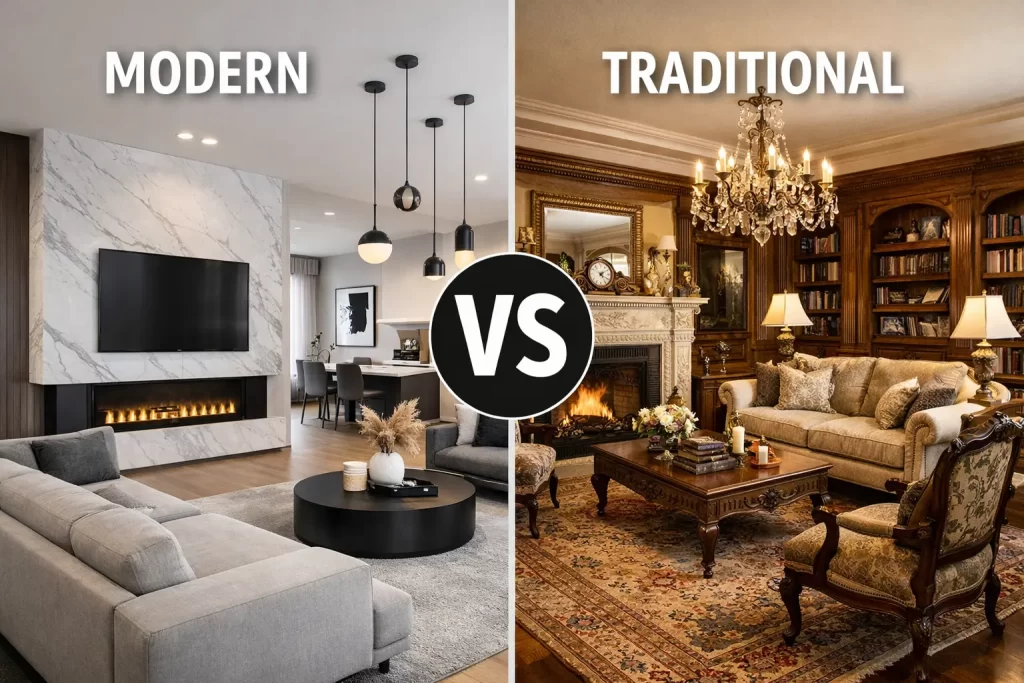
Modern vs Traditional Interior Design: Which One is Right for You? Vallari Shah Principal Designer Choosing the right interior design style is one of the most important decisions when designing or renovating your home. Your interiors are not just about aesthetics—they reflect your personality, lifestyle, and even your daily habits. Among the many styles available today, modern and traditional interior design remain the most popular choices, especially in Indian homes where both contemporary living and cultural roots hold strong importance. However, many homeowners find themselves confused between these two distinct styles. Should you go for a sleek, minimal modern look or embrace the warmth and richness of traditional design? The answer isn’t always straightforward, as both styles offer unique advantages. At Avinnyya, we understand that every home and homeowner is different. This guide will help you deeply understand both styles, compare their features, and ultimately decide which one aligns best with your vision and lifestyle. Understanding Interior Design Styles What Defines an Interior Design Style? An interior design style is defined by a combination of elements such as color palettes, furniture types, materials, textures, spatial layout, and decorative accents. These elements work together to create a cohesive look and feel within a space. For instance, a modern design focuses on simplicity, clean lines, and functionality, while traditional design emphasizes elegance, detail, and timeless beauty. Beyond visual appeal, your design style also reflects how you use your space—whether you prefer minimal clutter or enjoy surrounding yourself with meaningful décor. Why Your Choice of Style Matters Selecting the right interior design style goes beyond trends. It directly impacts your comfort, mood, and how efficiently your space functions. A well-chosen style ensures your home feels cohesive and enjoyable for years to come. Additionally, interior design is a long-term investment. Furniture, finishes, and layouts are not frequently changed, so making the right decision initially can save both time and money in the future. What is Modern Interior Design? Key Characteristics of Modern Design Modern interior design is rooted in simplicity and functionality. It emphasizes clean lines, uncluttered spaces, and a “less is more” philosophy. Neutral color palettes such as whites, greys, and beiges dominate modern interiors, creating a calm and sophisticated environment. Open floor plans are another hallmark of modern design, allowing spaces to flow seamlessly into one another. Materials like glass, steel, and concrete are commonly used, giving the interiors a sleek and polished look. Popular Modern Design Elements Modern homes often feature modular furniture that maximizes space and efficiency. Smart home technology is also a key component, integrating lighting, security, and appliances for convenience. Decor is kept minimal, with a focus on a few statement pieces rather than multiple decorative items. Lighting plays a crucial role, often used as a design feature through pendant lights, LED strips, or geometric fixtures. Pros of Modern Interior Design One of the biggest advantages of modern design is its low maintenance. With fewer decorative elements and clutter-free layouts, cleaning and upkeep become much easier. Modern interiors are also highly functional and ideal for compact urban homes, where space optimization is essential. The simplicity of the design ensures a timeless appeal that doesn’t feel overwhelming. Cons of Modern Interior Design Despite its many advantages, modern design can sometimes feel cold or impersonal if not executed thoughtfully. The lack of decorative elements may make spaces feel less cozy or inviting. Additionally, achieving the perfect minimalist look requires careful planning, as even small design mistakes can disrupt the overall aesthetic. What is Traditional Interior Design? Key Characteristics of Traditional Design Traditional interior design is inspired by classic European and Indian styles, characterized by rich colors, intricate detailing, and a sense of grandeur. It focuses on symmetry and balance, creating a structured and harmonious environment. Wood is a dominant material in traditional interiors, often featuring carvings and ornate detailing. The overall look is warm, inviting, and deeply rooted in cultural aesthetics. Popular Traditional Design Elements Traditional homes often include antique or vintage furniture, heavy curtains, decorative rugs, and detailed artwork. Accessories such as chandeliers, sculptures, and handcrafted items add to the richness of the space. Lighting is usually warm and ambient, enhancing the cozy and welcoming atmosphere. Pros of Traditional Interior Design Traditional design offers a timeless appeal that never goes out of style. It creates a warm and comfortable environment, making it ideal for family homes. The use of rich materials and detailed craftsmanship adds a sense of luxury and elegance that is hard to replicate in modern styles. Cons of Traditional Interior Design One of the main drawbacks of traditional design is its maintenance. Intricate furniture and heavy décor require regular cleaning and care. Additionally, if not balanced properly, traditional interiors can feel heavy or outdated, especially in smaller spaces. Modern vs Traditional Interior Design: Key Differences Color Palette Modern interiors rely on neutral and subtle tones to create a calm and open feel. In contrast, traditional interiors use rich and bold colors such as deep reds, browns, and golds to create warmth and depth. Furniture Style Modern furniture is sleek, simple, and functional, often with clean lines and minimal detailing. Traditional furniture, on the other hand, is more ornate, featuring curves, carvings, and luxurious upholstery. Materials Used Modern design incorporates materials like glass, metal, and engineered wood, while traditional design focuses on natural materials such as solid wood, fabrics, and stone. Layout and Space Planning Modern homes embrace open layouts that maximize space and light. Traditional homes tend to have more defined and segmented spaces, offering privacy and structure. Décor Approach Modern décor is minimal and intentional, while traditional décor is layered and detailed, often showcasing a variety of textures and accessories. Which Interior Design Style is Right for You? Based on Your Lifestyle If you lead a fast-paced, urban lifestyle and prefer simplicity, modern design is likely the better choice. It supports efficiency and low maintenance. On the other hand, if you value cultural elements, heritage, and a cozy environment, traditional design may suit you