
Best Ready-Made Ceiling Panel Brands for Small Rooms
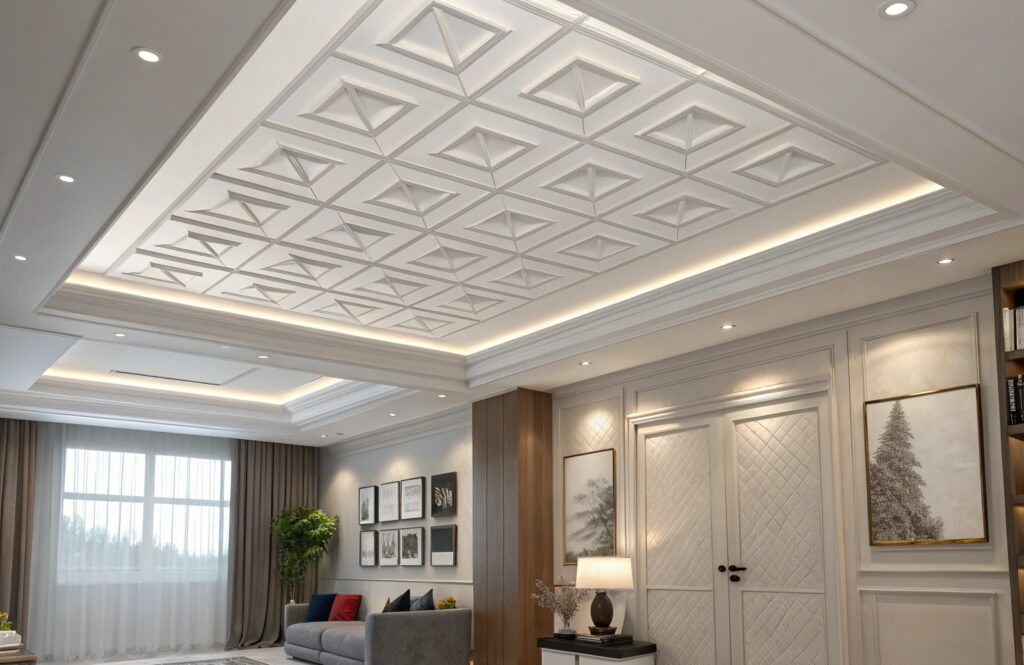
Best Ready-Made Ceiling Panel Brands for Small Rooms Vallari Shah Writer & Blogger Designing a small bedroom requires smart choices—especially when it comes to the ceiling. While furniture and wall colors get most of the attention, the ceiling quietly influences brightness, spaciousness, comfort, and acoustics. For small spaces, ready-made ceiling panels are increasingly popular because they are affordable, visually appealing, easy to install, and available in a wide range of designs. Whether you’re planning a small bedroom renovation or simply want a clean, modern ceiling finish, choosing the right panel brand ensures longevity, durability, and a premium aesthetic. This comprehensive guide analyzes the top ceiling panel brands, compares their strengths, highlights the best use cases for small rooms, and offers expert buying recommendations. Why Ready-Made Ceiling Panels Matter for Small Bedrooms Small bedrooms come with unique challenges: Limited space Lower ceiling heights Lighting restrictions Moisture or ventilation concerns Need for acoustic comfort Ready-made ceiling panels solve many of these issues because they are: Lightweight Easy to install Available in moisture-resistant options Designed with acoustic properties Offered in modern, minimalist finishes suitable for compact spaces The right ceiling panel can instantly make a small room look taller, brighter, and more polished. What to Look for in a Ceiling Panel Brand Before selecting a brand, consider the factors below—each plays a major role in performance inside a small bedroom. 1. Material Quality Panels come in gypsum, PVC, mineral fiber, metal, and specialized acoustic materials. Choose based on: Moisture levels Required durability Preferred finish 2. Acoustic Performance Small bedrooms benefit from panels with sound absorption. Acoustic NRC panels help reduce noise from adjacent rooms. 3. Weight and Installation Ease Lightweight panels put less stress on ceiling frames and are quicker to install. 4. Aesthetic Versatility Smooth, modern, and light-reflective finishes make small rooms appear larger. 5. Price vs. Value Premium brands offer long-term durability, while budget options help reduce project cost. With this buying framework in mind, let’s evaluate the best ceiling panel brands available today. For a full breakdown of ceilings, costs, and installation, visit our detailed buyer’s guide. Top 5 Ready-Made Ceiling Panel Brands for Small Rooms 1. Armstrong World Industries (Armstrong Ceiling Panels) When it comes to ceiling panels globally, Armstrong consistently leads in innovation, performance, and design variety. Their panels are widely used in homes, offices, and commercial spaces. Why Armstrong Is Ideal for Small Bedrooms High light-reflectance panels brighten compact rooms Excellent acoustic performance options Smooth, modern finishes perfect for minimalist interiors Long-lasting durability and moisture-resistant variants Their mineral fiber and acoustic ranges are especially beneficial for bedrooms where peace, quiet, and comfort matter. Best Armstrong Products for Small Spaces Fine Fissured Dune Series Ultima (premium acoustic option) If you want a ceiling panel brand that blends design + durability, Armstrong remains a top pick. 2. USG Boral Ceiling Panels USG Boral is widely recognized for its strong focus on gypsum-based and acoustical ceiling systems. Their products are used in residential and commercial spaces globally. Why It Works for Small Rooms High-quality gypsum boards designed for tight spaces Excellent fire resistance Smooth, refined surfaces suitable for false ceilings Easy integration with cove lighting or LED setups They also offer PVC and acoustic tile options that perform well in compact bedrooms where sound reduction is needed. Top Recommended USG Boral Panels Halcyon Range Mineral Fiber Ceilings Gypsum Tile Ceilings If your priority is a clean, modern ceiling with reliable longevity, USG Boral is a strong contender. 3. Saint-Gobain Gyproc (Gyproc & Ecophon) Saint-Gobain Gyproc is one of the most trusted names in ceiling and drywall systems worldwide, known for high-performance and sustainable products. Why Gyproc Panels Are Great for Small Bedrooms Lightweight gypsum panels ideal for compact spaces Moisture-resistant, fire-resistant, and noise-controlling variants Panels with high light reflectivity make rooms feel larger Very smooth finish elevates visual appeal Gyproc’s Gyprex tiles and Ecophon acoustic panels are particularly suitable for small bedrooms needing a premium finish. Top Gyproc Solutions Gyprex Plain Ecophon Advantage Gyproc Moisture Resistant Ceiling Panels Choose Gyproc if you want modern aesthetics + functional performance. 4. SHERA Ceiling Boards SHERA is well-known for its fiber-cement-based ceiling and wall solutions. The brand offers durable panels suitable for homes in various climates. Why SHERA Panels Work for Small Bedrooms Highly moisture resistant—ideal for humid climates More durable than standard gypsum boards Available in modern, minimalist textures Termite-free and long-lasting For small rooms that need consistent durability and low maintenance, SHERA is an excellent mid-range option. Popular SHERA Products SHERA Board SHERA Decoblank Panels Choose SHERA if you want robust performance with minimal upkeep. 5. PackSound Acoustic Ceiling Panels If your priority is soundproofing, comfort, and ambiance, PackSound is a strong choice. They specialize in acoustic solutions used in homes, studios, and offices. Why PackSound Is Perfect for Bedrooms Excellent noise absorption Available in fabric, PET, mineral fiber, and metal variants Modern textures and colors suitable for interior design Helps create a peaceful, quiet sleeping environment These panels are particularly useful in apartments, shared spaces, or bedrooms near noisy areas. Best PackSound Options PET Acoustic Ceiling Panels Fabric Acoustic Tiles Metal Acoustic Panels Choose PackSound if acoustic comfort is your highest priority. Other Noteworthy Ceiling Panel Brands While the top five dominate the market, several additional brands also offer reliable ready-made ceiling solutions. Thermofriz Known for metal ceiling grids and modular panels—useful for long-term durability. Everest Industries Offers cement fiber tiles that are moisture-resistant and affordable. Local & Regional Suppliers Many local manufacturers provide budget-friendly PVC, gypsum, and metal ceiling panels—ideal for small renovation projects. How to Choose the Best Ceiling Panel Brand for Your Small Bedroom Choosing the right brand depends on your goals. Here’s how to narrow it down: 1. If You Want Modern Aesthetics Choose: Armstrong World Industries Saint-Gobain Gyproc These brands offer sleek finishes and high reflectivity that make rooms feel bigger. 2. If You Want Budget-Friendly Options Go for: Local PVC panel suppliers Everest Industries PVC and mineral fiber panels can significantly reduce costs.
How to Hire a Ceiling Contractor for Small Bedrooms (Complete Step-by-Step Guide)
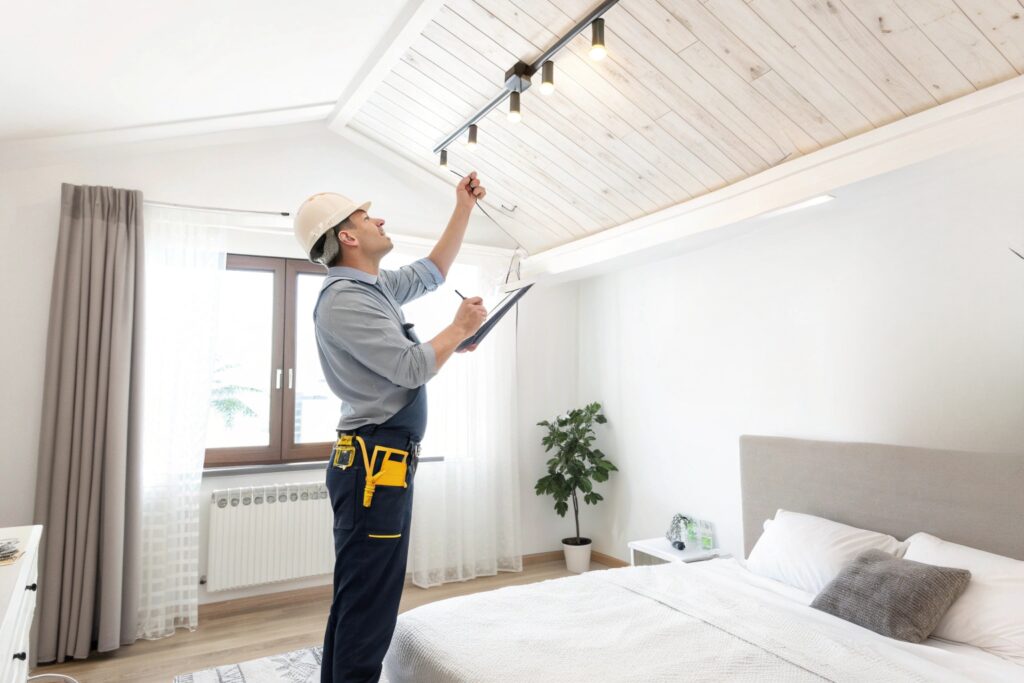
How to Hire a Ceiling Contractor for Small Bedrooms (Complete Step-by-Step Guide) Vallari Shah Writer & Blogger Designing or renovating the ceiling of a small bedroom is one of the most impactful upgrades you can make—but also one of the trickiest to execute correctly. The ceiling influences how spacious the room feels, how evenly it is lit, and how comfortable the overall environment becomes. Unlike other areas where mistakes may be easily corrected, a poorly installed ceiling can lead to cracks, sagging, uneven finish, electrical hazards, and costly repairs. This is why hiring the right ceiling contractor is critical, especially for compact bedrooms where precision matters. Small spaces require smart material selection, proper lighting integration, accurate leveling, and the ability to work efficiently with limited ceiling height. A specialist contractor ensures that everything—from planning to installation—is handled with care, compliance, and craftsmanship. In this guide, you’ll learn how to hire the perfect ceiling contractor, what qualifications to look for, how to avoid common hiring mistakes, and how to compare quotes wisely. Whether you’re installing a false ceiling, gypsum board, PVC panels, POP designs, or integrating LED lighting, this guide will help you make an informed decision. Why Hiring the Right Ceiling Contractor Matters Small bedrooms present unique challenges. Limited space means any errors—such as a bulky design, poor leveling, visible joints, or incorrect lighting placement—become extremely noticeable. A good contractor understands: How to avoid reducing ceiling height unnecessarily How to create a smooth, seamless finish How to integrate lighting without creating harsh shadows How to handle wiring and insulation safely How to work with materials suited for compact rooms Inexperienced or untrained workers often cut corners. This can result in cracks, waviness, uneven surfaces, poor sound insulation, or even a ceiling that becomes unsafe over time. Hiring a skilled contractor prevents these problems and ensures your ceiling remains durable and visually appealing for years. Step 1 — Define Your Small Bedroom Ceiling Requirements Before you even begin searching for contractors, you must clearly understand what you want. This not only helps you hire the right expert but also ensures you get accurate quotes. 1. Identify the scope of your project Ask yourself: Do I need a false ceiling? Do I only need repairs or patchwork? Am I installing new lights (cove, spotlights, LED strips)? Do I want a simple design or a decorative one? Should I add insulation or soundproofing? 2. Choose preferred ceiling materials Depending on your budget and bedroom size, your choice may include: Gypsum board POP (Plaster of Paris) PVC panels Wooden slats Metal grid ceilings Each material has different installation requirements and costs. 3. Set a realistic budget Material pricing and labor charges vary widely. Having a budget range helps contractors recommend the best options within your limits. Step 2 — Where to Find Reliable Ceiling Contractors Once your requirements are clear, it’s time to look for professionals. But not all contractors are equal, and where you find them matters. Best places to find ceiling specialists: 1. Personal Recommendations Ask friends, family, neighbors, or colleagues who recently renovated their homes. Referrals are often the most reliable because they come from real project experiences. 2. Online Search Google searches such as: “False ceiling contractor near me” “Gypsum ceiling installers in my area” “Small bedroom ceiling contractor” will give you a list of verified professionals with ratings and reviews. 3. Local Interior Design Studios These studios often partner with trusted contractors. They may offer combined interior + ceiling installation packages. 4. Hardware Shops & Material Suppliers Suppliers of gypsum, PVC, and POP materials usually know reputable installers in the area. Avoid random unverified laborers Door-to-door workers or low-rate handymen may not offer: Warranty Insurance Professional tools Skilled workmanship Stick to verified professionals to avoid long-term headaches. Step 3 — Verify Credentials, Licensing & Experience This is the part most homeowners skip—yet it’s the most important. A contractor must have proof of skill, professionalism, and legal compliance. 1. Licensing Ask if the contractor is registered or licensed. A licensed contractor is more reliable than untrained labor. 2. Insurance Ensure the contractor carries: Liability insurance Worker’s compensation coverage This protects you from responsibility if an accident happens during installation. 3. Experience With Small Bedrooms Small rooms require a different installation approach. Ask: How many ceiling projects like mine have you completed? Do you specialize in compact room ceilings? Can I see photos or videos of your work? A contractor experienced in small spaces will know how to maximize height and lighting. Step 4 — Ask Important Questions Before Hiring When you meet or call a potential contractor, ask these essential questions: 1. “How long have you been installing ceilings?” The longer the experience, the better the reliability. 2. “What ceiling materials do you recommend for my bedroom and why?” A knowledgeable contractor should explain material pros and cons clearly. 3. “Can you integrate lighting into the ceiling design?” False ceilings often require: LED panels Cove lights Strip lights Spotlights Proper placement is critical in small rooms. 4. “What is your estimated timeline?” Delays are common—get a realistic timeline upfront. 5. “Do you provide a warranty?” A professional contractor should offer: Workmanship warranty Material warranty 6. “Will you handle cleanup and waste disposal?” Many homeowners overlook this—but it’s essential for post-work cleanliness. Curious about installation steps and service options? Explore our full ceiling guide for small bedrooms. Step 5 — Compare Multiple Quotes Before Finalizing Never settle for the first contractor you meet. Always compare at least three detailed quotations. Your quote should include: Material cost (gypsum, POP, PVC, wood) Labor charges Lighting installation costs Framing and finishing Cleanup Taxes Additional charges (if any) Beware of extremely low prices Cheap quotes often mean: Low-quality materials No warranty Poor finishing Hidden charges later A high-quality ceiling requires professional skill—don’t compromise. Step 6 — Check Reviews & References Before hiring, check the contractor’s performance record. Where to check reviews: Google Business listings Social media pages Local directories Interior platforms Look for:
False Ceiling Installation Guide for Small Bedrooms
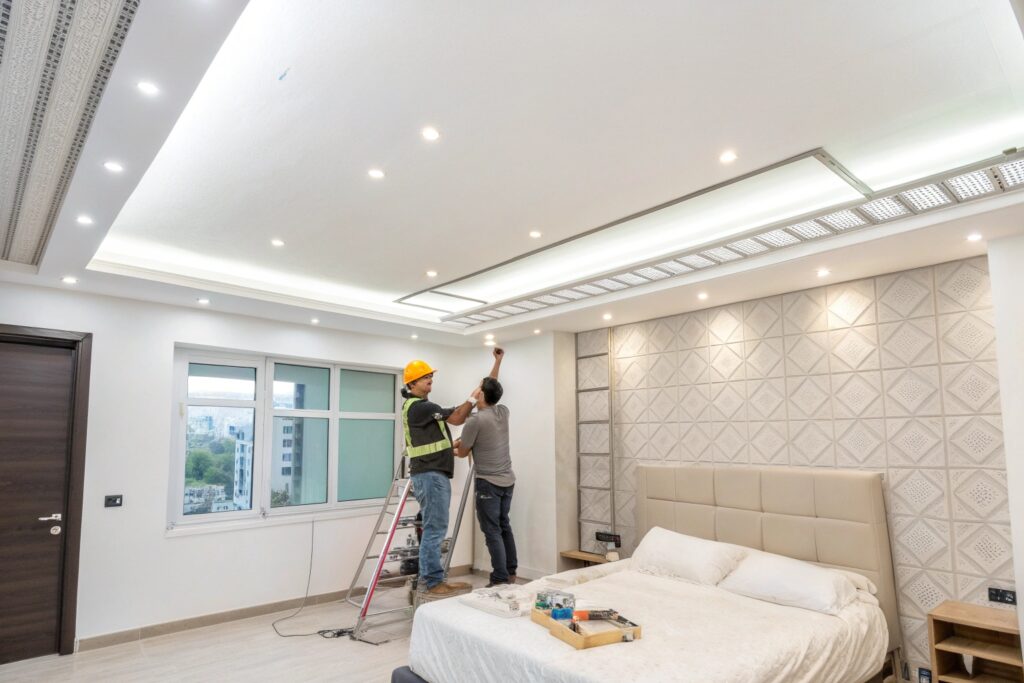
False Ceiling Installation Guide for Small Bedrooms Vallari Shah Writer & Blogger Designing a false ceiling for a small bedroom can feel complicated—especially when you’re working with limited height, tight layouts, and the need to maximize brightness. Yet, the ceiling is one of the most important design elements in a compact bedroom. It can make the room feel larger, enhance lighting, hide wiring, improve insulation, and elevate the overall aesthetics of the space. However, when installed incorrectly, a false ceiling can do the exact opposite: reduce headroom, absorb too much light, and make the room feel smaller than it actually is. This comprehensive guide walks you step-by-step through how to plan, design, and install a false ceiling in a small bedroom. You’ll learn about costs, best materials, installation methods, lighting integration, common mistakes to avoid, and when to hire a professional. Let’s get started. Why Install a False Ceiling in a Small Bedroom? A false ceiling—also known as a dropped ceiling or suspended ceiling—is essentially a secondary ceiling installed below the main structural ceiling. While commonly used for aesthetics, it offers many functional benefits, especially in small bedrooms. 1. Hides Wiring, Ducts & Imperfections Modern homes often have ceiling-mounted AC pipes, wiring, and lighting conduits. A false ceiling conceals all of these neatly, giving the room a cleaner, more polished look. 2. Enhances Lighting Design False ceilings allow you to add recessed lighting, cove lighting, LED strips, and even backlit panels—techniques especially useful in small bedrooms to create brightness without bulky fixtures. 3. Improves Thermal & Sound Insulation A small air gap between the false ceiling and main ceiling helps reduce heat transfer and echo. Bedrooms next to loud areas benefit significantly from this. 4. Creates a Spacious Visual Effect A well-designed minimal drop false ceiling actually makes a small room feel taller and wider by distributing light evenly and removing visual clutter from exposed wiring or beams. 5. Enables Creative Aesthetic Designs Tray ceilings, shallow geometric layouts, and minimal layered designs work beautifully in compact spaces, allowing you to personalize the room without overpowering it. Pre-Installation Planning: The Most Important Step Before buying materials or calling a contractor, you must plan the layout carefully. Small bedrooms leave no room for installation errors because ceiling height, fixture placement, and lighting all matter. Room Assessment & Measurement Start by measuring: Room length Room width Ceiling height Any beams or structural elements Location of electrical points Most small bedrooms are between 9×10 ft to 11×12 ft, with ceiling heights ranging from 8–9.5 ft. This means your false ceiling drop should stay between 3–6 inches in most cases. Anything more than that will noticeably reduce usable height. Need more details on pricing and professional services? Read our complete ceiling buyer’s guide. Lighting Layout Planning (Do Not Skip This) Lighting is the heart of a false ceiling design. DO NOT install ceiling boards until your lighting layout is finalized. Think about: Where your bed is placed Whether you want reading lights Where ceiling fans should go Symmetry of lighting Whether you want warm or cool ambience Use of recessed lights vs LED strips Well-planned lighting can create a luxury look even in a 100 sq. ft. bedroom. Choosing the Right Material Your false ceiling’s durability, cost, and appearance all depend on the material. Here are the best options for small bedrooms: Gypsum Board Lightweight Smooth finish Works for simple & modern designs Ideal for recessed lights Best for: Most small bedrooms POP (Plaster of Paris) Very flexible for creative shapes Seamless look Takes longer installation time Best for: Curves, detailed shapes, patterns PVC Panels Waterproof Budget-friendly Low maintenance Not ideal for high-heat lighting Best for: Humid regions or rental homes Wood / Wooden Finish Panels Warm, cozy aesthetics Heavier and costlier Should be used sparingly in small rooms Best for: Accent zones or partial ceilings Tools and Materials Needed If you’re hiring a professional, they’ll bring their own tools. But knowing what’s required helps you estimate cost and prevent shortcuts. Tools Power drill Screw gun Laser level Measuring tape Plumb line Putty knife Trowel Materials Gypsum or POP panels Metal framework (channels) L-angles and perimeter sections Suspension wires Screws & anchor plugs Joint compound Corner tape Lighting fixtures Step-by-Step False Ceiling Installation Process This is the most important part of the guide. Here’s a complete breakdown in a beginner-friendly, detailed flow. Step 1 — Marking the False Ceiling Level The installation begins by determining the height of the false ceiling. In small bedrooms, aim for a 3–4 inch drop minimum and 6 inch drop maximum unless lighting requires more space. The installer marks a horizontal line around the room using a laser level for accuracy. Step 2 — Installing the Perimeter Channel A metal L-angle or wall-mounted channel is fixed along the marked line. This creates the support perimeter where the false ceiling grid will rest. Important considerations: Use rust-free metal channels Ensure the perimeter is perfectly level Fix securely using proper wall plugs This step sets the foundation for the entire ceiling, so accuracy matters. Step 3 — Fixing Suspension Wires Suspension wires hang from the main ceiling to support the primary channels. They must be spaced evenly to distribute weight and prevent sagging. Spacing typically: Every 4 feet for gypsum boards Every 3 feet for heavier POP designs Each wire is firmly tied and adjusted to maintain consistent height. Step 4 — Installing Main Channels Main channels (also known as primary runners) are fixed to the suspension wires. These long metal bars form the framework on which the ceiling panels sit. Must check: Levelness Stability Alignment Uneven main channels result in uneven ceiling panels. Step 5 — Adding Cross Channels to Create a Grid Secondary channels (cross channels) are installed next, intersecting with main channels to form a grid pattern—usually 2×2 ft or 2×4 ft. This grid determines: Panel size Layout symmetry Lighting placement The grid must be strong enough to hold the boards without flexing. Step 6 — Fixing Gypsum/POP/PVC
Gypsum Board Pricing for Small Bedroom Ceilings — Complete Cost Guide
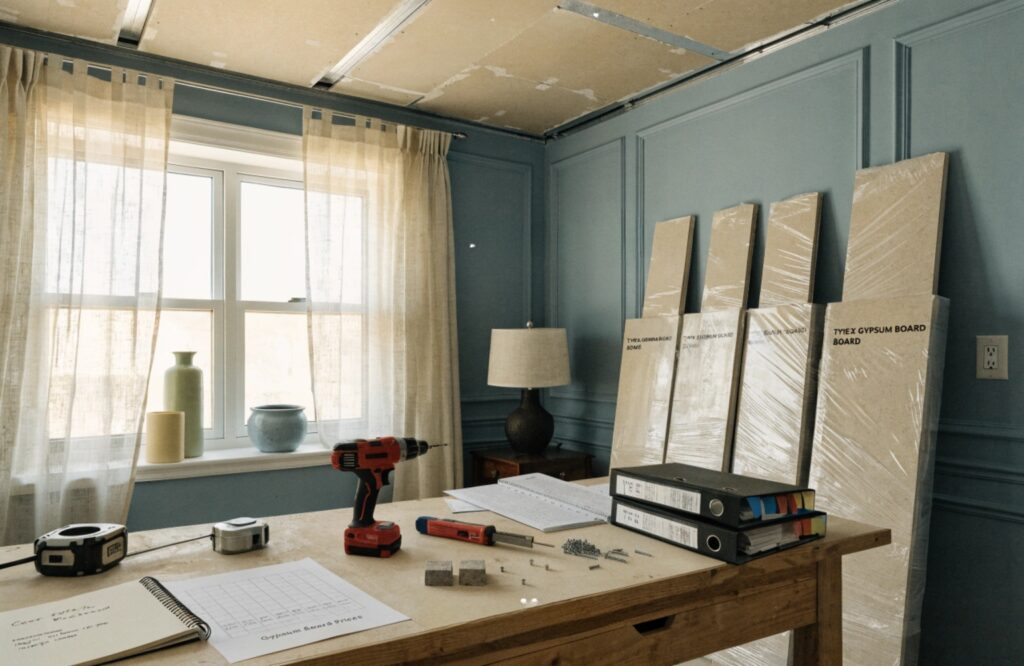
Gypsum Board Pricing for Small Bedroom Ceilings — Complete Cost Guide (2026) Vallari Shah Writer & Blogger Designing a small bedroom ceiling requires careful planning and smart budgeting — and gypsum board remains one of the most popular, cost-effective, and visually appealing choices available today. But while the material seems simple, most homeowners still struggle to understand the real cost structure: How much does gypsum board actually cost? What affects the price? Should you expect extra charges for framing, finishing, or lights? This guide breaks down everything clearly. Based on buyer data, contractor insights, and industry-standard pricing in 2025–2026, this article explains material costs, installation charges, finishing expenses, design variations, and real-case estimates for small bedroom ceilings. By the end, you’ll have a complete understanding of how gypsum ceiling pricing works — and how to plan your budget wisely without overspending. What Is a Gypsum Board Ceiling? A gypsum ceiling is made using gypsum boards (also called drywall or plasterboards) mounted onto a metal frame. These ceilings are popular because they deliver a smooth, seamless, modern look and allow easy integration of lighting such as LED strips, cove lighting, recessed spotlights, and backlit panels. Homeowners prefer gypsum for small bedrooms because: It keeps the room looking neat and modern It hides wiring, beams, cracks, and imperfections It supports multiple lighting layouts It provides better thermal and noise insulation Gypsum is lightweight, fire-resistant, and quick to install — making it ideal for small rooms where aesthetics and space efficiency matter. Gypsum Board Material Costs (Per Sq. Ft / Sq. Meter) Material cost is your biggest pricing component. The price of gypsum boards varies based on thickness, brand, quality, and type of board. Standard Gypsum Board Price Range (Most Common) ₹50 – ₹120 per sq ft This is the typical range used for: Standard false ceilings Simple bedroom ceiling designs Basic single-layer installations Moisture-Resistant Gypsum Board Pricing ₹70 – ₹150 per sq ft Best for: Bedrooms with attached bathrooms Humid climates Areas prone to leakage problems Fire-Resistant Gypsum Board Pricing ₹100 – ₹200 per sq ft Useful if: Bedroom is near the kitchen You want additional safety Your building requires fire-rated materials High-Density, Soundproof Gypsum Boards ₹150 – ₹250 per sq ft Great for: Bedrooms near noisy streets Apartments with thin walls People sensitive to noise Most small bedrooms only need standard gypsum boards, but the material choice can influence both cost and long-term durability. Installation Costs for Gypsum Ceilings in Small Bedrooms Material is only one part — installation adds framing, labour, and finishing, which significantly affect the final price. 1. Metal Framing Costs Every gypsum ceiling requires a metal framework made of: GI channels Perimeter channels Hanging rods Screws and fasteners Typical framing cost: ₹40 – ₹80 per sq ft Premium frameworks or double-layer structures may cost more. 2. Labour Charges Skilled labour is essential for a flawless ceiling. Poor installation leads to uneven joints, cracks, and premature sagging. Typical labour charge: ₹20 – ₹50 per sq ft Urban areas like Mumbai, Delhi, Bangalore tend to have higher labour costs. 3. Finishing Costs (Putty, Sanding & Painting) After installation, the ceiling must be: Joint-filled Putty-applied Sanded Fully painted or primed Finishing cost: ₹20 – ₹40 per sq ft Painting alone can add ₹12 – ₹30 per sq ft depending on paint quality. Combined Installation Cost Estimate If we add material + framing + labour + finishing, the standard gypsum ceiling typically costs: ₹120 – ₹250 per sq ft total Design complexity and lighting may increase this. Want to understand costs and installation better? Check out our full small-bedroom ceiling guide. Cost Examples for Small Bedroom Gypsum Ceilings Providing exact real-world scenarios helps homeowners budget accurately. Example 1: 100 sq ft Bedroom (10×10 Room) Basic Design (flat, no cove lighting): Estimated cost range: ₹12,000 – ₹22,000 Mid-Range Design (single-layer with simple lighting provision): Estimated cost: ₹18,000 – ₹30,000 Premium Design (LED cove lights, layered design): Estimated cost: ₹30,000 – ₹45,000 Example 2: 144 sq ft Bedroom (12×12 Room) Basic Design: Estimated cost: ₹17,000 – ₹32,000 Mid-Range Design: Estimated cost: ₹26,000 – ₹42,000 Premium Design: Estimated cost: ₹40,000 – ₹60,000 These estimates include material + installation + labour + finishing, but lighting fixtures cost extra. Factors That Affect Gypsum Ceiling Pricing Gypsum ceiling costs vary widely — here are the major influencers: 1. Design Complexity Simple flat ceilings cost the least Single-layer ceilings add moderate cost Cove lighting adds around ₹40–₹150 per sq ft Multi-level or decorative designs cost more due to extra labour and material 2. Material Quality & Brand Premium gypsum brands offer: Longer lifespan High-quality finish Better resistance to moisture and heat However, they also increase the cost. 3. Room Size & Ceiling Height Larger rooms have higher area → higher material/labour cost Low ceilings may restrict multi-layered designs Higher ceilings may require more framework and hanging rods 4. City & Contractor Rates Metropolitan cities have higher: Labour charges Transport costs Material prices Choosing a local contractor can reduce pricing significantly. 5. Electrical & Lighting Integration Lighting installations add costs such as: LED strips COB spotlights Wiring points Drivers & transformers Cutouts in gypsum boards These are usually charged separately. Gypsum Ceiling Cost Compared With Other Materials Here’s how gypsum compares with other ceiling options: Gypsum vs POP (Plaster of Paris) Gypsum Cost: ₹120–₹250 per sq ft POP Cost: ₹80–₹150 per sq ft POP is cheaper but: Takes longer to install Requires highly skilled labour Cracks more easily Is heavier Gypsum is faster, cleaner, and more durable. Gypsum vs PVC False Ceiling PVC Cost: ₹50–₹150 per sq ft PVC is cheaper and waterproof, but: Looks less premium Cannot support heavy fixtures Not ideal for bedrooms seeking a modern finish Gypsum vs Wooden Ceilings Wood Cost: ₹250–₹800 per sq ft Wood offers luxury aesthetics but costs significantly more and requires maintenance. Budgeting Tips for Gypsum Ceilings in Small Bedrooms Use these practical tips to reduce your ceiling cost without compromising quality: 1. Choose a Simple, Clean Design Flat or
Cost of Small Bedroom Ceiling Design & Installation (Full Expert Guide)
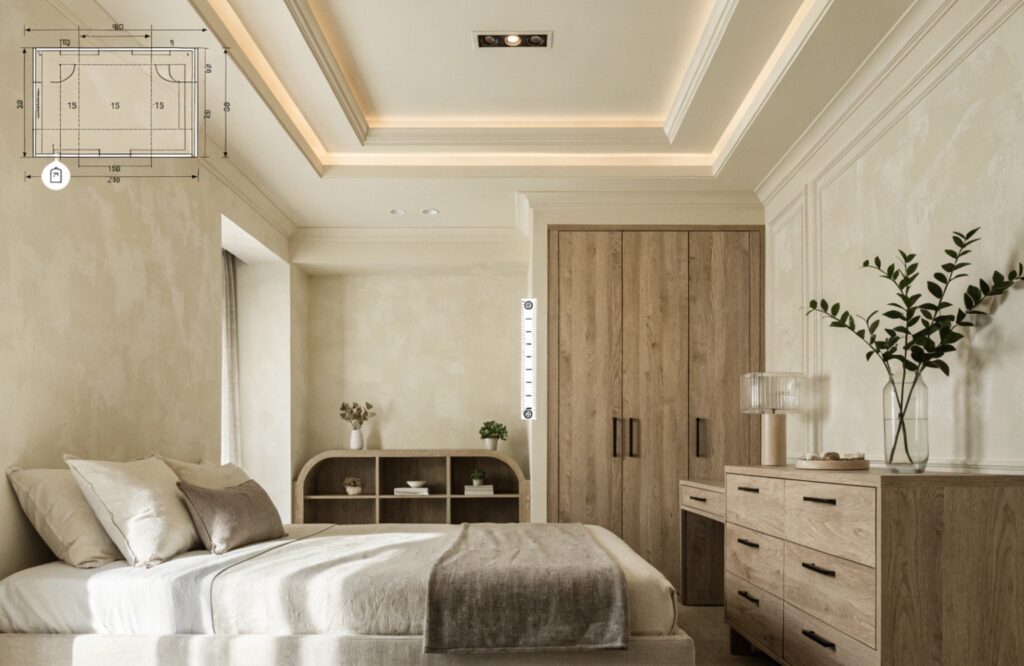
Cost of Small Bedroom Ceiling Design & Installation (Full Expert Guide) Vallari Shah Writer & Blogger Choosing a ceiling design for a small bedroom involves more than picking a material and calling a contractor. The ceiling influences the room’s brightness, spaciousness, comfort, and even energy efficiency. But before selecting designs or materials, homeowners must understand the cost structure—what you’re paying for, why prices vary, and how to avoid overspending. This guide breaks down everything that affects pricing: material costs, labour charges, lighting integration, design complexity, hidden expenses, examples for 100–150 sq ft bedrooms, and expert-backed budgeting tips. If you’re planning a renovation and want clarity, this is the most comprehensive explanation you’ll find. How Ceiling Design Costs Are Calculated Most homeowners assume ceiling installation is charged only per square foot, but the truth is more layered. Contractors calculate cost based on material type, design complexity, finishing level, additional lighting work, and room conditions. The base cost generally includes material + labour. But the final bill often increases due to wiring, lighting, surface preparation, and layout modifications. A simple 100 sq ft room can vary dramatically based on the features added and the design you choose. Understanding these pricing components early helps you avoid surprises and negotiate better with professionals. Cost Per Square Foot Explained Most ceiling projects are priced per sq ft. In small bedrooms—usually between 90 sq ft to 150 sq ft—contractors use the total ceiling area, not the floor area. Multi-level ceilings or extended side panels increase square footage beyond the room’s basic measurement. For example, a simple rectangular ceiling may cost ₹120 per sq ft, but a layered or backlit ceiling could go up to ₹250–₹300 per sq ft. The per-sq-ft price increases depending on: the number of layers complexity of design lighting requirements cutouts and curves edge trims or coves This is why two bedrooms of the same size may have completely different pricing. Looking for deeper insights? Explore our complete buyer’s guide for small bedroom ceilings. Material-Wise Ceiling Cost Breakdown Every material—POP, gypsum, PVC, wood—has its own pricing band and installation complexity. Your choice of material impacts appearance, durability, fire resistance, installation time, and total cost. POP False Ceiling Cost POP (Plaster of Paris) is known for its flexibility and ability to create curves and intricate patterns. It’s a favourite for artistic or layered designs. Cost Range: Typically ₹100–₹200 per sq ft. POP costs more when the design requires sculpting, curvature, or layered shapes. For a small bedroom, POP offers unmatched creative freedom, but it requires skilled labour and a longer installation timeline. This naturally increases labour charges. For a 100 sq ft bedroom: Simple POP design: ₹10,000–₹14,000 Decorative design with lighting: ₹15,000–₹20,000 Designer multi-layered: ₹20,000–₹30,000 POP is slightly more labour-intensive because it’s mixed onsite, applied manually, and requires drying time before painting. Gypsum Ceiling Cost Gypsum boards have become the most popular ceiling option for modern small bedrooms because they offer a clean, elegant finish. Their ease of installation and compatibility with lighting designs make them the first choice for most homeowners. Cost Range: ₹120–₹250 per sq ft depending on thickness, frame type, and finishing. Gypsum offers a smoother finish than POP and is more stable over time. It also allows quick installation—usually 1–2 days for a small room—reducing labour cost. For a 120 sq ft room: Basic gypsum ceiling: ₹14,000–₹18,000 Gypsum with cove lighting: ₹20,000–₹28,00 Gypsum multi-layer design: ₹28,000–₹35,000 Gypsum is also highly suitable for LED lighting integrations, which can influence cost significantly. PVC Ceiling Cost PVC panels are one of the most budget-friendly ceiling materials. They’re lightweight, waterproof, and quick to install, making them ideal for rental homes or low-cost renovations. Cost Range: ₹100–₹220 per sq ft. Although PVC is inexpensive, the design quality depends on the panel type and thickness. Wooden-look PVC panels are slightly more expensive but offer a stylish aesthetic in small bedrooms. For a 100 sq ft room: Basic PVC ceiling: ₹10,000–₹14,000 Premium PVC designs: ₹15,000–₹22,000 PVC is easy to maintain and resistant to moisture, making it suitable for homes in humid regions. Wooden Ceiling Cost Wooden ceilings bring warmth, richness, and texture. However, they are the most expensive among all ceiling materials due to material cost and installation precision. Cost Range: ₹200–₹450+ per sq ft. In small bedrooms, minimalistic wooden paneling or slatted ceilings work best to avoid visual heaviness. These add elegance without overwhelming the room. For a 100 sq ft bedroom: Basic panels: ₹20,000–₹30,000 Premium hardwood designs: ₹35,000–₹55,000 Wood requires periodic maintenance and moisture-proofing, so it may increase long-term expense. Labour & Installation Charges Labour cost makes up a significant part of ceiling design. Depending on your city and contractor: Labour charges range from ₹40 to ₹120 per sq ft. POP requires more labour time, while gypsum and PVC are quicker to install. Complex designs, electrical cutouts, indirect lighting, and curved edges lead to higher labour hours, automatically increasing cost. Small bedroom installations usually take: Gypsum ceiling: 1–2 days POP ceiling: 3–5 days PVC panels: 1 day Wooden slats or panels: 2–4 days The faster the installation, the lower the labour cost in most cases. Design Complexity & Its Impact on Cost Design complexity is one of the most significant cost-influencing factors. A plain flat ceiling is always cheaper, while layered or shaped ceilings require more material and labour. Simple Designs Simple designs include flat boards, basic borders, and minimalist lighting. These are best for tight budgets and small bedrooms because they maintain room height and cost less. Designer Ceilings Designer ceilings include multi-layer gypsum, circular shapes, floating effects, recessed lighting pockets, and geometric structures. These increase: material usage framework complexity labour time They also require electrical integration for lighting, which further increases cost. Lighting Integration Lighting significantly affects the final cost. LED strips, spotlights, cove lighting, and concealed wiring all add separate charges. Example Cost Scenarios for Real Bedrooms Scenario 1: 100 sq ft Small Bedroom (10×10 ft) Simple gypsum ceiling: approx. ₹12,000–₹15,000 Gypsum with LED cove lighting: ₹18,000–₹25,000 POP with simple design:
Ceiling Material Comparison: Gypsum vs POP vs Wood vs PVC
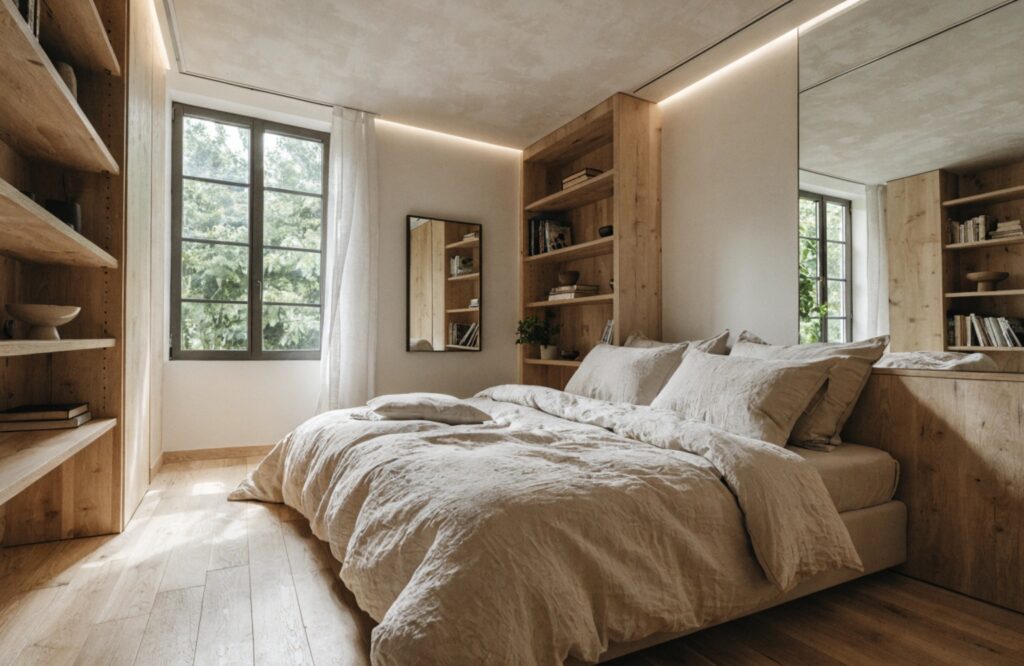
Ceiling Material Comparison: Gypsum vs POP vs Wood vs PVC Vallari Shah Writer & Blogger Choosing the right ceiling material is one of the most important decisions you’ll make when designing or renovating a small bedroom. The ceiling not only affects the look and feel of the space, but also impacts lighting, thermal comfort, maintenance costs, and long‑term durability. In this guide, we compare the four most commonly used ceiling materials — Gypsum, POP (Plaster of Paris), Wood, and PVC — to help you decide which one suits your small bedroom the best. Whether you’re working with a tight budget, want a premium finish, or are aiming for minimal maintenance, understanding the strengths and weaknesses of each material will help you make an informed choice for your home. Why Ceiling Material Matters for Small Bedrooms Ceiling design does more than cover your head. It can make your bedroom appear taller, brighter, and more spacious or, if chosen poorly, can make the room feel boxed‑in and darker than it actually is. In small bedrooms, ceiling selection should consider: Visual height impact: Some materials and designs reduce room height more than others. Light reflection: Smooth, light surfaces help reflect natural and artificial light. Durability and maintenance: Materials that handle moisture, heat, and cleaning differently can affect long‑term satisfaction. Installation time and costs: Time and budget constraints often influence your choice. 1. Gypsum Ceilings: Modern, Clean & Practical Gypsum board ceilings are made from factory‑manufactured plaster boards attached to a metal frame. They are among the most popular ceiling choices in modern homes because of their sleek look and durability. Benefits of Gypsum Ceilings Gypsum ceilings offer a smooth and modern finish that works well with recessed lighting, coves, and geometric ceiling styles. The uniformity provided by factory‑made boards makes the finishing process cleaner and quicker compared to traditional site‑applied materials. Their relatively light weight puts less load on the structural framework while still providing durability. Gypsum boards also offer decent fire resistance and can be enhanced with moisture‑resistant additives for humid environments. Drawbacks Standard gypsum boards have limited flexibility when it comes to curved or intricate designs. They can also suffer from moisture issues if water penetrates the surface, leading to sagging or staining over time. Repairing gypsum ceilings typically means replacing an entire panel, which can be expensive and disruptive. Typical Costs Depending on regional pricing and quality, gypsum ceiling materials and installation generally fall in the mid‑range compared to other options. For example, in India the cost ranges broadly based on thickness and finishing. Best For Minimalist and modern ceiling styles Bedrooms where a clean, seamless look is desired Projects requiring quick installation 2. POP (Plaster of Paris) Ceilings: Artistic & Affordable Plaster of Paris ceilings have been widely used for decades. Unlike gypsum boards, POP is mixed onsite from powdered material and plastered onto a support mesh, allowing maximum design flexibility. Why Choose POP The biggest strength of POP ceilings is the ability to create artistic shapes, curves, borders, and layered effects unattainable with rigid board materials. This makes POP ideal for decorative and custom ceiling designs, especially if you want intricate cornices, waves, or multi‑tiered ceiling layouts. Considerations Before Choosing POP Despite its flexibility and lower material costs, POP ceilings take longer to install and require highly skilled craftsmen to avoid cracks and uneven textures. Improper mixing or rushed installation can make ceilings prone to cracking later, especially in high‑humidity regions. In addition, because POP is plaster based, it doesn’t inherently resist moisture as well as PVC ceiling panels. Cost Perspective POP ceilings tend to be more affordable in terms of material costs, but labor expenses can add up because of the time and skill required. Over time, POP ceilings may require periodic maintenance or repainting. Best For Homeowners wanting elegant, curved, or layered ceiling designs Rooms where aesthetics outweigh installation speed Budget‑limited projects that still want decorative features If you’re interested in further concepts, explore our in-depth ceiling materials guide. 3. Wooden Ceilings: Warmth and Premium Look Wood ceilings add natural warmth and visual depth to any bedroom. Available as solid wood, engineered wood, or veneer‑finished panels, wood is often used to create a premium, cozy atmosphere. Advantages of Wood Ceilings Wood boasts excellent acoustic qualities and an inherently rich look that adds luxury to interiors. It pairs beautifully with softer lighting and creates a warm ambiance that plaster or synthetic materials can’t replicate. Drawbacks and Challenges Wood is generally the most expensive ceiling option, costing significantly more than gypsum, POP, or PVC. It also requires careful maintenance — sealing, termite protection, and moisture control are essential for long‑term performance, especially in climates with high humidity. Untreated wood can warp, swell, or deteriorate over time. Best For Accent ceilings or feature areas Luxury bedroom interiors Spaces where the ceiling is a focal point 4. PVC Ceilings: Budget‑Friendly & Moisture‑Resistant PVC (Polyvinyl Chloride) ceilings are lightweight, waterproof, and fast to install. Panels come in a wide range of finishes — including glossy, matte, wood‑grain, or textured patterns — making them versatile for different design aesthetics. Strengths of PVC PVC panels excel in areas where moisture is a concern, such as kitchens and bathrooms, but they work equally well in bedrooms. Because they are waterproof and termite‑proof, they require almost no maintenance and are very easy to clean — often just needing a damp cloth. Their lightweight nature also helps in rooms where reduced load is preferred, and they can be suitable for DIY installation in some cases. Limitations While durable, PVC is less premium in appearance compared to wood or gypsum and can look more plastic‑like if cheap panels are used. Basic PVC materials may also yellow under long‑term exposure to sunlight, so it’s important to choose UV‑resistant panels if the room gets direct sun. Best For Quick installations Moisture‑sensitive areas Low‑maintenance ceiling projects Comparing the Materials Side‑by‑Side Now that we’ve discussed each material individually, let’s compare them across important factors that matter most to homeowners:
Low-Height Ceiling Solutions for Small Rooms
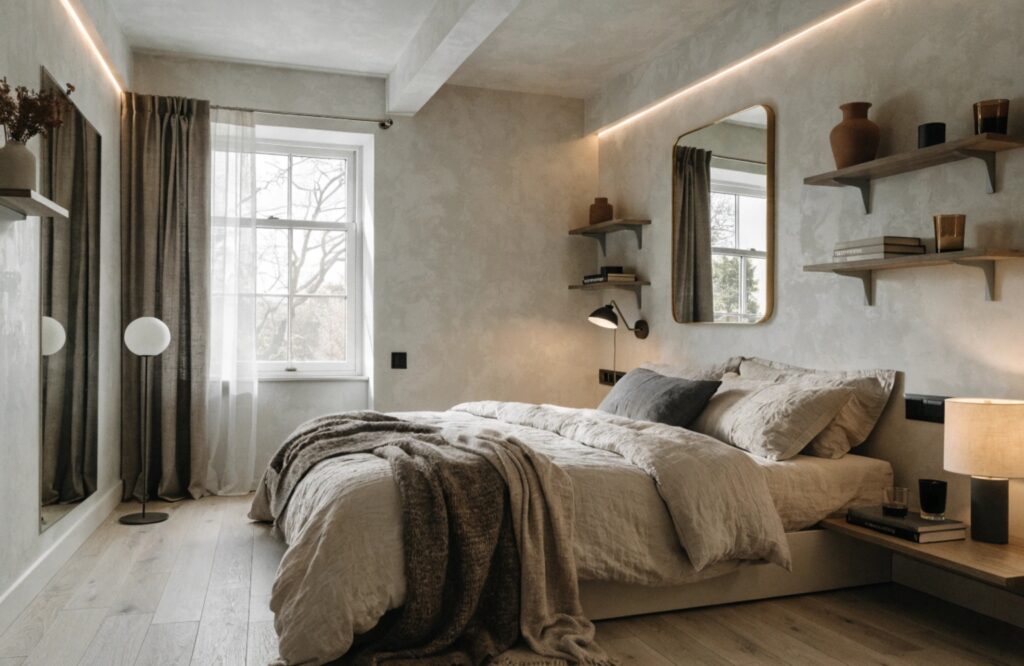
Low-Height Ceiling Solutions for Small Rooms Vallari Shah Writer & Blogger Low ceilings can make even a well‑designed space feel cramped, boxed‑in, and less inviting. In small rooms—especially bedrooms, studios, or apartments with low headroom—visual perception matters just as much as physical space. Thankfully, interior designers and architects use a wide range of clever tricks and design strategies to make low ceilings feel taller without structural changes. These techniques rely on optical illusions, light manipulation, and smart styling choices to expand space visually and create a more open, airy atmosphere. In this guide, we’ll explore tried‑and‑true solutions—from color choices and lighting strategies to furniture placement and decor—that can dramatically improve how low ceilings look and feel in your small rooms. 1. Use Light, Reflective Colors to Open Up the Space One of the most effective ways to make a low ceiling feel higher is through paint and color strategy. Light colors reflect more light than dark hues, allowing the room to feel brighter and more spacious. Paint the Ceiling a Light Shade A classic trick is to paint your ceiling in a light neutral—such as soft white, pale cream, or light cool tones—which helps reflect light and create the illusion of extra height. Light colors make boundaries less pronounced and make ceilings feel further away than they really are. Blend Ceiling and Wall Colors Rather than choosing a stark contrast between walls and the ceiling, painting them in similar light shades helps blur where the wall meets ceiling. This continuity visually lifts the space, encouraging the eye to move upward uninterrupted. Subtle Gloss or Satin Finishes A semi‑gloss or satin finish on the ceiling can reflect natural and artificial light without showing imperfections, adding depth and brightness to low spaces. 2. Strategic Lighting to Draw the Eye Upward Lighting is critical in shaping the perception of height. Poor lighting can accentuate a low ceiling, while good lighting softens that effect and enhances vertical space. Choose Recessed or Flush‑Mounted Lights In rooms with low ceilings, flush‑mount or recessed lights are better than chandeliers or pendants, which can intrude into vertical space and draw attention downward. Use Cove Lighting or LED Strips Cove lighting hidden in ceiling recesses provides soft indirect illumination that visually pushes illumination upward, creating a floating effect that makes the ceiling feel higher. Wall Sconces and Upward‑Facing Lamps Wall sconces that cast light upward make the room feel brighter and draw the gaze toward the upper portion of the walls and ceiling. This encourages the perception of height without lowering fixtures. 3. Emphasize Vertical Lines and Elements Our eyes naturally follow lines. By incorporating vertical lines in your design, you can trick the eye into perceiving a space as taller than it is. Tall Curtains Hung Close to the Ceiling Installing curtain rods at or near the ceiling and using floor‑length drapes helps extend vertical lines and creates a sense of height. Light, airy fabrics such as linen or sheer cotton allow light to pass through while drawing the eye up. Vertical Wall Art and Wallpaper Vertical stripes in wallpaper or tall artwork draws attention upward, breaking the horizontal plane that low ceilings emphasize. Soft vertical patterns help expand visual height without overwhelming the space. Tall Vertical Furniture and Shelving Floor‑to‑ceiling bookshelves or tall, narrow cabinets add visual height and provide storage without crowding horizontal space. This aligns with recommendations from designers focusing on creating upward motion in room layout. o dive deeper into creative ceiling ideas, be sure to check out our complete guide. 4. Mirrors: A Powerful Tool for Visual Expansion Mirrors do more than reflect your image—they expand perceived space by bouncing light and creating depth. Place Mirrors Opposite Windows Mirrors positioned across from windows capture daylight, reflecting it throughout the room and increasing brightness. This reflection creates a sense of space and lifts the visual ceiling plane. Use Tall, Narrow Mirrors for Height Illusion Tall mirrors draw the eye upward and mimic verticality, making ceilings feel taller and the room more open. These work especially well in small bedrooms or narrow spaces. Floor‑to‑Ceiling Mirror Panels If feasible, installing mirror panels flush against a wall can have a dramatic effect, almost doubling the perceived volume of the room. 5. Low‑Profile Furniture and Floor Planning Furniture that sits too high or bulky items can emphasize a low ceiling. Instead, opt for pieces that sit closer to the floor and allow for more visible vertical wall space. Platform Beds and Low Seating Beds and sofas with low profiles help create additional visible wall area above them, encouraging the eye to travel upward rather than being anchored down. Avoid Tall, Bulky Units Large wardrobes or tall cabinets interrupt vertical continuity and visually compress ceiling height. Choose streamlined, light‑colored furniture to maintain openness. 6. Decor Choices That Support Vertical Perception Small tweaks in decor can also contribute significantly to how height is perceived in a room. High Placed Artwork Art hung higher on walls, closer to the ceiling line, subtly encourages the eye to travel upward. This makes the ceiling feel further away. Light, Minimal Accessories Too many heavy, ornate decor items can make a room feel busy and lower the visual ceiling. Instead, choose light tones and minimal styles that support brightness and clarity. 7. Avoid Common Mistakes That Make Low Ceilings Feel Worse Just as there are smart choices that lift a space, there are mistakes that can inadvertently make ceilings feel even lower. Avoid Low Hanging Lights Bulky pendants or chandeliers draw attention downward and reduce perceived height. Flush or recessed lighting is far more effective for small rooms. Avoid Dark Horizontal Bands Dark paint near ceiling edges or horizontal stripes can trap the eye and emphasize the room’s low height. Keep trim and crown molding in light colors or matching the wall tone to reduce horizontal boundaries. Heavy Window Treatments Thick valances and short curtains visually cut the wall, reducing the feeling of vertical space. Instead, hang curtains close to the ceiling and use
Best Ceiling Textures for Small Spaces
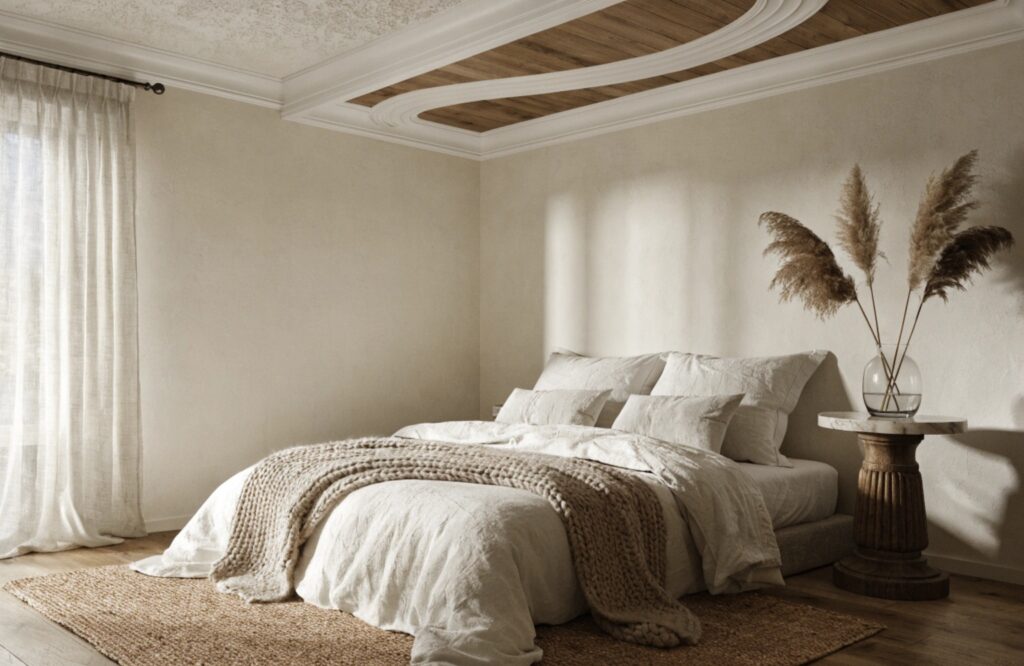
Best Ceiling Textures for Small Spaces Vallari Shah Writer & Blogger When working with a small bedroom or compact living space, every design detail matters—including the ceiling. While many homeowners focus on paint colors or furniture arrangement, the ceiling texture plays a crucial role in how spacious, bright, and comfortable a room feels. The right texture can enhance light reflection, hide imperfections, improve acoustics, and even add subtle stylistic elegance—all without overwhelming the limited space. In this guide, we’ll explore the most effective ceiling texture options for small rooms. You’ll learn which textures make a room feel bigger, which ones to avoid, and practical tips for choosing and applying textures that enhance your design goals. Why Ceiling Texture Is Important in Small Rooms Ceiling texture isn’t just about aesthetics. Especially in small spaces, it affects: Light reflections and shadows: Heavy textures create shadows that can make a ceiling feel lower and a room tighter, while subtle textures amplify light. Perceived height: A smooth or lightly textured ceiling leads the eye up, creating a sense of openness. Visual flow: Ceilings form the “fifth wall” in a room; too much visual noise can make a small space feel cluttered. Imperfection masking: Slight texture can hide cracks, repair marks, or slight unevenness better than a perfectly flat finish. The key is finding a balance: enough texture to add subtle character without creating shadows or visual bulk that shrink the room. Smooth & Light Ceiling Finishes (Best for Small Spaces) 1. Smooth Finish – Clean, Minimal & Spacious A smooth ceiling is the simplest and most modern texture choice. It’s achieved by carefully applying joint compound, sanding to a flawless finish, and painting with a high‑quality ceiling paint. Unlike textured ceilings, a completely smooth surface reflects light evenly across the room, helping walls and corners feel brighter and more open. Because small rooms often struggle with shadows and contrast, this finish is ideal for contemporary designs or minimalist interiors. Best for: Modern homes, compact bedrooms, and rooms with natural light. Pros: Visually expands space Minimal maintenance Work with modern lighting Cons: Requires skilled preparation Any imperfection is visible If your priority is maximum perceived height and brightness, smooth is often the best choice. 2. Orange Peel Texture – Subtle Yet Stylish Orange peel texture gets its name from its resemblance to the surface of a citrus fruit—featuring tiny rounded bumps across the surface. It is created using a spray hopper gun that applies thinned drywall compound in slight dimples. Widely seen in many modern homes, this texture adds a hint of depth without drawing attention. For small rooms, it can provide just enough visual interest without overwhelming the space. Why it works for small spaces: Small, shallow bumps don’t cast heavy shadows Hides minor flaws Easy to paint and maintain Pros: Great balance of texture and smoothness Conceals small imperfections Works with a range of design styles Cons: Slightly more difficult to dust-clean than smooth Needs consistent spray application When paired with light paint colors like off‑white or soft neutrals, orange peel ceilings help make a room feel both crisp and cozy. For extended inspiration, make sure to read our full guide on creative ceiling types. Decorative Yet Subtle Ceiling Textures Some texture styles offer a bit more visual character but still work well in compact rooms when used appropriately. 3. Knockdown Texture – Textured Yet Clean Knockdown texture is created by spraying joint compound on the ceiling and then “knocking down” the peaks with a drywall knife once it partially dries. The result is a soft, artistic pattern that’s more subtle than rough stippled finishes but still visually interesting. This texture type is often popular because it hides imperfections and increases depth without creating heavy shadows. Why it fits small rooms: Adds subtle dimension without bulk Works well with recessed LED lighting Less visual noise than traditional rough textures Pros: Visually pleasant and adaptable Works with modern or classic styles Cons: Slightly harder to clean than smooth Needs professional application for best results Knockdown is a great choice if you want texture without heaviness. 4. Skip Trowel Texture – Artistic & Lightly Patterned Skip trowel is a handcrafted texture where drywall compound is applied with a trowel, leaving soft, sweeping patches. The effect is modest yet artistic. Although it adds more visual detail than orange peel or knockdown, it can still be used in small spaces if the texture pattern remains light and colors remain bright. Pros: Elegant, bespoke look Soft pattern adds character Cons: Must be done carefully to avoid heavy density More expensive than simple finishes Skip trowel works best when used sparingly—perhaps focused over a seating area rather than across an entire small bedroom. 5. Subtle Swirl or Brush Pattern – Personality With Care Swirl textures are created by applying compound with a brush or trowel in repeating circular or semi‑circular patterns. On large ceilings, this can be whimsical and decorative; in small rooms, keep the pattern tight and shallow. Large, highly contrasting swirls can overwhelm a compact space, but soft, shallow swirls that are uniformly light and paired with neutral paint tones can add gentle visual movement without shrinkage. Texture Types to Avoid in Small Rooms Not all textures work well in compact spaces. Some styles that may be too heavy visually include: 1. Popcorn Ceilings – Old School and Bulky Once popular for sound absorption and hiding flaws, popcorn textures are now largely out of favor for modern design. In small spaces especially, popcorn texture: Creates deep shadows Traps dust Visually lowers the ceiling Can feel outdated or dated Homeowners often choose to remove popcorn ceilings or smooth them over entirely to modernize a room. 2. Heavy Stipple or Slap Brush Textures A stippled or slap brush texture creates prominent peaks and valleys. While this might hide imperfections well, the deep relief casts shadows and draws the eye downward—exactly what you don’t want in a small room. Avoid heavy stipple finishes unless the space is large or
LED Integrated Ceiling Panels for Small Bedrooms — Design Ideas, Benefits & Complete Guide
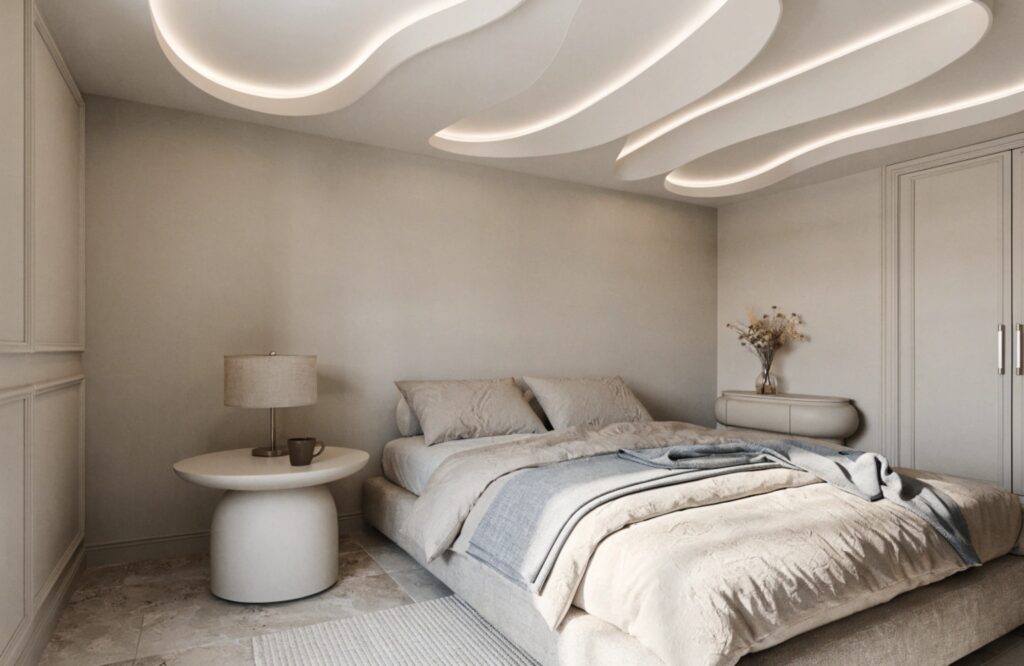
LED Integrated Ceiling Panels for Small Bedrooms — Design Ideas, Benefits & Complete Guide Vallari Shah Writer & Blogger Small bedrooms pose unique design challenges. Limited space, low ceilings, and the need for functional lighting make standard fixtures less effective. This is where LED integrated ceiling panels shine — literally and figuratively. These sleek lighting solutions provide even illumination, aesthetic flexibility, and energy efficiency, transforming compact spaces into open, inviting rooms without sacrificing headroom or style. Whether you’re renovating or building new, understanding how LED ceiling panels work, how to choose and install them, and how to design with them will help you make smarter, more stylish decisions for your small bedroom. Why Choose LED Integrated Ceiling Panels for Small Bedrooms In a small bedroom, lighting does more than just brighten the room — it influences perception of space, mood, comfort, and functionality. LED ceiling panels are becoming a preferred choice for smaller interiors for several reasons: Uniform and Glare‑Free Illumination Integrated LED panels distribute light evenly across the ceiling surface, eliminating harsh spots and shadows. This balanced lighting makes the room feel larger, more open, and more relaxing — a key advantage over single central fixtures or uneven lighting sources. Space‑Saving Design With slim profiles and flush mounting options, LED ceiling panels are ideal for small spaces where hanging lights or bulky fixtures can make a room feel compressed. Their unobtrusive design keeps headroom clear and maintains a minimalist aesthetic. Energy Efficiency & Longevity Compared to traditional incandescent or fluorescent lighting, LED panels consume significantly less power and often last tens of thousands of hours. This not only reduces energy bills but also cuts down on maintenance and fixture replacement over time. Customizable Lighting Ambience Many contemporary LED panels offer adjustable brightness, color temperature settings (warm, neutral, cool), and dimmable controls, allowing homeowners to set the mood — from cozy and warm to bright and functional. Design Versatility LED panels come in recessed, surface‑mounted, backlit, and creative design variations. These can be integrated into false ceilings, wall edges, or combined with architectural elements to enhance the overall bedroom design. Types of LED Integrated Ceiling Panels for Small Bedrooms LED ceiling panels aren’t one‑size‑fits‑all. Understanding the types helps you select what perfectly suits your space: 1. Recessed LED Panels These panels are installed flush with the ceiling surface, creating a seamless and modern look. They are ideal for low ceilings where hanging fixtures would reduce headroom. Recessed panels maximize light distribution without visual clutter, making them perfect for minimalist bedrooms. 2. Surface‑Mounted LED Panels For rooms without false ceilings or where installation of recessed lights is structurally difficult, surface‑mounted LED panels offer a sleek alternative. These sit close to the ceiling, still saving space while delivering bright illumination. 3. Backlit LED Panels Backlit LED panels are set behind translucent surfaces or panels to create soft, indirect lighting. This indirect glow adds depth and ambience, enhancing the visual appeal of the room without harsh overhead light. 4. Artistic & Creative LED Panels Modern designs include geometric shapes, patterns, or integrated lighting artwork. These not only light up the room but also become a design focal point on the ceiling, adding personality and style. Design Ideas Using LED Ceiling Panels Minimalist Integration In compact bedrooms, simplicity is key. A single, large recessed LED panel in the center offers clean, shadow‑free brightness, creating a sense of calm and spaciousness. Pair with light‑colored walls and minimal furniture for a refined look that feels larger than it is. Perimeter LED Lines for Soft Glow Installing LED panels or strips around the perimeter of the ceiling creates a soft halo effect that visually raises the room’s height. This strategic placement also eliminates dark corners and invites a cozy glow that’s perfect for relaxation. Backlit Feature Panel Over Bed Place a backlit LED panel above the bed as a subtle focal point. This not only provides soft ambient light but also visually anchors the bed area, making the room feel more structured and stylish. Layered Lighting with LED Strips Combine LED ceiling panels with LED strip lighting in coves or recesses to create layered illumination. Cove lighting directs light upwards onto the ceiling and down the walls, enhancing brightness without glare and increasing perceived height. Accent Wall LED Integration Though not strictly ceiling panels, small LED panels on walls or near shelves can serve dual purposes — lighting task areas and complementing ceiling illumination, making the room feel well‑lit and open. How to Choose the Right LED Ceiling Panel Selecting the best LED panels for your small bedroom involves considering: Brightness (Lumens) and Color Temperature For bedrooms, aim for warm to neutral light (around 2700–3500K) to create a comfortable, relaxing atmosphere. Brightness should be sufficient for general lighting but not harsh — especially for evening use. Size & Placement Ceiling panel size should match the room dimensions. Larger panels offer broader illumination, but multiple smaller panels can help distribute light evenly and reduce shadows in corners. Dimmable & Smart Controls Panel lights with dimming features allow flexibility — brighter light for activities and softer tones for rest. Smart controls via apps or remotes enhance convenience. Looking for more design options? Explore our full ceiling guide for small bedrooms. Panel CRI (Color Rendering Index) CRI above 80 ensures colors appear natural and vibrant — especially important in bedrooms where textiles, wall colors, and furniture tones should look true and pleasant. Installation Tips for LED Ceiling Panels Installing LED ceiling panels in small bedrooms doesn’t have to be intimidating. Here are practical considerations: Professional vs DIY Recessed panels may require professional installation, especially if a false ceiling or electrical wiring modifications are involved. Surface‑mounted panels are often easier for DIY installs. Wiring & Safety Ensure proper wiring and comply with local electrical codes. Dimmable LED panels may require compatible dimmers to prevent flicker. Proper installation also enhances longevity and performance. Placement Strategy Place panels to avoid direct glare in sleeping areas. Use indirect lighting or layer lighting sources
Coffered Ceilings for Small Bedrooms: Elegant & Space-Smart Design Guide

Coffered Ceilings for Small Bedrooms: Elegant & Space-Smart Design Guide Vallari Shah Writer & Blogger Designing a small bedroom often feels like solving a puzzle—every detail must enhance space, comfort, and aesthetics without overwhelming the room. One of the most overlooked yet transformative design elements is the ceiling. While many people assume coffered ceilings are meant only for large living rooms or grand hallways, the truth is that modern coffered designs can dramatically elevate even the smallest bedroom. A well-designed coffered ceiling adds depth, texture, and architectural interest without consuming valuable visual space. With the right proportions, materials, and lighting styles, it becomes a subtle, elegant feature that makes your compact room feel refined rather than cramped. This guide breaks down everything you need to know—from design principles and materials to cost, lighting, and common mistakes. By the end, you’ll know exactly how to incorporate a coffered ceiling that fits beautifully in a small bedroom. What Is a Coffered Ceiling? A coffered ceiling is a grid-like ceiling design featuring recessed panels, usually square or rectangular, framed by beams or trims. Traditionally found in classic European architecture, they have evolved to suit today’s modern, minimalist, and contemporary interiors. In simple terms, coffered ceilings create a structured pattern across your ceiling. The beams add gentle depth, while the recessed sections introduce shadow, texture, and a feeling of dimension. In small bedrooms, the key is using shallow, visually light features so the ceiling doesn’t feel lowered or bulky. Why Coffered Ceilings Can Work in Small Bedrooms Many homeowners worry that a coffered ceiling might make a small bedroom feel tight. In reality, when designed thoughtfully, it does the opposite. A well-proportioned coffered pattern gives the illusion of height and enhances architectural depth. Because the pattern draws the eye upward, the room appears taller and more intentional. Additionally, coffered ceilings pair beautifully with smart lighting techniques such as recessed LED strips or warm ambient lights. This combination diffuses light across the room and eliminates harsh shadows, which normally make a small bedroom feel boxed in. The structure also hides imperfections, electrical wiring, or uneven ceiling patches that would otherwise be visible in a plain ceiling. Benefits of Choosing a Coffered Ceiling for Small Bedrooms One of the main advantages is the added visual character. A small room often feels plain, especially when the ceiling is flat and featureless. Coffered patterns introduce depth and style without needing heavy decoration. Another advantage is lighting flexibility. You can embed spotlights, LED strips, or soft panel lighting within the recessed sections. This type of lighting spreads evenly and lifts the ambiance without cluttering the ceiling. Small bedrooms also benefit from the acoustic improvement a coffered ceiling provides. The beam structure creates slight sound absorption, reducing echo and making the room feel cozier and quieter. Finally, the structure allows you to conceal wiring for fans, LED panels, or air-conditioning lines, offering a much cleaner aesthetic. Design Ideas for Coffered Ceilings in Small Spaces To make a coffered ceiling work beautifully in a small room, the design must be minimal, shallow, and proportionate. Here are some design approaches that naturally enhance compact bedrooms. 1. Shallow Low-Profile Coffered Grids Traditional coffered ceilings are deep and ornate, which can overwhelm a small space. Instead, a shallow design using slim MDF or gypsum beams creates soft shadows without compromising height. When painted in the same color as the ceiling, the pattern becomes subtle but sophisticated. This modern low-profile look is ideal for apartments and compact bedrooms where ceiling height is limited. 2. Simple Symmetrical Patterns Small bedrooms benefit most from symmetry. A clean, evenly spaced grid creates balance and avoids visual clutter. Square or rectangular coffers spaced in equal proportions provide a calm, balanced look. This design style works well when paired with neutral tones, as it maintains simplicity and airiness. 3. Minimalist Contemporary Coffered Ceilings This style uses ultra-thin trims or beams, often painted white or light gray. Instead of deep recesses, the ceiling has a gentle frame-like structure. This creates architectural detail without reducing the room’s sense of height. Minimalist coffered ceilings are modern, easy to maintain, and blend seamlessly with Scandinavian, Japandi, or contemporary bedroom interiors. 4. Coffered Ceilings with LED Integration One of the smartest ways to enhance a small bedroom ceiling is with integrated LED lighting. Placing LED strips inside or around the recessed panels adds soft, diffused light that gives the impression of taller walls and larger space. Warm tones (2700K–3000K) make the bedroom feel cozy, while cooler tones can create a brighter, modern look. 5. Two-Tone Coffered Ceiling Designs A light-color beam paired with a slightly darker inset panel creates gentle contrast that adds depth without overpowering a small room. This design approach works particularly well when you want a sophisticated bedroom aesthetic while still keeping the overall visual impact subtle. Choosing the Right Materials for a Small Bedroom Coffered Ceiling Selecting the correct material is crucial to achieving a lightweight, elegant ceiling that enhances rather than constricts the room. MDF (Medium Density Fiberboard) is one of the best options. It’s lightweight, cost-efficient, smooth, and easy to paint. Perfect for shallow coffered designs. Gypsum is excellent for achieving seamless, modern patterns. It gives a clean finish and pairs well with integrated lighting. Wood or faux wood adds luxury, but must be used sparingly in small rooms to avoid a heavy feel. Slim wooden beams or slats can still offer warmth and style. PVC works best for budget-friendly or moisture-prone areas. It’s lightweight and easy to maintain. When choosing materials, always prioritize minimal depth and lighter colors to maintain spaciousness. Want additional inspiration? Don’t miss our comprehensive guide on ceiling designs. How to Scale Coffered Ceilings for Small Bedrooms Scaling determines whether your ceiling enhances the room or makes it feel crowded. Beam depth, spacing, and layout are critical. For small bedrooms, the beam depth should ideally stay between 1–2 inches. Anything deeper will noticeably lower the ceiling visually. Panel sizes must align with room dimensions;