
False Ceiling vs No Ceiling: Which Is Better for Small Rooms?
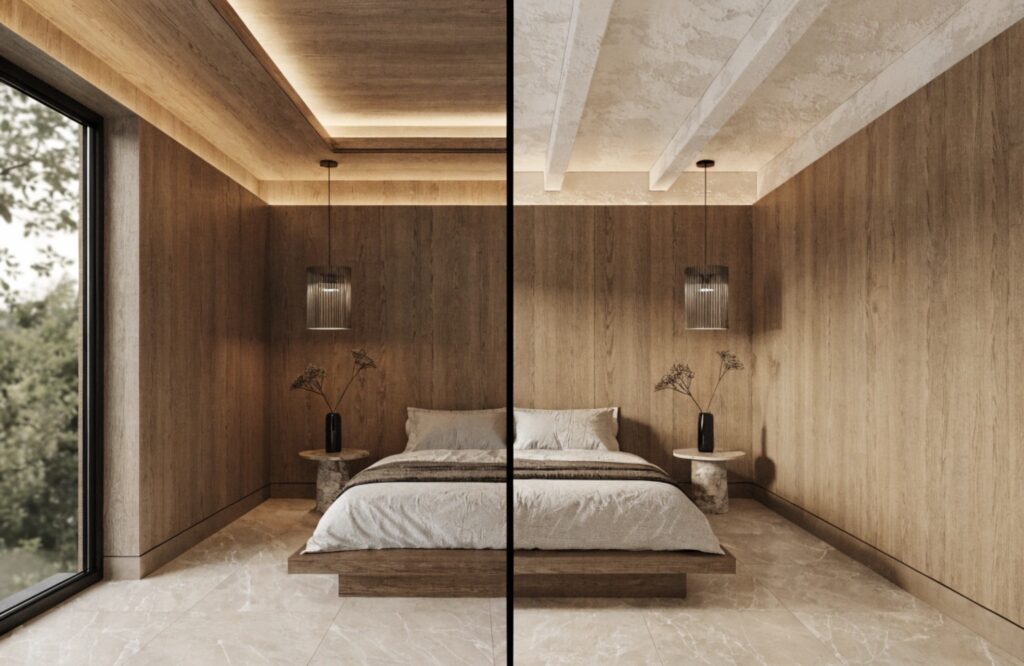
False Ceiling vs No Ceiling: Which Is Better for Small Rooms? Vallari Shah Writer & Blogger Designing ceilings for small rooms is often more complicated than it appears. While most people focus on color, flooring, wardrobes, or lighting, the ceiling quietly determines how spacious the room feels, how well it lights up, how warm or cool it stays, and even how neat the wiring or fixtures look. Choosing between a false ceiling and no ceiling (exposed slab) is one of the most important decisions when designing compact bedrooms, studios, or small living spaces. While false ceilings offer modern aesthetics and lighting flexibility, they reduce height. No-ceiling designs preserve vertical space but limit design possibilities. This guide breaks down both options in depth so you can confidently make the right choice for your home. What Is a False Ceiling? A false ceiling—also known as a dropped or suspended ceiling—is a secondary layer of material installed a few inches below the structural slab. Typically made of gypsum, POP, PVC, or wooden panels, false ceilings are framed on channels and then finished with paint or texture. This design creates a concealed gap that hides wiring, ducts, and lighting systems while giving the room a polished appearance. In small rooms, false ceilings are often used to integrate LED strip lighting, cove lighting, spotlights, or even sound-absorbing materials. Many homeowners prefer false ceilings because they transform an ordinary room into a stylish, hotel-like space. However, the loss of height is a serious consideration in compact areas. What Is a No-Ceiling Design? A “no ceiling” concept simply means using the original slab as the finished ceiling. Instead of adding a false layer, the existing concrete slab is painted, polished, or lightly textured to create a clean, minimal look. This approach preserves maximum ceiling height, which is crucial in small rooms with low structural height. No-ceiling designs are especially popular in modern, Scandinavian, industrial, and minimalist interiors. They allow more airiness and openness but offer limited opportunities for recessed lighting or hidden wiring. The surface must be properly finished because the slab’s imperfections are visible. Pros of False Ceilings in Small Rooms False ceilings offer a number of functional and aesthetic advantages—especially in modern homes—but each advantage has particular relevance in small rooms. 1. Advanced Lighting Flexibility The biggest benefit of false ceilings is lighting. Small rooms often struggle with uneven or inadequate lighting, which makes spaces feel even smaller. A false ceiling lets you integrate recessed spotlights, LED strip lighting, cove lighting, backlit panels, and concealed lights. These lighting styles distribute brightness more evenly, creating an illusion of more space and reducing harsh shadows. 2. Hides Wiring, Pipes & Imperfections Older rooms or renovated spaces may have messy wiring, conduit lines, beams, or cracks on the slab. A false ceiling neatly hides all of this, giving the room a premium, clutter-free finish. This is especially useful when installing ceiling fans, AC units, smart lighting, or speakers. 3. Better Insulation & Acoustics False ceilings help regulate room temperature by trapping air between the slab and the ceiling. This makes rooms cooler in heat and slightly warmer during cold weather. They also reduce echo and outside noise—important in tightly packed apartments. 4. Modern Design Possibilities From tray ceilings and border ceilings to floating strip lighting, a false ceiling gives you endless design freedom. This is often impossible with a no-ceiling slab, which restricts creativity. Cons of False Ceilings in Small Rooms Despite their advantages, false ceilings have a few drawbacks that become more noticeable in compact spaces. 1. Height Reduction This is the biggest concern. Even the thinnest false ceiling requires 2.5–4 inches of drop, while most practical designs require 5–7 inches. In rooms that are already low, this can make the environment feel slightly compressed. 2. Higher Cost False ceilings require metal framing, skilled labor, high-quality materials, putty, paint, and sometimes lighting installation. For small rooms, this can be a significant expense when compared to a simple slab finish. 3. Requires Maintenance False ceilings may develop cracks or stains over time and need repainting every few years. Hidden electrical components also become less accessible because they sit behind the panels. Pros of No-Ceiling Designs in Small Rooms 1. Maximum Height & Spaciousness The most obvious benefit of a no-ceiling approach is that you keep the room’s full height. This added vertical space dramatically improves openness, making it ideal for compact bedrooms, small studios, and rooms with 8–9 ft structural height. 2. Clean, Minimal, Airy Look The exposed slab, when finished well, has a raw yet elegant appeal. Minimal interior styles prioritize simplicity, and a no-ceiling design suits modern aesthetics perfectly. It keeps the room visually open and uncluttered. 3. Lower Cost Since there is no frame or extra material, you only need paint, minor texture, or light finishing. This reduces both installation cost and long-term maintenance. 4. Easy Access for Electrical Work Any repairs or new wiring are easier to execute because the slab remains exposed. Surface lighting fixtures can be upgraded at any time without dismantling structures. Find out which ceiling styles work best for maximizing space in small bedrooms. Cons of No-Ceiling Designs 1. Limited Lighting Choices No ceiling means no space for recessed lighting, cove lighting, hidden LED strips, or backlit panels. You’re limited to surface fixtures like panels, tube lights, track lights, or small hanging lights. 2. Visible Imperfections Most slabs are not perfectly smooth. Even after sanding and painting, cracks may remain visible. If your wiring, conduits, or beams are exposed, they can interfere with the aesthetics unless you adopt a full industrial look. 3. Less Insulation Exposed ceilings don’t help with temperature control or sound reduction. Rooms may feel warmer or noisier depending on their location. False Ceiling vs No Ceiling — Detailed Comparison 1. Space & Height False Ceiling: Reduces height but can be kept shallow. No Ceiling: Best choice for very small rooms or low-height spaces. 2. Lighting Options False Ceiling: Ideal for modern lighting and uniform brightness.
PVC Ceiling Designs for Compact Bedrooms
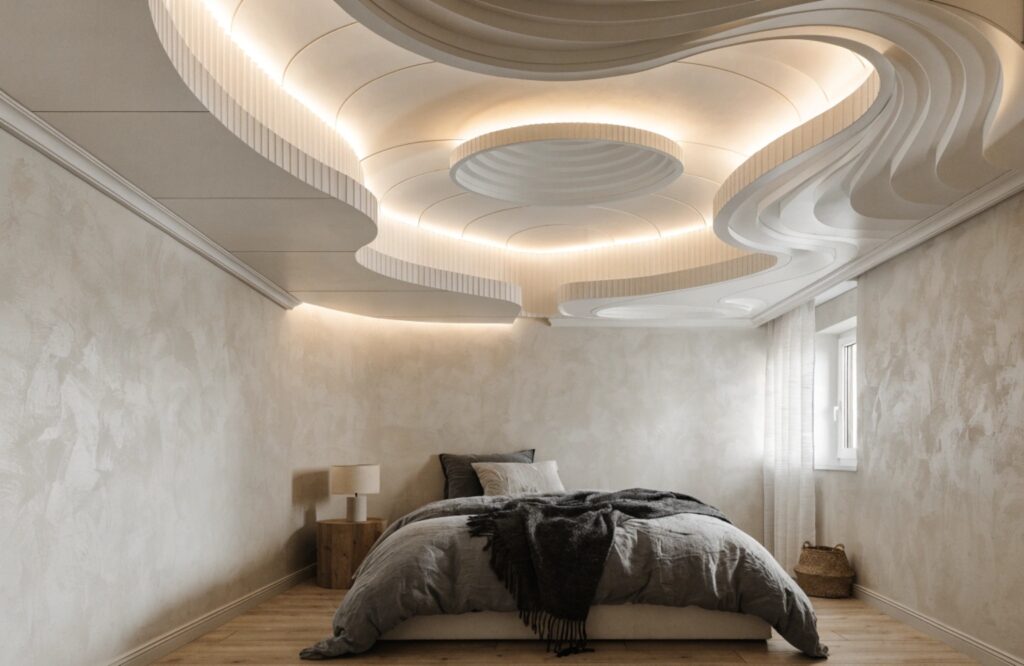
PVC Ceiling Designs for Compact Bedrooms – Stylish, Modern & Space-Enhancing Ideas Vallari Shah Writer & Blogger Designing a small bedroom comes with unique challenges—limited square footage, low ceiling heights, and the constant need to balance style with practicality. While many people focus on wall colors and furniture choices, the ceiling often remains an underrated design opportunity. The right ceiling can instantly make a compact bedroom look taller, brighter, and more modern. Among all ceiling materials available today, PVC (Polyvinyl Chloride) has become one of the most popular choices for compact bedrooms due to its lightweight nature, low maintenance, budget-friendly pricing, and wide range of design finishes. Whether you’re looking for a sleek modern style, a cozy textured ceiling, or an eye-catching accent panel, PVC provides endless design flexibility. This guide—based on analyzing the top-ranking pages on the SERP—will help you understand everything about PVC ceilings for compact bedrooms, from design ideas and lighting integration to maintenance, pros and cons, and expert recommendations. What Is a PVC Ceiling? A PVC ceiling is made from durable polyvinyl chloride panels that are molded into lightweight boards or planks. These panels are installed over a framing system to create a false ceiling or decorative ceiling covering. What makes PVC ideal for small bedrooms is its lightweight, moisture-resistant, and highly customizable nature. Unlike gypsum or wooden boards, PVC panels are easier to install, require minimal maintenance, and come in hundreds of textures, colors, and finishes—from matte minimalism to glossy reflective designs. PVC ceilings are especially beneficial in compact rooms because they reflect light, enhance spaciousness, and don’t add visual heaviness like wood or plaster might. Benefits of PVC Ceilings in Small Bedrooms 1. They Make Small Rooms Look Bigger PVC naturally reflects light, whether natural or artificial. This reflection helps create an illusion of more vertical height and wider space—ideal for rooms under 120 sq. ft. 2. Lightweight & Easy to Install PVC is significantly lighter than gypsum, POP, or wooden panels. This reduces installation time, labor cost, and structural load on the ceiling. 3. Waterproof & Termite-Proof PVC panels resist moisture, mold, and insects—perfect for bedrooms in humid climates or homes prone to seepage problems. 4. Very Low Maintenance A simple wipe-down with soapy water keeps PVC ceilings looking new for years. No polishing, repainting, or anti-termite treatments are needed. 5. Budget-Friendly PVC ceilings are available at various price tiers, making them cost-effective compared to gypsum or elaborate false ceiling designs. 6. Excellent Range of Designs You can choose from wood grain, 3D textures, matte finishes, high gloss panels, metallic accents, stripes, or even printed patterns. These benefits make PVC an excellent choice for modern compact bedrooms where budgeting, style, and functionality must work together. Best PVC Ceiling Designs for Compact Bedrooms Below are the top simplified, modern, and functional PVC ceiling designs ideal for small bedrooms. Each option is crafted based on trends observed across high-performing interior design publications and SERP leaders. 1. Minimalist PVC Ceiling With Recessed Lighting A minimalist PVC ceiling is ideal for homeowners wanting a clean and clutter-free look. The smooth surface creates visual continuity, making compact bedrooms appear taller and wider. Recessed lighting—especially warm LED recessed lights—adds a soft, harmonious glow that avoids shadows. This design works exceptionally well in rooms with low ceilings as it reduces the need for bulky fixtures. Light colors like white, soft beige, or cream complement minimalistic aesthetics and maximize light reflection. 2. Floating PVC Ceiling With Hidden Lighting Floating PVC ceilings are a popular modern trend, especially in compact spaces. A slim central PVC panel is mounted slightly below the original ceiling, and hidden LED strips are installed around the perimeter to create a floating effect. Why it’s perfect for small bedrooms: The illusion of depth visually increases height Hidden lighting reduces clutter Creates premium hotel-like aesthetics This style blends flawlessly with contemporary interiors or minimalistic bedroom designs. 3. Matte PVC Ceilings With Shadow Gap Lines Matte PVC panels offer a sleek, subtle finish that reduces glare and creates a calming effect. Adding shadow gap lines around the edges provides a “floating” or “lifted” illusion without the need for complex lighting systems. It’s perfect for homeowners who prefer subtle elegance over bold patterns. 4. Slim PVC Slat Designs for Height Illusion PVC slatted ceilings mimic the look of wooden slats but without weight or maintenance issues. Their linear pattern draws the eye upward, making the room feel taller. PVC slats are available in: Light oak Walnut Beige wood White and grey finishes For compact bedrooms, lighter tones are recommended to maintain brightness and spaciousness. 5. High Gloss PVC Ceilings for Light Reflection Glossy PVC panels reflect ambient light, which helps small bedrooms feel brighter. They are particularly effective when natural light is limited. However, rather than using gloss across the entire ceiling—which can overwhelm small rooms—using it as an accent panel works best. Gloss panels pair well with cove lighting and recessed fixtures. 6. Subtle Geometric PVC Designs PVC ceilings with soft geometric patterns can add personality to compact bedrooms without making them look cluttered. Soft hexagons, wave patterns, or panel divisions create depth while maintaining visual balance. These designs work best with soft neutral colors and warm lighting. Discover how various ceiling materials impact durability and maintenance. 7. Backlit PVC Ceilings With Integrated LED Strips Backlit PVC ceilings combine aesthetics with functionality. LED strips installed behind the panels create a diffused glow, reducing shadows and making the room feel cozy and spacious. This style is excellent for bedrooms that require: Soft ambient lighting Mood lighting options Space-saving fixtures Smart RGB LED strip integration can further elevate the design for a personalized experience. 8. Wood-Grain PVC Panels for Warmth Without Weight Wood-like textures are trending in modern interiors, but real wood is expensive and high-maintenance. PVC wood-grain panels provide the aesthetic without the drawbacks. To avoid visual heaviness in compact bedrooms, choose: Light ash Maple Beige oak Neutral-toned wood textures Pair these with warm lighting to achieve a cozy, Scandinavian-inspired
Wooden Ceiling Options for Small Rooms
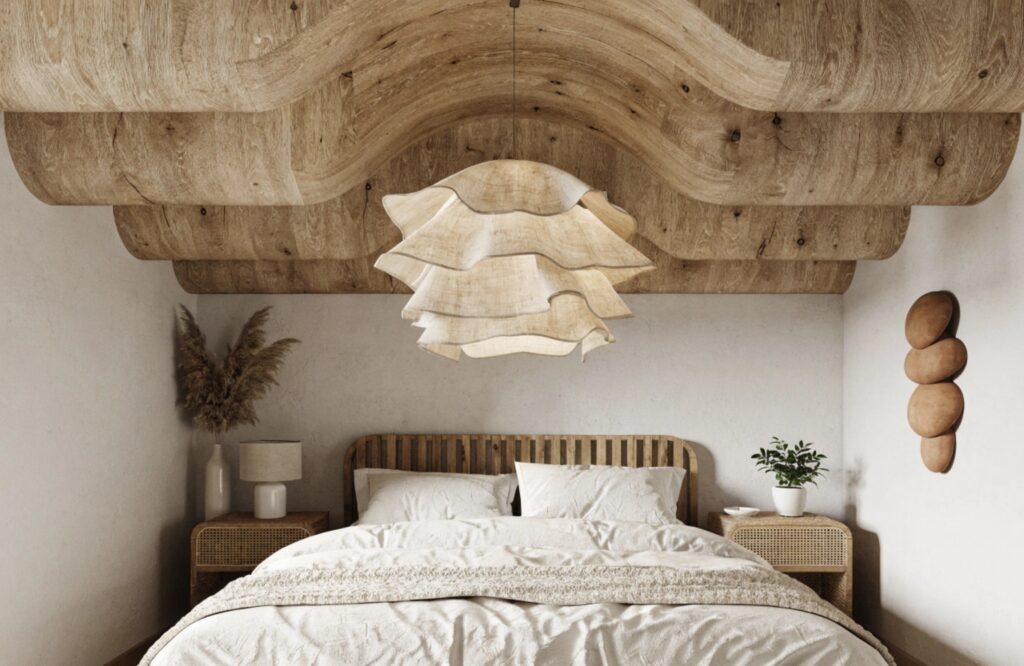
Wooden Ceiling Options for Small Rooms: Best Designs, Materials & Modern Ideas Vallari Shah Writer & Blogger Designing a wooden ceiling in a small room requires thoughtful planning. Wood instantly adds warmth, texture, and richness—but in compact spaces, the wrong type or color can make the ceiling feel heavy or visually shrink the room. That’s why choosing the right wooden ceiling style, material, finish, and lighting strategy is crucial. In recent years, wooden ceilings have become one of the most popular interior trends for small bedrooms, studios, compact apartments, and minimalist spaces. Modern manufacturing has also introduced lightweight engineered wood, slatted systems, and moisture-resistant panels—making wooden ceilings both stylish and practical even in smaller rooms. This complete guide breaks down everything you need to know: the best wooden ceiling types, finishes, lighting pairings, installation considerations, and common mistakes homeowners should avoid. Let’s dive in. 1. Why Wooden Ceilings Work Beautifully in Small Rooms Wood is a transformative material. Its versatility and warmth create comfort, depth, and personality that plain plaster ceilings often lack. In small rooms, wood can: Make the space feel warmer and more inviting Add architectural character Improve acoustics by reducing echoes Allow creative lighting integration Bring a touch of nature indoors Soften modern interiors with organic texture However, wood must be used smartly. Large, dark, or overly dense wooden structures can overpower a small room. The key is to balance material choice, color, thickness, lighting, and pattern orientation to enhance openness rather than reduce it. 2. Understanding Wood as a Ceiling Material Before deciding on a wooden ceiling style, it’s helpful to understand the materials available—each with its own benefits, limitations, and best uses. Natural Wood vs Engineered Wood Natural Wood Natural solid wood—like oak, pine, teak, cedar, or walnut—gives a premium, luxurious appearance. Pros Rich natural grain Long-lasting Aesthetic warmth Adds value to the home Cons Costly Sensitive to humidity Heavier and requires strong support Engineered Wood Engineered wood (HDF, MDF, veneer-coated boards, or laminate panels) is commonly used in modern homes. Pros Budget-friendly Lightweight Less prone to warping Easy to install and maintain Cons Less authentic than natural wood Limited refinishing options For small rooms, engineered wood is often the smarter and safer choice—lighter, easier to handle, and visually sleek. 3. Best Wooden Ceiling Styles for Small Rooms This section expands deeply on the design styles ranking highest in SERPs and interior design recommendations. 3.1 Wooden Slat Ceilings Wooden slatted ceilings are among the trendiest modern interiors, thanks to their clean lines and ability to visually lengthen a room. Why Slats Work Well in Small Rooms Slats create a linear pattern that draws the eye across the room, making it look longer or wider. The spacing between slats introduces subtle shadows, adding depth without overwhelming the ceiling. Design Tips Use light-colored wood (beech, ash, light oak) for openness. Run slats parallel to the longest wall to visually stretch the space. Combine slats with LED strips for a modern floating effect. Use minimal spacing for a compact bedroom to avoid visual clutter. Slatted ceilings are ideal if you want a modern, minimalist, Scandi-inspired room. 3.2 Exposed Wooden Beams (Natural or Faux) Exposed wooden beams bring rustic charm and architectural interest. But in small rooms, using real heavy beams must be done carefully. Faux beams made of polyurethane or lightweight MDF give the same appearance without the weight. Why They Work Draw attention upward, adding vertical interest Give a cozy cottage or farmhouse feel Define the visual structure of the room How to Use Them in Small Rooms Choose slim, narrow beams to avoid heaviness Use light-stained wood instead of dark walnut or mahogany Space beams wider apart so the ceiling doesn’t feel crowded Exposed beams can enhance both rustic and modern interiors, making them a versatile option. 3.3 Wooden Ceiling Panels Wooden planks or panels give a clean, continuous wooden surface—great for those who want a seamless look. They can be installed horizontally, vertically, or diagonally. Why Panels Work Their smooth, unified finish prevents the ceiling from looking too busy. With the right color, panels can visually expand the room and add warmth. Best Panel Styles for Small Rooms Light oak or maple panels to maintain airiness Narrow-width planks instead of wide ones Vertical orientation to make the room feel taller Diagonal patterns for dynamic visual movement Panels balance modern elegance with classic charm. 3.4 Geometric or Patterned Wooden Ceilings Patterned wooden ceilings (grids, hexagons, chevron inlays) add visual sophistication. In small rooms, keep patterns clean and minimal. What Works Best Thin wood strips forming subtle geometric patterns Light or medium wood tones Patterns limited to a specific area (like the center) This style instantly elevates the space, making it look custom and premium. 3.5 Wooden Ceilings with Integrated Lighting Lighting is essential in small rooms—and when paired with wood, it creates a luxurious, hotel-like appeal. Best Lighting Techniques Recessed LED strips inside wooden slats Cove lighting hidden behind wooden panels Groove lighting along the edges Warm white LEDs to complement wood tones The combination of wood + soft lighting makes even compact rooms feel cozy and high-end. 4. Color, Finish & Texture Choices for Wooden Ceilings Choosing the right finish dramatically affects how the room feels. Light vs Dark Wood Light wood (beech, birch, pine, oak) → Larger, brighter feel Medium wood (teak, cherry) → Warm but still open Dark wood (walnut, mahogany) → Dramatic but can shrink the room For small rooms, light to medium finishes are almost always better. Texture Choices Smooth finishes = clean, modern, open feel Subtle grain textures = depth without heaviness Avoid heavy carving or bulky patterns in small rooms Light texture + soft lighting is the perfect combination. Read about the advantages and limitations of each ceiling type for compact spaces. – The Complete Guide to Ceiling Types & Materials for Small Bedrooms (Gypsum, POP, PVC, Wood & More) 5. Practical Installation Considerations Even the best design fails if installation is poor. Here’s what to consider: Moisture
POP Ceiling Ideas for Small Bedrooms — Stylish & Space-Smart Design
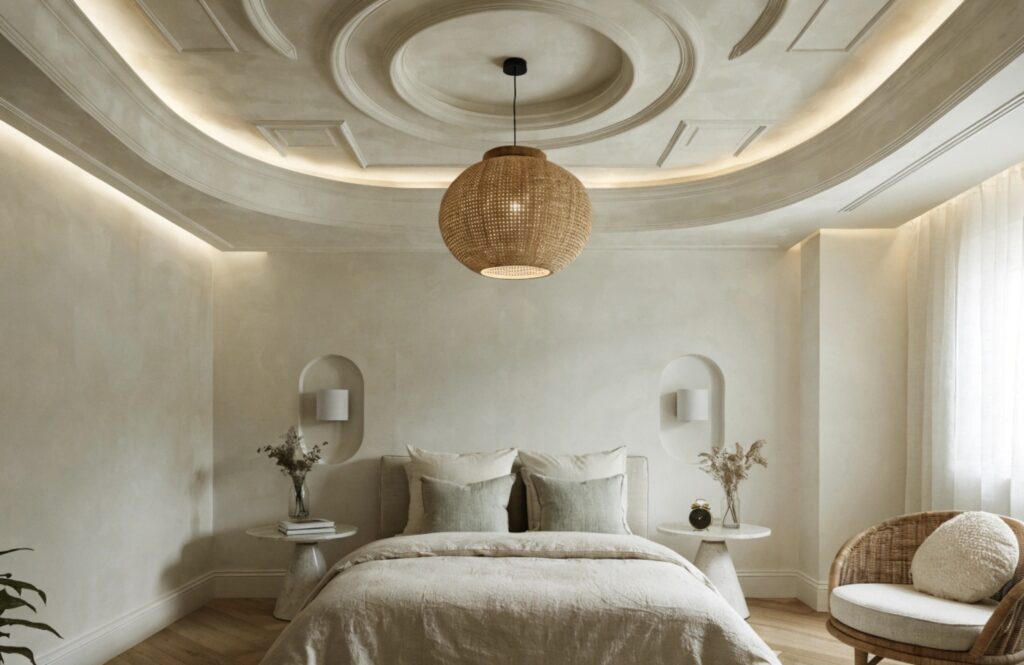
POP Ceiling Ideas for Small Bedrooms — Stylish & Space-Smart Designs Vallari Shah Writer & Blogger Designing a stunning ceiling in a small bedroom can feel overwhelming. With limited height and compact dimensions, every design element must be intentional. Among all ceiling materials available today, POP (Plaster of Paris) remains one of the most versatile and beautiful choices—especially for smaller bedrooms. Lightweight, moldable, and capable of hiding wiring while enabling seamless lighting integration, POP ceilings can transform even the smallest bedrooms into stylish, visually open spaces. This guide explores the best POP ceiling ideas, lighting strategies, cost expectations, design principles, and practical tips to help you choose the perfect POP ceiling design for your home. Why Choose POP for Small Bedroom Ceilings? POP has become one of the most trusted materials in modern ceiling design—and for good reason. It works especially well in small bedrooms where space efficiency and visual lightness are essential. 1. Lightweight & Easy to Mold POP is extremely flexible, allowing designers to create flat ceilings, layered designs, curves, patterns, and recessed lighting sections without adding excessive weight. 2. Enhances Lighting Performance POP works perfectly with cove lighting, recessed LEDs, backlit panels, and hidden strips. Good lighting is especially important in small bedrooms because it heavily affects how big and open the room feels. 3. Hides Wiring & Imperfections A POP false ceiling conceals cables, ducting, and wiring, creating a smooth and polished appearance without clutter. 4. Makes Small Rooms Look Larger Flat POP surfaces reflect light better, and the right ceiling shape can even lift the room visually. Small bedrooms need materials that open the space—not shrink it. 5. Blends With Any Interior Style Whether your bedroom theme is minimal, modern, classic, or rustic, POP can be shaped to match it. Top POP Ceiling Design Ideas for Small Bedrooms Below you’ll find the most effective, trending, and small-space-friendly POP designs. These are carefully expanded based on SERP-leading patterns, user behavior, and best-performing design principles. 1. Minimalist Flat POP Ceiling with Cove Lighting Flat POP ceilings are the most recommended for small bedrooms. They create a clean, seamless surface without adding visual heaviness—a crucial advantage in compact spaces. When paired with cove lighting, the ceiling becomes a soft light source rather than a visually intrusive structure. LED strips inside the coves bounce light upward, illuminating the ceiling gently. This upward glow visually “lifts” the room and makes walls appear taller. For rooms under 9 feet in height, this combination is ideal because it doesn’t require deep recessed layers. Why it works: Visually opens up the room Soft, ambient lighting improves sleep comfort Eliminates harsh shadows Adds modern elegance without clutter 2. Slim Geometric POP Patterns Geometric designs are popular in modern decor, but using heavy shapes in a small bedroom can create visual bulk. Instead, opt for slim, shallow POP lines in shapes like linear strips, hexagons, or squares. These patterns give structure to the ceiling without lowering it significantly. They also pair beautifully with recessed lighting or edge LEDs. Best for: Small modern bedrooms Rooms with monochrome decor Minimalist design lovers Pro tip: Use matte white paint to keep the ceiling feeling airy. 3. Floating POP Panels A floating POP panel is an excellent way to create a focal point without using a full false ceiling. These panels are mounted only partially, leaving most of the ceiling untouched. This reduces installation depth and makes the room feel less “boxed in.” Floating panels look best when placed: Above the bed (most common) Above a study corner At the center of the room with soft LED glow around edges These panels provide a luxurious feel while keeping the ceiling visually light. 4. Perimeter Border POP Designs A thin POP border running along the perimeter of the ceiling is one of the most effective small-bedroom design tricks. It outlines the room, giving structure and elegance without reducing ceiling height. Combine it with: Hidden LED strips Warm cove lighting Simple recessed spotlights The perimeter frame draws the eye outward, subtly increasing the perception of room width. 5. Subtle Curved or Arched POP Ceilings Curves add softness to a small bedroom, which often feels boxy due to its compact shape. Using a gentle curve in the POP ceiling brings fluidity, elegance, and visual calmness. You can create: A soft arch near the headboard A wave-like recess across the ceiling Curved cove lighting for an organic glow Curves work especially well in cozy or warm-themed bedrooms. 6. Tray POP Ceilings with LED Accents Tray ceilings add depth and layers to a room, but for small spaces, they need to be kept shallow and simplified. A low-profile tray ceiling (1–3 inches deep) can dramatically enhance the room without overwhelming it. Add: LED strips within the tray Soft recessed lights A contrasting paint color A pastel or off-white base keeps the tray from looking too heavy. 7. POP + Wooden Accent Ceilings POP pairs beautifully with thin wood strips or panels, creating a cozy, contemporary style. However, in small bedrooms, wood must be used sparingly to avoid darkening the space. A POP ceiling with: Light wood strips Wooden beams Wooden framing around borders Adds natural warmth without overpowering the room. Best colors: Warm beige Ash grey wood Natural oak Light teak 8. POP Ceilings with Metallic or Mirror Inlays For small bedrooms that lack depth or brightness, reflective elements like metallic inlays or small mirrored inserts can help. They bounce light around the room and add a premium finish. Use them in: Borders Medallions Floating panels Avoid overusing them, as too much reflection can cause visual clutter. 9. Dual-Tone POP Ceiling Designs Colour blocking is trending in ceiling design, and POP makes it easy. Keeping the central section light while giving the borders a slightly darker shade adds depth without closing the room. For small rooms: Use soft neutrals Avoid heavy dark colors Combine with cove lighting for clean separation A dual-tone ceiling adds character while preserving spaciousness. 10. Plus-Minus POP Ceiling Patterns
Gypsum Ceiling Designs for Small Bedrooms
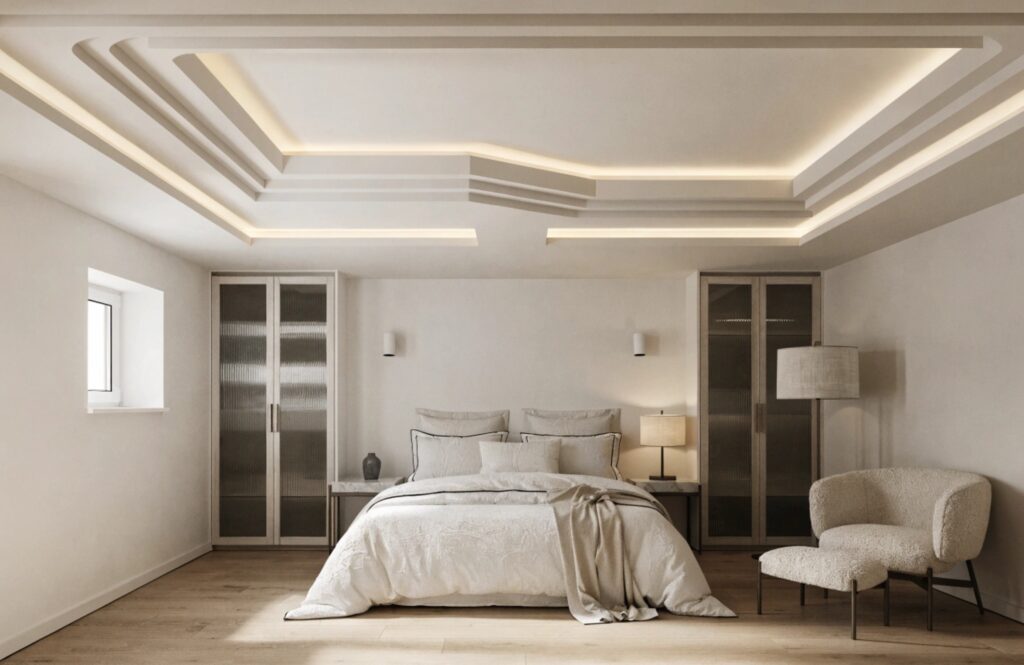
Gypsum Ceiling Designs for Small Bedrooms: Complete Guide for Modern Compact Homes Vallari Shah Writer & Blogger Designing a small bedroom comes with a unique set of challenges—limited space, low ceiling height, restricted natural light, and the need to create a visually open atmosphere. One highly effective way to transform the look and feel of a compact bedroom is by choosing the right ceiling design. Among all available materials, gypsum stands out as the most versatile, modern, and space-enhancing option. Gypsum ceilings—often used as false ceilings—are smooth, lightweight, easy to customize, and ideal for integrating modern lighting. Whether you want a classy minimalist ceiling or a stylish LED-lit design, gypsum offers endless possibilities for compact spaces. By the end, you’ll know exactly which gypsum ceiling style suits your bedroom, budget, and design goals. What Makes Gypsum Ceilings Ideal for Small Bedrooms? Gypsum ceilings have become a top choice for modern homes because of their clean finish, customizability, and ability to visually expand small spaces. Unlike traditional POP or heavy decorative ceilings, gypsum boards are lightweight, consistent in appearance, and can be installed quickly. 1. Helps Rooms Feel Larger Small bedrooms often feel visually cramped. A gypsum ceiling creates a smooth, seamless surface that eliminates cluttered textures and bulky elements. Its sleek design naturally draws the eye upward, making the room appear taller. 2. Perfect for LED Lighting Integration Recessed lighting, cove lighting, hidden LEDs, and backlit panels blend seamlessly into gypsum false ceilings. This enhances brightness—crucial for tiny bedrooms where natural light might be limited. 3. Conceals Imperfections If your existing ceiling has cracks, wiring, or uneven patches, a gypsum false ceiling instantly hides them while creating a clean, modern canvas. 4. Improves Sound & Thermal Comfort Small rooms tend to echo or trap heat quickly. Gypsum adds a layer of insulation that improves: sound absorption temperature control energy efficiency during summers 5. Highly Customizable Whether you prefer simple or elaborate, gypsum adapts to all: minimalist single-layer tray ceilings floating designs layered styles geometric patterns curved edges wood-gypsum combinations This versatility is why designers choose gypsum for compact rooms. Best Gypsum Ceiling Designs for Small Bedrooms Let’s explore the most effective gypsum ceiling styles that balance aesthetics, space optimization, and comfort in small bedrooms. 1. Minimalist Single-Layer Gypsum Ceiling Minimalist ceilings are the most popular choice for small bedrooms for a reason—they stay visually clean and don’t overpower the room’s dimensions. Why It Works Perfectly Smooth, uncluttered surface Doesn’t reduce ceiling height significantly Works with any interior theme (modern, Scandinavian, boho, classic) Best For: Rooms under 120 sq ft, rooms with low height, small guest rooms, rental apartments. 2. Floating Gypsum Ceiling with Shadow Gap A floating gypsum ceiling creates a visually striking appearance without making the room feel heavy. Design Features Gypsum panel appears to float below the actual ceiling Shadow gap or LED strip creates a subtle glow Enhances depth without bulky elements Why It’s Ideal for Small Rooms The “floating” illusion adds volume and dimension, tricking the eye into perceiving more height. 3. Gypsum Cove Lighting Ceiling Cove lighting is a game-changer for compact bedrooms. The hidden LED strip around the ceiling edges creates soft illumination that brightens the room without harsh shadows. Benefits Enhances room brightness Creates a cozy, warm ambience Makes small rooms feel more open and luxurious Best For: Bedrooms where natural light is limited. 4. Layered Gypsum Ceiling (Single/Double Layer) A gently layered gypsum ceiling can add subtle depth and elegance if your bedroom has slightly higher ceilings. Design Variations Two-step layered With recessed lighting Soft curves or rectangular frames Pro Tip: Avoid too many layers—keep it minimal to avoid visual clutter. Geometric Gypsum Ceiling Designs Rectangles, squares, beams, and simple geometric frames are trending in modern compact homes. Why Small Bedrooms Benefit Adds structure without heaviness Integrates lighting placements effectively Works well with modern interiors Popular Looks Border framing Offset rectangles Panel-based minimal geometry 6. Gypsum Ceiling with Wooden Accents Combining gypsum with wood (real or laminate) creates a warm and rich aesthetic. Where It Works Best Bedrooms with warm, cozy decor Scandinavian or Japandi interiors Rooms seeking a premium look without complexity Tip: Keep wood accents narrow and minimal to avoid overwhelming small spaces. 7. Curved Gypsum Ceiling Designs Curved or wavy gypsum ceilings create a soft, elegant feel and are great for feminine, kids’, or modern bedrooms. Why It’s Effective in Small Rooms Avoids the sharp lines that sometimes make compact areas feel boxed in Adds gentle visual movement 8. LED-Backlit Gypsum Ceilings These designs integrate LED panels behind gypsum shapes. Why They Stand Out Excellent for mood lighting Makes the ceiling appear elevated Great for night-time ambience Often used in modern bedrooms, kids’ rooms, and contemporary apartments. Practical Design Considerations for Small Bedrooms Designing the right gypsum ceiling isn’t just about beauty—you must also consider room size, function, height, and lighting. 1. Ceiling Height Matters Low ceilings Avoid deep recesses or multi-layered structures Use single-layer or floating designs Opt for bright white or soft neutral tones Higher small rooms You may add shallow trays or layered edges Always remember: the lower the room, the simpler the ceiling. Learn more about the different ceiling options suitable for small bedrooms. – The Complete Guide to Ceiling Types & Materials for Small Bedrooms (Gypsum, POP, PVC, Wood & More) 2. Lighting Recommendations Lighting can dramatically change how big or small your bedroom feels. Best Lighting for Gypsum Ceilings Recessed downlights LED cove lighting Warm white LEDs (2700K–3500K) for cozy bedrooms Backlit gypsum panels for ambience Lighting to Avoid Bulky hanging fixtures Harsh white lighting (> 4500K) Too many recessed downlights in a compact space The goal is to create soft, balanced, shadow-free lighting. 3. Color & Finish Tips Color plays a huge role in how spacious a ceiling feels. Best Colors for Small Bedrooms Matte white Off-white Light beige Soft pastel neutrals Avoid Dark colors Heavy textures High-gloss finishes (can create uneven reflections) A clean matte finish looks modern and luxurious. Gypsum
10 Creative Ceiling Decoration Ideas for Small Bedrooms
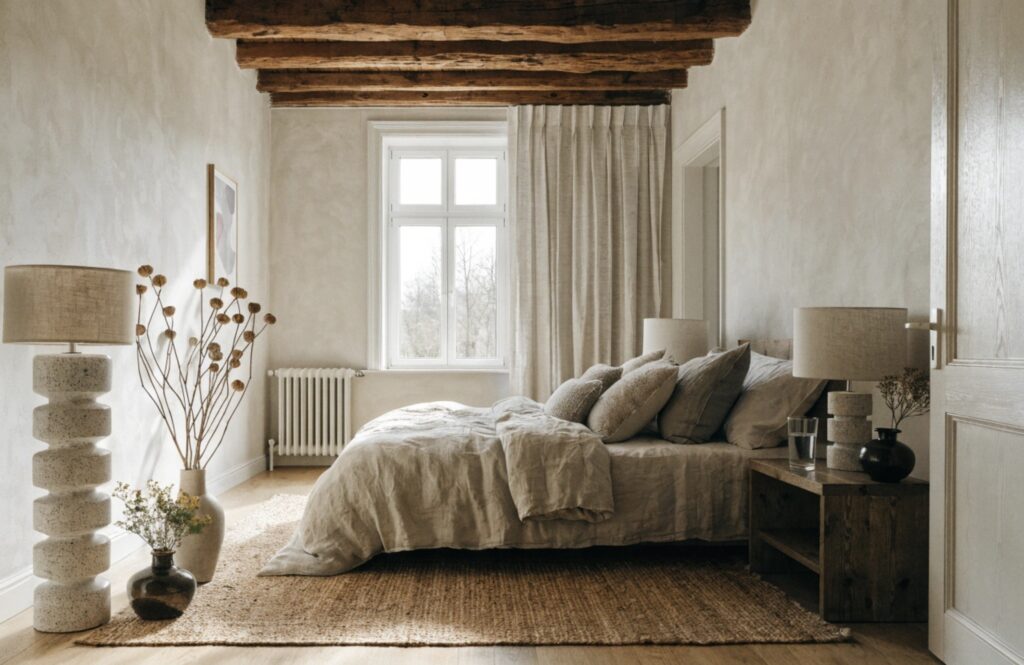
10 Creative Ceiling Decoration Ideas for Small Bedrooms Vallari Shah Writer & Blogger Designing a small bedroom often starts with furniture placement, paint colors, and lighting—but one element is consistently overlooked: the ceiling. In compact rooms, your ceiling is not just a structural surface; it is an untapped canvas that can completely transform how spacious, bright, and stylish the room feels. The right ceiling decoration can elevate the entire atmosphere, making the room appear taller, wider, or cozier depending on the design choices you make. Small bedrooms require thoughtful design strategies, and ceiling décor plays a huge role in shaping perception. The ceiling influences how light spreads across the room, whether the space feels cramped or airy, and how visually dynamic the room becomes. With some creativity and the right decorative treatments, even the smallest bedrooms can look remarkably polished and visually expanded. This comprehensive guide explores 10 creative ceiling decoration ideas that are perfect for small bedrooms. Whether you’re aiming for a subtle, minimalist look or a bold, statement-making design, these ideas will help you transform your ceiling into the centerpiece of your space. 1. Painted Accent or Statement Ceilings One of the simplest yet most impactful ways to decorate a small bedroom ceiling is through paint. A painted accent ceiling adds a burst of personality without overwhelming the room. Many people fear dark colors on ceilings, thinking they might shrink the space, but when done correctly, they can actually create depth and visual intrigue. For small bedrooms, softer hues like light blue, blush pink, pale yellow, or warm white can make the ceiling feel airy and inviting. If you prefer bolder choices, deep charcoal, navy blue, or forest green can look luxurious when balanced with lighter walls and minimalist furniture. Accent ceilings also help anchor the room—especially effective in bedrooms where the décor feels too plain. Choosing the right finish is essential. Matte finishes hide imperfections and reduce glare, while satin or eggshell finishes reflect a little light, helping brighten darker rooms. A painted ceiling is a cost-effective update with a massive visual payoff, making it a great starting point for ceiling decoration. 2. Geometric and Patterned Paint Designs For a more artistic approach, consider geometric or patterned paint designs. These visuals introduce structure and movement, guiding the eye upward and giving your ceiling a more dynamic presence. This technique works especially well in small bedrooms, where a thoughtfully placed pattern can elongate or widen the perceived space. Patterns like stripes, chevrons, angled lines, or hexagons work beautifully—each adding a unique style. Vertical lines can make the ceiling seem higher, while horizontal lines create a sense of width in narrow rooms. You can also create bordered designs to frame the ceiling or soft curved patterns for a more whimsical aesthetic. When using patterns, balance is key. Stick to two or three colors that complement the room’s palette. Overly bold or busy patterns may overwhelm compact rooms, so opt for soft contrasts or minimalist shapes unless you’re intentionally aiming for a dramatic effect. 3. Wallpapered or Textured Ceilings Wallpaper has made a huge comeback, especially for ceilings. A wallpapered ceiling brings a unique charm and sophistication that paint alone can’t achieve. This is a visually striking method of elevating small bedrooms without adding physical clutter. Light-toned patterns like subtle florals, geometric prints, or minimalist textures work best for small spaces. They add depth while keeping the room airy. If you’re feeling adventurous, try metallic or reflective wallpapers—they bounce light across the room, creating a bright, expansive feel. Textured wallpaper such as fabric-finish, grasscloth, or 3D patterns adds dimension while maintaining a cozy atmosphere. Peel-and-stick options make ceilings easier to decorate without the commitment of permanent installation. Just ensure your ceiling surface is smooth and clean before applying. 4. Mirror or Reflective Ceiling Accents Mirrored ceiling accents are an exceptional choice for tiny bedrooms because they visually expand the space. While full mirrored ceilings can be overwhelming, using strategically placed mirror panels can brighten the room and create a sense of openness. Reflective materials like glossy PVC, mirrored acrylic squares, decorative mirror tiles, or metallic sheets can be installed in a grid or linear pattern to create a refined look. These help multiply natural and artificial light, making the bedroom look significantly larger. For safety, lightweight acrylic mirrors are ideal. They’re shatterproof, easy to install, and available in various designs like circles, hexagons, and strips. A mirror-treated ceiling is perfect for modern and minimalist décor styles. 5. Recessed LED & Cove Lighting Features Lighting is a powerful design element—especially in small rooms. Recessed LEDs, cove lighting, and hidden light strips create a gentle glow that enhances the room’s height and brightness. Cove lighting installed along the ceiling perimeter creates a floating effect, making the ceiling feel taller. LED strips behind molding, false ceiling edges, or textured panels add a sophisticated ambiance without occupying additional space. Warm white tones (2700K–3000K) create a cozy bedroom vibe, while cool white (4000K–5000K) makes the space brighter and more refreshing. Consider pairing recessed lighting with simple ceiling décor such as painted borders or textured finishes. This combination subtly emphasizes ceiling design while keeping the room minimal and clutter-free. 6. Lightweight Wooden Slats or Beams Wooden slats or beams instantly add warmth and elegance to small bedrooms—but many homeowners fear wood will overwhelm small spaces. The secret is using thin, lightweight slats in soft or medium tones. These can be installed in parallel lines to draw the eye across the room or toward the bed for a focal point. Vertical wooden slats elongate the ceiling, while horizontal slats widen the room visually. Even a small framed wood feature above the bed can elevate your ceiling décor dramatically. Pair wood slats with recessed lighting or LED strips for a luxurious finish. Engineered wood or lightweight PVC wood alternatives are ideal—they mimic real wood while being easier to install and maintain. This idea works wonderfully in Scandinavian, modern, and rustic décor themes. 7. Draped Fabric, Canopies, or
Small Bedroom Ceiling & Lighting Combinations
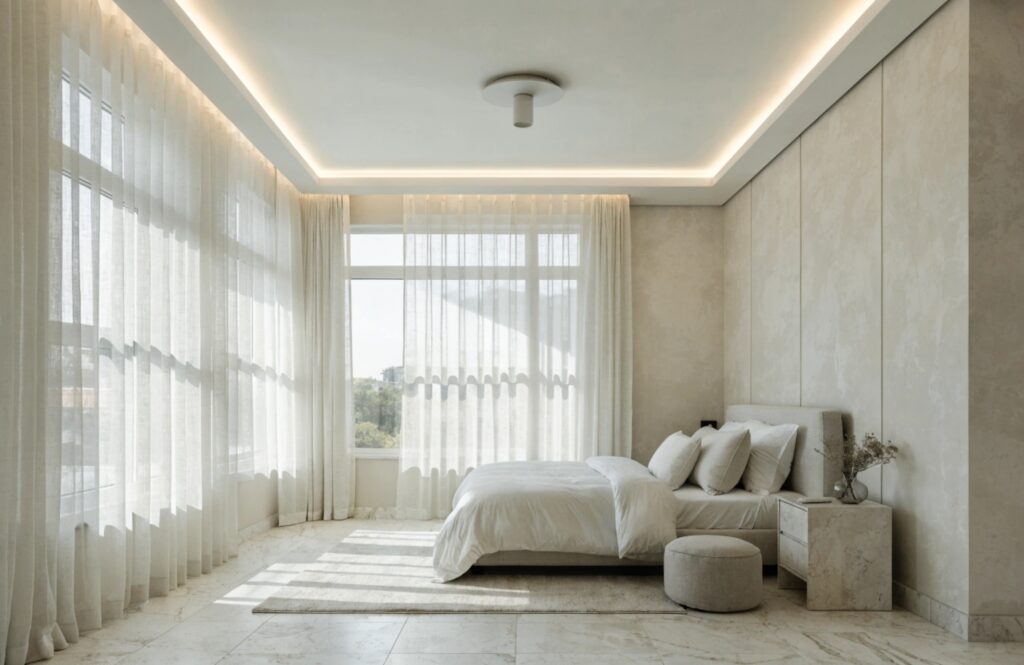
Small Bedroom Ceiling & Lighting Combinations: Complete Guide to Brighter, Bigger-Looking Rooms Vallari Shah Writer & Blogger Designing lighting for a small bedroom requires a very different approach than lighting a larger room. Every inch of space counts, and the wrong ceiling or lighting setup can make the room feel dark, cramped, or visually heavy. The right combination, however, can instantly transform a compact bedroom into a brighter, more spacious, and more relaxing environment. In small bedrooms, ceiling design and lighting placement work hand-in-hand. A well-designed ceiling guides light flow, enhances visual height, and makes your lighting fixtures more effective. Whether you prefer a modern, minimalist, cozy, or luxurious style, choosing the right lighting strategy is the key to pulling the entire design together. This comprehensive guide breaks down the best ceiling and lighting combinations for small bedrooms, including practical tips, ideal fixtures, layout strategies, and design inspirations proven to work in compact spaces. How Ceilings and Lighting Work Together in Small Bedrooms Before exploring specific design ideas, it’s crucial to understand why ceilings play such an important role in lighting effectiveness—especially in small rooms. Small bedrooms often have limited height, restricted layout options, and fewer windows. This makes artificial lighting the main element that defines how spacious and inviting the room feels. Ceilings act as the foundation for how light spreads, reflects, and circulates throughout the space. A smooth, light-colored ceiling reflects more light and creates a sense of openness. Meanwhile, a textured or dark-colored ceiling can absorb light and visually lower the height. This is why combining ceiling design with strategic lighting placement is essential. Soft indirect lighting, layered light sources, and the right ceiling materials help make the room feel taller, wider, and brighter. Most interior designers recommend using a blend of ambient, task, and accent lighting in small bedrooms. Ambient lighting handles general illumination, task lighting supports specific needs like reading or working, and accent lighting creates mood and depth. When your ceiling is planned together with these lighting layers, the final result feels balanced and aesthetically pleasing. Best Ceiling Types for Lighting Integration Different ceiling materials work well with different lighting setups. Understanding their characteristics can help you choose the right combination for your space. Gypsum Ceilings with Recessed LED Lighting Gypsum ceilings are the most flexible option for integrating lighting into small bedrooms. Their smooth finish allows you to embed LED downlights, strip lights, or cove lighting without visible wires or bulky fixtures. Recessed LEDs pair exceptionally well with gypsum ceilings because they provide soft, uniform light without taking up any physical space. In small bedrooms, avoiding protruding fixtures helps maintain visual openness. A gypsum false ceiling can also conceal wiring and lighting channels, making the overall design look sleek and modern. For best results, place recessed lights around the perimeter rather than directly in the center. This prevents harsh shadows and creates gentle light distribution that makes the room appear larger. POP Ceilings with Cove and Perimeter Lighting POP (Plaster of Paris) ceilings offer more design flexibility than gypsum. They can be shaped into curves, layers, and patterns, allowing you to create unique cove lighting effects that soften the entire room. Cove lighting is especially effective in small bedrooms because it pushes light upward, creating a visual illusion of height. By hiding LED strips inside shallow POP coves, you get a warm, halo-like glow that evenly illuminates the ceiling without glare. This combination works beautifully for minimalist, luxury, or warm-toned bedroom aesthetics. POP also allows for creative recesses, floating ceiling panels, or border lighting channels. PVC Ceilings with Flush Mount Lights PVC is ideal for homeowners looking for a budget-friendly, low-maintenance ceiling option. While PVC ceilings cannot accommodate heavy fixtures or deep recesses, they pair very well with flush mount LED lights. Flush mount lights sit directly against the ceiling, making them ideal for rooms with very low ceilings. They provide strong ambient illumination without visually lowering the ceiling height. You can add slimline LED strips around the edges of the PVC ceiling for a stylish and affordable combination that works well in modern small bedrooms. Wooden Slat Ceilings with LED Track Lighting Wooden slat ceilings add warmth and visual texture, making the room feel cozy and inviting. However, wood can sometimes make a small room look smaller if not paired properly with lighting. To avoid this, designers often use LED track lighting along the direction of the wooden slats. This creates visual continuity and elongates the space. LED strips along the edges of wood panels can also create a beautiful contrast that highlights the texture without overwhelming the ceiling. This combination works best for Scandinavian, modern, or earthy bedroom styles. Ambient Lighting Combinations for Small Bedrooms Ambient lighting provides overall illumination and sets the foundation for all other lighting layers. Recessed Perimeter Lighting Recessed LEDs placed around the ceiling’s edges allow light to wash the walls and create a soft, even glow. This avoids shadows and visually expands the room. Low-Profile Flush Mount Lighting Flush mount fixtures are essential in small rooms with low ceiling heights. They remain unobtrusive while providing bright, uniform lighting. Choosing a round or minimalist flush mount design makes the room appear cleaner and less cluttered. Cove Lighting for a Soft Glow Cove lighting hidden within a false ceiling border spreads gentle, indirect light upward. This gives the illusion that the ceiling is floating, making the room feel significantly taller. LED Strip Lights Along Ceiling Borders Installing LED strips along the edges of the ceiling creates a modern, stylish look. Warm tones provide a cozy atmosphere, while cool tones create a sleek contemporary vibe. Task & Accent Lighting Strategies Even small bedrooms benefit greatly from dedicated task and accent lighting. Bedside Reading Lights Wall-mounted reading lamps or compact sconces free up valuable bedside table space and provide functional lighting without clutter. Ceiling-Mounted Pendants Small pendant lights can serve as both task and accent lighting. Hang them lower near the bedside or study desk to create focused illumination
Ceiling Color Ideas for Tiny Rooms
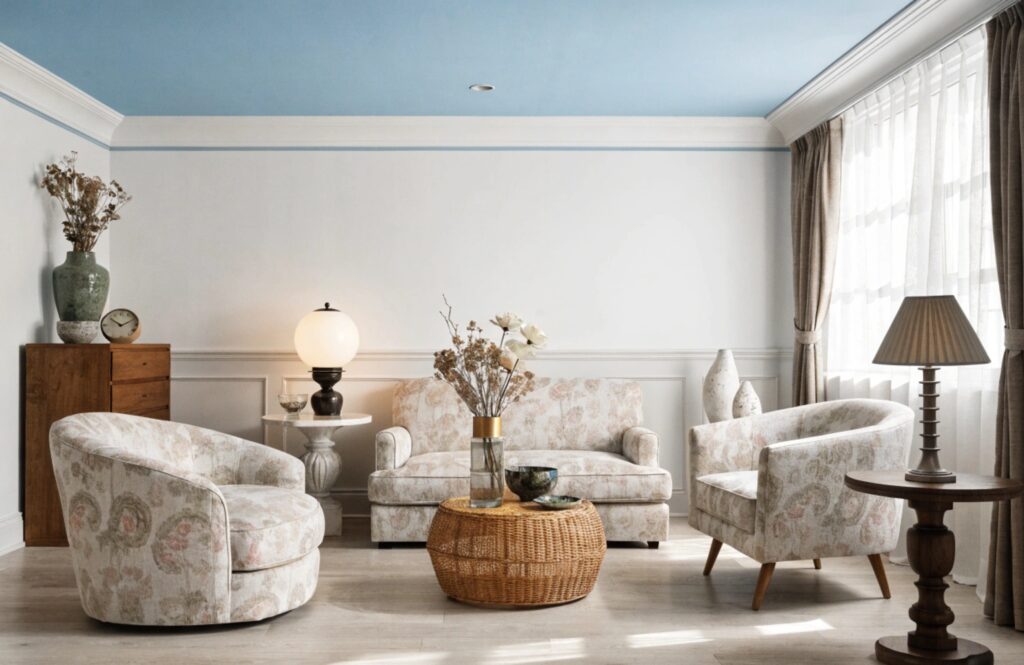
Ceiling Color Ideas for Tiny Rooms: Shades That Make Compact Spaces Look Bigger & Brighter Vallari Shah Writer & Blogger Designing a tiny bedroom requires intentional color choices, and the ceiling is often the most overlooked surface—despite influencing how spacious the room feels. Ceiling colors affect light reflection, height perception, mood, and even the visual flow of the space. In small bedrooms, the right ceiling shade can make the difference between a room that feels airy and open versus one that looks tight and boxed in. The goal is to give you a thoroughly researched, human-friendly resource you can rely on to choose the ideal ceiling color for your small room. Whether you want your room to feel taller, brighter, cozier, or more expressive, you’ll find detailed explanations and color techniques backed by design psychology. White & Off-White Ceilings: The Most Reliable Choice for Tiny Rooms White has dominated ceiling design for decades—especially in small rooms—and for good reason. A white ceiling reflects the maximum amount of natural and artificial light, making the space appear brighter and more open. In compact rooms where every inch matters, this light-enhancing effect creates the illusion of a higher ceiling, making the room feel significantly larger than it actually is. Crisp white is ideal when you want a clean, modern, and highly reflective surface. On the other hand, warm whites and off-whites work beautifully in tiny bedrooms that contain warm-toned furniture or receive low natural light. These softer whites create a gentle glow rather than stark contrast, helping the room feel inviting without losing brightness. Another advantage of white ceilings is their versatility—they work with virtually any wall color, from soft neutrals to bold accent walls. When paired with light wall colors, white ceilings practically disappear, allowing your eyes to travel upward without interruption. Because of this seamless flow, white remains the most foolproof ceiling color for anyone trying to visually expand a tiny space. Soft Neutrals: Gentle Shades That Add Warmth Without Shrinking Space While white is the classic choice, soft neutrals like pale beige, cream, or light gray can add subtle warmth or sophistication to a small bedroom without making it feel smaller. These colors have a unique ability to balance brightness with character, offering a more personalized look compared to standard white. Beige and cream are perfect when your room has wooden furniture, warm flooring, or earthy décor. These tones create harmony and maintain openness while introducing a touch of coziness. Light gray, on the other hand, is ideal for modern or minimalistic rooms. It adds depth without overshadowing the space, especially if paired with white walls or monochromatic décor. Neutral ceilings work exceptionally well in tiny bedrooms where you want a gentle contrast that is still space-enhancing. They reflect a fair amount of light while reducing glare, making them particularly suitable for bedrooms with large windows or bright artificial lighting. If you want a ceiling color that remains calm and comforting while feeling elegant, soft neutrals offer the perfect middle ground. Sky-Inspired Pastels: Light, Airy Colors That Visually Lift the Ceiling Pastel ceiling colors are trending in modern small-room design because they create a sense of airiness. Light blues, mint greens, pale lavenders, and blush pinks mimic natural sky tones or soft ambient light, lifting the ceiling visually and giving the bedroom a serene, floating quality. Light blue is one of the most transformative options. When applied to the ceiling, it mimics an open sky—especially in well-lit rooms—making the space feel larger and more tranquil. Pastel green brings a refreshing, nature-inspired vibe that feels calming and effortless. Meanwhile, pastel lavender and blush tones add a subtle charm and warmth without overwhelming the senses. These soft shades work best in tiny bedrooms where you want personality without sacrificing spaciousness. Pastels reflect light gently and evenly, preventing harsh shadows that might make the ceiling feel lower. If you enjoy a soothing, airy aesthetic and want your ceiling to add a touch of color without dominating the space, sky-inspired pastels are an excellent choice. Light Yellow & Warm Tones: Brightening Low-Light Tiny Bedrooms In small bedrooms that receive limited natural light, light yellow or soft warm tones can dramatically improve the overall brightness. These colors project warmth throughout the room, simulating sunlight even during cloudy days or in rooms with north-facing windows. Soft buttery yellow creates an uplifting ambiance while still being light enough to avoid visual heaviness. Warm tones on the ceiling can make tiny rooms feel cheerful and welcoming, especially when paired with neutral or pastel walls. They are particularly effective in children’s rooms, studio apartments, and compact master bedrooms that need a lively yet balanced feel. Because these tones enhance reflected light, they work well with layered lighting setups such as cove lights, recessed lights, or warm LED strips. If your goal is to boost brightness and energy, a warm-toned ceiling can bring life into an otherwise dim tiny room without compromising spaciousness. Using Accent Ceiling Colors: Adding Personality Without Overwhelming Space Accent ceilings—often referred to as the “fifth wall”—are growing in popularity, even in small bedrooms. While bold colors may seem risky in tiny spaces, they can work beautifully when used strategically. Muted blues, dusty greens, terracotta, or deep sunset-inspired hues can be applied sparingly to create a focal point without visually shrinking the room. The secret is balance. The walls should remain light and neutral so the ceiling becomes a soft statement rather than a heavy visual element. Accent ceilings are ideal when you want personality or dramatic flair in a tiny room without cluttering the space with décor. When paired with minimalist furniture and light-colored flooring, a deep or muted ceiling color creates contrast and depth that makes the room feel intentionally designed, not cramped. This approach is perfect for people who want the sophistication of bold design in a tiny space but want to maintain an open and airy feel. Monochromatic & Color Drenching: Seamless Flow for a Bigger Look Monochromatic design has become a
Space-Enhancing Ceiling Styles for Small Bedrooms
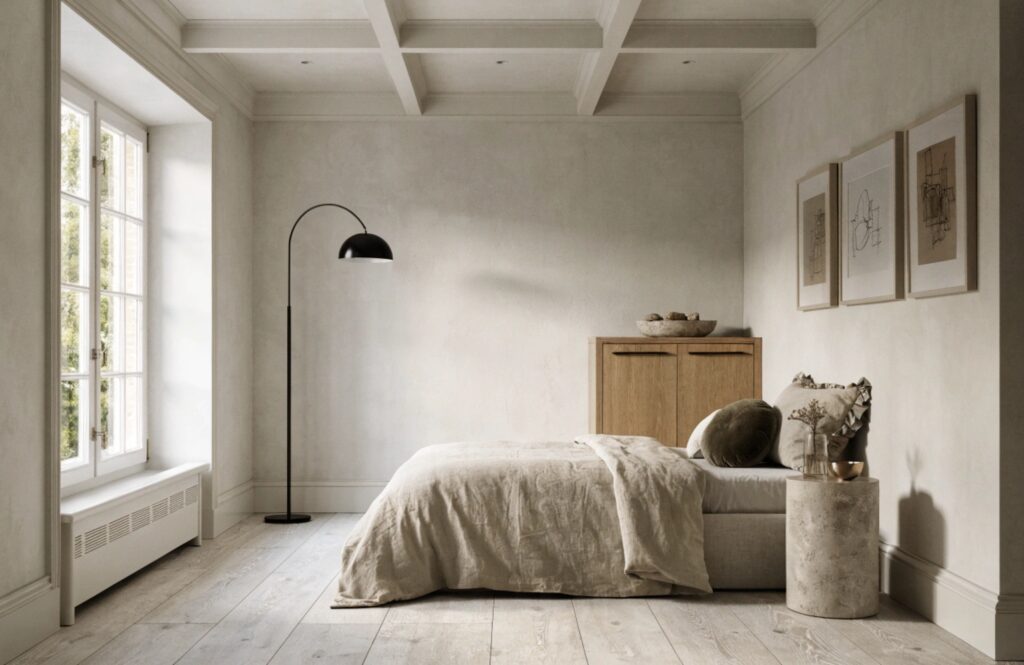
Space-Enhancing Ceiling Styles for Small Bedrooms Vallari Shah Writer & Blogger Designing a small bedroom can feel like a puzzle—especially when every inch matters. While most homeowners focus on wall color, layout, or furniture, one element has even more influence over how spacious the room feels: the ceiling. The way your ceiling is styled directly affects: How tall the room feels How light spreads across the surfaces How open or compressed the room appears The overall mood and depth of the space When used intentionally, the ceiling becomes a powerful design tool that visually expands compact rooms. This guide explores proven, space-enhancing ceiling ideas, analyzed from top-ranking SERP pages and refined to be practical, modern, and visually impactful for small spaces. Let’s unlock the full potential of your ceiling. Why Ceiling Design Matters in Small Bedrooms In a compact bedroom, you’re working with limited square footage—meaning vertical space becomes your biggest asset. A well-designed ceiling can instantly make the space feel brighter, more open, and more comfortable. Here’s why the ceiling matters so much: 1. It directs visual movement upward When the eye is drawn upward, the room feels taller and more expansive. 2. It affects lighting distribution Indirect or well-strategized lighting can wash walls evenly, eliminating dark corners that usually shrink a room. 3. It influences perceived spaciousness Colors, shapes, materials, and textures all change how the brain interprets room size. 4. It supports overall aesthetics A thoughtfully designed ceiling anchors your interior design and prevents the room from feeling busy or cluttered. 5. It determines comfort and ambiance Lighting style, brightness, and ceiling height can make small rooms feel warm, calming, and breathable. Now, let’s explore the ceiling styles that can actually make your bedroom look bigger. 1. Minimalist Ceiling Designs That Open Up Space Minimalist ceilings consistently rank at the top of SERP results because they’re the simplest and most effective for visually expanding small rooms. A minimalist ceiling focuses on: Clean lines A smooth finish Light or neutral color palettes Little to no ornamentation Why it works: Clutter draws attention downward. Minimalist ceilings declutter the “fifth wall,” giving the room the illusion of height and openness. Best uses: Small bedrooms with low ceilings Minimalist or Scandinavian interiors Rooms with limited natural light The beauty of minimalism lies in how effortlessly it makes the space feel larger without overwhelming the eye. 2. Recessed & Cove Lighting to Visually Lift the Ceiling Lighting is one of the strongest tools for space expansion. Recessed lights, also known as can lights, keep the ceiling flush, eliminating bulky fixtures. Cove lighting, hidden within ceiling grooves, gently bounces light upward. Why these methods work: Both lighting styles create illusionary height by: Eliminating shadows Softening edges Highlighting the upper plane Making the ceiling appear weightless Where it’s ideal: Modern bedrooms Rooms with low or standard ceilings Compact rectangular rooms Cove lighting especially gives a “floating ceiling” effect—perfect for elevating tight spaces. 3. Reflective & Mirror Ceiling Styles A lesser-used but highly effective method for enlarging small spaces is incorporating reflective materials. This includes: Glossy paint finishes Lacquered ceiling panels Mirror inserts High-gloss stretch ceilings Why it works: Reflection multiplies both space and light, making the room instantly feel double its size. Best considerations: Use sparingly to avoid overwhelming the design Keep the rest of the décor soft and neutral Reflective ceilings are incredibly impactful in bedrooms with minimal natural light, as they brighten the space dramatically. 4. Painted Accent Ceilings That Add Visual Height A painted ceiling can make or break a small room, but when done right, it strategically adds depth and height. Space-enhancing paint strategies: Use lighter shades than the walls to lift the ceiling visually Try soft pastel gradients to stretch the perception of height Use a color wash for a subtle reflective effect Why it works: Color influences perception. Lighter shades visually blend the ceiling and walls, avoiding sharp visual boundaries that shrink the room. Perfect for: Bedrooms with low ceilings Minimalist, contemporary, or modern styles Spaces with warm or cool lighting A soft-looking ceiling creates an airy environment that feels open and breathable. 5. Geometric and Patterned Ceiling Designs with Depth Contrary to popular belief, geometric designs can make rooms feel bigger—when used correctly. Designs that enhance space: Thin linear patterns Long stripes running lengthwise Subtle chevron designs Soft grid patterns Why it works: Geometric ceilings guide the eye and elongate the room. Patterns that follow the longest measurement of the bedroom add linear stretch. Important note: Avoid heavy, bold, or dark geometric patterns—they compress the space. 6. Wooden Slat & Beam Ceilings Without Reducing Height Wood is warm, timeless, and character-rich. However, heavy beams can shrink a room—unless used smartly. Space-enhancing wood ceiling ideas: Narrow vertical slats Light-colored wood (pine, ash, bamboo) Thin beam outlines instead of solid beams Wooden panels with integrated LED strips Why it works: Thin wood elements create rhythm and direction, guiding the eye upward rather than weighing the ceiling down. Best for: Modern, Japandi, or Scandinavian interiors Bedrooms needing warmth Wooden slats add texture without visual heaviness. 7. Curved, Arched & Floating Ceiling Concepts Curved ceilings soften edges and expand the room visually. Floating ceilings, on the other hand, detach visually from the walls, giving the illusion of extra height. Why curved ceilings help: They remove sharp corners, making the room feel more open Rounded forms look more fluid and less boxed-in Floating ceilings help by: Creating depth between layers Allowing hidden cove lighting Making the ceiling appear suspended These designs work especially well in contemporary rooms where architectural creativity is encouraged. 8. 3D & Multi-Level Ceiling Styles for Depth Illusion You might assume multi-level ceilings shrink a room—but shallow, well-designed layers do the opposite. How 3D ceilings expand space: They add controlled depth Create an upward-pulling perspective Integrate LED lighting for vertical “lift” Best practices: Keep layers minimal Use light tones Pair with cove or recessed lighting A subtle tray ceiling is one of the most effective ways to make
Minimalist Ceiling Ideas for Small Bedrooms
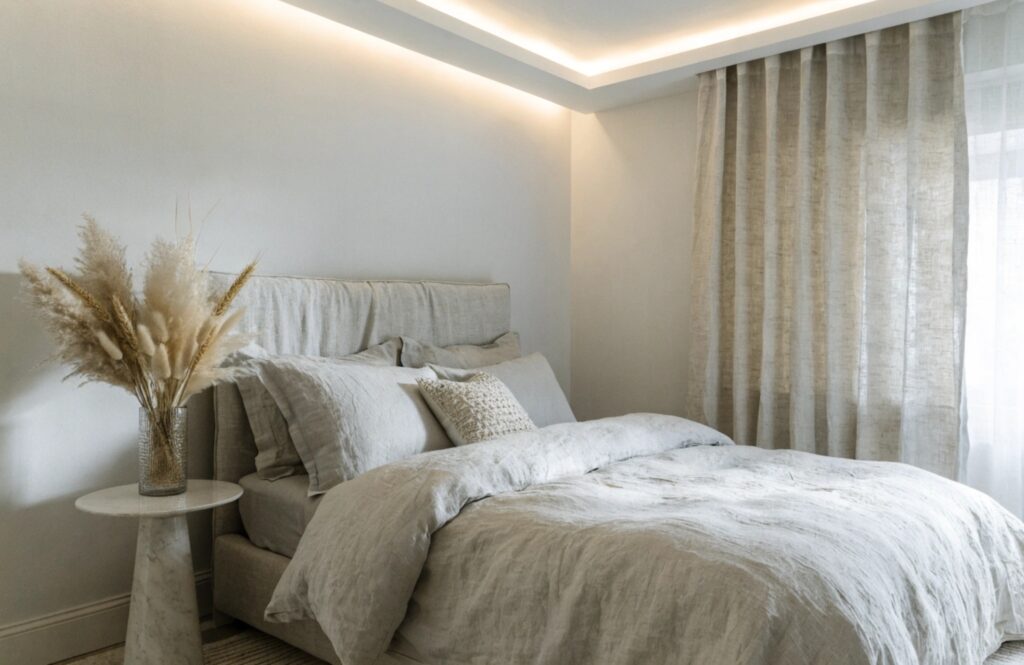
Minimalist Ceiling Ideas for Small Bedrooms – Clean, Simple & Space-Enhancing Designs Vallari Shah Writer & Blogger Designing a minimalist ceiling for a small bedroom is one of the smartest ways to make the room look bigger, brighter, and more relaxing. While many homeowners focus heavily on wall colors and furniture choices, the ceiling often gets overlooked—yet it’s one of the most influential parts of the room. When done correctly, a minimalist ceiling helps create visual openness, improve lighting, reduce clutter, and elevate comfort without overwhelming the space. Minimalism is all about simplicity, clean lines, functional design, and subtle visual harmony. For compact bedrooms, these principles become even more powerful. A small room benefits immensely from uncluttered, streamlined ceiling designs because they visually expand room height, reflect more light, and maintain a calm, peaceful atmosphere. In this detailed guide, we’ll explore the best minimalist ceiling ideas for small bedrooms—ranging from smooth gypsum surfaces and recessed lighting to cove illumination, shallow beams, slatted accents, and fully seamless finishes. Each section includes practical design considerations, lighting suggestions, color insights, and expert tips to help you make the right choice. What Defines a Minimalist Ceiling? Before exploring the ideas, it’s important to understand what truly makes a ceiling minimalist. A minimalist ceiling is: Smooth, uncluttered, and free from heavy patterns Light-toned, neutral, or monochromatic Designed with carefully hidden lighting instead of bulky fixtures Low-profile or no false ceiling if the room is very small Focused on enhancing space, not adding visual weight Minimalist ceilings work exceptionally well in small bedrooms because they prioritize openness. Instead of drawing the eye downward or crowding the vertical space, they create a sense of upward expansion. The clean surfaces reflect light more effectively and make the room feel taller, brighter, and infinitely calmer. 1. Crisp White Ceiling with Recessed Lighting White is the most powerful color for small bedrooms—especially when used on the ceiling. A crisp white surface reflects natural and artificial light, immediately making the bedroom feel taller. Paired with recessed lights, the effect multiplies. Recessed lighting keeps the ceiling visually uninterrupted, eliminating bulky fixtures that can make a small room feel cramped. The key is using small, flush-mounted LED downlights that blend into the ceiling plane. Even spacing is important: well-distributed lighting removes shadows and brightens corners, helping the room feel larger and cleaner. This combination is ideal for minimalists because it merges functionality with aesthetics. You get a modern, bright, clutter-free look without compromising coziness. 2. Simple False Ceiling with Clean Lines If your small bedroom allows even a few inches of drop, a simple false ceiling can add elegance without overwhelming the room. Instead of deep layers or heavy designs, choose a flat panel or thin border layout. The beauty of a minimalist false ceiling lies in its subtlety—sharp edges, shallow depth, and sleek finishing. A simple border ceiling with concealed LED strip lighting is especially popular in compact spaces. It adds warmth and dimensionality while maintaining a clean silhouette. Ensure the false ceiling doesn’t drop more than 2–3 inches unless your ceiling height is above 10 feet. This design suits modern, contemporary, Scandinavian, and even Japandi-style bedrooms. 3. Cove Lighting for a Soft, Ambient Glow Cove lighting is one of the most effective lighting techniques for minimalist bedrooms. It hides the light source inside a recessed channel, creating a soft halo around the ceiling perimeter. This diffused glow instantly makes the ceiling appear higher and the room more serene. Warm white LED strips work beautifully in bedrooms, adding coziness without being harsh. Cove lighting eliminates shadows and enhances even brightness, which is perfect for smaller spaces. When paired with a smooth gypsum or POP surface, the effect is universally calming. This idea also suits bedrooms where you want mood flexibility, as LED strips can be dimmable or color adjustable. 4. Smooth POP Ceiling with Minimal Detail POP (Plaster of Paris) ceilings allow for perfectly smooth finishing, making them ideal for minimalist spaces. In small bedrooms, avoid ornate curves or deep molding. Instead, opt for subtle touches—thin grooves, very shallow geometry, or completely plain surfaces. A smooth POP ceiling works especially well when paired with soft ambient lighting. It blends into the architecture effortlessly, allowing furniture and décor to stand out without competing surfaces. The simplicity of POP gives small bedrooms a refined, high-end look without clutter. It’s a wonderful choice for people who want understated elegance. 5. Sleek Ceiling Fan with Integrated Minimal Design In minimalist bedrooms—especially small ones—ceiling fans must complement the clean aesthetic without becoming a distraction. Instead of traditional heavy fans, choose a flush-mount or slim-profile fan in neutral tones like white, beige, or matte black (depending on the décor). A fan with integrated LED light or no light at all keeps the ceiling clutter-free. Avoid fans with ornate blades, heavy lighting kits, or bold color contrasts. The goal is to make the fan blend naturally into the ceiling plane. This works best in warm climates where fans are essential but design cohesion is equally important. 6. Seamless Gypsum Panel Ceiling for a Modern Finish Gypsum board ceilings offer unmatched smoothness and uniformity, making them ideal for minimalist design. They eliminate joints, beams, or texture inconsistencies—leaving a sleek, flawless surface. In small bedrooms, a smooth gypsum ceiling enhances height perception because there’s nothing breaking the visual continuity. Adding soft recessed lighting or subtle cove lights enhances the minimalist look further. Choose soft neutrals like pure white, light gray, or ivory. Avoid glossy finishes—matte or satin finishes work better for small spaces by reducing glare. 7. Subtle Wooden Slats or Slim Beams Wood accents can be minimalist when used correctly. In small bedrooms, avoid bulky beams or dark timber. Instead, consider: Thin wooden slats Narrow panels Pale wood finishes (oak, ash, beech) Short beams with shallow depth The key is moderation. Wooden accents create warmth and texture without heaviness when kept slim and light-toned. For minimalist spaces, place slats in one area—either above the headboard or across a narrow