
Blending Traditional and Contemporary Styles for a Timeless Look
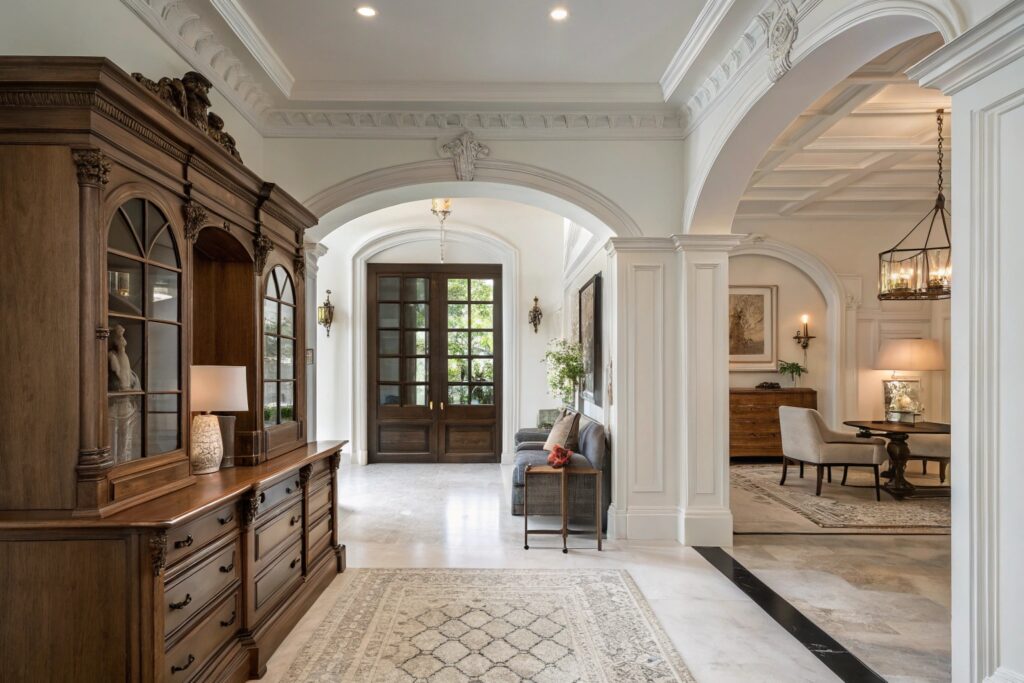
Blending Traditional and Contemporary Styles for a Timeless Look avinnyyaadmin Principal Designer A Complete Interior Design Guide by Avinnyya Creating a home that feels both fresh and rooted in culture is a desire shared by many modern homeowners. With design trends evolving rapidly, the challenge is often to craft interiors that stand the test of time—spaces that do not look dated after a few years yet stay connected to tradition, memory, and identity. This is where the blend of traditional and contemporary styles emerges as a powerful design philosophy. It offers the best of both worlds: the elegance and warmth of heritage combined with the functionality and simplicity of modern aesthetics. In bustling cosmopolitan cities like Bangalore, this fusion approach has become more than just a trend—it has become a way of life. Homes in the city increasingly reflect a mix of cultural backgrounds, modern lifestyles, and evolving tastes. Whether it is a compact apartment in Whitefield or a spacious villa in Jayanagar, blending these two styles helps homeowners achieve an interior that feels personal, meaningful, and timeless. At Avinnyya, fusion design is at the heart of our philosophy. We believe in creating interiors that tell stories—stories of families, their memories, and their aspirations—through a thoughtful balance of the old and the new. Understanding the Essence of Fusion Interior Design Blending traditional and contemporary design is not simply about placing an antique cabinet next to a modern sofa or pairing rustic artifacts with sleek lighting. True fusion design is intentional and curated. It is about harmonizing two contrasting worlds—one rooted in heritage and craftsmanship, the other inspired by minimalism and innovation—to create a cohesive visual narrative. Traditional design brings depth, craftsmanship, textures, and cultural symbolism. Contemporary design brings clarity, lightness, and modern simplicity. When combined with the right principles, these styles complement each other beautifully, creating rooms that are warm yet uncluttered, expressive yet sophisticated. A common misconception is that fusion design leads to clutter or mismatched décor. In reality, the opposite is true. When executed thoughtfully, blending styles can result in calm, well-balanced spaces that are rich in personality. Fusion interiors also do not require large homes; apartments can just as easily carry this aesthetic when the right materials, colors, and furnishings are selected. Key Design Principles for a Timeless Fusion Aesthetic The secret to flawlessly blending traditional and contemporary styles lies in mastering a few fundamental design principles. The first is balance and proportion. Fusion design is not about giving equal importance to both styles in a literal 50-50 split, but rather ensuring neither dominates to the point of overwhelm. For instance, a single bold traditional element—a carved wooden swing, a vintage console, or a hand-painted armoire—can become the room’s focal point, surrounded by minimal contemporary furniture that allows it to shine. A consistent color palette also plays a crucial role in creating harmony. Neutral tones such as beige, slate grey, ivory, and taupe form the perfect backdrop, allowing traditional elements to stand out without clashing with modern aesthetics. Accents like deep greens, mustard yellows, terracotta, or gold add warmth and character, reflecting traditional charm while preserving the subtlety of contemporary design. Textures and materials form the next important pillar of fusion aesthetics. A room may feature glass, steel, or polished concrete characteristic of modern design, yet be softened by traditional materials like solid wood, brass, cane, stone, and hand-woven fabrics. The goal is to create layers—smooth with rough, sleek with ornate—so the eye experiences depth and variety. Another essential principle is layering rather than matching. Instead of trying to ensure all pieces fit into a single style, layering allows each piece to retain its identity. A modern sofa can sit beside a traditional rug; a contemporary wall color can frame antique artwork. The interplay of contrasts is what creates a timeless look. Finally, the design should focus on functional spaces infused with emotional value. Traditional items like heirlooms, art pieces, or handcrafted décor should not just be decorative; they should add meaning. Contemporary pieces should enhance comfort and convenience. The blend becomes successful when beauty meets practicality. Traditional Elements That Enhance Modern Spaces Traditional design elements have the unique power to infuse warmth, character, and nostalgia into contemporary homes. Antique furniture, for example, makes a bold statement. Pieces like carved wooden benches, vintage dressers, or handcrafted coffee tables can instantly elevate a room’s personality. Instead of overpowering a space, they anchor the design, offering a sense of history. Textiles are another powerful tool. Indian heritage fabrics—Kalamkari, Ikat, Banarasi silks, hand-block prints, or Kantha—can transform a plain contemporary room into one with soul. Whether used in cushions, drapes, throws, or rugs, these handmade textiles bring color, texture, and artistry. Cultural art such as Tanjore paintings, Madhubani artworks, tribal sculptures, clay figurines, or brass collectibles can seamlessly blend into modern walls. In fact, contemporary gallery-style lighting enhances these pieces even further, helping them become focal points in a minimalistic setup. Architectural elements like jaali patterns, arches, carved doorways, and traditional wooden beams can also be incorporated subtly in modern homes. These additions do not dominate; they punctuate the space with heritage and craftsmanship, turning ordinary corners into memorable design moments. Contemporary Elements That Elevate Traditional Interiors Just as tradition adds warmth to modernity, contemporary elements bring definition and clarity to traditional spaces. Minimalist layouts, for instance, prevent heavy traditional pieces from overwhelming the room. A clean visual flow ensures that ornate furniture or detailed artwork feels curated rather than cluttered. Modular furniture and sleek storage solutions make daily living convenient while complementing heritage pieces. A modern sofa paired with vintage cushions or an antique dining table matched with contemporary chairs results in a balanced look that does not compromise comfort. Lighting is another transformative contemporary element. Pendant lights, recessed LEDs, floor lamps, and track lighting can be used to highlight traditional textures such as carved wood, handloom fabrics, and artwork. Strategic lighting adds depth, making the old feel fresh and the new feel warm. In today’s homes, smart
Traditional vs. Contemporary Interiors: What’s the Difference?
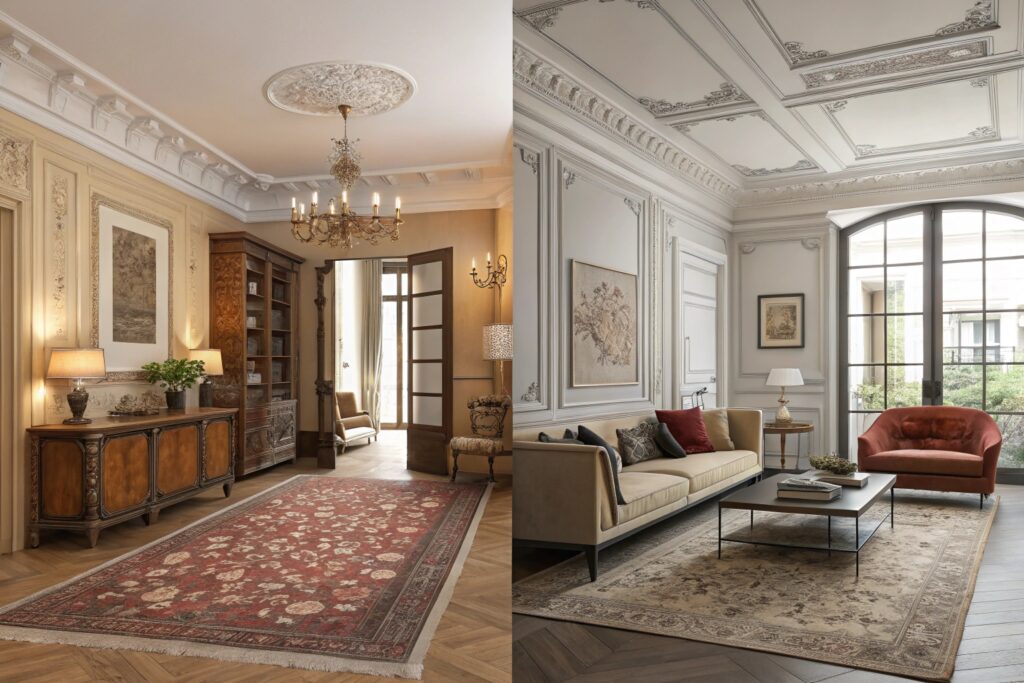
Traditional vs. Contemporary Interiors: What’s the Difference? avinnyyaadmin Principal Designer Interior design is far more than a visual expression—it is a crafted experience that shapes how we live, feel, and connect with our spaces. As homes evolve with modern lifestyles, one of the most frequent questions homeowners ask is: Should I choose traditional interiors or contemporary interiors? At Avinnyya, leading interior designers in Bangalore, this is a conversation we have with clients every day. With diverse architectural styles, cultural influences, and modern living preferences in Bangalore, the decision isn’t always simple. This blog breaks down the differences between traditional and contemporary interiors, explores their characteristics, and helps you understand which style suits your lifestyle, space, and personal taste. Whether you’re renovating or building from scratch, this comprehensive guide will help you make an informed choice. Understanding Interior Design Styles Interior design styles are shaped by eras, philosophies, cultural influences, and evolving tastes. Each style tells a story—sometimes one rooted in heritage, and sometimes one that embraces the present or future. Traditional and contemporary interiors stand at opposite ends of this design spectrum, yet both hold immense appeal. Traditional interiors draw heavily from history, reflecting timeless elements inspired by centuries of craftsmanship and cultural values. Meanwhile, contemporary interiors represent the “now”—a constantly evolving expression shaped by modern materials, technology, and functional living. In dynamic cities like Bangalore, homeowners often find themselves at the crossroads between the warm nostalgia of traditional design and the clean sophistication of contemporary styling. Many even blend the two to craft hybrid spaces that harmonize heritage with modernity. To appreciate their differences, let’s dive into what each style truly represents. What Are Traditional Interiors? Definition & Origins Traditional interiors reflect centuries-old design principles rooted in classical architecture and craftsmanship. Globally, this style is influenced by European, Victorian, and colonial aesthetics. In India, traditional design also draws inspiration from local cultural elements—South Indian woodwork, Rajputana details, Mughal artistry, and regional materials. This design is grounded in permanence. Every piece of furniture, every colour tone, and every décor element conveys history, art, and emotional value. Traditional interiors aren’t just designed—they’re curated. Key Characteristics of Traditional Interiors Traditional homes are rich, ornate, and deeply expressive. Some defining traits include: Rich and warm colour palettes Expect deep reds, golds, greens, browns, maroons, and earthy tones that create an instantly warm and intimate environment. Heavy, carved wooden furniture Furniture is often made of solid wood—teak, rosewood, walnut—featuring intricate carvings that highlight India’s artisanal legacy. Luxurious materials and textures Silk cushions, brocade fabrics, brass lamps, stone flooring, and handwoven rugs are commonly used. Decorative and heritage elements Think antique clocks, classical paintings, brass artifacts, traditional statues, ornate mirrors, and patterned drapes. Symmetry and formality Traditional interiors depend on balance. Furniture, lighting, and décor are arranged symmetrically to create visual harmony. When Traditional Interiors Work Best Traditional design is ideal for homeowners who value heritage, craftsmanship, and timeless elegance. It suits families who appreciate a warm, culturally rooted ambiance. Large homes with generous space benefit most from traditional elements, as they allow heavy furniture and intricate décor to breathe. Traditional Interiors in Bangalore Homes Many homes across Bengaluru’s established localities—Jayanagar, Basavanagudi, Malleshwaram—still preserve traditional aesthetics with carved furniture, brass décor, and warm colour palettes. Villas and independent homes often integrate South Indian elements like wooden pillars, temple corners, swings (oonjal), and handcrafted designs. Designers today skillfully bring these elements into modern homes, ensuring they remain functional without losing their charm. What Are Contemporary Interiors? Definition & Evolution Contemporary interior design represents the present moment—constantly evolving, always fresh. Unlike traditional design, it doesn’t belong to a fixed period. Contemporary interiors prioritize simplicity, subtle elegance, functional living, and clean aesthetics. Over the last two decades, as urban living in India shifted toward compact, high-efficiency spaces, contemporary design rose to prominence. Today, it is the go-to choice for young homeowners, professionals, and modern families. Key Characteristics of Contemporary Interiors Neutral Colour Palettes Whites, blacks, greys, beige, and soft earth shades dominate. These palettes make homes feel open, calm, and clutter-free. Sleek, functional furniture Clean lines, lightweight materials, and ergonomic shapes define contemporary furniture. Comfort meets practicality. Modern materials and textures Expect glass partitions, metal accents, engineered wood, eco-friendly composites, matte finishes, and minimalist fabrics. Minimal décor with purposeful accents Instead of ornate pieces, contemporary design uses statement elements—abstract art, geometric décor, or subtle accent walls. Innovative lighting Recessed lighting, LED strips, spotlights, and designer fixtures help emphasize architectural elements. When Contemporary Interiors Work Best Contemporary interiors are perfect for city apartments and compact homes. They maximize functionality and create visually clean spaces that reduce clutter. This style also suits tech-driven lifestyles that emphasize convenience, modularity, and efficiency. Contemporary Interiors in Bangalore With a rising population of young tech professionals, contemporary design has become extremely popular in areas like Whitefield, Electronic City, and Koramangala. Many modern apartments prioritize open layouts, modular storage, and minimalist aesthetics—making contemporary interiors a natural fit. Traditional vs. Contemporary: A Side-by-Side Comparison To truly understand the contrast, let’s break it down across key design elements. 1. Design Philosophy Traditional interiors celebrate legacy and elaborate craftsmanship, while contemporary interiors highlight simplicity and the essence of modern living. 2. Colour Schemes Traditional homes lean on deep, rich hues. Contemporary homes use clean, neutral, almost monochromatic palettes with minimal visual weight. 3. Furniture Traditional furniture is grand, heavy, and intricately carved. Contemporary furniture is sleek, lightweight, and functional above all else. 4. Materials Traditional spaces use natural woods, silk, brass, and marble. Contemporary interiors embrace engineered materials, glass, steel, and eco-conscious composites. 5. Décor Elements Traditional décor is abundant—vintage frames, ornate lamps, sculptures, and patterned fabrics. Contemporary décor is minimal—clean walls, abstract art, subtle accents. 6. Space Planning Traditional layouts emphasize symmetry and structured environments. Contemporary layouts focus on openness, flow, and flexible living. 7. Lighting Warm lighting with chandeliers and floor lamps suits traditional styling. Contemporary spaces rely on minimalistic, recessed, and indirect lighting techniques. 8. Maintenance Traditional interiors require more upkeep, especially for wooden
Minimalism to Maximalism: Exploring Modern Interior Shifts
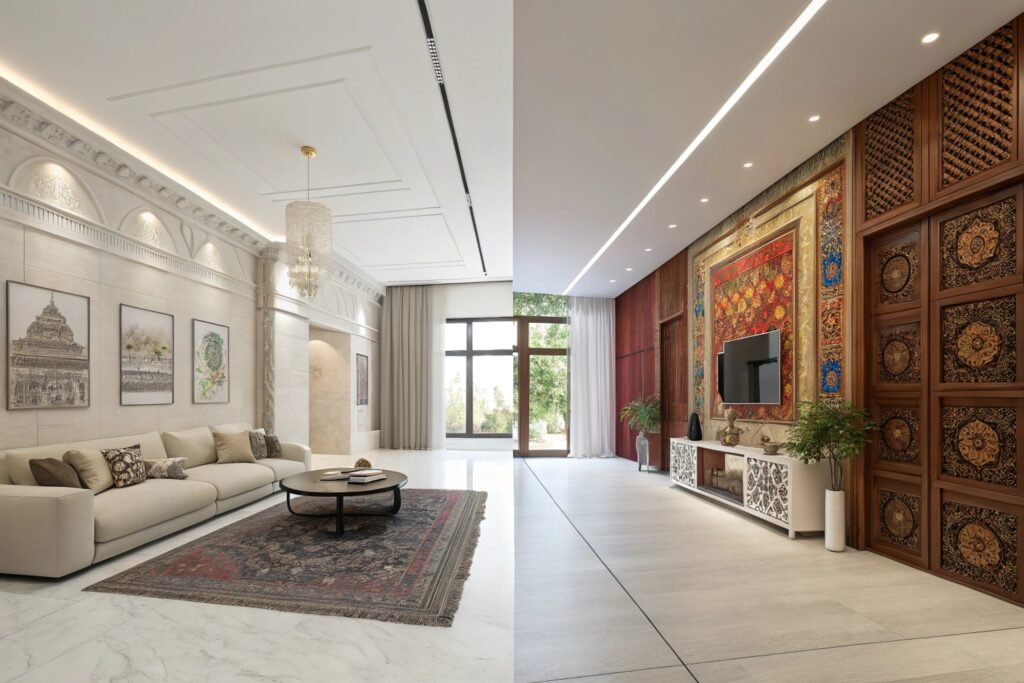
Minimalism to Maximalism: Exploring Modern Interior Shifts avinnyyaadmin Principal Designer Interior design is experiencing one of its most fascinating transformations in recent decades. What began as a quiet revolution of simplicity—minimalism—has gradually evolved into an exuberant celebration of personality and expression: maximalism. This shift reflects not only aesthetic preferences but deeper emotional, cultural, and lifestyle changes occurring across the world. In a vibrant city like Bengaluru, where modern living intersects with rich cultural roots, this transition is especially visible. As homeowners seek interiors that express individuality, tell stories, and reflect evolving lifestyles, design firms like Avinnyya are at the forefront of curating spaces that embrace this new design spectrum. This blog explores the fascinating journey from minimalism to maximalism and how modern homes are redefining interior aesthetics. Introduction: The Evolution of Modern Interiors Minimalism has long dominated the landscape of contemporary design, with its clean lines, serene color palettes, and emphasis on decluttered living. It resonated beautifully with the fast-paced, efficiency-driven mindset of urban homes. But today, as lifestyles evolve and people spend more time in their personal spaces—working, relaxing, and living—there has been a noticeable shift in what homeowners desire. The emerging trend toward maximalism is not merely about adding more décor; it is about bringing more life, emotion, and individuality into a home. Maximalism speaks to nostalgia, personal collections, memories, travel stories, and unique identities. In Bangalore’s dynamic neighborhoods—from tech hubs to luxury villa communities—this design evolution is unfolding with stunning diversity. As designers, Avinnyya understands that this shift is not about choosing one style over the other but about recognizing the nuances that make each home unique. Today’s interiors are fluid, flexible, and more deeply personal than ever before. Understanding Minimalism: Philosophy, Features, and Timeless Appeal Minimalism emerged as an antidote to excess. Rooted in the principle of “less is more,” it prioritizes purpose, harmony, and clarity. Minimalist spaces are defined by their calmness—they feel open, airy, and uncluttered. Every object has intentionality, and nothing is added without reason. In its purest form, minimalism embraces a restricted color palette—typically whites, earthy neutrals, soft greys, and understated pastels. Furniture features clean lines, sleek finishes, and functional design. Large windows welcome natural light, and open layouts maximize spatial clarity. The result is a home that feels soothing, structured, and harmonious. This style found significant popularity among young professionals and urban families in Bengaluru, particularly in compact apartments where space optimization is essential. Minimalist interiors effortlessly reduce visual noise, helping homeowners unwind after long workdays in bustling tech corridors. The simplicity also complements modern architecture, making it a preferred choice in many newly built homes. Minimalism’s enduring appeal lies in its timelessness. It avoids trends, focusing instead on quality and longevity. It allows the mind to rest, creating a peaceful refuge from the constant stimulation of modern life. The Rise of Maximalism: Art, Expression, and Emotional Identity In recent years, maximalism has taken center stage—emerging not as the opposite of minimalism, but as a stylistic reaction to it. Maximalism celebrates abundance, richness, and individuality. Rather than hiding personal collections or limiting décor, it encourages homeowners to display memories, art, heirlooms, patterns, and textures that tell their unique story. Maximalism is not clutter—it is curated expression. A maximalist home features bold wallpapers, rich textiles, contrasting patterns, layered rugs, vibrant upholstery, and eclectic accessories. It draws inspiration from various eras and global cultures, blending them into a cohesive narrative. This design style resonates deeply with Indian homes because of our cultural inclination toward color, detail, and artisanal craftsmanship. In Bengaluru’s premium villas, heritage homes, and even contemporary apartments, maximalism finds its place as homeowners explore bolder design languages. The style allows individuals to weave their lifestyles, passions, and emotional connections into their spaces. Maximalism feels warm, inviting, and deeply personal. It acknowledges that homes are more than just structures—they are living, evolving expressions of identity. Why the Shift? Understanding the Move from Minimalism to Maximalism The transition from minimalism to maximalism is not a rejection of simplicity; it is an expansion of how we view home design. Several factors are driving this evolution: 1. A Rediscovery of Personal Expression People now want their homes to feel uniquely theirs—not like a catalogue or a uniform aesthetic. The desire to showcase art, travel souvenirs, personal collections, and handcrafted décor has grown significantly. 2. Lifestyle Changes and the Post-Pandemic Reality With more time spent at home, especially during remote work, homeowners seek spaces that are comforting, stimulating, and expressive. Sterile, overly restrained interiors feel less relatable in this new era of home-centered living. 3. Global Influence through Social Media Platforms showcasing eclectic interiors have encouraged homeowners to experiment. The stigma around mixing styles or colors is fading; people are more open to bold, unconventional combinations. 4. A Larger Emphasis on Customization Custom-built furniture, bespoke décor, and personalized design elements are in demand. This naturally leans toward a maximalist or hybrid aesthetic. The shift is about authenticity—design that reflects who you are and how you live. Minimalism vs. Maximalism: A Comparative Analysis To understand the beauty of the modern shift, it is important to explore how both styles differ yet remain equally relevant. Aesthetic Differences Minimalism champions simplicity, with airy spaces and subdued colors. Maximalism, on the other hand, embraces layers—of texture, tone, and décor. Where minimalism feels serene, maximalism feels vibrant and deeply personal. Functional Approach Minimalist homes prioritize efficiency and clutter-free living. Maximalist homes prioritize comfort, expression, and functionality through abundance—more seating, more textiles, more storage, more personalized zones. Color and Material Use Minimalism prefers muted hues, matte surfaces, and natural materials like wood, stone, and glass. Maximalism welcomes bold jewel tones, metallic accents, intricate patterns, and plush fabrics like velvet or brocade. Spatial Experience Minimalist spaces feel open and expansive. Maximalist spaces feel cozy, layered, and immersive. Psychological Impact Minimalism offers tranquility and visual calm. Maximalism stimulates creativity, nostalgia, and emotional warmth. Neither is superior—they cater to different personalities, lifestyles, and spatial needs. In a diverse city like Bengaluru, both styles continue
How Modern Design is Evolving: What’s In and What’s Out
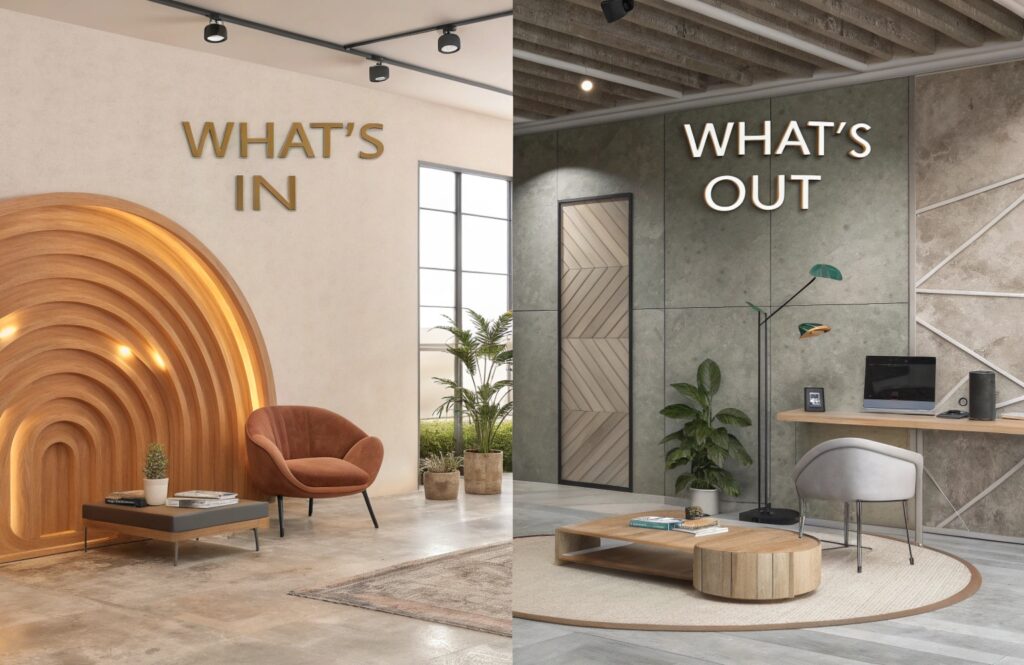
How Modern Design is Evolving: What’s In and What’s Out avinnyyaadmin Principal Designer Modern interior design has never been more dynamic, expressive, or meaningful than it is today. Gone are the days when “modern” simply meant sleek lines and minimalist white walls. As lifestyles evolve, technology integrates deeper into our homes, and sustainability becomes a global priority, modern design itself is being redefined. Whether it’s shifting aesthetics, changing material preferences, or new functional demands, homeowners across the world—and especially in Bangalore’s vibrant urban landscape—are embracing a new era of living. In This blog we will explore how contemporary design is evolving in 2025, the key trends rising in popularity, those that are fading out, and how a design studio like Avinnyya interprets these shifts to create timeless, elegant interiors. The New Forces Shaping Modern Design Modern design does not evolve in a vacuum. It responds to the way we live, work, and interact with our surroundings. The homes of today are not the homes of ten years ago—and that is largely due to four major influences redefining design. 1. Changing Urban Lifestyles Bangalore’s fast-paced urban lifestyle has inspired homes that are more functional, efficient, and experience-driven. Families now seek residences that support multitasking, blend comfort with productivity, and adapt to changing needs. With the rise of hybrid work, the home must serve as an office, relaxation spot, wellness space, and entertainment zone—all at once. As a result, the design approach has become more fluid and personalized. 2. Technology & Smart Integration From smart lighting and voice-controlled assistants to fully automated home systems, technology isn’t an add-on anymore—it’s woven into the home’s very fabric. Modern design now embraces “invisible tech,” integrating devices seamlessly without clutter. The challenge (and art) lies in ensuring technology enhances aesthetics rather than disrupting them. 3. Sustainability & Conscious Living Sustainability is not just a trend; it’s a movement shaping global design. Bangalore homeowners increasingly choose eco-friendly materials, energy-efficient lighting, low-VOC paints, and handcrafted or ethically produced décor. The idea of “conscious consumption” is pushing the industry toward materials that last longer, age beautifully, and reduce environmental impact. 4. Global Inspiration, Local Expression Today’s homeowners are exposed to global design ideas through platforms like Pinterest and Instagram. However, Bangalore’s cultural and climatic context ensures global ideas are adapted thoughtfully. A Scandinavian palette might merge with South Indian wooden craftsmanship. A Japanese minimalistic approach may integrate local textures. Modern design now thrives on this beautiful fusion. What’s In: The Trends Transforming Modern Homes These “in” trends represent the heart of modern aesthetics in 2025—warm, personal, sustainable, and smart. Each reflects a shift toward creating homes that feel more human and authentic. Warm Minimalism: The New Face of Simplicity Minimalism is not dead; it has evolved. Ten years ago, minimalism meant stark white spaces with almost no personal expression. Today’s warm minimalism embraces earthy tones, natural textures, and soft materials. Instead of looking clinical, homes feel inviting and lived-in. Light wood, linen curtains, cane accents, and neutral color palettes are redefining simplicity with warmth and comfort. This approach suits Bangalore’s lifestyle perfectly—airy, low-maintenance, and clutter-free without appearing cold. Adding Personality Through Maximalist Accents Interestingly, while minimalism dominates spatial layout, maximalist accents are becoming popular for expressing character. Homeowners want décor that tells a story—bold art pieces, patterned rugs, sculptural lamps, or heritage artifacts. When balanced well, these expressive elements add soul to a modern space without overwhelming it. The idea is simple: keep the foundation minimalist, but let accents celebrate individuality. Biophilic Design and the Return to Nature Connecting the indoors with nature has become a central design philosophy. Homes now incorporate indoor plants, vertical gardens, light-filled spaces, and natural ventilation strategies. Large windows, skylights, and transitional indoor-outdoor zones are high in demand. Biophilic design not only elevates aesthetics but also enhances mental well-being—crucial in high-stress urban environments. Earthy & Muted Colour Palettes The era of bold, glossy colours is fading. Modern design celebrates subtlety and calm. Shades like terracotta, olive green, warm beige, stone grey, and clay tones dominate walls, furniture, and décor. These colours create a soothing visual environment and adapt beautifully to varying light conditions. In Bangalore’s climate, these tones bring warmth without absorbing excessive heat. Open Layouts with Intelligent Zoning Open floor plans remain extremely popular, but the way they are executed has evolved. Instead of completely free-flowing spaces, designers now use subtle zoning to create functional distinctions. Rugs define living spaces, layered lighting highlights zones, and sliding partitions offer flexible privacy. This is particularly useful in apartments where every square foot must be optimized. Curved Furniture & Organic Shapes Sharp lines are giving way to softer, more organic forms. Curved sofas, rounded kitchen islands, arched doorways, and sculptural furniture create flow and harmony. These shapes feel more natural and psychologically calming—much needed in today’s stressful world. Sustainable, Ethical Materials Designers and homeowners alike are embracing materials that are durable and environmentally responsible. Reclaimed wood, bamboo, cork, jute, and upcycled textiles feature heavily in modern interiors. They bring authenticity and richness that mass-produced materials often cannot match. Textured Walls & Natural Finishes Textured surfaces are replacing the glossy laminated look. Lime plaster, microcement, natural stone, slatted wood, and handmade tiles offer tactile depth and visual character. These finishes age beautifully and complement both Indian and global aesthetics. Multifunctional Furniture for Compact Living Urban spaces call for smart solutions. Modular sofas, hidden-storage beds, extendable dining tables, and foldable workstations help maximize functionality. These designs adapt to changing needs—a critical requirement for today’s homes. Invisible Smart Home Tech Technology is no longer showcased—it’s concealed. Smart switches, automated blinds, motion-controlled lighting, and wireless entertainment systems are integrated into design with precision. The goal is to ensure functionality without visual distraction. Boutique Hotel-Inspired Luxury Homeowners now gravitate towards sophisticated luxury—velvet textures, layered lighting, arched headboards, and spa-like bathrooms. This trend brings the comfort and elegance of a premium hotel into residential design, creating immersive living experiences. New-Age Kitchen Designs The kitchen has transformed into a multifunctional family hub.
Top Modern Interior Design Trends
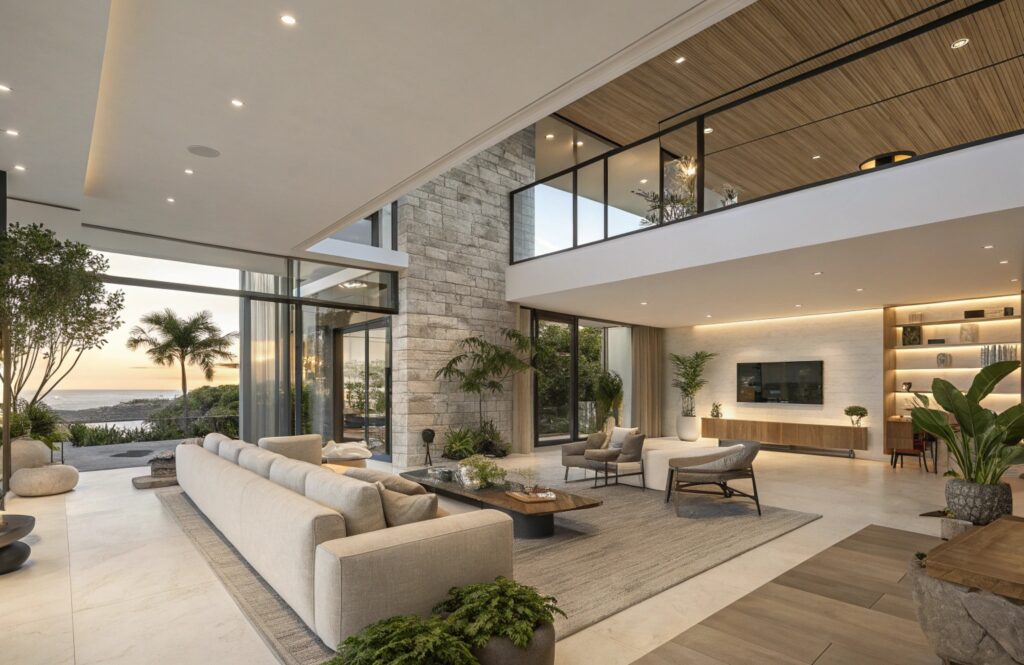
Top Modern Interior Design Trends Transforming Homes This Year | Avinnyya Vallari Shah Principal Designer Interior design evolves every single year, and with it, the way we live inside our homes. Today, homes are no longer just living spaces—they are sanctuaries of comfort, creativity, and personality. With remote work, lifestyle changes, and the desire for multifunctional spaces becoming the norm, homeowners are now looking for designs that blend beauty with functionality. In a vibrant and fast-growing city like Bangalore, modern home design trends are deeply influenced by urban living, cultural diversity, and a fast-paced tech-driven lifestyle. Smaller apartments, hybrid work cultures, unpredictable weather patterns, and the desire for elegant-yet-practical living spaces have all shaped how homes are designed today. At Avinnyya, we believe great design is not just about aesthetics—it’s about creating experiences that elevate everyday living. In this blog, we dive into the biggest modern interior design trends redefining homes this year, especially for homeowners in Bangalore. Whether you’re building a new home, renovating your apartment, or looking to refresh a room, these trends offer timeless inspiration. 1. Embracing Minimalism with Warmth Minimalism has been one of the longest-standing design philosophies, but this year introduces a softer, more comforting version of it—warm minimalism. Soft Minimalism: Comfort Meets Clarity Minimalism used to feel cold and stark, but today’s approach welcomes warmth, neutral color palettes, textured fabrics, and natural materials like wood, linen, cotton, and stone. Instead of empty spaces, homes feel cozy yet uncluttered. Visual suggestion: • Photo of a beige-toned living room with natural wood accents • Close-up of layered textures—linen, jute, cotton Transitional Open Spaces Bangalore homes—especially modern apartments—often face layout limitations. Warm minimalism works beautifully for such homes, creating open, breathable spaces where the living, dining, and kitchen maintain visual flow without feeling identical. Why This Trend Works for Urban Living Creates a calming environment for busy city life • Works beautifully in both compact and large homes • Reduces clutter and increases practicality If you crave simplicity without sacrificing comfort, warm minimalism is the ideal direction. 2. Sustainable & Eco-Conscious Design Sustainability is no longer an optional choice—it’s a responsibility. This year, eco-conscious interiors have taken center stage, merging design with environmental well-being. Eco-Friendly Materials Homeowners are embracing: • Recycled wood • Bamboo and rattan • Cork flooring • Low-VOC paints • Handloom textile furnishings These materials offer durability and warmth while reducing environmental impact. Indoor Plants as Living Architecture Biophilic design is booming this year. Think: • Vertical gardens • Large potted palms • Hanging planters • Herb gardens near windows In Bangalore’s climate, indoor plants thrive beautifully, adding life and freshness to compact spaces. Upcycling & Handcrafted Décor Uniqueness is trending. Instead of factory-made pieces, people choose handcrafted décor, upcycled furniture, and custom-made items that tell a story. How This Trend Fits Bangalore Homes Works for both apartments and villas • Complements the city’s greenery and weather • Supports local artisans and sustainable businesses 3. Smart Homes & Integrated Technology Technology is one of the strongest influences on modern home design, especially in a tech ecosystem like Bangalore. Voice-Activated Living Imagine adjusting lights, playing music, or controlling the AC with a simple voice command. Smart speakers and home automation systems make it effortless. Built-In Tech Furniture Nightstands with charging docks • TV units with hidden wiring • Futuristic kitchen appliances • Smart mirrors Homes today are evolving into intuitive spaces that respond to your needs. Smart Lighting Revolution App-controlled lighting is now mainstream.Residents prefer lights that adapt to moods—sunrise tones in the morning, warm shades for winding down. Blending Tech with Aesthetics The key is subtlety.Technology should integrate seamlessly—no messy cords or bulky gadgets. At Avinnyya, our design philosophy merges tech with clean visuals for clutter-free beauty. 4. Bold Colours & Textured Walls After years of minimal palettes, bold colors and statement textures are making a powerful comeback this year. Textured Surfaces with Impact Lime-wash walls • Stucco finishes • Micro-cement textures • Patterned wallpapers • 3D wall panels Textured walls add depth, character, and flair—perfect for highlighting focal areas like the living room or dining space. Accents That Pop Popular trending colors include: • Deep emerald • Mustard yellow • Terracotta • Navy blue • Charcoal When paired with neutral backgrounds, these shades create stunning contrasts without overwhelming the space. Avinnyya Expert Tip If your home is compact, use bolder colors sparingly—accent walls, décor pieces, cushions, or rugs can do wonders without shrinking the room visually. 5. Multi-Functional Spaces for Modern Living Today’s homes must adapt to flexible lifestyles. This trend has risen sharply and will continue evolving. Furniture That Works Harder Sofa-cum-beds • Extendable dining tables • Modular wardrobes • Foldable desks • Benches with hidden storage These pieces maximize utility without sacrificing style. Hybrid Work Zones With remote and hybrid work becoming standard, Bangalore homeowners are investing in: • Ergonomic furniture • Soundproof corners • Aesthetically curated video-call backgrounds Clever Storage Innovations Under-stair storage • Built-in shelves • Concealed cabinetry These ideas declutter homes while creating more space for living. 6. Natural Elements & Earthy Tones The desire for grounded, nature-inspired interiors continues to grow. Earthy Color Palettes Think of hues inspired by the earth: • Sand • Clay • Olive • Rust • Warm beige These tones create serenity and visual warmth. Bringing Nature Indoors Exposed brick walls • Stone accents • Wooden beams • Terracotta tiles These elements give Bangalore homes a tropical-modern vibe while staying practical for the local climate. 7. Curved Furniture & Organic Forms Sharp edges are giving way to soft, flowing forms. Why Curves Are Trending Curved designs feel comforting and welcoming. They soften the overall appearance of a room, making it feel more inviting and organic. Trending Pieces Curved sofas • Arched doorways • Round coffee tables • Organic-shaped mirrors Styling Tip from Avinnyya Combine curved furniture with linear architecture for balance. This creates a dynamic yet harmonious look. 8. Personalized Art & Storytelling Décor Homes today are deeply personal. Art with Meaning
Full Ceiling Design Packages for Small Bedrooms – Cost, Styles, and What’s Included
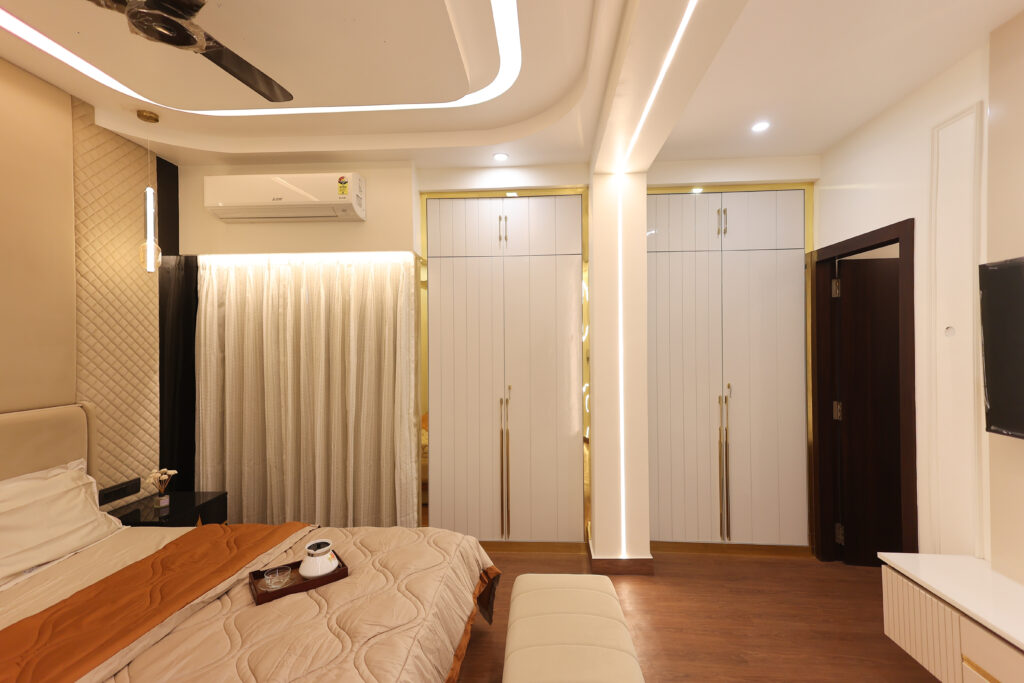
Full Ceiling Design Packages for Small Bedrooms – Cost, Styles, and What’s Included Vallari Shah Writer & Blogger Designing a ceiling for a small bedroom requires careful planning, smart use of materials, and understanding how lighting and structure impact the room’s overall feel. While many homeowners search for individual solutions—such as material prices, lighting ideas, or installation steps—a full ceiling design package offers a more streamlined, cost-effective, and stress-free approach. These packages combine materials, labor, design, lighting, finishing, and sometimes even warranty options into a single, well-organized service. Today, complete ceiling packages have become the preferred choice for small spaces because they eliminate confusion, ensure quality workmanship, and simplify budgeting. If you’re planning a new ceiling for a compact bedroom, this guide breaks down everything included in these packages, how much they cost, the different styles available, and how to choose the right one for your needs. What Is a Ceiling Design Package? A ceiling design package is a bundled service that covers everything from design consultation to final finishing. Instead of hiring different professionals for framing, electrical work, false ceiling installation, and painting, a package offers a complete end-to-end solution. For small bedrooms, these packages ensure the ceiling is not only visually appealing but also functional, space-enhancing, and optimized for lighting. They also prevent miscommunication between multiple vendors and help homeowners avoid unexpected costs. With increasing demand for modular home interiors, ceiling packages are becoming the go-to option for both new homes and bedroom renovations. What’s Included in a Standard Ceiling Design Package? Most ceiling packages include four major components: consultation, material supply, installation, and finishing. Here’s what homeowners typically receive. 1. Initial Consultation and Design Planning This stage includes taking measurements, understanding the room layout, and identifying structural limitations such as low ceilings or beams. The designer discusses preferred materials—like gypsum, POP, PVC, or wood—and recommends lighting layouts. Some providers also offer 3D visualizations, allowing homeowners to preview how their small bedroom will look after the ceiling is installed. This step ensures that the design is well-suited to the compact room without overwhelming it. 2. Material Procurement and Structural Framing Once the design is finalized, the provider supplies all necessary materials. This usually includes metal framing channels, ceiling boards, tapes, screws, and joint compounds. High-quality materials determine durability, moisture resistance, and smoothness of the final finish. The package ensures consistency in materials, preventing mismatched boards or low-grade supplies. For small bedrooms, lightweight and moisture-resistant materials are prioritised. 3. Ceiling Installation and Electrical Integration Installation involves setting the metal grid, fixing ceiling boards, leveling surfaces, and integrating electrical wiring for lights. Professional installers ensure there are no dips or uneven joints, which is especially critical in compact rooms because flaws are more noticeable. Lighting integration—such as recessed LEDs, cove lighting, strip lights, or concealed wiring—is handled during this step. For small bedrooms, lighting placement is strategically planned to create brightness without overpowering the room. 4. Finishing, Putty Work, and Painting Once installation is complete, the ceiling is finished with putty, smoothed, primed, and painted. Finishing is a crucial component of the package because it determines the ceiling’s final appearance. A well-finished ceiling can instantly lift the look of a small bedroom, making it appear modern and premium. Packages typically include cleanup and minor touch-ups, saving homeowners additional effort. Types of Ceiling Design Packages for Small Bedrooms Ceiling packages come in different tiers, allowing homeowners to choose based on budget, aesthetics, and functionality. Basic Ceiling Package Basic packages focus on simplicity and affordability. They include plain gypsum or POP board installation without complex shapes or lighting designs. These are perfect for owners who want to refresh their ceiling without major changes. The minimalistic finish complements small rooms well, adding height and brightness without heavy detailing. Standard Ceiling Package Standard packages are ideal for most small bedrooms. They include false ceilings with essential lighting features such as recessed lights or basic LED strips. The designs are modern yet not overly complicated. This balance of cost and functionality makes standard packages the most popular. Premium Ceiling Package Premium packages offer enhanced aesthetics such as double-layer ceilings, cove lighting effects, edge-lit panels, or textured finishes. These packages are aimed at homeowners who want stylish ceilings that make their small bedroom look luxurious without going overboard. Luxury Ceiling Package Luxury ceiling packages cater to homeowners seeking custom designs, advanced lighting automation, premium materials, and unique aesthetics. These designs may include floating ceiling elements, geometric shapes, integrated ambient lighting, and wood-or-metal accents. Even in small bedrooms, luxury packages can create a stunning visual effect when planned correctly. Ceiling Design Package Pricing for Small Bedrooms The cost of ceiling packages varies based on design complexity, materials, room size, and lighting choices. On average, small bedroom ceiling packages fall into the following ranges: Basic Package: Budget-friendly and ideal for simple finishes Standard Package: Mid-range and includes lighting integration Premium Package: Higher range with layered designs and better materials Luxury Package: Top-tier pricing due to custom design elements While packages may appear costlier at first glance, they usually save money in the long run because the materials, labor, and finishing are bundled together. There are fewer surprises during installation, and the final result tends to be superior compared to separately hired tasks. Want a complete look at ceiling costs and options? Visit our detailed small-bedroom ceiling guide. Why Ceiling Packages Save Time, Money, and Stress One of the biggest advantages of choosing a ceiling package is convenience. Homeowners don’t need to coordinate multiple suppliers or contractors. Everything is handled by a single provider, making the entire process faster and more predictable. Bundled pricing eliminates hidden costs that often arise during renovations. Packages also ensure quality consistency, especially when materials and installation are handled by the same team. For small bedrooms where proportion and symmetry matter greatly, professional oversight ensures a flawless outcome. Customization Options in Ceiling Packages Even though packages are bundled, providers usually offer customization options. Homeowners can enhance their ceiling with stylish lighting options, upgraded
Common Ceiling Installation Mistakes to Avoid (Expert Tips & Proven Solutions)

Common Ceiling Installation Mistakes to Avoid (Expert Tips & Proven Solutions) Vallari Shah Writer & Blogger Installing a ceiling—whether it’s gypsum, POP, PVC, wooden panels, or a false ceiling—is a project that looks simple from the outside but requires precision, planning, and proper technique. Even a minor mistake during installation can lead to cracks, sagging, uneven surfaces, lighting issues, or expensive repairs later on. If you’re renovating a small bedroom, designing a false ceiling for a new home, or updating an old ceiling, understanding the most common installation mistakes can save you money, time, and frustration. This comprehensive guide breaks down the errors that homeowners, contractors, and DIY enthusiasts often make, along with expert recommendations to ensure your ceiling looks perfect and lasts for years. 1. Poor Planning & Layout Mistakes Ceiling installation begins before materials even arrive at your home. Proper planning determines the accuracy, alignment, and final finish of the ceiling. Unfortunately, many people rush into installation without preparing the basics. a) Skipping Accurate Measurements Incorrect measurements are the foundation of 90% of ceiling problems. Even a difference of half an inch can cause misaligned boards, uneven grid spacing, and visible gaps. This is especially crucial in small bedrooms, where single mistakes become more noticeable. Always measure: wall-to-wall distances ceiling height fixture locations slope or uneven slab levels Professional installers use laser levels and chalk lines to ensure precision—DIY installers should do the same. b) Not Planning for Lighting, Ducting & Fixtures One of the biggest issues homeowners face is installing the ceiling first and deciding the lighting later. This creates an unnecessarily complicated situation: Extra cutting weakens the boards Lighting holes become imperfect Wires are exposed Fixtures may misalign with the layout Every light (LED panels, spotlights, cove lighting, fans) should be decided before ceiling work starts. c) No Installation Blueprint or Layout Map A ceiling layout map ensures that the grid lines, panels, and lighting placements align perfectly. Without a layout plan, installers guess the alignment—and guesswork always leads to inconsistency. 2. Material & Attachment Errors Selecting the right material is only half the process; using it incorrectly leads to long-term issues. a) Choosing the Wrong Material for the Room Environment Not all materials are suitable for every space. For example: POP absorbs moisture and cracks in humid rooms Regular gypsum boards sag if exposed to dampness Wooden panels warp in high-humidity climates PVC discolors if placed near high heat sources Matching the material to the environment is essential. b) Using Incorrect Screws, Nails, or Adhesives Every ceiling material has a recommended fixing method. Incorrect fasteners may cause the ceiling to loosen or fall over time. Examples of mistakes: Using generic screws instead of manufacturer-approved fasteners Relying only on adhesive for heavier panels Overdriving screws, damaging board integrity Secure fixing = longer ceiling life. c) Wrong Board Orientation Many people don’t realize boards have a “grain direction” and must be installed perpendicular to framing channels for strength. Incorrect orientation causes cracks and flexing. 3. Structural & Framing Mistakes A ceiling is only as strong as the structure behind it. Most visible problems—sagging, cracking, or uneven surfaces—come from poor framing. a) Misaligned or Uneven Metal Framing If metal channels aren’t perfectly level, the entire ceiling surface becomes uneven. Even a slight tilt becomes visible when lights are installed. Good installers use: Spirit levels Laser levels Tight channel spacing Secure anchor fasteners Avoid installers who eyeball the alignment. b) Inadequate Ceiling Support & Suspension False ceilings require suspension wires or hangers at regular intervals. When spacing is too wide or supports too few, ceilings begin to bend or sag—sometimes within months. This mistake is serious because it: Affects structural safety Causes visible dips Damages the ceiling board c) Ignoring Load-Bearing Limits False ceilings have a weight limit. Heavy chandeliers, fans, or decorative panels require reinforcement. Overloading without support can lead to cracks or collapse. 4. Jointing, Seams & Finishing Issues Your ceiling may be structurally perfect, but poor finishing ruins its look completely. a) Poor Joint Taping and Compound Application Improper jointing leads to: Visible seams Hairline cracks Bumpy textures Uneven paint absorption Correct jointing requires multiple layers of compound with proper feathering. b) Over-Sanding or Under-Sanding Over-sanding weakens the board and exposes paper layers. Under-sanding leaves rough patches that stand out after painting. Proper sanding ensures a smooth, flawless surface. c) Incomplete Surface Preparation Before Painting Dusty or uneven surfaces prevent paint from adhering properly. This leads to peeling and patchy finishes. The ceiling must be cleaned, primed, and inspected before paint application. For more information on services and installation tips, check out our full ceiling guide. 5. Lighting Errors During Installation Lighting is inseparable from ceiling design. Many mistakes occur because lighting is treated as an afterthought. a) Incorrect Lighting Cutouts Cutting holes after installation often damages the board and creates imperfect edges. These openings must be pre-measured and cut before the boards are fixed. b) Installing Lighting After Finishing Work Lighting wiring should be done before the ceiling is closed. Cutting into an already finished ceiling creates cracks, dust issues, and weakens the installation. c) Wrong Light Placement Causing Shadows Lights placed in the wrong positions can highlight imperfections or create unpleasant shadow zones, making the room feel smaller. 6. Moisture, Expansion & Temperature Issues Every ceiling material expands, contracts, or reacts to weather conditions. a) Ignoring Expansion Gaps Ceiling panels require small expansion gaps to adjust to temperature changes. Without these, boards begin to crack or warp. b) No Vapor Barrier in Moisture-Prone Areas Rooms with humidity—especially attached bathrooms—require waterproofing or vapor barriers. When this is skipped, ceilings deteriorate quickly. c) Using Wrong Materials in Hot or Humid Climates Heat and moisture react with ceiling materials. Choosing the right board type based on climate ensures longevity. 7. Aesthetic Design Mistakes in Small Rooms Small bedrooms need ceiling designs that maximize space. a) Over-Designing the Ceiling Too many layers, borders, or heavy trims create a cramped feeling. b) Using Dark Colors on Low Ceilings
Maintenance Tips for Small Bedroom Ceilings
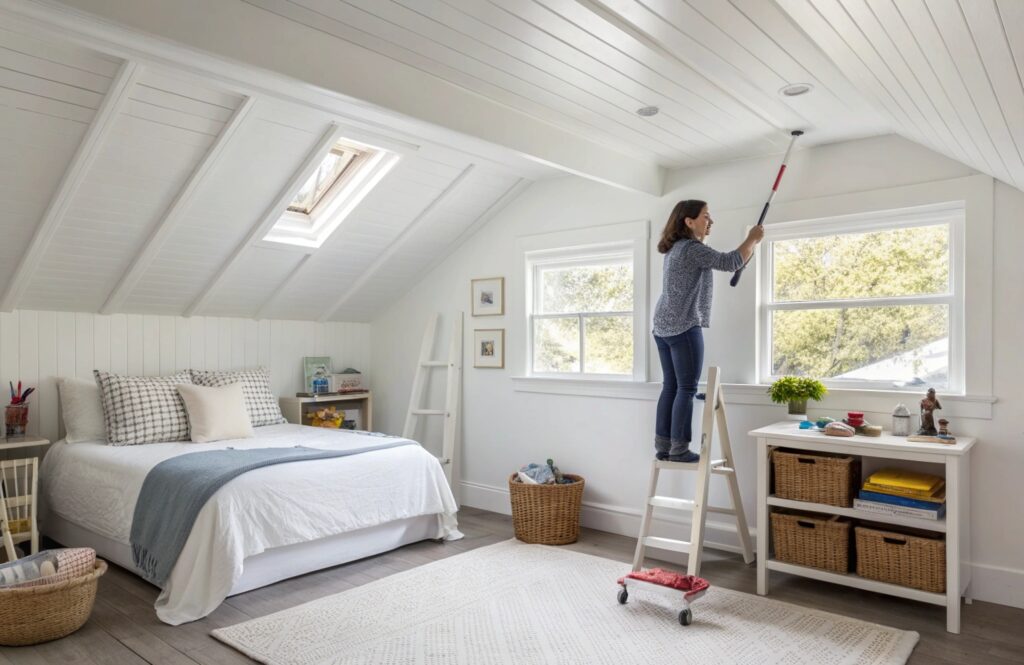
Maintenance Tips for Small Bedroom Ceilings Vallari Shah Writer & Blogger Maintaining the ceiling of a small bedroom may seem like a minor part of home care, but it plays a major role in how clean, bright, and spacious your room feels. A well-maintained ceiling helps enhance lighting, prevents mould, eliminates stains, and keeps the entire room looking fresh. In small bedrooms, where every visual detail is magnified, ceiling upkeep becomes even more important. Dust, cracks, water spots, and fading are more noticeable in tight spaces, so proper care ensures longevity and aesthetics. This comprehensive guide walks you through how to care for your ceiling, prevent damage, handle cleaning safely, and recognize early warning signs—so your small bedroom remains healthy, beautiful, and well-maintained year-round. Understanding Why Ceiling Maintenance Matters in Small Bedrooms Small bedrooms rely heavily on visual openness. The ceiling acts as the largest uninterrupted surface in the room, which means any stain, crack, or discoloration quickly draws attention. A neglected ceiling can make the space feel cramped or aged, while a clean and smooth one brightens the entire room. Beyond appearance, proper ceiling maintenance prevents more serious issues such as moisture damage, mould growth, sagging panels, or peeling paint. Addressing small signs early can save you costly repairs later, especially when ceilings are made of materials like gypsum, POP, or PVC, which react differently to humidity, cleaning products, and structural stress. A proactive ceiling-care routine can easily extend the life of your ceiling by many years, reduce remodeling costs, and keep your bedroom comfortable and visually pleasing. Regular Cleaning for Dust-Free, Healthy Ceilings One of the simplest yet most powerful ways to maintain your small bedroom ceiling is regular cleaning. Dust tends to accumulate faster in enclosed spaces, and when it settles on the ceiling, it not only dulls the finish but also contributes to respiratory discomfort. A weekly or biweekly cleaning routine helps keep the surface fresh. Start with a long-handle microfiber duster to gently sweep away loose dirt. For deeper cleaning, use a soft cloth slightly dampened with warm water. Gypsum and POP ceilings should be cleaned with minimal moisture to avoid surface damage, while PVC and wooden ceilings can handle a mild soap solution if needed. Avoid abrasive scrubbers or strong chemicals—these can strip paint, scratch the surface, or discolor the material. Proper tools such as extendable dusters, soft cloths, and brush-ended vacuum attachments make ceiling cleaning safe and hassle-free. With consistent care, your ceiling will maintain its brightness and reflect light better, making your room appear more open and comfortable. Removing Stains and Marks Before They Spread Stains are common in ceilings, especially in small bedrooms where ventilation may be limited. Water marks, smoke discoloration, insect trails, or dust rings can quickly turn into large, noticeable patches. The first rule of stain removal is addressing the root cause. A water stain, for example, requires fixing the leak before cleaning or repainting. Once the source is resolved, gently clean the stain with a mild solution. For stubborn marks, a ceiling-safe stain remover or diluted vinegar mixture often works well. If the stain persists, applying a stain-blocking primer followed by a light coat of matching paint is the best long-term solution. This prevents the discoloration from bleeding through and keeps the ceiling finish even. Small stains are easiest to fix when they’re fresh, so regular inspection helps you catch them early before they require bigger repairs. Preventing Moisture Damage in Small Bedrooms Moisture is the leading cause of ceiling problems, especially in compact bedrooms near bathrooms or with poor ventilation. A small amount of dampness is all it takes for mould to begin spreading, often unnoticed until it becomes a major issue. Inspect your ceiling regularly for small patches of discoloration or damp rings. Even tiny spots are signs that moisture is entering the ceiling material. Check for potential causes such as roof leakage, plumbing issues, faulty AC drainage, or condensation buildup. Improving airflow is one of the best preventive measures. Opening windows daily, using exhaust fans, or running a dehumidifier helps regulate humidity. Water-resistant paints and primers also offer extra protection for bedrooms prone to moisture. By addressing moisture issues early, you not only prevent staining and mould but also extend the structural integrity of your ceiling panels. Monitoring for Cracks, Sagging, and Structural Issues Ceiling cracks are not always serious, but they should never be ignored. Hairline cracks often appear due to natural settling or temperature changes and are easy to repair with basic filler. However, large cracks or sagging panels may indicate deeper issues such as water infiltration or structural movement. Inspect your ceiling every few months for signs like spreading cracks, bulging areas, or gaps near the edges. If the ceiling feels soft to the touch or appears uneven, it’s best to call a professional. Fixing cracks early is far cheaper than repairing a collapsed panel or replacing an entire ceiling section. A small-bedroom environment makes cracks more visible, so keeping an eye on them is essential to maintaining the room’s aesthetics and safety. To explore costs and installation in depth, browse our comprehensive ceiling buyer’s guide. Protecting the Ceiling Paint and Finish Over time, ceiling paint naturally loses its brightness due to dust, heat from lighting fixtures, and exposure to humidity. Repainting is one of the simplest ways to rejuvenate a ceiling and enhance light reflection in small rooms. Matte or satin finishes work best because they minimize glare while hiding imperfections. A fresh coat of high-quality, low-VOC paint not only brightens the room but also helps protect the ceiling material underneath. Regular touch-ups—especially around corners, near vents, or around lighting—help prevent peeling or patchy surfaces. Avoid rough scrubbing or chemical-based cleaners between painting cycles to preserve the finish longer. Preventing and Managing Mould Growth Mould is one of the most damaging problems for a ceiling, particularly in small bedrooms where airflow may be restricted. Mould patches can grow quickly, leaving black or green marks and causing musty smells and
Ceiling Renovation Budget Planning for Small Bedrooms (Full Expert Guide)
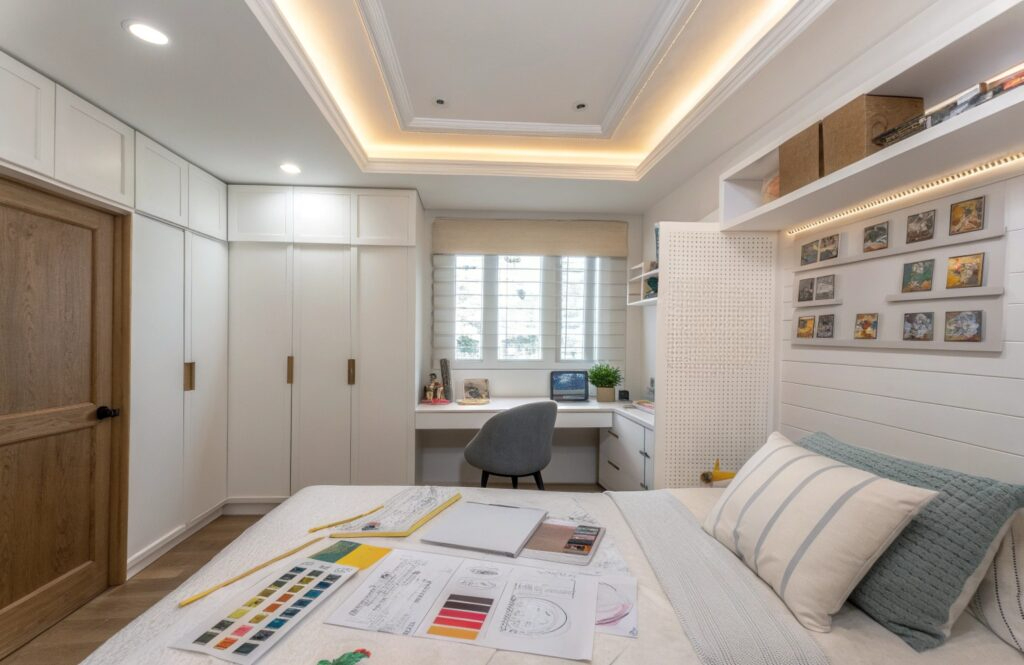
Ceiling Renovation Budget Planning for Small Bedrooms (Full Expert Guide) Vallari Shah Writer & Blogger Renovating the ceiling of a small bedroom is one of the smartest ways to improve the room’s brightness, comfort, insulation, and visual appeal. Yet most homeowners underestimate the cost, planning requirements, and hidden elements that influence a ceiling renovation budget. A well-planned ceiling budget prevents overspending, helps you choose the right material, avoids contractor-related surprises, and ensures your renovation stays on track. Whether you’re preparing for a full false ceiling installation, upgrading lighting, replacing an old ceiling, or simply refreshing the look, this guide walks you through everything—from cost calculations and material comparisons to contractor selection, budgeting strategies, and real-world examples. 1. Understanding the Average Ceiling Renovation Cost for Small Bedrooms Cost is the foundation of every renovation plan, and ceiling work is no exception. Before calculating your personal budget, you need to understand how ceiling pricing generally works. Most ceiling renovation costs are determined by material type, labour, design complexity, and room size. For a typical small bedroom (80–140 sq. ft.), prices can vary widely depending on whether you want a simple surface refresh or a complete false ceiling installation. Material Cost Breakdown Here’s how costs roughly distribute across popular ceiling materials: Gypsum false ceilings: Usually a mid-range option, gypsum offers a smooth finish, durability, and clean lines. Expect moderate material + labour costs. POP (Plaster of Paris): Lightweight, flexible, and great for design-heavy ceilings, but installation requires skilled labour and more time, increasing total cost. PVC ceilings: Among the most budget-friendly options. Lightweight, waterproof, and quick to install, making them ideal for low-cost renovations. Wooden ceilings: The most expensive due to both material and installation labour. Offers a premium look but may not fit tight budgets. While materials contribute a significant portion of your budget, labour often forms the second-largest expense. Labour Cost Breakdown Labour charges vary based on: City or region Skill level of workers Ceiling design complexity Additional electrical work For example, a simple PVC ceiling installation requires less time and effort than a designer gypsum ceiling with layered lighting. Labour may range significantly depending on how complex the ceiling design is. Regional Price Differences One major factor most homeowners overlook is location-based pricing. Cities and metro regions often have higher labour rates and material markups compared to suburban areas. Even within cities, contractors in premium neighbourhoods may charge more. Thus, when planning your budget, always compare at least three regional quotations to understand baseline pricing in your area. 2. Step-by-Step Budget Planning for Your Ceiling Renovation A smart renovation begins with structured planning. Here’s how to break it down: Step 1: Measure Your Room Properly Accurate ceiling measurements prevent overbuying materials or underestimating installation time. Measure the room’s length and width to calculate square footage. Add 5–10% extra for cutting wastage. For example: 10 ft x 12 ft = 120 sq. ft. ceiling area. Your material requirements will be based on this number. Step 2: Estimate Material Costs Once you know your ceiling area, multiply it by the average cost of your chosen ceiling type. This gives you a quick ballpark figure for materials. A simple PVC ceiling may stay within a tight budget, while a gypsum ceiling with cove lighting will cost more. If your ceiling needs structural reinforcement or levelling, factor that in too. Step 3: Decide Which Upgrades You Want Not all ceiling components are essential. Categorize each item as: Must-have (basic ceiling, primer, wiring) Good-to-have (recessed lights, trims) Luxury (wood panels, layered design, premium LED features) This helps you prioritize your budget and decide where to allocate or reduce costs. Step 4: Get Contractor Quotes Collect detailed quotes that include: Material quantity and type Labour cost Electrical and lighting cost Estimated timeframe Additional charges Never accept vague estimates. Ask for itemized pricing to ensure your budget is based on transparent calculations. Step 5: Create a Final Renovation Budget Sum up all estimated costs: Material Labour Lighting Signage (if needed) Waste removal Contingency This becomes your final projected renovation cost. Major Cost Components to Include in Your Budget Every ceiling renovation, no matter how simple, relies on several cost components. Understanding them helps you avoid financial surprises. Material Costs Ceiling boards, framing, screws, putty, and finishing materials form the core cost. The thickness and quality of the board matter more than the overall design. Premium materials increase durability but may stretch your budget. Labour Costs Skilled labour can make or break your renovation. Experienced professionals ensure your ceiling is installed perfectly, which reduces future maintenance. Installation time can vary: Simple PVC ceiling: Fast Gypsum ceiling: Medium POP ceiling: Slow Designer ceilings: Slowest and most expensive Budget accordingly. Electrical Costs Many homeowners underestimate this category. If your ceiling design includes: Recessed lights LED strips Cove lighting Backlit panels Wiring replacements Electrical costs can add significantly to your total budget. Always ask your contractor whether they include lighting installation in their estimate. Finishing & Painting Even a simple false ceiling needs finishing work—priming, smoothing, sanding, and painting. Textured finishes cost more than smooth ones. Ceiling paint adds brightness and contributes to the overall aesthetic, so do not skip or undervalue this step. Waste Removal & Disposal Renovation produces debris, old ceiling board pieces, broken plaster, and packaging waste. Contractors may charge extra for removing old ceiling materials or disposing of construction debris. Looking for a step-by-step overview? Head to our full ceiling buyer’s guide for small bedrooms. 4. Hidden Costs You Should Consider Renovation projects often involve unexpected expenses. Knowing them helps you create a more resilient budget. Old Ceiling Removal If your ceiling is damaged, cracked, or water-stained, removal charges may apply. This cost varies depending on the age and condition of the ceiling. Underlying Repairs Sometimes contractors discover issues such as: Water leakage Electrical wiring problems Cracks in the original surface Uneven slabs Dampness or structural issues These repairs add both time and cost to your project and cannot be ignored. Design Modifications If you change
Ceiling Lighting Cost Guide for Small Bedrooms
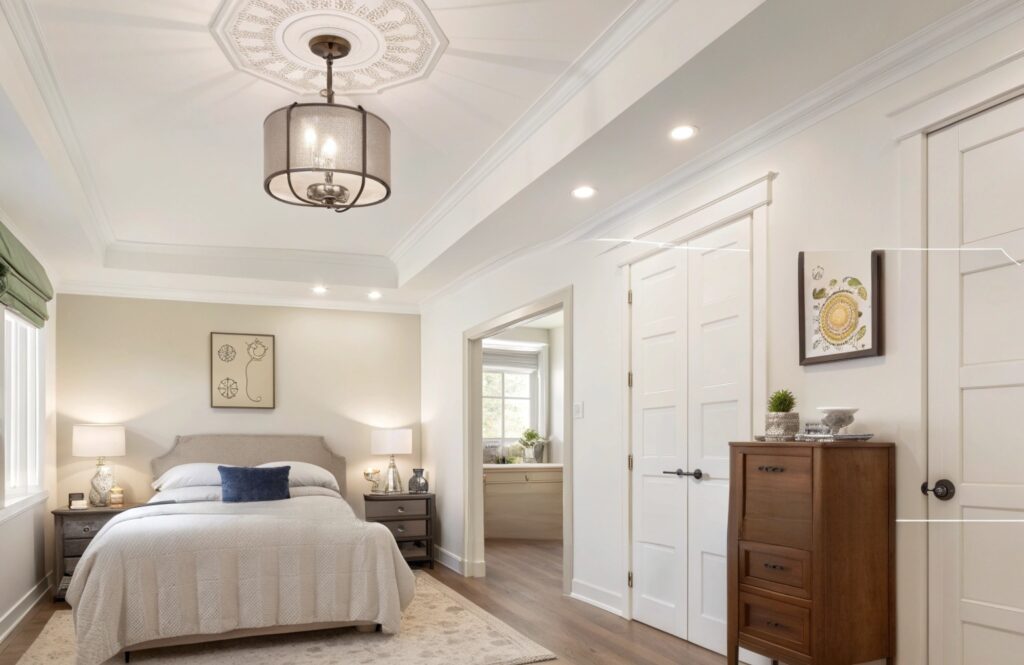
Ceiling Lighting Cost Guide for Small Bedrooms Vallari Shah Writer & Blogger Designing the lighting for a small bedroom seems simple—until you start comparing fixture types, installation charges, wiring requirements, and the impact of your ceiling height. Ceiling lighting is not just about illumination; it shapes how large, warm, and comfortable your room feels. And because small bedrooms have limited space, choosing the wrong lighting setup can quickly lead to a cramped, shadow-filled, or overly bright environment. This comprehensive ceiling lighting cost guide breaks down everything you need to know—fixture pricing, installation charges, wiring costs, design recommendations, and budget options—so you can confidently plan your small bedroom lighting without overspending. Understanding Ceiling Lighting Costs for Small Bedrooms Before diving into fixtures and styles, it’s essential to understand how lighting costs are calculated. The price you pay depends on multiple factors, and knowing them helps you make informed, realistic decisions. Factors That Influence Ceiling Lighting Cost Ceiling lighting cost isn’t determined by just the fixture itself. Several elements come together—each affecting the final total. 1. Type of Fixture Different fixtures have different price ranges. A simple flush mount may cost far less than a designer chandelier or LED profile lighting. 2. Installation Complexity Cutting holes in a false ceiling, adding new wiring, or integrating dimmers—these all affect installation cost. 3. Wiring Requirements If your bedroom lacks wiring for multiple fixtures or recessed lights, adding new wiring increases cost. 4. Ceiling Type False ceilings make recessed lights easier but cost more to prepare. Exposed ceilings require surface wiring, which is cheaper but less aesthetic. 5. Light Quantity & Layout A single flush mount costs less than four recessed lights plus LED strips. 6. Labour & Electrician Charges Rates vary by location, experience, and complexity of the job. Understanding these factors helps you plan more accurately—and avoid unnecessary expenses. Average Ceiling Lighting Cost Breakdown While prices vary by region, an average small bedroom (100–150 sq. ft.) typically requires: ₹800–₹2,500 for basic fixtures ₹1,000–₹5,000 for mid-range decorative lights ₹5,000–₹15,000+ for premium or smart fixtures ₹150–₹450 per light for installation ₹500–₹2,000 for wiring and switch upgrades Total typical cost range: 👉 ₹2,500 – ₹25,000+ depending on style & complexity Now let’s explore each fixture type in detail. Common Ceiling Lighting Types & Their Costs Every fixture offers different aesthetics, brightness levels, and installation requirements. Here’s a detailed breakdown. Flush & Semi-Flush Mount Ceiling Lights Flush mount fixtures are among the simplest and most cost-effective choices for small bedrooms. They sit close to the ceiling, saving precious space and distributing light evenly. Cost Breakdown Fixture Price: ₹600 – ₹3,500 Installation: ₹150 – ₹350 Total: ₹750 – ₹3,850 Why They Work Well They’re great for low ceilings, require almost no extra wiring, and provide soft, even lighting without overwhelming the room. When to Avoid If you want layered lighting or strong ambience control, flush mounts alone may feel too basic. Recessed Lights (Downlights) for Small Bedrooms Recessed lighting is one of the most popular choices for modern bedrooms, especially when using a false ceiling. They offer a clean, minimal look while creating visual depth. Cost Breakdown Per Light: ₹250 – ₹1,200 Installation per light: ₹150 – ₹350 Driver/Transformer (if needed): ₹150 – ₹300 Typical Bedroom Requirement A 100 sq. ft. room may need 4–6 recessed lights for balanced brightness. Total Estimate Approx. ₹2,000 – ₹7,000 depending on quantity and quality. Why They Work Well Save headspace Provide modern, uniform lighting Great for small rooms needing brightness Downside Requires a false ceiling, which adds cost. Want more clarity on ceiling expenses and planning? Read our complete small-bedroom ceiling guide. LED Strip Lighting & Cove Lights LED strips tucked inside ceiling coves provide soft, diffused lighting perfect for ambience. They complement recessed lighting beautifully. Cost Breakdown LED strip cost: ₹150 – ₹400 per meter Driver/adapter: ₹300 – ₹800 Cove construction (false ceiling): Additional cost Installation: ₹200 – ₹600 Total for Small Bedroom ₹1,200 – ₹3,500 depending on length & design. Why They Work Well Make rooms feel larger Add premium ambience Great for low or compact spaces When to Avoid If you don’t want to invest in a false ceiling or want a strictly budget setup. Pendant & Decorative Lights Pendant lights bring style and personality to a room. They can be functional or purely decorative depending on design. Cost Breakdown Fixture: ₹1,000 – ₹10,000 Installation: ₹200 – ₹450 Total: ₹1,200 – ₹10,450 Where They Work Best Above side tables or in corners—not in the center for very small rooms, as they take up visual space. Tip Choose minimalist shapes for small bedrooms. Smart Ceiling Lights & LED Panels Smart lights allow control via app, remote, or voice assistants. LED panels offer excellent brightness for compact rooms. Cost Breakdown Smart Ceiling Light: ₹2,000 – ₹10,000+ LED Panel Lights: ₹1,000 – ₹3,000 Installation: ₹200 – ₹450 Why They Work Well Perfect for adjustable mood lighting Give a premium, modern look Downside Higher upfront cost. Installation Costs Explained in Detail Beyond the fixture itself, installation plays a huge role in total cost. Electrician Charges for Ceiling Lighting Most electricians charge based on fixture complexity: Basic Fixtures (Flush, Pendant) ₹150 – ₹350 per fixture Recessed & LED Cove Lights ₹200 – ₹450 per light Requires cutting false ceiling + precise fitting Smart Lights / Larger Fixtures ₹300 – ₹600 per fixture If new wiring is needed, expect additional charges. Wiring, Switches & Electrical Costs New wiring or switchboard changes may be required for: Adding multiple lights Installing dimmers Adding LED strips Smart lighting integration Cost Estimate Wiring: ₹40 – ₹80 per foot Switchboard changes: ₹300 – ₹1,200 Dimmers: ₹250 – ₹1,000 Total wiring cost varies:₹500 – ₹2,000+ False Ceiling Lighting Installation Costs If your bedroom has a false ceiling, installation becomes simpler for recessed lights but may cost more initially. Additional False Ceiling Costs Cutting holes for downlights Creating extra cavity space LED cove formation Typical Add-On Cost ₹500 – ₹2,000 depending on complexity. How to Budget Your Small Bedroom