
Budget Interior Design Hacks That Look Expensive
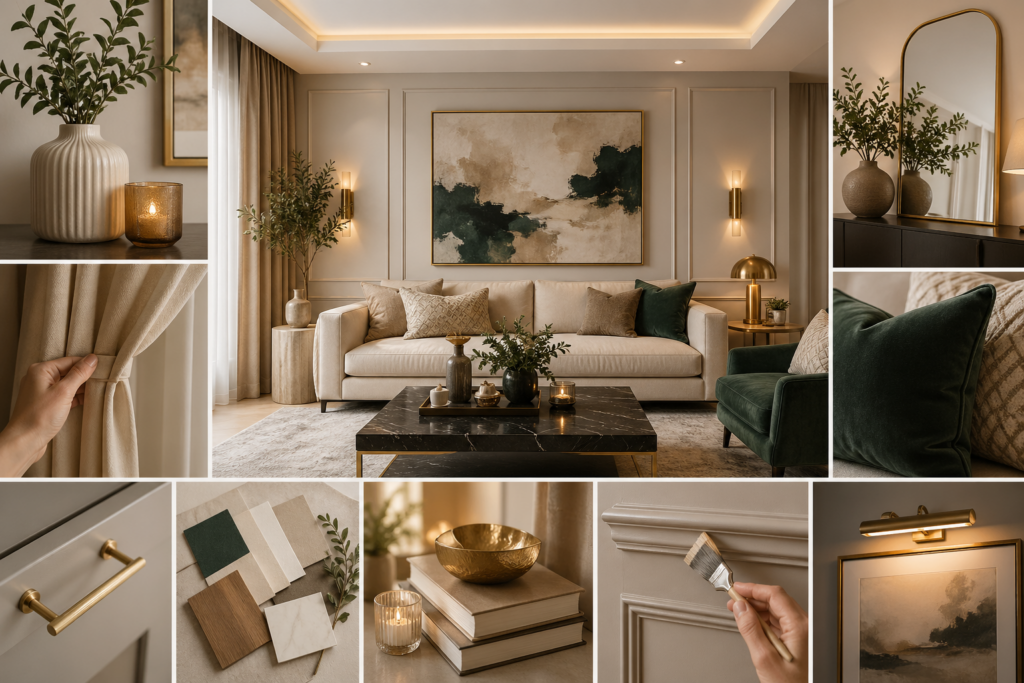
Budget Interior Design Hacks That Look Expensive avinnyyaadmin Principal Designer Creating a luxurious home is often associated with high costs, designer furniture, and premium materials. However, the truth is that a well-designed space is not defined by how much money you spend, but by how intelligently you design it. Today, homeowners are increasingly embracing the concept of “affordable luxury,” where thoughtful planning, clever styling, and strategic upgrades can make even budget interiors look high-end. The secret lies in understanding design principles and applying them creatively. From choosing the right colors to optimizing lighting and accessorizing smartly, there are countless ways to elevate your home without draining your wallet. Whether you live in a compact apartment or a spacious house, these budget interior design hacks can transform your space into something that looks polished, elegant, and expensive. Understanding the Concept of Affordable Luxury What Makes a Space Look Expensive? A luxurious interior is not about filling a room with costly items; it’s about creating harmony and balance. One of the key elements is proportion and symmetry. When furniture and décor are arranged thoughtfully, the space naturally feels more refined. A cohesive color palette also plays a major role, as it ties the entire room together and eliminates visual clutter. Another important factor is prioritizing quality over quantity. Instead of overcrowding your space with multiple decorative items, choosing a few impactful pieces creates a cleaner and more sophisticated look. This approach ensures that every element in the room contributes to the overall aesthetic rather than competing for attention. The Psychology of Visual Luxury Luxury is often perceived rather than measured. The human eye is naturally drawn to organized, well-lit, and uncluttered spaces. Minimalism, when done correctly, creates a sense of calm and elegance that instantly elevates a room. Lighting and textures further enhance this perception. Soft lighting adds warmth, while layered textures—such as combining fabrics, wood, and metal—add depth. When these elements work together, even simple interiors can feel rich and inviting. Smart Color Choices That Elevate Your Space Neutral Color Palettes for a Sophisticated Look Neutral colors are the foundation of most luxury interiors. Shades like white, beige, grey, and soft browns create a timeless and elegant backdrop. These tones reflect light well, making rooms appear larger and brighter. A monochromatic scheme, where different shades of the same color are used, can add subtle depth without overwhelming the space. This technique is widely used in high-end interiors because it creates a seamless and cohesive look. Accent Colors Done Right While neutrals form the base, accent colors add personality. Deep hues like navy blue, emerald green, or charcoal can instantly make a space feel more premium when used sparingly. The key is balance—too many bold colors can make a room look chaotic instead of elegant. Incorporating accents through cushions, artwork, or small décor items allows you to experiment without committing to expensive changes. Paint Hacks That Save Money Painting is one of the most cost-effective ways to transform a room. Instead of repainting the entire space, consider creating a feature wall to draw attention. Techniques like stenciling, textured finishes, or geometric patterns can add visual interest at a fraction of the cost of wallpaper or paneling. Lighting Hacks That Instantly Add Luxury Layered Lighting Techniques Lighting is often underestimated, yet it is one of the most powerful tools in interior design. A single overhead light rarely does justice to a room. Instead, combining ambient, task, and accent lighting creates depth and dimension. Ambient lighting provides general illumination, task lighting focuses on specific activities, and accent lighting highlights architectural features or décor. Together, they create a well-balanced and inviting atmosphere. Affordable Statement Lighting Ideas You don’t need a designer chandelier to make a statement. Budget-friendly pendant lights or creatively designed lamps can serve as focal points. Even upgrading lampshades or using warm-toned bulbs can dramatically improve the look and feel of a space. Maximizing Natural Light Natural light is a free yet highly valuable design element. Using sheer curtains instead of heavy drapes allows sunlight to flow in, making the room feel airy and spacious. Placing mirrors strategically opposite windows helps reflect light and brighten the entire space. Furniture Placement and Styling Tricks Declutter for a High-End Look Clutter is one of the biggest obstacles to achieving a luxurious look. Removing unnecessary items creates breathing space and allows the room’s design elements to shine. A clean and organized environment immediately feels more upscale. Rearranging Existing Furniture Sometimes, the solution is not buying new furniture but rearranging what you already have. Positioning furniture around a focal point, such as a TV unit or a coffee table, creates structure and flow. Symmetry, such as matching chairs or lamps on either side, adds a sense of order and elegance. Mixing High and Low Pieces A smart way to achieve a premium look on a budget is to mix expensive-looking statement pieces with affordable items. Investing in one standout element, like a stylish sofa or coffee table, and pairing it with simpler pieces creates a balanced and curated appearance. Upgrade Your Walls Without Overspending Gallery Walls That Look Designer-Made A well-designed gallery wall can instantly elevate a room. Using frames of similar styles or colors creates consistency, while carefully planning the layout ensures a polished look. Personal photos, art prints, or abstract designs can all be used to create a visually appealing display. DIY Wall Panels and Molding Wall paneling is often associated with luxury interiors, but it doesn’t have to be expensive. Materials like MDF or PVC can be used to create decorative panels at a low cost. Painted in neutral tones, these panels can mimic the look of high-end interiors. Use of Mirrors to Expand Space Mirrors are a designer’s secret weapon. Large mirrors not only act as décor elements but also make rooms appear bigger and brighter. Choosing frames with metallic or minimal finishes enhances their visual appeal. Soft Furnishings That Make a Big Impact Cushions and Throws Layering cushions and throws is
How to Create Privacy in Open Layout Homes
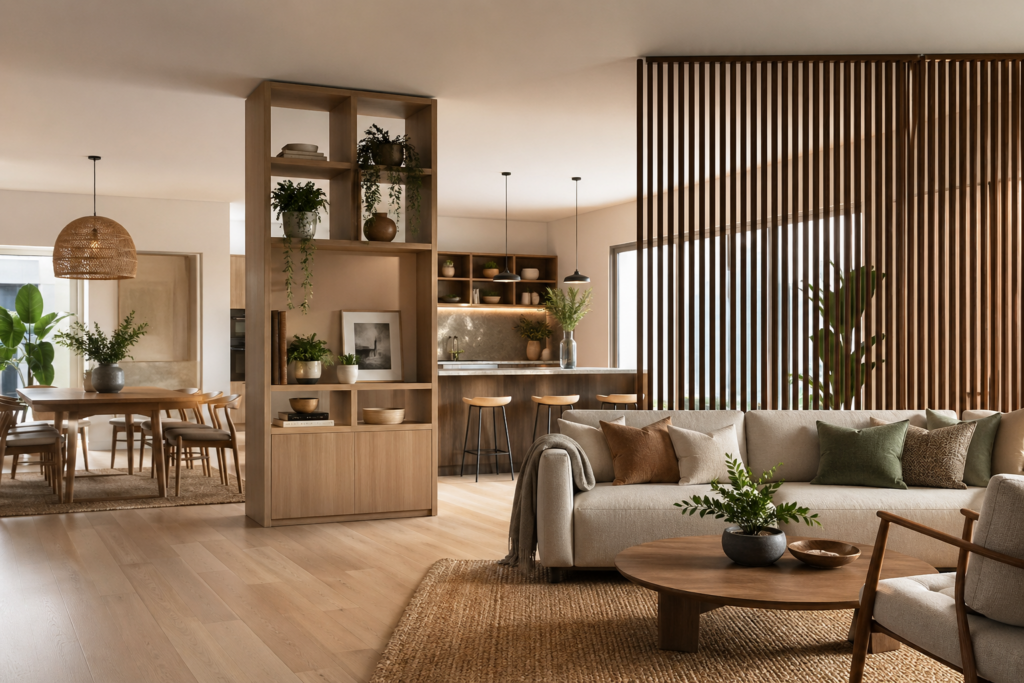
How to Create Privacy in Open Layout Homes avinnyyaadmin Principal Designer Open layout homes have become a defining feature of modern living, offering a seamless blend of style, space, and functionality. By removing walls and barriers, these layouts create an airy and expansive environment that enhances natural light and promotes better interaction among family members. However, while the openness is appealing, it often comes at the cost of privacy. Whether you are working from home, hosting guests, or simply seeking a quiet moment, the lack of defined spaces can become a challenge. Creating privacy in an open layout home does not mean compromising on its openness or aesthetic appeal. Instead, it involves thoughtful design strategies that balance functionality and comfort. With the right approach, you can enjoy both spaciousness and personal space. This blog explores practical and innovative ways to achieve privacy in open-plan homes while maintaining their modern charm. Understanding the Challenges of Open Layout Living Noise and Distractions One of the most common challenges in open layout homes is the unrestricted flow of sound. Without walls to contain noise, activities in one area can easily disrupt others. For instance, a television in the living room can interfere with someone working or studying nearby. This issue becomes more prominent in households where multiple activities happen simultaneously, especially with the rise of remote work. Lack of Defined Functional Zones Open layouts often blur the boundaries between living, dining, and working spaces. While this creates a cohesive look, it can make it difficult to distinguish between different functions. Without clear zones, spaces may feel disorganized or overwhelming, reducing overall comfort and usability. Limited Personal Space Privacy is essential for relaxation and productivity. In open homes, finding a quiet corner for personal time can be challenging. This lack of separation can impact both mental well-being and daily routines, making it important to introduce design elements that create a sense of enclosure without adding permanent walls. Smart Space Planning for Privacy Zoning Your Space Effectively Zoning is a fundamental concept in interior design that helps define different areas within an open layout. By using visual cues such as rugs, lighting, and furniture placement, you can create distinct zones without physical barriers. For example, a large rug can anchor a living area, while a pendant light can highlight a dining space. These subtle divisions help organize the layout and enhance privacy. Creating Functional Layouts A well-planned layout ensures that each area serves its purpose efficiently. Positioning furniture strategically can create natural separations. For instance, placing a sofa with its back facing the dining area can act as a divider, subtly separating the two spaces. The key is to maintain a balance between openness and privacy, ensuring smooth movement while providing enough separation for comfort. Use of Room Dividers and Partitions Sliding Doors and Glass Partitions Sliding doors and glass partitions are excellent solutions for creating privacy without blocking light. Frosted or textured glass can provide visual separation while still allowing natural light to flow through the space. These options are particularly useful for home offices or study areas, where both privacy and brightness are essential. Wooden Screens and Jaali Designs Wooden screens and jaali partitions bring a touch of elegance and cultural richness to interiors. These designs offer partial privacy while maintaining airflow and visual connectivity. They are especially suitable for Indian homes, where traditional elements can be seamlessly integrated into modern layouts. Folding Screens and Portable Dividers For those seeking flexibility, folding screens and portable dividers are practical choices. They can be easily moved or adjusted based on changing needs, making them ideal for rental homes or multifunctional spaces. These dividers also come in various designs, allowing you to enhance the décor while adding privacy. Furniture as a Privacy Tool Strategic Sofa Placement Furniture placement plays a crucial role in defining spaces. A strategically positioned sofa can act as a natural barrier, separating the living area from other zones. This approach maintains openness while subtly guiding movement and interaction within the space. Bookshelves and Open Shelving Units Bookshelves and open shelving units serve as both storage solutions and room dividers. They create a sense of separation without completely blocking visibility. Additionally, they offer an opportunity to display decorative items, adding personality to the space. Multi-functional Furniture In open layout homes, multi-functional furniture is a game-changer. Pieces such as foldable desks, storage benches, and extendable tables help maximize space while maintaining flexibility. These solutions allow you to adapt your home to different needs without compromising privacy. Using Curtains and Soft Dividers Ceiling-Mounted Curtains Curtains are a simple yet effective way to create temporary partitions. Ceiling-mounted curtains can be drawn to enclose a space when needed and opened to restore openness. This versatility makes them ideal for bedrooms, workspaces, or guest areas within open layouts. Fabric Panels for Temporary Separation Fabric panels add softness and texture to interiors while providing privacy. They are particularly useful in rental homes, where permanent changes may not be feasible. With a wide range of colors and patterns available, fabric panels can also enhance the overall aesthetic. Acoustic Solutions for Better Privacy Rugs, Carpets, and Upholstery Soft furnishings such as rugs, carpets, and upholstered furniture help absorb sound, reducing noise levels in open spaces. These elements not only improve acoustics but also add warmth and comfort to the home. Acoustic Panels and Wall Treatments For more effective noise control, acoustic panels and specialized wall treatments can be used. These solutions are designed to minimize sound transmission, making them ideal for home offices or entertainment areas. Modern designs ensure that functionality does not come at the expense of style. Incorporating Vertical Elements Indoor Plants and Green Walls Indoor plants and green walls act as natural dividers, creating a sense of separation while enhancing the ambiance. They improve air quality and bring a refreshing touch of nature into the home. Tall plants, in particular, can be used to define spaces without making them feel enclosed. Tall Cabinets and Storage Units Vertical
Dealing with Space Constraints in City Apartments
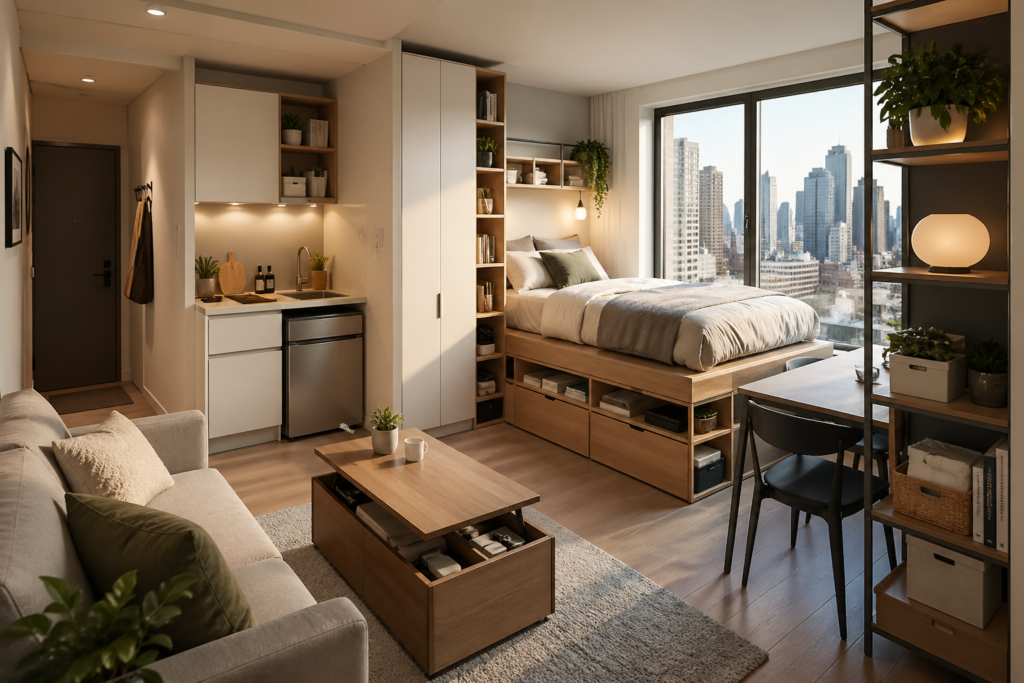
Dealing with Space Constraints in City Apartments avinnyyaadmin Principal Designer Urban living has become synonymous with compact spaces. As cities expand and populations grow, apartment sizes are shrinking, forcing homeowners to rethink how they use every square foot. The challenge of dealing with space constraints in city apartments is no longer just about fitting furniture into tight corners—it’s about creating a home that feels open, functional, and aesthetically pleasing despite limited dimensions. Modern interior design plays a crucial role in transforming small apartments into efficient living spaces. With thoughtful planning, innovative furniture, and smart use of light and color, even the most compact homes can feel spacious and inviting. This blog explores practical, expert-backed strategies to help you overcome space limitations and design a home that works seamlessly for your lifestyle. Understanding Space Constraints in Urban Living Why City Apartments Are Getting Smaller The trend of shrinking apartment sizes is driven by several factors. Rapid urbanization has increased demand for housing, pushing developers to create more units within limited land areas. High real estate prices also make smaller homes more affordable and accessible, especially for young professionals and nuclear families. Additionally, there is a growing shift toward minimalist living. Many homeowners are choosing smaller spaces intentionally, prioritizing location and convenience over size. However, this shift brings its own set of design challenges that must be addressed thoughtfully. Common Challenges Faced by Homeowners Living in a small apartment often means dealing with limited storage, cramped layouts, and a lack of flexibility in room usage. Many homeowners struggle with clutter, poor lighting, and the inability to create distinct zones for different activities. Another common issue is the need for multi-functional spaces. A living room may double as a workspace, and a bedroom might need to accommodate storage, relaxation, and productivity—all within a confined area. Without proper planning, these overlapping functions can make the space feel chaotic and uncomfortable. The Psychology of Small Spaces How Space Impacts Mood and Productivity The design of a space significantly affects how we feel and function within it. A cramped, cluttered apartment can lead to stress, reduced productivity, and a constant sense of discomfort. On the other hand, a well-organized and thoughtfully designed small space can feel cozy, calming, and highly efficient. Open layouts, natural light, and clean lines contribute to a sense of spaciousness, even in limited areas. The goal is not just to maximize space physically but also to create an environment that feels mentally expansive. Designing for Comfort and Functionality Achieving the right balance between comfort and functionality is key. While minimalism is often recommended for small spaces, it should not come at the cost of usability. A home should reflect your lifestyle, offering both practicality and warmth. Designing with intention—choosing furniture that serves multiple purposes, maintaining visual harmony, and avoiding unnecessary clutter—can make a significant difference in how a small apartment feels and functions. Smart Layout Planning for Small Apartments Open Floor Concepts One of the most effective ways to deal with space constraints is to adopt an open floor plan. By eliminating unnecessary walls, you can create a seamless flow between living, dining, and kitchen areas. This not only enhances visual space but also improves functionality. Open layouts allow natural light to travel freely, making the entire apartment feel larger and more connected. Zoning Techniques Even in an open layout, it’s important to define different areas for specific functions. Zoning can be achieved without physical barriers by using rugs, lighting, furniture placement, or subtle color variations. For instance, a rug can visually separate the living area from the dining space, while pendant lights can define a dining zone. These techniques help maintain organization without compromising openness. Furniture Placement Strategies Strategic furniture placement is essential in small apartments. Avoid pushing all furniture against the walls, as this can create awkward empty spaces in the center. Instead, arrange furniture to create natural pathways and functional groupings. Choosing appropriately sized furniture is equally important. Oversized pieces can overwhelm the space, while compact, well-proportioned furniture enhances usability and comfort. Multi-Functional Furniture: A Game Changer Convertible Furniture Ideas Multi-functional furniture is a cornerstone of small space design. Pieces like sofa-cum-beds, foldable dining tables, and wall-mounted desks allow a single area to serve multiple purposes. These solutions are particularly useful in studio apartments, where every square foot must be optimized. Storage-Integrated Furniture Furniture with built-in storage helps reduce clutter while maximizing utility. Beds with drawers, ottomans with hidden compartments, and modular wardrobes provide practical storage without occupying additional space. This approach ensures that storage is seamlessly integrated into the design rather than added as an afterthought. Custom Furniture Solutions Custom-designed furniture can be tailored to fit your exact space and needs. Unlike standard pieces, custom solutions make use of awkward corners, vertical areas, and unused gaps, ensuring no space is wasted. For homeowners seeking expert guidance, working with an interior design company in bangalore can help create personalized solutions that blend style with efficiency. Innovative Storage Solutions Vertical Storage Utilization When floor space is limited, vertical space becomes invaluable. Floor-to-ceiling cabinets, wall-mounted shelves, and hanging storage units make use of often-overlooked areas. Vertical storage not only increases capacity but also draws the eye upward, creating an illusion of height. Hidden Storage Ideas Hidden storage solutions keep the space looking clean and uncluttered. Storage under beds, behind mirrors, or within wall panels can be used to store items discreetly. These solutions are especially useful in maintaining a minimalist aesthetic while still meeting practical needs. Decluttering Techniques Decluttering is essential in small apartments. Adopting a “less is more” mindset helps eliminate unnecessary items and creates a more organized environment. Regularly assessing your belongings and keeping only what you truly need can significantly improve both space and functionality. Maximizing Natural Light and Ventilation Importance of Light in Small Spaces Natural light plays a crucial role in making small spaces feel larger and more inviting. Bright, well-lit rooms appear more open and airy, enhancing overall comfort. Design Tips to Enhance Light
How to Design a Home That Stays Cool in Summer
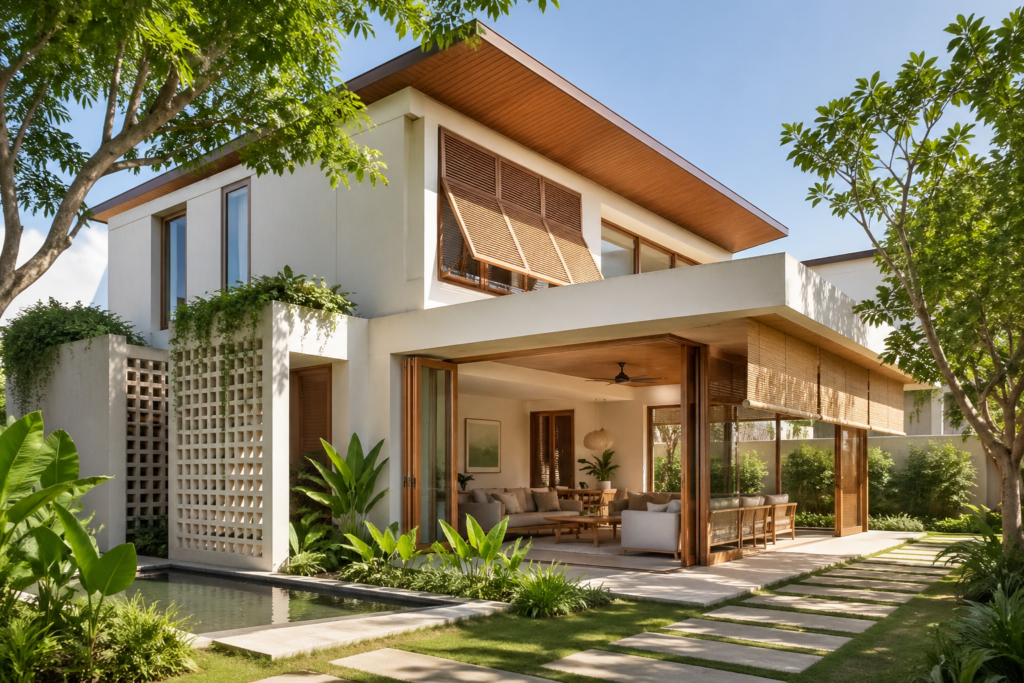
How to Design a Home That Stays Cool in Summer Vallari Shah Principal Designer Summer can be harsh, especially in regions where temperatures soar for months at a time. While air conditioners and coolers provide temporary relief, they also increase energy consumption and electricity bills. The real solution lies in designing a home that naturally stays cool, reducing dependence on artificial cooling systems. A well-designed home considers airflow, materials, colors, and layout to create a comfortable indoor environment even during peak summer heat. The good news is that you don’t need to rebuild your house or invest in major renovations to achieve this. With thoughtful design strategies and smart interior choices, you can significantly lower indoor temperatures and improve overall comfort. In this comprehensive guide, we will explore how to design a home that stays cool in summer using practical, effective, and budget-friendly methods. These insights will help you create a refreshing living space that feels naturally cooler and more energy-efficient. Understanding Why Homes Heat Up in Summer Before implementing solutions, it is essential to understand why homes become excessively hot during summer. Heat Gain Through Walls and Roofs Walls and roofs are the primary sources of heat absorption. Materials like concrete and brick absorb heat during the day and release it slowly at night, making interiors uncomfortable even after sunset. Poor Ventilation and Airflow Without proper ventilation, hot air gets trapped inside the house. This leads to stagnant indoor air, making rooms feel stuffy and warmer than they actually are. Inefficient Window Placement and Coverings Windows that face direct sunlight without proper shading allow heat to enter easily. Heavy or poorly chosen curtains can also trap heat instead of reflecting it. Smart Layout Planning for Natural Cooling The layout of your home plays a significant role in maintaining a cooler environment. Encourage Cross Ventilation Cross ventilation allows fresh air to flow through the house while pushing hot air out. Opening windows and doors on opposite sides creates a natural airflow that cools interiors effectively. Keep Pathways for Airflow Clear Furniture placement should not obstruct airflow. Bulky furniture placed near windows or in narrow pathways can block the movement of air, reducing ventilation efficiency. Use Open Layout Concepts Open layouts allow air to circulate freely between spaces, preventing heat from being trapped in enclosed areas. Choosing the Right Colors for a Cooler Home Color selection is more powerful than most people realize when it comes to temperature control. Light Colors Reflect Heat Light shades such as white, beige, and pastels reflect sunlight instead of absorbing it. Using these colors on walls, ceilings, and furnishings can significantly reduce heat retention. Avoid Dark and Heat-Absorbing Shades Dark colors absorb more heat, making rooms feel warmer. Limiting their use, especially on large surfaces, helps maintain a cooler indoor temperature. Summer-Friendly Materials for Interiors The materials used in your home can either trap heat or help dissipate it. Switch to Breathable Fabrics Cotton and linen are ideal for summer as they are lightweight and breathable. Replacing heavy fabrics like velvet with these options can instantly make your home feel cooler. Use Natural Materials Materials like bamboo, cane, and rattan stay cooler compared to synthetic alternatives. Incorporating them into furniture and decor enhances both comfort and aesthetics. Opt for Cool Flooring Solutions Stone, marble, and tile flooring remain cool underfoot and help regulate indoor temperatures better than carpets or wooden flooring. Window Treatments That Block Heat Windows are a major source of heat gain, but the right treatments can minimize this effect. Use Reflective or Blackout Curtains Blackout curtains and reflective blinds prevent heat from entering while maintaining indoor comfort. Install Sheer Curtains for Daytime Use Sheer curtains allow light to enter while diffusing harsh sunlight, reducing heat buildup. Add Bamboo Blinds or Shades Bamboo shades provide natural insulation and block direct sunlight effectively. Improve Ventilation Without Renovation Ventilation is key to keeping your home cool. Use Exhaust Fans Strategically Exhaust fans help remove hot air from kitchens and bathrooms, preventing heat from spreading to other areas. Keep Windows Open During Cooler Hours Opening windows early in the morning and late in the evening allows cooler air to circulate inside. Use Door Ventilation Techniques Keeping internal doors slightly open improves airflow throughout the house. Indoor Plants for Natural Cooling Plants are not just decorative—they can actively contribute to cooling your home. How Plants Reduce Heat Plants release moisture into the air through transpiration, which helps lower surrounding temperatures. Best Plants for Cooling Indoor plants like areca palm, snake plant, and aloe vera are known for their cooling and air-purifying properties. Placement Tips for Maximum Effect Placing plants near windows and in heat-prone areas enhances their cooling impact. Reduce Heat from Appliances and Lighting Appliances and lighting can significantly contribute to indoor heat. Limit Use of Heat-Generating Appliances Ovens, stoves, and certain electronics generate heat. Using them during cooler hours can help maintain a comfortable indoor temperature. Switch to LED Lighting LED lights emit less heat compared to traditional bulbs, making them a better choice for summer. Unplug Devices When Not in Use Even idle electronics generate heat. Turning them off reduces unnecessary heat buildup. Smart Cooling Additions for Modern Homes Technology can enhance your home’s cooling efficiency without major changes. Use Smart Thermostats Smart thermostats optimize cooling by adjusting temperatures based on usage patterns. Install Energy-Efficient Fans Ceiling and pedestal fans improve air circulation and make rooms feel cooler. Add Cooling Films to Windows Window films reduce heat penetration while maintaining natural light. Budget-Friendly DIY Cooling Hacks Simple DIY solutions can make a noticeable difference. Use Wet Curtains or Rugs Damp fabrics can cool the air as it passes through them. Place Ice in Front of Fans This creates a cooling effect similar to an air conditioner. Create Temporary Shade Outdoors Using shades or awnings outside windows reduces heat entering the house. Room-by-Room Cooling Strategies Each room requires a tailored approach to stay cool. Living Room Use light fabrics, proper ventilation, and layered cooling
Fixing Poor Lighting in Your Home Without Renovation
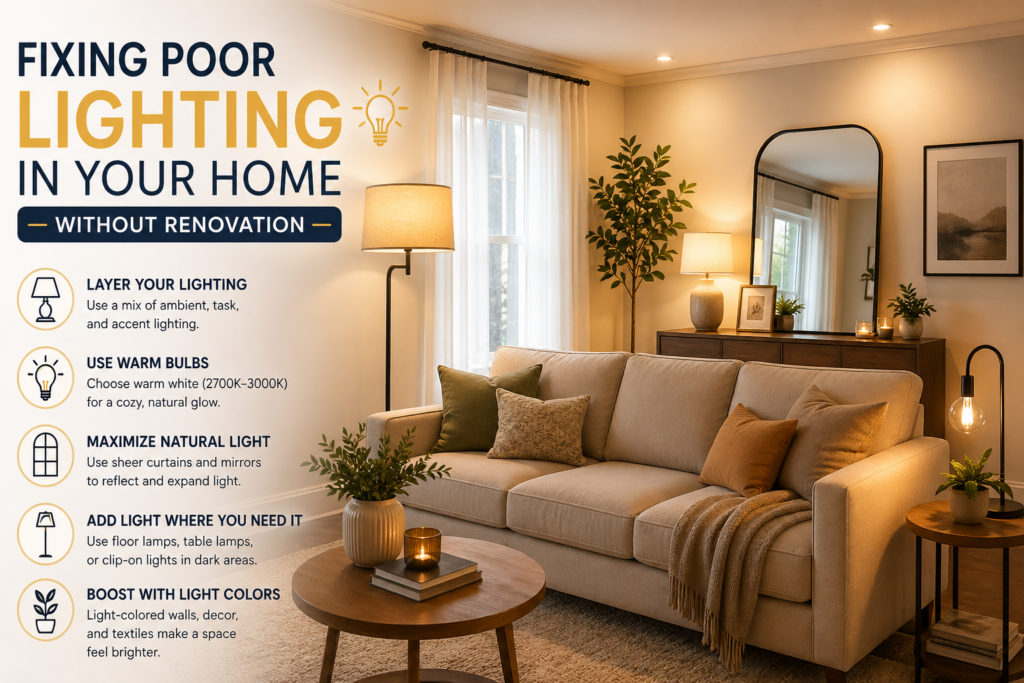
Fixing Poor Lighting in Your Home Without Renovation avinnyyaadmin Principal Designer Lighting plays a far more critical role in your home than most people realize. It influences not just how your space looks, but also how it feels and functions. A well-lit home feels spacious, welcoming, and vibrant, while poor lighting can make even a beautifully designed room appear dull, cramped, and uninspiring. Unfortunately, many homeowners assume that correcting bad lighting requires expensive renovations, rewiring, or structural changes. The truth is far simpler—and more encouraging. You can dramatically improve your home’s lighting using smart, non-invasive techniques that require little to no renovation. With the right strategies, you can transform dark corners, eliminate harsh shadows, and create a layered, balanced lighting scheme that enhances both aesthetics and functionality. In this comprehensive guide, we will walk you through practical, budget-friendly methods to fix poor lighting in your home without renovation. Whether you’re dealing with a dim living room, a shadowy kitchen, or a dull bedroom, these expert-backed tips will help you create a brighter, more inviting space effortlessly. Understanding the Problem – Why Your Home Feels Poorly Lit Before jumping into solutions, it’s important to understand why your home feels poorly lit in the first place. Identifying the root cause helps you choose the most effective fixes rather than applying random changes. Common Lighting Issues in Indian Homes Many homes, especially in urban settings, suffer from limited natural light due to closely spaced buildings or small windows. This often leads to a reliance on artificial lighting that is not always planned effectively. Another common issue is the use of a single central ceiling light, which creates uneven illumination and leaves corners in shadow. Dark wall colors and heavy furnishings can also absorb light instead of reflecting it, making rooms appear dimmer than they actually are. Additionally, outdated or incorrect bulb choices—such as low-lumen bulbs or mismatched color temperatures—can further worsen the lighting quality. Signs Your Lighting Needs Improvement If your room feels smaller than it actually is, or if you experience eye strain while reading or working, your lighting likely needs attention. Uneven brightness, harsh shadows, and overly yellow or overly blue tones are also indicators of poor lighting design. Kitchens and workspaces with shadowed countertops or bathrooms with unflattering mirror lighting are clear signs that your current setup isn’t working efficiently. Layered Lighting – The Secret to Well-Lit Spaces One of the most effective ways to fix poor lighting without renovation is by adopting a layered lighting approach. What is Layered Lighting? Layered lighting involves combining three types of lighting: ambient, task, and accent. Ambient lighting provides overall illumination, task lighting focuses on specific activities like reading or cooking, and accent lighting highlights decorative elements or architectural features. Together, they create a balanced and visually appealing environment. Why It Works Without Renovation The beauty of layered lighting is that it doesn’t require structural changes. You can achieve it using portable lighting fixtures such as floor lamps, table lamps, and plug-in wall lights. These solutions are flexible and can be rearranged as needed, making them ideal for renters and homeowners alike. Examples of Layered Lighting Setup In a living room, you can combine a ceiling light with a floor lamp in one corner and a table lamp near the sofa to create depth and warmth. In a bedroom, pairing soft ambient lighting with bedside lamps and subtle accent lighting can create a cozy and relaxing atmosphere. Upgrade Your Bulbs – Small Change, Big Impact Sometimes, the simplest changes make the biggest difference. Upgrading your bulbs is one of the easiest ways to improve lighting instantly. Choosing the Right Bulb Type LED bulbs are the most efficient and versatile option available today. They consume less energy, last longer, and come in a variety of brightness levels and color temperatures. Compared to CFLs and incandescent bulbs, LEDs offer better performance and flexibility. Understanding Color Temperature Color temperature significantly affects how a room feels. Warm white light (2700K–3000K) creates a cozy and inviting atmosphere, making it ideal for bedrooms and living rooms. Cool white (4000K) works well in kitchens and bathrooms, while daylight (5000K–6500K) is best for workspaces where clarity is important. Increase Brightness the Smart Way Instead of focusing on wattage, pay attention to lumens, which measure brightness. Higher lumens mean brighter light. Replacing low-lumen bulbs with higher-lumen ones can instantly brighten a room without adding more fixtures. Strategic Placement of Lamps and Lights Even the best lighting fixtures won’t be effective if they’re poorly placed. Strategic positioning can dramatically enhance your lighting setup. Floor Lamps for Dark Corners Floor lamps are perfect for illuminating neglected corners. By adding vertical light, they help balance the room and eliminate dark spots that make spaces feel smaller. Table Lamps for Cozy Ambience Table lamps add warmth and depth to a room. Placing them on side tables, consoles, or desks creates localized pools of light that enhance both functionality and aesthetics. Clip Lights and Plug-in Wall Lights For a no-drill solution, clip lights and plug-in wall lights are excellent options. They can be attached to shelves or mounted temporarily, providing targeted lighting without permanent installation. Use Mirrors to Amplify Light Mirrors are one of the most underrated tools in lighting design. How Mirrors Reflect and Multiply Light Mirrors reflect both natural and artificial light, effectively doubling the brightness in a room. This simple trick can make even the darkest spaces feel more open and airy. Best Mirror Placement Ideas Placing a mirror opposite a window allows it to reflect natural light throughout the room. Similarly, positioning mirrors behind light sources can enhance their effect and create a brighter ambiance. Lighten Up Your Interiors Without Construction Your choice of materials and colors plays a crucial role in how light behaves in your home. Use Light-Colored Furnishings Light-colored sofas, curtains, and rugs reflect light, making the space feel brighter and more spacious. Switching from dark to neutral tones can significantly improve the overall lighting effect. Reflective Surfaces and
How to Make a Small Room Look Bigger Instantly | Expert Tips by Avinnyya
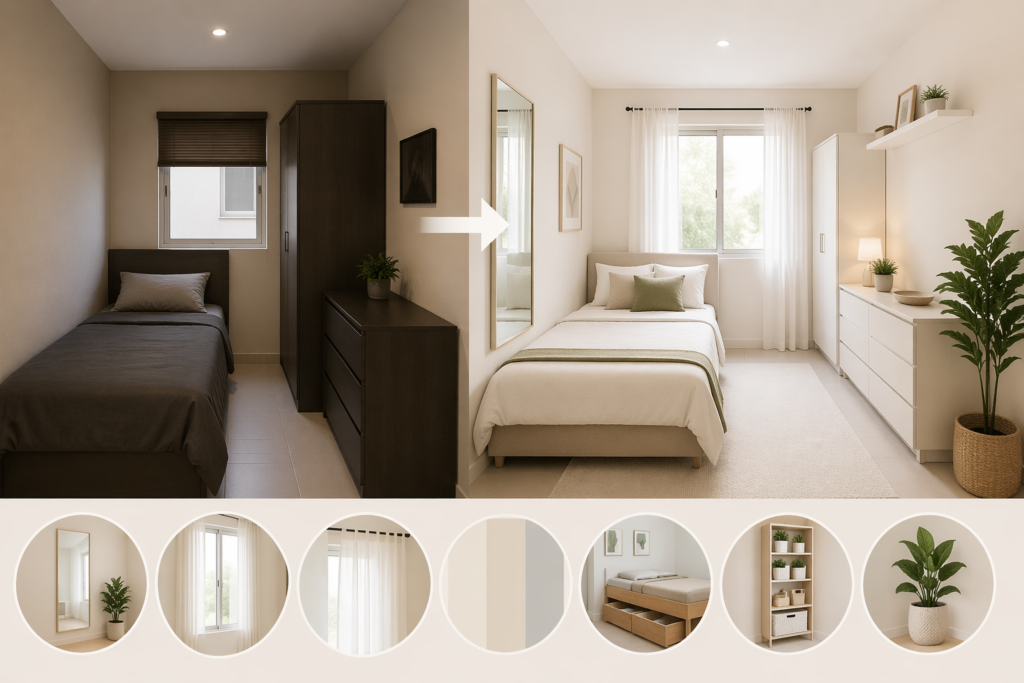
How to Make a Small Room Look Bigger Instantly avinnyyaadmin Principal Designer Living in a compact home or apartment often brings a common challenge—limited space that feels even smaller due to poor design choices. Whether it’s a bedroom, living room, or workspace, a cramped area can affect both comfort and functionality. The good news is that you don’t need a major renovation to transform your interiors. With the right interior design strategies, you can instantly make a small room look bigger, brighter, and more inviting. At Avinnyya, we specialize in turning compact spaces into elegant, functional environments. This guide explores practical, expert-approved techniques that enhance spatial perception and maximize every inch of your room without compromising on aesthetics. Understanding the Psychology of Space in Interior Design Creating the illusion of space is not just about physical dimensions; it is deeply rooted in how the human eye perceives surroundings. Interior design plays with visual cues to manipulate space perception, making rooms feel larger than they actually are. Why Small Rooms Feel Smaller Than They Are Small rooms often feel more confined due to visual clutter, poor lighting, and disproportionate furniture. When too many objects occupy a space, the eye struggles to find a focal point, resulting in a sense of chaos and tightness. Even if the room has adequate square footage, clutter and poor arrangement can make it feel restrictive and uncomfortable. The Science Behind Spacious Interiors Spacious interiors rely on principles like balance, proportion, and light reflection. Light colors tend to recede visually, making walls appear farther apart. Proper lighting eliminates shadows that can shrink a room’s perceived size. Strategic placement of furniture and décor creates flow, allowing the eye to move freely across the space, enhancing the feeling of openness. Declutter First: The Foundation of Spacious Design Before implementing any design tricks, decluttering is the most essential step in making a room appear larger. No design solution can compensate for a cluttered environment. The Minimalist Approach Adopting a minimalist mindset helps eliminate unnecessary items and retain only what is functional or meaningful. A clean, organized space automatically feels larger and more breathable. Minimalism does not mean sacrificing style; instead, it focuses on intentional design choices that add value without overwhelming the room. Smart Storage Solutions Efficient storage is key to maintaining a clutter-free environment. Furniture with hidden storage, such as beds with drawers or ottomans with compartments, helps reduce visible clutter. Vertical storage solutions like wall-mounted shelves and tall cabinets utilize unused wall space, freeing up the floor area and making the room appear more spacious. Choose the Right Color Palette Color plays a powerful role in shaping how we perceive space. The right palette can instantly open up a room and create a sense of airiness. Best Colors to Make a Room Look Bigger Light shades such as white, beige, soft greys, and pastels reflect more light, making the room feel brighter and more expansive. A monochromatic color scheme, where different shades of the same color are used, creates visual continuity and prevents abrupt breaks that can make a space feel smaller. Accent Colors Without Shrinking Space While light colors dominate small spaces, accent colors can still be used effectively. The key is moderation. A single accent wall or subtle pops of color through cushions and décor can add personality without overwhelming the room. Avoid using too many contrasting shades, as they can visually divide the space. Use Mirrors to Create an Illusion of Space Mirrors are one of the most effective tools in interior design for making a room look bigger instantly. They reflect both natural and artificial light, amplifying brightness and depth. Strategic Mirror Placement Placing a large mirror opposite a window allows it to reflect natural light throughout the room, instantly brightening the space. Mirrors can also be positioned along narrow walls to create the illusion of width, making the room feel more open. Mirror Styles for Modern Homes Frameless mirrors offer a sleek and seamless look, blending effortlessly into modern interiors. Decorative mirrors, when used thoughtfully, can act as statement pieces while still enhancing the perception of space. Optimize Lighting for a Bigger Feel Lighting is a crucial element that directly impacts how spacious a room feels. A well-lit room appears open and welcoming, while poor lighting can make even large spaces feel confined. Natural Light Maximization Maximizing natural light is one of the simplest ways to make a room look bigger instantly. Avoid heavy curtains that block sunlight; instead, opt for sheer fabrics that allow light to flow freely. Keeping windows clean and unobstructed further enhances brightness. Artificial Lighting Techniques Layered lighting creates depth and dimension. Combining ambient lighting with task and accent lighting eliminates dark corners and adds visual interest. Wall-mounted lights and recessed lighting are excellent choices for small rooms, as they save floor space and maintain a clean look. Smart Furniture Choices for Small Rooms Furniture selection can either enhance or limit the perceived size of a room. Choosing the right pieces is essential for maximizing space. Multi-Functional Furniture Multi-purpose furniture is a game-changer for small spaces. Sofa beds, foldable tables, and extendable dining units serve multiple functions while saving space. These pieces allow flexibility and adaptability, especially in compact homes. Scale and Proportion Oversized furniture can overwhelm a small room, making it feel cramped. Instead, opt for appropriately scaled pieces that fit comfortably within the space. Low-height furniture creates a sense of openness by exposing more wall area, which visually expands the room. Vertical Space is Your Best Friend When floor space is limited, utilizing vertical space becomes essential. Floor-to-Ceiling Design Elements Installing shelves, cabinets, or curtains that extend from floor to ceiling draws the eye upward, creating the illusion of height. This technique makes the room feel taller and more spacious. Drawing the Eye Upward Vertical patterns, such as striped wallpapers or tall décor elements, emphasize height. This visual trick shifts attention away from limited floor space and enhances the perception of a larger room. Keep It
Texture Play in Interiors: Fabrics, Finishes & Materials
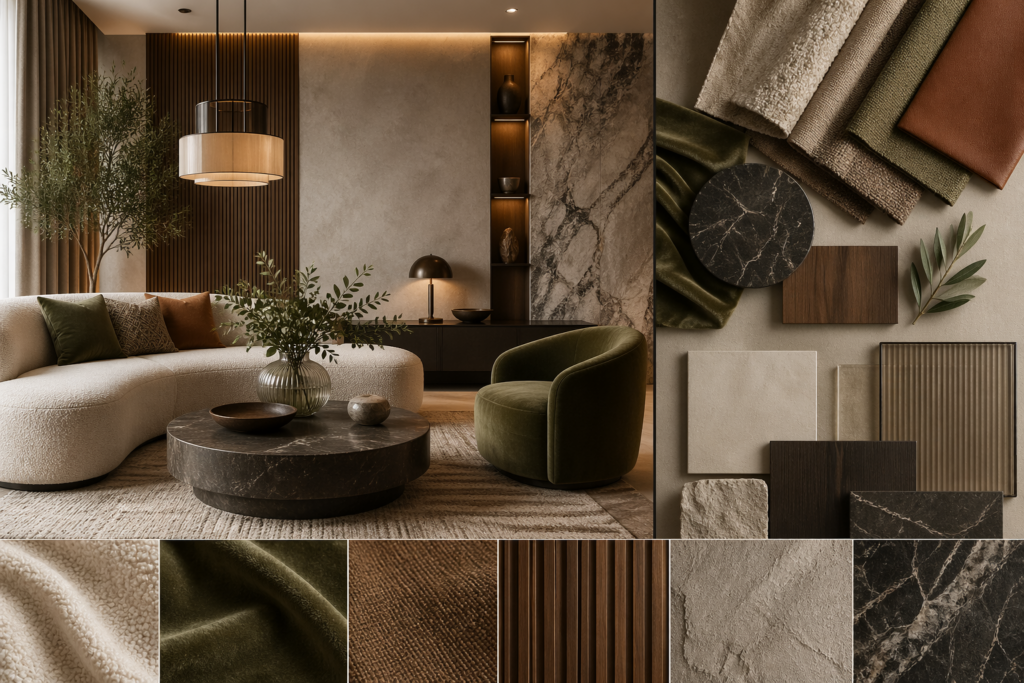
Texture Play in Interiors: Fabrics, Finishes & Materials avinnyyaadmin Principal Designer Interior design is no longer just about choosing the right colors or furniture—it’s about creating an immersive experience. One of the most powerful yet often overlooked elements that defines a space is texture. From the softness of a velvet sofa to the rugged charm of exposed brick, texture adds personality, depth, and emotion to interiors. Texture play in interiors involves a thoughtful combination of fabrics, finishes, and materials that transform flat, lifeless rooms into dynamic, inviting environments. In today’s design landscape, especially in modern and luxury homes, textures play a crucial role in storytelling. Whether you’re designing a cozy bedroom or a sophisticated living room, mastering texture is what elevates a space from ordinary to extraordinary. Introduction to Texture in Interior Design Texture in interior design refers to the surface quality of materials—how they look and feel. It can be broadly categorized into visual texture, which is perceived by the eye, and tactile texture, which is experienced through touch. For example, a wallpaper with a brick pattern creates visual texture, while an actual exposed brick wall delivers tactile texture. Understanding texture is essential because it directly impacts how a space is perceived. Smooth, glossy surfaces tend to reflect light and make spaces feel sleek and modern, while rough, matte textures absorb light and create warmth and intimacy. Designers often use a mix of both to strike a perfect balance. At Avinnyya, texture is treated as a foundational design element rather than an afterthought. By layering different materials and finishes, spaces are crafted to feel rich, balanced, and deeply engaging. Why Texture Matters in Modern Interiors Creating Depth and Dimension Without texture, interiors can feel flat and uninspiring, even if the color palette is well chosen. Texture introduces layers that create visual depth, making a room more dynamic. For instance, pairing a smooth marble floor with a textured rug instantly adds contrast and dimension. This layering technique ensures that the eye keeps moving, making the space feel alive. Enhancing Sensory Experience Interior design is not just visual—it’s sensory. Texture appeals to touch and emotion, influencing how people feel in a space. Soft fabrics like chenille or velvet evoke comfort and luxury, while raw materials like stone or concrete bring a sense of authenticity and grounding. These sensory cues can significantly enhance the overall living experience. Balancing Minimalism and Warmth Minimalist interiors often risk feeling cold or sterile. Texture becomes the key to adding warmth without cluttering the space. A neutral room with layered textures—like a wool rug, linen curtains, and a wooden coffee table—can feel cozy and inviting without compromising simplicity. Types of Textures in Interior Design Visual Texture Visual texture is created through patterns, prints, and surface treatments that mimic real textures. Wallpapers, laminates, and printed tiles are common examples. These are especially useful when you want the look of a material without its maintenance or cost. Tactile Texture Tactile texture refers to the physical feel of a surface. Materials like wood, stone, metal, and fabric fall into this category. These textures are crucial for creating authenticity and richness in interiors, as they engage both sight and touch. Natural vs Artificial Textures Natural textures, such as wood grains, marble veins, and linen fabrics, bring organic beauty and uniqueness. Artificial textures, on the other hand, offer consistency and durability. A well-designed space often blends both, using natural materials for focal points and engineered finishes for practicality. Fabric Textures: Soft Furnishing That Defines Comfort Fabrics play a vital role in defining the comfort and mood of a space. They are the easiest way to introduce texture and can be updated seasonally or stylistically. Upholstery Fabrics Upholstery is often the centerpiece of a room. Velvet adds a sense of luxury and depth, making it ideal for statement sofas or accent chairs. Linen offers a relaxed, breathable feel, perfect for casual and contemporary interiors. Leather, with its smooth and durable surface, brings sophistication and longevity. Curtains & Drapery Curtains are more than functional—they frame the room. Sheer fabrics allow light to filter through, creating an airy feel, while heavier drapes add drama and insulation. Layering sheer and opaque curtains enhances both functionality and visual appeal. Rugs and Carpets Rugs anchor a space and define zones, especially in open layouts. A plush shaggy rug adds warmth and comfort, while a flatweave rug offers a clean and modern look. The texture of the rug can dramatically influence the room’s overall feel. Cushions & Throws Cushions and throws are small elements with a big impact. Mixing different fabrics—such as silk, cotton, and wool—creates a layered, inviting look. They also allow for easy updates, making them perfect for seasonal styling. Surface Finishes: The Backbone of Interior Texture Surface finishes form the structural layer of texture in interiors. They set the tone for the entire design. Wall Finishes Walls offer a large canvas for texture experimentation. Matte paints provide a subtle, sophisticated look, while glossy finishes reflect light and add drama. Textured paints, wallpapers, and wall cladding—such as wood panels or stone veneers—introduce depth and character. Flooring Materials Flooring is one of the most tactile elements in a space. Marble flooring exudes luxury, wooden floors add warmth, and tiles offer versatility. Combining flooring with rugs enhances texture and comfort. Ceiling Treatments Often overlooked, ceilings can significantly impact a room’s texture profile. False ceilings with layered designs, wooden beams, or textured panels add architectural interest and elevate the overall design. Material Play: Combining Elements for Visual Harmony Wood Wood is timeless and versatile. Whether polished for a sleek look or left distressed for a rustic feel, it adds warmth and natural beauty to interiors. Metal Metals like brass, gold, chrome, and matte black introduce contrast and shine. They are best used as accents—lighting fixtures, handles, or décor elements—to avoid overpowering the space. Glass Glass adds lightness and transparency. Frosted or tinted glass can provide privacy while maintaining an open feel, making it ideal for partitions and décor. Stone
Mixing Modern and Vintage Elements in Your Home: A Complete Design Guide
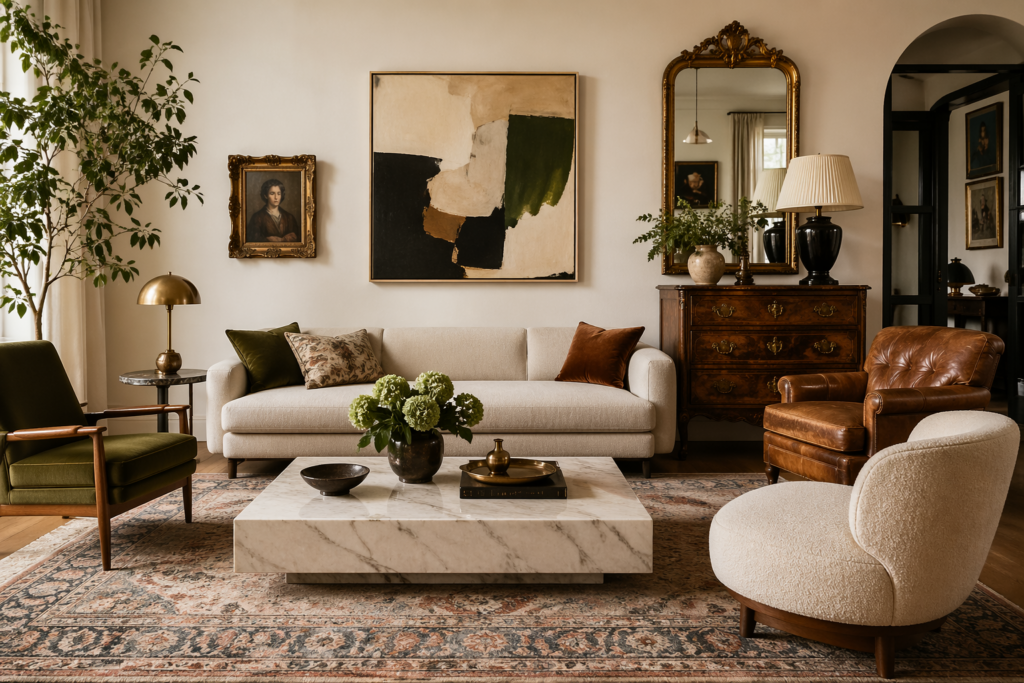
Mixing Modern and Vintage Elements in Your Home: A Complete Design Guide avinnyyaadmin Principal Designer In today’s evolving world of interiors, homeowners are increasingly moving away from rigid design styles and embracing more personalized, layered aesthetics. One of the most captivating trends is mixing modern and vintage elements in your home—a design approach that blends sleek contemporary appeal with the warmth and character of the past. This fusion not only creates visually stunning spaces but also tells a story, reflecting individuality and timeless elegance. Modern design, with its clean lines and minimalistic philosophy, offers functionality and simplicity, while vintage elements introduce charm, history, and craftsmanship. When combined thoughtfully, these two styles can transform any space into a harmonious blend of sophistication and nostalgia. At Avinnyya, the focus is on crafting such balanced interiors that feel both fresh and rooted, ensuring every home stands out with its own identity. Understanding Modern and Vintage Design Styles What Defines Modern Interior Design Modern interior design is rooted in the principle of “less is more.” It emphasizes simplicity, functionality, and clean aesthetics. Spaces designed in a modern style often feature neutral color palettes such as whites, greys, and blacks, complemented by sleek furniture with sharp lines and smooth finishes. Materials like glass, steel, and polished wood dominate modern interiors, creating an uncluttered and airy feel. Furniture pieces are typically low-profile and designed with purpose, avoiding unnecessary ornamentation. The focus is on maximizing space and light, making modern design especially popular in urban homes and apartments. What Defines Vintage Interior Design Vintage design, on the other hand, celebrates the beauty of the past. It includes furniture, décor, and elements that are at least a few decades old or inspired by earlier eras. Unlike modern design, vintage interiors are rich in detail, featuring intricate carvings, curved forms, and decorative finishes. Warm tones, distressed textures, and materials such as solid wood, brass, and antique fabrics give vintage spaces their distinct personality. Each piece often carries a story, making the space feel more lived-in and emotionally connected. Whether it’s a carved wooden cabinet or a retro armchair, vintage elements add depth and authenticity. Why Mix Modern and Vintage Styles? Creating a Unique Personal Aesthetic Blending modern and vintage styles allows homeowners to break free from monotonous design templates. Instead of following a single style, you can curate a space that reflects your personality. A modern sofa paired with a vintage coffee table, for instance, instantly creates a unique visual identity. Adding Depth and Character Modern interiors can sometimes feel too sterile, while vintage spaces may appear overly heavy. Combining the two brings balance. The contrast between sleek modern finishes and ornate vintage details creates visual interest and layers, making the space feel dynamic and engaging. Sustainable and Budget-Friendly Design Incorporating vintage elements is also a sustainable choice. Repurposing old furniture reduces waste and promotes eco-friendly living. Additionally, sourcing vintage pieces can often be more affordable than investing in high-end modern furniture, especially when restored creatively. Core Principles for Mixing Modern and Vintage Elements Balance is Key The success of this design approach lies in achieving balance. A common rule is to follow a 70-30 or 60-40 ratio, where one style dominates while the other complements. For instance, a predominantly modern room can be enhanced with a few standout vintage pieces, ensuring the space doesn’t feel overwhelming. Maintain a Cohesive Color Palette A unified color palette helps tie different styles together. Neutral tones often serve as a perfect base, allowing both modern and vintage elements to coexist seamlessly. You can then introduce accent colors through décor, textiles, or statement furniture pieces. Focus on Focal Points Every room should have a focal point that draws attention. In a mixed-style interior, this could be a vintage chandelier in a modern dining room or an antique console in a minimalist hallway. Highlighting one key element prevents visual clutter and gives the space a clear design direction. Consistency in Materials and Textures Mixing materials like wood, metal, glass, and fabric creates harmony between styles. For example, pairing a rustic wooden table with modern metal chairs bridges the gap between vintage and contemporary aesthetics. Room-by-Room Guide to Mixing Styles Living Room Design The living room is the perfect space to experiment with mixed styles. A modern sectional sofa can be paired with a vintage coffee table or an antique trunk. Adding vintage décor items such as framed artwork or brass accents enhances the overall aesthetic. Layered lighting, combining modern fixtures with vintage lamps, creates a warm and inviting ambiance. Bedroom Design In the bedroom, a vintage bed frame can serve as a stunning centerpiece, complemented by modern bedding and lighting. Soft furnishings like rugs and curtains can blend both styles, adding comfort and cohesion. The goal is to create a restful space that feels both elegant and contemporary. Kitchen Design Kitchens can beautifully merge modern functionality with vintage charm. Sleek cabinets and appliances can be paired with vintage handles, open shelving, or retro-inspired tiles. Displaying antique crockery or using reclaimed wood adds character without compromising efficiency. Dining Room Design A modern dining table surrounded by vintage chairs creates a striking contrast. Statement lighting, such as a chandelier or pendant light, can act as a bridge between the two styles. Adding a textured rug or vintage artwork further enhances the space. Home Office Design A vintage desk combined with a modern ergonomic chair offers both style and comfort. Incorporating old bookshelves or decorative items alongside contemporary storage solutions creates a workspace that feels inspiring and functional. Furniture Selection Tips Choosing Statement Vintage Pieces When selecting vintage furniture, focus on quality and craftsmanship. Look for pieces with unique details, solid construction, and timeless appeal. Authentic antiques or well-crafted replicas can become conversation starters in your home. Selecting Complementary Modern Furniture Modern furniture should complement, not compete with, vintage elements. Opt for simple, understated designs that allow vintage pieces to shine. Avoid overly trendy items that may quickly go out of style. Mixing Without Cluttering One
Interior Design Trends Inspired by Nature
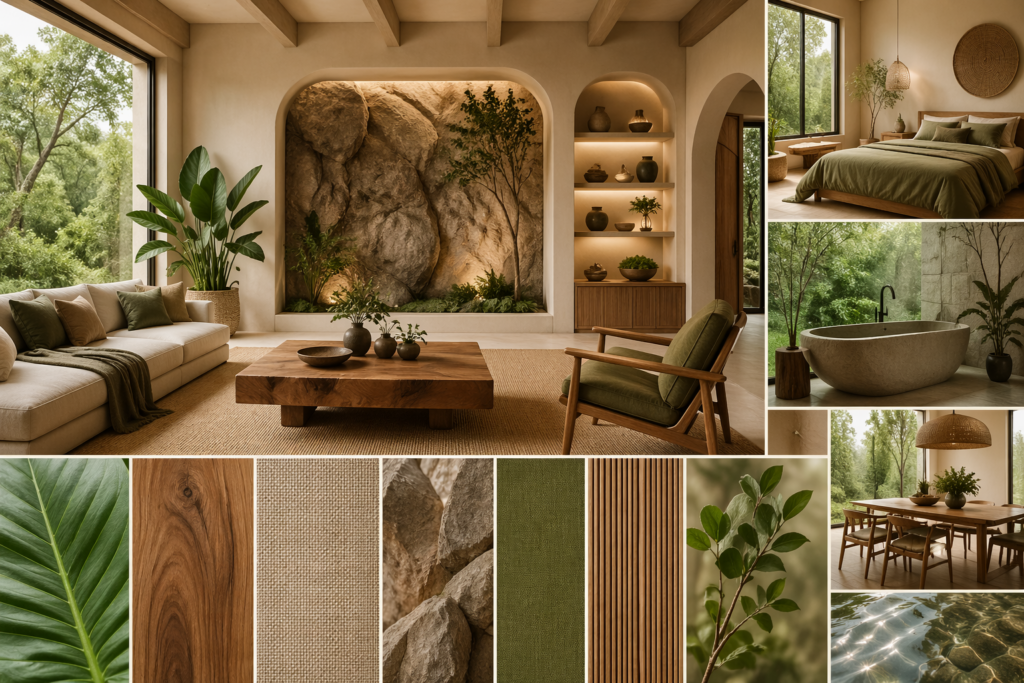
Interior Design Trends Inspired by Nature avinnyyaadmin Principal Designer In today’s fast-paced urban lifestyle, people are increasingly seeking ways to reconnect with nature—even within the confines of their homes. The modern interior design landscape has responded to this shift with a powerful movement toward nature-inspired living spaces. These designs go beyond aesthetics; they create environments that promote relaxation, wellness, and a deeper connection to the natural world. The growing popularity of nature-inspired interiors is closely tied to lifestyle changes that emphasize mental well-being, sustainability, and mindful living. Homes are no longer just places to live—they are sanctuaries where people recharge, work, and spend quality time with loved ones. By incorporating elements like natural light, organic materials, and greenery, interior spaces can evoke the calm and serenity of the outdoors. This blog explores the most influential interior design trends inspired by nature and provides actionable insights on how to integrate them into your home effectively. What is Nature-Inspired Interior Design? Nature-inspired interior design is a concept that focuses on bringing elements of the natural world into indoor spaces. It is rooted in the philosophy of creating harmony between humans and their environment by incorporating organic textures, natural materials, and soothing color palettes. At the core of this approach lies biophilic design, a principle that emphasizes the innate human connection with nature. This concept encourages the integration of natural light, plants, water features, and raw materials into interior spaces to enhance both physical and psychological well-being. This design style is not about copying nature but rather interpreting it in a way that feels authentic and functional. For instance, a wooden dining table, stone-textured walls, or large windows that allow sunlight to flood the room all contribute to a nature-inspired aesthetic. The goal is to create spaces that feel grounded, calming, and rejuvenating. Why Nature-Inspired Interiors Are Trending Urban Lifestyle and the Need for Calm Spaces As cities continue to grow, access to green spaces is becoming limited. This has led homeowners to recreate natural environments indoors. Nature-inspired interiors act as a retreat from the chaos of urban life, offering a sense of peace and balance. The inclusion of plants, natural textures, and soft lighting helps reduce stress and creates a more inviting atmosphere. Focus on Wellness and Sustainability Modern homeowners are becoming more conscious of how their living environments impact their health. Materials that are eco-friendly, non-toxic, and sustainable are now preferred over synthetic alternatives. Nature-inspired design aligns perfectly with this mindset by promoting cleaner air, natural lighting, and environmentally responsible choices. Influence of Global Design Movements Global design philosophies such as Scandinavian minimalism and Japanese Zen aesthetics have significantly influenced nature-inspired interiors. These styles emphasize simplicity, functionality, and a deep respect for natural materials. Concepts like “less is more” and “beauty in imperfection” encourage homeowners to embrace authenticity and simplicity in their spaces. Top Nature-Inspired Interior Design Trends Biophilic Design Biophilic design is one of the most prominent trends in modern interiors. It involves incorporating natural elements such as plants, water, and sunlight into living spaces. Indoor gardens, vertical green walls, and potted plants are becoming common features in homes. Natural ventilation and large windows are also essential components of this trend. They not only improve air quality but also create a seamless connection between indoor and outdoor environments. The presence of greenery has been proven to boost mood, increase productivity, and reduce stress levels. Earthy and Organic Color Palettes Color plays a crucial role in setting the tone of a space. Nature-inspired interiors often feature earthy tones such as terracotta, olive green, sandy beige, and warm browns. These colors evoke a sense of grounding and tranquility. Neutral palettes serve as a base, while subtle accents add depth and interest. For example, a beige living room can be enhanced with green cushions or wooden décor elements. The key is to maintain balance and avoid overly vibrant or artificial colors. Use of Natural Materials Natural materials are at the heart of nature-inspired design. Wood, stone, bamboo, and rattan are widely used to create a warm and organic feel. Solid wood furniture adds durability and character, while stone surfaces bring texture and sophistication. Materials like jute, cotton, and linen are commonly used in upholstery and décor. These materials are not only sustainable but also contribute to a tactile and cozy environment. Incorporating reclaimed or recycled materials further enhances the eco-friendly aspect of the design. Indoor Plants and Green Decor Indoor plants are one of the simplest and most effective ways to bring nature into your home. From small succulents to large indoor trees, plants add life and vibrancy to any space. They can be styled in various ways, such as hanging planters, wall-mounted pots, or dedicated plant corners. In addition to their aesthetic appeal, many plants also improve air quality by filtering toxins and increasing oxygen levels. Natural Light Optimization Natural light is a fundamental element of nature-inspired interiors. Maximizing daylight not only reduces energy consumption but also enhances the overall ambiance of a space. Large windows, glass doors, and skylights are commonly used to allow sunlight to flow freely. Sheer curtains help diffuse light while maintaining privacy. Reflective surfaces such as mirrors can also be used strategically to amplify natural light. Water Elements in Interiors Water features like indoor fountains and aquariums are gaining popularity for their calming effect. The sound of flowing water creates a soothing atmosphere and adds a unique sensory experience to the space. These elements can be incorporated into living rooms, entryways, or even balconies. However, proper placement and maintenance are essential to ensure they complement the overall design. Textures Inspired by Nature Texture is a key aspect of creating depth and interest in interior design. Nature-inspired spaces often feature layered textures such as woven rugs, wooden finishes, and stone surfaces. Combining different textures—like a soft wool rug with a wooden coffee table—creates a balanced and inviting environment. These tactile elements make the space feel more comfortable and lived-in. Sustainable and Eco-Friendly Design Sustainability is no longer
Multi-Functional Furniture Ideas for Small Spaces
Multi-Functional Furniture Ideas for Small Spaces avinnyyaadmin Principal Designer Urban living is evolving rapidly, and with it comes a significant shift toward compact homes and apartments. Whether you live in a studio apartment or a small 2BHK, the challenge remains the same—how to make the most of limited space without compromising on comfort or aesthetics. This is where multi-functional furniture becomes a game-changer. It allows homeowners to maximize utility while maintaining a stylish and clutter-free environment. Multi-functional furniture is not just a trend; it is a necessity for modern living. With thoughtful design and innovative engineering, a single piece of furniture can serve multiple purposes, reducing the need for excess items and creating more breathing room within your home. In this comprehensive guide, we will explore the best multi-functional furniture ideas for small spaces, along with practical tips to help you design a home that is both functional and visually appealing. Why Multi-Functional Furniture is Essential for Small Homes Space Optimization One of the biggest advantages of multi-functional furniture is its ability to optimize space. In small homes, every square foot counts, and traditional furniture often occupies more room than necessary. Multi-functional pieces are designed to combine two or more uses into one, helping you save valuable space. For instance, a sofa that converts into a bed eliminates the need for a separate guest bed, while a dining table that folds into the wall frees up floor space when not in use. This intelligent use of space ensures that your home feels open and spacious rather than cramped and cluttered. Cost-Effective Solutions Investing in multi-functional furniture can also be a cost-effective decision in the long run. Instead of purchasing multiple pieces of furniture for different purposes, you can invest in a single unit that serves multiple functions. This not only reduces upfront costs but also minimizes maintenance and replacement expenses over time. Additionally, fewer furniture items mean less clutter, which contributes to a cleaner and more organized home environment. It’s a smart investment that pays off both financially and practically. Aesthetic Appeal A clutter-free home is inherently more attractive, and multi-functional furniture plays a crucial role in achieving this look. These pieces are often designed with minimalism in mind, featuring sleek lines, neutral tones, and modern finishes. By reducing the number of furniture items in a room, you can create a more cohesive and visually appealing space. Multi-functional furniture allows you to strike the perfect balance between functionality and style, ensuring that your home looks as good as it feels. Key Features to Look for in Multi-Functional Furniture Flexibility and Adaptability When choosing multi-functional furniture, flexibility should be a top priority. Look for pieces that can easily adapt to different needs and situations. Foldable tables, extendable beds, and modular seating arrangements are excellent examples of adaptable furniture. These designs allow you to reconfigure your space based on your daily activities, whether you’re working, relaxing, or entertaining guests. The more flexible the furniture, the more value it adds to your home. Storage Integration Storage is often a major concern in small homes, and multi-functional furniture addresses this issue effectively. Many designs come with built-in storage compartments, allowing you to store items discreetly without taking up additional space. Beds with drawers, ottomans with hidden storage, and coffee tables with shelves are all great examples. These pieces help you keep your home organized while maintaining a clean and uncluttered appearance. Durability and Quality Since multi-functional furniture is used frequently and often serves multiple purposes, durability is essential. High-quality materials such as solid wood, engineered wood, metal frames, and premium upholstery ensure that the furniture remains sturdy and long-lasting. Investing in durable furniture not only enhances safety but also ensures that the piece retains its functionality over time. Ease of Use A multi-functional piece should be easy to operate. Complicated mechanisms can become frustrating and may discourage regular use. Look for furniture with smooth transitions and user-friendly designs. Whether it’s a foldable desk or a pull-out bed, the transformation should be quick and effortless, making it convenient for everyday use. Best Multi-Functional Furniture Ideas for Small Spaces Sofa Cum Beds Sofa cum beds are among the most popular multi-functional furniture pieces for small homes. They serve as comfortable seating during the day and transform into a bed at night. This makes them ideal for studio apartments or homes that frequently host guests. Modern sofa beds come in various styles, including pull-out designs, futons, and sectional units. With the right upholstery and color, they can seamlessly blend into your living room decor while providing maximum utility. Foldable Dining Tables In compact homes, a full-sized dining table can take up significant space. Foldable dining tables offer a practical solution by allowing you to expand or collapse the table as needed. Wall-mounted designs are particularly effective, as they can be folded flat against the wall when not in use. This creates additional space for movement and other activities. Storage Ottomans Storage ottomans are versatile pieces that can be used as seating, footrests, or even coffee tables. Their hidden storage compartments make them perfect for storing blankets, magazines, or other household items. They are especially useful in living rooms and bedrooms, where extra storage is always needed. Wall-Mounted Desks With the rise of remote work, having a dedicated workspace at home has become essential. Wall-mounted desks provide a compact and efficient solution. These desks can be folded away when not in use, freeing up valuable floor space. They are ideal for small bedrooms or living areas where space is limited. Murphy Beds (Wall Beds) Murphy beds are a classic example of space-saving innovation. These beds can be folded into the wall or a cabinet, transforming a bedroom into a living area during the day. They are perfect for studio apartments, where maximizing space is a top priority. Convertible Coffee Tables Convertible coffee tables can be adjusted in height or expanded into larger surfaces, making them suitable for dining or working. This dual functionality makes them a valuable