
Living Room Interior Design Ideas for Small Apartments | Space-Saving Tips
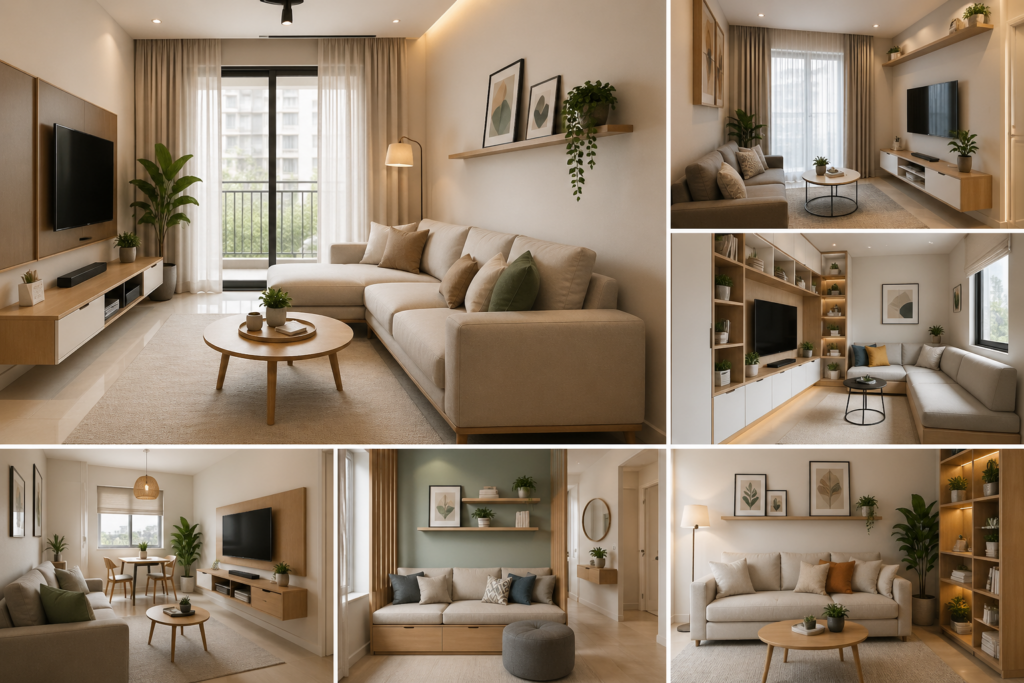
Living Room Interior Design Ideas for Small Apartments avinnyyaadmin Principal Designer Designing a living room in a small apartment can feel like solving a puzzle with limited pieces. You want comfort, style, and functionality—but space constraints often make it challenging to achieve all three. The good news is that with thoughtful planning and clever design techniques, even the smallest living rooms can feel open, inviting, and luxurious. Modern interior design is no longer about how much space you have; it’s about how effectively you use it. From smart furniture choices to strategic lighting and creative storage solutions, there are countless ways to transform a compact living room into a stylish and practical space. In this guide, we’ll walk you through the best living room interior design ideas for small apartments, covering everything from layout planning to décor details, so you can create a space that truly feels like home. Understand Your Space Measure and Map Your Layout Before you start buying furniture or décor, it’s essential to understand your living room’s dimensions. Measuring your space accurately allows you to plan a layout that avoids overcrowding and ensures smooth movement. Sketch a basic floor plan and mark windows, doors, and electrical points. This step helps you visualize how each piece will fit and prevents costly mistakes like purchasing oversized furniture that overwhelms the room. Define the Purpose of the Room In small apartments, the living room often serves multiple purposes—it may double as a workspace, entertainment area, or even a guest room. Clearly defining its primary functions will guide your design decisions. For example, if you work from home, you might need a compact desk. If you host guests frequently, a sofa bed could be a better choice. Prioritizing functionality ensures that your living room remains practical without sacrificing style. Choose the Right Color Palette Light Colors for a Spacious Feel Color plays a powerful role in how spacious a room feels. Light shades such as white, beige, soft grey, and pastels reflect natural light, making the room appear larger and brighter. Walls painted in lighter tones create an airy atmosphere and serve as a neutral backdrop for furniture and décor. This is especially important in small apartments where natural light may be limited. Accent Colors Without Overcrowding While light colors dominate small spaces, adding accents can bring personality and depth. Use pops of color through cushions, rugs, throws, or artwork rather than painting entire walls in bold shades. This approach maintains visual balance and prevents the room from feeling cluttered or overwhelming. Smart Furniture Selection Multi-Functional Furniture In a compact living room, every piece of furniture should serve a purpose—or better yet, multiple purposes. Multi-functional furniture is a game-changer for small apartments. A sofa bed can accommodate guests, a storage ottoman can hide clutter while doubling as seating, and nesting tables can be tucked away when not in use. These versatile pieces help you maximize utility without occupying extra space. Scale Matters One of the most common mistakes in small living rooms is choosing furniture that is too large. Bulky sofas and oversized coffee tables can quickly make the space feel cramped. Instead, opt for compact, streamlined furniture that fits proportionally within the room. Look for designs with clean lines and minimal detailing to maintain a sense of openness. Elevated Furniture Furniture with visible legs creates an illusion of space by allowing light to pass underneath. This makes the room feel less crowded compared to floor-hugging pieces. Raised sofas, chairs, and cabinets contribute to a lighter and more breathable layout. Maximize Vertical Space Wall-Mounted Storage When floor space is limited, the walls become your best friend. Wall-mounted shelves and cabinets provide valuable storage without occupying precious floor area. Floating shelves can display books, décor, or plants while keeping the room organized and visually appealing. Tall Storage Units Tall bookcases or cabinets draw the eye upward, making ceilings appear higher and the room feel more spacious. This vertical emphasis enhances the perception of height and openness. Clever Storage Solutions Hidden Storage Ideas Hidden storage is essential for maintaining a clean and clutter-free living room. Look for furniture that offers built-in storage, such as sofas with compartments or benches with lift-up seats. These solutions keep everyday items out of sight while ensuring they remain easily accessible. Decluttering Techniques A small space can quickly feel chaotic if clutter accumulates. Adopting a minimalist mindset is key to maintaining a tidy and functional living room. Regularly declutter and keep only items that are necessary or meaningful. Organized spaces not only look better but also feel more relaxing. Use Mirrors and Lighting Strategically Mirrors for Illusion of Space Mirrors are one of the oldest tricks in interior design for making spaces appear larger. Placing a mirror opposite a window reflects natural light and creates a sense of depth. Large mirrors or mirrored panels can significantly enhance the openness of a small living room. Layered Lighting Lighting plays a crucial role in shaping the ambiance of your living room. Instead of relying on a single overhead light, use a combination of ambient, task, and accent lighting. Floor lamps, table lamps, and wall sconces add warmth and dimension without taking up too much space. Proper lighting makes the room feel more inviting and visually expansive. Create Zones in a Small Living Room Use Rugs and Furniture Placement Even in a small apartment, creating distinct zones can improve functionality. Rugs are a simple yet effective way to define different areas, such as a seating zone or workspace. Strategic furniture placement can also help separate spaces without the need for physical barriers. Optimize Open Layouts Many small apartments feature open layouts, where the living room blends with the dining or kitchen area. Maintaining a cohesive design ensures a smooth visual flow. Use consistent color schemes and complementary furniture styles to create harmony throughout the space. Add Personality Without Overcrowding Minimal Decor Approach When it comes to décor, less is more in small spaces. Instead of filling the room with
How Professional Interior Designers Transform Spaces | Expert Design Secrets
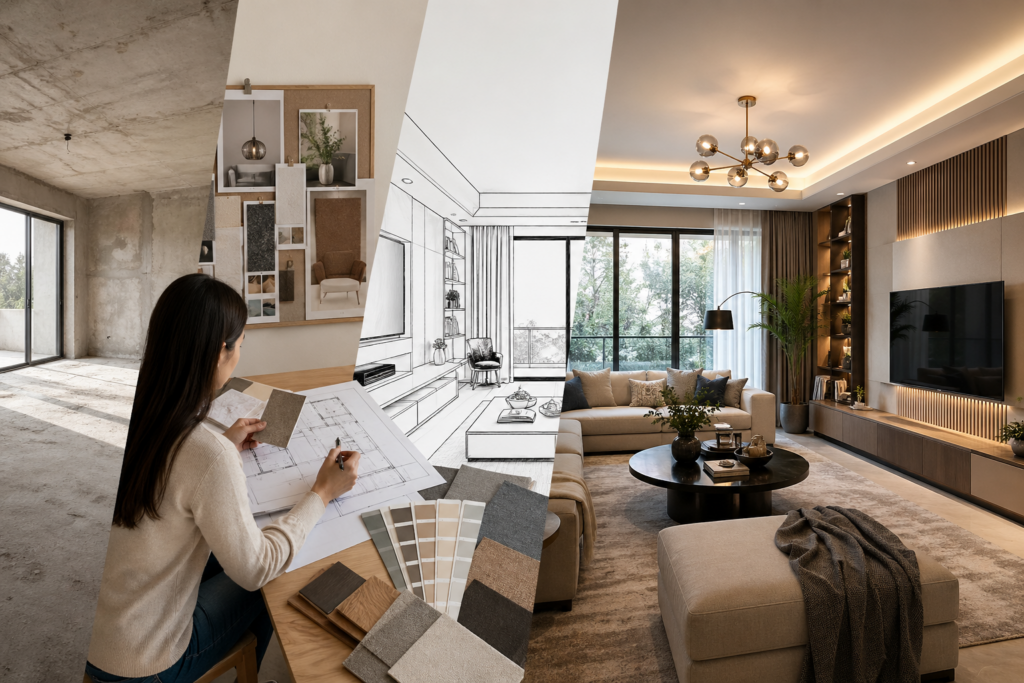
How Professional Interior Designers Transform Spaces: Secrets Behind Stunning Interiors avinnyyaadmin Principal Designer Have you ever walked into a space and instantly felt a sense of comfort, elegance, or inspiration? That effortless beauty is rarely accidental—it’s the result of thoughtful planning and expert execution. Professional interior designers possess the unique ability to transform ordinary spaces into extraordinary environments that reflect personality, enhance functionality, and improve everyday living. Interior design goes far beyond choosing attractive furniture or matching colors. It is a strategic process that blends creativity, technical knowledge, and a deep understanding of human behavior. Whether it’s a compact apartment or a luxurious villa, designers know how to unlock a space’s full potential. In this blog, we’ll explore how professional interior designers transform spaces step by step, revealing the techniques, principles, and insights that make all the difference. Understanding Client Needs and Vision The Foundation of Every Great Design Every successful interior design project begins with understanding the client. Designers invest time in conversations, questionnaires, and site visits to gain clarity on lifestyle, preferences, and expectations. Lifestyle and Functional Requirements A family with children has very different needs compared to a working professional living alone. Designers consider: Daily routines Storage requirements Work-from-home needs Entertainment habits This ensures the final design supports real-life usage, not just visual appeal. Translating Ideas into Concepts Clients often express ideas in abstract terms like “modern,” “cozy,” or “luxurious.” Designers interpret these emotions into tangible elements—colors, materials, layouts, and textures—creating a clear and actionable vision. Space Planning and Layout Optimization Making Every Square Foot Count One of the most powerful ways designers transform spaces is through smart planning. A poorly arranged room can feel cramped, while a well-planned one feels open and functional. Strategic Furniture Placement Designers carefully position furniture to: Improve movement and flow Create conversation zones Avoid clutter They ensure that each piece serves a purpose without overwhelming the space. Maximizing Small Spaces In compact homes, designers use clever techniques such as: Multi-functional furniture Vertical storage Open layouts These strategies make small spaces feel larger and more efficient. Creating a Cohesive Design Concept Design That Tells a Story A beautifully designed space always feels cohesive. This is because designers work with a clear concept or theme that ties everything together. Mood Boards and Visual Planning Before execution, designers create mood boards that include: Color palettes Material samples Furniture styles This helps visualize the final outcome and ensures alignment with the client’s vision. Balancing Elements A professional designer knows how to balance: Textures (smooth vs. rough) Patterns (bold vs. subtle) Materials (wood, metal, glass) This harmony creates a polished and sophisticated look. Lighting Design: The Game Changer Why Lighting Matters Lighting can completely change how a space looks and feels. It influences mood, highlights design elements, and enhances functionality. Layered Lighting Approach Designers use three main types of lighting: Ambient lighting for overall illumination Task lighting for specific activities Accent lighting to highlight features This layered approach adds depth and dimension to a room. Maximizing Natural Light Natural light is one of the most valuable design elements. Designers enhance it by: Using sheer curtains Placing mirrors strategically Choosing reflective surfaces Material and Furniture Selection Blending Style with Durability Choosing the right materials is essential for both aesthetics and longevity. Designers select materials that match the lifestyle and usage of the space. Custom vs. Ready-Made Furniture Custom furniture allows for: Perfect fit Unique design Better space utilization However, designers often mix custom and ready-made pieces to balance cost and creativity. Comfort and Ergonomics Beyond looks, furniture must be comfortable and functional. Designers ensure proper dimensions, support, and usability. Color Psychology and Its Impact How Colors Influence Emotions Colors play a crucial role in shaping how we feel in a space: Blue promotes calmness Yellow adds energy Neutral tones create sophistication Room-Specific Color Choices Designers select colors based on the purpose of the room: Bedrooms: soothing tones Living rooms: warm and inviting shades Workspaces: focus-enhancing colors Creating Visual Interest Accent walls, contrasting elements, and subtle variations help avoid monotony while maintaining harmony. Attention to Detail and Styling The Finishing Touch That Elevates Design Details are what transform a good design into a great one. Designers carefully curate decor elements to enhance the overall look. Decor and Accessories These include: Artwork Rugs Cushions Indoor plants Each piece is selected to complement the theme and add personality. Creating Focal Points A focal point draws attention and anchors the room. It could be: A statement wall A unique piece of furniture A striking light fixture Smart Storage and Organization Solutions Decluttered Spaces Feel Bigger Clutter can ruin even the most beautiful design. Designers integrate storage solutions that keep spaces clean and organized. Innovative Storage Ideas Hidden cabinets Under-bed storage Built-in wardrobes Multi-Functional Design Furniture that serves multiple purposes helps maximize efficiency without compromising style. Use of Technology in Modern Interior Design Designing with Precision Technology has revolutionized interior design. Designers now use advanced tools to visualize and refine spaces before execution. 3D Visualization and Rendering Clients can see realistic previews of their space, reducing uncertainty and ensuring satisfaction. Smart Home Integration Modern designs often include: Automated lighting Smart thermostats Voice-controlled systems These features enhance convenience and modern living. Project Management and Execution Turning Vision into Reality Execution is where ideas come to life. Designers coordinate multiple aspects to ensure smooth completion. Collaboration with Experts They work with: Contractors Carpenters Electricians Vendors Handling Challenges Unexpected issues are common, but experienced designers adapt quickly, ensuring timelines and quality are maintained. Budget Management Without Compromising Style Smart Spending Strategies Designers know where to invest and where to save. They allocate budgets wisely to achieve maximum impact. High-Impact Investments Lighting fixtures Key furniture pieces Quality materials Cost-Saving Techniques Repurposing existing items Mixing high-end with budget-friendly options Sourcing materials strategically Before-and-After Transformations The Power of Professional Design One of the most compelling aspects of interior design is the transformation itself. A dull, cluttered space can become vibrant, organized, and inviting. Key Takeaways from Transformations
Step-by-Step Guide to Planning Your Home Interiors
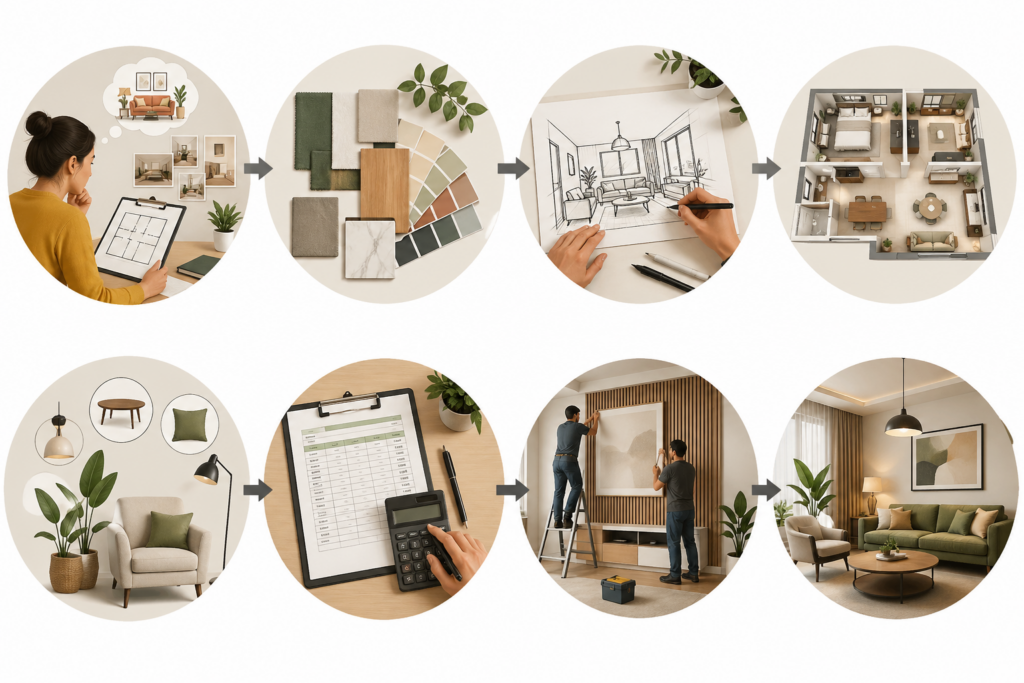
Step-by-Step Guide to Planning Your Home Interiors avinnyyaadmin Principal Designer Designing your home is one of the most exciting yet overwhelming experiences. Whether you are moving into a new house or renovating your current space, proper planning is the difference between a beautiful, functional home and a chaotic, expensive mistake. Many homeowners jump straight into buying furniture or choosing paint colors without a structured plan, which often leads to mismatched styles, cluttered spaces, and budget overruns. This detailed guide will walk you through a step-by-step process to plan your home interiors, helping you make informed decisions from start to finish. By the end, you’ll have clarity on how to transform your vision into a well-designed, practical living space. Step 1: Define Your Needs & Lifestyle Before thinking about colors, furniture, or décor, you need to understand how your home will actually function. A well-designed interior is not just about aesthetics—it should support your daily life seamlessly. Start by analyzing your lifestyle. Do you work from home? Do you frequently host guests? Do you have kids or pets? Each of these factors directly influences your interior planning. For example, a family with children may prioritize durable materials and extra storage, while a working professional may need a dedicated home office. It’s also important to identify your priorities. Some people value comfort above all else, while others focus on visual appeal. Creating a balance between functionality and aesthetics ensures your home is both livable and stylish. Think room by room. Your living room might need to accommodate entertainment and relaxation, while your bedroom should focus on comfort and tranquility. Writing down your needs for each space will give you a strong foundation for the next steps. Step 2: Set a Realistic Budget Budgeting is often overlooked, yet it is one of the most critical aspects of interior planning. Without a clear financial plan, expenses can quickly spiral out of control. Begin by defining your overall budget and then break it down into categories such as furniture, lighting, décor, materials, and labor. This helps you understand where your money is going and prevents overspending in one area at the expense of another. A smart approach is to allocate more budget to high-impact elements like sofas, beds, and cabinetry, as these are long-term investments. Decorative items and accessories can be adjusted based on what remains. Always keep a contingency buffer of around 10–15% for unexpected costs. Hidden expenses such as installation charges, delivery fees, or minor repairs can arise during execution. Planning your finances in advance ensures that your project remains stress-free and aligned with your expectations. Step 3: Choose Your Interior Design Style Your design style sets the tone for your entire home. Without a clear direction, you may end up mixing too many styles, resulting in a cluttered and inconsistent look. There are various popular interior styles to explore. Minimalist design focuses on simplicity and clean lines, while modern interiors emphasize sleek finishes and functionality. Traditional designs bring warmth and elegance, whereas Scandinavian style combines simplicity with comfort. Industrial interiors, on the other hand, highlight raw materials like metal and exposed brick. To discover your style, gather inspiration from platforms like Pinterest, home décor magazines, and showroom visits. Save images that resonate with you and look for patterns—this will help you identify your preferences. Once you finalize a style, maintain consistency across all rooms. This doesn’t mean every space should look identical, but there should be a cohesive visual language that ties everything together. Step 4: Space Planning & Layout Design Space planning is where your ideas start taking shape. It involves arranging furniture and defining zones to maximize functionality and flow. Start by measuring your rooms accurately, including doors, windows, and architectural elements. This helps you avoid buying furniture that doesn’t fit or disrupts movement. Think about how you want to use each space. For instance, an open-plan living area can be divided into zones for lounging, dining, and working. Proper zoning ensures that each area serves its purpose without interfering with others. Furniture placement plays a key role in layout design. Avoid pushing all furniture against the walls, as this can make the space feel disconnected. Instead, create conversational groupings that enhance usability. For smaller homes, opt for space-saving solutions like foldable furniture or wall-mounted units. In larger spaces, ensure there is enough balance to prevent emptiness or overcrowding. Using digital tools or consulting professionals can help you visualize layouts before execution, saving time and effort. Step 5: Choose the Right Color Palette Colors have a powerful impact on mood and perception. The right color palette can make a room feel spacious, cozy, vibrant, or calming. Start with a base color for walls, then add complementary shades for furniture and décor. Neutral tones like white, beige, and grey are versatile and timeless, while bold colors can be used as accents to create visual interest. Understanding color psychology is also helpful. For example, blue promotes calmness, green brings freshness, and yellow adds energy. Choose colors based on the mood you want to create in each room. Lighting also affects how colors appear, so test samples in different lighting conditions before making a final decision. Avoid overusing too many colors in one space. A balanced palette with two to three primary shades usually works best. Step 6: Select Furniture Smartly Furniture is the backbone of your interiors, and choosing the right pieces is essential for both comfort and functionality. Focus on quality over quantity. Instead of filling your home with too many items, invest in fewer, well-designed pieces that serve a purpose. Size and proportion are crucial. Oversized furniture can overwhelm a small room, while tiny pieces may look out of place in a large space. Always measure your area before purchasing. Multi-functional furniture is a great option for modern homes. Beds with storage, extendable dining tables, and sofa-cum-beds can help maximize space without compromising on style. Material selection is equally important. Wooden furniture adds warmth, metal brings a modern edge,
Interior Design Mistakes to Avoid in Small Spaces | Expert Tips by Avinnyya
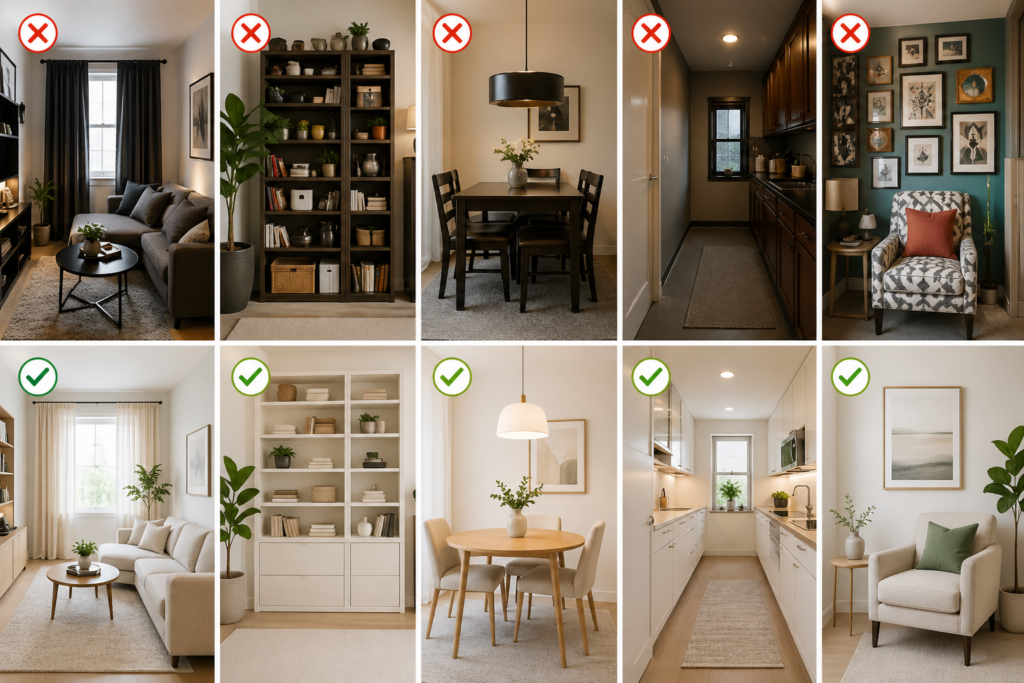
Interior Design Mistakes to Avoid in Small Spaces avinnyyaadmin Principal Designer Designing a small space is both an art and a challenge. While compact homes and apartments are becoming increasingly common, making them feel spacious, functional, and stylish requires thoughtful planning. Unfortunately, many homeowners unknowingly make design mistakes that make their space feel even smaller, cluttered, and uncomfortable. The good news is that most of these mistakes are easy to fix once you understand them. By making smarter design choices, even the tiniest room can feel open, airy, and inviting. In this guide, we’ll walk you through the most common interior design mistakes to avoid in small spaces and show you how to transform your home into a beautifully optimized living environment. Overcrowding the Space with Furniture One of the most common mistakes in small homes is trying to fit too much furniture into limited square footage. While it may seem practical to include everything you might need, overcrowding quickly leads to a cramped and chaotic look. Large, bulky furniture pieces dominate the room and leave little space for movement. Instead of making your home functional, they make it feel suffocating. The key is to choose furniture that fits the scale of your space. Opt for sleek, compact designs that provide utility without overwhelming the room. Multi-functional furniture is a game changer for small spaces. A sofa that doubles as a bed or a coffee table with storage can significantly reduce clutter. Always remember that leaving some empty space is just as important as filling it—it allows the room to breathe. Ignoring Vertical Space When floor space is limited, the smartest move is to look upward. Many homeowners focus only on horizontal layouts and ignore the potential of vertical space, which leads to wasted storage opportunities. Walls can be transformed into highly functional areas with shelves, cabinets, and hanging organizers. Tall bookshelves or vertical storage units draw the eye upward, creating an illusion of height and making the room feel larger. Incorporating vertical design elements also helps keep the floor clear, which enhances movement and openness. Whether it’s floating shelves in the living room or wall-mounted storage in the kitchen, using vertical space effectively can completely change the way your home feels. Poor Lighting Choices Lighting plays a crucial role in how spacious a room feels. A poorly lit space appears smaller, dull, and uninviting. One major mistake is relying on a single overhead light source, which creates harsh shadows and uneven brightness. Layered lighting is the solution. Combining ambient lighting with task and accent lighting adds depth and dimension to the room. Table lamps, wall sconces, and LED strips can create a warm and well-balanced environment. Natural light is equally important. Maximizing sunlight by keeping windows unobstructed can instantly make a space feel larger and more welcoming. Mirrors placed strategically can reflect light and amplify brightness, further enhancing the sense of openness. Choosing Dark or Heavy Colors Incorrectly Color has a powerful impact on spatial perception. While dark colors can add sophistication, using them incorrectly in small spaces can make rooms feel enclosed and heavy. Light and neutral shades are generally a safer choice as they reflect light and create an airy atmosphere. However, this doesn’t mean you have to avoid dark tones completely. The key is balance. Using darker shades as accents or on a single feature wall can add depth without overwhelming the room. Monochromatic color schemes are especially effective in small spaces. By using variations of the same color, you can create a seamless look that visually expands the room. Blocking Natural Light Natural light is one of the most valuable assets in a small space, yet it is often unintentionally blocked. Heavy curtains, bulky furniture placed near windows, or dark window treatments can significantly reduce the amount of light entering the room. This makes the space feel smaller and more confined. Instead, opt for sheer curtains or light blinds that allow sunlight to pass through. Keep the area around windows clear to maximize brightness. A well-lit room not only appears larger but also feels more comfortable and inviting. Making the most of natural light should always be a top priority in small space design. Lack of Smart Storage Solutions Clutter is the biggest enemy of small spaces. Without proper storage solutions, even a well-designed room can quickly become messy and overwhelming. Many homeowners make the mistake of not planning storage in advance. As a result, items end up scattered, reducing both functionality and aesthetics. Smart storage solutions can help you maintain a clean and organized space. Hidden storage options like under-bed compartments, ottomans with storage, and built-in cabinets are highly effective. Decluttering regularly and keeping only essential items also plays a crucial role in maintaining a spacious feel. Using Oversized or Incorrect Rugs Rugs can define a space and add warmth, but choosing the wrong size can disrupt the balance of a room. Oversized rugs can overwhelm a small space, while rugs that are too small can make the room feel disjointed. The key is proportion. A well-sized rug should complement the furniture layout without dominating it. In small spaces, rugs can also be used to define zones, such as separating the living and dining areas in an open layout. Selecting the right rug size and placement helps create a cohesive and visually appealing environment. Neglecting Mirrors and Reflective Surfaces Mirrors are one of the simplest yet most effective tools for making a small space appear larger. However, many homeowners overlook their potential. A well-placed mirror reflects light and creates the illusion of depth, making the room feel more open. Large mirrors, especially when placed opposite windows, can significantly enhance brightness and space perception. In addition to mirrors, reflective surfaces like glass furniture and glossy finishes can also contribute to a more spacious look. Incorporating these elements thoughtfully can elevate the overall design. Ignoring Scale and Proportion Scale and proportion are critical in interior design, especially in small spaces. Using furniture or décor that
How to Choose the Right Interior Design Style for Your Home
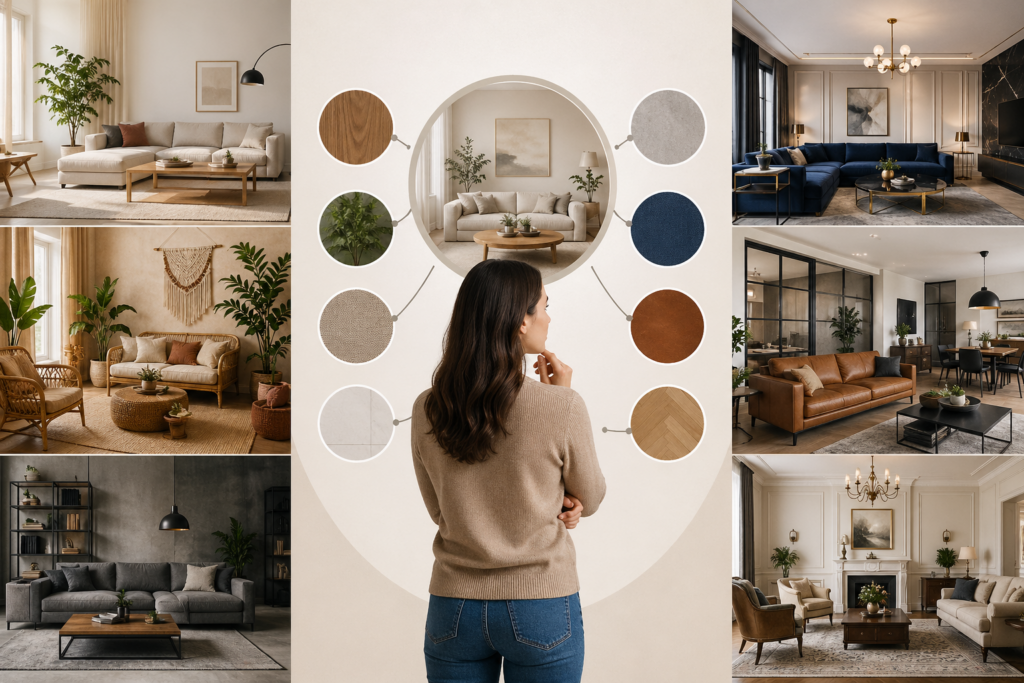
How to Choose the Right Interior Design Style for Your Home avinnyyaadmin Principal Designer Designing your home is more than just selecting furniture or paint colors—it’s about creating a space that reflects your personality, supports your lifestyle, and enhances everyday living. With so many interior design styles available today, choosing the right one can feel overwhelming. From minimalism to bohemian, modern to traditional, each style carries its own identity and appeal. Many homeowners struggle with indecision because they are exposed to countless ideas online but lack clarity on what truly suits their space and needs. This guide by Avinnyya simplifies the process, helping you identify, refine, and confidently choose the perfect interior design style for your home. Understand Your Lifestyle First Before diving into design aesthetics, it’s crucial to evaluate your lifestyle. Your home should serve your daily habits, not disrupt them. If you have a busy household with kids or pets, durability and practicality become essential. In such cases, styles that prioritize functionality—like modern or contemporary—are more suitable. On the other hand, if you live alone or with a partner and prefer a calm, clutter-free environment, minimalist or Scandinavian styles might align better. Think about how you use your space daily. Do you entertain guests frequently? Then an open, welcoming layout with comfortable seating should be a priority. Do you work from home? Then your design should incorporate productivity-enhancing elements like ergonomic furniture and proper lighting. Your lifestyle acts as the foundation of your design decisions. Ignoring it may lead to a visually appealing home that fails to function effectively. Assess Your Space Every home has its own architectural character, and your interior style should complement it rather than conflict with it. Start by analyzing the size, layout, and natural lighting of your space. Smaller rooms benefit from light colors, minimal furniture, and smart storage solutions, which are characteristics of minimalist or Scandinavian styles. Larger homes offer more flexibility, allowing for elaborate styles like traditional or luxury interiors. Natural light also plays a critical role. Bright spaces can handle darker tones and bold elements, while low-light areas require lighter palettes to feel open and airy. Additionally, consider whether your home has an open floor plan or segmented rooms. Open layouts work well with cohesive, flowing styles like contemporary or modern, while traditional layouts can accommodate more defined and classic design approaches. Explore Popular Interior Design Styles Understanding different interior design styles is key to identifying what resonates with you. Let’s explore some of the most popular ones: Modern Style Modern interiors focus on simplicity, clean lines, and functionality. Neutral colors, sleek furniture, and minimal ornamentation define this style. It is ideal for those who appreciate uncluttered and structured environments. Minimalist Style Minimalism follows the philosophy of “less is more.” It eliminates excess and focuses only on essentials. This style is perfect for people who value clarity, organization, and stress-free living. Contemporary Style Often confused with modern design, contemporary style is dynamic and evolves with trends. It blends various elements, including textures, materials, and subtle contrasts, making it versatile and adaptable. Traditional Style Traditional interiors are inspired by classic European decor. Rich colors, detailed woodwork, and elegant furniture define this style. It suits those who prefer timeless and sophisticated aesthetics. Scandinavian Style This style emphasizes simplicity, functionality, and warmth. Light colors, natural materials, and cozy elements create a comfortable and inviting atmosphere. Industrial Style Inspired by warehouses and factories, industrial design features raw materials like exposed brick, metal, and concrete. It works well in urban settings and loft-style homes. Bohemian (Boho) Style Boho interiors are vibrant, artistic, and expressive. They incorporate bold colors, layered textures, and eclectic decor, making them ideal for creative personalities. Luxury or Modern Glam Style Luxury interiors focus on elegance and opulence. High-end materials, statement lighting, and refined finishes create a sophisticated and premium look. Identify Your Personal Taste Choosing a design style becomes easier when you understand your preferences. Start by collecting inspiration from platforms like Pinterest or Instagram. Save images that catch your attention without overthinking. After gathering a collection, analyze it to identify patterns. Do you prefer neutral tones or bold colors? Are you drawn to sleek furniture or vintage pieces? This process helps you discover your natural inclination. Most people don’t fit into a single category—instead, they lean toward a combination of styles. Recognizing this allows you to create a unique and personalized interior rather than copying a generic look. Consider Your Budget Your budget plays a significant role in determining your design choices. While some styles, like luxury or traditional, may require higher investment due to materials and detailing, others like minimalist or Scandinavian can be more budget-friendly. However, having a limited budget doesn’t mean compromising on quality. The key is to prioritize. Invest in essential furniture pieces like sofas, beds, and storage units, while opting for budget-friendly decor items. Mixing high-end and affordable elements can create a balanced and stylish look. Avoid spending excessively on trends, as they may quickly go out of fashion. Think About Functionality Over Trends Trends come and go, but functionality remains constant. A trendy home may look appealing today but could become impractical over time. Focus on elements that enhance usability. For example, adequate storage solutions prevent clutter, while multi-functional furniture maximizes space efficiency. Design choices should improve your daily life rather than complicate it. A well-designed home seamlessly combines aesthetics with practicality, ensuring long-term satisfaction. Choose a Cohesive Color Palette Color is one of the most powerful elements in interior design. It sets the mood, influences perception, and defines your style. Start with a base color and build around it using complementary shades. Neutral palettes create a calm and sophisticated environment, while bold colors add energy and personality. The 60-30-10 rule is a helpful guideline: 60% dominant color, 30% secondary color, and 10% accent color. This ensures balance and harmony within your space. Consistency across rooms is also important, especially in open layouts, to maintain a cohesive look. Mix Styles the Right Way
Top Interior Design Trends for Modern Homes in 2026
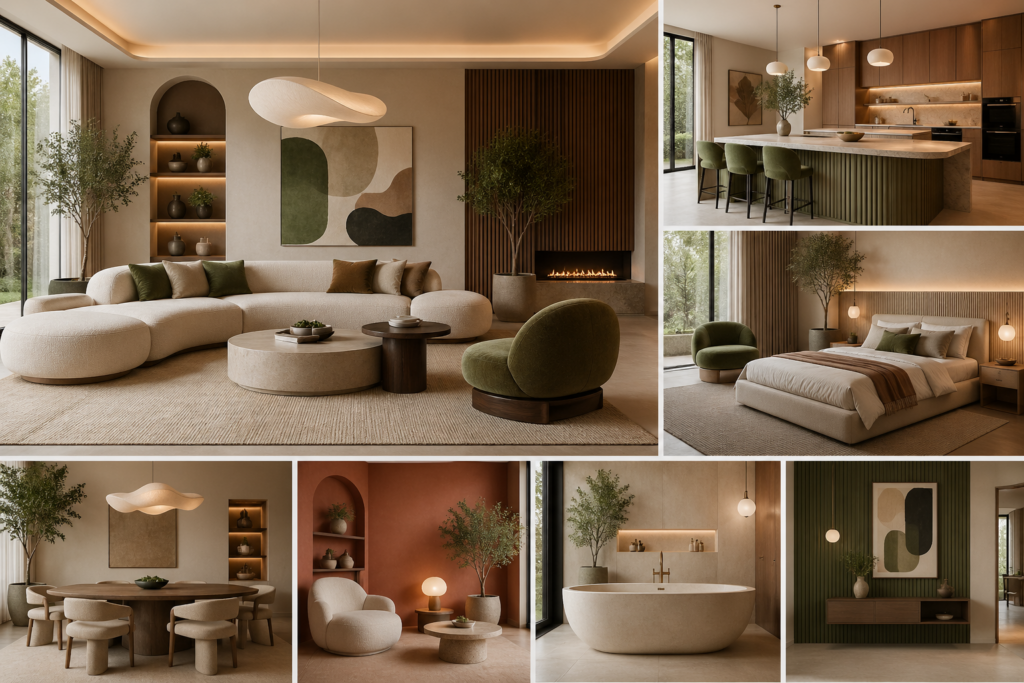
Top Interior Design Trends for Modern Homes in 2026 avinnyyaadmin Principal Designer Interior design in 2026 is no longer just about making spaces look beautiful—it’s about creating environments that enhance how we live, work, and feel. Modern homeowners are increasingly seeking designs that combine aesthetics, functionality, and sustainability. As lifestyles evolve, so do our homes, transforming into multi-functional spaces that reflect individuality while embracing innovation. In this new era, design trends are driven by a balance between technology and nature, minimalism and warmth, luxury and simplicity. Whether you’re renovating your home or starting from scratch, understanding these trends can help you create a space that feels both modern and timeless. At Avinnyya, we believe that great design is about storytelling—your story. Let’s explore the top interior design trends shaping modern homes in 2026. Sustainable & Eco-Friendly Design: The Future of Living Sustainability has moved from being a niche preference to a core principle in interior design. In 2026, eco-conscious living is influencing everything from material selection to energy usage. Homeowners are opting for materials like bamboo, reclaimed wood, cork, and natural stone, which not only reduce environmental impact but also add organic beauty to interiors. Energy-efficient lighting, solar integration, and smart appliances are becoming standard features in modern homes. Designers are also focusing on reducing waste by choosing durable, long-lasting furnishings instead of disposable décor. This shift is not just about environmental responsibility—it’s about creating healthier living spaces. Natural materials improve air quality and bring a sense of calm, making sustainability both practical and aesthetically appealing. Warm Minimalism: Where Simplicity Meets Comfort Minimalism has evolved. The stark, all-white interiors of the past are being replaced by a warmer, more inviting version. Warm minimalism blends clean lines with cozy elements, creating spaces that feel both uncluttered and welcoming. In 2026, neutral color palettes are infused with warm undertones like beige, taupe, terracotta, and soft browns. Textures play a crucial role—think soft rugs, plush cushions, and natural fabrics like linen and wool. This approach proves that simplicity doesn’t have to feel cold. Instead, it creates a balanced environment where every element has purpose while still offering comfort and personality. Smart Homes & Integrated Technology Technology is seamlessly integrating into interior design, making homes smarter and more efficient. In 2026, smart homes go beyond basic automation to offer intuitive, AI-powered solutions that adapt to your lifestyle. From voice-controlled lighting and climate systems to automated blinds and security features, technology is enhancing convenience like never before. What sets this trend apart is the emphasis on invisible tech—devices are being designed to blend into interiors, maintaining a clean and uncluttered look. Charging stations are hidden within furniture, speakers are built into walls, and lighting systems are controlled through apps or voice commands. The goal is to create a home that feels futuristic without compromising on design. Multi-Functional Spaces for Modern Lifestyles With the rise of remote work and flexible living, homes in 2026 are designed to serve multiple purposes. Living rooms double as workspaces, bedrooms include study areas, and dining tables transform into meeting desks. Furniture plays a key role in this transformation. Convertible pieces like sofa beds, foldable desks, and modular storage solutions are becoming essential. These designs maximize space while maintaining style. Zoning techniques, such as using rugs, lighting, or partitions, help define different areas within a single room. This trend is particularly important for urban homes, where space is often limited but expectations are high. Biophilic Design: Bringing Nature Indoors Biophilic design continues to gain popularity as people seek stronger connections with nature. In 2026, this trend goes beyond adding a few plants—it’s about integrating natural elements into every aspect of design. Large windows, skylights, and open layouts maximize natural light, while indoor plants, vertical gardens, and water features bring life into spaces. Organic shapes and natural textures further enhance this connection. The benefits are both psychological and physical. Exposure to nature has been shown to reduce stress, improve mood, and boost productivity, making biophilic design a powerful addition to modern homes. Statement Ceilings: The Fifth Wall Revolution Ceilings are no longer an afterthought—they are becoming a focal point in interior design. Known as the “fifth wall,” ceilings in 2026 are being transformed with bold colors, intricate patterns, and unique materials. Wood paneling, exposed beams, and decorative moldings add depth and character, while wallpapers and painted designs create visual interest. Lighting fixtures also play a significant role, acting as both functional and decorative elements. A well-designed ceiling can completely change the perception of a room, making it feel larger, cozier, or more dramatic. Textured Interiors: Adding Depth and Character Texture is one of the most important elements in 2026 interior design. By layering different materials, designers create spaces that feel rich and dynamic. Velvet sofas, linen curtains, leather accents, and metal finishes are combined to add depth. Accent walls with plaster finishes, 3D panels, or textured wallpapers further enhance the visual appeal. This trend focuses on engaging the senses. A well-textured space not only looks good but also feels inviting, creating a more immersive living experience. Vintage & Retro Revival Old is new again. Vintage and retro styles are making a strong comeback, bringing character and nostalgia into modern homes. Mid-century modern furniture, curved silhouettes, and bold patterns are being reintroduced in contemporary settings. The key is balance—mixing vintage pieces with modern elements to create a curated look. This trend also supports sustainability by encouraging the reuse of furniture and décor. Each piece tells a story, adding uniqueness and charm to the space. Bold Colors & Personal Expression While neutral tones remain popular, 2026 is also seeing a rise in bold, expressive colors. Deep greens, navy blues, earthy reds, and even rich purples are being used to create statement interiors. Accent walls, colorful furniture, and artistic décor allow homeowners to express their personalities. This trend encourages experimentation, moving away from cookie-cutter designs. Personalization is at the heart of modern interiors. Homes are becoming reflections of the people who live in them,
How to Refresh Your Interiors Without Changing Furniture
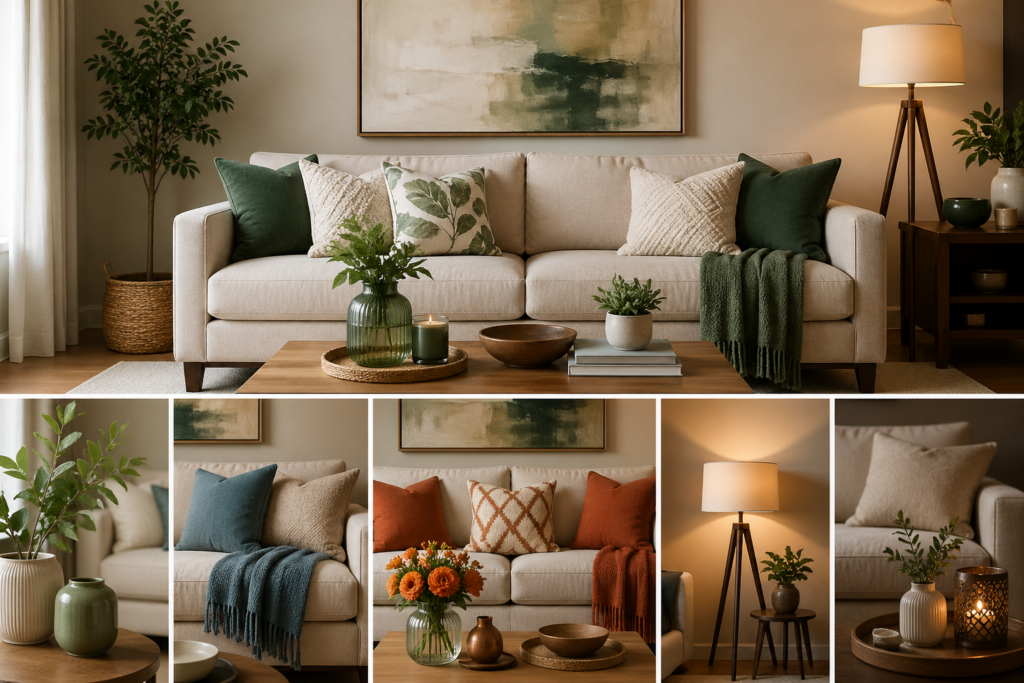
How to Refresh Your Interiors Without Changing Furniture avinnyyaadmin Principal Designer Refreshing your home interiors doesn’t always require a complete overhaul or expensive new furniture. In fact, some of the most impactful transformations come from thoughtful design tweaks, clever styling, and a fresh perspective on what you already own. Many homeowners assume that a new look demands a new sofa, dining table, or bed—but the truth is, your existing furniture can serve as a strong foundation for a beautifully updated space. Whether you’re working with a limited budget, want to embrace a more sustainable lifestyle, or simply love your current furniture, there are countless ways to breathe new life into your interiors. From playing with color and lighting to rearranging layouts and upgrading décor elements, this guide will walk you through every strategy you need to completely refresh your home—without replacing a single piece of furniture. Why Refresh Instead of Replace? Before diving into design strategies, it’s important to understand why refreshing your interiors is often a smarter choice than replacing furniture altogether. This approach is not just about saving money—it’s about making intentional, creative decisions that enhance your space while preserving its character. Budget-Friendly Design Approach One of the biggest advantages of refreshing your interiors is cost-effectiveness. Buying new furniture can quickly become expensive, especially when you’re furnishing multiple rooms. By contrast, updating elements like paint, textiles, and décor allows you to achieve a completely new look at a fraction of the cost. Even small changes, such as new cushion covers or updated lighting, can dramatically shift the feel of a room without straining your budget. Sustainable Interior Design Choice In today’s world, sustainability is more important than ever. Replacing furniture contributes to waste and increases your carbon footprint, especially when old pieces are discarded. Refreshing your interiors instead supports eco-conscious living by reducing waste and making better use of existing resources. It’s a practical way to align your home design with environmentally responsible values. Retain Emotional Value Furniture often holds sentimental value—whether it’s a family heirloom, a custom-made piece, or something you’ve grown attached to over time. Refreshing your interiors allows you to preserve these meaningful items while still evolving your home’s aesthetic. This balance between old and new creates a space that feels both personal and updated. Transform Your Space with Color Updates Color is one of the most powerful tools in interior design. It has the ability to completely transform the mood and perception of a space without requiring structural changes. Repaint Walls for Instant Impact A fresh coat of paint can instantly revitalize any room. Light, neutral shades like beige, off-white, and soft greys can make a space feel larger and more open, while bold colors like navy blue, forest green, or terracotta add depth and personality. Accent walls are particularly effective if you want to experiment with color without committing to an entire room makeover. Use Wallpapers & Wall Panels Wallpapers have made a major comeback in modern interiors. From subtle textures to bold patterns, they offer endless possibilities for customization. Peel-and-stick wallpapers are especially popular among renters because they are easy to apply and remove. Wall panels, on the other hand, add dimension and sophistication, making your interiors look more refined and luxurious. Add Color Through Soft Furnishings If repainting isn’t an option, you can introduce color through soft furnishings like cushions, throws, and rugs. These elements are easy to swap out and allow you to update your interiors seasonally. Mixing different colors, patterns, and textures creates a layered, designer look that feels both dynamic and cohesive. Lighting – The Most Underrated Game-Changer Lighting plays a crucial role in how a space looks and feels. Yet, it is often overlooked when refreshing interiors. Layered Lighting Techniques A well-lit room uses a combination of ambient, task, and accent lighting. Ambient lighting provides overall illumination, task lighting focuses on specific activities, and accent lighting highlights decorative features. Layering these types of lighting creates depth and makes your interiors more functional and visually appealing. Replace Lampshades or Bulbs Sometimes, even a small change like replacing a lampshade can make a noticeable difference. Switching from cool white bulbs to warm lighting can instantly make your home feel cozier and more inviting. Decorative bulbs or unique lampshades can also act as statement pieces. Use Statement Lights Adding a statement light fixture—such as a pendant light or a floor lamp—can become the focal point of a room. It draws attention upward and enhances the overall design without altering your furniture. Rearranging Furniture for a Fresh Perspective You don’t need new furniture to create a new look—sometimes, all it takes is rearranging what you already have. Create Better Layout Flow Repositioning furniture can improve movement within a room and make the space feel more open. Avoid pushing all furniture against the walls; instead, experiment with floating arrangements that encourage conversation and balance. Try Different Room Focal Points Most living rooms are centered around a television, but shifting the focus to a window, artwork, or a decorative wall can dramatically change the atmosphere. This simple adjustment helps your space feel more intentional and thoughtfully designed. Use Zoning Techniques In open-plan spaces, furniture placement can define different zones, such as a seating area, dining area, or workspace. Rugs, lighting, and layout changes can help establish these zones without adding new furniture. Upgrade Soft Decor Elements Soft décor elements have a huge influence on the overall look and feel of your interiors. Curtains & Drapes Make a Huge Difference Changing your curtains can instantly elevate a room. Floor-length curtains create a sense of height and elegance, while sheer fabrics allow natural light to flow in, making the space feel brighter and more spacious. Rugs to Define and Elevate Spaces Rugs anchor your furniture and define specific areas within a room. Choosing the right size is crucial—a rug that’s too small can make a space feel disjointed. Layering rugs is another trend that adds depth and visual interest. Cushion Styling Techniques Cushions are
Designing Pet-Friendly Home Interiors: A Complete Guide for Modern Homes
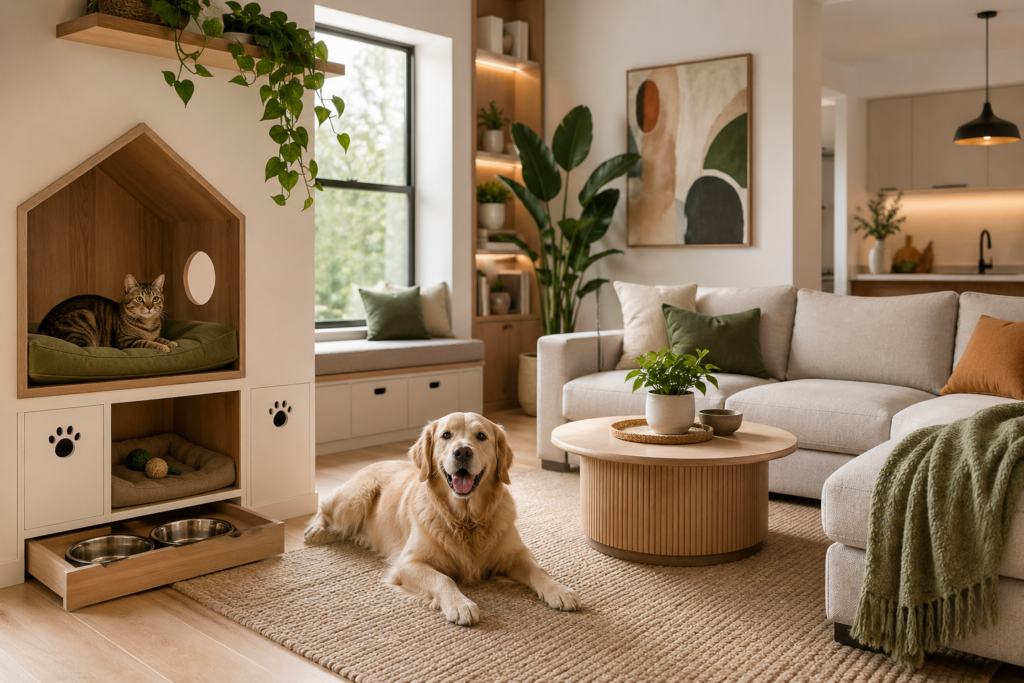
Designing Pet-Friendly Home Interiors: A Complete Guide for Modern Homes avinnyyaadmin Principal Designer Designing a home today goes beyond aesthetics and functionality—it’s about creating a space that caters to every member of the family, including pets. As pet ownership continues to rise, homeowners are increasingly seeking ways to design interiors that are not only stylish but also safe, durable, and comfortable for their furry companions. A pet-friendly home interior is not about sacrificing elegance; rather, it is about making smart design choices that seamlessly blend beauty with practicality. Whether you have a playful dog, a curious cat, or smaller pets, thoughtful planning can transform your home into a harmonious environment for both humans and animals. This comprehensive guide explores everything you need to know about designing pet-friendly home interiors, from flooring and furniture to safety and décor. Introduction to Pet-Friendly Interior Design Pet-friendly interior design is a growing trend that reflects the evolving relationship between humans and their pets. Today, pets are considered family members, and their comfort and safety are just as important as anyone else’s in the household. Modern interior design must therefore accommodate pets without compromising on style. This involves selecting materials that are durable, layouts that support movement, and finishes that are easy to maintain. A well-designed pet-friendly home also enhances convenience for pet owners. Cleaning becomes easier, clutter is minimized, and the overall living experience improves. By incorporating pet-focused solutions early in the design process, homeowners can avoid costly modifications later. Professional designers understand how to balance these needs effectively, ensuring that the final result is both visually appealing and highly functional. Understanding Your Pet’s Needs Before Designing Before making any design decisions, it is essential to understand the unique needs of your pet. Different animals—and even different breeds—have varying behaviors, activity levels, and spatial requirements. Different Needs for Different Pets Dogs typically require open spaces where they can move freely. Larger breeds may need more room to stretch and play, while smaller dogs benefit from cozy resting areas. Cats, on the other hand, prefer vertical spaces. They enjoy climbing, perching, and hiding, which means your design should include elevated surfaces or shelves. Small pets such as rabbits, hamsters, or birds require secure enclosures and quiet zones away from heavy foot traffic. Their habitats should be integrated into the home in a way that ensures safety and accessibility. Behavioral Patterns That Influence Design Pets exhibit behaviors that directly impact interior design choices. Dogs may chew furniture, scratch surfaces, or bring dirt indoors. Cats often scratch walls or furniture and shed fur regularly. Understanding these habits allows you to select materials and layouts that minimize damage and simplify maintenance. For instance, if your pet sheds heavily, you might avoid fabrics that trap hair. If your dog loves to run indoors, choosing slip-resistant flooring becomes essential. Designing with these behaviors in mind ensures a home that is both practical and long-lasting. Choosing Pet-Friendly Flooring Options Flooring plays a crucial role in pet-friendly interiors. It must withstand wear and tear while providing comfort and safety for pets. Best Flooring Materials Tile and ceramic flooring are among the most durable options. They are resistant to scratches, easy to clean, and ideal for homes with active pets. Vinyl flooring, especially luxury vinyl planks, is another excellent choice due to its water resistance and affordability. Sealed hardwood floors can also work well if properly maintained. They offer a warm and elegant look while being more resistant to damage than untreated wood. Flooring to Avoid Carpets may seem comfortable, but they tend to trap pet hair, odors, and stains. They are also difficult to clean and can wear out quickly. Soft wood flooring is another option to avoid, as it scratches easily and may not withstand heavy use. Anti-Slip Considerations Pets, especially older ones, can struggle with slippery surfaces. Adding rugs or mats in key areas helps improve traction and prevent injuries. However, these should be easy to clean and securely placed to avoid movement. Pet-Safe and Durable Furniture Selection Furniture in a pet-friendly home must be both stylish and resilient. The right choices can significantly reduce maintenance and extend the lifespan of your interiors. Fabric Choices That Work Best Leather and faux leather are popular options because they are easy to clean and do not trap pet hair. Microfiber is another excellent choice, as it resists stains and scratches. Some homeowners even opt for outdoor fabrics indoors due to their durability and resistance to wear. Furniture Design Tips Opt for furniture with rounded edges to prevent injuries. Scratch-resistant materials are essential, especially for homes with cats. Elevated furniture designs make cleaning underneath easier and help maintain hygiene. Additionally, removable and washable covers can be a practical solution for keeping furniture fresh and clean. Smart Storage Solutions for Pet Essentials A well-organized home is key to maintaining a clean and clutter-free environment. Pets come with accessories—food, toys, grooming tools—and these need proper storage. Built-in storage units can be designed to accommodate pet supplies discreetly. For example, cabinets can include dedicated sections for food storage, while benches or consoles can double as toy storage. Hidden litter box cabinets are a popular solution for cat owners, keeping the space hygienic and visually appealing. Entryway pet stations are also useful for storing leashes, cleaning paws, and organizing daily essentials. Designing Dedicated Pet Zones Creating designated spaces for pets helps maintain order and ensures that your home functions efficiently. Pet Sleeping Areas Pets need comfortable resting spaces where they feel safe. These can be designed as cozy corners, built-in niches, or even under-stair pet homes. Integrating these areas into your overall design ensures they blend seamlessly with your interiors. Play and Activity Zones Active pets benefit from dedicated play areas. For dogs, this might include open indoor spaces, while cats enjoy vertical climbing structures or wall-mounted shelves. Feeding Stations Feeding areas should be easy to clean and positioned away from high-traffic zones. Built-in feeding stations with spill-proof designs can enhance both convenience and aesthetics. Pet-Friendly
Solving Storage Problems in Small Homes: Smart Design Ideas That Maximize Every Inch
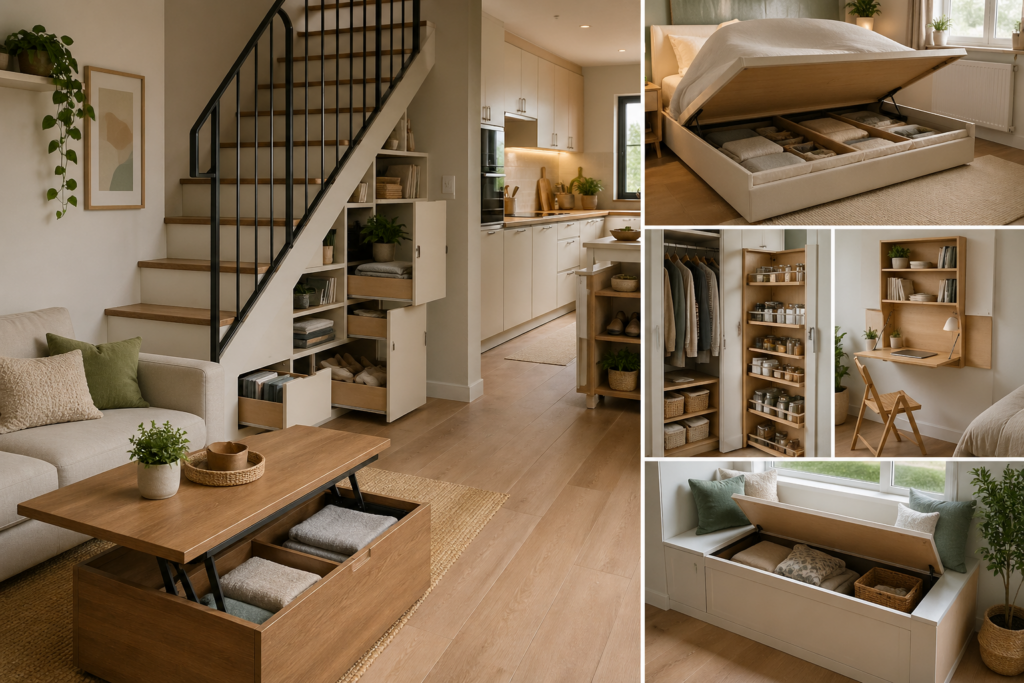
Solving Storage Problems in Small Homes: Smart Design Ideas That Maximize Every Inch avinnyyaadmin Principal Designer Living in a compact home is becoming increasingly common, especially in rapidly growing urban areas where space comes at a premium. While small homes offer affordability and easier maintenance, they often come with one major challenge—lack of storage. From overflowing wardrobes to cluttered kitchens and cramped living rooms, inadequate storage can quickly make even the most beautiful home feel chaotic and uncomfortable. The key to solving storage problems in small homes lies not in acquiring more space, but in using the available space more intelligently. Thoughtful interior design, innovative furniture, and clever organization techniques can completely transform a small home into a functional and stylish haven. At Avinnyya, the focus is on creating smart, customized interiors that blend aesthetics with practicality, ensuring every inch of your home is utilized effectively. This comprehensive guide explores proven strategies, room-by-room solutions, and expert insights to help you overcome storage challenges and create a clutter-free living environment. Why Storage Becomes a Problem in Small Homes Limited Square Footage The most obvious reason for storage issues in small homes is limited space. As apartment sizes shrink, homeowners are forced to fit all their belongings into a smaller footprint. Without proper planning, this often results in overcrowded rooms and insufficient storage areas. Every unused corner becomes a missed opportunity, and every poorly designed cabinet reduces functionality. Poor Layout Planning Even in small homes, space can be optimized effectively with the right layout. However, many homes suffer from inefficient design where furniture placement blocks movement or leaves awkward, unusable gaps. Poor planning leads to wasted space that could otherwise be converted into storage zones. A well-thought-out layout ensures that every part of the home serves a purpose. Accumulation of Items Modern lifestyles encourage accumulation—clothes, gadgets, décor, and more. Without proper storage systems, these items pile up, leading to clutter. In small homes, even a small amount of disorganization can make the space feel cramped and overwhelming. Managing possessions and organizing them efficiently becomes essential. Lack of Multi-Functional Design Traditional furniture often serves a single purpose, which is not ideal for compact spaces. A standard bed, sofa, or table may occupy significant space without offering additional storage. This limitation makes it difficult to maintain a clean and organized home. Key Principles for Maximizing Storage Think Vertical When floor space is limited, the only way to go is up. Vertical storage solutions such as wall-mounted shelves, tall cabinets, and hanging organizers can significantly increase storage capacity without occupying valuable floor space. Utilizing walls effectively not only adds functionality but also enhances the visual appeal of a room. Prioritize Functionality Every piece of furniture and décor in a small home should serve a purpose. Instead of focusing solely on aesthetics, prioritize functionality. Choose designs that offer storage, flexibility, and usability. A well-designed home strikes a perfect balance between beauty and practicality. Declutter Regularly No amount of storage solutions can compensate for excessive clutter. Regular decluttering helps maintain order and ensures that only essential items occupy your space. Adopting a minimalist approach makes it easier to organize and manage belongings. Hidden Storage is Key Hidden storage solutions are a game changer in small homes. From under-bed compartments to concealed cabinets and built-in units, these designs keep items out of sight while maintaining a clean and organized look. Hidden storage helps reduce visual clutter and creates a sense of openness. Smart Storage Solutions for Every Room Living Room Storage Ideas The living room is often the most used space in a home, making it prone to clutter. Incorporating wall-mounted shelves and sleek TV units can help organize electronics, books, and decorative items without occupying floor space. Storage ottomans and coffee tables with compartments provide additional space for storing everyday items like magazines, remotes, and blankets. Built-in cabinets offer a seamless and elegant solution, blending storage with design. Foldable or nesting furniture can be easily adjusted based on needs, making the living room more flexible and spacious. Bedroom Storage Solutions Bedrooms require efficient storage for clothing, accessories, and personal items. Under-bed storage drawers or hydraulic beds are excellent solutions for utilizing otherwise unused space. Sliding wardrobes are ideal for small rooms as they save space and provide ample storage with organized compartments. Loft storage can be used to store seasonal items, keeping them out of the way while maximizing vertical space. Customized wardrobe interiors further enhance organization and accessibility. Kitchen Storage Hacks Kitchens in small homes often struggle with limited storage. Modular kitchen designs with pull-out drawers, pantry units, and vertical racks can significantly improve functionality. Using magnetic strips for knives and hooks for utensils frees up counter space. Corner units, such as carousel systems, make it easier to access items stored in hard-to-reach areas. Proper organization ensures that every inch of the kitchen is utilized efficiently. Bathroom Storage Ideas Bathrooms may be small, but they can still offer smart storage solutions. Wall-mounted cabinets and mirror cabinets with hidden storage help keep toiletries organized. Over-the-toilet shelving is an often-overlooked space that can be used effectively. Compact organizers and baskets can further enhance storage while maintaining a neat and tidy appearance. Entryway & Hallway Storage Entryways and hallways are often underutilized spaces. Adding slim storage units, shoe racks with seating, and wall hooks can create functional storage areas without taking up much space. These additions help keep the home organized right from the entrance. Multi-Functional Furniture: A Game Changer Examples of Multi-Functional Furniture Multi-functional furniture is essential for small homes. Sofa-cum-beds are perfect for accommodating guests without requiring extra space. Foldable dining tables can be expanded when needed and tucked away when not in use. Beds with storage compartments provide additional space for storing bedding and other items. Study desks with built-in shelves combine workspace and storage, making them ideal for compact homes. Benefits of Multi-Functional Furniture The biggest advantage of multi-functional furniture is its ability to save space while serving multiple purposes. It reduces clutter, enhances
How to Upgrade Your Home Without a Full Renovation
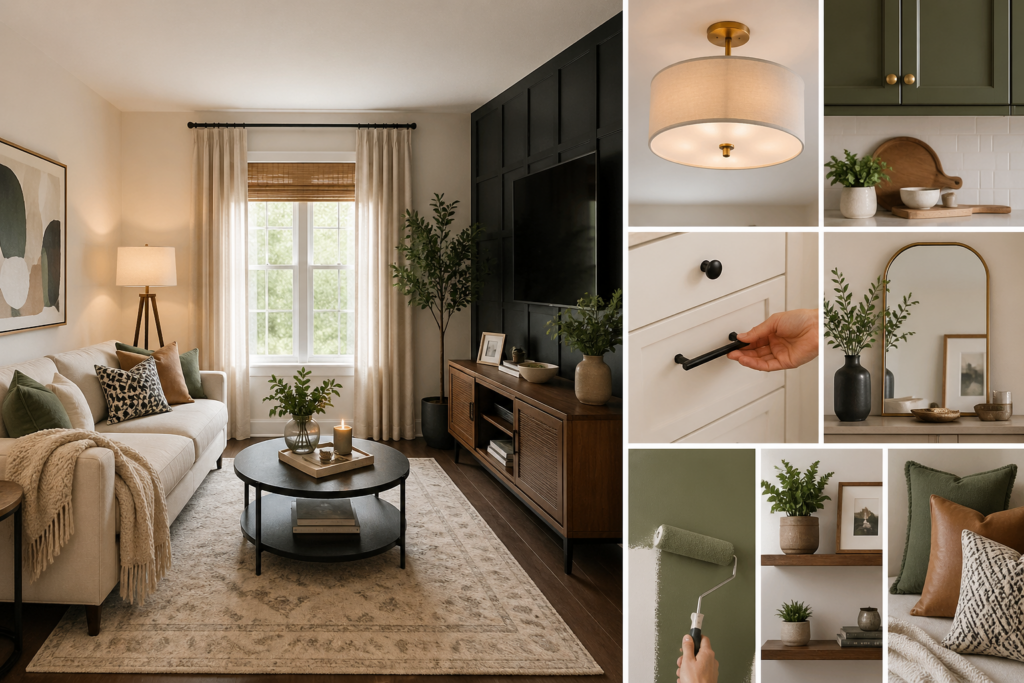
How to Upgrade Your Home Without a Full Renovation avinnyyaadmin Principal Designer Upgrading your home doesn’t always require tearing down walls, investing huge sums of money, or living through months of dust and disruption. Many homeowners assume that achieving a fresh, modern look means committing to a full-scale renovation—but that’s far from the truth. With the right design strategies, thoughtful planning, and creative upgrades, you can transform your home into a stylish, functional space without major construction. Today’s interior design trends focus heavily on flexibility, personalization, and smart upgrades. Instead of starting from scratch, homeowners are choosing to enhance what they already have. These upgrades not only save time and money but also allow for gradual improvements that reflect evolving tastes and lifestyles. At Avinnyya, the philosophy revolves around intelligent design—maximizing impact with minimal intervention. Whether it’s a subtle refresh or a noticeable transformation, upgrading your home without a full renovation is not just possible—it’s often the smarter choice. Why Choose Upgrades Over Full Renovation? Cost Efficiency One of the biggest advantages of upgrading instead of renovating is the significant cost savings. Full renovations often involve structural changes, labor-intensive processes, and expensive materials. In contrast, targeted upgrades focus only on specific areas that need improvement, allowing you to allocate your budget more effectively. By investing in elements like lighting, finishes, or furnishings, you can achieve a high-end look without overspending. Time-Saving Approach Renovations can take weeks or even months to complete, often disrupting daily life. Upgrades, on the other hand, are much quicker. A room can be refreshed in a matter of days with new paint, updated décor, or improved lighting. This makes upgrades ideal for busy homeowners who want results without long timelines. Minimal Disruption Living through a renovation can be stressful, with noise, dust, and limited access to certain areas of your home. Upgrades are far less invasive, allowing you to continue your routine with minimal interruption. This is especially beneficial for families and working professionals. Flexibility & Personalization Upgrades offer the freedom to experiment. You can test new colors, styles, and layouts without committing to permanent changes. This flexibility makes it easier to adapt your home to current trends or personal preferences over time. Upgrade Your Walls for Instant Impact Paint Transformation Walls are one of the most powerful elements in any space, and a fresh coat of paint can dramatically change the atmosphere of a room. Choosing the right color palette can make a space feel larger, brighter, or more intimate. Neutral tones create a calm and timeless look, while bold accent walls add personality and depth. Textured paints and finishes are also gaining popularity, offering a sophisticated alternative to plain walls. These subtle textures add visual interest without overwhelming the space. Wallpaper & Wall Panels Wallpaper has made a strong comeback, especially peel-and-stick options that are easy to apply and remove. From geometric patterns to nature-inspired designs, wallpapers can instantly elevate a room. Wall panels, whether wooden, MDF, or PVC, add a sense of luxury and structure. They are particularly effective in living rooms and bedrooms, creating focal points that enhance the overall design. Wall Art & Gallery Walls Personalizing your walls with artwork, photographs, or mirrors can bring character and warmth to your home. A well-curated gallery wall tells a story and reflects your personality. Mirrors, in particular, help amplify light and make spaces appear larger. Lighting – The Most Underrated Upgrade Layered Lighting Concept Lighting plays a crucial role in defining the mood and functionality of a space. A layered approach—combining ambient, task, and accent lighting—ensures that every corner of your home is both practical and visually appealing. Ambient lighting provides overall illumination, task lighting focuses on specific activities like reading or cooking, and accent lighting highlights architectural features or décor elements. Replace Outdated Fixtures Swapping old light fixtures for modern designs can instantly update your interiors. Pendant lights, chandeliers, and sleek LED fixtures not only improve lighting quality but also act as decorative elements. Smart Lighting Solutions Smart lighting systems allow you to control brightness, color temperature, and even scheduling through your smartphone. This adds convenience and helps create different moods for various occasions. Furniture Makeover Without Replacement Reupholstery & Refurbishing Instead of replacing old furniture, consider reupholstering or refinishing it. A new fabric or polish can completely transform the look of a sofa, chair, or table. This approach is both sustainable and cost-effective. Rearranging Layout Sometimes, all your space needs is a new arrangement. Rearranging furniture can improve flow, maximize space, and create a fresh perspective. Experimenting with layouts can reveal new possibilities without spending anything. Multipurpose Furniture Incorporating multifunctional furniture—such as storage beds or foldable tables—enhances both utility and aesthetics. These pieces are especially useful in smaller homes where space optimization is key. Upgrade Soft Furnishings for a Fresh Look Curtains & Blinds Changing curtains can instantly alter the look and feel of a room. Light, sheer fabrics create an airy ambiance, while heavier drapes add warmth and elegance. Cushions & Throws Cushions and throws are simple yet impactful additions. Mixing textures, colors, and patterns can refresh your interiors seasonally without major changes. Rugs & Carpets Rugs help define spaces, especially in open-plan layouts. They add warmth, comfort, and a layer of sophistication to any room. Kitchen Upgrades Without Remodeling Cabinet Makeover Kitchen cabinets take up a significant portion of visual space. Repainting them or changing handles can dramatically improve the kitchen’s appearance. Matte finishes and neutral tones are currently trending. Backsplash Upgrade A stylish backsplash can become the focal point of your kitchen. Peel-and-stick tiles are an easy and affordable option for achieving this upgrade. Organizers & Storage Solutions Improving storage with organizers, pull-out trays, and dividers enhances both functionality and aesthetics. A well-organized kitchen always looks more appealing. Bathroom Refresh Ideas Replace Fixtures Upgrading faucets, showerheads, and hardware can give your bathroom a modern touch. Sleek finishes like chrome or matte black are popular choices. Add Mirrors & Lighting A well-placed mirror combined with proper lighting can