
Statement Walls: Creative Ideas Beyond Paint to Transform Your Interiors
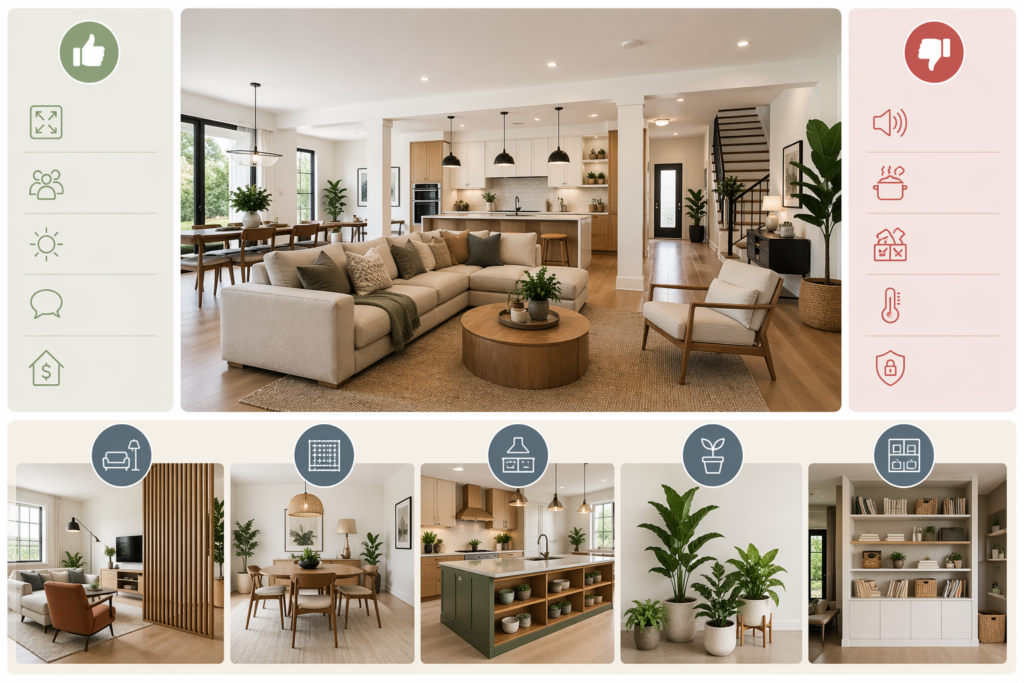
Open Layout Interiors: Pros, Cons & Design Tips Vallari Shah Principal Designer Open layout interiors have become a defining feature of modern homes, especially in urban living spaces where functionality meets aesthetics. By removing unnecessary walls and barriers, this design approach creates a seamless flow between different areas such as the living room, dining space, and kitchen. While the concept offers a sense of openness and flexibility, it also comes with certain challenges that homeowners must carefully consider. In this comprehensive guide, we’ll explore everything you need to know about open layout interiors—from their key benefits and drawbacks to expert design tips that ensure your space looks cohesive, practical, and visually appealing. Introduction to Open Layout Interiors Open layout interiors refer to a design style where multiple functional areas are combined into a single, continuous space without rigid partitions. Traditionally, homes were divided into separate rooms with specific purposes, but modern lifestyles demand more fluid and adaptable spaces. This shift has led to the growing popularity of open-plan living. In Indian homes, especially in cities where space optimization is crucial, open layouts have become increasingly desirable. They not only make compact apartments feel larger but also enhance connectivity among family members. Whether it’s a small flat or a luxury villa, the open layout concept reflects a contemporary lifestyle that values comfort, interaction, and flexibility. What Defines an Open Layout Design? Key Characteristics An open layout interior is defined by its lack of physical barriers. Instead of walls separating each room, spaces flow into one another naturally. This creates a unified environment where each area is visually connected yet functionally distinct. One of the most notable features is the emphasis on natural light. Without walls blocking windows, sunlight can travel freely across the entire space, making the home feel brighter and more inviting. Additionally, open layouts often incorporate multi-functional zones where a single area can serve multiple purposes, such as a dining space doubling as a workspace. Another defining aspect is the visual continuity achieved through consistent design elements like flooring, color schemes, and materials. This cohesion is essential to maintain harmony within the open space. Common Open Layout Configurations There are several popular configurations within open layout designs. The most common is the living and dining combination, where both areas share a unified space but are differentiated through furniture placement or decor elements. Another widely used configuration is the kitchen and dining integration, often enhanced with a breakfast counter or island that acts as a subtle divider. Studio-style layouts take openness a step further by combining all living functions into a single room, making them ideal for compact apartments. In larger homes and villas, open layouts may include expansive living areas with double-height ceilings, creating a luxurious and airy ambiance. Pros of Open Layout Interiors Enhanced Space Perception One of the biggest advantages of open layout interiors is their ability to make spaces appear larger than they actually are. By eliminating walls, the visual boundaries disappear, allowing the eye to travel freely across the room. This creates an illusion of spaciousness, which is especially beneficial in smaller homes and apartments. Even in compact areas, an open layout can significantly improve the overall feel of the space, making it less cramped and more comfortable. Better Natural Light Flow Open layouts maximize the use of natural light. Without walls obstructing windows, sunlight can illuminate the entire area, reducing the need for artificial lighting during the day. This not only enhances the aesthetic appeal of the home but also contributes to energy efficiency. A well-lit space feels more welcoming and positively impacts mood and productivity, making open layouts a preferred choice for modern homeowners. Improved Social Interaction An open layout fosters better communication and interaction among family members. Whether you’re cooking in the kitchen or relaxing in the living room, you remain connected with others in the space. This is particularly beneficial for families and those who frequently entertain guests. Hosting gatherings becomes more convenient, as guests can move freely between areas without feeling confined to a single room. Flexibility in Design Open layouts offer unmatched flexibility when it comes to design and functionality. Furniture can be rearranged easily to suit changing needs, and spaces can be adapted for multiple uses. For instance, a dining area can double as a workspace or study zone when required. This adaptability makes open layouts ideal for evolving lifestyles, especially in homes where space needs may change over time. Modern Aesthetic Appeal The clean, uncluttered look of open layout interiors aligns perfectly with contemporary design trends. The seamless flow and minimalist approach create a sophisticated and premium appearance that enhances the overall value of the home. This modern aesthetic is highly appealing to homeowners looking for stylish yet functional living spaces. Cons of Open Layout Interiors Lack of Privacy While openness has its advantages, it also means reduced privacy. Without walls, it can be challenging to create personal spaces, especially in households with multiple members. Activities in one area are easily visible and audible from others, which may not always be desirable. Noise and Distractions In an open layout, sound travels freely across the space. This can lead to increased noise levels, making it difficult to focus on work or enjoy quiet moments. For families with children or individuals working from home, this can be a significant drawback. Cooking Smells Spread Easily One of the common concerns with open kitchens is the spread of cooking odors throughout the home. Without proper ventilation, smells can linger in the living and dining areas, affecting the overall comfort of the space. Clutter Visibility In a closed layout, clutter can be confined to a single room. However, in an open layout, everything is visible at once. This means that even minor disorganization can impact the overall appearance of the home, requiring consistent maintenance and cleanliness. Temperature Control Challenges Maintaining a consistent temperature in a large open space can be challenging. Cooling or heating the entire area may require more energy
Open Layout Interiors: Pros, Cons & Expert Design Tips | Avinnyya
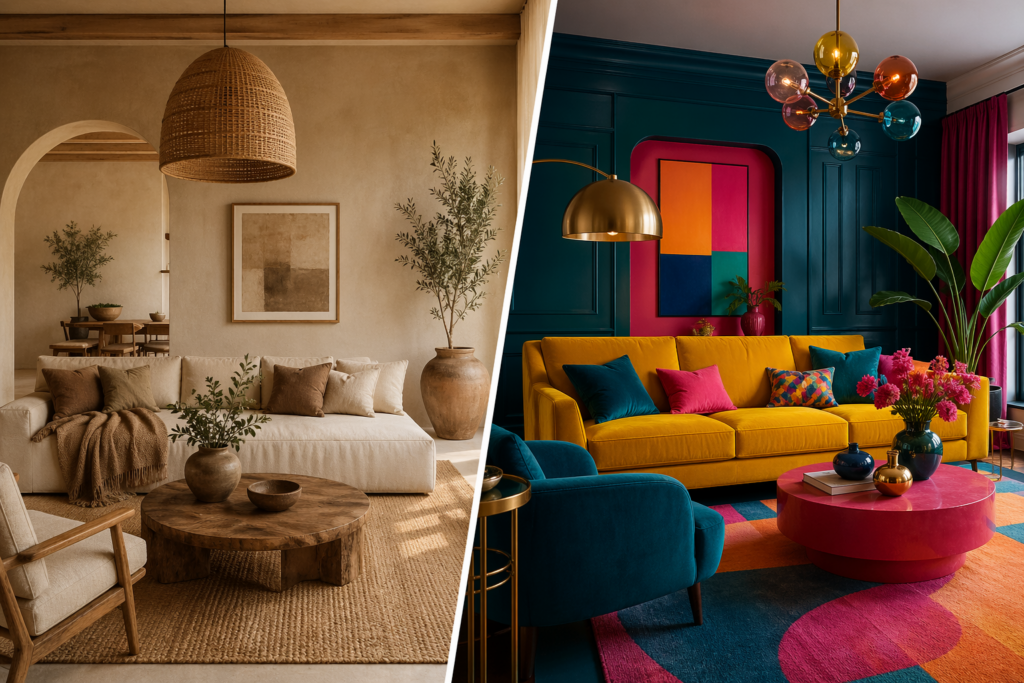
Earthy Tones vs Bold Colors: What’s Trending Now in Interior Design? Vallari Shah Principal Designer Color is one of the most powerful tools in interior design, capable of transforming the look, feel, and functionality of any space. From evoking emotions to defining the personality of a home, the right color palette plays a critical role in shaping modern interiors. In recent years, homeowners and designers alike have been navigating an interesting contrast—should they opt for calming, nature-inspired earthy tones or embrace the vibrancy of bold, expressive colors? This growing debate reflects deeper lifestyle changes. As people spend more time at home, there is a heightened awareness of how surroundings impact mental well-being. At the same time, social media and global design influences are encouraging more daring and personalized choices. The result is a fascinating blend of minimalism and maximalism coexisting in modern homes. In this blog, we explore both design directions in depth, comparing their appeal, advantages, and practical applications. Whether you are renovating your space or starting from scratch, understanding these trends will help you make informed decisions. With expert insights from Avinnyya, you’ll also discover how to strike the perfect balance between subtle elegance and bold creativity. Understanding Earthy Tones in Interior Design What Are Earthy Tones? Earthy tones are colors inspired by nature, reflecting elements like soil, stone, wood, and greenery. These include shades such as beige, taupe, terracotta, olive green, rust, and warm browns. Unlike synthetic or overly saturated colors, earthy tones feel grounded and organic, creating a sense of harmony within a space. These colors are often paired with natural materials such as wood, linen, jute, and stone, enhancing their authenticity. The overall effect is a cohesive and calming environment that feels connected to the outdoors. This connection is not just aesthetic—it taps into the human desire for comfort, stability, and balance. Why Earthy Tones Are Trending The popularity of earthy tones has surged due to a global shift toward sustainability and wellness-focused living. As more people prioritize eco-friendly choices and mindful design, interiors are increasingly reflecting these values. Earthy palettes align perfectly with biophilic design principles, which emphasize the integration of natural elements into indoor spaces. Another major factor is the rise of minimalism. Clean, uncluttered interiors often rely on neutral and muted tones to create a serene atmosphere. After the chaos and uncertainty of recent years, homeowners are gravitating toward spaces that feel safe, soothing, and timeless. Earthy tones deliver exactly that, making them a dominant trend in 2026. Popular Earthy Color Palettes Among the most sought-after earthy palettes are warm neutrals such as sand, cream, and taupe. These shades serve as versatile backdrops that can be easily styled with different textures and accessories. Greens, particularly sage and olive, are also widely used for their calming and refreshing qualities. Meanwhile, terracotta and rust tones add warmth and depth, making spaces feel inviting and cozy. These palettes are often layered rather than contrasted, creating a seamless and harmonious look. Instead of sharp transitions, the focus is on subtle variations that enhance the overall aesthetic. Best Spaces to Use Earthy Tones Earthy tones work exceptionally well in spaces where comfort and relaxation are priorities. Living rooms designed with warm neutrals and soft textures create a welcoming environment for socializing and unwinding. Bedrooms benefit from muted greens and browns, which promote restful sleep and tranquility. Home offices also benefit from earthy palettes, as they help reduce visual stress and improve focus. By creating a calm and distraction-free environment, these tones support productivity while maintaining a sense of balance. Exploring Bold Colors in Modern Interiors What Are Bold Colors? Bold colors are vibrant, high-impact shades that demand attention and create strong visual statements. These include jewel tones like emerald green, sapphire blue, and ruby red, as well as striking hues like mustard yellow, teal, and coral. Unlike earthy tones, bold colors are designed to stand out rather than blend in. They are often used strategically to highlight specific areas or elements within a space. Whether it’s a feature wall, a statement piece of furniture, or eye-catching decor, bold colors bring energy and personality to interiors. Why Bold Colors Are Gaining Popularity The resurgence of bold colors can be attributed to the growing popularity of maximalist design. After years of minimalism dominating the design world, homeowners are now embracing individuality and self-expression. Bold colors allow them to showcase their personality and create spaces that feel unique and vibrant. Social media has also played a significant role in this trend. Platforms like Instagram and Pinterest are filled with visually striking interiors that inspire homeowners to experiment with daring color choices. As a result, bold colors are no longer seen as risky—they are celebrated as creative and modern. Trending Bold Color Choices Jewel tones remain a favorite for their richness and sophistication. Emerald green and deep blue, in particular, are widely used to create luxurious and dramatic interiors. Dark shades like charcoal and midnight blue are also gaining traction, offering a modern alternative to traditional neutrals. On the brighter side, colors like mustard yellow, coral, and teal are being used as accents to add vibrancy and contrast. These hues work especially well in contemporary and eclectic designs, where creativity takes center stage. Best Spaces to Use Bold Colors Bold colors are ideal for areas where energy and interaction are encouraged. Living rooms with a statement wall or vibrant furniture pieces become visually engaging and dynamic. Dining areas benefit from warm, bold tones that stimulate conversation and appetite. Creative spaces such as home studios or kids’ rooms are perfect for experimenting with bold colors. These environments thrive on inspiration and playfulness, making vibrant hues a natural fit. Earthy Tones vs Bold Colors: Key Differences Mood and Atmosphere The most noticeable difference between earthy tones and bold colors lies in the mood they create. Earthy tones evoke calmness, stability, and comfort, making them ideal for relaxing environments. In contrast, bold colors bring energy, excitement, and drama, transforming spaces into lively and
Earthy Tones vs Bold Colors: What’s Trending Now in Interior Design?
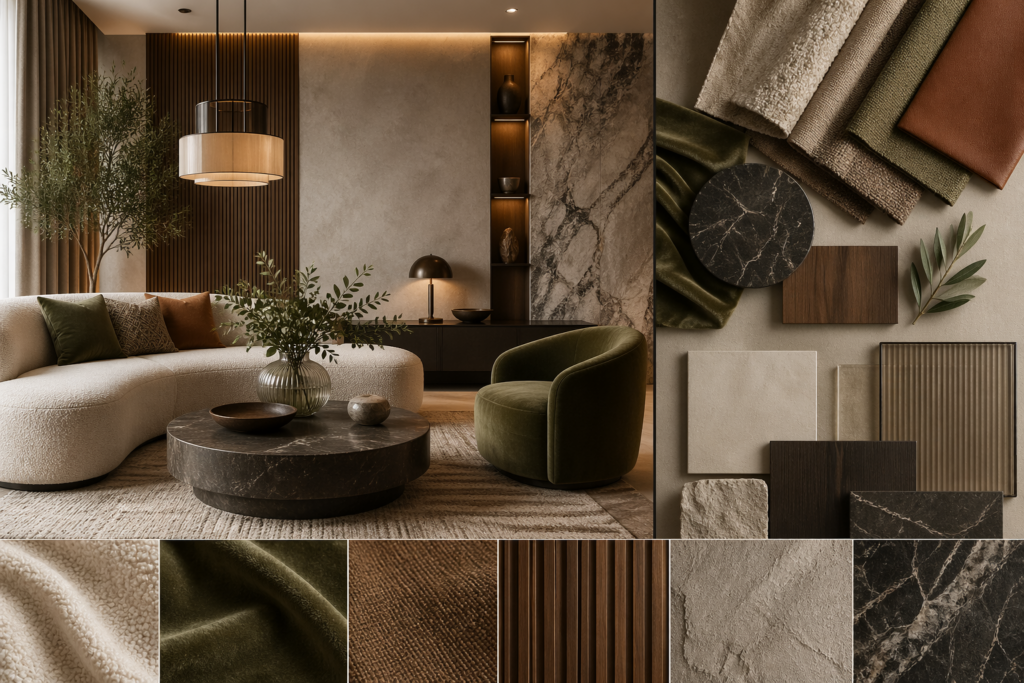
Luxury Interior Design Trends for Urban Homes Vallari Shah Principal Designer Urban living has undergone a remarkable transformation over the past decade. As cities grow denser and lifestyles become more dynamic, homeowners are increasingly seeking interiors that reflect not only sophistication but also comfort and efficiency. Luxury interior design is no longer defined solely by expensive materials or extravagant décor—it now represents a harmonious blend of aesthetics, functionality, personalization, and innovation. Modern urban homes, whether compact apartments or spacious penthouses, demand thoughtful design solutions that maximize space while maintaining an upscale feel. Today’s homeowners want interiors that are visually stunning yet practical enough to support their daily routines. This shift has led to the emergence of new luxury interior design trends that cater specifically to urban environments. In this comprehensive guide, we explore the most influential luxury interior design trends for urban homes and how you can incorporate them into your living space. Whether you are renovating or designing from scratch, these insights will help you create a home that exudes elegance and modern sophistication. Understanding Luxury in Urban Interior Design What Defines Luxury Today? Luxury in interior design has evolved significantly. In the past, it was often associated with ornate detailing, heavy furniture, and opulent materials. Today, luxury is more subtle and refined. It emphasizes quality over quantity, focusing on curated elements that enhance the overall living experience. Modern luxury interiors prioritize comfort, personalization, and timeless appeal. Instead of overcrowding spaces with decorative items, designers focus on creating clean, uncluttered environments that highlight premium materials and craftsmanship. The idea of “quiet luxury” has gained popularity, where understated elegance speaks louder than excessive embellishment. Another defining aspect of contemporary luxury is customization. Homeowners now prefer bespoke furniture, tailored layouts, and unique design elements that reflect their personality and lifestyle. This shift has made luxury interiors more meaningful and experiential. Urban Living Challenges Designing luxury interiors for urban homes comes with its own set of challenges. Space constraints are one of the biggest concerns, especially in metropolitan areas where apartments are often compact. Limited square footage requires smart planning and innovative solutions to ensure that every inch is utilized effectively. Additionally, urban homes must accommodate multiple functions within the same space. Living rooms often double as workspaces, and bedrooms may include study areas or relaxation zones. Achieving a luxurious feel while maintaining functionality requires a careful balance of design elements. Noise, lighting limitations, and the need for privacy are other factors that influence urban interior design. Addressing these challenges while maintaining a high-end aesthetic is what defines successful luxury design in modern cities. Top Luxury Interior Design Trends for Urban Homes Minimalist Luxury (Quiet Luxury) Minimalist luxury is one of the most dominant trends in urban interiors. It focuses on simplicity, clean lines, and a clutter-free environment while maintaining a sophisticated look. Neutral color palettes such as beige, ivory, and soft greys are commonly used to create a calm and elegant atmosphere. In minimalist luxury, every element serves a purpose. Furniture is carefully selected for both functionality and design appeal, often featuring sleek silhouettes and high-quality materials. Instead of excessive décor, attention is given to textures, finishes, and subtle details that elevate the space. This approach is particularly suitable for urban homes, where simplicity helps create a sense of openness and tranquility despite limited space. Smart Home Integration Technology has become an integral part of luxury interior design. Smart home systems allow homeowners to control lighting, temperature, security, and entertainment with ease. Voice-controlled devices and automated systems enhance convenience while adding a futuristic touch to interiors. In urban homes, where efficiency is key, smart integration helps optimize energy usage and improve daily living. Hidden wiring, sleek control panels, and seamless integration ensure that technology complements the design rather than disrupting it. From automated blinds to intelligent lighting systems, smart features are now essential components of modern luxury interiors. Sustainable and Eco-Friendly Luxury Sustainability is no longer just a trend—it is a necessity. Luxury interior design now incorporates eco-friendly materials and practices to create spaces that are both beautiful and responsible. Natural materials such as wood, stone, and bamboo are widely used to bring warmth and authenticity to interiors. Energy-efficient lighting, sustainable furniture, and low-impact finishes contribute to a greener living environment. Urban homeowners are increasingly conscious of their environmental footprint, making sustainable design a key aspect of modern luxury. This trend not only enhances aesthetics but also promotes healthier living spaces. Statement Lighting Designs Lighting plays a crucial role in defining the ambiance of a space. In luxury interiors, lighting is not just functional—it is a design statement. Sculptural chandeliers, elegant pendant lights, and artistic fixtures serve as focal points that elevate the overall look of a room. Layered lighting techniques are commonly used to create depth and dimension. Ambient lighting provides general illumination, while task and accent lighting highlight specific areas and features. In urban homes, where natural light may be limited, well-planned lighting design can transform the atmosphere and make spaces feel more open and inviting. Open-Concept Living Spaces Open-concept layouts have become a hallmark of modern urban living. By eliminating unnecessary walls, designers create seamless transitions between living, dining, and kitchen areas. This approach enhances the sense of space and allows for better interaction among family members. To maintain structure within open layouts, zoning techniques such as rugs, furniture placement, and subtle partitions are used. Glass walls and sliding panels can also provide separation without compromising openness. Open-concept designs are ideal for urban homes as they maximize available space while maintaining a luxurious and contemporary feel. Premium Materials and Finishes The use of high-quality materials is a defining feature of luxury interiors. Marble countertops, granite surfaces, velvet upholstery, and metallic accents add richness and sophistication to spaces. Textured finishes and high-gloss surfaces create visual interest and depth. Custom-made furniture and fittings further enhance the exclusivity of the design. In urban homes, where space is limited, investing in premium materials ensures that even small areas exude elegance and
Luxury Interior Design Trends for Urban Homes
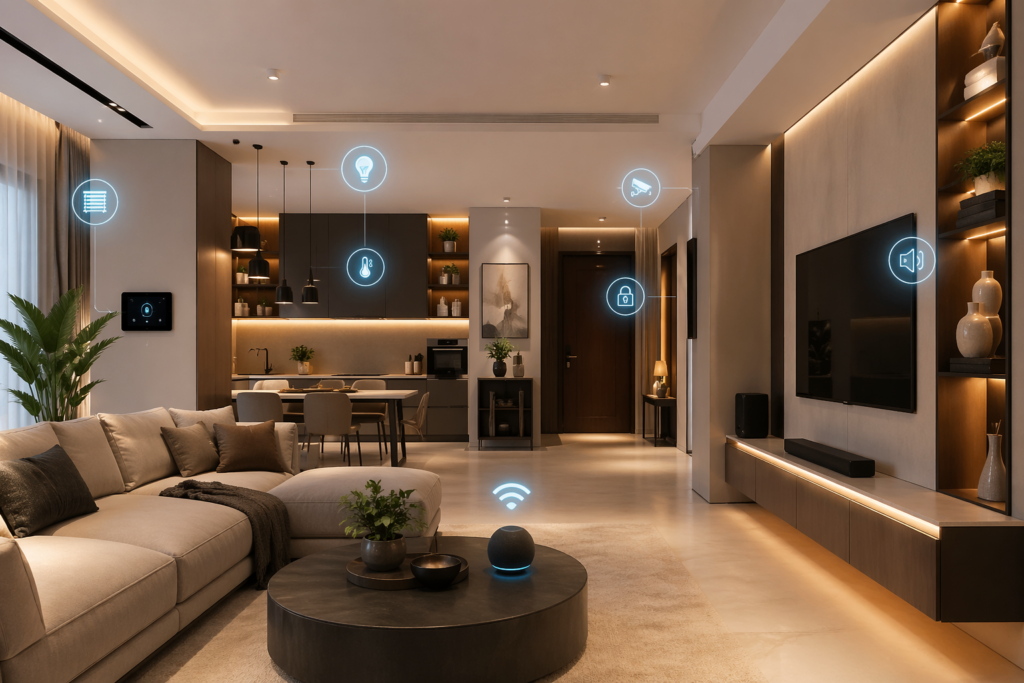
Smart Home Integration in Interior Design: Creating Intelligent, Stylish Living Spaces Vallari Shah Principal Designer The way we design and experience our homes is undergoing a dramatic transformation. Gone are the days when interior design was purely about aesthetics and functionality. Today, it is about creating intelligent environments that respond to your lifestyle, preferences, and daily routines. This shift has given rise to the concept of smart home integration in interior design, where technology and design work hand in hand to enhance comfort, efficiency, and visual appeal. With advancements in automation, artificial intelligence, and IoT (Internet of Things), homeowners are increasingly embracing smart solutions that simplify life. From voice-controlled lighting to automated climate systems and intelligent security features, modern homes are becoming more responsive and intuitive than ever before. However, integrating these technologies seamlessly into interior design requires careful planning and expertise to ensure that they enhance, rather than disrupt, the aesthetics of a space. In this comprehensive guide, we will explore how smart home integration is reshaping interior design, the technologies involved, practical ideas for every room, challenges to consider, and expert strategies to create a future-ready home. What is Smart Home Integration in Interior Design? Definition and Concept Smart home integration in interior design refers to the seamless incorporation of advanced technologies into the physical and visual framework of a space. It involves embedding automated systems—such as lighting, climate control, entertainment, and security—into the design in a way that complements the overall aesthetic. Rather than treating technology as an add-on, smart integration ensures that devices and systems become a natural part of the home’s design language. This includes hidden wiring, minimalistic controls, and intuitive interfaces that blend effortlessly with furniture, textures, and architectural elements. At its core, the goal is to create a home that is not only visually appealing but also responsive, efficient, and personalized to the user’s lifestyle. Evolution of Smart Homes The journey of smart homes began with simple automation systems such as remote-controlled lighting and programmable thermostats. Over time, these technologies evolved into interconnected ecosystems powered by the internet and artificial intelligence. Today’s smart homes go beyond basic automation. They can learn user preferences, adjust settings automatically, and even anticipate needs. Voice assistants, mobile apps, and centralized control hubs allow homeowners to manage their entire living environment with ease. This evolution has significantly influenced interior design, pushing designers to rethink layouts, materials, and spatial planning to accommodate and enhance smart functionalities. Why Smart Home Integration is the Future of Interior Design Convenience and Automation One of the most compelling reasons for the growing popularity of smart homes is the convenience they offer. Imagine waking up to natural light as your curtains open automatically, your coffee machine starts brewing, and your room temperature adjusts to your preference—all without manual intervention. Automation simplifies everyday tasks, reduces effort, and allows homeowners to focus on what truly matters. With mobile apps and voice commands, controlling various aspects of the home becomes effortless and intuitive. Energy Efficiency and Sustainability Smart homes play a crucial role in promoting sustainable living. Automated lighting systems ensure that lights are turned off when not in use, while smart thermostats optimize energy consumption by adjusting temperatures based on occupancy and weather conditions. These energy-saving features not only reduce utility bills but also contribute to environmental conservation. As sustainability becomes a key consideration in interior design, smart integration offers a practical and effective solution. Enhanced Security and Safety Safety is a top priority for any homeowner, and smart technology significantly enhances home security. Features such as smart locks, motion sensors, video doorbells, and surveillance cameras provide real-time monitoring and alerts. These systems can be integrated seamlessly into the design, ensuring that security does not compromise aesthetics. Whether you are at home or away, you can monitor and control your security systems with ease. Increased Property Value Homes equipped with smart technologies are highly desirable in the real estate market. Buyers are increasingly looking for properties that offer modern सुविधाएँ and future-ready features. Smart integration not only improves the functionality of a home but also adds significant value, making it a worthwhile investment for homeowners. Key Smart Home Technologies Used in Interior Design Smart Lighting Systems Lighting plays a crucial role in setting the mood and ambiance of a space. Smart lighting systems allow users to control brightness, color, and timing through apps or voice commands. These systems can be programmed to create different lighting scenes for various activities, such as relaxing, working, or entertaining guests. From warm ambient lighting to vibrant accent lights, smart lighting enhances both functionality and design. Smart Climate Control Maintaining the perfect indoor temperature is essential for comfort. Smart climate control systems, including thermostats and automated air conditioning units, adjust settings based on user preferences and environmental conditions. These systems not only improve comfort but also reduce energy consumption, making them an integral part of modern interior design. Voice-Controlled Assistants Voice assistants have become a central element of smart homes. They allow users to control lighting, appliances, music, and more using simple voice commands. Integrating these assistants into interior design requires careful consideration to ensure that devices are accessible yet unobtrusive. Smart Entertainment Systems Modern homes often feature advanced entertainment setups, including home theaters and multi-room audio systems. Smart integration ensures that these systems are seamlessly incorporated into the design, with hidden wiring and minimalist setups. This creates a clean, clutter-free look while delivering a high-quality entertainment experience. Smart Security Solutions Security technologies such as smart locks, cameras, and alarm systems can be integrated into doors, walls, and entryways without disrupting the design. These solutions provide peace of mind while maintaining the visual integrity of the space. Smart Kitchen Appliances The kitchen is one of the most important areas for smart integration. From refrigerators that track groceries to ovens that can be controlled remotely, smart appliances enhance efficiency and convenience. These appliances are designed to blend with modern kitchen aesthetics, ensuring a cohesive look. How Smart Technology Influences Interior Design
Smart Home Integration in Interior Design: Creating Intelligent, Stylish Living Spaces
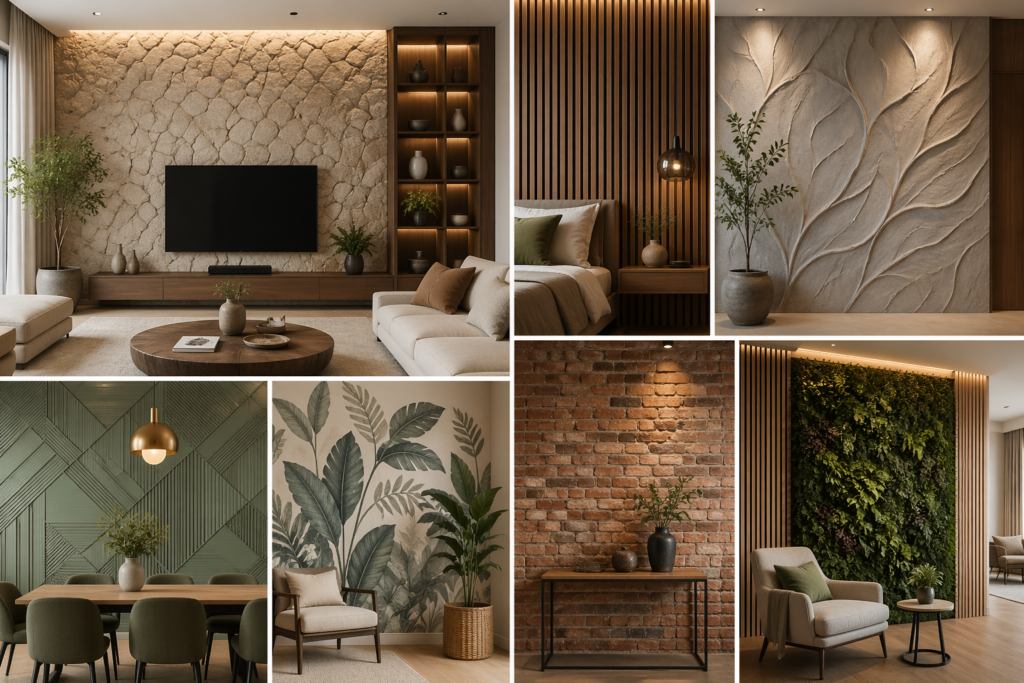
Statement Walls: Creative Ideas Beyond Paint to Transform Your Interiors Vallari Shah Principal Designer In today’s evolving world of interior design, walls are no longer just structural elements that hold up a home—they are powerful design opportunities waiting to be explored. A statement wall, also known as an accent wall, has become a defining feature in modern interiors, helping homeowners express personality, style, and creativity. While paint has traditionally been the go-to solution, it often falls short in delivering the depth, texture, and uniqueness that contemporary spaces demand. This shift has led to a growing interest in statement walls that go beyond paint—walls that incorporate materials, textures, lighting, and innovative design elements to create visually striking focal points. Whether you want to add warmth to your living room, luxury to your bedroom, or sophistication to your workspace, exploring creative wall treatments can completely transform your interiors. In this comprehensive guide, we’ll explore what statement walls are, why you should go beyond paint, and the most creative ideas that can elevate your space to the next level. What is a Statement Wall? A statement wall is a single wall within a room that is intentionally designed to stand out from the others. It acts as a focal point, drawing attention and anchoring the overall design of the space. Instead of blending in, this wall becomes the centerpiece that defines the room’s character. Definition and Purpose The purpose of a statement wall is to break the monotony of uniform walls and introduce visual interest. It allows homeowners to experiment with bold designs without overwhelming the entire space. By focusing on one wall, you can create impact while maintaining balance. A well-designed statement wall can: Highlight architectural features Frame furniture such as beds or sofas Enhance spatial perception Add personality and storytelling to interiors Why Go Beyond Paint? While paint is versatile and cost-effective, it has limitations when it comes to texture, depth, and uniqueness. Modern homeowners are increasingly seeking designs that feel premium, tactile, and distinctive. Going beyond paint allows you to: Introduce textures like wood, stone, or fabric Create three-dimensional visual effects Achieve a more luxurious and custom look Increase durability compared to plain painted walls This shift reflects a broader trend in interior design where surfaces are no longer flat but layered and dynamic. Benefits of Creative Statement Walls Investing in a statement wall that goes beyond paint offers multiple advantages that enhance both aesthetics and functionality. Enhances Visual Appeal A creatively designed wall instantly elevates the look of any room. It draws attention and adds a sense of sophistication that plain walls cannot achieve. Whether it’s a textured panel or a dramatic lighting feature, the visual transformation is immediate. Reflects Personal Style Your home should tell your story, and statement walls are one of the best ways to do that. From minimalistic wood panels to bold geometric designs, each choice reflects your taste, personality, and lifestyle. Adds Texture and Depth Flat painted walls often lack dimension. By incorporating materials like stone, fabric, or 3D panels, you add layers that create depth and make the space feel richer and more engaging. Increases Property Value Unique and well-executed interiors can significantly boost the value of a property. A thoughtfully designed statement wall adds a premium touch that appeals to potential buyers or tenants. Top Creative Statement Wall Ideas Beyond Paint Let’s explore some of the most innovative and trending ideas that go far beyond traditional paint. Wooden Paneling & Cladding Wooden walls are timeless and versatile. Whether you choose vertical slats, reclaimed wood, or geometric patterns, wood adds warmth and natural elegance to any space. It works beautifully in living rooms and bedrooms, creating a cozy yet sophisticated atmosphere. Modern designs often incorporate sleek wooden panels with clean lines, while rustic styles embrace textured, reclaimed finishes. The natural grain of wood adds character that no paint can replicate. 3D Wall Panels 3D wall panels are perfect for those who want a modern and futuristic look. Made from materials like PVC, gypsum, or MDF, these panels create striking visual patterns that play with light and shadow. They are especially effective in living rooms and entertainment areas, where they can be paired with subtle lighting to enhance the three-dimensional effect. The result is a wall that feels dynamic and artistic. Wallpaper Designs (Modern Upgrade) Wallpaper has made a strong comeback, but in a much more sophisticated form. Today’s options include textured wallpapers, fabric finishes, and large-scale murals that transform walls into works of art. Peel-and-stick wallpapers have also made installation easier than ever, allowing homeowners to experiment with different designs without long-term commitment. Stone & Brick Finishes For a rustic or industrial look, stone and brick walls are excellent choices. Natural stone adds an earthy, organic feel, while exposed brick creates a raw and urban aesthetic. These finishes are particularly popular for TV units, fireplaces, and feature walls in living rooms. They bring a sense of authenticity and timeless charm. Mirror & Glass Panels If you want to make a room feel larger and brighter, mirror and glass panels are ideal. They reflect light and create an illusion of space, making them perfect for small apartments or compact rooms. In addition to functionality, they add a touch of luxury and elegance, especially when combined with metallic accents or soft lighting. Metal Accents & Panels Metallic walls are bold, modern, and eye-catching. Materials like brass, copper, and steel can be used to create sleek panels or intricate designs. These walls work well in contemporary interiors, adding a sense of industrial chic or high-end sophistication. When paired with the right lighting, metal surfaces create stunning reflections and highlights. Fabric & Upholstered Walls Upholstered walls are synonymous with luxury and comfort. Commonly used in bedrooms, they feature padded panels covered in fabric or leather. These walls not only look elegant but also provide sound insulation, making them ideal for creating a peaceful and cozy environment. They are often seen in high-end homes and hotel interiors.
Sustainable Interior Design: Eco-Friendly Ideas for Your Home
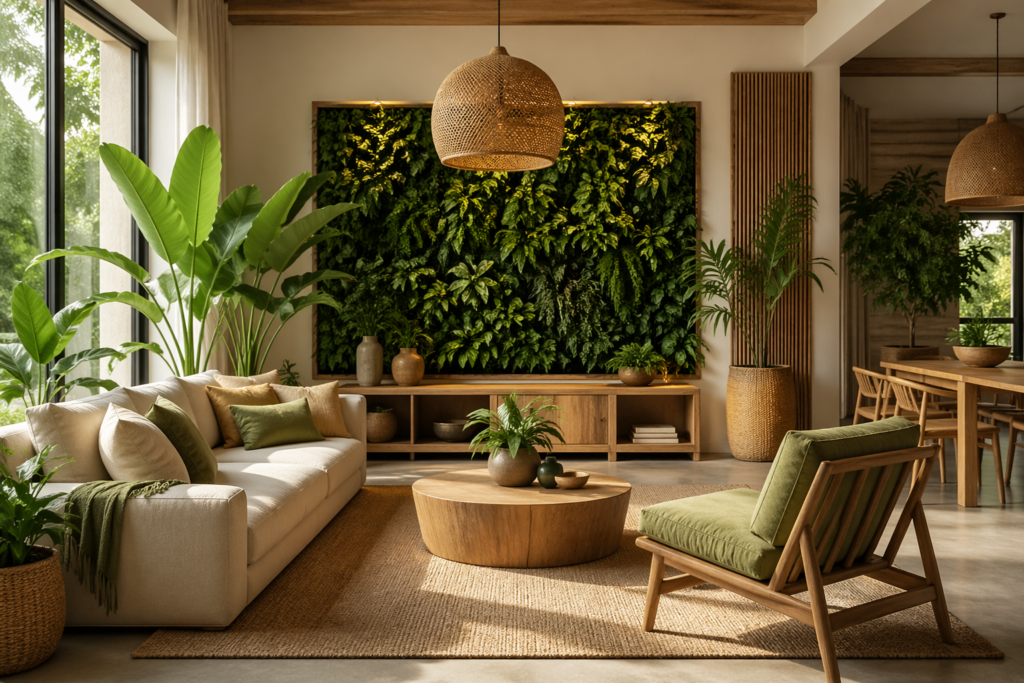
Sustainable Interior Design: Eco-Friendly Ideas for Your Home avinnyyaadmin Principal Designer Sustainable interior design is no longer just a trend—it has become a necessity in today’s environmentally conscious world. As homeowners grow more aware of their environmental impact, the demand for eco-friendly interiors is rapidly increasing. Sustainable design focuses on creating beautiful living spaces while minimizing harm to the planet, conserving resources, and promoting healthier lifestyles. Every design decision you make—from the materials you choose to the lighting you install—can significantly affect the environment. By adopting eco-friendly interior design practices, you not only reduce your carbon footprint but also create a home that is healthier, more efficient, and cost-effective in the long run. At Avinnyya, sustainability is at the core of design philosophy, combining aesthetics with responsibility to craft spaces that are both elegant and environmentally friendly. What is Sustainable Interior Design? Definition and Core Principles Sustainable interior design refers to designing spaces in a way that reduces negative environmental impact while enhancing the well-being of occupants. It revolves around three core principles: environmental responsibility, resource efficiency, and human health. Environmental responsibility involves minimizing waste, reducing pollution, and choosing materials that are renewable or recyclable. Resource efficiency focuses on using energy, water, and raw materials wisely. Lastly, creating healthy living spaces ensures better indoor air quality and reduced exposure to harmful chemicals. Why Sustainability Matters in Interior Design The importance of sustainability in interior design stems from growing concerns about climate change and resource depletion. Buildings and interiors contribute significantly to global carbon emissions, making it essential to adopt eco-friendly practices. Additionally, sustainable interiors are not just good for the planet—they are beneficial for homeowners as well. They lead to lower energy bills, reduced maintenance costs, and improved indoor comfort. As awareness grows, sustainable homes are also becoming more desirable in the real estate market. Benefits of Eco-Friendly Interior Design Environmental Benefits One of the most significant advantages of sustainable interior design is its positive impact on the environment. By using eco-friendly materials and reducing waste, you contribute to lowering pollution and conserving natural resources. Sustainable practices also help reduce greenhouse gas emissions, making your home part of the solution rather than the problem. Health Benefits Eco-friendly interiors promote better health by improving indoor air quality. Traditional materials often release harmful toxins, whereas sustainable alternatives use low-VOC or non-toxic substances. This reduces the risk of respiratory issues, allergies, and other health concerns, creating a safer living environment for you and your family. Financial Benefits Although sustainable materials and technologies may seem expensive initially, they offer long-term financial benefits. Energy-efficient appliances, LED lighting, and durable materials significantly reduce utility bills and replacement costs over time. Investing in sustainability is ultimately a smart financial decision. Eco-Friendly Materials for Sustainable Interiors Natural and Renewable Materials Choosing natural and renewable materials is a cornerstone of sustainable interior design. Materials like bamboo, cork, and reclaimed wood are not only eco-friendly but also aesthetically appealing. Bamboo, for instance, grows rapidly and requires minimal resources, making it an excellent alternative to traditional hardwood. Organic fabrics such as cotton, linen, and wool are also sustainable options for upholstery, curtains, and décor. These materials are biodegradable and free from harmful chemicals, ensuring both comfort and environmental safety. Recycled and Upcycled Materials Recycled materials help reduce waste and conserve resources. Glass, metal, and plastic can be repurposed into stylish and functional design elements. Upcycling, on the other hand, involves transforming old or discarded items into something new and valuable. For example, an old wooden door can be turned into a unique coffee table, or reclaimed wood can be used for wall paneling. These creative approaches not only reduce waste but also add character and uniqueness to your home. Low-VOC and Non-Toxic Materials Volatile Organic Compounds (VOCs) are harmful chemicals found in many paints, adhesives, and finishes. Sustainable design prioritizes low-VOC or zero-VOC products to improve indoor air quality. Using non-toxic materials ensures a healthier environment, especially for children and elderly family members. It also contributes to long-term well-being by reducing exposure to harmful substances. Energy-Efficient Interior Design Ideas Smart Lighting Solutions Lighting plays a crucial role in energy consumption. Switching to LED lights can significantly reduce electricity usage while providing better illumination. Additionally, maximizing natural light through large windows, skylights, and reflective surfaces reduces the need for artificial lighting during the day. Energy-Saving Appliances Modern appliances are designed to consume less energy without compromising performance. Choosing energy-efficient refrigerators, air conditioners, and washing machines can drastically lower your energy bills. Smart appliances further enhance efficiency by allowing you to control usage remotely. Insulation and Ventilation Proper insulation helps maintain indoor temperatures, reducing the need for heating and cooling systems. Similarly, good ventilation ensures fresh air circulation, minimizing reliance on air conditioning. Cross-ventilation techniques can naturally cool your home, especially in warmer climates. Sustainable Furniture Choices Buying Responsibly When selecting furniture, it is essential to consider how and where it is made. Ethically sourced furniture ensures that materials are harvested responsibly and workers are treated fairly. Certifications can help identify sustainable products. Vintage and Second-Hand Furniture Buying vintage or second-hand furniture is an excellent way to reduce waste. These pieces often have superior craftsmanship and durability compared to mass-produced items. They also add a unique charm and personality to your interiors. Modular and Multi-Functional Furniture Modular furniture is designed for flexibility and longevity. It can be reconfigured or expanded as needed, reducing the need for replacements. Multi-functional furniture, such as sofa beds or storage units, maximizes space and minimizes resource consumption. Water Conservation in Interior Design Water-Efficient Fixtures Installing low-flow faucets, showerheads, and dual-flush toilets can significantly reduce water usage. These fixtures are designed to maintain performance while conserving water. Smart Plumbing Design Efficient plumbing layouts minimize water wastage by reducing the distance water needs to travel. This ensures faster access and less water loss. Indoor Plants for Natural Humidity Control Indoor plants not only enhance aesthetics but also help regulate humidity levels. This reduces the need for artificial humidifiers and
How to Maintain Your Home Interiors for Long-Term Beauty
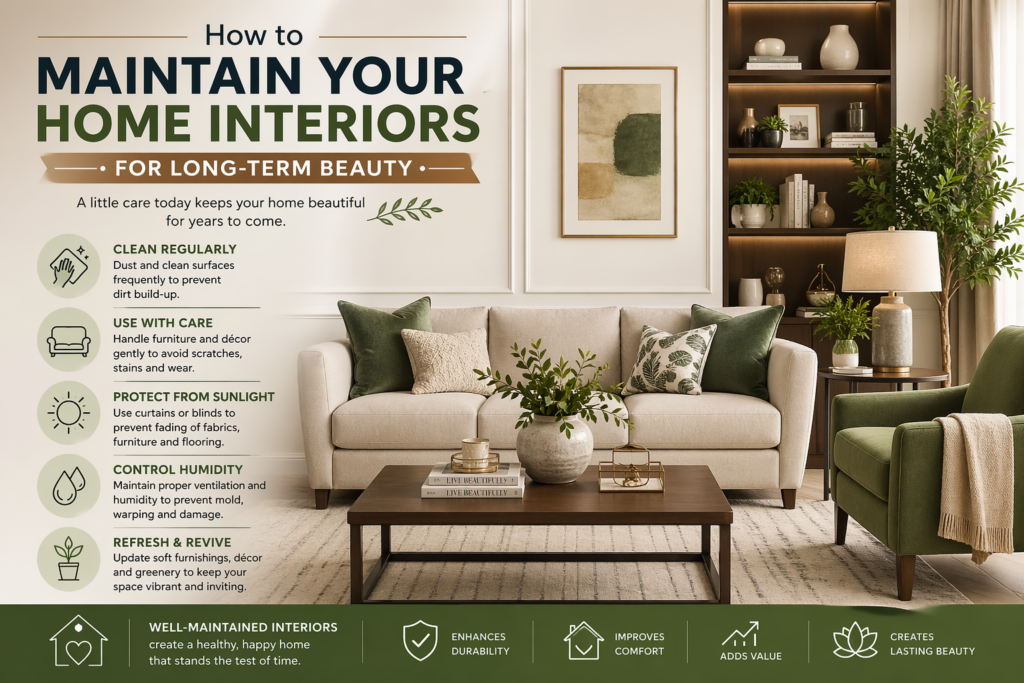
How to Maintain Your Home Interiors for Long-Term Beauty avinnyyaadmin Principal Designer Designing a beautiful home is only the first step toward creating a space that feels comfortable, elegant, and timeless. The real challenge lies in preserving that beauty over the years. Home interiors are constantly exposed to dust, moisture, daily wear, and environmental changes, all of which can slowly diminish their charm if not properly maintained. This is why interior maintenance is not just a routine task—it is an essential practice that protects your investment and ensures your home continues to look as stunning as the day it was designed. Whether you live in a modern apartment or a spacious house, maintaining your interiors requires a thoughtful combination of daily habits, periodic cleaning, and preventive care. From furniture and flooring to walls and décor, every element plays a role in defining the overall appeal of your home. This comprehensive guide will walk you through practical, expert-backed strategies to maintain your home interiors for long-term beauty, ensuring they remain fresh, functional, and visually appealing for years to come. Why Interior Maintenance Matters Protecting Your Investment Home interiors often involve a significant financial investment, from premium furniture and designer lighting to customized cabinetry and high-quality finishes. Without proper maintenance, these elements can deteriorate quickly, leading to costly repairs or replacements. Regular upkeep helps preserve their original condition, allowing you to enjoy their value for a longer time. By maintaining your interiors consistently, you avoid unnecessary expenses and ensure that your home retains its worth over the years. Enhancing Longevity of Materials Every material used in your home—wood, fabric, marble, glass, or metal—has a specific lifespan that can be extended with proper care. For instance, wooden furniture can last decades if polished and protected from moisture, while upholstery can retain its texture and color with regular cleaning. Maintenance routines tailored to each material help prevent damage, fading, and wear, ensuring durability and performance. Maintaining Aesthetic Appeal A well-maintained home always feels inviting and visually pleasing. Clean surfaces, organized spaces, and polished finishes contribute to a sense of harmony and elegance. On the other hand, neglected interiors can quickly appear dull and outdated. Regular care helps maintain a fresh and timeless look, enhancing both comfort and visual appeal. Daily Maintenance Habits for a Beautiful Home Declutter Regularly Clutter is one of the biggest obstacles to maintaining beautiful interiors. Even the most well-designed spaces can look chaotic when filled with unnecessary items. Developing a habit of decluttering daily ensures that your home remains organized and visually balanced. Start by assigning designated spaces for everyday items and avoid accumulating things that no longer serve a purpose. A clutter-free environment not only enhances aesthetics but also makes cleaning easier. Dusting and Cleaning Routine Dust accumulation is inevitable, but regular cleaning can prevent it from affecting your interiors. Surfaces such as tables, shelves, and décor items should be dusted daily or at least a few times a week using microfiber cloths. These cloths effectively trap dust without scratching surfaces. Using gentle cleaning products helps maintain the finish of furniture and prevents damage caused by harsh chemicals. Proper Ventilation Good ventilation plays a crucial role in maintaining healthy and fresh interiors. Proper airflow reduces humidity levels, preventing issues like mold, mildew, and unpleasant odors. Opening windows regularly and ensuring proper air circulation helps keep your home environment clean and comfortable. Ventilation is especially important in areas like kitchens and bathrooms where moisture tends to accumulate. Weekly and Monthly Cleaning Checklist Deep Cleaning Surfaces While daily cleaning keeps your home tidy, deep cleaning is essential for maintaining long-term beauty. Weekly or monthly cleaning should include mopping floors, wiping walls, and vacuuming upholstery. Pay special attention to corners, under furniture, and hidden areas where dirt often accumulates. Deep cleaning helps remove stubborn dirt and keeps your interiors looking fresh. Checking for Wear and Tear Regular inspections allow you to identify minor issues before they turn into major problems. Look for signs such as loose fittings, scratches, cracks, or peeling finishes. Addressing these issues early can prevent further damage and save you from costly repairs. A proactive approach to maintenance ensures that your interiors remain in excellent condition. Maintaining Kitchen and Bathroom Hygiene Kitchens and bathrooms require extra care due to constant exposure to water, grease, and heat. Regular cleaning of countertops, tiles, and fixtures helps prevent stains and buildup. Ensuring proper hygiene in these areas not only maintains their appearance but also promotes a healthier living environment. Furniture Care Tips for Longevity Wooden Furniture Maintenance Wooden furniture adds warmth and elegance to any home, but it requires careful maintenance. Regular polishing helps maintain its shine and protects it from scratches. Avoid placing wooden furniture in direct sunlight or near moisture sources, as this can cause warping or fading. Using coasters and mats can prevent stains and water damage. Upholstery Care Sofas, chairs, and cushions are prone to dust and stains. Vacuuming upholstery weekly helps remove dirt and allergens, keeping the fabric clean and fresh. In case of spills, immediate cleaning is essential to prevent permanent stains. Choosing removable covers or washable fabrics can make maintenance easier. Metal and Glass Furniture Metal and glass elements add a modern touch to interiors but require regular cleaning to maintain their appearance. Glass surfaces should be cleaned with streak-free solutions, while metal surfaces should be protected from moisture to prevent rust. Gentle cleaning methods help preserve their shine and clarity. Wall, Paint, and Wallpaper Maintenance Cleaning Painted Walls Walls often accumulate dust, fingerprints, and stains over time. Cleaning them periodically with a soft cloth or sponge helps maintain their appearance. The cleaning method may vary depending on the type of paint used, so it is important to use suitable products that do not damage the surface. Preventing Cracks and Peeling Cracks and peeling paint can significantly affect the look of your interiors. These issues are often caused by moisture, temperature changes, or poor-quality materials. Regular inspection and timely repairs can prevent further damage
Renovation vs Fresh Interiors: What Should You Choose?
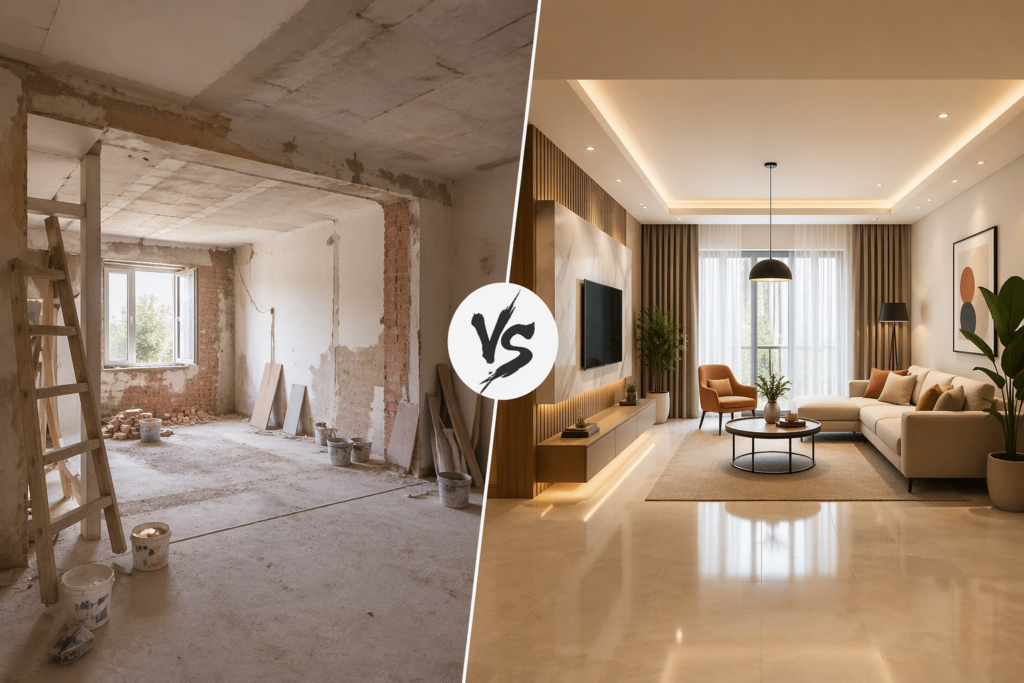
Renovation vs Fresh Interiors: What Should You Choose? avinnyyaadmin Principal Designer Designing or upgrading your home is an exciting journey, but it often begins with a crucial decision—should you renovate your existing space or opt for completely fresh interiors? This dilemma is common among homeowners, especially when balancing budget, time, and design aspirations. While both approaches aim to enhance your living environment, they differ significantly in execution, cost, flexibility, and outcome. Renovation focuses on improving and upgrading an existing structure, preserving certain elements while enhancing functionality and aesthetics. On the other hand, fresh interiors involve creating a new design from scratch, allowing complete creative freedom and modern planning. Choosing between the two is not just about preference; it requires a strategic evaluation of your space, lifestyle, and long-term goals. In this detailed guide, we will explore every aspect of renovation and fresh interiors—from definitions and differences to costs, timelines, advantages, and expert recommendations—helping you make a well-informed decision for your home. Understanding Renovation and Fresh Interiors What is Home Renovation? Home renovation refers to the process of upgrading, repairing, or modifying an existing structure without completely rebuilding it. It involves making improvements to certain areas of the home while retaining the original framework. Renovation can range from minor cosmetic updates, such as repainting walls or changing lighting fixtures, to major transformations like remodeling kitchens, upgrading bathrooms, or replacing flooring. One of the defining aspects of renovation is that it works within the limitations of the existing layout. While some structural changes are possible, they often depend on feasibility and cost constraints. Renovation is typically chosen when a home is still structurally sound but requires modernization, repair, or aesthetic improvement. What are Fresh Interiors? Fresh interiors, in contrast, involve designing a space from scratch. This approach is commonly used in newly constructed homes, empty apartments, or spaces undergoing complete redesign. Fresh interior design focuses on creating a cohesive theme, optimizing layout, selecting furniture, and integrating décor elements that align with the homeowner’s vision. Unlike renovation, fresh interiors offer complete design freedom. Everything—from space planning and furniture placement to color schemes and lighting—is carefully curated without being restricted by previous structures. This approach is ideal for those who want a modern, personalized, and fully optimized living space. Key Differences Between Renovation and Fresh Interiors Scope of Work The scope of work is one of the most significant differences between renovation and fresh interiors. Renovation involves modifying or upgrading existing elements, which means working around pre-existing walls, layouts, and structures. Fresh interiors, however, allow designers to build a space from the ground up, creating a completely new design narrative. Cost Comparison Cost plays a major role in decision-making. Renovation is often perceived as more budget-friendly, but this is not always the case. While minor renovations can be economical, hidden issues such as plumbing damage or structural repairs can increase costs unexpectedly. Fresh interiors, on the other hand, require a higher initial investment due to furniture, materials, and design services, but they offer better cost predictability. Time Required Renovation projects can sometimes be completed faster, especially when changes are minimal. However, unforeseen complications can cause delays. Fresh interiors follow a more structured timeline, with clear phases such as design planning, procurement, and installation. Although they may take longer overall, the process is usually more organized. Design Flexibility When it comes to design flexibility, fresh interiors have a clear advantage. Renovation often involves compromises due to existing layouts and structural limitations. Fresh interiors, however, allow homeowners to experiment with modern designs, innovative layouts, and personalized aesthetics without restrictions. When Should You Choose Renovation? Budget Constraints Renovation is a practical choice for homeowners with limited budgets. Instead of investing in a complete redesign, you can focus on upgrading key areas, such as the kitchen or living room, to achieve noticeable improvements without excessive spending. Structural Stability If your home has a strong and stable structure, renovation can be an efficient way to enhance its appearance and functionality. There is no need to start from scratch when the foundation and layout are already in good condition. Sentimental Value Homes often carry emotional and sentimental significance. Renovation allows you to preserve meaningful elements while updating the overall look. This is especially important for inherited properties or homes with unique architectural features. Minor Upgrades Needed When your space only requires cosmetic changes—such as new paint, updated lighting, or modern fixtures—renovation is the most logical and cost-effective solution. When Should You Choose Fresh Interiors? New Home or Empty Space Fresh interiors are the ideal choice for newly purchased homes or empty apartments. Since there are no existing constraints, designers can create a layout that maximizes space and functionality from the beginning. Complete Style Transformation If you want to completely change the look and feel of your home, fresh interiors are the better option. Whether transitioning from a traditional design to a contemporary style or creating a luxury aesthetic, starting fresh ensures a cohesive result. Poor Existing Layout In cases where the current layout is inefficient or outdated, renovation may not be enough. Fresh interiors allow for better space planning, improved flow, and enhanced usability. Long-Term Investment Fresh interiors are often a better long-term investment. They provide durability, modern functionality, and higher resale value, making them suitable for homeowners planning to stay in their property for years. Pros and Cons of Renovation Advantages of Renovation Renovation offers several benefits, particularly in terms of cost and convenience. It is often more affordable than a complete redesign and can be completed relatively quickly. Additionally, it allows homeowners to retain certain elements of their existing space, preserving familiarity and reducing waste. Disadvantages of Renovation Despite its advantages, renovation comes with limitations. Hidden structural issues can lead to unexpected expenses, and design flexibility is often restricted. Moreover, the final result may not feel entirely new, especially if major elements remain unchanged. Pros and Cons of Fresh Interiors Advantages of Fresh Interiors Fresh interiors provide unmatched creative freedom. Homeowners can design every aspect of their
Interior Design Checklist Before Moving Into a New Home
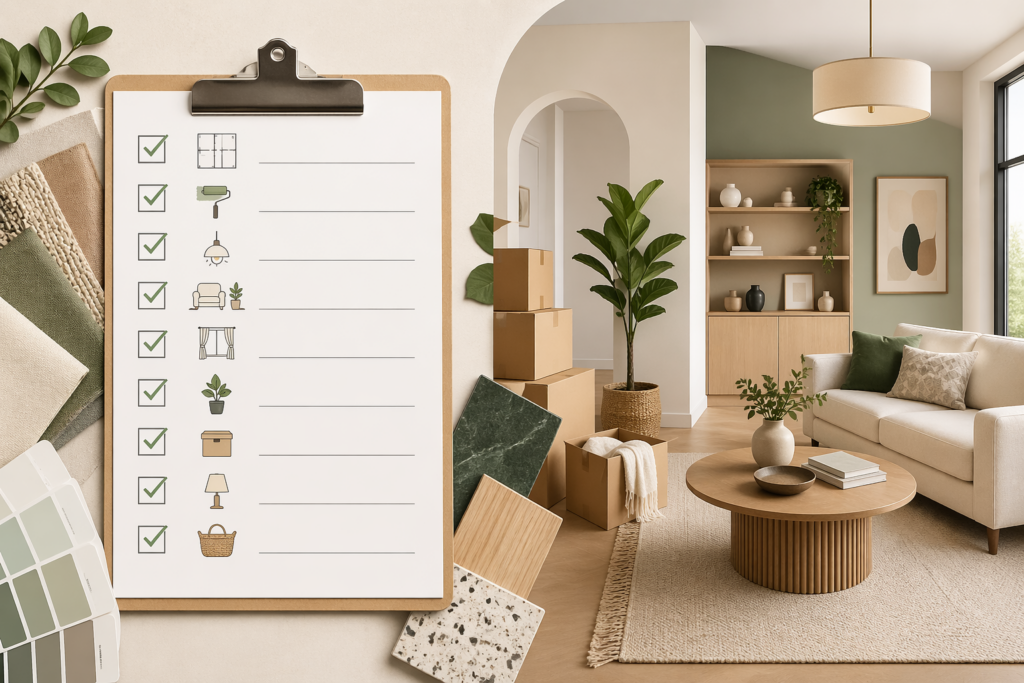
Interior Design Checklist Before Moving Into a New Home avinnyyaadmin Principal Designer Moving into a new home is an exciting milestone, but without proper planning, it can quickly become overwhelming. Many homeowners focus on packing and logistics, often overlooking one crucial aspect—interior design planning before moving in. The truth is, the decisions you make before shifting into your home will significantly impact your comfort, functionality, and overall lifestyle for years to come. Designing your interiors before moving allows you to work freely in an empty space, avoiding disruptions and unnecessary rework later. From planning electrical layouts to choosing furniture and storage solutions, every detail matters. A well-thought-out checklist ensures that your home is not just visually appealing but also practical and tailored to your needs. In this comprehensive guide, Avinnyya walks you through a step-by-step interior design checklist that will help you transform your new house into a dream home—efficiently, beautifully, and stress-free. Why You Should Plan Interior Design Before Moving In Planning your interiors before moving in is not just convenient—it is strategic. Once you move in, even minor changes like drilling, painting, or electrical adjustments can become messy and inconvenient. Furniture placement becomes restricted, and making structural changes becomes more complicated. By designing your home beforehand, you gain the advantage of working in an empty space where every corner is accessible. This allows for smoother execution of civil work, electrical fittings, and installations without disturbing your daily life. It also helps avoid costly mistakes, such as buying furniture that doesn’t fit or placing electrical points in inconvenient locations. Additionally, early planning ensures better coordination between different aspects of design—lighting, furniture, storage, and décor—resulting in a cohesive and harmonious living space. Ultimately, it saves both time and money while delivering a more refined outcome. Pre-Move Interior Design Checklist Overview Before diving into detailed planning, it is essential to understand the broader categories involved in interior design. A complete checklist typically includes space planning, electrical and lighting design, furniture layout, storage solutions, material selection, and décor planning. Each of these elements is interconnected. For example, your furniture layout will influence electrical point placement, while your color palette will affect the choice of materials and décor. Having a clear overview helps you approach the process systematically, ensuring that nothing is overlooked. This structured approach also makes it easier to allocate budget and timeline efficiently, allowing you to prioritize essential elements before adding decorative touches. Step 1 – Assess Your Space and Layout Understanding the Floor Plan The first step in designing your new home is to thoroughly understand its layout. Study the floor plan carefully, noting the dimensions of each room, the position of doors and windows, and architectural features like columns or niches. This analysis helps you visualize how each space can be utilized effectively. An accurate understanding of the layout also prevents common mistakes such as overcrowding a room or leaving awkward empty spaces. It lays the foundation for all subsequent design decisions. Defining the Purpose of Each Room Every room in your home should have a clear purpose. While some spaces like bedrooms and kitchens are straightforward, others can be more flexible. For instance, a spare room can be transformed into a home office, guest room, or even a hobby space. Defining the purpose early ensures that your design aligns with your lifestyle. It also helps in selecting the right furniture, lighting, and storage solutions tailored to each room’s function. Checking Natural Light and Ventilation Natural light plays a crucial role in interior design. Rooms with ample sunlight can accommodate darker color palettes, while spaces with limited light benefit from lighter tones and reflective surfaces. Ventilation is equally important for maintaining a healthy living environment. Proper airflow enhances comfort and prevents issues like dampness and odors. Planning your interiors with these factors in mind ensures both aesthetic appeal and functionality. Step 2 – Plan Electrical and Lighting Design Strategic Switchboard Placement One of the most overlooked aspects of interior design is electrical planning. Switchboards should be placed in convenient and accessible locations based on your furniture layout. For example, bedside switches, kitchen appliance points, and TV unit connections should all be pre-planned. Poorly placed switches can lead to daily inconvenience, making this step critical for long-term comfort. Layered Lighting Design Lighting is not just functional—it defines the mood and ambiance of your home. A well-designed lighting plan includes three layers: ambient lighting for overall illumination, task lighting for specific activities, and accent lighting to highlight design elements. Combining these layers creates depth and enhances the overall aesthetic of your interiors. It also allows flexibility in adjusting lighting according to different moods and occasions. Smart Home Integration Modern homes are increasingly adopting smart technology. Planning for smart lighting, automated curtains, and voice-controlled devices during the pre-move stage ensures seamless integration without additional wiring later. Future-ready electrical planning adds convenience, efficiency, and a touch of luxury to your home. Step 3 – Choose Your Color Palette and Materials Selecting Wall Colors and Finishes Your choice of colors sets the tone for your entire home. Neutral shades create a calm and timeless look, while bold colors add personality and vibrancy. The key is to strike a balance that reflects your style while maintaining harmony across spaces. Wall finishes such as textured paint or wallpaper can add depth and character, making your interiors visually engaging. Choosing the Right Flooring Flooring is a long-term investment, so it should be both durable and aesthetically pleasing. Options like tiles, wood, marble, and vinyl each have their own advantages. Your choice should depend on factors such as maintenance, budget, and room usage. For example, kitchens and bathrooms require water-resistant materials, while living areas can focus more on visual appeal. Material Selection for Interiors Materials used in furniture and finishes play a significant role in defining the overall look. Wood, laminates, glass, and metals should be chosen carefully to ensure durability and consistency in design. A cohesive material palette enhances the elegance of your home while
How to Select Furniture That Fits Your Space Perfectly
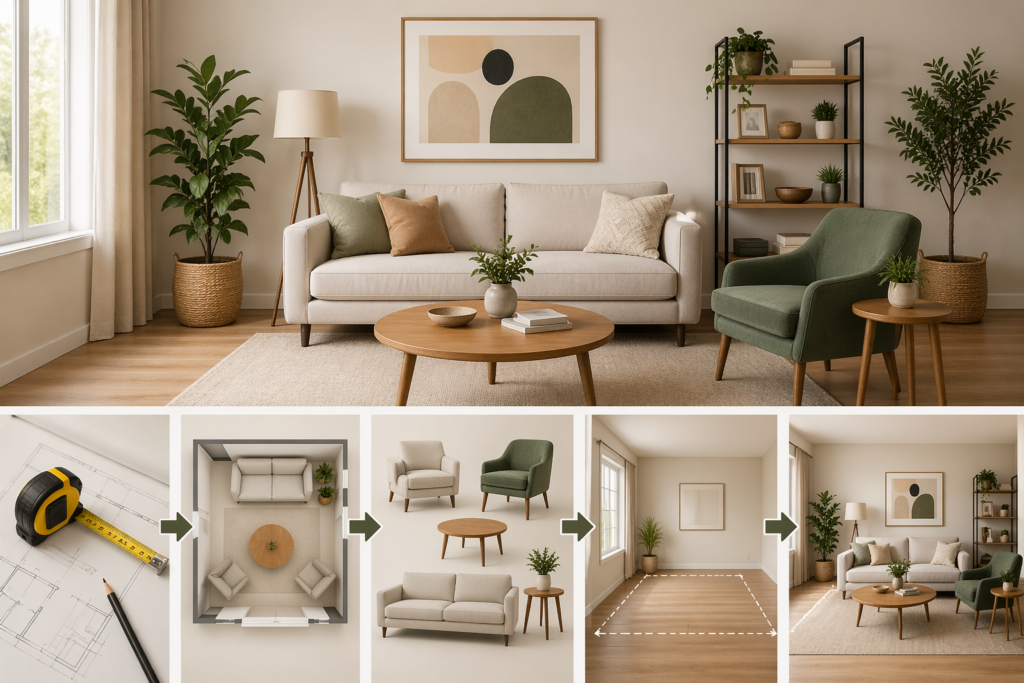
Vastu Tips for Modern Interior Designz: Creating Harmony in Contemporary Homes avinnyyaadmin Principal Designer Selecting furniture is not just about picking pieces that look good in a showroom—it’s about creating a space that feels comfortable, functional, and visually balanced in your home. Many homeowners struggle with issues like oversized sofas that overwhelm the room, tiny tables that feel out of place, or cluttered layouts that restrict movement. These problems usually arise from a lack of planning rather than poor taste. When furniture fits your space perfectly, it transforms your home into a harmonious environment where every element serves a purpose. It improves flow, enhances comfort, and elevates the overall aesthetic. This guide will walk you through every aspect of choosing furniture—from measuring your space to final placement—so you can make confident, informed decisions. Understand Your Space Before Buying Furniture Measure Everything Accurately The foundation of selecting the right furniture begins with precise measurements. Without knowing your room dimensions, even the most beautiful furniture can end up being impractical. Start by measuring the length and width of the room using a measuring tape. Note down the ceiling height as well, especially if you’re considering tall wardrobes, cabinets, or shelving units. Don’t stop at just the room. Measure doorways, hallways, and staircases to ensure the furniture can actually be brought inside. Many people overlook this step and face unnecessary hassles during delivery. Also, take into account windows and their placement. Furniture should not block natural light or ventilation. Proper measurements help you avoid costly mistakes and ensure every piece fits seamlessly. Analyze the Layout Once you have the measurements, the next step is understanding how your space is structured. Identify the focal point of each room. In a living room, it could be a TV unit or a feature wall. In a bedroom, it’s typically the bed. In a dining area, the table becomes the center of attention. Also, consider fixed elements such as columns, electrical outlets, doors, and windows. These elements will influence where furniture can be placed. Creating a rough floor plan—either on paper or digitally—can help you visualize the arrangement before making any purchases. Consider Traffic Flow A well-designed space allows easy movement without obstruction. Ideally, there should be at least 2 to 3 feet of walking space between major furniture pieces. This ensures that the room feels open and accessible rather than cramped. Avoid placing furniture in pathways or near doorways where it could interrupt movement. Think about how people will move through the space daily. Good traffic flow is essential for both comfort and functionality. Choose Furniture Based on Room Function Living Room Furniture Selection The living room is often the most used space in a home, making it crucial to choose furniture that balances comfort and proportion. Start with the sofa, as it is usually the largest piece. Ensure its size complements the room—neither too bulky nor too small. A coffee table should be about two-thirds the length of the sofa and positioned at a comfortable distance for easy access. TV units should align with the viewing height and not overpower the room. Storage units can be added, but they should not make the space feel crowded. Bedroom Furniture Essentials In the bedroom, the bed is the focal point. Choosing the right size depends on both the room dimensions and your lifestyle. A king-size bed may feel luxurious, but in a small room, it can limit movement. Wardrobes should be placed where they are easily accessible without blocking pathways. Sliding doors are a great option for compact spaces. Side tables add functionality but should be proportionate to the bed size. Dining Area Planning The dining area requires careful planning to ensure comfort during meals. The shape of the dining table plays a significant role. Rectangular tables work well in elongated spaces, while round tables are ideal for compact or square rooms. Ensure there is enough space around the table for chairs to be pulled out comfortably. A clearance of at least 3 feet is recommended. This prevents the dining area from feeling cramped. Home Office Considerations With the rise of remote work, home offices have become essential. A desk should be large enough to accommodate your work essentials without clutter. Ergonomics is key—choose a chair that supports posture and a desk at the correct height. Storage solutions like shelves or cabinets can help keep the workspace organized. Good lighting, both natural and artificial, is also crucial for productivity. Focus on Proportion and Scale Matching Furniture to Room Size One of the most common mistakes is ignoring scale. Large furniture in a small room can make the space feel suffocating, while small furniture in a large room can look insignificant and disconnected. The goal is to maintain balance. Each piece should complement the size of the room and other furniture items. Visual Balance Techniques Achieving visual balance involves distributing furniture in a way that feels harmonious. This can be done through symmetry—like placing identical chairs on either side of a sofa—or asymmetry, which creates a more dynamic look. Mixing different sizes and shapes also adds interest while maintaining balance. The Golden Ratio in Interior Design Designers often use the concept of proportion, such as the golden ratio, to create visually pleasing spaces. While you don’t need to calculate exact ratios, understanding that furniture should relate proportionally to the room helps in making better choices. Prioritize Functionality and Comfort Multi-Functional Furniture In modern homes, especially smaller ones, multi-functional furniture is a smart choice. Sofa beds, storage beds, and nesting tables help maximize space without compromising style. These pieces are especially useful in compact apartments where every square foot matters. Comfort Over Looks While aesthetics are important, comfort should never be compromised. A stylish sofa that is uncomfortable will not serve its purpose. Always consider seat depth, cushion firmness, and ergonomics. If possible, test furniture before purchasing to ensure it meets your comfort needs. Storage Solutions Storage is a critical aspect of furniture selection. Look for pieces that