
Minimalist Interior Design for Clutter-Free Living
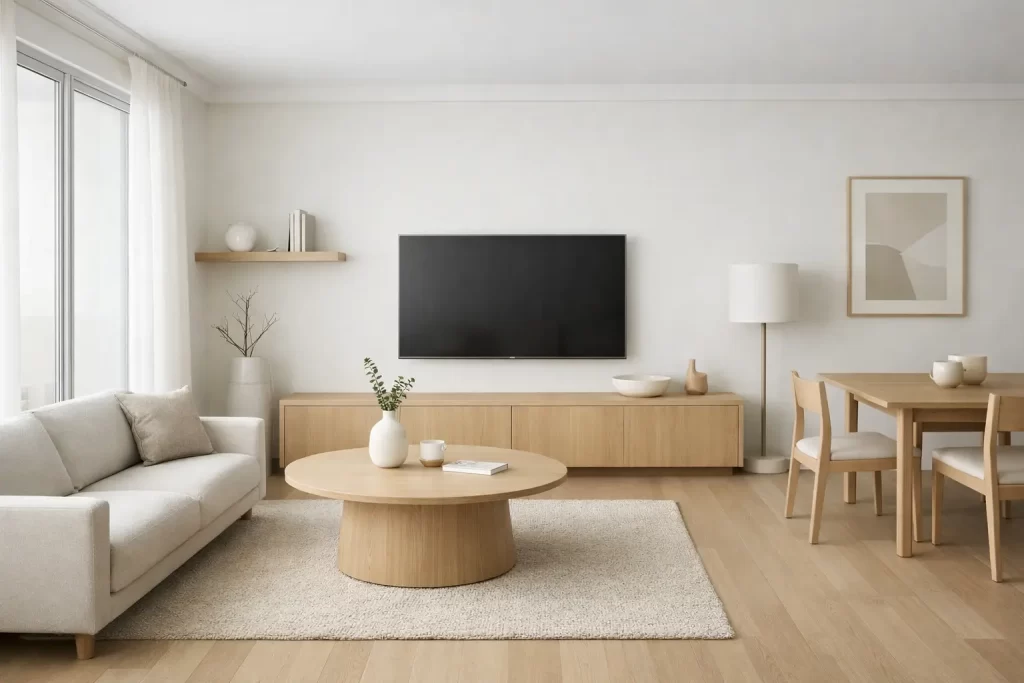
Minimalist Interior Design for Clutter-Free Living: A Complete Guide by Avinnyya avinnyyaadmin Principal Designer Minimalist interior design is more than just a visual trend—it’s a lifestyle philosophy that prioritizes simplicity, clarity, and intentional living. In today’s fast-paced urban environment, where homes often become crowded with unnecessary items, adopting a minimalist approach can transform not only your space but also your mindset. A clutter-free home promotes calmness, enhances productivity, and allows you to focus on what truly matters. At Avinnyya, we believe that every home should reflect a balance between aesthetics and functionality. Minimalist interior design is about creating spaces that feel open, breathable, and purposeful without sacrificing comfort or personality. This comprehensive guide will walk you through everything you need to know about achieving a clutter-free living environment through minimalist design. Introduction to Minimalist Interior Design What is Minimalist Interior Design? Minimalist interior design is rooted in the principle of “less is more.” It emphasizes simplicity, clean lines, and a limited color palette while focusing on functionality. Instead of filling a space with decorative elements, minimalist design encourages thoughtful selection of essential items that serve a purpose. In a minimalist home, every piece of furniture, décor, or accessory has a reason to exist. This approach eliminates visual noise and creates a harmonious environment where each element contributes to the overall design. The goal is not to create an empty space but to design a meaningful one where quality takes precedence over quantity. Why Minimalism is Trending in Modern Homes Minimalism has gained immense popularity in recent years, especially in urban settings. With smaller apartments and busy lifestyles becoming the norm, homeowners are seeking ways to simplify their living spaces. A clutter-free home is easier to manage, maintain, and clean, making it ideal for modern living. Beyond practicality, minimalism also addresses mental well-being. A well-organized and uncluttered environment reduces stress and promotes a sense of calm. Additionally, the growing awareness of sustainable living has encouraged people to consume less and invest in long-lasting, high-quality products—making minimalist design both eco-friendly and timeless. Core Principles of Minimalist Interior Design Simplicity and Functionality At the heart of minimalist design lies the idea that every element should serve a purpose. Furniture and décor are chosen based on their utility rather than their decorative appeal alone. This ensures that the space remains practical while maintaining a clean and elegant look. For instance, instead of having multiple decorative items on a table, a minimalist approach would involve selecting one statement piece that complements the room. This not only enhances visual appeal but also reduces clutter. Clean Lines and Open Spaces Minimalist interiors are characterized by clean, straight lines and uncluttered layouts. Open spaces are essential to create a sense of freedom and movement within the home. By avoiding overcrowding, the design allows natural light to flow freely, making the space feel larger and more inviting. Strategic furniture placement plays a crucial role in achieving this look. Leaving enough breathing room between elements ensures that the space does not feel cramped or overwhelming. Neutral Color Palette A neutral color palette is a defining feature of minimalist interiors. Shades like white, beige, grey, and soft pastels create a calming and cohesive atmosphere. These colors reflect light, making rooms appear brighter and more spacious. While neutral tones dominate, subtle contrasts can be introduced through textures or accent pieces. This adds depth to the design without disrupting its simplicity. Quality Over Quantity Minimalism encourages investing in fewer but high-quality items. Instead of purchasing multiple inexpensive pieces, homeowners are encouraged to choose durable and timeless designs that will last for years. This principle not only enhances the overall aesthetic but also supports sustainable living by reducing waste and overconsumption. Benefits of a Clutter-Free Living Space Improved Mental Well-being A clutter-free home has a direct impact on mental health. When your surroundings are organized and visually calm, it becomes easier to relax and focus. Studies have shown that excessive clutter can lead to stress and anxiety, while a clean environment promotes clarity and peace of mind. Better Space Utilization Minimalist design makes the most of available space. By eliminating unnecessary items, even small homes can feel spacious and functional. Smart storage solutions and multi-purpose furniture further enhance usability without compromising on style. Easy Maintenance and Cleaning One of the most practical advantages of minimalism is ease of maintenance. With fewer items to manage, cleaning becomes quicker and more efficient. This is especially beneficial for busy individuals who want a tidy home without spending hours organizing. Sustainable Living Minimalism aligns closely with sustainability. By consuming less and choosing eco-friendly materials, homeowners can reduce their environmental footprint. This approach encourages mindful living and responsible consumption. How to Declutter Your Home – Step-by-Step Guide Step 1: Assess and Categorize The first step towards a minimalist home is evaluating your belongings. Divide items into categories such as keep, donate, and discard. This process helps you identify what is truly essential and what can be let go. Step 2: Start Small Decluttering can feel overwhelming if tackled all at once. Begin with a single room or even a small area like a drawer or shelf. Gradually move to larger spaces as you gain momentum. Step 3: Adopt the One-In-One-Out Rule To maintain a clutter-free home, follow the one-in-one-out rule. For every new item you bring in, remove an existing one. This prevents accumulation and keeps your space organized. Step 4: Organize Smartly Effective storage solutions are key to minimalism. Use baskets, boxes, and hidden compartments to keep items out of sight while ensuring easy access. Built-in storage options are particularly useful for maintaining a clean look. Step 5: Maintain Minimalism Minimalism is not a one-time effort but a continuous practice. Develop daily habits such as putting things back in their place and avoiding unnecessary purchases. Consistency is essential to sustain a clutter-free lifestyle. Room-by-Room Minimalist Design Ideas Minimalist Living Room The living room is often the focal point of a home, making it an ideal space to
How to Design a Studio Apartment Efficiently
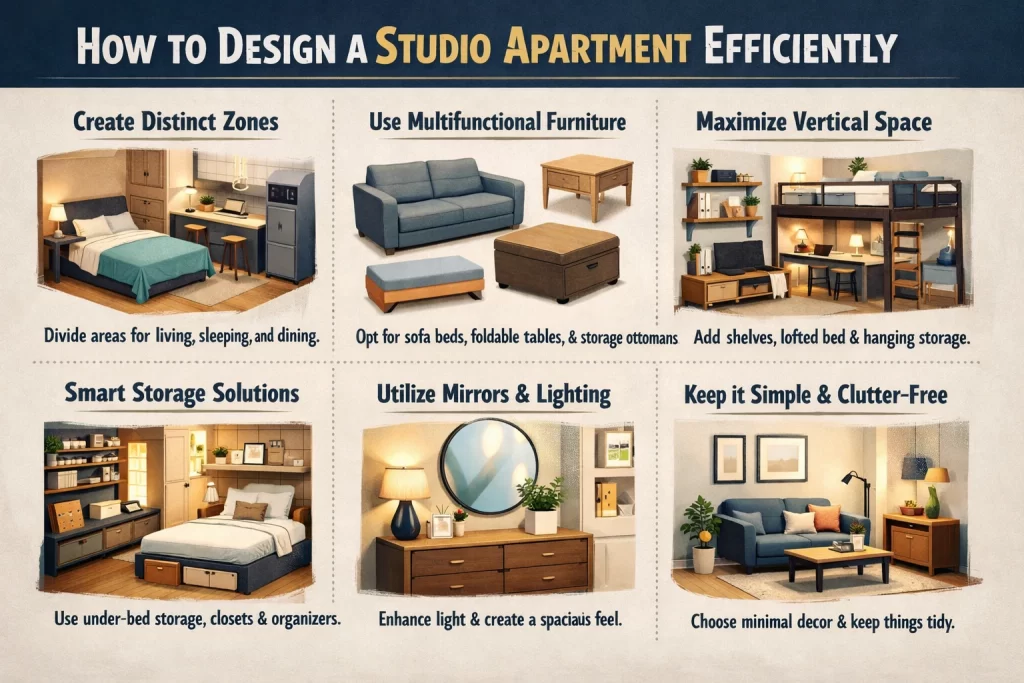
How to Design a Studio Apartment Efficiently: The Complete Smart Space Planning Guide avinnyyaadmin Principal Designer Introduction to Studio Apartment Living Studio apartments are becoming increasingly popular in modern urban living, especially among young professionals, students, and couples seeking affordable and compact housing solutions. A studio apartment typically combines the living room, bedroom, and kitchen into a single open space, with only the bathroom separated. While this layout offers convenience and simplicity, it also presents unique design challenges. Designing a studio apartment efficiently is not just about making it look visually appealing—it’s about creating a functional, organized, and comfortable living environment within limited square footage. Without proper planning, a studio can easily feel cluttered and cramped. However, with the right strategies, even the smallest space can be transformed into a stylish and highly functional home. This guide explores every aspect of studio apartment design, helping you maximize space, improve functionality, and enhance aesthetics. Understanding Your Space Before Designing Before diving into furniture or décor, it’s essential to understand your space thoroughly. A well-planned design always starts with a clear assessment of the layout. Measure and Analyze the Layout Accurate measurements form the foundation of efficient design. Begin by measuring the dimensions of your apartment, including wall lengths, ceiling height, window placements, and door openings. This helps in selecting furniture that fits perfectly without overcrowding the space. Analyzing the layout also allows you to identify awkward corners, dead zones, or underutilized areas that can be optimized with smart design solutions. Identify Functional Zones Even though a studio apartment is a single room, it should still function like a complete home. Dividing the space into zones ensures better organization and usability. Key zones typically include a sleeping area, living space, kitchen/dining area, and sometimes a work-from-home corner. Defining these zones early helps you plan furniture placement and avoid a chaotic layout. Natural Light and Ventilation Considerations Natural light plays a crucial role in making a small space feel larger and more inviting. Observe how sunlight enters your apartment throughout the day and plan your layout accordingly. Positioning your living or work area near windows can enhance comfort and productivity. Good ventilation is equally important, as it keeps the space fresh and prevents it from feeling enclosed. Smart Zoning Techniques for Studio Apartments Creating distinct zones without compromising openness is key to efficient studio design. Visual vs Physical Dividers Visual dividers such as rugs, color changes, or lighting variations can subtly separate spaces without blocking light or airflow. For example, placing a rug under your bed can define the sleeping area. Physical dividers like curtains, open shelving units, or glass partitions provide more privacy while still maintaining a sense of openness. Open-Plan vs Semi-Partition Layouts An open-plan layout keeps the apartment airy and spacious, making it ideal for very small studios. On the other hand, semi-partitions can offer a balance between openness and privacy, especially for separating the bedroom area. Choosing the right approach depends on your lifestyle and personal preferences. Choosing Multi-Functional Furniture Furniture plays a critical role in determining how efficiently your studio apartment functions. Space-Saving Furniture Ideas In compact spaces, every piece of furniture should serve a purpose. Sofa-cum-beds are excellent for converting a living area into a sleeping space. Foldable dining tables can be tucked away when not in use, freeing up valuable floor space. Wall-mounted desks are perfect for creating a workspace without occupying permanent floor area. Convertible and Modular Furniture Convertible furniture is a game-changer for studio apartments. Murphy beds that fold into the wall, expandable tables, and stackable chairs allow flexibility and adaptability. Modular furniture adds another layer of efficiency, enabling you to rearrange or customize pieces based on your needs. Custom Furniture Solutions by Avinnyya Custom-designed furniture ensures that every inch of your apartment is utilized effectively. Tailored solutions can address specific challenges such as awkward corners or limited storage. If you’re looking for professional expertise, working with an interior design company in bangalore can help you achieve a perfectly optimized and aesthetically pleasing studio layout. Maximizing Storage Without Clutter Storage is often the biggest challenge in studio apartments, but smart solutions can make a huge difference. Vertical Storage Solutions Utilizing vertical space is essential in small homes. Wall-mounted shelves, tall cabinets, and floor-to-ceiling wardrobes provide ample storage without consuming floor space. Vertical storage not only keeps your belongings organized but also draws the eye upward, making the room appear taller. Hidden Storage Ideas Hidden storage solutions help maintain a clean and uncluttered look. Beds with built-in drawers, storage ottomans, and multi-purpose furniture with concealed compartments are highly effective. Built-in cabinetry can also be customized to blend seamlessly with the overall design. Decluttering Strategies Efficient design goes hand in hand with minimalism. Regularly decluttering your space ensures that only essential items remain. Adopting a “less is more” approach can significantly improve both functionality and visual appeal. Color Schemes and Visual Expansion Tricks Color choices can dramatically impact how spacious your studio apartment feels. Best Colors for Small Spaces Light and neutral colors such as white, beige, and soft pastels reflect light and create an airy atmosphere. Monochromatic color schemes further enhance the sense of continuity and openness. Using Mirrors and Reflective Surfaces Mirrors are one of the most effective tools for making a small space appear larger. Placing mirrors opposite windows can reflect natural light and create the illusion of depth. Reflective surfaces such as glass and glossy finishes also contribute to a more spacious feel. Accent Colors Without Overcrowding While neutral tones dominate, adding subtle accent colors can bring personality to your space. The key is to use them sparingly through cushions, artwork, or décor elements. Lighting Design for Studio Apartments Lighting plays a vital role in both functionality and ambiance. Layered Lighting Approach A combination of ambient, task, and accent lighting ensures a well-lit and versatile space. Ambient lighting provides overall illumination, while task lighting focuses on specific activities such as reading or cooking. Accent lighting highlights décor elements and adds depth
Multi-Functional Furniture Ideas for Small Apartments
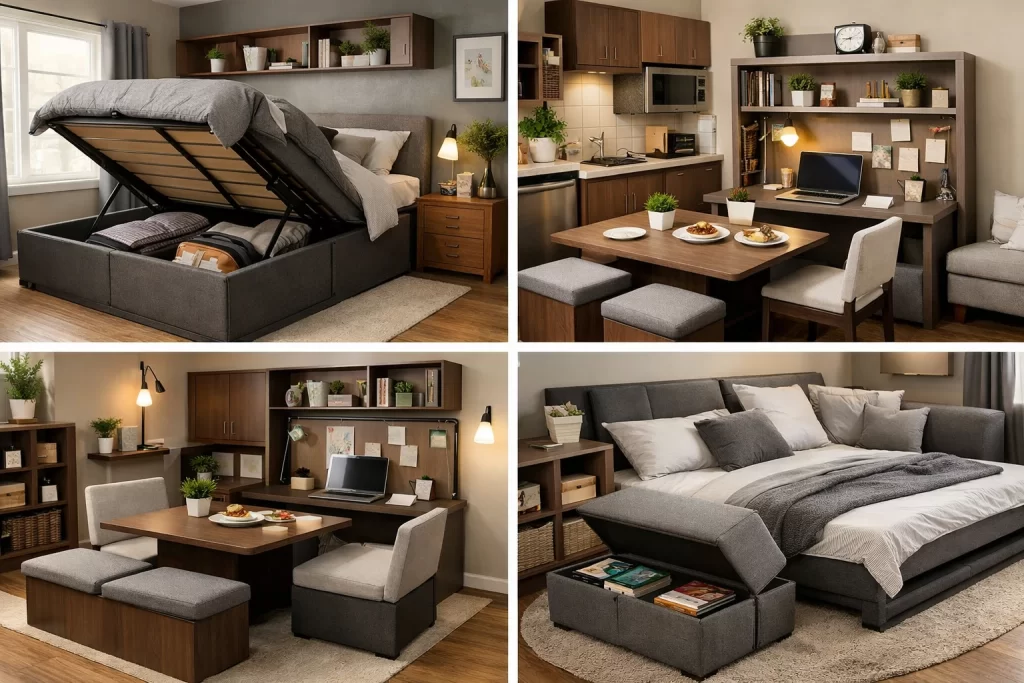
Multi-Functional Furniture Ideas for Small Apartments: Smart Living with Avinnyya avinnyyaadmin Principal Designer Introduction to Smart Living in Small Apartments Urban living is evolving rapidly, and with rising property prices and shrinking apartment sizes, homeowners are constantly searching for smarter ways to maximize their space. Whether it’s a studio apartment, a compact 1BHK, or a small family home, the challenge remains the same—how to make limited space feel spacious, functional, and stylish at the same time. This is where multi-functional furniture becomes a game-changer. Instead of filling your home with multiple bulky items, modern interior design focuses on intelligent pieces that serve more than one purpose. These designs not only save space but also bring flexibility and elegance into everyday living. At Avinnyya, the philosophy of smart living revolves around blending functionality with aesthetics. With the right furniture choices, even the smallest apartment can feel organized, comfortable, and visually appealing without compromising on style. What is Multi-Functional Furniture? Definition and Concept Multi-functional furniture refers to innovative pieces designed to perform multiple roles within a single unit. Unlike traditional furniture, which typically serves one purpose, these designs are adaptable and transformable. A sofa that turns into a bed, a coffee table that expands into a dining table, or a bed with hidden storage compartments—these are all classic examples of multi-functional furniture. The concept is rooted in efficiency. Every inch of your home is utilized thoughtfully, ensuring no space goes to waste. This approach is especially beneficial for small apartments where every square foot matters. Why It’s Essential for Small Apartments In compact homes, clutter can quickly take over, making spaces feel cramped and uncomfortable. Multi-functional furniture addresses this issue by reducing the number of items needed while increasing usability. Instead of having separate pieces for sleeping, storage, working, and dining, you can combine these functions into fewer, smarter units. This not only improves movement within the home but also creates a cleaner, more organized environment. The result is a space that feels larger, more breathable, and highly efficient. Key Benefits of Multi-Functional Furniture Space Optimization One of the biggest advantages of multi-functional furniture is its ability to optimize space. In small apartments, where floor area is limited, these pieces help maximize usability without overcrowding. Furniture that can fold, expand, or hide away ensures that your home remains open and flexible. Cost Efficiency While multi-functional furniture may seem like a premium investment initially, it often proves more cost-effective in the long run. Instead of purchasing multiple pieces, you invest in one well-designed unit that serves several purposes. This reduces both upfront and long-term costs. Modern Aesthetic Appeal Modern homeowners prefer clean, minimalistic interiors, and multi-functional furniture aligns perfectly with this trend. These designs are sleek, compact, and visually appealing, contributing to a clutter-free and contemporary look. Flexibility and Adaptability Life in a small apartment often requires spaces to serve multiple roles throughout the day. A living room may double as a workspace or a guest bedroom. Multi-functional furniture makes these transitions seamless, allowing your home to adapt to your lifestyle effortlessly. Top Multi-Functional Furniture Ideas for Small Apartments Sofa Cum Beds: The Living Room Essential A sofa cum bed is one of the most versatile pieces you can add to your home. During the day, it functions as a comfortable seating area, and at night, it easily converts into a bed. This is especially useful for homes that frequently host guests but lack a dedicated guest room. Modern designs offer various mechanisms, such as pull-out beds and foldable frames, ensuring both comfort and convenience. Storage Beds with Hydraulic Lift Beds with built-in storage are a must-have for small bedrooms. Hydraulic lift storage beds provide easy access to large compartments beneath the mattress, making them ideal for storing bedding, seasonal clothes, or rarely used items. This hidden storage helps keep the room organized without the need for additional cupboards or storage units. Foldable Dining Tables Dining spaces often take up significant room, which can be a challenge in small apartments. Foldable or wall-mounted dining tables solve this problem by allowing you to expand the table only when needed. When not in use, the table can be folded away, freeing up valuable floor space and maintaining an open layout. Nesting Tables Nesting tables are a practical and stylish solution for compact living rooms. These tables can be stacked together when not in use and separated when additional surface space is required. They offer flexibility without permanently occupying space, making them perfect for modern apartments. Wall-Mounted Study Desks With remote work becoming increasingly common, having a dedicated workspace at home is essential. Wall-mounted foldable desks provide a smart solution by offering a functional work area that can be tucked away when not in use. This ensures that your living or bedroom space remains uncluttered while still accommodating your professional needs. Modular Wardrobes with Smart Storage Traditional wardrobes can be bulky and inefficient. Modular wardrobes, on the other hand, are designed with customized compartments, sliding doors, and optimized layouts to maximize storage. These wardrobes make it easier to organize clothes, accessories, and essentials without taking up excessive space. Ottomans with Storage Ottomans are often overlooked but incredibly useful in small apartments. A storage ottoman can function as a seat, a footrest, and a hidden storage unit all in one. It adds both functionality and style to your living space while helping keep clutter out of sight. Convertible Coffee Tables A convertible coffee table is a perfect example of innovative design. It can transform into a dining table or a work desk, making it ideal for homes without a separate dining area. This type of furniture enhances flexibility and ensures that your space can adapt to different needs throughout the day. Murphy Beds (Wall Beds) Murphy beds are a revolutionary solution for ultra-compact spaces. These beds can be folded vertically into the wall when not in use, freeing up a significant amount of floor space. They are especially useful for studio apartments where the same room
Smart Storage Ideas for Compact Homes

Smart Storage Ideas for Compact Homes: Maximize Every Inch with Style avinnyyaadmin Principal Designer Living in a compact home doesn’t mean compromising on comfort, style, or functionality. With rising urbanization and shrinking living spaces, smart storage has become an essential aspect of modern interior design. The key lies in utilizing every inch wisely while maintaining a clean and aesthetically pleasing environment. Smart storage ideas for compact homes are not just about adding cabinets or shelves—they are about rethinking how space is used, integrating functionality into design, and creating a home that feels spacious despite its size. In today’s fast-paced lifestyle, homeowners are increasingly looking for innovative ways to reduce clutter and improve organization. Whether it’s a studio apartment, a small flat, or a compact independent home, the right storage solutions can transform the entire living experience. This guide explores practical, stylish, and highly effective storage ideas that help maximize space without compromising on design. Introduction to Smart Storage in Compact Living Compact living is becoming the norm in metropolitan cities where space comes at a premium. Smaller homes require smarter planning, especially when it comes to storage. Without proper organization, even a well-designed home can quickly become cluttered and overwhelming. Smart storage focuses on blending functionality with design. Instead of adding bulky furniture, it emphasizes integrated solutions that serve multiple purposes. For instance, a bed is no longer just for sleeping—it can also store seasonal clothes, extra bedding, or personal items. Interior experts like Avinnyya understand that compact spaces demand creativity and precision. By analyzing layouts and lifestyle needs, they create storage solutions that not only optimize space but also enhance the overall aesthetic appeal of the home. Why Smart Storage is Essential for Compact Homes Space Optimization In small homes, every square foot matters. Smart storage ensures that no area goes unused. From vertical walls to corners and underutilized spaces, efficient design transforms dead zones into functional storage areas. This approach helps maximize usability without overcrowding the home. Clutter-Free Living Clutter can make even a moderately sized home feel cramped. Smart storage systems help maintain organization by providing designated spaces for every item. A clutter-free environment not only looks better but also improves mental well-being and productivity. Enhanced Aesthetics A well-organized home appears larger and more inviting. Hidden storage solutions keep unnecessary items out of sight, creating a clean and minimalist look. This enhances the visual appeal and makes the space feel open and airy. Key Principles of Smart Storage Design Multi-Functionality Furniture that serves more than one purpose is essential in compact homes. A sofa that converts into a bed or a coffee table with storage compartments can significantly reduce the need for additional furniture. Vertical Utilization Walls are often underutilized in small homes. By installing tall cabinets, floating shelves, or wall-mounted units, you can free up floor space while increasing storage capacity. Hidden Storage Hidden compartments are a game-changer for compact homes. From storage beds to concealed cabinets, these solutions keep clutter out of sight while maintaining a sleek design. Accessibility & Convenience Storage should not only be efficient but also easy to access. Poorly designed storage can lead to frustration and underutilization. Smart layouts ensure that frequently used items are within reach. Smart Storage Ideas for Living Rooms The living room is often the most used space in a home, making it essential to keep it organized and functional. Storage Sofas and Ottomans Modern sofas and ottomans come with hidden storage compartments that can be used to store blankets, cushions, or magazines. These pieces combine comfort with practicality. Wall-Mounted Shelves Floating shelves are perfect for displaying décor items, books, or plants without occupying floor space. They add both storage and style to the living room. TV Units with Storage A well-designed TV unit can include drawers and cabinets for storing electronics, cables, and accessories. This helps maintain a neat and organized entertainment area. Corner Storage Solutions Corners are often neglected, but they can be transformed into functional storage spaces with custom shelves or cabinets. Space-Saving Storage Ideas for Bedrooms Bedrooms in compact homes require smart planning to accommodate essentials without feeling crowded. Under-Bed Storage Beds with built-in drawers or hydraulic lift systems provide ample storage for clothes, bedding, and other items. This is one of the most efficient ways to utilize space. Sliding Door Wardrobes Traditional hinged wardrobes require extra space to open, while sliding door wardrobes are ideal for compact rooms. They offer functionality without compromising space. Vertical Wardrobes Floor-to-ceiling wardrobes maximize vertical space and provide extensive storage without taking up additional floor area. Headboard Storage Headboards with built-in shelves or compartments add extra storage for books, décor, or essentials, making them both functional and stylish. Smart Kitchen Storage Solutions Kitchens in compact homes need to be highly efficient to accommodate cooking essentials. Modular Kitchen Cabinets Customized modular kitchens are designed to maximize storage with dedicated sections for utensils, groceries, and appliances. Pull-Out Drawers and Organizers Pull-out systems improve accessibility and help organize items systematically, making cooking more convenient. Wall-Mounted Racks Hanging racks for utensils and tools free up counter space and keep essentials within easy reach. Corner Kitchen Units Innovative corner solutions like carousel units and magic corners make use of otherwise wasted space. Storage Ideas for Small Bathrooms Bathrooms often have limited space, making smart storage essential. Vanity Units with Storage Cabinets under the sink provide storage for toiletries and cleaning supplies, keeping the area organized. Wall Niches and Shelves Built-in niches in shower areas offer convenient storage without adding bulk. Over-the-Toilet Storage The space above the toilet can be used for shelves or cabinets, adding extra storage without occupying floor space. Innovative Storage for Home Offices With remote work becoming common, compact homes often include small workspaces. Foldable Desks Foldable or wall-mounted desks can be tucked away when not in use, saving valuable space. Wall Cabinets and Shelves Vertical storage helps organize books, documents, and office supplies efficiently. Hidden Workspaces Workstations concealed within cabinets or wardrobes maintain a clean look when
Space-Saving Interior Design Ideas for Small Homes
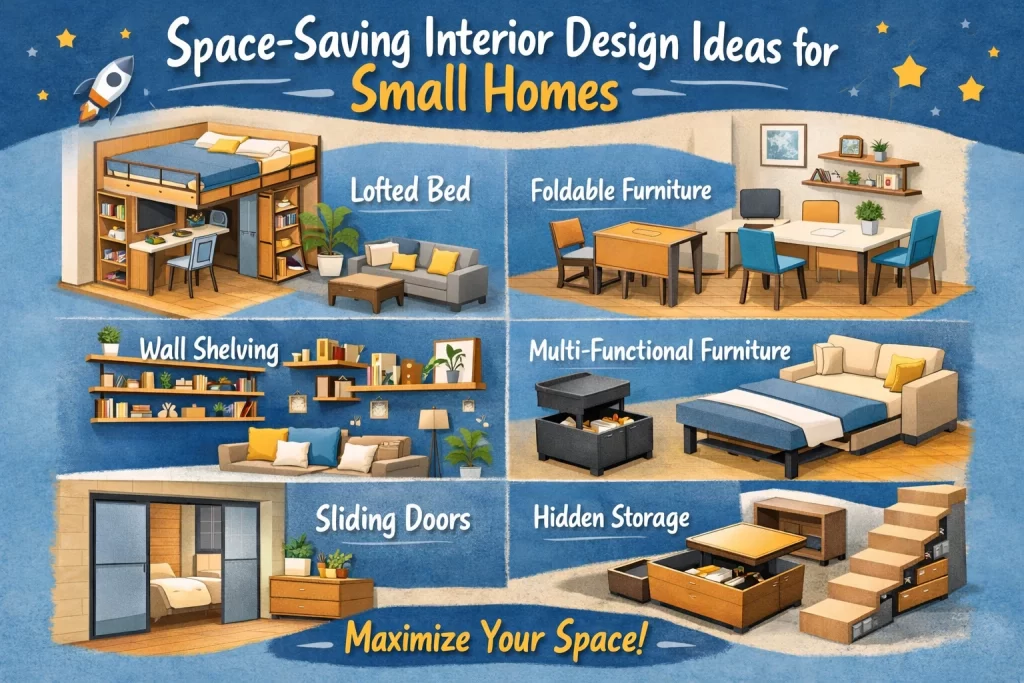
Space-Saving Interior Design: Smart Ways to Maximize Small Spaces avinnyyaadmin Principal Designer Introduction to Space-Saving Interior Design In today’s fast-growing urban environments, compact homes and apartments have become the new normal. Cities are expanding, property prices are rising, and homeowners are increasingly opting for smaller yet smarter living spaces. While limited square footage may seem restrictive at first, the right design strategies can completely transform how a space looks and functions. Space-saving interior design focuses on maximizing every inch of available space without compromising on aesthetics or comfort. It blends creativity with functionality, ensuring that even the smallest homes feel open, organized, and stylish. From multi-purpose furniture to smart storage solutions, modern interior design offers countless ways to make compact homes feel spacious. At Avinnyya, the focus is on creating intelligent interiors that adapt to your lifestyle. By combining innovation with practical design thinking, small spaces are transformed into efficient, beautiful homes that reflect personality and purpose. Why Space Optimization is Essential in Modern Homes Urban Living and Space Constraints Urban living often comes with the challenge of limited space. With increasing population density and rising real estate costs, especially in metropolitan areas, homeowners are frequently working with compact layouts. Apartments, studio units, and small independent homes demand thoughtful planning to ensure every square foot is utilized efficiently. This shift has made space optimization not just a luxury, but a necessity. Without proper design, small homes can quickly feel cramped and uncomfortable. Impact of Clutter on Lifestyle Clutter doesn’t just affect the appearance of a home—it directly impacts mental well-being. Overcrowded spaces can create stress, reduce productivity, and make daily routines more difficult. A poorly organized home often leads to wasted time searching for items and a constant feeling of chaos. By contrast, a well-designed, clutter-free environment promotes calmness, focus, and a sense of control. Benefits of Space-Saving Design Space-saving interior design improves both functionality and aesthetics. It enhances movement flow, increases storage capacity, and creates a visually open environment. With the right design approach, even a small home can feel spacious, comfortable, and luxurious. Core Principles of Space-Saving Interior Design Multi-Functionality One of the key principles of space-saving design is ensuring that every element serves more than one purpose. Multi-functional furniture is a game-changer for compact homes. For example, a sofa that converts into a bed or a coffee table with hidden storage can significantly reduce the need for extra furniture. This approach not only saves space but also enhances usability. Minimalism Minimalism plays a crucial role in small space design. The idea is to focus on essentials and eliminate unnecessary items. Clean lines, simple layouts, and clutter-free surfaces create a sense of openness that makes a room feel larger than it actually is. A minimalist approach doesn’t mean sacrificing style—it means being intentional with design choices. Vertical Space Utilization When floor space is limited, the walls become valuable real estate. Utilizing vertical space through shelves, cabinets, and wall-mounted units helps free up the floor while providing ample storage. Tall wardrobes, floating shelves, and wall-mounted desks are excellent examples of vertical design solutions. Smart Layout Planning Efficient layout planning ensures that furniture is arranged in a way that maximizes space and enhances movement. Zoning different areas within a room—such as separating living, dining, and working spaces—helps create a sense of structure without requiring additional square footage. Smart Furniture Solutions for Small Spaces Foldable and Convertible Furniture Foldable and convertible furniture is ideal for small homes. Items like foldable dining tables, wall-mounted desks, and Murphy beds can be tucked away when not in use, freeing up valuable space. This flexibility allows homeowners to adapt their space based on their needs throughout the day. Modular Furniture Modular furniture offers customization and adaptability. Whether it’s a modular kitchen or a wardrobe system, these designs can be tailored to fit specific spaces and requirements. They are especially useful in compact homes where standard furniture may not fit efficiently. Built-In Storage Furniture Furniture with built-in storage is another essential solution. Beds with storage compartments, benches with hidden drawers, and window seats with storage underneath help maximize functionality without adding extra furniture. Compact Furniture Designs Choosing furniture that is proportionate to the room size is crucial. Slim sofas, nesting tables, and stackable chairs help maintain a spacious look while providing necessary functionality. Space-Saving Ideas for Living Room Wall-Mounted Storage Units Wall-mounted storage units, such as floating shelves and TV consoles, help keep the floor area clear. This creates an illusion of more space and makes the room feel less crowded. Smart Seating Arrangements Instead of bulky furniture, opt for L-shaped sofas, poufs, and stools that can be easily moved or stored. These flexible seating options allow better space management. Use of Mirrors to Create Illusion of Space Mirrors are one of the most effective tools in small space design. They reflect light and create the illusion of depth, making a room appear larger and brighter. Strategically placing mirrors opposite windows enhances natural light and openness. Space Optimization Tips for Bedrooms Storage Beds and Headboards Beds with hydraulic storage or drawers underneath provide ample space for storing seasonal items, bedding, and more. Headboards with built-in shelves add additional storage without occupying extra space. Sliding Wardrobes Sliding wardrobes are ideal for small bedrooms as they eliminate the need for door clearance. They offer a sleek and modern look while saving space. Minimal Bedroom Decor Keeping bedroom decor minimal ensures a clean and relaxing environment. Wall-mounted lights instead of bedside lamps and limited furniture pieces help maintain openness. Space-Saving Kitchen Design Ideas Modular Kitchen Layouts Layouts like L-shaped, U-shaped, and parallel kitchens are designed to maximize efficiency. They ensure optimal use of available space while maintaining functionality. Vertical Storage in Kitchen Tall cabinets and wall-mounted racks make use of vertical space, providing additional storage without cluttering the countertop. Pull-Out and Hidden Storage Pull-out pantry units, corner carousels, and hidden drawers help utilize every inch of the kitchen effectively. These solutions improve accessibility and organization. Maximizing Space in
Dining Room Interior Design Ideas for Modern Homes
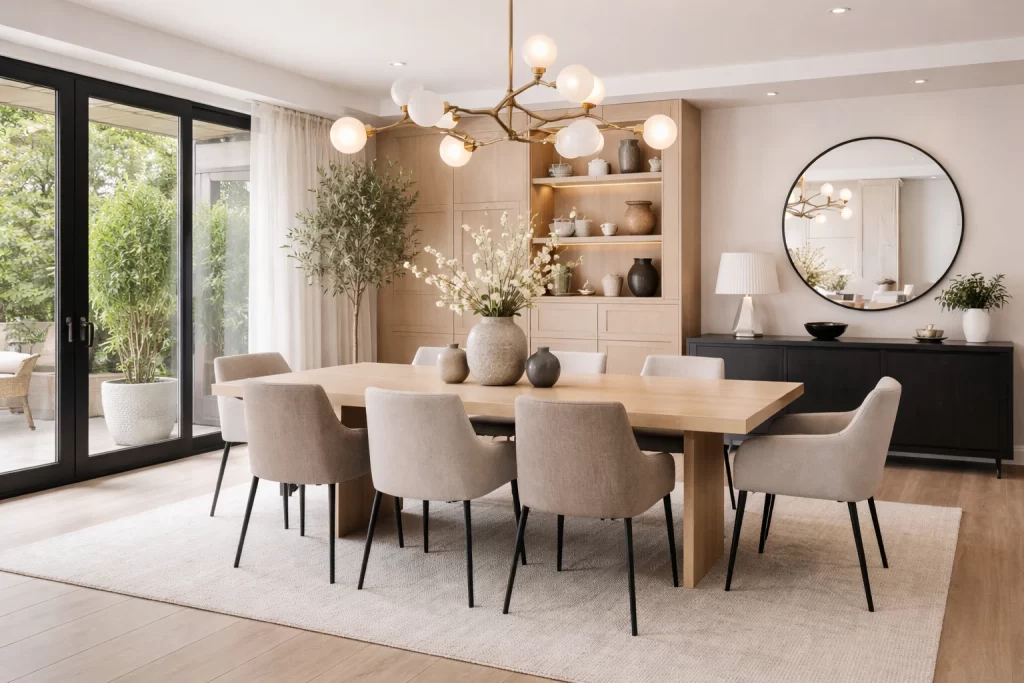
Dining Room Interior Design Ideas for Modern Homes avinnyyaadmin Principal Designer The dining room has evolved beyond just a place to eat—it is now a central hub for conversations, celebrations, and daily family interactions. In modern homes, dining spaces are designed to be both functional and visually appealing, reflecting the homeowner’s personality while ensuring comfort and usability. Whether you live in a compact apartment or a spacious villa, a well-designed dining room can significantly enhance your lifestyle. With changing design trends, modern dining rooms emphasize minimalism, smart layouts, and seamless integration with other living spaces. From elegant furniture to statement lighting and innovative storage solutions, every element plays a crucial role in shaping the overall ambiance. In this detailed guide, Avinnyya explores the best dining room interior design ideas to help you create a stylish and practical modern dining space. Understanding Modern Dining Room Design What Defines a Modern Dining Room? A modern dining room is characterized by simplicity, clean lines, and a clutter-free environment. Unlike traditional dining spaces that often feature heavy furniture and elaborate décor, modern designs focus on minimalism and functionality. The idea is to create a space that feels open, airy, and inviting without unnecessary elements. Modern dining rooms also prioritize practicality. Furniture is chosen not just for its aesthetic appeal but also for its usability. Materials such as glass, metal, engineered wood, and marble are commonly used to create a sleek and contemporary look. Key Elements of Modern Dining Spaces The essence of modern dining room design lies in balance. Neutral color palettes form the base, while textures and accents add visual interest. Lighting is often used as a focal point, and furniture is carefully selected to maximize comfort and space efficiency. Open layouts are another defining feature, allowing the dining area to flow seamlessly into the living room or kitchen. Choosing the Right Dining Room Layout Open vs. Separate Dining Spaces In modern homes, open-plan layouts are increasingly popular. An open dining space connected to the living room or kitchen creates a sense of spaciousness and encourages social interaction. It allows family members and guests to engage freely, making the home feel more welcoming. However, separate dining rooms still have their charm, especially in larger homes. They offer privacy and a more formal dining experience. The choice between open and separate layouts depends on your lifestyle, space availability, and personal preferences. Space Planning Tips Proper space planning is essential for a functional dining room. There should be enough space between the dining table and surrounding furniture to allow easy movement. Ideally, at least 36 inches of clearance should be maintained around the table. The layout should also ensure that chairs can be pulled out comfortably without obstruction. Thoughtful planning not only improves usability but also enhances the overall aesthetic appeal of the space. Dining Layouts for Different Home Sizes For small apartments, compact dining setups with foldable or extendable tables work best. In medium-sized homes, a dedicated dining area with a standard table and storage units can create a balanced look. Large homes offer the flexibility to experiment with grand dining tables, statement lighting, and luxurious décor elements. Modern Dining Room Color Schemes Neutral Color Palettes Neutral colors such as white, beige, grey, and soft pastels are the foundation of modern dining room design. These shades create a calm and sophisticated environment while making the space appear larger and brighter. Bold Accent Colors To avoid monotony, bold accent colors can be introduced through chairs, artwork, or decorative pieces. Deep blues, emerald greens, and even matte black accents can add depth and character to the dining room. Two-Tone and Contrast Designs Combining two contrasting colors is a popular trend in modern interiors. For example, pairing a light-colored table with dark chairs creates visual interest. Similarly, contrasting wall colors can make the dining area stand out within an open-plan layout. Dining Furniture Selection Choosing the Perfect Dining Table The dining table is the centerpiece of the room, and its selection should be based on both style and functionality. Rectangular tables are ideal for larger families, while round tables work well in compact spaces and promote better interaction. Material choice also plays a crucial role. Wooden tables offer warmth and durability, glass tables create a sense of openness, and marble tables add a touch of luxury. Dining Chairs: Comfort Meets Style Dining chairs should strike the perfect balance between comfort and aesthetics. Upholstered chairs provide a cozy seating experience, while wooden or metal chairs contribute to a modern look. Ergonomics should not be overlooked, as comfortable seating enhances the overall dining experience. Storage Solutions Modern dining rooms often incorporate smart storage solutions such as sideboards, cabinets, and buffets. These not only help in organizing dining essentials but also add to the visual appeal of the space. Built-in storage units are especially useful in smaller homes where space optimization is crucial. Lighting Ideas for Modern Dining Rooms Statement Chandeliers A statement chandelier can instantly elevate the look of a dining room. It acts as a focal point and adds a touch of elegance and sophistication. Modern chandeliers come in various designs, from minimal geometric shapes to artistic installations. Pendant Lights Pendant lights are a popular choice for modern dining spaces. They are versatile, stylish, and perfect for creating focused lighting over the dining table. Multiple pendant lights arranged in a row can enhance the visual appeal of the space. Layered Lighting Approach Layered lighting involves combining ambient, task, and accent lighting to create a well-lit and balanced environment. While ambient lighting provides overall illumination, task lighting focuses on specific areas, and accent lighting highlights décor elements. Wall Décor and Styling Ideas Wall Art and Paintings Wall art plays a significant role in defining the character of a dining room. Abstract paintings, modern art pieces, or even framed photographs can add personality and charm to the space. Mirrors for Space Enhancement Mirrors are an excellent addition to dining rooms, especially smaller ones. They reflect light and create an
Bathroom Interior Design Ideas for a Luxury Feel
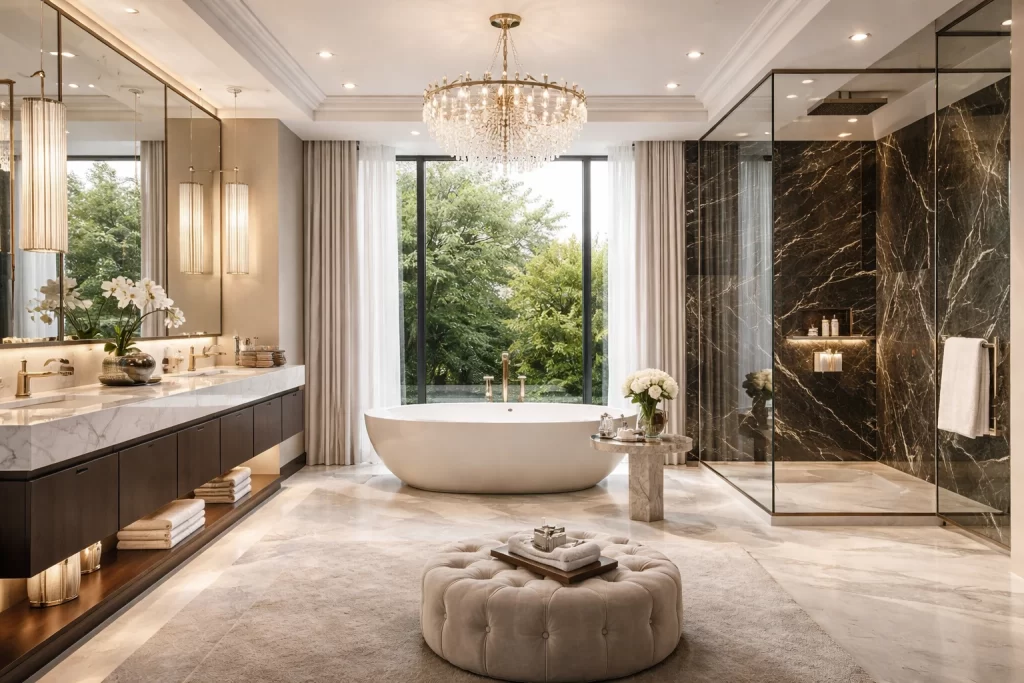
Bathroom Interior Design Ideas for a Luxury Feel avinnyyaadmin Principal Designer Bathrooms are no longer just functional spaces; they have evolved into personal sanctuaries where comfort meets elegance. A well-designed bathroom can elevate your daily routine into a relaxing, spa-like experience. Today’s homeowners are increasingly investing in luxury bathroom interiors that reflect sophistication, style, and functionality. Whether you have a compact urban apartment or a spacious villa, creating a luxurious bathroom is achievable with the right design approach, materials, and detailing. In this comprehensive guide, we explore the most effective bathroom interior design ideas that deliver a truly luxurious feel, helping you transform your space into a premium retreat. Introduction to Luxury Bathroom Interior Design Luxury bathroom interior design is all about blending aesthetics with comfort and high functionality. Over the years, bathrooms have transformed from purely utilitarian spaces into areas that promote relaxation and wellness. Inspired by five-star hotels and spa environments, modern luxury bathrooms focus on clean layouts, high-end materials, ambient lighting, and personalized elements. The essence of a luxurious bathroom lies in attention to detail. From the texture of the tiles to the finish of the fixtures, every component contributes to the overall experience. At Avinnyya, the approach to bathroom design is deeply personalized, ensuring that each project reflects the client’s lifestyle while maintaining a premium aesthetic. The goal is to create a harmonious space that feels indulgent yet practical for everyday use. Key Elements That Define a Luxury Bathroom Premium Materials One of the most defining characteristics of a luxury bathroom is the use of high-quality materials. Natural stones like marble and granite instantly elevate the space, offering timeless elegance and durability. Marble, in particular, is a popular choice due to its rich veining patterns and polished finish that exudes opulence. Quartz surfaces are also widely used for countertops due to their sleek appearance and low maintenance. Additionally, incorporating wood accents—especially in vanities or wall panels—adds warmth and balance to the otherwise cool tones of stone and tile. The combination of textures creates depth and sophistication, making the bathroom feel curated rather than ordinary. Elegant Color Palette Color plays a crucial role in defining luxury. Neutral tones such as white, beige, grey, and taupe dominate high-end bathroom designs because they create a calm and timeless atmosphere. These shades also make the space appear larger and more refined. Monochromatic themes are particularly effective in achieving a cohesive look, while subtle accents in gold, brass, or matte black introduce a touch of glamour. The key is to maintain balance—too many contrasting colors can disrupt the elegance, while a well-planned palette enhances the sense of luxury. High-End Fixtures & Fittings Luxury bathrooms are incomplete without premium fixtures and fittings. Designer faucets, rainfall showers, and freestanding bathtubs not only enhance functionality but also serve as statement elements. Modern innovations like smart toilets, touchless taps, and thermostatic showers bring convenience and sophistication together. The finish of these fixtures—whether chrome, brushed nickel, or matte black—should complement the overall design theme. Investing in high-quality fittings ensures durability and adds a refined touch to the space. Space Planning for a Luxurious Bathroom Optimized Layout Design A luxurious bathroom begins with thoughtful space planning. Proper zoning is essential to separate wet and dry areas, ensuring both functionality and hygiene. Typically, the bathroom is divided into three main zones: the vanity area, the shower or bathtub area, and the toilet space. Open layouts with minimal partitions create a seamless flow, while glass enclosures help maintain visual continuity without compromising practicality. A well-planned layout enhances usability and contributes to the overall sense of spaciousness. Maximizing Small Bathrooms Even small bathrooms can achieve a luxurious feel with smart design strategies. Using large mirrors can create the illusion of space, while floating vanities help maintain an uncluttered look. Light-colored tiles and minimalistic designs further enhance openness. Storage solutions such as recessed shelves and wall-mounted cabinets ensure that essentials are neatly organized without overcrowding the space. The idea is to maintain simplicity while incorporating premium elements that elevate the design. Large Bathroom Layout Ideas For larger bathrooms, the possibilities are endless. Double vanity units add convenience for shared spaces, while separate zones for showers and bathtubs create a spa-like environment. Walk-in showers with frameless glass partitions and dedicated dressing areas further enhance the sense of luxury. Incorporating seating areas or lounge-style elements can also add a unique touch, transforming the bathroom into a complete relaxation zone. Luxury Bathroom Design Styles to Consider Modern Minimalist Luxury Modern minimalist bathrooms focus on clean lines, uncluttered spaces, and a neutral color palette. The emphasis is on simplicity and functionality, with hidden storage and sleek fixtures. This style is perfect for those who prefer a contemporary yet elegant look. Classic & Timeless Elegance Classic bathroom designs are characterized by ornate details, intricate patterns, and rich materials. Marble surfaces, decorative mirrors, and chandelier lighting create a regal ambiance. This style never goes out of fashion and is ideal for those who appreciate traditional luxury. Spa-Inspired Bathrooms Spa-inspired bathrooms bring tranquility into your home. Natural elements like stone, wood, and greenery create a calming atmosphere. Soft lighting, aromatic candles, and soothing color palettes enhance the overall experience, making the bathroom a place to unwind and rejuvenate. Contemporary Glam Style For those who love bold aesthetics, contemporary glam bathrooms offer the perfect blend of luxury and drama. Metallic finishes, statement walls, and contrasting colors create a visually striking space. This style is all about making a statement while maintaining sophistication. Statement Features That Elevate Luxury Freestanding Bathtubs A freestanding bathtub is often the centerpiece of a luxury bathroom. Its sculptural design adds elegance and creates a focal point. Whether placed near a window or at the center of the room, it instantly enhances the visual appeal. Walk-In Showers Walk-in showers with frameless glass partitions offer a modern and spacious look. Features like rainfall showerheads, body jets, and built-in seating elevate the experience, making everyday showers feel indulgent. Designer Vanity Units Vanity units are not just functional
Kitchen Interior Design Trends That Maximize Space
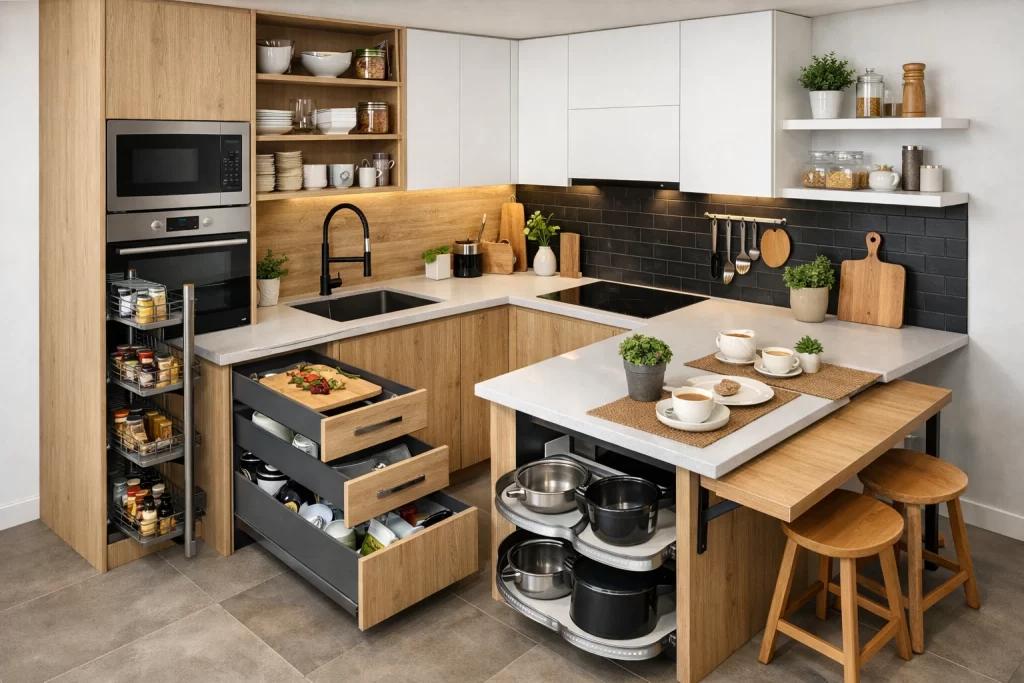
Kitchen Interior Design Trends That Maximize Space (2026 Guide) avinnyyaadmin Principal Designer Modern homes are evolving rapidly, and so are kitchens. Today, kitchens are no longer just cooking areas—they are multifunctional spaces where design, efficiency, and comfort come together. With shrinking apartment sizes and increasing urbanization, the demand for smart kitchen designs that maximize space has grown significantly. Homeowners now seek kitchens that are not only stylish but also highly functional, making the best use of every inch available. This comprehensive guide explores the latest kitchen interior design trends that help optimize space without compromising on aesthetics. Whether you have a compact apartment kitchen or a moderately sized cooking area, these insights will help you transform your kitchen into a highly efficient and visually appealing space. Introduction to Space-Saving Kitchen Design Space-saving kitchen design is all about intelligent planning, innovative storage, and efficient layouts. In urban environments where space is limited, traditional bulky kitchen designs are becoming obsolete. Instead, homeowners are opting for sleek, modular, and multifunctional solutions that provide maximum utility. The concept revolves around eliminating wasted space, improving workflow, and ensuring that everything in the kitchen has a designated place. A well-designed kitchen not only enhances cooking efficiency but also reduces stress by keeping the space organized and clutter-free. With the right approach, even the smallest kitchen can feel spacious and comfortable. Why Space Optimization Matters in Kitchen Design Functionality Meets Aesthetics A kitchen should strike the perfect balance between functionality and aesthetics. While a beautiful kitchen may look appealing, it becomes frustrating if it lacks usability. Space optimization ensures that every design element serves a purpose while maintaining visual harmony. Modern kitchens are designed with clean lines, minimal clutter, and smart storage, allowing homeowners to enjoy both practicality and elegance. When space is used efficiently, it creates a seamless and enjoyable cooking experience. Impact on Daily Life An optimized kitchen significantly improves daily life. When everything is easily accessible and well-organized, cooking becomes faster and more enjoyable. You spend less time searching for utensils or ingredients and more time focusing on what matters. Efficient layouts also reduce unnecessary movement, making the cooking process smoother. This is especially important for busy households where time-saving solutions are essential. Increasing Property Value A well-designed, space-efficient kitchen is a major selling point in modern real estate. Buyers today prioritize functionality and smart design over sheer size. Kitchens that utilize space effectively often attract higher value and faster sales. Investing in a space-saving kitchen design is not just about comfort—it’s also a strategic decision that adds long-term value to your property. Smart Kitchen Layouts That Save Space Galley Kitchen Layout The galley kitchen layout is one of the most efficient designs for small spaces. It consists of two parallel countertops with a walkway in between, making it ideal for compact homes. This layout minimizes movement and creates a highly functional workspace. By keeping everything within reach, the galley kitchen ensures a smooth cooking workflow. It is especially suitable for narrow spaces where maximizing efficiency is crucial. L-Shaped Kitchen The L-shaped kitchen is a popular choice for modern homes. It utilizes two adjacent walls, leaving the rest of the space open. This design not only maximizes corner space but also creates a more open and airy feel. It allows flexibility in movement and can easily accommodate additional elements like a dining table or kitchen island if space permits. U-Shaped Kitchen The U-shaped kitchen offers maximum storage and counter space by utilizing three walls. This layout is perfect for homeowners who need more storage without compromising on functionality. It creates a well-defined workspace and is ideal for households that require extensive cooking and storage solutions. Open Kitchen Concepts Open kitchens are becoming increasingly popular as they create the illusion of a larger space. By integrating the kitchen with the living or dining area, the space feels more expansive and connected. This design not only improves aesthetics but also enhances interaction, making it perfect for modern lifestyles. Trending Space-Saving Kitchen Storage Solutions Vertical Storage Designs One of the most effective ways to maximize space is by utilizing vertical storage. Floor-to-ceiling cabinets and tall pantry units make use of unused vertical space, providing ample storage without occupying additional floor area. This approach is especially useful in small kitchens where horizontal space is limited. Pull-Out and Hidden Storage Pull-out drawers and hidden cabinets are essential features of modern kitchens. They allow easy access to items while maintaining a clean and clutter-free appearance. Hidden storage solutions help keep the kitchen organized and visually appealing, making the space feel larger. Corner Storage Innovations Corners are often underutilized in kitchens. Innovations like lazy Susans and magic corner units transform these spaces into highly functional storage areas. These solutions ensure that no space goes to waste, making them a must-have in compact kitchen designs. Multi-Functional Cabinets Modern cabinets are designed to do more than just store items. They come with built-in organizers, sliding shelves, and customizable compartments that enhance usability. These features help keep everything organized and easily accessible, improving overall efficiency. Modular Kitchen Designs for Maximum Efficiency Benefits of Modular Kitchens Modular kitchens are designed for flexibility and efficiency. They consist of pre-made units that can be customized according to the available space and user requirements. They are easy to install, maintain, and upgrade, making them a popular choice for modern homes. Trending Modular Features Modern modular kitchens come equipped with features like soft-close drawers, built-in appliances, and smart compartments. These elements not only enhance functionality but also add a touch of sophistication. They are designed to maximize space while ensuring convenience and durability. Custom vs. Pre-Made Modular Kitchens Choosing between custom and pre-made modular kitchens depends on your needs and budget. Custom kitchens offer tailored solutions, while pre-made options are more affordable and quicker to install. Both options can be optimized for space, provided they are designed thoughtfully. Innovative Kitchen Furniture Trends Foldable and Extendable Furniture Foldable and extendable furniture is a game-changer for small kitchens. Items like
Bedroom Interior Design Tips for Better Sleep and Comfort
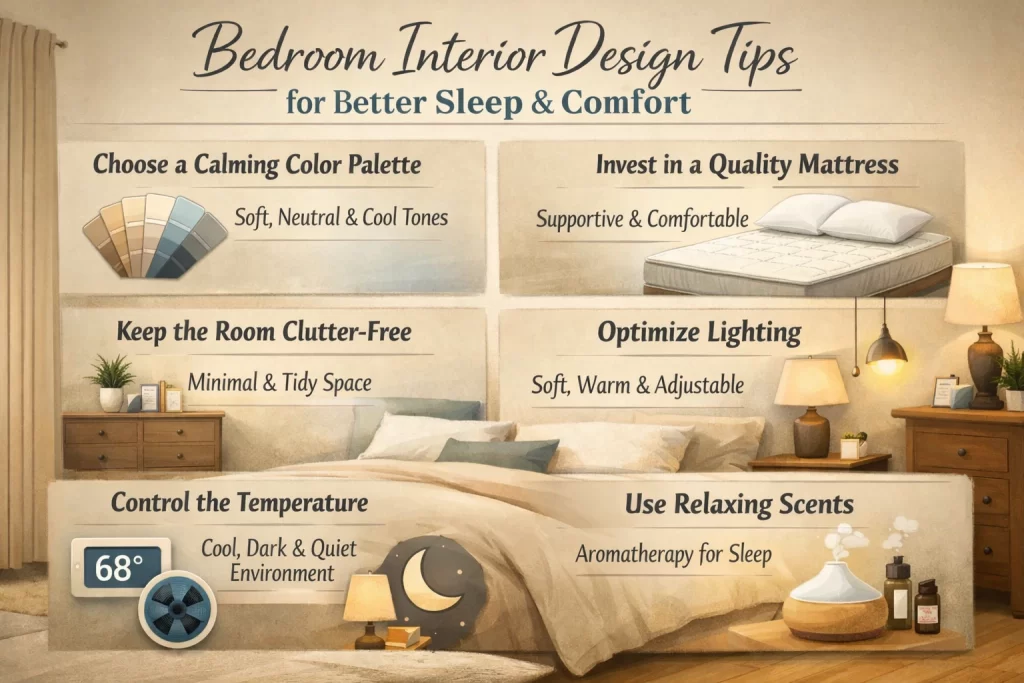
Bedroom Interior Design Tips for Better Sleep and Comfort avinnyyaadmin Principal Designer A good night’s sleep is no longer a luxury—it is a necessity for maintaining physical health, mental clarity, and emotional balance. In today’s fast-paced lifestyle, many people struggle with poor sleep quality, often overlooking one critical factor: the design of their bedroom. Your bedroom is more than just a place to sleep; it is a sanctuary where comfort, relaxation, and tranquility should come together seamlessly. Thoughtful bedroom interior design plays a vital role in influencing how quickly you fall asleep and how well you rest throughout the night. From the colors on your walls to the type of lighting you use, every element contributes to the overall sleep environment. At Avinnyya, we believe that a well-designed bedroom should not only look aesthetically pleasing but also support your well-being and comfort. In this detailed guide, we will explore practical and expert-approved bedroom interior design tips that can significantly enhance your sleep quality while creating a cozy and inviting space. Why Bedroom Design Matters for Sleep Quality The Science Behind Sleep and Environment Sleep is deeply connected to your surroundings. Scientific research shows that environmental factors such as light exposure, room temperature, and color schemes directly influence your circadian rhythm—the internal clock that regulates your sleep-wake cycle. A poorly designed bedroom can disrupt this rhythm, making it harder to fall asleep and stay asleep. For instance, excessive artificial lighting or harsh colors can overstimulate the brain, while a calm and dimly lit environment signals your body to relax. Similarly, a well-ventilated room with balanced temperature creates the ideal conditions for uninterrupted sleep. Psychological Impact of Bedroom Interiors Beyond physical factors, your bedroom design also affects your mental state. A cluttered and chaotic space can lead to stress and anxiety, making it difficult to unwind at the end of the day. On the other hand, a clean, organized, and thoughtfully designed bedroom promotes a sense of calmness and relaxation. Minimalistic design principles, combined with functional layouts, can help create a peaceful environment that encourages better sleep. When your mind associates your bedroom with comfort and tranquility, falling asleep becomes much easier. Choosing the Right Color Palette for Relaxation Best Colors for Sleep Color psychology plays a crucial role in bedroom design. Soft, muted tones such as beige, ivory, pastel blue, sage green, and lavender are known for their calming effects. These colors reduce visual stimulation and help create a soothing atmosphere that prepares your mind for rest. Cool tones, especially shades of blue and green, are particularly effective in promoting relaxation. They are often associated with nature and serenity, making them ideal choices for bedroom walls and décor. Colors to Avoid in Bedrooms While bold and vibrant colors may look appealing, they are not always suitable for bedrooms. Bright reds, neon shades, and overly dark tones can create a sense of restlessness or heaviness. These colors tend to increase energy levels, which is the opposite of what you need in a sleep-friendly environment. Accent Color Strategies If you enjoy adding personality to your space, consider using accent colors in a balanced way. Instead of painting all walls in bold tones, opt for a feature wall or incorporate accent colors through cushions, artwork, or rugs. This approach allows you to maintain visual interest without overwhelming the space. Optimal Bedroom Layout for Comfort and Flow Bed Placement Principles The placement of your bed is one of the most important aspects of bedroom design. Ideally, the bed should be positioned in a way that allows easy movement and provides a clear view of the room. Avoid placing the bed directly under a window, as it can lead to discomfort due to drafts or excessive light. A well-positioned bed creates a sense of stability and balance, which contributes to better sleep quality. Space Planning for Small Bedrooms In compact spaces, smart planning is essential. Multi-functional furniture such as storage beds, foldable desks, or wall-mounted shelves can help maximize space without compromising comfort. The key is to ensure that the room does not feel cramped or cluttered. Creating a Clutter-Free Layout Maintaining open space around the bed and ensuring smooth movement within the room can significantly enhance comfort. Hidden storage solutions, such as under-bed drawers or built-in wardrobes, help keep the room organized and visually appealing. Lighting Design for Better Sleep Layered Lighting Approach A well-designed bedroom uses layered lighting to create a balanced ambiance. Ambient lighting provides overall illumination, task lighting is useful for activities like reading, and accent lighting adds warmth and depth to the space. Warm vs Cool Lighting Warm lighting is ideal for bedrooms as it creates a cozy and relaxing environment. Lights with a color temperature between 2700K and 3000K are recommended for promoting better sleep. Cool white lighting, on the other hand, should be avoided in the evening as it can interfere with melatonin production. Use of Natural Light Natural light plays an important role in maintaining a healthy sleep cycle. During the day, allow sunlight to enter the room to boost mood and energy levels. For nighttime, use blackout curtains to block external light and create a dark, sleep-friendly environment. Furniture Selection for Maximum Comfort Choosing the Right Bed and Mattress Your bed is the centerpiece of your bedroom, and investing in a high-quality mattress is essential for good sleep. The mattress should provide adequate support while being comfortable enough to relieve pressure points. The size of the bed should also be appropriate for the room to ensure ease of movement. Functional and Minimal Furniture Avoid overcrowding your bedroom with unnecessary furniture. Focus on essential pieces such as a bed, bedside tables, and storage units. A minimalist approach not only enhances aesthetics but also improves functionality. Bedside Tables and Storage Units Bedside tables should be placed within easy reach and designed to complement the overall theme of the room. Storage units should be practical yet stylish, blending seamlessly with the interior design. Bedding and Fabrics That Enhance Sleep
Living Room Interior Design Ideas for Small Apartments
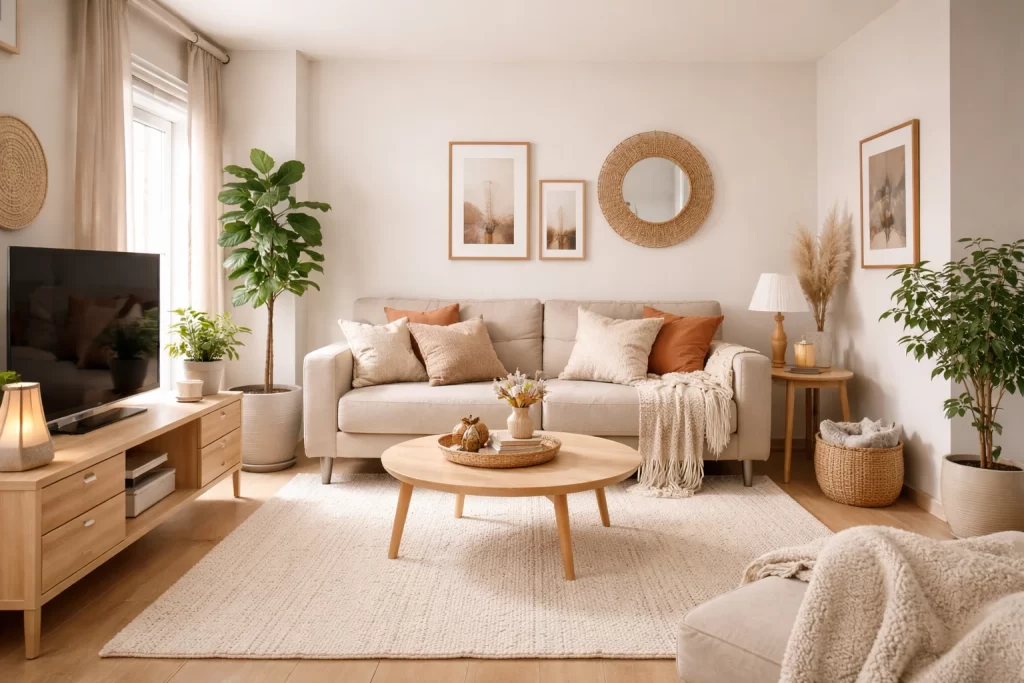
Living Room Interior Design Ideas for Small Apartments avinnyyaadmin Principal Designer Designing a living room in a small apartment can feel like solving a complex puzzle where every inch matters. With urban living spaces becoming increasingly compact, the need for thoughtful and efficient interior design has never been greater. A well-designed small living room is not just about fitting furniture into a tight space—it’s about creating a comfortable, functional, and visually appealing environment that reflects your personality. Whether you are living in a studio apartment or a compact flat, the right design strategies can make your living room feel spacious, organized, and inviting. In this detailed guide, we explore practical and stylish living room interior design ideas for small apartments that help you maximize space without compromising on aesthetics. Introduction to Small Apartment Living Room Design Small apartment living is now a common reality in modern cities, where space constraints challenge homeowners to think creatively. The living room, being the central gathering area, plays a crucial role in defining the overall ambiance of the home. Designing this space requires a balance between functionality and style. You need to ensure that the room serves multiple purposes—entertainment, relaxation, and sometimes even work—without appearing cluttered. This is where strategic planning and expert design come into play. At Avinnyya, the focus is on transforming compact living rooms into elegant spaces through innovative layouts, smart storage, and modern aesthetics that enhance everyday living. Understanding the Challenges of Small Living Rooms Limited Space and Layout Constraints One of the biggest challenges in small apartments is limited floor space. Traditional furniture layouts often don’t work, and improper placement can make the room feel cramped and uncomfortable. The lack of flexibility in layout demands creative solutions that optimize every corner while maintaining ease of movement. Lack of Natural Light Small living rooms often struggle with insufficient natural light, especially in densely built urban areas. This can make the space feel darker and smaller than it actually is. Proper lighting design becomes essential to counter this issue and create an airy atmosphere. Storage Limitations Storage is another major concern. Without adequate storage solutions, clutter can quickly take over, making the room look messy and disorganized. Smart storage planning is key to maintaining a clean and spacious feel. Smart Space Planning Techniques H3: Open Layout Concepts An open layout is one of the most effective ways to make a small apartment feel larger. By combining the living room with adjacent areas like the dining or kitchen space, you eliminate visual barriers and create a seamless flow. This not only enhances the sense of space but also improves functionality. Zoning Small Living Rooms Even within a compact space, it’s important to define different functional zones. This can be achieved using rugs, lighting, or subtle furniture arrangements. For instance, a rug can visually separate the seating area from a workspace without the need for physical partitions. Furniture Arrangement Strategies Strategic furniture placement is crucial in small living rooms. Avoid pushing all furniture against the walls; instead, create a balanced layout that allows for smooth movement. Choosing fewer but more functional pieces helps prevent overcrowding and maintains a clean look. Choosing the Right Furniture for Small Living Rooms Multi-Functional Furniture In small apartments, every piece of furniture should serve more than one purpose. Sofa-cum-beds, extendable tables, and storage ottomans are excellent choices that maximize usability without taking up extra space. These versatile pieces are essential for modern compact living. Compact and Modular Furniture Custom-built modular furniture is ideal for small living rooms. These designs are tailored to fit specific dimensions and needs, ensuring optimal space utilization. Wall-mounted units and foldable furniture further enhance flexibility and functionality. Furniture with Exposed Legs Furniture with visible legs creates an illusion of openness by allowing light to pass through. This simple design choice can make the room appear less crowded and more spacious. Color Schemes that Make Small Spaces Look Bigger Light and Neutral Colors Light shades such as white, beige, and soft pastels reflect more light, making the room feel brighter and larger. These colors form the perfect base for small living rooms, creating a calm and open ambiance. Accent Colors and Statement Walls While neutral tones are essential, adding a pop of color through an accent wall or décor elements can bring character to the space. The key is to use bold colors sparingly to avoid overwhelming the room. Monochromatic Color Palettes A monochromatic color scheme, where different shades of the same color are used, helps create visual continuity. This reduces visual breaks and makes the room appear more cohesive and spacious. Lighting Design for Small Living Rooms Layered Lighting Approach Effective lighting involves a combination of ambient, task, and accent lighting. This layered approach ensures that the room is well-lit for different activities while adding depth and dimension to the space. Use of Mirrors to Amplify Light Mirrors are a powerful design tool in small spaces. When placed strategically, they reflect both natural and artificial light, making the room feel brighter and more expansive. Space-Saving Lighting Fixtures Instead of bulky floor lamps, opt for wall-mounted lights or pendant fixtures. These save floor space while adding a stylish touch to the décor. Storage Solutions for Small Apartments Vertical Storage Ideas Utilizing vertical space is essential in small living rooms. Tall shelves and wall-mounted cabinets help keep the floor area free while providing ample storage. Hidden Storage Concepts Furniture with built-in storage, such as sofas with compartments or coffee tables with drawers, helps keep clutter out of sight. These hidden solutions maintain a clean and organized look. Decluttering Techniques Minimalism is key when designing small spaces. Regular decluttering and thoughtful organization ensure that only essential and meaningful items occupy the room. Wall Decor Ideas for Small Living Rooms Minimalist Wall Art Avoid overcrowding walls with too many elements. A few well-chosen pieces of art can create a strong visual impact without making the space feel busy. Gallery Walls A curated gallery wall can add personality