
Best Interior Designer in Bangalore
Best Interior Designer in Bangalore – Transform Your Home with Avinnyya Vallari Shah Principal Designer Bangalore, often called the Silicon Valley of India, has witnessed rapid urban development over the past decade. With the growth of modern apartments, luxury villas, gated communities, and commercial spaces, the demand for a best interior designer in Bangalore has increased significantly. Homeowners today are not only looking for beautiful homes but also spaces that are practical, comfortable, and tailored to their lifestyle. An experienced interior designer in Bangalore helps transform ordinary spaces into stylish and functional environments by combining smart layouts, efficient storage solutions, and modern design aesthetics. From compact apartments to luxury villas, professional interior design ensures every corner of the home is optimized for comfort and visual appeal. Today, interior design is no longer considered a luxury limited to high-end homes. Instead, it has become an essential part of modern living. Whether you want a contemporary living room, a modular kitchen, or a relaxing bedroom setup, working with a professional interior designer in Bangalore can help you achieve a well-balanced and personalized home interior. Companies like Avinnyya specialize in creating customized interiors that blend functionality with modern design trends, helping homeowners turn their dream spaces into reality. This is where professional interior designers make a major difference. Experienced designers understand how to combine aesthetics with practicality, ensuring that every element of the space works together harmoniously. They also help avoid costly mistakes and manage the entire design process from concept to completion. Why Interior Design Is Important for Modern Homes in Bangalore Interior design plays a crucial role in shaping how a home looks, feels, and functions. In a dynamic city like Bangalore, where residential spaces range from compact apartments to luxurious villas, thoughtful interior design helps homeowners make the most of their living spaces. Maximizing Space in Urban Apartments Many apartments in Bangalore are designed to optimize urban land use, which means homeowners often work with limited floor space. Without proper planning, rooms may feel cramped or cluttered. Interior designers use smart space-planning techniques to maximize functionality without sacrificing aesthetics. For example, built-in wardrobes, modular furniture, and multi-purpose storage solutions help utilize every corner efficiently. Designers also use visual techniques such as mirrors, light colors, and strategic lighting to make spaces appear larger and more open. Creating Comfortable and Functional Living Spaces A well-designed home is not just visually appealing—it should also support daily activities comfortably. Interior designers focus on ergonomic layouts that improve movement within the home while ensuring that furniture placement enhances usability. For instance, kitchen layouts are designed for efficient cooking workflows, living rooms are arranged to encourage conversation and relaxation, and bedrooms are designed to promote rest and comfort. Enhancing Aesthetic Appeal Interior design enhances the beauty of a home by creating a cohesive visual theme. Designers carefully select color palettes, textures, furniture styles, and lighting elements to achieve a balanced look. Even small details such as wall art, decorative lighting, or textured fabrics can dramatically elevate the appearance of a space. Increasing Property Value Homes with professionally designed interiors often have higher resale value. Buyers and renters are naturally attracted to properties that look modern, well maintained, and thoughtfully designed. Investing in interior design can therefore provide long-term financial benefits. Why Hire the Best Interior Designer in Bangalore While many homeowners attempt DIY interior design, hiring a professional designer offers significant advantages. Professional designers bring expertise, creativity, and project management skills that ensure successful outcomes. Professional Expertise and Design Knowledge Interior designers have specialized knowledge in areas such as color theory, spatial planning, lighting design, and material selection. They understand how different elements interact within a space and can create balanced designs that enhance both beauty and functionality. Their expertise also helps prevent common mistakes such as overcrowded furniture arrangements, poor lighting placement, or mismatched materials. Access to Trusted Vendors and Materials Designers work closely with a network of suppliers, contractors, and craftsmen. This allows them to source high-quality materials, furniture, and décor items that may not be easily available to homeowners. In addition, designers often secure better pricing from suppliers due to their professional relationships. Budget Planning and Cost Optimization Many homeowners worry that hiring an interior designer will increase costs. In reality, designers help optimize budgets by selecting cost-effective materials and avoiding unnecessary expenses. By planning the entire project carefully, designers ensure that money is spent efficiently without compromising on quality. Project Management and Execution Interior design projects involve multiple professionals including carpenters, electricians, painters, and installers. Coordinating all these teams can be challenging for homeowners. Professional designers manage the entire process, ensuring that work is completed on schedule and meets quality standards. Interior Design Services Offered by Avinnyya in Bangalore Interior design firms typically offer a wide range of services to meet the needs of different clients. Avinnyya provides comprehensive interior design solutions for both residential and commercial spaces. Complete Home Interior Design Complete home interior design involves planning and designing every room in the house, including living areas, bedrooms, kitchens, and bathrooms. Designers develop a cohesive theme that flows seamlessly throughout the home. Living Room Interior Design The living room is often the most visible area of a home and serves as a gathering space for family and guests. Designers focus on furniture placement, wall décor, lighting design, and color coordination to create inviting environments. Modular Kitchen Design Modern kitchens require efficient layouts that support daily cooking activities. Modular kitchens incorporate organized storage systems, durable materials, and smart appliance placement to improve efficiency. Bedroom Interior Design Bedrooms should offer comfort, relaxation, and privacy. Designers carefully select soothing colors, soft lighting, and functional storage solutions to create peaceful environments. Office and Commercial Interior Design Interior design is also important for commercial spaces such as offices, retail stores, and cafes. Professional designers create layouts that enhance productivity, improve customer experience, and reflect brand identity. Custom Furniture and Décor Solutions Custom furniture allows homeowners to create unique interiors that perfectly match their space and
Interior Designer in Varanasi
Interior Designer in Varanasi – Transform Your Home with Expert Design by Avinnyya Vallari Shah Principal Designer Varanasi is one of the oldest living cities in the world, known for its rich heritage, vibrant culture, and unique architectural character. Over the years, the city has also seen rapid growth in modern housing, apartments, and commercial spaces. As lifestyles evolve, homeowners and businesses are increasingly looking for ways to create interiors that are not only beautiful but also functional and comfortable. This is where professional interior design becomes essential. Hiring an experienced interior designer in Varanasi helps transform ordinary spaces into well-planned environments that reflect personality, improve functionality, and enhance visual appeal. Whether it is a compact apartment, a luxury villa, or a commercial office, thoughtful interior planning can significantly improve the overall experience of living or working in a space. Many homeowners attempt to design their homes themselves, but they often face challenges such as poor space planning, mismatched materials, incorrect lighting placement, or inefficient storage. Professional interior designers bring expertise, creative vision, and technical knowledge to avoid these issues. One of the design firms helping homeowners achieve stylish and functional interiors is Avinnyya. With a focus on personalized design solutions, high-quality materials, and modern design techniques, Avinnyya helps transform homes and commercial spaces into inspiring environments that balance beauty and practicality. Why Interior Design Matters for Modern Homes in Varanasi Interior design is not just about decorating a home with furniture and colors. It is about planning a space in a way that improves comfort, functionality, and overall lifestyle. In a growing city like Varanasi, where homes vary from traditional houses to modern apartments, interior design plays an important role in creating spaces that meet modern living needs. Enhancing Functionality and Comfort One of the primary benefits of interior design is improving how a space functions. Every home has unique spatial challenges, especially in urban areas where apartments may have limited space. Professional designers analyze room layouts, circulation paths, furniture placement, and storage solutions to ensure every part of the home is used effectively. For example, a small bedroom can feel spacious with the right furniture layout, built-in storage, and smart lighting. Similarly, a living room can become more inviting when seating arrangements and lighting are planned thoughtfully. Interior designers focus on making homes comfortable and practical for everyday living. Reflecting Personal Style A well-designed interior reflects the personality and lifestyle of the homeowner. Some people prefer minimal modern interiors with neutral tones, while others love traditional designs with rich textures and decorative elements. In Varanasi, many homeowners prefer a blend of traditional Indian design and contemporary styles. Designers often incorporate wooden textures, handcrafted décor, warm lighting, and cultural elements while maintaining modern functionality. This combination creates interiors that feel both timeless and stylish. Increasing Property Value Professional interior design can significantly increase the value of a property. Homes that are well designed, well maintained, and aesthetically appealing often attract higher resale prices. Potential buyers are naturally drawn to spaces that look organized, elegant, and ready to move into. Investing in good interior design also improves long-term durability because designers choose materials that are both stylish and long lasting. Improving Lighting and Space Perception Lighting is one of the most important elements in interior design. Poor lighting can make even a large room feel dull and uninviting, while well-planned lighting can transform the entire atmosphere of a space. Designers combine natural light, ambient lighting, task lighting, and accent lighting to create balanced illumination. Proper lighting placement can make rooms appear larger, brighter, and more comfortable. Why Hire a Professional Interior Designer in Varanasi Many homeowners initially consider designing their homes themselves to save costs. However, interior design involves much more than choosing furniture or paint colors. Hiring a professional designer offers several advantages that can save time, money, and effort in the long run. Local Expertise and Cultural Understanding Interior designers who work in Varanasi understand the city’s architectural styles, climate conditions, and cultural preferences. This local knowledge helps them create designs that are suitable for the environment and lifestyle of the residents. For example, designers may recommend materials that perform well in the local climate or incorporate traditional elements that reflect the city’s cultural heritage. Access to Quality Materials and Vendors Professional designers have established relationships with suppliers, contractors, and craftsmen. This allows them to source high-quality materials and furniture at competitive prices. They also ensure that materials meet durability standards and are suitable for long-term use. This network of trusted vendors ensures smooth project execution. Time and Cost Efficiency Interior design projects involve multiple stages including planning, material selection, procurement, installation, and finishing. Without proper planning, projects can quickly exceed budgets and timelines. Professional designers carefully plan every step of the project to ensure efficient use of time and resources. Their experience helps avoid costly mistakes and unnecessary expenses. End-to-End Project Management A major benefit of hiring a professional designer is complete project management. Designers coordinate with contractors, electricians, carpenters, and painters to ensure that every aspect of the project is executed correctly. This allows homeowners to enjoy a stress-free experience while professionals handle the details. Interior Design Services Offered by Avinnyya Interior design firms typically offer a wide range of services to meet different client needs. Avinnyya provides comprehensive interior solutions designed to enhance both residential and commercial spaces. Residential Interior Design Residential design focuses on creating comfortable and personalized living spaces. This includes planning layouts, selecting furniture, choosing materials, and designing lighting schemes. Each room in a home requires different design considerations. Living rooms need inviting layouts for social interaction, bedrooms require relaxing environments, and kitchens must prioritize functionality. Modular Kitchen Design The kitchen is one of the most frequently used areas in a home. Modern modular kitchens are designed to improve efficiency and organization. Interior designers focus on ergonomic layouts, smart storage solutions, and durable materials. Features such as pull-out drawers, corner units, and built-in appliances help maximize functionality. Living Room Interior Design
How Technology Is Revolutionizing Interior Design
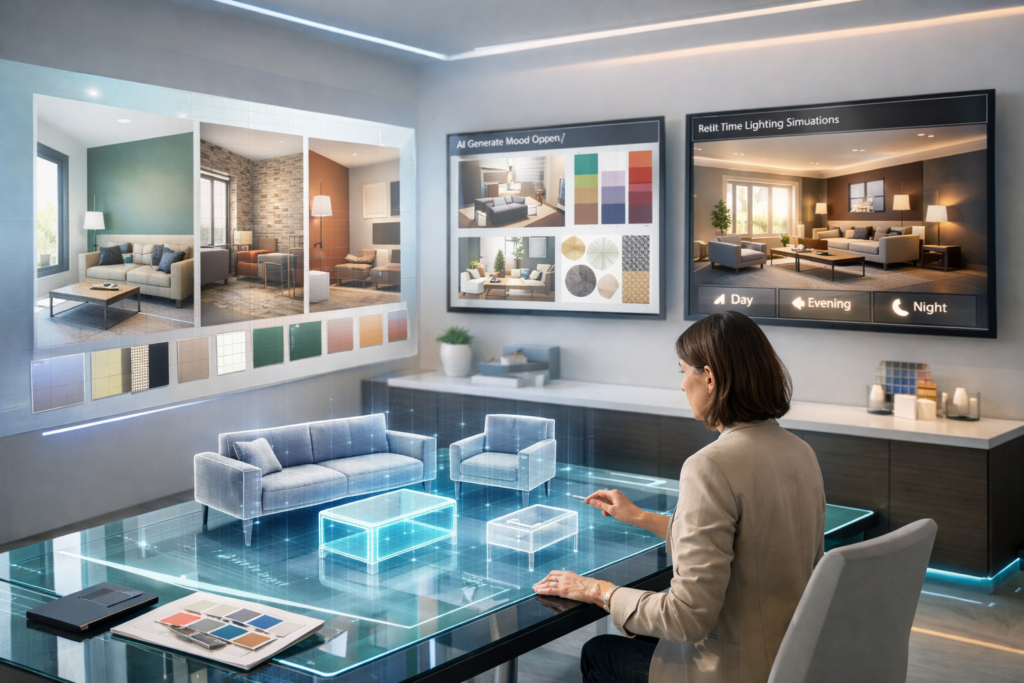
How Technology Is Revolutionizing Interior Design avinnyyaadmin Principal Designer Interior design, once rooted mainly in creativity and manual craftsmanship, has entered a new era driven by digital transformation. Today, technology is not merely supporting interior design—it is reshaping it. From conceptualization and visualization to material selection and execution, every step is becoming smarter, more efficient, and significantly more precise. The expectations of clients have also evolved. They now seek instant clarity, accurate previews of their future spaces, seamless digital communication, and smarter homes that enhance lifestyle and comfort. This technological shift is especially prominent in fast-growing, tech-forward cities like Bangalore, where modern homeowners, young IT professionals, and businesses expect design solutions that blend aesthetics with innovation. In this environment, Avinnyya has emerged as a leader—adopting cutting-edge tools and intelligent design workflows to provide clients with futuristic, immersive, and high-performance interiors. This article explores in-depth how technology is transforming interior design and how forward-thinking firms like Avinnyya are redefining the industry. The Rising Influence of Technology in Modern Interior Spaces The role of technology in interior design has expanded in parallel with the digital transformation across industries. Homes and offices are no longer designed only for functionality and aesthetics. They now serve as environments that support digital lifestyles—whether it’s remote work, smart home living, or digitally enabled collaboration. In urban Indian cities, the shift has been rapid. The growing middle class, exposure to global design trends, and the booming real estate sector have accelerated the adoption of tech-driven design. In Bangalore, for instance, modern apartments often come pre-integrated with smart home provisions, modular furnishing options, and digitally mapped layouts. Homeowners expect designers to bring technological clarity early in the process—something that traditional sketches or mood boards can no longer satisfy. This demand has pushed companies like Avinnyya to adopt a future-first approach, making technology central to their design philosophy. 3D Modeling and Rendering: Visualizing the Future Before Construction Begins One of the most transformative advancements in interior design is the evolution of 3D modeling and photorealistic rendering. Earlier, clients had to rely heavily on imagination, navigating through sketches and fabric swatches without fully understanding how the final space would look. Today, 3D visualization eliminates this uncertainty entirely. High-resolution renders allow clients to preview flooring, wall colors, lighting effects, furniture placements, and even small décor elements in extraordinary detail. These visuals often look so realistic that it becomes difficult to distinguish them from actual photographs of completed homes. For designers, the benefits are equally significant. Revisions can be made instantly, allowing efficient collaboration with clients. Instead of multiple site visits or lengthy discussions, clients can view updated versions of their space within minutes. At Avinnyya’s studio, this technology is a fundamental part of their process. Clients receive immersive renders and 360-degree walkthroughs even before the first nail is hammered. As a result, decision-making becomes quicker, more informed, and far more aligned to the client’s preferences. AR and VR: Immersive Design Experiences for Confident Decisions While 3D renders provide depth and detail, augmented reality (AR) and virtual reality (VR) take visualization to an entirely new level. With AR, clients can point their smartphone at a room and digitally place furniture, lighting fixtures, or décor items to see exactly how they would look in the real environment. VR, on the other hand, creates an immersive digital environment where clients can “walk through” their future home long before it is built. These technologies eliminate the fear associated with committing to big design decisions. Whether it is choosing between two sofa models or finalizing a modular kitchen layout, AR/VR makes the process interactive and intuitive. Avinnyya uses these tools extensively—offering VR previews during concept presentations and AR-based material comparisons during site visits. This allows clients to truly “experience” their space early in the design stage, ensuring satisfaction and reducing last-minute changes. Artificial Intelligence and Automation: Smarter Design, Faster Execution AI is rapidly becoming the silent architect behind modern interiors. Advanced design algorithms can now analyze room dimensions, lighting patterns, user preferences, and lifestyle habits to suggest optimized layouts and color palettes. AI-powered tools can also identify design inconsistencies, automate material estimation, and even predict project timelines with impressive accuracy. For clients, AI brings personalization to a new level. By studying behavior and style tendencies, AI can recommend furniture styles, décor themes, and space planning options tailored to individual needs. For designers, automation reduces manual tasks and speeds up the entire workflow. At Avinnyya, AI plays a strategic role in the design ideation phase. It helps the team quickly produce multiple concepts, refine them based on client feedback, and ensure precise execution on-site. Automated project management tools keep clients updated with real-time progress, making the entire experience transparent and stress-free. Smart Home Technology and IoT: Living Beyond Convenience Smart home technology is no longer a luxury; it has become a defining feature of contemporary interior spaces. From intelligent lighting systems to app-controlled climate settings, technology now plays a core role in how people interact with their homes. In cities like Bangalore, where tech-savvy professionals seek comfort and efficiency, IoT-powered homes are in high demand. Voice assistants, automated blinds, smart locks, security cameras, mood-changing lights, and energy-efficient thermostats are becoming standard interior features. However, integrating these elements requires thoughtful design. Wires must be concealed, devices must align aesthetically with the interior theme, and all systems should work harmoniously. This is an area where Avinnyya excels. Their team collaborates with automation experts to create smart homes that are both beautifully designed and intuitively functional. Whether it is designing a tech-enabled home theater or a fully automated living room, Avinnyya ensures seamless integration without compromising design aesthetics. Sustainable Technology: Designing for an Eco-Conscious Future Sustainability has become an essential part of modern interior design. Technology plays a crucial role in enabling environmentally responsible choices. Digital simulations now help designers analyze natural lighting, ventilation, and energy consumption before construction begins, allowing for more sustainable layouts. Material-tracking systems ensure eco-friendly sourcing, and modern manufacturing techniques like CNC cutting drastically reduce material
The Psychology Behind Today’s Hottest Interior Color Palettes
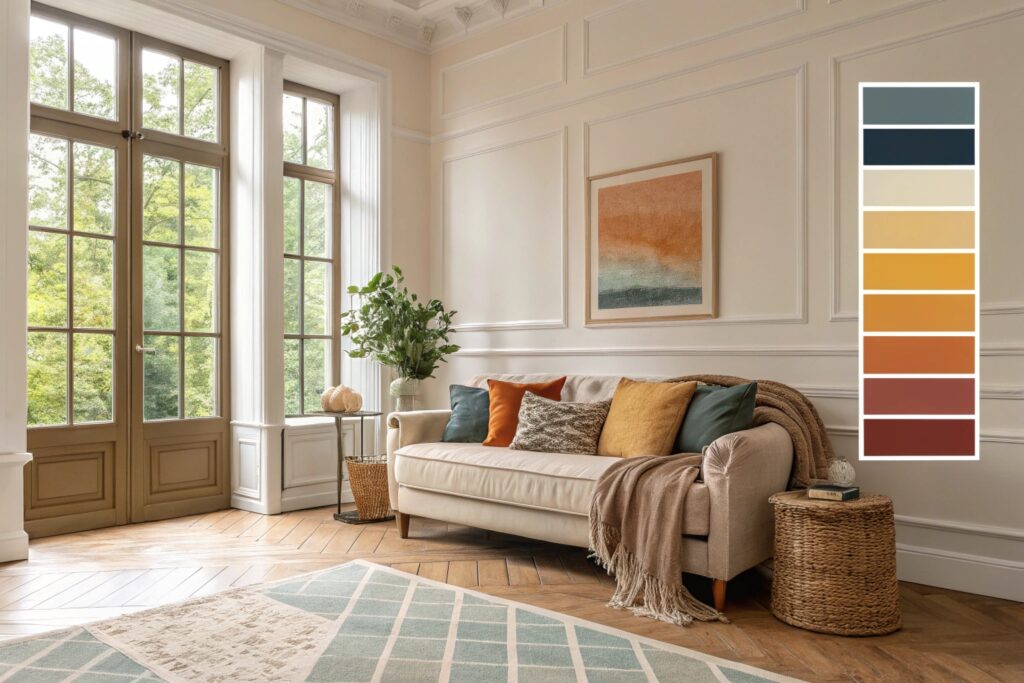
The Psychology Behind Today’s Hottest Interior Color Palettes avinnyyaadmin Principal Designer Designing a beautiful home is no longer just about selecting stylish furniture or arranging décor tastefully. In today’s world, homeowners seek spaces that feel emotionally fulfilling, mentally soothing, and deeply personal. This shift toward creating “feel-good homes” has led to a renewed focus on one of the most powerful yet underestimated design tools—color psychology. Colors shape how we feel, how we think, and even how we behave. They influence mood, perception, comfort, and energy levels. In a dynamic city like Bangalore, where lifestyles blend fast-paced work with a need for serenity at home, the role of interior color palettes becomes even more significant. At Avinnyya, color is more than aesthetics—it is the foundation of mindful and functional design. By understanding the psychology behind modern color trends, we create interiors that are not only stylish but also emotionally harmonious and deeply resonant with each homeowner’s personality. Understanding Color Psychology: The Science of Emotional Design Color psychology studies how different hues influence human emotions and behavior. The connection is ancient, rooted in biology, culture, and even our environment. Warm colors often energize us, cool colors soothe us, and neutral tones help us reset mentally. But color isn’t perceived universally. Cultural influences play a significant role—reds may symbolize prosperity in Indian traditions, while whites indicate purity. Similarly, lighting conditions, textures, and materials affect how a color appears. A sage green wall in natural daylight looks completely different under warm LED lighting. In interior design, color psychology helps craft spaces that serve emotional purposes: • Calming bedrooms • Energizing workspaces • Warm, welcoming living rooms • Creative corners for imagination and play Whether you want your home to feel luxurious, cozy, spacious, or lively, the right colors are key. Why Color Psychology Matters in Modern Homes Over the past few years, homeowners’ relationship with their living spaces has evolved dramatically. Homes now serve as multifunctional environments—workstations, relaxation hubs, entertainment areas, and personal retreats. As a result, design choices must support well-being and functional living. In bustling urban regions like Bangalore, where apartments can be compact and fast-paced lifestyles demand balance, color becomes a powerful tool. It can visually expand a room, make it cosier, improve focus, or create a sense of luxury and openness. Warm neutrals encourage calm, greens connect us to nature, blues enhance concentration, and earthy tones ground the mind. When thoughtfully applied, these colors not only beautify a home but also improve how people feel within it. Today’s Hottest Color Palettes & What They Mean Emotionally Below is an in-depth look at modern color trends dominating Indian homes—and why they resonate so strongly with contemporary lifestyles. 1. Soft Neutrals & Warm Minimalism Neutral tones like beige, ivory, greige, and warm white continue to top global trend charts. Their rise is driven by the desire for clutter-free, calming, and breezy interiors that create mental clarity. Psychological impact: • Promotes calmness and relaxation • Enhances focus and reduces visual noise • Creates a sense of spaciousness These hues are highly effective in the compact homes of Bangalore, where maximizing light and space is essential. At Avinnyya, we often pair neutrals with rich textures—linen drapes, wooden furniture, stone accents—to ensure the space feels warm rather than flat. Neutral palettes work exceptionally well in living rooms and open layouts, offering a timeless, versatile base on which homeowners can layer colorful décor or minimalist aesthetics. 2. Biophilic Greens & Nature-Inspired Tones Green, in all its soothing variations—from sage and olive to moss and emerald—has become a global favorite. The biophilic design movement, which emphasizes connection to nature, has influenced this trend significantly. Psychological impact: • Creates emotional balance • Reduces anxiety and mental fatigue • Symbolizes renewal and growth Bangalore’s greenery and moderate climate make nature-inspired palettes feel especially fitting. Whether used on walls, upholstery, or indoor plants, greens instantly transform a home into a refreshing sanctuary. These tones are ideal in: • Bedrooms for restful sleep • Study rooms to boost focus • Living areas seeking a calm, organic vibe • Balconies for a lush, cohesive look When combined with natural materials like bamboo, jute, and reclaimed wood, green palettes feel deeply grounding and earthy. 3. Deep Blues & Serenity Palettes Rich blues—navy, denim, cobalt, and teal—have seen a dramatic rise in luxury homes and premium interior projects. They offer depth, elegance, and a sense of calm sophistication. Psychological impact: • Enhances mental clarity • Encourages introspection • Creates a peaceful ambiance Because blue mirrors the calming nature of water and the sky, it works beautifully in bedrooms, dining areas, and personal retreat spaces. In homes across Bangalore, deep blues pair especially well with brass accents and minimalist lighting, creating an effortlessly modern aesthetic. When used strategically—as a feature wall or on statement furniture—blue becomes both grounding and visually luxurious. 4. Earthy Terracottas & Rustic Browns Terracotta, burnt orange, clay, and rich browns evoke warmth, comfort, and age-old connection to earth. These shades align deeply with traditional Indian aesthetics and the global return to handcrafted, artisanal décor. Psychological impact: • Provides emotional grounding • Adds warmth and intimacy • Promotes a sense of stability Terracotta accent walls, rustic pottery, woven textures, and natural wood elements collectively create homely, soulful interiors. These tones are perfect for cozy living rooms, dining spaces, and transitional areas. When balanced with neutral backdrops, earthy hues can add a dramatic yet comforting richness to any home. 5. Pastel Palettes & Soft Comfort Colors Blush pink, powder blue, lavender, mint green, and other pastels have become a favorite among younger homeowners and families seeking gentle, airy interiors. Psychological impact: • Creates feelings of comfort • Evokes youthful nostalgia • Enhances softness and serenity In urban apartments, pastels visually expand a room, making it feel light and breathable. These tones are ideal for children’s rooms, reading corners, home offices, and rental-friendly spaces. Pastels also blend beautifully with Scandinavian design themes—light wood, minimalist décor, soft textiles—creating a peaceful, clutter-free environment. 6. Monochromatic
How to Use Trending Colors Without Overwhelming Your Space
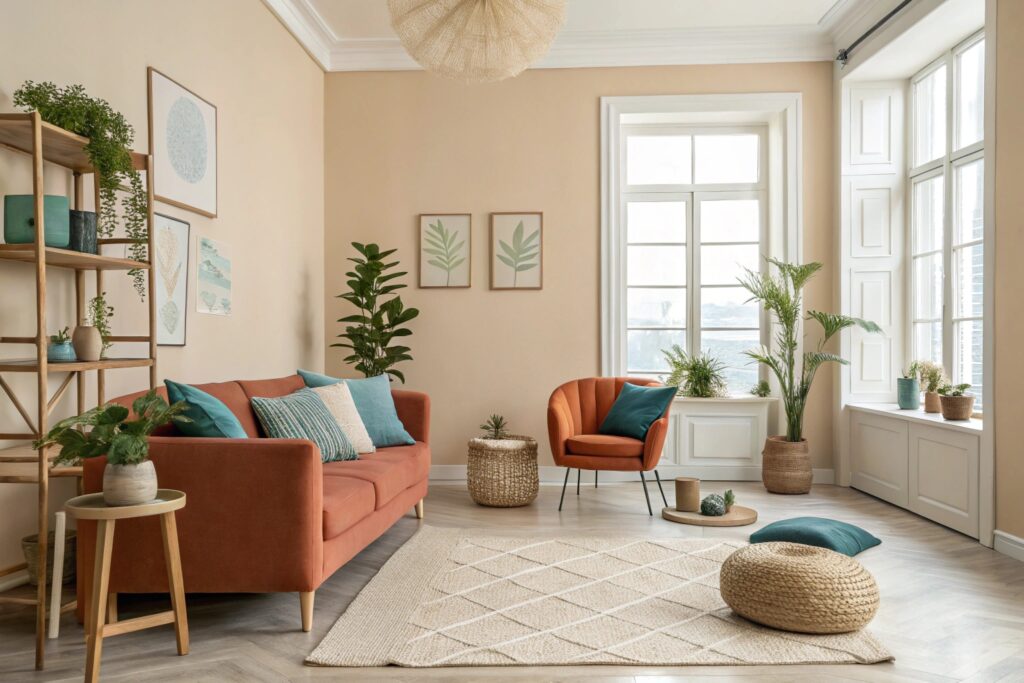
How to Use Trending Colors Without Overwhelming Your Space avinnyyaadmin Principal Designer Color trends change every year—sometimes every season—and for many homeowners, keeping up with them may feel like chasing a moving target. There’s excitement in embracing fresh shades, but also the fear of committing to a color that may fade out quickly or overpower the space. This balance becomes especially important in modern Indian metros like Bangalore, where homes often blend minimalist design with warm, functional aesthetics. That’s why interior design experts such as Avinnyya focus on creating color-forward homes that feel current yet timeless. Whether you’re decorating a compact city apartment, a spacious villa, or refreshing a corner of your living room, trending colors can elevate your space—when used thoughtfully. Why Trending Colors Matter in Interior Design Every year, global color institutes, paint brands, and design authorities release annual color predictions. These shades are influenced by cultural shifts, lifestyle patterns, and design innovations—from nature-inspired greens to bold jewel tones and modern pastels. But color trends are more than fleeting ideas. They are reflections of collective moods and can bring freshness and relevance to your interiors. In Bangalore’s ever-evolving design culture—marked by global tastes and urban lifestyle—introducing trendy colors keeps your home from feeling outdated or monotonous. The key is to remember that trending colors don’t always require repainting entire rooms or buying new furniture. Small, intentional touches can make just as much impact while keeping your space grounded and visually calm. Start With a Neutral Base: Your Foundation for Flexibility A neutral foundation is one of the smartest ways to adopt trending colors without committing to extremes. Neutrals—like beige, ivory, greige, taupe, charcoal, soft browns, or warm whites—create a timeless backdrop. They keep your room breathable, open, and easy to accessorize. For compact Bangalore homes, a neutral base is especially effective because it creates the illusion of space and prevents visual clutter. Walls, ceilings, floors, and large furniture pieces such as sofas or wardrobes benefit most from these subtle tones. Designers often rely on neutrals because they provide unmatched flexibility. Want to experiment with digital lavender this year and teal next year? A neutral base lets you swap out accents without redoing the whole room. It’s a foundation that evolves with your style. Use Trending Colors as Accent Shades Accent elements allow you to bring trendy colors into a space deliberately, tastefully, and reversibly. Accent Walls Instead of painting the entire room, choose one strategic wall to highlight. A deep emerald, muted terracotta, digital lavender, or ocean blue accent wall can instantly elevate the room’s mood. Accent walls work wonderfully behind a sofa, bed, or entertainment unit because they create depth and visual interest without overpowering the whole room. Furniture Accents Statement chairs, ottomans, sideboards, study tables, or even bar stools can become elegant vehicles for incorporating trending shades. Because furniture pieces are movable and replaceable, they offer a stylish yet low-risk way to experiment with colors. Soft Furnishings The easiest and most affordable approach? Soft furnishings. Cushions, throws, rugs, quilts, curtains, and poufs can quickly transform the vibe of the room. For example: Mustard cushions add energy. Sage green curtains create calm. A teal or rust rug ties a warm color palette together. Soft furnishings are perfect for renters or people who enjoy refreshing their space every few months. Balance Bold Shades With Soft Textures Bold colors like cobalt blue, emerald green, cinnabar red, mustard yellow, or peacock teal may look captivating, but using them without moderation can overwhelm the room. Balancing them with soft textures keeps the design grounded and harmonious. Textures diffuse intensity. Materials like linen, cotton, boucle, jute, cane, and rattan absorb visual heaviness and make strong shades feel welcoming instead of dominant. For example: A rich teal sofa paired with linen cushions creates softness. A rust accent wall balanced with a jute rug feels earthy rather than loud. Mustard velvet chairs softened with neutral throws provide a luxurious yet calm look. In tropical climates like Bangalore, texture doesn’t just soften color—it adds comfort, breathability, and tactile warmth. Incorporate Trending Colors Through Décor and Artwork Home décor pieces are some of the most versatile tools for integrating trending shades. They are replaceable, customizable, and endlessly expressive. Artworks—whether canvas prints, framed photographs, or hand-painted pieces—can display multiple trendy tones in a single frame, creating richness without the commitment of repainting walls. Vases, sculptures, ceramic bowls, lampshades, candle stands, and handmade décor also make it easy to echo contemporary palettes. Bangalore’s growing art culture means homeowners have access to local artists, curated galleries, and craft markets for unique color-rich pieces. A thoughtfully chosen piece of décor can become a trend-aligned statement without dominating the space. Layering: The Secret to a Balanced Color Story Layering colors prevents visual overload and creates harmony. Designers use a combination of shades categorized as: Dominant colors (60%): usually neutrals Secondary colors (30%): muted or earthy tones Accent colors (10%): trendy hues This structure ensures balance. Instead of large color blocks competing for attention, shades work together to create rhythm and flow. For example: A room with warm white walls (dominant), olive upholstery (secondary), and gold or teal decor (accent) feels cohesive and elegant. Layering also allows for subtle sophistication. You can introduce trendy shades in whispers—through scatter cushions, gallery art, planters, or runners—without altering the essence of the space. Lighting: The Game-Changer in Color Perception Lighting dramatically changes how colors look. Natural, ambient, and artificial lights can all alter tones and depths. Natural Light Homes with large windows, typical of some Bangalore apartments and villas, support deeper colors like navy, bottle green, or maroon. Ample daylight dilutes heavy tones. Artificial Lighting Warm LED lighting softens bold colors and adds warmth. Cool white lighting enhances crisp colors but may make bright hues appear exaggerated. Before committing to paint or large décor pieces, test them under different lighting conditions. A color that looks calm during the day may appear overpowering at night if poorly lit. Combine Trending Colors With Timeless Elements The
Color Trends Dominating Interior Design This Year
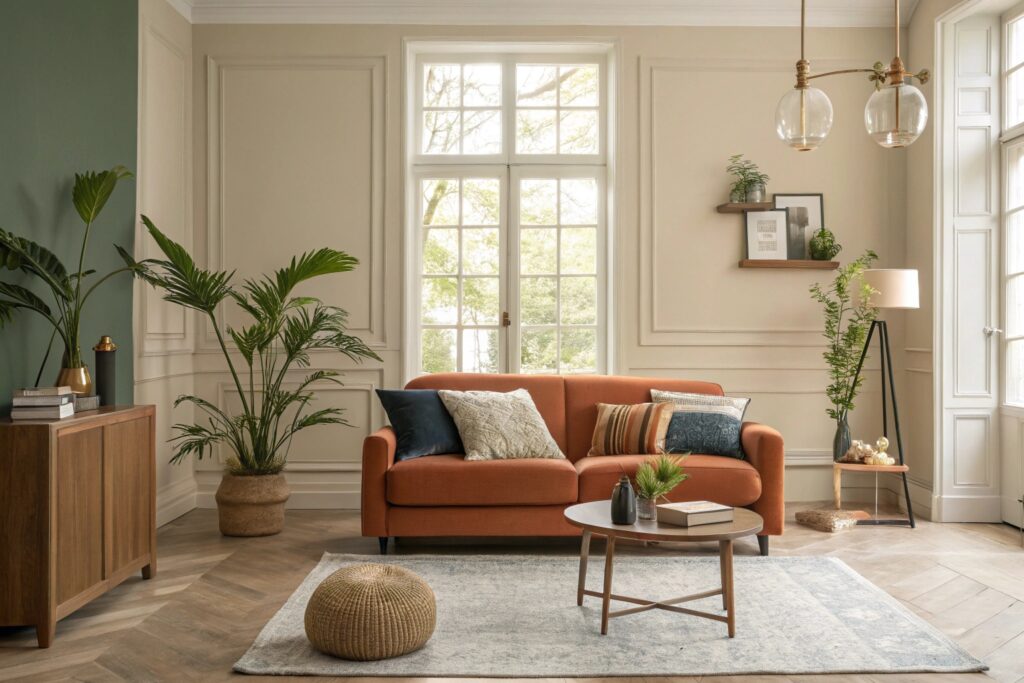
Color Trends Dominating Interior Design This Year avinnyyaadmin Principal Designer By Avinnyya – Leading Interior Designers in Bangalore Color is one of the most transformative elements in interior design. The right palette can elevate your home from ordinary to extraordinary, influence emotions, shape perception of space, and reflect evolving lifestyles. This year, color trends are shifting towards warmth, comfort, sustainability, and nature-inspired palettes—reflecting how people increasingly desire homes that feel both calming and personal. At Avinnyya, we have designed homes across the bustling city of Bangalore—from modern apartments to heritage villas. We’ve observed firsthand how homeowners are embracing new color directions that harmonize beautifully with the region’s climate, cultural sensibilities, and light conditions. In this blog, we dive deep into the most influential color trends shaping contemporary interiors this year, and how you can incorporate them into your own home with confidence. How Color Trends Are Shaping Modern Interiors The Psychology Behind the Palette Color is not just a visual component—it carries emotional weight. Soft greens evoke serenity, earthy browns ground the senses, and deep blues inspire focus. As lifestyles evolve and people spend more time at home, choosing colors that support mental well-being has become essential. The trends emerging this year speak to the rising need for comfort, calmness, and subtle luxury. Drivers of This Year’s Trends Several factors are shaping color decisions globally: Nature & Sustainability: A growing eco-conscious mindset has designers gravitating toward natural hues, earthy tones, and botanical greens. Digital Influence: Social platforms and virtual design tools expose homeowners to global aesthetics, accelerating trend adoption. Wellness-Centric Design: Colors that support mental peace—like soothing blues and muted pastels—are becoming go-to choices. Cultural & Regional Aesthetics: Each region brings its influence. In cities like Bangalore, with abundant sunlight and lush surroundings, warm neutrals and greens thrive. The Bangalore Touch Homes in Bangalore often experience bright daylight, moderate humidity, and lush surroundings. This makes colors like terracotta, greens, and warm neutrals particularly flattering. At Avinnyya, we ensure that color selections not only follow trends but also work harmoniously with the architectural style, natural light, and the city’s unique atmosphere. Top Color Trends for Interiors This Year 1. Earthy Neutrals with a Warm Twist Neutral shades never go out of style, but this year’s neutrals lean toward warmth—think toasted almond, mushroom taupe, clay beige, and soft caramel. These hues offer a grounding effect, creating calm, soulful spaces ideal for living rooms, bedrooms, and hallways. Why they work: They complement wood, stone, terracotta, cane, and linen materials. They enhance Bangalore’s natural light, making spaces feel cozy yet airy. They offer the perfect background for bolder accents, metallic fixtures, or colorful art. Earthy neutrals are particularly effective for open-plan homes, creating seamless visual flow between rooms. 2. Serene Green Tones Green remains one of the most influential colors this year, strengthened by the global shift toward biophilic design. Shades like olive, sage, pistachio, and deep forest green bring the tranquility of nature right into your living space. Benefits of using greens: They support relaxation and clarity. They pair effortlessly with natural materials such as wood, rattan, stone, and jute. They blur the boundaries between indoor and outdoor spaces—particularly ideal for Bangalore homes surrounded by greenery. Use olive or sage in living spaces, while deeper greens make excellent accent walls in bedrooms or studies. 3. Dramatic Moody Blues & Teals Deep blues, navy, and teal shades are making a strong comeback. Their rich, luxurious feel grounds a room and adds sophistication. Where to use them: Bedrooms: For restful, intimate atmospheres. Dining rooms: For a modern, elegant setting. Home offices: Because deep blues enhance focus and productivity. For smaller Bangalore apartments, pairing moody blues with lighter furniture and metallic accents prevents spaces from feeling compressed. Teal cabinetry, navy headboards, and deep-blue décor elements can instantly elevate your interiors. 4. Warm Terracotta & Sunset Shades Inspired by sun-baked landscapes and warm horizons, terracotta, amber, rust, and sunset orange tones are trending strongly. These colors feel nostalgic yet modern, earthy yet vibrant. Why they’re popular: They add warmth and personality without overwhelming the eye. They look exquisite with raw textures like brick, clay pots, rustic wood, and natural stone. They reflect Bangalore’s cultural and architectural heritage—especially the city’s iconic red soil. Terracotta is perfect for accent walls, Mediterranean kitchens, boho bedrooms, and cozy corners. 5. Evolved Pastels: Soft, Muted, and Sophisticated Pastels have grown up this year. Instead of sugary pinks and baby blues, designers are leaning toward muted pastels like dusty lavender, powdery peach, calm mint, and soft periwinkle. Where they shine: Children’s rooms: Gentle and calming. Bathrooms: Fresh and spa-like. Lounges and informal areas: Airy yet stylish. Muted pastels pair beautifully with light woods, whites, and beige tones, creating breezy, contemporary interiors commonly preferred in modern Bangalore apartments. 6. Bold Accent Colors That Make a Statement If you’re not ready for a bold wall, accents are the way to go. This year’s favorites include mustard yellow, burnt orange, emerald green, and poppy red. Use them in: Decorative cushions Rugs Artwork Side tables Accent chairs Cabinet handles Incorporating bold colors through accessories makes it easy to switch themes seasonally without committing to a full repaint. 7. Metallic & Pearl Finishes Metallics such as champagne gold, brushed brass, antique copper, and soft pewter are trending—not as dominating features but as luxurious accents. Where metallics excel: Feature walls with pearl finish textures Kitchen backsplashes Vanity mirrors Lighting fixtures Cabinet hardware Soft metallics lend refinement and glamour to minimalist and modern Indian homes, blending beautifully with both neutral and bold walls. 8. Matte vs Gloss: Choosing the Right Finish Color trends this year emphasize the importance of finishes just as much as shades. Matte Finishes: Elegant, modern, and refined Ideal for bedrooms and living rooms Conceal imperfections on walls Gloss Finishes: Vibrant, reflective, and dynamic Great for kitchens and bathrooms Easier to clean Both finishes support different styles—matte for serene environments and gloss for contemporary, high-energy spaces. Trend-Forward Color Palette Combinations Choosing colors is one thing; pairing
The Rise of Green Interiors: Sustainable Materials and Practices
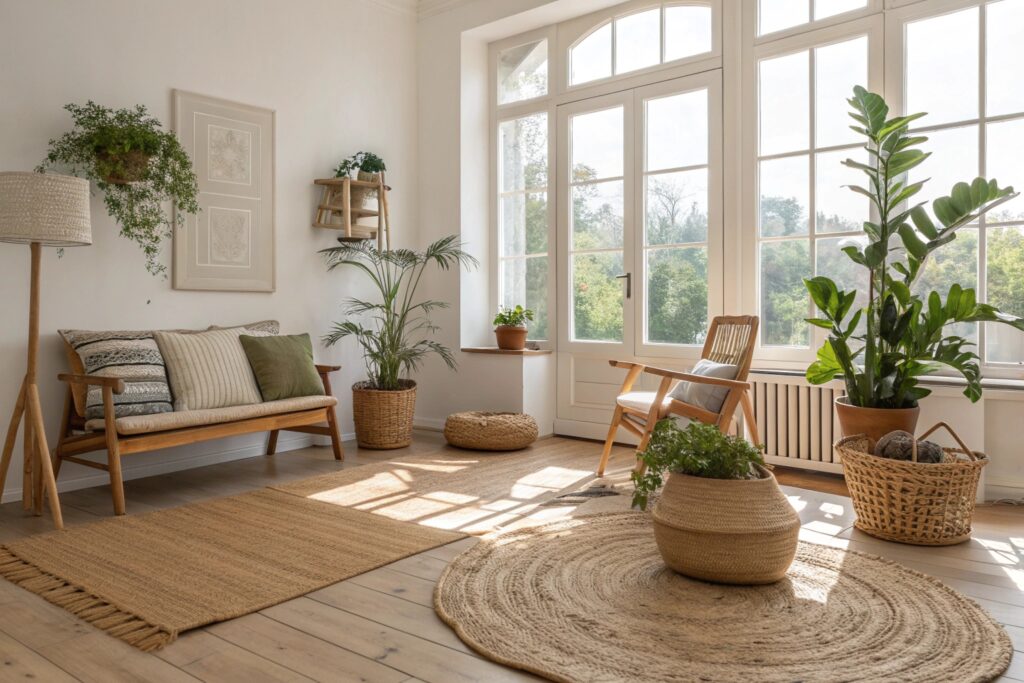
The Rise of Green Interiors: Sustainable Materials and Practices avinnyyaadmin Principal Designer The global conversation around sustainability has moved beyond buzzwords and into a space of real action — and interior design is at the forefront of this shift. As climate concerns become more urgent and homeowners increasingly seek healthier, conscious lifestyles, the rise of “green interiors” is transforming the way we design, build, and occupy our spaces. Green interiors go beyond aesthetics; they prioritize environmental responsibility, human well-being, and material longevity. This change is especially visible in cities like Bangalore, where fast-paced urban development meets a growing movement toward eco-conscious living. At Avinnyya, we believe that sustainable interior design is no longer an optional luxury — it is a necessary step toward building a future where beauty and responsibility coexist. This blog explores the evolution of eco-friendly interiors, the most impactful materials and practices, and how we integrate sustainability seamlessly into modern homes and workplaces across Bangalore. Why Sustainable Interior Design Matters Environmental Benefits Our planet is under unprecedented strain as natural resources deplete and waste generation intensifies. Sustainable interior design directly addresses this challenge by reducing dependence on virgin materials, cutting down carbon emissions, and minimizing construction waste. Selecting responsibly sourced wood, recycled metal, or reclaimed stone means fewer trees cut, fewer resources extracted, and significantly lower energy used in manufacturing. By reducing waste through efficient planning, reuse, and recycling, green interiors help divert tons of material from landfills — reducing pollution and extending material life cycles. Health Benefits Indoor environments profoundly influence human well-being. Conventional interiors often include synthetic paints, adhesives, and finishes that release harmful chemicals into the air long after their installation. Green interiors prioritize low-VOC paints, natural finishes, breathable plasters, and toxin-free materials. The result is a healthier indoor atmosphere, improved air quality, and reduced allergy triggers. Additionally, biophilic elements such as natural light, plants, and organic textures have been shown to reduce stress, enhance focus, and improve mood — making sustainable spaces not only better for the planet, but better for people as well. Economic Advantages Contrary to the misconception that sustainability is costly, eco-friendly interiors often prove more economical in the long run. Durable materials like bamboo, reclaimed wood, and terracotta have long life spans and require less frequent replacement. Energy-efficient lighting, climate-responsive designs, and smart home systems reduce electricity bills significantly. Spaces built with sustainability in mind also see higher resale value as the demand for eco-conscious homes grows, especially among Bangalore’s young, environmentally aware population. Key Principles of Green Interior Design Sustainable interiors are built on a foundation of thoughtful choices. At their core are principles that help create spaces that are functional, efficient, and beautiful. Resource Efficiency Using fewer resources without compromising quality is one of the pillars of sustainable design. This includes selecting materials with low environmental impact, opting for locally sourced products to reduce transportation emissions, and planning layouts that reduce waste during construction. Efficient designs consider the entire lifecycle of materials — from sourcing to disposal — ensuring minimal ecological footprint at every stage. Circular Design Thinking Circular design challenges the traditional “take-make-dispose” model. Instead, it encourages reuse, repurposing, repairability, and recyclability. Furniture made with modular components, reclaimed materials, or items designed for easy refurbishment support a circular economy. A circular approach also prevents overconsumption — one of the biggest contributors to environmental degradation. Biophilic Integration Humans are biologically wired to connect with nature. Biophilic design harnesses this connection by incorporating elements inspired by nature — such as natural textures, organic shapes, indoor plants, daylighting, and water features. These elements create spaces that feel refreshing, grounding, and peaceful. Energy & Water Optimization Sustainable interiors leverage passive design strategies such as cross-ventilation, strategic window placements, light-diffusing surfaces, and thermal insulation. These reduce the reliance on artificial heating, cooling, and lighting. In addition, water-efficient fixtures and greywater-friendly systems conserve one of our planet’s most precious resources. Sustainable Materials Transforming Modern Interiors The choice of materials plays a crucial role in shaping environmentally conscious spaces. Today, a wide range of innovative and natural materials has made sustainable interiors more accessible, functional, and stylish. Reclaimed Wood Reclaimed wood is sourced from old buildings, warehouses, and antique furniture. It offers unparalleled texture and character, making each piece unique. Using reclaimed wood reduces the demand for new lumber and preserves existing forests. Its durability makes it ideal for flooring, shelves, wall cladding, and bespoke furniture. Bamboo Bamboo is often referred to as the “green steel of design.” It grows rapidly, regenerates without replanting, and requires minimal water — making it one of the most renewable materials available. Strong, lightweight, and visually appealing, bamboo is used for flooring, cabinetry, ceiling treatments, and decorative accents. Cork Harvested from the bark of cork oak trees without harming the trunk, cork is an exceptionally sustainable material. Its cushioning effect, thermal insulation, and sound-absorbing properties make it a wonderful choice for flooring, wall panels, and acoustic treatments in homes and offices. Recycled Metal & Glass Recycled metal and glass require significantly less energy to process compared to virgin materials. They are strong, elegant, and versatile — perfect for modern partitions, lighting fixtures, furniture frames, and decorative elements. Their high recyclability also ensures minimal environmental impact even at the end of their life cycle. Eco-Friendly Paints & Finishes Traditional paints may contain carcinogenic compounds. Today’s low-VOC and VOC-free paints, lime washes, and clay-based finishes ensure healthier interiors without compromising color or finish quality. These alternatives reduce indoor pollution and support breathable walls, which help regulate humidity. Natural Fabrics Organic cotton, khadi, hemp, jute, and linen are natural fabrics that not only look beautiful but also reduce synthetic waste. These textiles are ideal for upholstery, curtains, cushion covers, rugs, and wall hangings. Their breathable nature adds comfort to interiors while enhancing the natural aesthetic. Clay, Terracotta & Lime Plasters These materials have been part of Indian architecture for centuries. Their comeback in modern interiors stems from their eco-friendliness, thermal insulation properties, and artisanal charm. Terracotta tiles, lime plasters,
How to Create a Stylish Yet Sustainable Living Space – A Complete Guide by Avinnyya
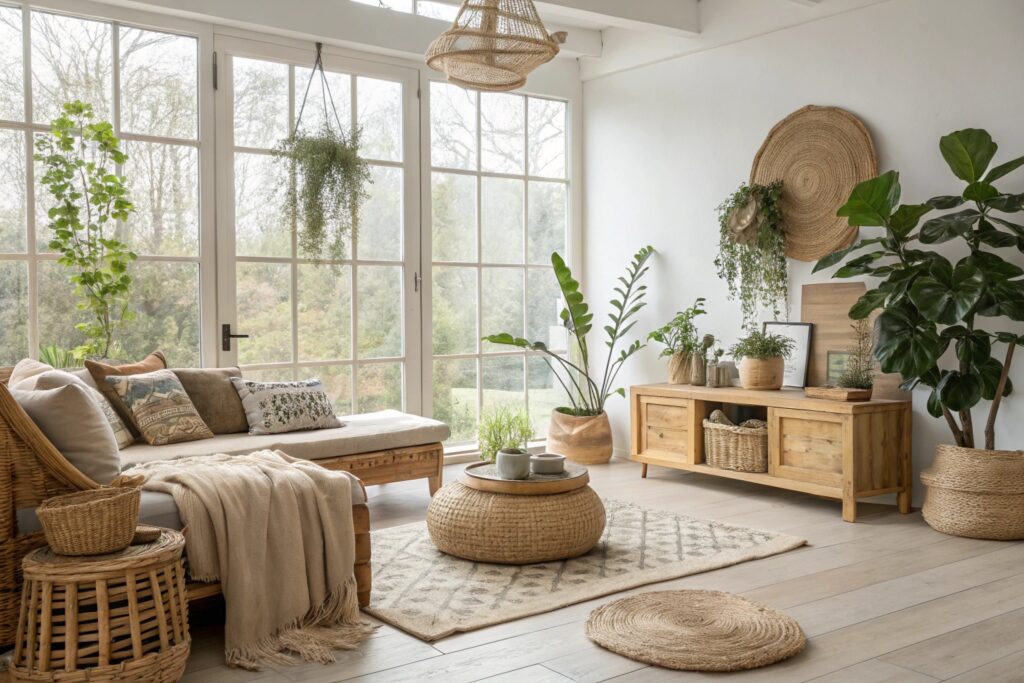
How to Create a Stylish Yet Sustainable Living Space – A Complete Guide by Avinnyya Vallari Shah Principal Designer Creating a beautiful home has always been a priority for homeowners, but today, the world is embracing a new expectation—design that not only looks stunning but is also sustainable. As concerns about climate change, resource depletion, and indoor health grow, more families are realising that a home’s design must be both aesthetically pleasing and environmentally responsible. Sustainable interiors provide the best of both worlds: long-lasting beauty with mindful living. At Avinnyya, a leading interior design studio in Bangalore, sustainability is woven into every project—not as an add-on, but as a core philosophy. The studio’s approach proves that eco-friendly living does not require compromise on style. In fact, thoughtful, sustainable choices often elevate a space far beyond conventional design. This detailed guide explores how anyone can build a stylish, eco-friendly home while enhancing comfort, efficiency, and overall quality of life. Understanding Sustainable Interior Design Sustainable interior design refers to creating spaces that minimise environmental impact, promote long-term durability, and enhance human well-being. It encourages homeowners to look beyond surface appeal and select materials, layouts, technologies, and lifestyle practices that support both the planet and personal health. A sustainable living space focuses on reducing waste, choosing renewable or recycled materials, creating energy-efficient systems, and optimising natural elements. The result is a home that looks elegant, feels fresh, and remains efficient for years to come. The most compelling benefit is longevity: sustainable homes cost less to maintain over time, are healthier to live in, and adapt beautifully to changing needs. In addition to environmental benefits, sustainable designs offer improved indoor air quality, lower energy bills, and a calmer, more mindful ambience. These choices also increase property value—buyers today actively seek eco-friendly upgrades and certification. Sustainable design is therefore not simply a trend; it is a lifestyle shift toward conscious, future-ready living. Start with Smart Space Planning The foundation of any sustainable home lies in its layout. Thoughtful planning ensures efficient use of available space, reduces material consumption, and supports natural resources like sunlight and air. One of the simplest yet most effective strategies is maximising natural light. Bangalore enjoys abundant sunlight throughout the year, making it ideal for daylight-enhanced interiors. Positioning seating areas near windows, using reflective surfaces like light-toned floors, and incorporating glass partitions can brighten your home without increasing dependence on artificial lighting. Sheer curtains, open layouts, and cleverly placed mirrors further amplify natural illumination. Ventilation plays an equally vital role. Cross-ventilation helps maintain fresh indoor air, reduces humidity, and improves energy efficiency. Removing unnecessary walls, using louvered doors, and aligning openings can significantly boost airflow. In compact apartments, innovative design elements—such as perforated partitions—maintain privacy while keeping the space breezy. Decluttering is another sustainable practice. A clean, minimal layout encourages mindful consumption and reduces the need for extra materials. Built-in storage units, multi-functional furniture, and hidden shelving maintain order while optimising available space. By embracing functional minimalism, homeowners naturally create sustainable, calming environments. Choose Eco-Friendly and Ethical Materials Materials form the backbone of any interior project. Choosing sustainable alternatives significantly reduces environmental impact while adding character and warmth to the home. Flooring is one area where eco-friendly materials shine. Bamboo flooring is becoming increasingly popular due to its rapid renewability, durability, and contemporary appeal. Cork is another standout option—comfortable underfoot and naturally resistant to mould. Reclaimed wood brings history and charm, while natural stone and terracotta tiles offer durability and timeless elegance. Each material has distinct benefits, giving homeowners the flexibility to match sustainability with personal style. Wall finishes also define indoor health. Traditional paints often contain harmful VOCs (volatile organic compounds) that pollute indoor air. Switching to low-VOC or zero-VOC paints creates safer environments, especially for children and sensitive individuals. Clay-based or lime plaster walls offer breathability, moisture control, and an earthy aesthetic that enhances visual warmth. Furniture selection is equally important. Solid wood furniture lasts longer than particle board, which often contains chemical adhesives. Choosing FSC-certified wood ensures responsible sourcing. Ethical furniture handmade from materials like rattan, jute, and reclaimed timber supports artisans while reducing industrial waste. Modular furniture is another sustainable choice—it adapts to changing needs and reduces unnecessary replacement. Soft furnishings also influence sustainability. Fabrics such as organic cotton, linen, hemp, and bamboo are natural, biodegradable, and gentle on the skin. Handwoven throws, artisan-crafted rugs, and locally dyed cushions lend personality while maintaining eco-friendliness. These materials not only elevate décor but also contribute to cleaner indoor air and reduced environmental impact. Energy-Efficient Lighting and Appliances Lighting and appliances contribute significantly to a household’s energy consumption. Switching to energy-efficient alternatives is one of the easiest ways to make your home sustainable. LED lights consume far less power and last longer than incandescent bulbs. Intelligent lighting systems such as motion sensors, dimmers, and automated timers reduce unnecessary usage. Layered lighting—combining ambient, task, and accent lights—creates luxurious visual depth without compromising efficiency. Choosing energy-efficient appliances is equally essential. Opting for 5-star rated refrigerators, inverter ACs, induction cooktops, and low-consumption washing machines drastically lowers utility bills. These appliances use advanced technology to deliver better performance while conserving energy. Solar power is another transformative addition. Bangalore’s weather makes rooftop solar panels an excellent investment for independent homes. Even smaller solutions—like solar garden lights or solar LED strips—add charm while reducing electricity usage. Integrating solar energy reduces environmental impact and offers long-term savings. Embrace Biophilic Design Biophilic design—bringing nature indoors—is one of the most beautiful and beneficial sustainable practices. It strengthens the connection between human lifestyle and natural elements, improving overall wellness. Indoor plants are the simplest way to incorporate biophilia. Plants like snake plant, pothos, ZZ plant, and philodendron thrive easily in Bangalore’s climate and require minimal care. They purify the air, reduce stress, and create a tranquil environment. Larger living spaces can accommodate statement indoor trees like ficus or areca palms. Beyond plants, biophilic design incorporates organic materials, textures, and patterns. Natural wooden furniture, stone countertops, clay décor, and wicker
Sustainable Interior Design: Eco-Friendly Choices for a Greener Home
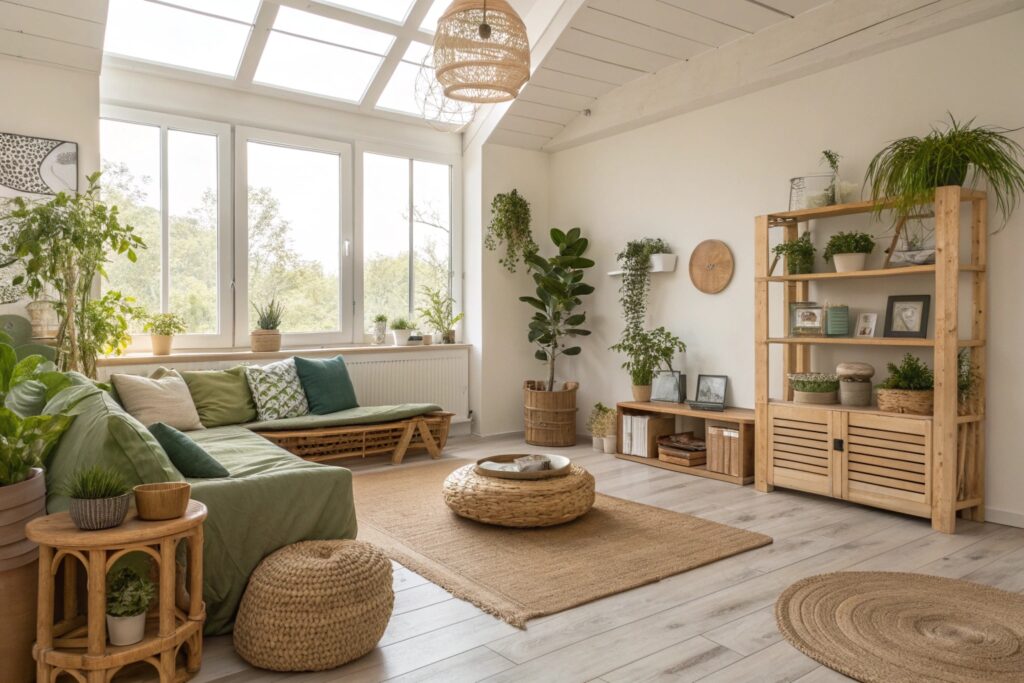
Sustainable Interior Design: Eco-Friendly Choices for a Greener Home avinnyyaadmin Principal Designer In a world increasingly affected by climate change, pollution, and overconsumption, sustainability is no longer just a trend — it is a responsibility. As people across India embrace greener lifestyles, the idea of sustainability has entered every corner of modern living. One of the most powerful ways to make a long-term environmental impact begins right at home. Sustainable interior design blends beautiful aesthetics with eco-friendly choices that ensure your living space is healthier, efficient, and environmentally responsible. In this Blog we will explore in depth what sustainable interior design means, why it matters, and how homeowners can make meaningful changes through materials, energy-efficient strategies, and thoughtful planning. It also discusses the design philosophy of experts like Avinnyya, who bring sustainability into the heart of modern interiors. The Growing Importance of Sustainable Living The last decade has seen rising awareness about pollution, waste generation, and carbon footprint. Urban households, even unintentionally, contribute significantly to environmental degradation through high energy use, synthetic materials, fast-furniture waste, and poor water management. But the positive news is that with conscious design, every home can dramatically reduce its environmental impact. Sustainable interior design focuses on creating a home that is both aesthetically appealing and ecological. It embraces natural materials, energy-efficient fixtures, thoughtful layouts, and long-lasting design solutions. Instead of chasing trends that require frequent replacements, sustainability encourages timeless décor and responsible choices. In environmentally sensitive and design-forward cities like Bangalore, this shift is especially relevant. With increasing urbanization, homeowners are seeking smarter, efficient, and eco-conscious solutions — and sustainable interior design is the perfect way to start. What Exactly Is Sustainable Interior Design? At its core, sustainable interior design is an approach that minimizes negative environmental impact while maximizing functionality and beauty. It encourages: Responsible selection of materials Energy efficiency Improved indoor air quality Waste reduction Resource conservation Long-term durability Unlike conventional design, which often prioritizes appearance alone, sustainability focuses on how every element — from flooring to lighting — affects the environment and the people living in the space. Sustainable homes are more comfortable, healthier, and less costly to maintain. They reduce the carbon footprint, promote cleaner air inside the home, conserve electricity and water, and use materials that are ethically sourced and safe for both humans and the planet. Eco-Friendly Material Choices That Transform Your Home One of the most influential decisions in interior design is the choice of materials. Eco-friendly materials not only reduce environmental damage but also enhance the overall health and aesthetic of your home. 1. Sustainable Flooring Options Flooring defines the energy of your home, and sustainable choices can significantly reduce environmental impact. Bamboo flooring is an excellent example; it is rapidly renewable, highly durable, and adds sleek elegance to contemporary spaces. Cork flooring offers superior comfort underfoot and exceptional thermal insulation, making it ideal for bedrooms and living rooms. Reclaimed wood is another sustainable choice that adds warmth and history to a space while reducing deforestation. Natural stone, though more resource-intensive, offers a long lifespan, minimizing the need for replacement. Recycled tiles made from reused ceramic or glass waste are also trending for those who want an artistic, eco-conscious touch. 2. Wall Treatments That Promote a Healthy Home Traditional paints release volatile organic compounds (VOCs), which significantly lower indoor air quality. Opting for low-VOC or zero-VOC paints helps maintain a toxin-free environment. Natural wall finishes like lime wash or clay plaster offer a breathable, rustic appeal while regulating humidity levels. Eco-friendly wallpapers made from recycled paper, organic inks, or natural fibers further elevate interiors while reducing ecological harm. 3. Conscious Furniture and Upholstery Choices Furniture has one of the highest impacts in interior design. Choosing solid wood furniture certified by responsible forestry bodies ensures durability and sustainability. Natural fabrics like organic cotton, linen, hemp, and jute reduce chemical exposure and lend an earthy softness to your home. Recycled metal or glass furniture aligns modern style with eco-consciousness. Upcycling — modifying old furniture into something beautiful and functional — is another way to contribute to a circular economy while adding character to your home. 4. Décor That Blends Nature and Style Natural fiber rugs, terracotta planters, rattan accessories, handcrafted art, and locally made décor pieces reduce carbon footprint while adding timeless charm. The beauty of sustainable décor is that it never goes out of style — it evolves with the space. Energy Efficiency: The Heart of Greener Living Energy consumption is one of the most critical areas where homeowners can make a significant difference. Thoughtful energy-efficient design can bring down electricity bills while reducing environmental strain. Maximizing natural light is one of the first steps in sustainable home planning. Large windows, strategically positioned openings, and reflective surfaces brighten your interiors without relying on artificial lights. Switching to LED lighting saves up to 75% more energy compared to incandescent bulbs. Smart lighting systems with dimmers, timers, and motion sensors add convenience and further reduce wastage. Choosing energy-efficient appliances, especially refrigerators, air conditioners, and washing machines, has a long-term impact on both sustainability and budgeting. Integrating smart-home technology, such as energy monitoring devices and smart thermostats, helps optimize energy usage with minimal effort. In climates with high sunlight exposure, solar panels and solar water heaters provide clean, renewable energy and significant savings over time. These steps collectively make your home energy-responsible. Water Conservation: A Core Component of Sustainability Water scarcity is becoming a significant concern in many Indian cities, making water conservation essential in sustainable home design. Installing low-flow faucets, aerators, and dual-flush toilets conserves thousands of liters annually without compromising comfort. Smart irrigation systems for balcony or terrace gardens use moisture sensors to prevent water wastage. Integrating rainwater harvesting systems ensures that precious rainwater is collected and reused, reducing dependency on municipal water. Greywater recycling systems, which divert water from sinks and showers to gardens or flush tanks, offer an advanced yet accessible solution for independent homes. Indoor Air Quality and Creating a Healthy Living Environment A sustainable
Which Style Suits You? A Deep Dive Into Traditional and Contemporary Interiors
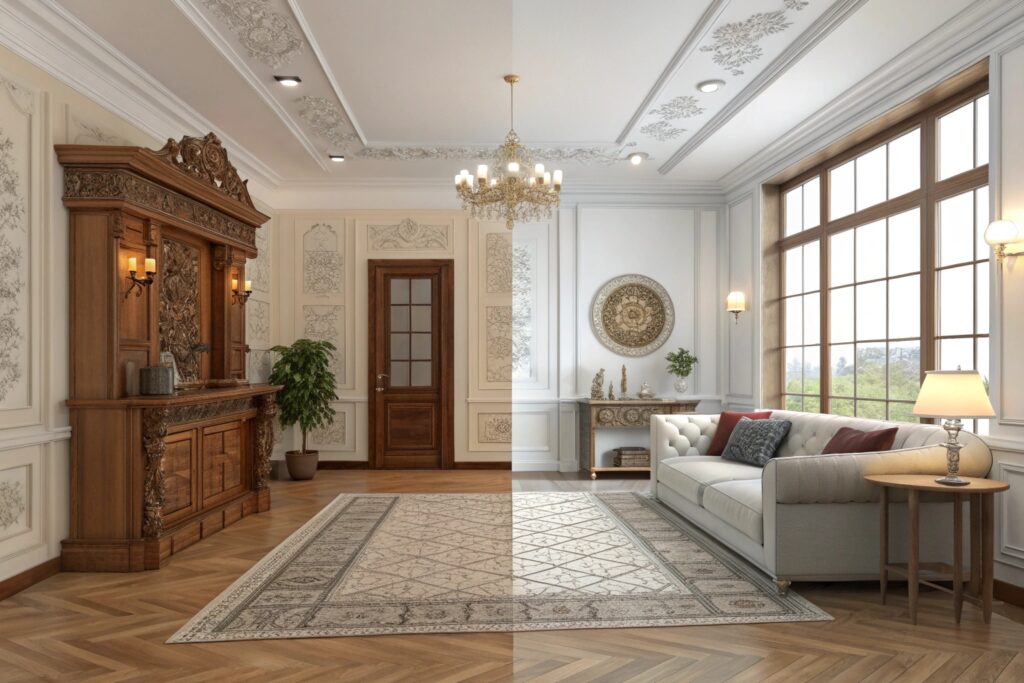
Which Style Suits You? A Deep Dive Into Traditional and Contemporary Interiors avinnyyaadmin Principal Designer Designing your home is one of the most personal journeys you will ever take. Your living space becomes more than just four walls—it becomes a reflection of who you are, your lifestyle, your tastes, and the life you aspire to live. Choosing between traditional and contemporary design styles often becomes the starting point of that journey. Both carry their own charm, strengths, and functional advantages, but the real magic lies in understanding which one aligns best with your personality and your home’s spatial requirements. In a vibrant city like Bangalore, where modern skyscrapers stand alongside cultural heritage and where homeowners come from diverse backgrounds, the choice between traditional and contemporary interiors becomes even more nuanced. This is where Avinnyya, one of Bangalore’s trusted interior design firms, helps homeowners make informed and inspired design decisions. Whether you are drawn to the richness of heritage or the sleekness of modernity, understanding each style deeply allows you to create a home that feels just right. Understanding Traditional Interiors: Warm, Rich & Timeless Traditional interior design captures the essence of culture, history, and artistic craftsmanship. It is rooted in classic design principles and draws heavily from Indian heritage, colonial influences, and artisanal work. At its core, the traditional style is characterized by warmth, richness, and a sense of timelessness. Solid woods like rosewood and teak dominate furniture, often beautifully carved by skilled artisans. Fabrics such as silk, brocade, and handwoven textiles add layers of depth and luxury. Traditional homes often feature earthy or bold color palettes—maroons, greens, browns, golds—creating a cozy, inviting space filled with character. Textural variety defines this style. From carved wooden furniture and brass lamps to hand-painted artwork and ornate mirrors, every element has a story to tell. Décor pieces like Tanjore paintings, Mysore artwork, or handcrafted sculptures breathe life into traditional settings. Symmetry, balance, and visual order are important; the layout tends to feel grounded and purposeful. While traditional interiors offer unmatched charm, they also require thoughtful planning. These elements tend to be heavier, both visually and materially. Larger rooms, spacious apartments, and villas often provide the best canvas for this style. Maintenance is another consideration—wood, silk, and brass require periodic care to retain their beauty. Still, many homeowners in Bangalore love traditional interiors because they create a warm, nostalgic environment that feels like home. For families that value cultural roots and long-term durability, traditional designs are an excellent choice. Understanding Contemporary Interiors: Sleek, Minimal & Modern Contemporary design reflects the spirit of the present—clean lines, simplicity, functionality, and openness. It’s an ever-evolving style that adapts to current trends, technology, and lifestyle demands. In contemporary homes, less is more. Neutral color palettes such as whites, greys, beiges, and blacks form the base, while accent colors or textures add personality. Materials like glass, steel, engineered wood, and composites are common, making spaces feel airy, modern, and easy to maintain. Layouts lean toward open-plan living, enhancing flow and maximizing natural light. Furniture is sleek and understated, designed for comfort without unnecessary ornamentation. Storage solutions are smart, modular, and often hidden, making contemporary design ideal for compact apartments and fast-paced urban living. Lighting becomes a major design element—geometric pendant lights, recessed LEDs, cove lighting, and floor lamps work together to create a visual statement while enhancing functionality. The charm of contemporary interiors lies in their versatility. While they may appear simple, they offer endless room for personalization through textures, wall art, indoor plants, sculptural décor, and creative lighting. Maintenance is generally minimal, making this style practical for modern Bangalore households. However, some find contemporary spaces too stark if not accessorized thoughtfully. The key is to balance minimalism with meaningful décor so the home feels warm and inviting rather than cold and impersonal. Traditional vs. Contemporary: A Detailed Comparison A side-by-side understanding often makes choosing a style easier. Visual Aesthetics: Traditional interiors are ornate, layered, and rich, whereas contemporary interiors are clean, sleek, and unembellished. One creates visual warmth; the other creates visual clarity. Materials: Traditional design relies heavily on natural, solid materials like teak, rosewood, brass, and natural stone. Contemporary design uses engineered wood, high-gloss laminates, glass, and metal—offering a polished look with lower maintenance. Space Planning: Traditional layouts are structured and formal. Contemporary spaces favor openness and fluidity, with multifunctional zones and less furniture density. Budget: Traditional interiors often require higher investment due to handcrafted elements. Contemporary interiors offer flexibility, allowing homeowners to scale costs based on materials and finishes. Maintenance: Traditional materials last long but demand regular upkeep. Contemporary materials are built for convenience and durability. Personality: Traditional suits those who value heritage and detail. Contemporary suits those who prefer minimalism, modernity, and functionality. Understanding these contrasts helps homeowners determine which style aligns better with their lifestyle and personality. How to Choose the Right Style for Your Home Choosing between traditional and contemporary interiors is not just a design decision—it’s a lifestyle decision. Here are key factors that help determine your ideal style: 1. Your Personality & Preferences If you love art, cultural motifs, and handcrafted décor, traditional interiors may resonate with you. If you prefer uncluttered spaces and modern aesthetics, contemporary design will likely appeal. 2. Your Space Compact apartments benefit from contemporary solutions because they make the home feel larger. Villas or large apartments can easily embrace the richness of traditional elements. 3. Lighting & Ventilation Traditional designs thrive in spaces with warm lighting, while contemporary ones shine in bright, well-lit environments. 4. Maintenance Lifestyle If you have a busy schedule and prefer easy-to-clean surfaces, contemporary materials are ideal. If you appreciate heritage pieces and don’t mind occasional upkeep, traditional works beautifully. Blending the Best of Both Worlds In Bangalore’s rapidly evolving design landscape, many homeowners are increasingly choosing to blend traditional and contemporary styles. This fusion approach offers the warmth of heritage with the convenience of modernity. Known as Modern-Indian fusion, this style balances traditional accents with contemporary layouts. For example, you