
Space-Saving Interior Solutions for Compact Homes
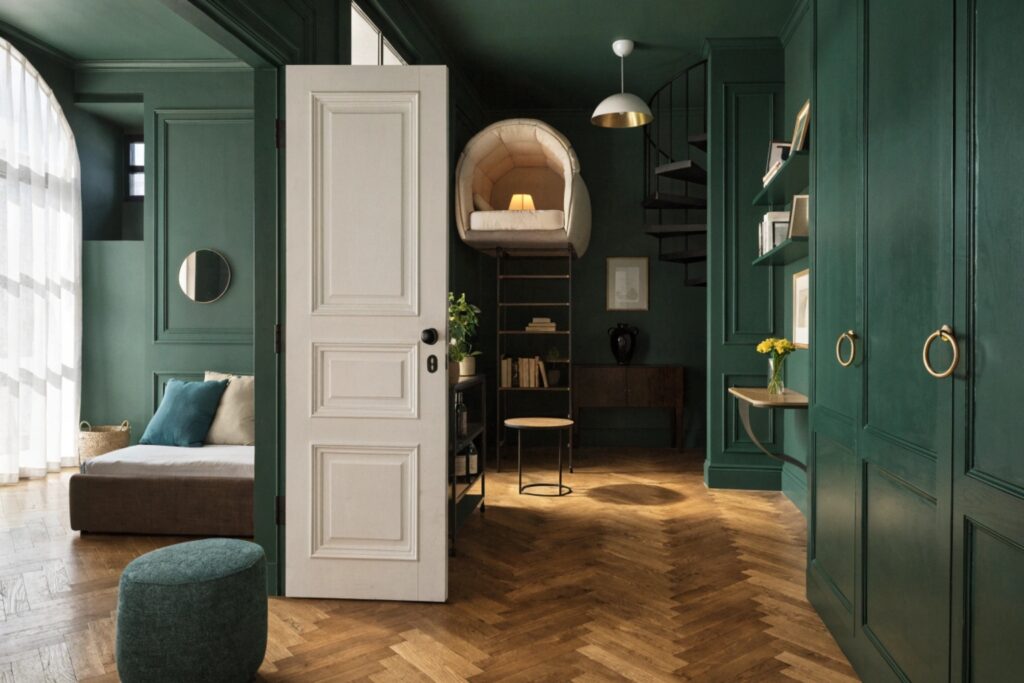
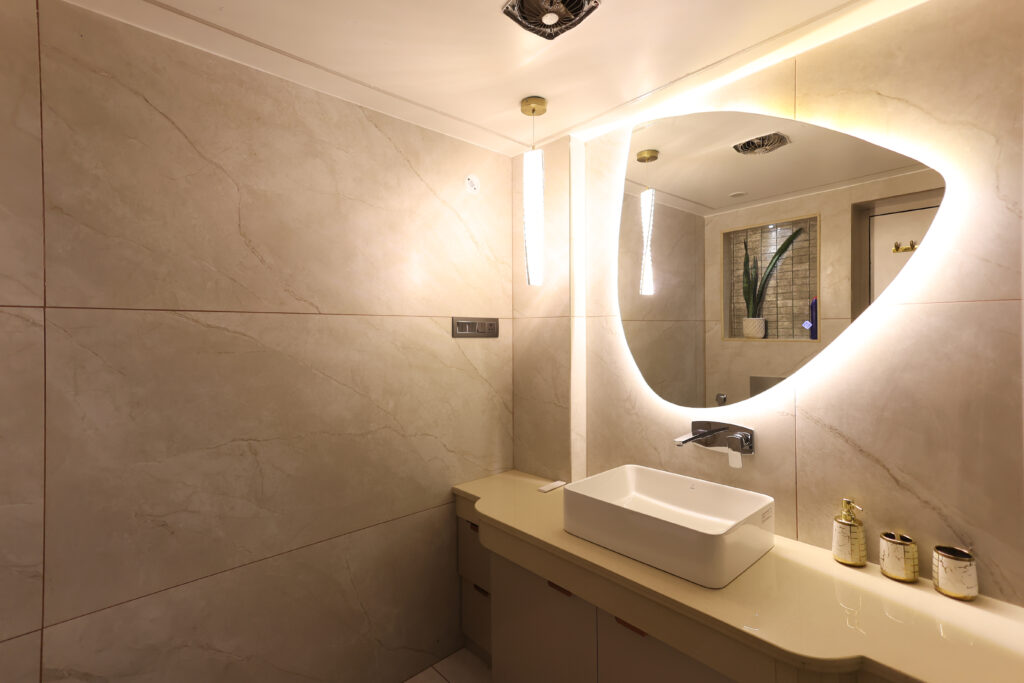
Space-Saving Interior Solutions for Compact Homes in Varanasi Vallari Shah Writer & Blogger Varanasi is a city where tradition, culture, and daily life come together in a unique rhythm. From narrow lanes and heritage houses to modern apartments and independent homes, space is often limited — but the needs of families continue to grow. Many homeowners in Varanasi face a common challenge:How do you make a small home feel comfortable, functional, and uncluttered without compromising on aesthetics? The answer lies in thoughtful space planning, smart storage, and practical interior design — not just decorative elements. At Avinnyya, the focus is always on creating interiors that support real daily life. This guide explores practical, space-saving interior solutions designed specifically for compact homes in Varanasi. Why Space Optimization Matters in Varanasi Homes Space constraints in Varanasi come from multiple factors: Narrow plot sizes in older neighborhoods Compact apartments in newer developments Joint family living arrangements Limited storage in traditional layouts Multi-purpose room usage In many homes, a single room may function as a living room, guest area, and workspace. Kitchens are often small but heavily used. Bedrooms need to accommodate wardrobes, study areas, and storage. Without proper planning, small homes quickly feel crowded and difficult to manage. Well-designed interiors help: Reduce clutter Improve movement and circulation Increase storage without adding bulk Make spaces feel visually larger Improve daily comfort This is where professional space planning makes a real difference. 1. Smart Layout Planning: The Foundation of Space Saving Before adding furniture or storage, the layout must be optimized. In compact homes, every inch matters. Poor placement of furniture can block movement and make the space feel smaller than it actually is. Avinnyya focuses on: Clear walking paths Proper furniture proportions Avoiding oversized units Creating visual openness For example: Using wall-mounted TV units instead of bulky cabinets Placing sofas against walls to free central space Combining dining and living areas efficiently A well-planned layout alone can make a small home feel significantly more spacious. 2. Multi-Functional Furniture for Everyday Living In compact homes, furniture should serve more than one purpose. Some effective solutions include: Storage beds with hydraulic or drawer systems Sofa-cum-beds for guest accommodation Foldable dining tables Wall-mounted study units Extendable work desks These designs help homeowners avoid overcrowding while still meeting daily needs. In Varanasi homes, where guests frequently visit, multi-functional furniture becomes especially valuable. 3. Vertical Storage: Using Height Instead of Floor Space When floor space is limited, vertical space becomes the biggest opportunity. Avinnyya designs storage solutions that extend upward, such as: Floor-to-ceiling wardrobes Loft storage above doors Tall kitchen cabinets Vertical bookshelves Wall-mounted storage units Benefits include: Maximum storage without occupying extra floor area Cleaner and more organized interiors Reduced visual clutter This approach works particularly well in older Varanasi homes that often have higher ceiling heights. 4. Modular Kitchens for Small Spaces Kitchens in compact homes need careful planning because they handle heavy daily use. A well-designed small kitchen should focus on: Efficient work triangle (sink, stove, refrigerator) Vertical storage for utensils and groceries Pull-out units for easy access Corner solutions like carousel systems Overhead cabinets up to ceiling height Avinnyya also recommends: Light-colored finishes to create openness Under-cabinet lighting for better visibility Slim appliances where possible The goal is to make cooking comfortable without overcrowding the space. 5. Wardrobe Designs That Maximize Storage In compact bedrooms, wardrobes often become the biggest space challenge. Instead of traditional bulky cupboards, Avinnyya designs: Sliding door wardrobes to save clearance space Floor-to-ceiling storage units Internal organizers for clothing, accessories, and seasonal items Loft sections for rarely used belongings Smart internal planning helps homeowners store more without increasing the wardrobe footprint. 6. Wall-Mounted Solutions for a Clutter-Free Look Free floor space creates the illusion of a larger room. Some effective wall-mounted solutions include: Floating TV units Wall-mounted study tables Floating shelves instead of large cabinets Wall-mounted bedside tables Hanging shoe racks near entry areas These designs improve cleaning, reduce visual heaviness, and make spaces feel lighter. 7. Light Colors and Visual Tricks to Make Spaces Look Bigger Color and finish choices play a major role in how spacious a room feels. For compact homes, Avinnyya recommends: Light neutral colors like beige, off-white, or light grey Glossy or satin finishes to reflect light Minimal patterns to avoid visual clutter Mirrors to create depth Uniform flooring across rooms to maintain continuity Natural light should also be maximized wherever possible. 8. Smart Storage for Living Rooms Living rooms in Varanasi homes often serve multiple purposes. Space-saving ideas include: TV units with hidden storage Compact L-shaped sofas Storage ottomans Wall-mounted display units Foldable or nesting tables This ensures the space remains functional for daily use as well as guest gatherings. 9. Entryway and Shoe Storage Solutions In many homes, entry areas become cluttered with footwear and daily-use items. Avinnyya designs: Slim shoe cabinets Wall-mounted key holders Compact console units Storage benches near entrances These small additions significantly improve organization. 10. Bathroom Space Optimization Compact bathrooms can still feel comfortable with the right design. Key strategies include: Wall-mounted vanities Mirror cabinets for storage Corner shelves Glass shower partitions instead of curtains Light-colored tiles to create openness These solutions improve both usability and visual space. Why Professional Space Planning Makes a Difference Many compact homes feel crowded not because they are small, but because the space is not planned properly. Common mistakes include: Oversized furniture Too many standalone units Poor storage planning Ignoring vertical space No clear layout strategy At Avinnyya, space optimization begins with understanding how the family lives — daily routines, storage habits, and lifestyle needs. Every design decision focuses on: Function first Clean layouts Maximum usable storage Long-term practicality Space Challenges Unique to Varanasi Interior design in Varanasi requires understanding local conditions such as: Irregular room shapes in older houses Limited natural light in dense neighborhoods Joint family storage needs Narrow staircases affecting furniture movement Multi-purpose room usage Avinnyya’s approach ensures solutions are practical for real local conditions — not just visually appealing.
Common Interior Mistakes Bangalore Homeowners Should Avoid
Common Interior Mistakes Bangalore Homeowners Should Avoid Vallari Shah Writer & Blogger Bangalore is a city of fast-moving lives, compact apartments, and growing design aspirations. From new flats in Whitefield and Sarjapur to villas in North Bangalore and independent homes in older areas, homeowners today want interiors that are modern, functional, and long-lasting. But here’s the reality. Many interior projects in Bangalore don’t fail because of bad design ideas — they fail because of small planning mistakes that turn into expensive problems later. Tight timelines, limited space, building restrictions, vendor coordination issues, and unclear budgets make interior execution in Bangalore very different from other cities. At Avinnyya, we’ve worked on a wide range of residential projects across the city. Over time, we’ve noticed certain mistakes that homeowners repeat — regardless of budget. This guide explains the most common interior mistakes Bangalore homeowners should avoid — and how to plan smarter from the beginning. 1. Starting Without a Clear Budget One of the biggest reasons interior projects become stressful is unclear budgeting. Many homeowners begin with: Pinterest inspiration Designer visuals Premium material expectations But without defining a realistic budget range, the project keeps changing midway. What happens next: Materials get downgraded suddenly Scope gets reduced halfway Timelines increase Cost overruns create frustration In Bangalore, interior costs vary widely depending on: Material quality Hardware brands Scope of work Site conditions What Avinnyya recommends: Fix a realistic budget range early and align design decisions to it. Budget clarity reduces 80% of project stress. 2. Ignoring Daily Lifestyle Needs Many homeowners design spaces based only on appearance. But interiors should support how you actually live, not how a photo looks. Common lifestyle mismatches: Minimal kitchens for families that cook daily Small wardrobes for heavy storage needs Light-colored finishes in homes with kids or pets Open layouts without considering privacy In Bangalore, where work-from-home, long office hours, and compact living are common, lifestyle planning becomes even more important. Smart approach: Design for routines: Cooking habits Work-from-home needs Cleaning preferences Storage patterns Function always comes before aesthetics. 3. Poor Space Planning in Compact Apartments Most Bangalore homes are 2BHK or compact 3BHK units. Space is limited — and poor planning makes homes feel even smaller. Common mistakes: Oversized furniture Too many decorative elements Blocking natural light No circulation space This leads to: Cluttered rooms Difficult movement Poor ventilation Dark interiors Better strategy: Use multi-functional furniture Prioritize storage Keep visual clutter low Plan layouts for movement, not just looks Good space planning can make a small apartment feel significantly larger. 4. Choosing Materials Without Understanding Durability Material decisions are often based on: Price alone Appearance alone Vendor recommendation without explanation But Bangalore’s climate — moderate humidity, dust, and daily usage — requires thoughtful material selection. Common mistakes: Using MDF in moisture-prone areas Low-quality laminates that peel Cheap hardware that fails within months Matte finishes that are hard to maintain What to focus on: Plywood or HDHMR for durability Branded hardware (Hettich, Hafele, etc.) Easy-to-clean finishes Moisture-resistant materials in kitchens and bathrooms Good materials reduce maintenance costs in the long run. 5. Not Freezing the Scope (BOQ) Before Execution Many Bangalore projects face cost surprises because the scope is not finalized. Homeowners often hear: “We’ll see during execution” “Material prices may change” “Let’s decide later” This leads to: Budget increases Confusion between client and vendor Delays Best practice: Freeze a detailed BOQ (Bill of Quantities) that includes: Item list Material specifications Brands Quantities Final pricing At Avinnyya, BOQ freeze ensures zero hidden costs during execution. 6. Hiring Multiple Vendors Instead of a Coordinated System A common Bangalore mistake is hiring: Carpenter Electricia Painter False ceiling vendor Modular supplier Individually. This creates: Coordination issues Delays Rework No accountability If the wardrobe size changes, electrical points may need shifting. If the ceiling changes, lighting layouts change. Without coordination, everything slows down. Solution: Choose a turnkey system where one team handles design, materials, and execution. 7. Ignoring Building Association Rules Many apartment societies in Bangalore have strict rules: Limited working hours No noisy work after certain times Lift usage restrictions Material movement guidelines If planning doesn’t consider these: Work gets stopped Timelines extend Labour availability becomes an issue Professional planning accounts for these restrictions from the start. 8. Overlooking Storage Planning One of the most common regrets homeowners have after moving in is: “We should have added more storage.” In compact Bangalore homes, storage is critical. Common storage mistakes: No lofts No utility storage Shallow wardrobes No hidden storage in beds or seating Smart planning includes: Vertical storage Loft units Internal wardrobe accessories Utility organization Storage planning directly affects long-term comfort. 9. Focusing Only on Design, Not Execution Quality Beautiful 3D designs don’t guarantee good execution. Problems occur when: No technical drawings are provided Dimensions are not finalized Site measurements change Labour works without supervision This results in: Misaligned cabinets Poor finishes Design mismatches Professional execution requires: Detailed technical drawings Site supervision Factory fabrication where possible At Avinnyya, design and execution go hand-in-hand to avoid such gaps. 10. Underestimating the Importance of Lighting Lighting is often treated as a final step — but it shapes how the space feels. Common mistakes: Only ceiling lights No task lighting in kitchens or study areas Too many harsh white lights Ignoring natural light flow Better approach: Layered lighting (ambient + task + accent) Warm lighting for living areas Functional lighting for work zones Good lighting improves both comfort and aesthetics. 11. Rushing the Project Timeline Many homeowners in Bangalore want interiors completed within unrealistic timelines. But quality work requires: Design time Material procurement Fabrication Installation Rushed projects often lead to: Poor finishing Wrong materials Rework Planning realistic timelines ensures better results and less stress. 12. Choosing the Lowest Price Instead of the Right Value Interior pricing varies widely in Bangalore. The lowest quote often means: Lower material quality Non-branded hardware No supervision Hidden costs later Instead of comparing only price, evaluate: Material specifications BOQ transparency Execution process Warranty and support Good interiors are
Best Colour Combination for House
Best Colour Combination for House: Room-Wise Colour Ideas & Expert Tips Vallari Shah Writer & Blogger Choosing the best colour combination for house interiors is more than just picking shades that look appealing—it’s about harnessing the power of color psychology to create spaces that enhance mood, boost energy, and improve visual appeal. Color psychology in interiors explores how hues influence emotions and behaviors; for instance, warm colors like reds and yellows can stimulate energy and appetite, while cool tones such as blues and greens promote relaxation and focus. In a home, the right interior color palettes can make rooms feel larger, cozier, or more vibrant, transforming everyday living into a harmonious experience. In bustling cities like Bangalore, where homes often blend traditional and modern elements, selecting house color ideas that reflect personal style while considering natural light and room function is key. This blog dives deep into room color combinations, starting with an overview of color psychology and moving into tailored suggestions for each space in your home. Whether you’re revamping a single room or planning a whole-house scheme, these color schemes for home will inspire practical, beautiful choices. For expert guidance on implementing these ideas, consider consulting professionals like those at Avinnyya, who specialize in creating bespoke interiors that align with your vision. Understanding Colour Psychology Color psychology plays a pivotal role in interior color palettes, as different shades evoke specific emotions and set the tone for a space. Warm colors—reds, oranges, and yellows—create energy and warmth, ideal for social areas, while cool colors like blues, greens, and purples foster calmness, perfect for restful zones. Neutral tones, such as beiges and grays, provide balance, acting as a versatile backdrop that amplifies other hues without overwhelming the senses. The distinction between warm vs. cool colors is fundamental: warm shades advance visually, making spaces feel intimate, whereas cool ones recede, enhancing openness. Neutral tones like whites and taupes offer sophistication and can shift based on undertones—warm neutrals add coziness, cool ones bring modernity. Natural light significantly affects color perception; north-facing rooms may need warmer tones to combat cool light, while south-facing ones benefit from cooler shades to avoid glare. When choosing house color ideas, consider room size and purpose. Small spaces shine with light, reflective combinations to appear larger, while larger rooms can handle bolder room color combinations for drama. For productivity-focused areas like home offices, opt for stimulating yet non-distracting palettes; relaxation zones favor serene schemes. Test samples in varying lights to ensure the best colour combination for house aligns with your lifestyle. Best Colour Combinations for the Living Room The living room, often the heart of the home, demands color schemes for home that are inviting and versatile. Here are curated room color combinations to suit various styles. Soft & Elegant Combos Beige + White: This timeless duo creates a serene, spacious feel, with beige adding warmth and white providing crisp contrast. Ideal for minimalist homes, it evokes calmness and pairs well with natural woods. Cream + Pastel Green: Cream offers softness, while pastel green brings subtle freshness, promoting relaxation. This combo suits eco-conscious designs, enhancing natural light. Light Grey + Warm Yellow: Light grey grounds the space, and warm yellow adds cheerful energy without overwhelming, perfect for family gatherings. Modern & Minimalistic Combos Charcoal Grey + White: Charcoal provides depth and sophistication, balanced by white for a clean, contemporary look. Great for urban apartments. Taupe + Black Accents: Taupe’s earthy neutrality with black accents creates bold contrast, ideal for sleek, modern aesthetics. Stone Grey + Navy Blue: Stone grey softens navy blue’s intensity, fostering focus and elegance in multifunctional spaces. Bold & Creative Combos Teal + Mustard: Teal’s cool vibrancy meets mustard’s warmth for an eclectic, energizing vibe, stimulating conversation. Olive Green + Matte Gold: Olive green evokes nature, paired with matte gold for luxurious pops, adding creativity. Terracotta + Ivory: Terracotta brings earthy passion, softened by ivory for a balanced, artistic feel. Tips for Living Room Colours Use accent walls to introduce bold hues without commitment, balancing them with neutrals for harmony. Furniture and décor influence choices—match upholstery to walls for cohesion. Consider traffic; durable finishes like matte for high-use areas. For personalized living room color ideas, Avinnyya offers consultations to refine your palette. Best Colour Combinations for the Bedroom Bedrooms should prioritize tranquility, making the best colour combination for house restful retreats through soothing interior color palettes. Calm & Relaxing Bedroom Palettes Lavender + White: Lavender induces serenity, white amplifies light for a peaceful oasis, reducing stress. Sky Blue + Grey: Sky blue calms the mind, grey adds subtle depth for a restorative environment. Blush Pink + Cream: Blush pink’s gentle warmth with cream creates nurturing softness, ideal for unwinding. Modern & Sophisticated Bedroom Palettes Navy Blue + Beige: Navy promotes deep sleep, beige warms for elegant balance. Forest Green + Off-white: Forest green grounds with nature-inspired calm, off-white lightens for modernity. Chocolate Brown + Soft Grey: Chocolate brown offers cozy depth, soft grey refines for sophistication. Romantic & Warm Bedroom Combinations Peach + Walnut: Peach’s soft romance pairs with walnut’s richness for intimate warmth. Burgundy + Cream: Burgundy’s passion tempered by cream evokes luxury and closeness. Coral + Gold Accents: Coral energizes subtly, gold adds glamorous romance. Tips for Bedroom Colours Darker tones absorb light for coziness, creating serene environments. Complement bedding and curtains with wall shades for unity. Avoid bright colors that disrupt sleep. For expert bedroom color ideas, visit Avinnyya for tailored designs. Best Colour Combinations for the Kitchen Kitchens thrive on color schemes for home that energize and inspire, blending functionality with appeal. Clean & Timeless Palettes White + Light Grey: White keeps it fresh, light grey adds subtle contrast for a timeless, clean look. Beige + Charcoal: Beige warms, charcoal grounds for enduring elegance. Cream + Walnut Wood: Cream softens, walnut adds natural depth for inviting timelessness. Vibrant & Energetic Kitchen Palettes Mint Green + White: Mint energizes, white brightens for lively cooking spaces. Blue + Yellow: Blue calms, yellow
Best Interior Designers in Sarjapur Road
Best Interior Designers in Sarjapur Road Vallari Shah Writer & Blogger In the vibrant city of Bengaluru, where innovation meets tradition, homeowners increasingly opt for end-to-end home interiors to transform their living spaces into personalized havens. This preference stems from the desire for hassle-free experiences amid busy lifestyles, especially in burgeoning areas like Sarjapur Road. As one of the fastest-growing residential corridors, Sarjapur Road has seen a boom in apartments, villas, and gated communities, driven by its proximity to IT hubs such as Electronic City and Whitefield. Recent reports indicate a 15% annual growth in real estate projects here, fueling demand for professional interior services that handle everything from conceptualization to completion. End-to-end home interiors refer to comprehensive services where interior designers in Sarjapur Road Bangalore manage the entire process: from initial design consultations and space planning to execution, installation, and final handover. This turnkey approach eliminates the need for multiple vendors, ensuring seamless coordination and quality control. For residents seeking modular kitchen designers in Sarjapur or full home renovation in Sarjapur Road, this model offers peace of mind. In this guide, we’ll explore the best options, with a special focus on Avinnyya, a premium provider renowned for its over seven years of expertise in creating timeless, functional spaces. Whether you’re outfitting a new villa or upgrading an apartment, understanding these services can help you achieve affordable interior design in Bangalore tailored to your needs. Why Sarjapur Road Is a Hotspot for Home Interiors Sarjapur Road’s rapid real estate development has positioned it as a prime location for end-to-end home interiors. With developments like Prestige Lakeside Habitat and Sobha Dream Acres, the area features a mix of high-rise apartments, luxury villas, and gated communities catering to tech professionals and families. This growth has spurred a surge in demand for turnkey interior services, as new homeowners seek quick, efficient transformations. The increasing need for such services arises from modern lifestyle preferences, including work-from-home setups and sustainable designs. Proximity to IT hubs attracts residents who prioritize smart-home integrated interiors and space optimization. Interior designers in Sarjapur Road Bangalore like Avinnyya excel here, offering solutions that blend global aesthetics with local functionality, making Sarjapur a go-to for home renovation in Sarjapur Road and villa interiors in Sarjapur Road. What Are End-to-End Home Interior Services? End-to-end home interior services provide a complete workflow, ensuring every aspect is handled professionally. Design Consultation & Space Planning: Starts with understanding client needs, site visits, and creating layouts to maximize space. 3D Rendering & Concept Development: Advanced tools visualize designs, allowing tweaks before execution. Material Selection: Choosing modular furniture, fabrics, and finishes like laminates or woods for durability and style. Civil Work, Electrical, Plumbing & False Ceiling: Includes structural changes, wiring, and ceiling installations for a polished look. Modular Kitchen & Wardrobe Design: Customized units for efficiency, a specialty of modular kitchen designers in Sarjapur. Execution, Quality Check & Final Handover: On-site work with rigorous inspections. After-Sales Support & Warranty: Ongoing maintenance and guarantees on materials. Firms like Avinnyya manage this seamlessly, emphasizing transparency and personalization. Benefits of Choosing End-to-End Interior Designers in Sarjapur Road Opting for end-to-end services from interior designers in Sarjapur Road Bangalore offers numerous advantages: Single Point of Contact: Simplifies communication, reducing stress. Guaranteed Timelines: Projects complete in 6-8 weeks, ideal for busy residents. Better Project Coordination: In-house teams ensure harmony. Cost-Effective Packages: Bundled services save 10-20% compared to piecemeal approaches. Warranty on Materials & Workmanship: Up to 10 years on key elements. Personalized Design Based on Lifestyle: Tailored to family needs or WFH setups. This makes them perfect for affordable interior design in Bangalore. How to Choose the Best Interior Designers in Sarjapur Road Bangalore Selecting the right interior designers in Sarjapur Road Bangalore requires a systematic approach. Here’s a step-by-step checklist: Check Past Projects & Portfolio: Review real photos and client stories. Compare Pricing & Packages: Look for transparent BOQs. Understand Material Quality: Ensure use of branded, durable items. Ask About Timeline Commitment: Confirm realistic schedules. Check Warranties Offered: Seek comprehensive coverage. Evaluate Transparency & Communication: Prioritize responsive teams. Look for In-House Design + Execution Teams: Avoid subcontractors for better control. Avinnyya ticks all these, with its trusted process and positive testimonials. Top Design Styles Popular in Sarjapur Road Homes Sarjapur Road homes embrace diverse styles reflecting urban tastes: Modern Minimalistic: Clean lines, neutrals for spacious feels. Flat Interiors in Bangalore: 5 Designs That Stand Out Scandinavian: Light woods, cozy elements for warmth. 50 Cosy Scandinavian Design Inspirations for Indian Homes Contemporary Luxury: Sleek finishes with premium touches. Industrial Chic: Exposed elements for edgy vibes. Boho & Earthy Tones: Natural materials for relaxed atmospheres. Smart-Home Integrated Interiors: Tech-infused for modern convenience. These suit villa interiors in Sarjapur Road and apartments alike. Cost of End-to-End Home Interiors in Sarjapur Road Costs vary by size and customization: Home Type Basic Range (₹) Premium Range (₹) Factors 1BHK 4L-8L 8L-15L Materials, custom elements 2BHK 8L-15L 15L-25L Kitchen complexity 3BHK 15L-25L 25L-40L+ Full scope, brands Modular Kitchen: ₹1.5L-₹4L Wardrobe & Storage: ₹1L-₹3L Living Room + Bedroom: ₹2L-₹5L each Factors: Material quality, customization, brands. Affordable options from interior designers in Sarjapur Road Bangalore like Avinnyya keep it budget-friendly. Best Interior Designers in Sarjapur Road Bangalore Here are top interior designers in Sarjapur Road Bangalore, starting with our priority recommendation: Avinnyya: A premium firm with over 7 years of experience, specializing in end-to-end home interiors. Key strengths include balanced aesthetics and functionality, with unique selling points like personalized designs and transparent pricing. Serving Sarjapur Road and Bangalore, they offer packages from ₹10L, with testimonials praising budget adherence and elegance. The KariGhars: Experts in luxury residential designs, offering turnkey solutions. Strengths: High-quality materials, personalized processes. USP: End-to-end care. Price: Mid-range. Reviews: Top-rated for functionality. Decorpot: 10+ years, 3300+ projects. Specializes in apartments. Strengths: Skilled teams. USP: Accredited designs. Reviews: Favored for major projects. The Studio by Nandita Manwani: Award-winning, focuses on quality over quantity. Strengths: Elegant, functional spaces. USP: Limited projects for exclusivity. Reviews: Top 10 in Bangalore.
Interior Designers in Koramangala, Bangalore
Budget-Friendly Interior Designers in Koramangala, Bengaluru: Who to Hire in 2026 Vallari Shah Writer & Blogger The demand for interior designers in Koramangala, Bengaluru continues to surge in 2025-2026, driven by the influx of young professionals, tech startups, and families seeking stylish yet practical homes without exorbitant costs. Affordable interior design has evolved from a niche to a mainstream necessity in urban India, especially in vibrant localities like Koramangala. Koramangala remains a prime hub for interior designers in Koramangala thanks to its dynamic startup culture, mix of modern apartments, rentals, coworking spaces, and trendy cafes. This environment breeds high competition among boutique studios, freelancers, and established firms, resulting in innovative, cost-optimized solutions. Young residents prioritize functional, minimalist designs that maximize small spaces while staying within tight budgets. Selecting the right designer involves balancing cost, quality, transparency, and reliability—avoiding hidden charges or substandard work is essential. This comprehensive guide curates the best budget-friendly interior designers in Koramangala Bengaluru, offering insights into pricing, packages, and tips to help you achieve beautiful, durable interiors affordably. Why Koramangala Is Ideal for Budget-Friendly Interior Design A. Design Diversity The neighborhood’s blend of luxury high-rises, compact rentals, commercial spaces, and cafes fuels diverse design demands, pushing creators toward versatile, economical styles. B. High Competition → Affordable Pricing Intense rivalry among numerous studios and freelancers leads to competitive packages, flexible payments, and value-driven offerings for cheap interior design services in Koramangala. C. Access to Materials and Suppliers Proximity to markets in HSR Layout, Electronic City, and Whitefield enables easy, low-cost sourcing of laminates, modular units, and fixtures, slashing expenses for clients. What “Budget-Friendly” Really Means in Interior Design A. Not ‘Cheap’ but Cost-Optimized It emphasizes smart planning with durable laminates, modular elements, and efficient layouts—delivering longevity and style without excess spending. B. Expected Cost Range in Koramangala 2026 Updates Current market rates reflect slight inflation but remain accessible: Home Type Basic Cost Range (₹) Per Sq Ft Estimate (₹) Key Factors 1BHK (500-700 sq ft) 3L – 6L 1,200 – 1,800 Laminates, basic modular 2BHK (800-1,200 sq ft) 5L – 10L 1,500 – 2,200 Storage, kitchen focus 3BHK (1,300-1,800 sq ft) 8L – 15L 1,800 – 2,800 Full scope, better finishes Koramangala often sees a 5-10% premium due to premium locations, but interior design cost per sq ft in Koramangala Bengaluru stays competitive with smart choices. C. Smart Budgeting Tips Focus on utility zones (kitchen, wardrobes), prioritize modular over custom carpentry, use laminates instead of veneers, and incorporate ready-made pieces for savings. Key Qualities to Look for in a Budget Interior Designer Transparent pricing with itemized BOQs. Portfolios matching your budget range. Expertise in cost-effective materials (MDF, laminates, LEDs). Proficiency in minimalist/Scandinavian styles. Strong vendor networks for wholesale discounts. Top Budget-Friendly Interior Designers in Koramangala, Bangalore A. Avinnyya – Overview As a premier choice among interior designers in Koramangala Bengaluru, Avinnyya specializes in purposeful, innovative designs for homes and rentals. With over 7 years of experience led by Dhriti Shah, their price range starts at ₹3L for 1BHK basics, including modular carpentry and décor. Services encompass end-to-end solutions with a four-stage process for seamless execution. Budget-friendly through vendor collaborations and transparent BOQs, they’re ideal for small homes and rentals, emphasizing client personality and functionality. B. DesignCafe – Overview DesignCafe shines in space-optimizing designs, with packages from ₹4L-₹10L for 2BHK. Their portfolios feature innovative storage like pull-outs and eco-laminates. Praised in reviews for efficiency in compact spaces, they’re a strong contender for limited-square-foot apartments. C. Bonito Designs – Overview Known for modular efficiency and transparent pricing from ₹5L, Bonito offers quick timelines (4-6 weeks). Ideal for basic interiors, their 4.0+ ratings highlight value-driven work. D. Decorpot – Overview Decorpot’s philosophy of accessible luxury starts at ₹6L-₹12L, using bulk sourcing for savings. Suited for young families, they blend custom touches with affordability. Other notables include Pancham Interiors (modern luxury at affordable rates), Scon Interiors (cheap interior focus), and Vikivalue (budget solutions without compromise). Budget Interior Design Packages: What You Should Expect A. Essential Package Basic modular wardrobes, laminate kitchen, standard lighting. ₹3L-₹5L (1BHK). B. Standard Package Enhanced storage, premium laminates, better fixtures. ₹5L-₹8L. C. Premium-on-a-Budget Package Soft-close hardware, décor accents. ₹8L-₹12L. Room-by-Room Budget Interior Ideas A. Living Room Floating TV units, LED strips, storage sofas. B. Bedrooms Sliding wardrobes, multi-use tables, mirror doors. C. Kitchen L-shaped layouts, laminate finishes, organizers. D. Bathrooms Functional MDF shelves, simple partitions. E. Balcony Artificial turf, minimal seating, planters. Affordable Design Styles That Work Best for Small Budgets Modern Minimalist: Clean lines, neutral tones—low material use. Scandinavian: Light laminates, cozy simplicity. Budget Industrial: Paint/wallpaper mimics for exposed looks. Contemporary Compact: Multi-functional modular pieces. How to Save Money During the Interior Design Process Set clear budgets early, prefer modular, opt for MDF/laminates, minimize décor, reuse/repurpose furniture. Common Mistakes to Avoid When Hiring Budget Interior Designers Don’t choose only on lowest price; verify real portfolios, demand contracts, insist on site measurements, avoid rushed timelines. Customer Testimonials & Real Case Studies 1BHK rental makeover: ₹4L budget, 5 weeks (Livspace-inspired modular efficiency). 2BHK family upgrade: ₹6-7L, functional focus (DesignCafe/Bhavana style). Startup office: ₹7L efficient workspace. Checklist for Hiring a Budget-Friendly Interior Designer Free site visit? Detailed BOQ? Vendor network? Branded hardware? Warranty & timeline? Material samples? Who Should You Hire? For rentals/small spaces: Livspace or Wall and Wood. Compact efficiency: DesignCafe. Basics/quick: Bhavana. Families/value: Decorpot. Stunning interiors stem from smart choices—best low-cost interior design companies in Koramangala make it achievable in 2026. Ready for your budget-friendly interior designers in the Koramangala Bengaluru project? Contact top picks like Livspace, DesignCafe, or Bhavana for free consultations/site visits. Share your budget/story in comments for tailored advice! Search “affordable interior designers Koramangala Bangalore” for latest updates. Wooden Ceiling Options for Small Rooms February 22, 2026 | by Vallari Shah Wooden Ceiling Options for Small Rooms: Best Designs, Materials & Modern Ideas Vallari Shah Writer & Blogger Designing a wooden… Read More → Why Interior Design Is More Than Just Looks | Function & Comfort February 9, 2026 | by Vallari Shah
Residential vs Commercial Interiors: Key Differences Explained
Residential vs Commercial Interiors: Key Differences Explained Vallari Shah Writer & Blogger Interior design is often seen as a single discipline, but in reality, designing a home and designing a commercial space are two very different challenges. While both involve planning layouts, selecting materials, and creating visually appealing environments, the purpose, priorities, and execution process vary significantly. Understanding the difference between residential and commercial interiors is important for homeowners, business owners, and property investors. It helps set the right expectations, avoid costly mistakes, and ensure the space supports its real function. At Avinnyya, every project begins with one simple principle: the space must work for the people who use it. Whether it’s a family home or a business environment, the design approach changes based on lifestyle, usage patterns, durability needs, and long-term goals. This guide explains the key differences between residential and commercial interiors and how Avinnyya designs each with a tailored strategy. 1. Purpose: Living vs Performance The biggest difference between residential and commercial interiors lies in the purpose of the space. Residential Interiors Homes are designed for comfort, relaxation, privacy, and personal expression. The space must support daily routines such as cooking, sleeping, working from home, and spending time with family. Key priorities: Comfort and warmth Personal style and preferences Storage and organization Ease of maintenance Long-term usability Commercial Interiors Commercial spaces are designed to support business operations and customer experience. Every design decision affects productivity, workflow, branding, and revenue. Examples include: Offices Retail stores Cafés and restaurants Clinics and salons Co-working spaces Key priorities: Efficiency and workflow Customer movement and experience Brand identity Durability under heavy use Safety and compliance At Avinnyya, residential projects begin with lifestyle understanding, while commercial projects begin with operational analysis. 2. Design Approach: Personalization vs Strategy Residential Design Approach Residential interiors are highly personal. Every family has different habits, routines, and preferences. Design decisions depend on: Number of family members Storage needs Cooking habits Work-from-home requirements Kids, pets, or elderly users Style preferences (modern, minimal, traditional, etc.) The emotional connection to space plays a major role. Commercial Design Approach Commercial interiors require a strategic mindset. The focus shifts from personal taste to business goals. Design considerations include: Employee productivity Customer behavior and flow Brand positioning Space utilization efficiency Visibility and accessibility For example: An office needs ergonomic layouts and acoustic planning A restaurant needs optimized seating turnover A retail store needs product visibility and circulation paths Avinnyya combines aesthetics with business functionality to ensure the space performs as intended. 3. Durability & Material Selection Residential Materials Homes experience moderate daily use. Material selection focuses on: Comfort and finish quality Easy cleaning and maintenance Budget balance Longevity for regular household use Examples: Laminates or veneers for wardrobes Quartz or granite for kitchens Soft lighting for comfort Commercial Materials Commercial spaces face heavy traffic and continuous use. Materials must be: Highly durable Scratch and stain resistant Fire-safe and compliant Easy to repair or replace Examples: Commercial-grade laminates Anti-skid flooring Heavy-duty hardware Industrial lighting systems At Avinnyya, material selection is always based on usage intensity, not just appearance. 4. Budget Structure & Cost Planning Residential Budgeting Residential budgets are typically emotional and lifestyle-driven. Clients want the best possible design within their comfort range. Cost depends on: Size of the home Storage requirements Finish level Custom vs modular work Transparency and detailed BOQs are critical to avoid surprises. Commercial Budgeting Commercial budgets are investment-driven. Business owners evaluate interiors based on: Return on investment (ROI) Brand positioning Customer experience impact Operational efficiency For example:A well-designed café layout can increase seating capacity and revenue. Avinnyya ensures budget clarity in both cases, but the decision logic differs — lifestyle value vs business value. 5. Timeline & Execution Pressure Residential Timelines Residential projects usually have flexible timelines but emotional urgency — families want to move in quickly. Challenges include: Society restrictions Coordination between vendors Last-minute design changes Commercial Timelines Commercial projects are highly time-sensitive because delays mean business loss. Examples: Offices must open before operations begin Retail stores must launch before season sales Restaurants lose revenue if opening is delayed Execution requires: Parallel work planning Strict scheduling Factory fabrication where possible Avinnyya’s turnkey execution ensures faster delivery with minimal site disruption. 6. Compliance, Safety & Technical Requirements Residential interiors have fewer regulatory requirements. Commercial spaces, however, must follow: Fire safety norms Emergency exit planning Electrical load compliance Ventilation standards Accessibility guidelines For example: Offices require proper lighting lux levels Restaurants require ventilation and kitchen safety planning Clinics require hygiene zoning Avinnyya integrates technical planning early to avoid approval issues later. 7. Branding vs Personal Expression Residential Spaces Homes reflect personality, lifestyle, and emotional comfort. Design may include: Favorite colors Family-focused layouts Personal décor Comfort-focused lighting Commercial Spaces Commercial interiors must communicate brand identity. Design elements may include: Brand colors and materials Logo integration Customer experience zones Consistent visual language For example: A premium salon must feel luxurious, while a co-working space must feel energetic and collaborative. Avinnyya ensures commercial interiors align visually with the brand’s positioning. 8. Maintenance & Lifecycle Planning Residential maintenance is occasional and manageable by homeowners. Commercial spaces require: Easy-clean surfaces Replaceable components Low downtime during repairs Long-term durability planning Lifecycle cost matters more than initial cost. This is why Avinnyya focuses on value-based material decisions rather than short-term savings. 9. User Behavior & Space Flow Residential Flow Movement is informal and comfort-based: Family interaction zones Private vs common areas Storage convenience Commercial Flow Movement is carefully designed: Customer entry and exit paths Waiting areas Service zones Staff circulation Good flow improves: Productivity Customer experience Space efficiency This is a critical part of commercial interior planning at Avinnyya. 10. Emotional vs Functional Decision Making Residential decisions often involve emotions: “Does it feel like home?” “Is it comfortable for the family?” Commercial decisions are performance-driven: “Will this improve efficiency?” “Will customers stay longer?” “Will this support the brand image?” Understanding this difference helps avoid mismatched expectations. How Avinnyya Approaches Both Differently For Residential Projects Avinnyya focuses on:
How to Modernize a Traditional Home Without Losing Character
How to Modernize a Traditional Varanasi Home Without Losing Character | Avinnyya Vallari Shah Writer & Blogger Varanasi is not just a city — it’s a living heritage. Homes here carry stories, memories, and architectural elements that reflect generations of culture. From carved wooden doors and inner courtyards to high ceilings and thick walls, traditional Varanasi houses have a unique identity that modern apartments simply cannot replicate. But times have changed. Families today need better lighting, efficient storage, modern kitchens, attached bathrooms, and comfortable living spaces. The challenge many homeowners face is this: How do you bring modern comfort into a traditional home without losing its soul? At Avinnyya, the approach is simple — modernization should enhance heritage, not replace it. This blog explains how traditional Varanasi homes can be upgraded thoughtfully while preserving their character and cultural value. Understanding the Beauty of Traditional Varanasi Homes Before making any changes, it’s important to understand what makes these homes special. Common features include: Wooden doors and windows with carvings Central courtyards (angan) Thick brick or stone walls High ceilings Natural ventilation through multiple openings Stone, mosaic, or traditional flooring Temple spaces within the home These elements are not just aesthetic — they were designed for climate, privacy, and family living. The goal of modernization is not to remove these features, but to integrate modern functionality around them. Step 1: Preserve What Cannot Be Recreated Many traditional elements are rare today and expensive to reproduce. Instead of replacing them, restoration is often the better choice. What to Preserve Original wooden doors and frames Carved panels and railings Stone flooring or old mosaic patterns Courtyard structures Arched openings and niches How Avinnyya Approaches It Sanding and polishing old wood instead of replacing it Strengthening structures rather than rebuilding them Using protective coatings for durability Preserving original elements keeps the emotional value of the home intact and adds authenticity that modern designs cannot replicate. Step 2: Upgrade Lighting Without Losing Warmth Older homes often feel dark because they were built before modern lighting systems existed. Smart Modern Solutions Layered lighting (ambient + task + accent) Warm LED lights instead of harsh white lights Wall washers to highlight textured walls or carvings Pendant lights in courtyards Cove lighting in high ceilings The key is to enhance brightness while maintaining a warm, traditional atmosphere. Step 3: Modern Kitchens with Traditional Sensibility One of the biggest upgrades homeowners need is a functional kitchen. Traditional kitchens were often: Separate and closed Low on storage Poorly ventilated Modern Kitchen Planning by Avinnyya Modular layouts for better workflow Durable materials like marine plywood or HDHMR Quartz or granite countertops Pull-outs and organized storage Chimney and proper ventilation To maintain character: Use earthy laminates or wood finishes Avoid overly glossy or ultra-modern colors Keep the design simple and functional The result is a kitchen that works efficiently but still feels rooted in the home’s aesthetic. Step 4: Bathroom Modernization (The Most Essential Upgrade) Many traditional homes lack attached bathrooms or have outdated plumbing. Modern Upgrades Include Anti-skid tiles Wall-mounted fixtures Concealed plumbing Proper waterproofing Exhaust ventilation To keep the look balanced: Use neutral or stone-texture tiles Avoid overly trendy patterns Keep lighting warm and soft Comfort and hygiene improve significantly without disturbing the home’s character. Step 5: Smart Storage Without Visual Clutter Older homes were not designed for modern storage needs like wardrobes, appliances, and daily-use items. Storage Solutions Floor-to-ceiling wardrobes in bedrooms Loft storage above doors Hidden cabinets in wall niches Multipurpose furniture Avinnyya focuses on: Minimal external design Neutral finishes Clean lines that blend with traditional interiors The idea is more storage, less visual noise. Step 6: Courtyard Transformation (The Heart of the Home) The courtyard is often the most beautiful part of a traditional Varanasi house. Instead of covering it, modern design can enhance it. Courtyard Ideas Indoor garden or planters Skylight installation Seating areas Stone or wooden flooring upgrades Soft ambient lighting This space can become a relaxing family zone while maintaining its cultural significance. Step 7: Electrical & Safety Upgrades Many older homes have outdated wiring, which can be unsafe. Essential Improvements Complete electrical rewiring Modular switches Additional plug points for appliances Proper earthing and load planning These upgrades improve safety and support modern living requirements. Step 8: Flooring That Respects Tradition If original flooring is damaged or missing, replacements should match the home’s character. Good options include: Kota stone Terracotta tiles Matte-finish vitrified tiles Wood-finish tiles Avoid: High-gloss marble everywhere Ultra-modern patterns that clash with the structure The flooring should feel natural and timeless. Step 9: Color Palette Matters More Than You Think Color choices can either preserve or destroy the traditional feel. Recommended Colors Warm whites Beige and cream Earthy browns Muted pastels Terracotta tones Avoid: Bright neon shades Too many contrasting colors Overly dark modern themes A calm palette allows architectural details to stand out. Step 10: Blending Modern Furniture with Heritage Spaces Traditional homes often have larger rooms and higher ceilings. Instead of heavy carved furniture everywhere, balance is key. Best Approach Simple modern sofas with wooden accents Solid wood furniture in minimal designs Upholstery in neutral or ethnic fabrics Avoid overcrowding The goal is comfort without overpowering the architecture. Step 11: Respecting Cultural & Spiritual Spaces Most Varanasi homes include a dedicated temple or spiritual corner. Avinnyya designs: Well-lit puja units Proper ventilation for incense use Storage for religious items Simple, elegant back panels This ensures the spiritual essence of the home remains intact. Step 12: Climate-Friendly Design for Varanasi Varanasi experiences hot summers and humid conditions. Important considerations: Breathable materials Proper ventilation Light-colored walls Heat-resistant roofing treatments Curtains or blinds for sun control Modern comfort should always align with local climate conditions. Common Mistakes to Avoid When modernizing traditional homes, avoid: Removing original woodwork unnecessarily Using overly glossy modular finishes everywhere Blocking courtyards or ventilation Ignoring structural limitations Mixing too many design styles Thoughtful design always respects the structure first. Why Turnkey Interior Design Works Best for Old Homes
Best Interior Layout Ideas for 2BHK Flats in Bangalore
Best Interior Layout Ideas for 2BHK Flats in Bangalore Vallari Shah Writer & Blogger If you live in Bangalore, you already know one thing — space comes at a premium. Whether it’s a new apartment in Whitefield, a compact flat in Electronic City, or a mid-sized home in HSR or Yelahanka, most urban families today live in 2BHK apartments. A 2BHK is perfect for nuclear families, working couples, young professionals, and even NRI homeowners. But the real challenge is not the size — it’s how well the space is planned. Without the right layout: Rooms feel cramped Storage becomes a daily struggle Work-from-home becomes uncomfortable The home looks cluttered even when it’s clean At Avinnyya, the focus is not just on making a home look beautiful — it’s about designing layouts that support real Bangalore lifestyles. This guide covers the best interior layout ideas for 2BHK flats in Bangalore, based on actual space challenges, lifestyle patterns, and practical solutions. Understanding Bangalore 2BHK Layout Challenges Before planning interiors, it’s important to understand common realities of Bangalore apartments: Carpet areas between 750–1100 sq. ft. Compact kitchens and limited utility space Smaller balconies Need for work-from-home setups High storage requirements Natural light variation depending on tower position Strict apartment association rules for modifications This means every square foot must be used intelligently. Good layout planning is not about adding more furniture — it’s about making space work smarter. 1. Living Room Layout: Multi-Purpose is the Key In most Bangalore 2BHK flats, the living room serves multiple functions: Guest seating Family relaxation TV area Sometimes a work corner Sometimes a dining extension Smart Layout Ideas Choose space-efficient seating L-shaped sofa instead of multiple chairs Wall-mounted TV unit to free floor space Create visual openness Avoid bulky center tables Use nested or foldable tables Add hidden storage TV units with cabinets Storage under seating benches Use vertical space Floating shelves instead of large display units At Avinnyya, living room layouts are planned based on movement flow, ensuring the space feels open even in compact homes. 2. Dining Area: Compact but Functional Many Bangalore 2BHKs don’t have a dedicated dining room. The dining area is usually placed near the living room or kitchen. Layout Tips Use 4-seater compact dining tables Consider wall-mounted foldable dining Bench seating on one side saves space Use overhead crockery cabinets instead of standalone units If space is very tight, Avinnyya often designs breakfast counters or island-style dining extensions that save space and look modern. 3. Kitchen Layout: Efficiency Over Size Bangalore homes often have parallel, L-shaped, or straight kitchens. Since space is limited, workflow becomes critical. Best Layout Strategies Follow the work triangle Refrigerator Sink Cooking area Use vertical storage Tall pantry units Loft storage Optimize corner space Magic corners or pull-outs Plan appliance placement early Microwave Chimney Dishwasher (in premium setups) Avinnyya focuses on daily cooking habits, because Bangalore homes often have both working couples and regular cooking needs. 4. Master Bedroom Layout: Storage + Comfort Balance The master bedroom in a 2BHK must balance: Wardrobe storage Bed space Side tables Sometimes a work or dressing area Layout Ideas Sliding door wardrobes Saves movement space Full-height wardrobes Maximizes vertical storage Wall-mounted side tables Reduces clutter Under-bed storage Useful for seasonal items If space allows, Avinnyya creates a compact dressing niche instead of bulky dressing tables. 5. Second Bedroom: Flexibility Matters The second bedroom in Bangalore homes is often used as: Kids’ room Guest room Home office Study room The layout should support flexibility. Smart Layout Options Sofa-cum-bed or Murphy bed Converts guest room to workspace Study + wardrobe combo Saves space Wall-mounted desks Ideal for work-from-home Open shelves instead of large cabinets Avinnyya often designs this room as a multi-functional space that adapts to future needs. 6. Work-from-Home Layout (Very Important in Bangalore) With hybrid and remote work becoming common, almost every 2BHK needs a workspace. Layout Solutions Compact desk in bedroom corner Window-facing workstation for natural light Foldable wall desks Sound-buffer wall panels for video calls Proper task lighting to reduce eye strain Instead of treating it as temporary furniture, Avinnyya integrates workspaces into the overall layout for long-term comfort. 7. Balcony Layout: Small Space, Big Impact Bangalore residents love their balconies — for coffee, plants, or relaxation. Space-Smart Ideas Wall-mounted planters Foldable seating Artificial grass flooring Slim storage benches Vertical garden panels The goal is to create a usable micro-relaxation zone, not just a decorative space. 8. Storage Planning: The Real Game Changer In Bangalore apartments, lack of storage is the biggest complaint. Essential Storage Areas Loft storage above wardrobes Entry shoe cabinets Utility area storage Kitchen tall units Bed storage Overhead cabinets in dining area At Avinnyya, storage is planned during layout stage — not added later. 9. Lighting Layout: Make Small Spaces Feel Bigger Lighting plays a huge role in how spacious a home feels. Layout Tips Layered lighting: ambient + task + accent Cove lighting for visual height Warm lighting for bedrooms Neutral lighting for work areas Avoid heavy chandeliers in compact rooms Proper lighting planning makes a 2BHK feel brighter, larger, and more comfortable. 10. Movement Flow: The Most Overlooked Layout Factor A home may look good in 3D, but if movement is restricted, it becomes uncomfortable. Avinnyya ensures: Minimum walking clearance No furniture blocking doors or wardrobes Easy kitchen workflow Clear circulation between living and dining This is where professional layout planning makes the biggest difference. Common Layout Mistakes in Bangalore 2BHKs Avoid these: Oversized furniture Too many decorative elements Ignoring storage planning Placing work desks in dark corners Blocking natural light Choosing aesthetics over function Good design is not about filling space — it’s about using space wisely. Why Turnkey Layout Planning Works Better When design and execution are handled separately, layouts often change during execution. With Avinnyya’s turnkey approach: Layout is finalized with technical drawings Storage is calculated accurately Electrical points match furniture layout Appliances fit perfectly No last-minute compromises This ensures the final home matches the original plan. Real
Why Interior Design Is More Than Just Looks | Function & Comfort
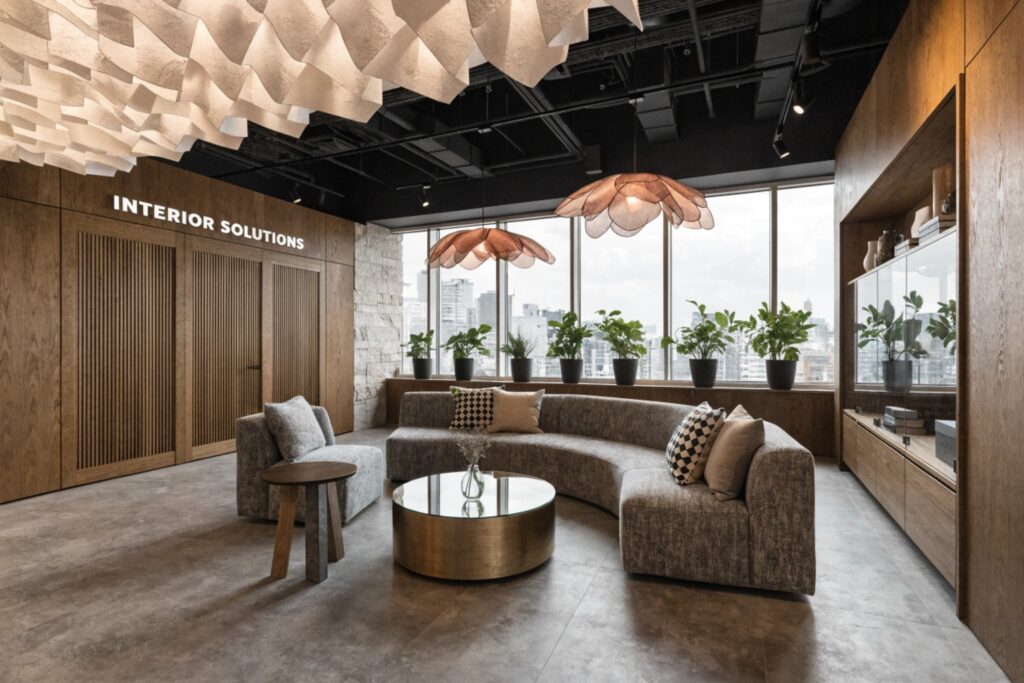
Why Interior Design Is More Than Just Looks Vallari Shah Writer & Blogger When most people think about interior design, the first thing that comes to mind is aesthetics — beautiful colors, stylish furniture, elegant lighting, and picture-perfect spaces that look like something from a magazine or Instagram. While visual appeal is certainly an important part of interior design, it is only the surface of something much deeper. Good interior design is not just about making a space look attractive. It is about improving how a space functions, how people feel inside it, and how efficiently it supports daily life. Whether it’s a home, office, café, clinic, or retail store, the true purpose of interior design is to create an environment that works well, feels comfortable, and enhances the experience of the people using it. In reality, great interiors are not designed for photos — they are designed for life. Let’s explore why interior design is much more than just looks, and how thoughtful design can improve comfort, productivity, efficiency, and long-term value. 1. Interior Design Is About Function First A space may look beautiful, but if it doesn’t function well, it quickly becomes frustrating to use. Imagine: A kitchen with no proper storage A wardrobe that looks stylish but cannot hold your clothes A living room where furniture blocks movement An office where employees feel cramped and distracted This is where functional design becomes critical. Good interior design focuses on: Efficient space planning Easy movement and circulation Practical storage solutions Correct placement of furniture and utilities Accessibility and convenience For example, a well-designed kitchen considers: Cooking habits Work triangle (sink, stove, refrigerator) Storage for daily-use items Counter space for preparation Similarly, a well-designed bedroom considers: Wardrobe accessibility Lighting for reading and relaxation Space around the bed for movement Noise control for better sleep Function makes a space comfortable to use every day — and that matters far more than appearance alone. 2. Interior Design Impacts Daily Comfort Interior design directly affects how comfortable a space feels. Elements like lighting, ventilation, materials, colors, and layout influence the physical and emotional experience of a space. Lighting Poor lighting can cause eye strain, headaches, and fatigue. Good design uses: Natural light wherever possible Layered lighting (ambient, task, and accent) Warm lighting for relaxation areas Bright lighting for work zones Ventilation & Airflow Proper window placement and layout planning ensure fresh air circulation, which improves health and comfort. Materials The choice of materials affects: Temperature control Maintenance requirements Durability Safety Comfort-focused design ensures that a space not only looks good but also feels pleasant throughout the day. 3. Interior Design Influences Mood and Mental Well-being The environment we live and work in has a powerful impact on our mental state. Cluttered spaces increase stress Dark rooms can feel depressing Overcrowded layouts create discomfort Harsh lighting causes irritation On the other hand: Organized spaces create calmness Natural light improves mood Balanced colors promote relaxation Green elements and plants reduce stress Color psychology plays an important role: Soft neutrals create a peaceful atmosphere Warm tones add comfort Cool tones improve focus Bright accents add energy Thoughtful design helps create spaces that support emotional well-being, not just visual appeal. 4. Interior Design Improves Productivity In work environments, interior design directly affects performance. Poorly designed offices can lead to: Lack of focus Physical discomfort Low employee morale Reduced efficiency Good office design considers: Ergonomic furniture Proper lighting Acoustic control Clear circulation paths Collaborative and quiet zones Similarly, home offices need: Comfortable seating Adequate lighting Minimal distractions Organized storage A well-designed workspace can significantly improve concentration, efficiency, and overall productivity. 5. Space Optimization Matters More Than Size Many people believe that good interiors require large spaces. In reality, good design is about making the most of the available space. Smart interior planning includes: Multi-functional furniture Vertical storage Built-in units Foldable or modular elements Open layouts to reduce visual clutter For small homes or apartments, efficient space planning can make a big difference in usability and comfort. Interior design is not about how big a space is — it’s about how intelligently it is used. 6. Interior Design Adds Long-Term Value Interior design is an investment, not just an expense. Well-designed spaces: Last longer due to quality materials Require less maintenance Improve property value Attract buyers or tenants faster Reduce the need for frequent renovations For commercial spaces, good design can: Improve customer experience Increase footfall Strengthen brand identity Improve employee retention Instead of focusing only on upfront cost, it’s important to consider long-term durability and performance. 7. Interior Design Enhances Safety Safety is another important aspect that often goes unnoticed. Good interior design considers: Proper electrical planning Fire-resistant materials where needed Anti-slip flooring in bathrooms and kitchens Safe furniture placement Adequate lighting in circulation areas In homes with children or elderly members, safety-focused design becomes even more important. A space should not only look good — it should also be safe for everyday use. 8. Interior Design Reflects Lifestyle Every family or business uses a space differently. Good design adapts to real-life needs rather than following generic styles. For example: A family that cooks daily needs a highly functional kitchen A work-from-home professional needs a dedicated workspace A frequent host needs a flexible living area A business needs layouts based on workflow Design based on lifestyle ensures that the space feels personal and practical. This is why customized interiors work better than catalog-based designs. 9. Interior Design Supports Brand Identity (For Businesses) For commercial spaces, interior design plays a major role in branding. A well-designed space communicates: Professionalism Brand personality Quality standards Customer experience For example: A modern office reflects innovation A cozy café encourages longer stays A premium retail store enhances perceived value Customers often form their first impression based on the environment before interacting with products or services. 10. Good Design Balances Aesthetics and Practicality The best interiors strike a balance between beauty and usability. A well-designed space: Looks appealing Functions efficiently Is easy to
Interior Design Challenges in Old Homes of Varanasi
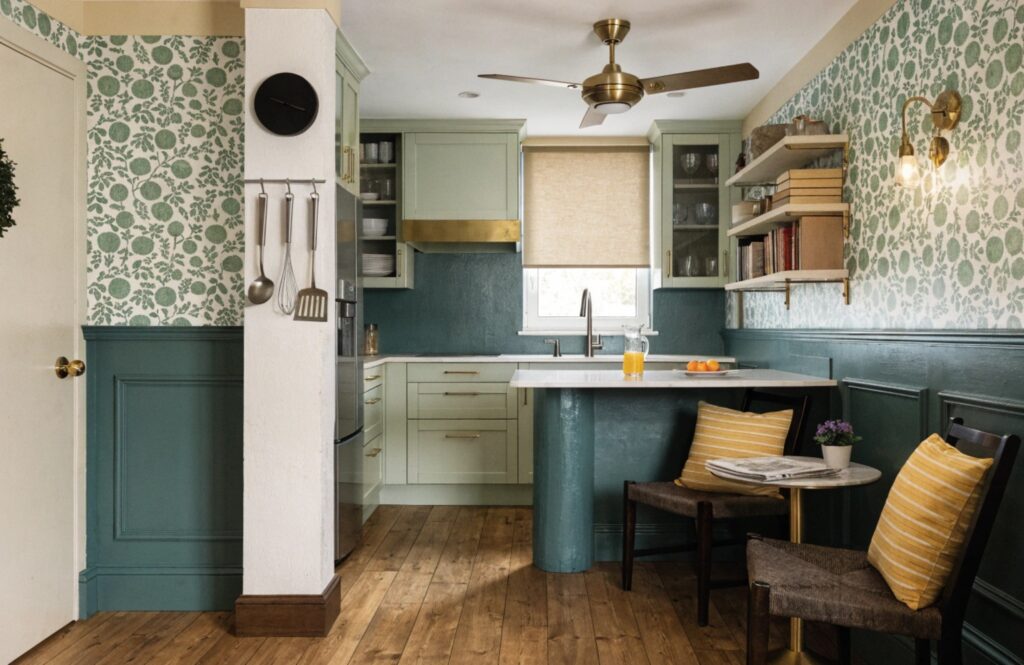
Interior Design Challenges in Old Homes of Varanasi (And How to Solve Them) Vallari Shah Writer & Blogger Varanasi is not just a city — it’s a living heritage. From narrow lanes and centuries-old houses to traditional courtyards and carved wooden doors, homes in Varanasi carry history, culture, and emotional value. Many families live in ancestral houses that have been passed down for generations. These homes are full of character, but when it comes to modern living, they often come with practical challenges. Today’s lifestyle demands better lighting, efficient storage, modern kitchens, proper bathrooms, and comfortable living spaces. However, renovating or designing interiors in old Varanasi homes is very different from working on a newly constructed apartment. So what are the common interior design challenges in old homes of Varanasi? And more importantly, how can they be solved without losing the soul of the house? Let’s explore. Why Old Homes in Varanasi Need a Different Interior Approach Most older homes in Varanasi were built at a time when lifestyle needs were very different. Joint families lived together, storage was minimal, kitchens were simple, and ventilation relied heavily on courtyards and open spaces. Today, families need: Modular kitchens Attached bathrooms Work-from-home spaces Better lighting and ventilation Modern storage solutions Easy-to-maintain finishes At the same time, homeowners don’t want to destroy the traditional charm — the wooden beams, carved doors, stone floors, or courtyard layout. The goal is not modernization alone. The goal is thoughtful transformation. Challenge 1: Weak Structural Conditions Many old homes in Varanasi have: Aging brick walls Damaged plaster Weak beams Uneven flooring Moisture damage Over time, weather, humidity, and lack of maintenance affect the structural strength of the house. Solution Before starting any interior work: Conduct a structural inspection Check load-bearing walls Identify cracks or water damage Reinforce beams if needed Repair plaster and waterproof surfaces Interior design should never begin before structural stability is ensured. Strengthening the base increases safety and ensures that new interiors last longer. Challenge 2: Poor Lighting and Ventilation Older homes were often built in narrow lanes with limited external windows. Many rooms rely only on internal courtyards or small openings, making them dark and poorly ventilated. This leads to: Dampness Bad air circulation Higher electricity use Uncomfortable living conditions Solution Interior design can improve brightness without major structural changes: Use light-colored wall finishes Install layered lighting (ambient + task + accent) Use glass partitions instead of solid walls Add mirrors to reflect light Improve airflow with exhausts and ventilation fans Keep courtyards open and uncluttered The aim is to enhance natural light while supporting it with smart artificial lighting. Challenge 3: Outdated Kitchen Layouts In many old Varanasi homes, kitchens are: Small and enclosed Low on storage Poorly ventilated Not designed for modern appliances With today’s cooking needs, this creates inconvenience and clutter. Solution Modernizing the kitchen doesn’t require a complete rebuild. Practical upgrades include: Modular cabinets for organized storage Wall-mounted shelves to save space Proper chimney and exhaust systems Durable countertop materials like granite or quartz Smart corner units and pull-outs If space allows, the kitchen can be opened slightly to improve airflow and movement. Challenge 4: Lack of Attached Bathrooms Older homes often have: Shared bathrooms Bathrooms located outside bedrooms Poor plumbing systems This does not match modern comfort expectations. Solution Interior planning can help create functional bathrooms by: Identifying unused corners or storage areas Using compact bathroom layouts Installing modern plumbing lines Using wall-mounted fixtures to save space Applying proper waterproofing Even small bathrooms can feel spacious with smart design and light finishes. Challenge 5: Limited Storage Space Earlier homes were not designed for today’s lifestyle, which includes: More clothing Electronics Kitchen appliances Household items This leads to clutter and inefficient space use. Solution Storage should be integrated into the design: Floor-to-ceiling wardrobes Loft storage for seasonal items Under-stair storage Built-in wall cabinets Multipurpose furniture The key is hidden storage that keeps the home organized without disturbing its traditional appearance. Challenge 6: Moisture and Dampness Issues Varanasi’s climate and old construction methods often lead to: Wall dampness Peeling paint Mold growth Weak wooden elements This is one of the most common problems in older homes. Solution Interior upgrades should include: Chemical waterproofing treatment Anti-fungal wall coatings Moisture-resistant boards (HDHMR or treated plywood) Proper ventilation in bathrooms and kitchens Exterior crack sealing if required Ignoring dampness can damage new interiors quickly, so treatment is essential. Challenge 7: Electrical System Limitations Old houses often have: Outdated wiring Insufficient plug points No provision for modern appliances Safety risks Solution Before interior execution: Upgrade the electrical system Add sufficient power outlets Plan lighting points as per new layouts Install proper earthing and safety switches A well-planned electrical system improves both safety and convenience. Challenge 8: Narrow Spaces and Irregular Layouts Many homes in Varanasi have: Narrow rooms Uneven walls Low ceiling heights Complex layouts Standard furniture often doesn’t fit properly. Solution Custom design works best in such homes: Made-to-measure furniture Sliding doors instead of swing doors Wall-mounted units Low-height furniture for low ceilings Space zoning using partitions or lighting Custom planning helps maximize usability without overcrowding the space. Challenge 9: Preserving Heritage Elements One of the biggest concerns for homeowners is losing the traditional identity of the house. Old homes may have: Wooden doors and windows Carved columns Stone flooring Courtyards Traditional arches Solution Instead of replacing, designers should restore and integrate: Polish and treat old woodwork Retain original doors as design features Combine traditional elements with modern finishes Highlight heritage areas with warm lighting Use neutral backgrounds to let traditional features stand out The goal is a balance between old and new. Challenge 10: Managing Renovation in Congested Areas Many old Varanasi homes are located in: Narrow lanes Dense neighborhoods Areas with limited vehicle access This makes material transport and execution difficult. Solution A planned approach helps: Pre-measured modular or factory-made components Scheduled material delivery Minimal on-site carpentry Efficient project management Good planning reduces disruption and speeds up execution. Blending Tradition