
Trending Small Bedroom Ceiling Designs
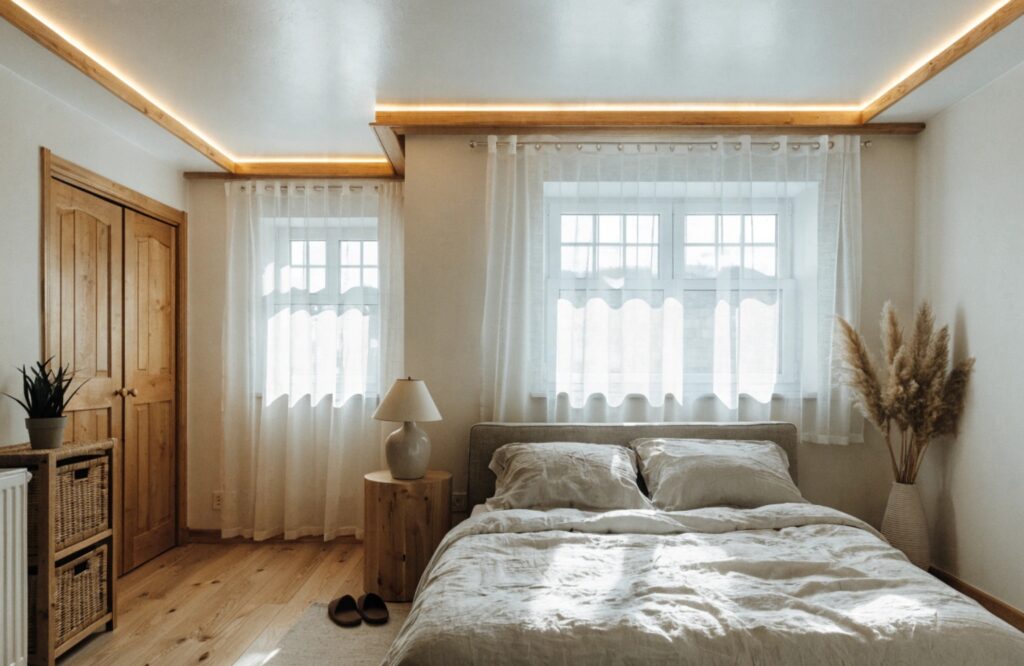
Trending Small Bedroom Ceiling Designs – Stylish Ideas to Transform Compact Spaces Vallari Shah Writer & Blogger When you’re decorating a small bedroom, the ceiling often gets overlooked. Yet, it’s one of the most powerful tools for shaping how a room feels—height, spaciousness, lighting, and ambiance are all influenced by what’s above your head. In a compact space, a well-designed ceiling can visually expand the room, balance light, and become a stunning focal point without overwhelming the layout. In this guide, we’re exploring the top trending small bedroom ceiling design ideas that combine form and function, helping you choose a look that matches your taste, lighting needs, and space constraints. 1. Minimalist White Ceilings With Recessed Lighting One of the most enduring trends for small bedrooms is a clean, minimalist white ceiling paired with recessed lighting. The simplicity of a crisp white finish opens up visual boundaries and allows light to bounce across the room, making even tiny spaces feel airier. Why It Works White reflects light better than any other color Recessed lights keep fixtures flush with the ceiling, preserving headroom Works with any décor style from Scandinavian to contemporary Design Tips Use soft white (around 2700–3000K color temperature) for warmth Scatter recessed lights around the room perimeter rather than clustering them in the center Pair with light wall colors for maximum effect This design is perfect if you want to emphasize space and brightness while maintaining a modern, uncluttered aesthetic. 2. Cove and Curved Ceiling Designs Soft curves and cove ceilings are among the most popular trending ceiling ideas. Instead of sharp angles, gently rounded transitions between walls and ceilings produce a flowing, organic look that makes a small room feel larger and more harmonious. How It Enhances Space Curved details draw the eye upwards and outward, visually elevating the ceiling. When paired with hidden LED strip lighting within coves, you get ambient indirect light that expands perceived height without raising the physical ceiling. Styling Options Soft plaster or gypsum curves around the perimeter LED lighting hidden behind curves Subtle color gradients from wall to ceiling Cove lighting gives small bedrooms a resort-like ambiance while making the space feel open and calming. 3. Painted Accent or Statement Ceilings Turning a ceiling into a statement feature is trending fast in interior design. Instead of plain white, designers are experimenting with colors that complement bedroom décor while still enhancing openness. Accent Ceiling Ideas Soft sky blue to suggest openness Muted pastels like sage green or lavender for a cozy feel Deep midnight blue or charcoal for drama paired with lighter walls Why It Works Accenting the ceiling draws attention upward, subtly guiding the eye and making the room feel taller and more dynamic. Matte finishes prevent glare and keep the look soft and inviting. 4. Wooden Slats and Natural Textures For those craving warmth and character, wooden ceiling accents are trending strongly. Using light-toned wood slats or panels adds texture and depth without making the room feel enclosed. Advantages Brings a natural, soothing vibe Works with rustic, Scandinavian, or modern styles Visually lengthens or widens the room when placed strategically How to Keep It From Feeling Heavy Choose lighter woods like pine or oak Keep patterns simple and linear Avoid full coverage; emphasize focused strips or panels Wood slats paired with LED lighting create a rich, layered effect without sacrificing brightness or space. 5. Sleek Geometric Patterns Geometric ceiling patterns—whether through paint, gypsum profiles, or lighting layout—are trending for bringing character to small bedrooms without adding physical depth. Popular Geometric Concepts Hexagon or triangle lines on a flat surface Linear grooves that guide vision Symmetrical shapes that anchor décor themes Geometric designs add a modern architectural vibe while keeping ceilings visually light. When combined with indirect lighting or soft gloss accents, this trend can instantly elevate your room’s style. 6. LED Cove and Backlit Lighting Solutions LED cove lighting isn’t just decorative—it’s functional, helping make ceilings appear taller and spaces feel more expansive. Hidden lighting washes the ceiling with soft illumination, reducing sharp shadows and creating a floating effect. Lighting Styles to Consider Perimeter cove lights Backlit panels behind gypsum or wood elements Adjustable color temperature LEDs for mood control LED lighting gives small bedrooms versatility: cool tones for productivity and warm tones for relaxation. 7. Textured and 3D Ceiling Panels Textured and 3D panels are emerging as a high-impact design trend because they add dimension without major construction. These panels can be lightweight and designed to match your decor. Best Practices for Small Bedrooms Choose patterns with vertical emphasis to lift the room Keep colors light to maintain brightness Use materials like foam or lightweight fiber panels to avoid added bulk 3D ceilings create visual texture that’s both stylish and dynamic, perfect for homes with modern or eclectic interiors. 8. Starry Sky and Ambient LED Effects Turning your ceiling into a night sky with fiber-optic lights is one of the most magical trends of the moment, especially for bedrooms. Why It’s Trending Creates a relaxing, dreamy environment Works perfectly with dimmable LED lighting Adds a unique focal point without taking up physical space This trend works well above beds or lounging areas, making small bedrooms feel like serene retreats rather than tight spaces. 9. Mirrored & Reflective Ceiling Elements Mirrored surfaces or high-gloss ceiling panels are a bold trend that plays with light to make a room feel larger and more luminous. Benefits Reflects natural and artificial light Stimulates visual depth Creates a sense of luxury Use mirrors selectively—such as in center panels or along borders—to prevent overpowering the space. 10. PVC and Color-Toned False Ceilings PVC panel ceilings remain popular for modern small bedrooms due to their lightweight, budget-friendly, and customizable nature. Style Ideas Pastel PVC panels for a soft look Contrasting colors for a playful effect Mix of PVC and LED lighting for vibrant ambience Pastel tones max out brightness while preserving the sense of openness—ideal for compact urban apartments. 11. Vaulted and Curved Barrel Ceilings
Low-Budget Small Bedroom Ceiling Ideas
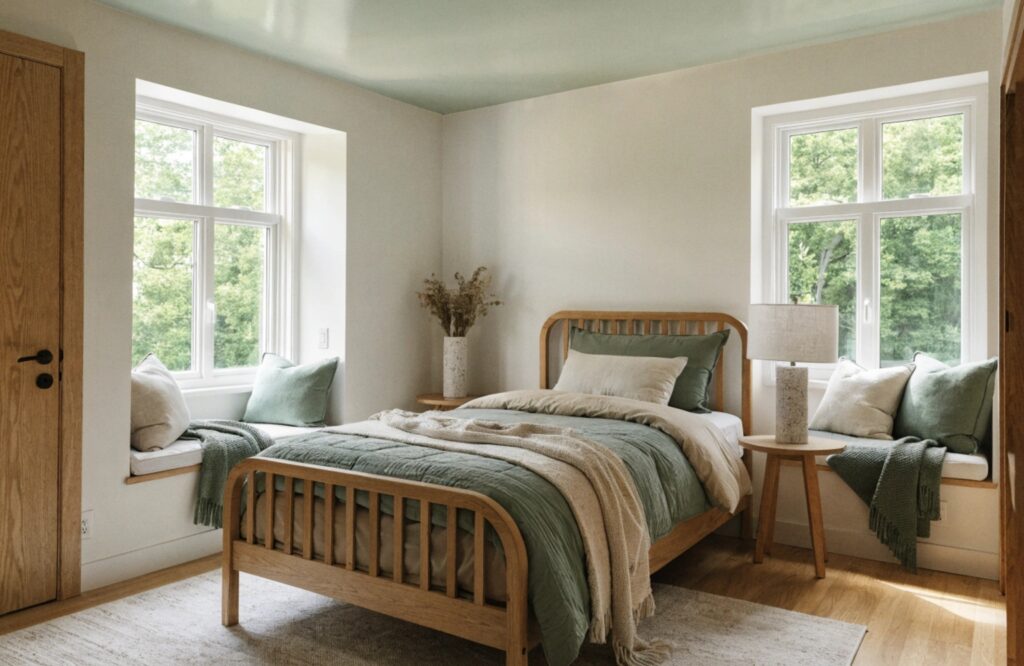
Low-Budget Small Bedroom Ceiling Ideas (Affordable & Stylish Designs) Vallari Shah Writer & Blogger Designing the ceiling of a small bedroom doesn’t have to drain your wallet. Most homeowners assume ceiling design is expensive because it usually involves carpenters, false ceilings, or elaborate lighting work. But in reality, there are dozens of creative, affordable ways to upgrade a ceiling—even if your room is small and your budget is tight. A well-designed ceiling transforms how a compact bedroom feels. It can make the room seem taller, brighter, more stylish, and even more comfortable. With cost-efficient materials, DIY methods, and smart lighting choices, you can achieve a high-impact look while spending very little. This guide breaks down the best low-budget small bedroom ceiling ideas, inspired by top SERP results and enhanced with professional-grade tips for real-world use. Let’s explore the most effective, wallet-friendly ceiling transformations you can try. 1. Simple Painted Ceilings That Transform Without Costing Much One of the easiest and cheapest ways to upgrade a small bedroom ceiling is simply painting it strategically. Paint is not only affordable but also highly effective in shaping the perception of space. Use Light Colors to Make the Ceiling Feel Higher White, off-white, beige, powder blue, and pastel shades visually lift the ceiling. These colors bounce more light, making your compact room feel open and airy. If your bedroom height is limited, using a bright white matte finish works best. It hides imperfections and prevents glare. Accent Painted Ceilings for Style If your walls are neutral, a subtle accent color on the ceiling can instantly add character. Soft sage green, muted peach, or warm grey can create a cozy, stylish feel without shrinking the space. DIY Painting Tips for Perfect Results Use matte or eggshell finish to avoid reflections Prep the surface well by sanding and cleaning Roll in even strokes for a smooth look Use painter’s tape to achieve clean edges With just a bucket of paint and a roller, your ceiling can look like a professional job—at a fraction of the cost. 2. Affordable Textures & Patterned Effects Textures add depth and character to a ceiling without requiring a full redesign. Subtle Popcorn or Swirl Texture Contrary to popular belief, light popcorn or swirl textures work well in small rooms if done sparingly. They hide imperfections and add visual interest. These textures can be created using: A texture spray can A sponge A pattern brush Stenciled or Painted Patterns Stencils are an incredible low-budget alternative to expensive panels. You can create: Geometric designs Floral motifs Border patterns Radiating center designs They look premium and cost very little. Faux Ceiling Tiles Using Paint Create the illusion of patterned ceiling tiles using painter’s tape and two shades of the same color. This gives an elegant look that mimics real panels. Textures are inexpensive, DIY-friendly, and customizable—perfect for budget projects. 3. Peel-and-Stick Ceiling Panels & Wallpapers If you want instant transformation without carpenters or tools, peel-and-stick materials are the best solution. Faux Tin Ceiling Panels These lightweight adhesive panels mimic antique tin ceilings and look beautifully vintage. They are cheap, easy to apply, and perfect for compact bedrooms. Peel-and-Stick Wallpaper Use: Wood-texture wallpaper Marble finish Geometric prints 3D embossed designs These instantly elevate the room without major effort. Beadboard Stick-On Panels For a cozy, cottage-style bedroom, beadboard panels are excellent. They give the room a soft, textured look without costly carpentry. Installation Tips Apply on a dust-free ceiling Use a level to ensure straight application Avoid placing near heat sources Peel-and-stick solutions make ceiling design accessible for every budget. 4. Affordable Wood-Inspired Ceiling Designs Real wood ceilings can be expensive, but there are budget-friendly alternatives that look just as warm and inviting. Faux Wood Slats PVC or engineered panels that mimic wood are affordable, moisture-proof, and very lightweight. They’re ideal for small rooms and rented spaces. DIY Thin Plywood Strips Cut thin plywood into slats and paint or stain them. Arrange them in: Straight lines Herringbone Grid patterns This gives a designer a look without professional help. Painted or Whitewashed Wood If you prefer bright spaces, whitewashed wood is perfect. It blends warmth with brightness. Wood-inspired designs make small bedrooms feel cozy, modern, and stylish—without stretching your budget. 5. Fabric or Draped Ceiling Designs for a Soft Look Fabric ceilings are one of the most affordable and creative ways to upgrade a small bedroom. Soft Fabric Canopy Ceilings Ideal for cozy or boho-style bedrooms, fabric draped from the corners creates a dreamy, airy feel. It’s perfect for small rooms with cold or imperfect ceilings. Minimal Ceiling Drapes Use lightweight fabrics like: Cotton Linen Sheers They allow light to pass through, making the room feel taller. Why Fabric Works Well in Small Rooms Softens harsh angles Adds a luxurious feel Diffuses light beautifully Extremely budget-friendly This is also a great temporary solution for renters. 6. Low-Cost Lighting Tricks That Enhance Ceilings Lighting dramatically affects how a small bedroom ceiling looks. You don’t need expensive fixtures—just smart, affordable choices. LED Strip Lighting Around Ceiling Edges LED strips create a floating-ceiling effect that visually enlarges the space. They’re budget-friendly and energy-efficient. Surface-Mounted LED Lights These are cheaper than recessed lighting but look equally modern. Choose slim designs for a sleek appearance. Cove Lighting Without False Ceilings Create a faux-cove effect using: Wooden molding PVC trims LED ropes This gives a high-end look on a tiny budget. Warm or Cool Light? Cool white makes the room feel larger Warm light makes it cozier Neutral white is ideal for balanced lighting Even simple lighting upgrades can transform the entire ceiling profile. 7. DIY Accent Ceiling Features for Under ₹1,000–₹3,000 If you love DIY projects, these ceiling accents add charm without requiring major investment. DIY Wood Slat Designs Thin wooden strips placed in straight or geometric patterns create modern designer ceilings. Plywood or MDF Medallions Cut circular or geometric shapes to create a focal point around your hanging light. Painted Grids or Panels Divide the ceiling into squares or rectangles
Simple Ceiling Designs for Compact Rooms
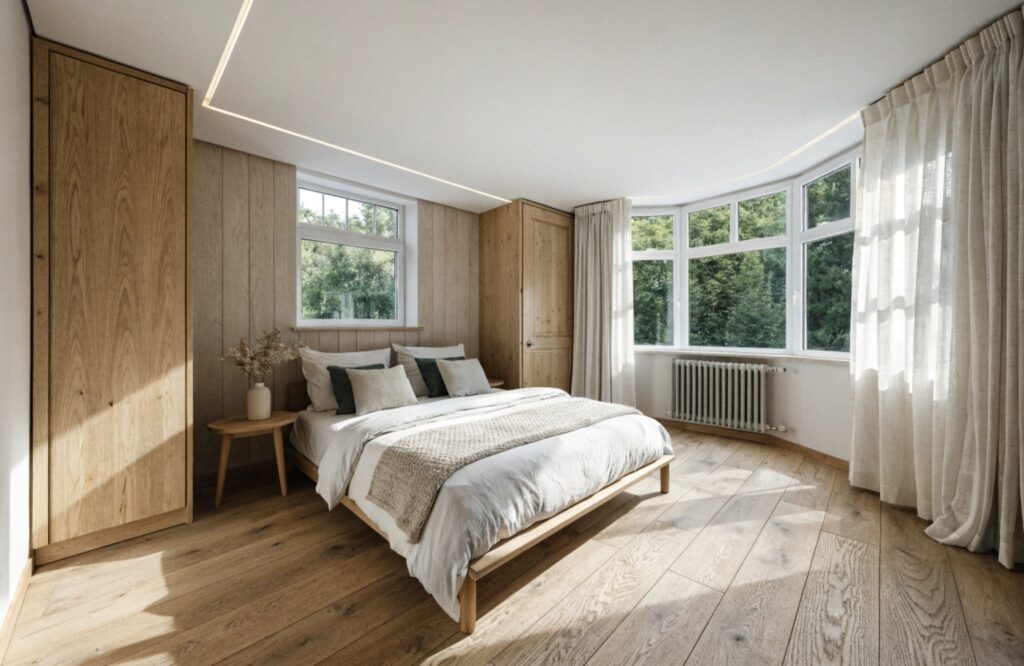
Simple Ceiling Designs for Compact Rooms — Ideas to Make Small Bedrooms Feel Bigger & Brighter Vallari Shah Writer & Blogger Designing a ceiling for a small bedroom is not just about choosing a color or installing a light. In compact rooms, the ceiling plays a major role in how spacious, airy, bright, and comfortable the space feels. Unlike large bedrooms that can handle ornate or layered ceiling designs, small spaces demand simplicity, balance, and clever lighting to avoid looking cramped. Whether you’re renovating your existing bedroom or designing one from scratch, a simple ceiling design can visually raise the height of the room, enhance light distribution, reduce shadows, and create a calming environment. This guide explores the best simple ceiling designs that blend style with practicality—ensuring your small bedroom looks clean, modern, and effortlessly spacious. Why Simple Ceiling Designs Work Best in Compact Rooms Small bedrooms often struggle with limited height, minimal natural light, and restricted floor area. The ceiling becomes a major opportunity to open up the space visually. A simple ceiling design automatically creates a sense of openness. By avoiding overly complex patterns, heavy layering, dark colors, or bulky fixtures, you give the eye less to process. This results in a cleaner visual field that makes the ceiling appear higher than it really is. Simplicity also enhances lighting performance. Smooth surfaces reflect more light, while recessed or hidden lighting prevents shadows and visual clutter. This improves brightness and makes the room feel airy, even when the actual square footage is small. Minimalistic ceilings are also cost-effective, easy to maintain, and blend well with any interior style—modern, Scandinavian, industrial, or classic. 1. Minimalist Flat Ceiling with Recessed Lighting The simplest and most effective ceiling design for small bedrooms is a clean, flat surface paired with recessed lighting. A smooth gypsum, POP, or plaster ceiling painted in a soft white or off-white instantly enhances height perception. Recessed LED lights eliminate the need for large fixtures that hang downward, which can make small rooms feel cluttered. Instead, they tuck neatly into the ceiling, providing even illumination across the entire space. This design is especially helpful for low ceilings where height is limited. The flat ceiling works well with almost any décor style. Whether your room features wooden furniture, bright accents, or neutral tones, a minimal ceiling keeps the space feeling calm and uncluttered. 2. Light-Valued Painted Ceilings That Increase Height Perception Painting the ceiling might sound basic, but it is one of the most powerful visual tricks for small bedrooms. Light colors reflect more illumination, helping the room feel brighter and taller. Shades like soft white, cream, warm beige, or very pale gray create a smooth reflective plane. This is especially useful when the room receives little natural light. If you want a subtle accent, consider painting the ceiling just a shade lighter than the walls. This creates a seamless transition that “lifts” the ceiling visually. Avoid dark or bold colors unless your room is exceptionally well-lit, as they can quickly make the ceiling feel lower. A matte or satin finish works best—glossy finishes may cause glare. 3. Peripheral Tray or Border Ceiling A full tray ceiling may reduce height in a small bedroom, but a peripheral tray design solves that problem. Instead of lowering the whole center area, only the outermost border gets a slight recess. This creates: a subtle framing effect soft shadow lines that add depth an opportunity for hidden cove lighting The best part? The central portion of the ceiling remains untouched, preserving maximum height. When paired with soft LED strip lighting along the border, the ceiling develops a floating effect—ideal for compact rooms. This design is extremely popular because it blends simplicity with elegance without overwhelming the space. 4. Simple False Ceiling with Cove Lighting Many people assume false ceilings automatically make rooms look smaller, but that’s not true when they’re designed correctly. A low-profile false ceiling—ideally a single flat panel—can be paired with cove lighting to create a warm, spacious feel. LED strip lights hidden in the recesses bounce light off the ceiling surface, distributing gentle illumination across the room. This eliminates harsh shadows and makes the ceiling appear higher. It’s an excellent option for creating a modern, cozy, and visually clean look. Choose warm white LEDs for maximum comfort, especially in bedrooms. 5. Slim Wood or Faux Wood Accents Wooden ceilings can be intimidating in small rooms because they’re often associated with heavy or rustic styles. But when used sparingly and correctly, wood can add warmth without reducing height. Slim wooden slats or faux wooden strips are ideal. They create a linear visual effect that draws the eye upward. If installed vertically or along the room’s length, they elongate the space visually. Light or medium wood tones—like birch, ash, or oak—keep the design airy. Avoid dark woods unless used very sparingly. This is perfect for minimalistic or Scandinavian-inspired bedrooms. 6. Shallow Coffered or Panel Designs Traditional coffered ceilings are deep and complex, but a shallow coffered design adds subtle dimension without compromising space. By creating low-profile square or rectangular panels, you introduce architectural interest in a calm and understated way. This design works best in: modern bedrooms rooms with good lighting homes where you want a touch of sophistication Thin panel molding or simple POP borders can help achieve this effect. Since the depth is minimal, the ceiling still feels spacious and uncluttered. 7. Simple Geometric or Line-Based Patterns If a plain ceiling feels too minimal for your taste, geometric lines or soft panel patterns offer a stylish middle ground. Instead of big 3D elements, these rely on fine grooves, straight lines, or gentle curves. Popular options include: thin linear grooves delicate crisscross lines small rectangular shapes narrow frame borders These add character without overwhelming the room. For compact bedrooms, less is more—choose one consistent pattern instead of multiple layers. Combine this design with recessed lighting for a crisp, modern finish. 8. Skylights & Natural Light Enhancers If your room structure allows
Modern Small Bedroom Ceiling Inspiration — Ideas That Transform Compact Spaces
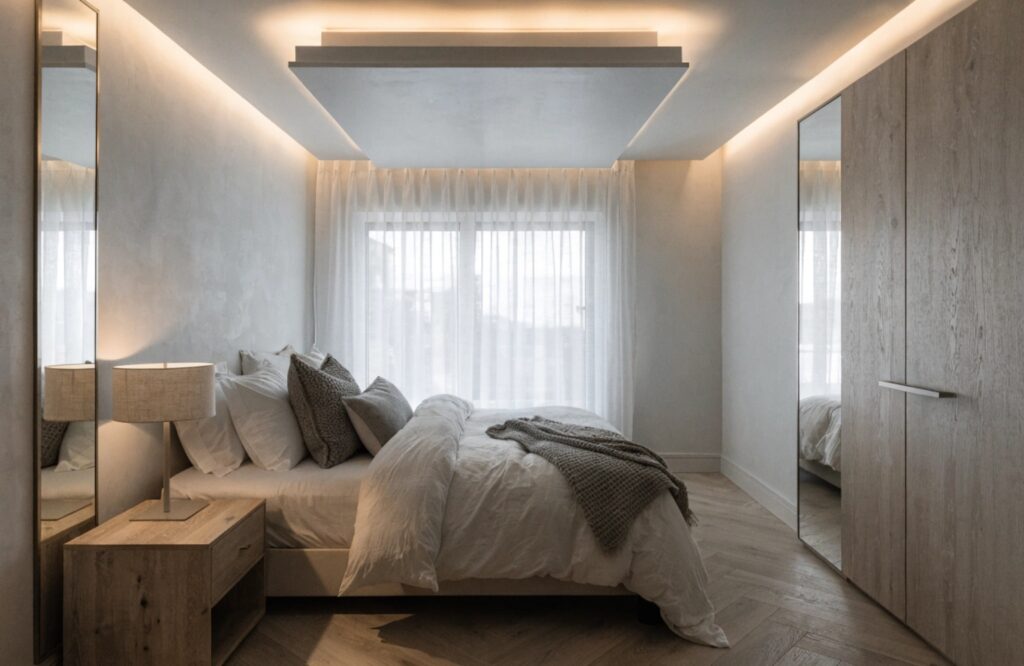
Modern Small Bedroom Ceiling Inspiration — Ideas That Transform Compact Spaces Vallari Shah Writer & Blogger Designing a modern ceiling in a small bedroom takes thoughtful planning. Because the room is compact, every design choice—from lighting placement to material selection—affects how spacious, bright, and stylish the room feels. Modern ceilings are not only about looks; they also shape the room’s perception of height, improve lighting efficiency, and introduce a polished aesthetic that immediately feels premium. This guide explores modern, minimalist, lighting-enhanced, textured, wooden, floating, and geometric ceiling concepts. All insights are created from design principles consistently seen across top-ranking pages—clean lines, soft lighting, smart materials, and space-expanding techniques. Whether you’re upgrading a small bedroom or designing a new one, you’ll find ideas here that blend modern styling with practical solutions for compact spaces. 1. Minimalist White Ceilings With Recessed Lighting Minimalist ceilings dominate modern design, especially in small bedrooms. A plain white ceiling feels open, calm, and airy—qualities that instantly visually enlarge a small room. Adding recessed lighting enhances this effect by removing bulky light fixtures and distributing illumination evenly. A minimalist modern ceiling works because it eliminates visual noise. Instead of attracting attention, it quietly integrates with the room while letting your decor shine. If your bedroom is small and you prefer a clean, elegant look, this is the most fail-proof design. Recessed lighting also creates a layered illumination effect, perfect for bedrooms that lack natural light. It prevents harsh shadows, making the ceiling appear higher and the room brighter. 2. Floating False Ceiling With Sleek LED Strips Floating false ceilings—where the panel sits slightly away from the main ceiling—are increasingly popular in modern compact bedrooms. They create an illusion of depth and add a soft glow through LED strip lighting hidden in the recess. In small bedrooms, a multi-level false ceiling can feel heavy, but a floating design stays visually light. The thin drop combined with the glow around the edges gives the impression of height and adds a luxurious, hotel-like atmosphere. For a truly modern feel, pair this ceiling with warm white LED lights. The lighting adds drama without overwhelming the room, creating a striking nighttime ambience. 3. Soft Cove Lighting for Warm Modern Ambience Cove lighting remains one of the most desirable modern ceiling features for compact spaces. Installed along the perimeter of the ceiling, it casts upward light that reflects softly across the ceiling’s surface. Unlike direct lighting, cove lighting eliminates harsh shadows and creates an even, diffused glow. This is particularly useful in small bedrooms, where lighting contributes heavily to visual spaciousness. The best part? Cove lighting pairs remarkably well with minimalist ceilings, floating panels, and tray designs. It creates a premium ambiance without requiring complex ceiling layers. Choose 3000–4000K warm white for a cozy bedroom feel or 4000–5000K neutral white for a modern, crisp look. 4. Light Wooden Ceiling Panels or Slats Wood in a modern small bedroom might seem counterintuitive, but when used correctly, it can be transformative. Thin wooden slats or light-toned wooden panels create a Scandinavian-modern feel—clean, warm, and calming. The trick is to use wood sparingly. Instead of covering the entire ceiling, designers often install wood along a specific zone: above the bed, along the headboard wall, or in narrow strips to guide the eye across the room. The key advantage of wood is its textural charm. It brings warmth without visual heaviness, especially in lighter tones like ash, birch, or whitewashed finishes. For modern aesthetics, horizontal wooden slats make the ceiling look wider, while vertical slats create the feeling of increased height. 5. Accent Color Ceilings for Modern Character Modern small bedrooms benefit from strategically placed color on the ceiling—especially soft, subtle tones. Bold ceilings are trending, but in small spaces, muted modern colors perform better, such as: Smoky grey Soft beige Pale gold Light sage Pastel taupe Warm off-white When combined with modern lighting and simple decor, these colors add a tailored look. Accent-colored recesses also draw the eye upward, creating visual depth. This works especially well with tray ceilings or floating panels. The key is to balance the palette: walls and furniture should remain neutral if the ceiling carries color. 6. Geometric & 3D Modern Ceiling Patterns Geometric shapes add a sharp contemporary influence to small bedrooms. These patterns—hexagonal, linear, or subtle 3D profiles—bring architectural interest without being overwhelming. POP and gypsum materials excel here because they allow clean shapes and edges. Designers often incorporate soft lighting within geometric structures, building a modern interplay of shadow and illumination. For small rooms, go with shallow, simple shapes. Thin frames, linear grooves, or softly embossed patterns deliver a crisp, modern vibe while maintaining openness. 7. Tray & Micro-Tray Ceilings for Modern Depth Tray ceilings introduce depth and layering, essential elements in modern architecture. However, small bedrooms can’t support deep trays, so micro-tray ceilings—thin recessed profiles—are the ideal solution. These designs create a floating effect, add dimension, and pair beautifully with: Cove lighting LED perimeter strips Minimalist fan placement Micro-trays work because they feel refined instead of bulky. The gentle recess visually lifts the ceiling, especially in rooms with low height. When paired with warm lighting, the effect becomes luxurious but subtle. 8. Lighting-Driven Modern Ceilings (LED Strips, Panels & Backlighting) Modern ceiling design increasingly revolves around lighting innovations rather than heavy structures. LED integration is now a hallmark of modernity in compact bedrooms, offering enormous visual benefits with minimal space usage. Some trending LED-based ceiling styles include: ✔ LED strip borders Highlighting the perimeter lifts the ceiling visually. ✔ Backlit panels Ideal for a soft, cloud-like glow. ✔ Skylight-style LED diffusers Replicate natural daylight—excellent for windowless bedrooms. ✔ Linear LED bars Create a striking modern statement while providing efficient lighting. Smart lighting systems can also change colors or brightness levels based on mood, making the bedroom feel both modern and multifunctional. 9. Reflective & Glossy Ceiling Finishes Glossy or semi-reflective finishes bounce light around the room, a huge advantage for small modern bedrooms. While a full-gloss ceiling
Best Ceiling Ideas for Small Bedrooms
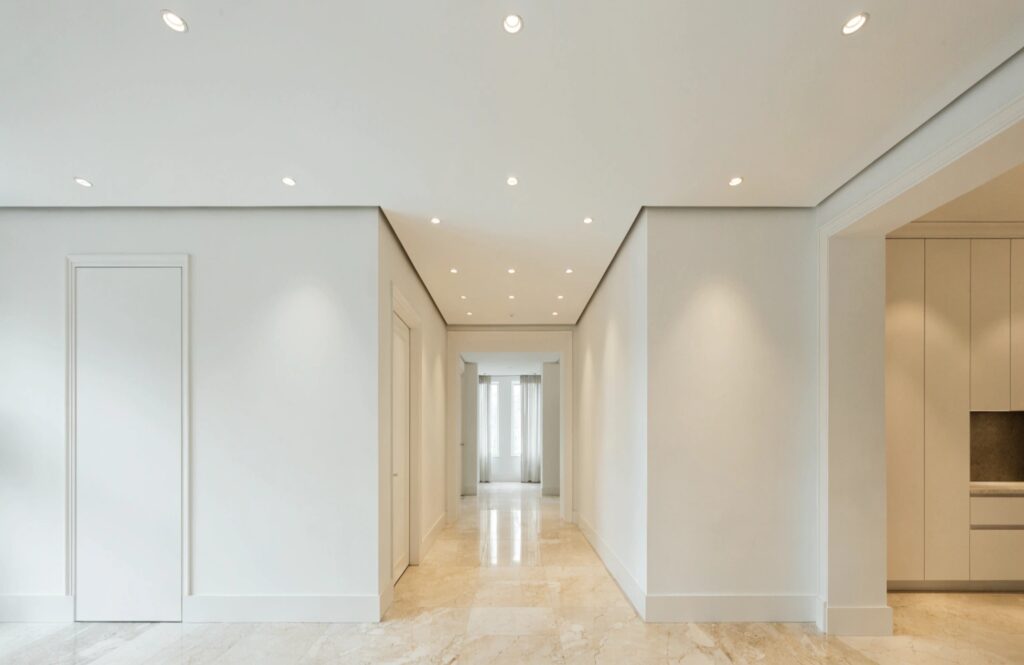
Best Ceiling Ideas for Small Bedrooms Vallari Shah Writer & Blogger Designing the ceiling of a small bedroom requires more than just choosing a color or installing a light fixture. In compact rooms, the ceiling plays a major role in shaping how spacious, bright, and comfortable the room feels. When thoughtfully designed, even the smallest bedrooms can appear taller, wider, and more sophisticated. Small bedrooms often struggle with limited vertical height, shadows in corners, poor light distribution, and visual clutter. The right ceiling idea can fix all of these issues by making the room feel more open, more stylish, and better balanced. In this guide, we explore the best ceiling ideas for small bedrooms — based on analysis of top-ranking pages, user search intent, and modern interior design trends. Why Ceiling Design Matters in a Small Bedroom Most homeowners focus heavily on wall colors, flooring, and furniture placement, but overlook the ceiling. In small bedrooms, this one mistake can reduce perceived space dramatically. The ceiling is the largest uninterrupted surface in the room, which makes it the biggest visual influencer. A well-designed ceiling can: Reflect more natural and artificial light Give the illusion of height Add warmth, texture, or style Balance lighting across the room Create depth without using physical space Transform a plain room into a modern retreat On the other hand, a poorly chosen ceiling design — dark colors, bulky false ceilings, or oversized fixtures — can make a small bedroom feel cramped and visually heavy. This guide outlines ceiling ideas proven to work well in small bedrooms, helping you choose the best design based on your style, budget, and available height. Minimalist Ceiling Ideas for Small Bedrooms Minimalist ceiling styles consistently rank at the top because they visually open up smaller rooms. The cleaner the ceiling, the more spacious the bedroom feels. Clean White Ceiling With Recessed Lighting One of the most effective and timeless ideas for small bedrooms is a smooth white ceiling paired with recessed lighting. A pure white ceiling reflects maximum light and visually lifts the room. Recessed lights — since they are installed flush with the surface — don’t add bulk or interrupt sightlines. This creates a soft, evenly lit environment that feels airy and uncluttered. For even better enhancement, place recessed lights around the perimeter instead of just the center; this pushes light outward and gives the illusion of wider walls. Simple POP or Gypsum False Ceiling Many small bedrooms avoid false ceilings due to height concerns, but a single-level POP or gypsum ceiling can actually improve the look without sacrificing height. These ceilings offer clean lines, hide wiring, and allow for elegant edge lighting. Instead of layered or boxed designs, a thin border or shallow groove adds style without heaviness. This softens the room and creates a more refined appearance. Flush LED Panel Lights LED panel lights are becoming a top trend because they distribute light evenly across the ceiling, almost mimicking daylight. Their thin profile keeps the ceiling sleek, and they are ideal for bedrooms with low ceilings where traditional fixtures would feel bulky. Lighting-Enhanced Ceiling Concepts Lighting is one of the most powerful tools for transforming a small bedroom. Integrating lighting into ceiling design reduces shadows and expands the perceived space. Cove Lighting and Soft Perimeter Glow LED cove lights installed around the edge of the ceiling create a soft upward glow. This indirect illumination highlights the ceiling structure and gives a floating effect. The light bounces gently off the ceiling surface, making the room feel taller and creating a sense of openness. Warm white lighting adds coziness, while cool white enhances brightness — ideal for very small rooms. Low-Profile LED Fixtures Small bedrooms benefit from low-profile lighting because it prevents visual clutter. Slim LED fixtures or surface-mounted lights add brightness without hanging into the room. These fixtures are highly efficient, modern, and stylish. Small Pendant or Decorative Light for Statement A small bedroom can still handle a statement piece as long as it is proportionate. A compact pendant light or mini chandelier can become the center of attention without overwhelming the space. Choose designs that are visually light — such as translucent glass, geometric shapes, or warm-toned metallics. Accent & Colorful Ceiling Ideas Accent ceilings are a rising trend and can work beautifully in small bedrooms when done right. The key is balance and subtlety. Painted Accent Ceilings Soft, muted colors such as pastels, light greys, or dusty blues add character without shrinking the room. Lighter shades draw the eye upward gently, whereas darker shades should be used only when the ceiling is naturally high. A painted ceiling paired with minimalistic decor can instantly uplift the aesthetic. Wallpaper or Patterned Ceilings Ceiling wallpaper is another trending technique, especially for small bedrooms with plain walls. Geometric patterns, subtle florals, or textured prints add dimension. Light-colored patterns keep the space bright while adding interest. Use patterns sparingly — too bold can overpower a compact room. Color Zoning Techniques Color zoning involves using two different shades to create defined ceiling sections. For example, a lighter center with a slightly darker border gives a visual lift, similar to a false ceiling effect but without construction. Natural & Warm Ceiling Textures Natural textures are extremely popular because they add warmth and sophistication, especially in compact spaces. Wooden Slat or Panel Ceilings Wooden slats create a stunning effect that elongates the room when installed lengthwise. Light wood tones like oak or pine are perfect because they brighten rather than darken the ceilings. Wooden panels offer a cozy, modern vibe and pair beautifully with Scandinavian decor. Faux Beams or Lightweight Wooden Rafters Faux beams add architectural character without the weight or cost of real wood. When used sparingly, they draw the eye upward and create visual height. Pair them with soft lighting for an ultra-cozy bedroom feel. Trend-Forward & Modern Ceiling Designs These designs are popular in recent interior design trends and frequently appear in high-ranking articles. Vaulted or Curved Ceilings If your bedroom
Small Bedroom Ceiling Costs, Installation Steps & Professional Services
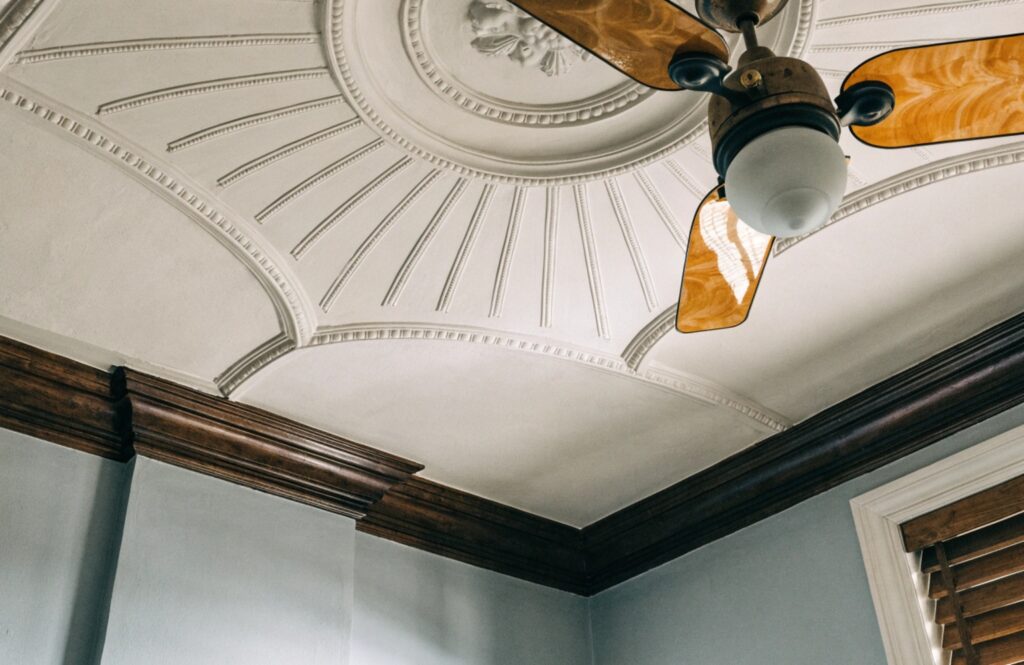
Small Bedroom Ceiling Costs, Installation Steps & Professional Services (Full Buyer’s Guide) Vallari Shah Writer & Blogger Designing the ceiling of a small bedroom involves far more than choosing a material and adding lights. The ceiling affects the room’s spaciousness, lighting quality, comfort, and overall aesthetics. Whether you’re renovating or building new, understanding the costs, installation steps, materials, contractor selection, and maintenance requirements is essential for making informed decisions. At Avinnyya, we believe that the right ceiling strategy can transform even the most compact bedrooms. This comprehensive buyer’s guide walks you through every element of small bedroom ceiling design—from pricing and material breakdowns to installation steps, professional hiring tips, and long-term care. Understanding Ceiling Design Costs for Small Bedrooms Cost is the first concern for most homeowners planning a ceiling renovation. The price depends on the design, materials, lighting choices, and labor rates in your region. Average Cost of Ceiling Designs in Small Rooms A typical small bedroom ranges between 80–120 sq. ft, and ceiling installation prices are usually calculated per sq. ft. Typical Cost Range per Sq. Ft Simple gypsum false ceiling POP false ceiling PVC ceiling Wooden ceiling Designer ceilings (cove lighting, recessed shapes) Prices fluctuate based on design complexity, number of light cutouts, and finishing requirements. Regional Price Variations Labor and material costs vary significantly between urban and rural areas. Large metro cities typically have: Higher labor costs Better access to premium materials More professional contractors Smaller towns often offer cheaper labor but may have limited design and material options. Factors Increasing or Reducing Cost Costs increase when: You add multi-layer or carved designs Incorporate cove or recessed lighting Use premium materials like hardwood Room has wiring or structural issues Costs decrease when: Choosing basic gypsum panels Avoiding complex lighting fixtures Minimizing height reduction Using PVC or POP instead of wood Examples for Different Room Sizes Example 1: 10×10 ft room Ideal for a basic false ceiling with 4 downlights. Example 2: 12×12 ft room Can fit cove lighting or a recessed center panel. Example 3: 10×8 ft room Requires minimal height reduction and simple design to avoid cramped appearance. Cost Breakdown by Ceiling Style Simple/Plain Ceiling Cost A plain ceiling with minimal design is the most affordable option. It usually involves a metal frame and single-layer gypsum boards. POP Ceiling Cost POP is cost-effective but takes longer to install because it needs hand-layering, shaping, and curing. Gypsum False Ceiling Cost One of the most popular choices, perfect for modern homes. It offers a smooth finish, easy installation, and works well with recessed lighting. Wooden Ceiling Cost Wood adds warmth and luxury but is expensive and requires maintenance. It works best as partial ceiling accents. PVC Ceiling Cost Lightweight, waterproof, and cost-effective. Excellent for homes that need long-term durability without frequent maintenance. Labor Charges vs Material Costs Labor constitutes a significant portion of ceiling expenses. The complexity of the design determines how much time and skill are required. Skilled Labor Costs Skilled carpenters and ceiling installers charge more than generic labor due to: Precision cutting Electrical integration Framing accuracy Finishing expertise Installation Complexity Costs rise if the ceiling includes: Curves Layers Cutouts LED coves Wooden battens Additional Charges Light cutouts Decorative molding Premium finishing Painting and sanding Extra framing in weak corners Gypsum Board Pricing & Material Cost Guide Gypsum ceilings dominate modern ceiling design because of their clean appearance and excellent durability. What Is a Gypsum Board? Gypsum boards are made from calcium sulfate and laminated between thick paper sheets. They are lightweight, easy to install, and provide a seamless finish. Why Gypsum Is Popular Smooth finish Fire-resistant Ideal for recessed lighting Reduces room echo Quick installation Benefits Great for small rooms Helps hide wiring Offers uniformity Compatible with paint, wallpaper, or texture Gypsum Board Price Per Sq. Ft Standard Board Pricing Standard boards are affordable and work for most designs. Premium vs Regular Boards Premium boards offer moisture resistance, thicker layers, and better soundproofing. Thickness-Based Differences Thicker boards are sturdier but heavier and slightly pricier. Additional Gypsum Ceiling Costs Framing & Channels Metal channels support the gypsum boards and ensure long-term stability. Jointing & Finishing Materials Joint compound, tape, and corner guards help create a smooth and crack-free surface. Screw, Tape & Compound Cost These small materials collectively impact the overall cost. Waste Percentage Always calculate a 5–10% waste margin for cuts, corners, and errors. Step-by-Step False Ceiling Installation Guide Understanding installation steps helps you monitor your contractor’s work and anticipate time/cost requirements. Step 1 – Planning & Measurements Proper planning ensures: Safe ceiling height Correct lighting placement Optimal material selection Assessing Ceiling Height Small bedrooms require minimal height reduction—usually 3–6 inches. Identifying Lighting Zones The lighting must highlight: Bed area Corners Study desk Wardrobe Selecting Materials Choose based on: Budget Durability Room humidity Aesthetic preference Step 2 – Framing Work Metal channels form the skeleton of the false ceiling. Metal Channels These include ceiling channels, perimeter channels, and intermediate channels. L-Angle Placement L-angles secure the perimeter and maintain level alignment. Step 3 – Board Fixing After framing, gypsum or POP boards are installed. Cutting Gypsum Boards Boards must be measured and cut accurately for edges and corners. Screwing Pattern Boards are fixed using screws at consistent distances to prevent sagging. Safety Considerations Installers must use: Safety glasses Gloves Dust-free sanding tools Step 4 – Finishing Process A poorly finished ceiling shows cracks and seams quickly. Joint Tape Applied over all joints to prevent cracking. Putty Work Smoothens the board surface and hides imperfections. Sanding Ensures a perfectly even surface. Painting & Priming Primer enhances paint adhesion and longevity. Step 5 – Quality Inspection Checklist After installation: Crack Check No fine cracks should appear near joints. Sagging Prevention Check if the ceiling feels firm and stable. Seam Visibility A good finish should have zero visible seams. How to Hire the Right Ceiling Contractor Hiring a skilled contractor can save you time, money, and future repair costs. What to Look for in a Contractor Your
The Complete Guide to Ceiling Types & Materials for Small Bedrooms
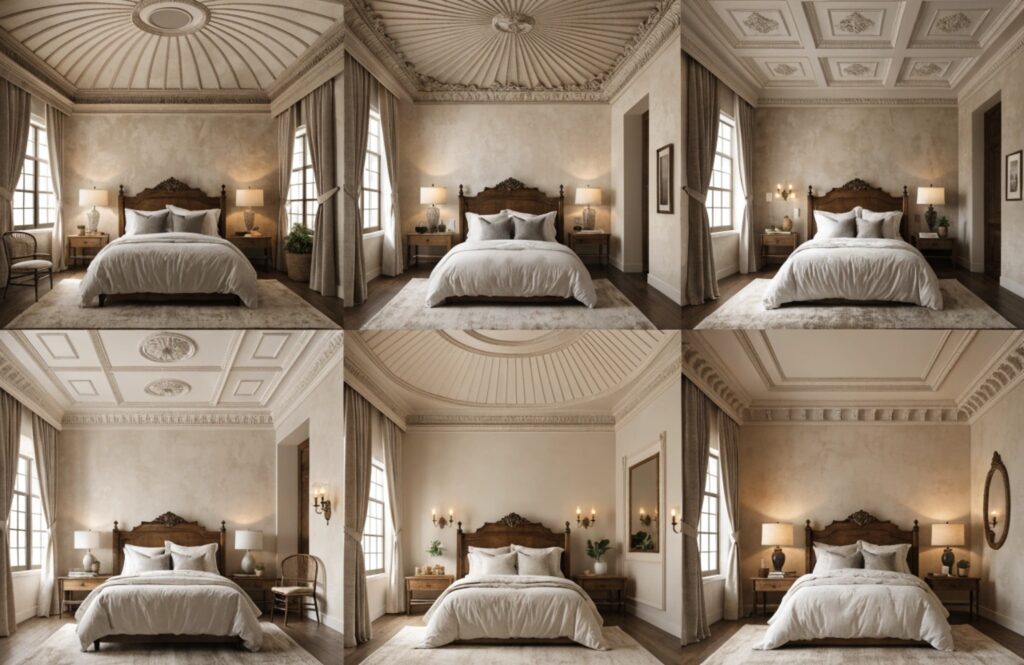
The Complete Guide to Ceiling Types & Materials for Small Bedrooms (Gypsum, POP, PVC, Wood & More) Vallari Shah Writer & Blogger Designing the ceiling of a small bedroom can feel challenging. With limited space, low heights, and the need to maximize brightness, every design choice matters. While many homeowners focus on wall colors and furniture, the ceiling plays a surprisingly powerful role in shaping how large, bright, and comfortable the room feels. At Avinnyya, we’ve seen how the right ceiling approach can completely transform even the smallest bedrooms. In compact rooms, the right ceiling material can: Enhance lighting efficiency Create a sense of spaciousness Improve insulation Add visual style Hide wiring and imperfections Influence the overall mood of the room Choosing the wrong ceiling type, on the other hand, can make a compact space feel cramped, dark, or cluttered. This guide, inspired by Avinnyya’s interior design insights, breaks down popular ceiling materials, their pros and cons, design ideas, advanced styles, comparisons, and expert recommendations to help you make the right choice for your small bedroom. Why Ceiling Material Matters More in Small Bedrooms Small bedrooms don’t have the luxury of flexibility. Low ceilings, limited floor area, and dense furniture placement can easily make the space feel congested. The ceiling becomes one of the most important elements that can visually expand or compress the space. Here’s why choosing the right material is crucial: Height perception: Some materials and designs visually lift the ceiling. Others lower it. Lighting behavior: Certain finishes reflect light better, making the room brighter. Thermal comfort: Materials like gypsum and POP add insulation. Aesthetic influence: Wooden or textured ceilings create warmth, while PVC and gypsum bring a clean, modern feel. Durability & maintenance: Moisture resistance, termite safety, and lifespan vary by material. How Ceiling Type Affects Height, Lighting & Room Perception The wrong ceiling type can shrink your room visually. For example: Heavy wooden beams reduce perceived height Thick false ceilings reduce vertical space Dark-colored ceilings absorb light and make the room feel closed Highly textured ceilings may create visual clutter But the right choices can counter this: Light-colored gypsum or POP helps bounce light PVC and smooth panels make ceilings feel higher LED-integrated ceilings boost brightness without clutter Simple designs keep the room airy Read Full Guide here for Celling Design Ideas – 25+ Small Bedroom Ceiling Ideas & Inspirations to Transform Compact Spaces Popular Ceiling Materials for Small Bedrooms 1. Gypsum Ceiling Designs for Small Bedrooms What is a Gypsum Ceiling? Gypsum boards are lightweight panels made from gypsum plaster pressed between layers of cardboard. They are fixed onto metal frames to create smooth, modern ceiling designs. Pros Smooth, seamless appearance Fire-resistant Easy to cut and shape Works well with modern lighting (LED, cove, spotlights) Excellent sound insulation Ideal for minimalistic designs Cons Slightly costlier than POP Can sag if exposed to moisture Requires skilled installation Best Gypsum Patterns for Small Rooms Single-layer false ceiling Thin border designs Floating ceiling with LED strips Shallow cove lighting Simple rectangular cutouts These designs enhance spaciousness without lowering the ceiling too much. Ideal Lighting Combinations Recessed downlights Soft cove lighting along edges Slim LED strips Hidden lights for minimal glare Gypsum ceilings are perfect for homeowners who want a clean, modern aesthetic. 2. POP Ceiling Ideas for Small Rooms What is POP (Plaster of Paris)? POP is a white powder that mixes with water to form a paste. It’s used to create artistic designs directly on-site. Pros Extremely flexible for custom shapes Allows curved and sculpted designs Smooth finish More cost-effective than gypsum Cons Longer installation time Prone to cracks if not mixed well Heavier compared to gypsum Best POP Designs for Small Bedrooms Thin layered designs Simple geometric shapes Curved edges for soft look Minimal molding details POP vs Gypsum for Compact Rooms Gypsum is best for clean and modern ceilings POP is better for artistic curves Gypsum installation is faster POP is budget-friendly but requires careful finishing 3. Wooden Ceiling Options for Small Bedrooms Natural Wood vs Engineered Wood Natural wood offers warmth and authenticity, but is expensive and sensitive to moisture. Engineered wood such as MDF or veneer is more affordable and stable. Pros Rich, warm, elegant look Makes the room feel cozy Works well for feature ceilings Cons Can visually lower the ceiling Costlier than gypsum/POP Sensitive to moisture (especially natural wood) Best Wood Styles for Small Spaces Slim wood slats Vertical wood paneling Narrow beams Veneer-coated panels How to Use Wood Without Reducing Space Perception Use wood in sections, not full coverage Choose lighter shades like ash or pine Combine wood with LED backlighting to maintain brightness Avoid thick beams Wood works beautifully when used thoughtfully. Read Full Guide Here – Ultimate Guide to Small Bedroom Ceiling Design (2026) — Inspire, Elevate & Expand Your Space 4. PVC Ceiling Designs for Compact Bedrooms What is PVC Ceiling Material? PVC (Polyvinyl Chloride) is a lightweight, waterproof material available in planks, sheets, and panels. It’s commonly used for fast, low-cost installations. Pros Budget-friendly Waterproof and termite-proof Very low maintenance Lightweight Available in many finishes Cons Not suitable near heat sources Some cheaper panels may discolor over time Trending PVC Ceiling Patterns Matte white panels Wooden-look PVC planks Perforated designs Shiny laminated sheets Best PVC Colors & Finishes for Small Bedrooms Pure white matte Soft beige Minimal wood-grain finishes Light grey panels PVC is perfect for rental properties, budget projects, and moisture-prone areas. Advanced Ceiling Styles & Comparisons 5. False Ceiling vs No Ceiling: What Works Better in Small Bedrooms? What Is a False Ceiling? A false ceiling hangs below the main ceiling using a metal frame. It hides wiring, enhances lighting, and offers insulation. Height Considerations False ceilings reduce height by 3–6 inches minimum. For small bedrooms with low ceilings, this can be a concern. Pros of False Ceilings Cleaner look Supports modern light fixtures Reduces heat Hides wiring and ducts Cons Reduces ceiling height Higher cost When to Choose “No Ceiling” Very
25+ Small Bedroom Ceiling Ideas & Inspirations to Transform Compact Spaces
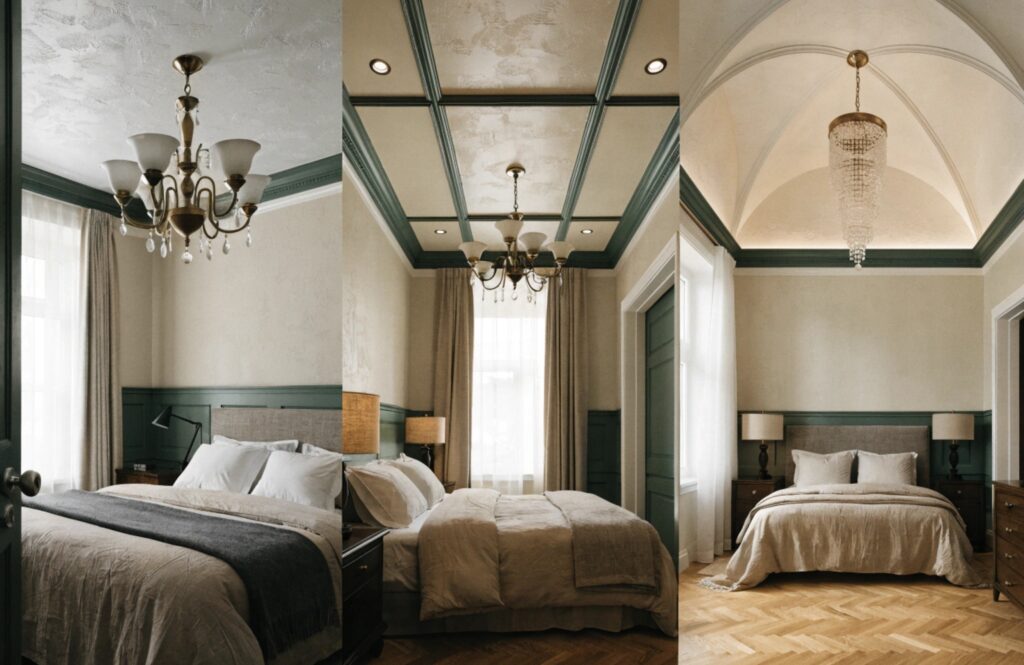
25+ Small Bedroom Ceiling Ideas & Inspirations to Transform Compact Spaces Vallari Shah Writer & Blogger Designing a small bedroom is already a challenge—but choosing the right ceiling design can completely transform the way the room looks, feels, and functions. A well-designed ceiling can make a compact space feel more open, taller, brighter, and more stylish, without needing major renovations. In this guide, we will learn about 25+ handpicked small bedroom ceiling ideas curated by Avinnyya, including simple, modern, minimalist, budget-friendly, lighting-enhanced, and space-expanding concepts. Whether your goal is to make your bedroom feel bigger or create a visually striking feature, this guide covers everything. Why Ceiling Design Matters in a Small Bedroom Most people focus on walls and furniture, but the ceiling is the fifth wall—and in a small bedroom, it has a massive impact. How Ceilings Influence Space Perception Ceilings change how your eyes interpret room height, width, and brightness. A clever design can: Make the room appear taller Improve lighting distribution Reduce shadows Create visual depth Importance of Height, Lighting, and Material What you choose—gypsum, POP, PVC, or plain paint—affects: Weight and heaviness of the look Room brightness Ceiling height perception Durability and maintenance Why Ceiling Design Can Make a Small Room Look Bigger Smart ceiling design adds: Vertical extension Light layering Clean visual lines Soft, diffused lighting This is why ceiling design is the #1 trick designers use to upgrade small spaces. Best Small Bedroom Ceiling Ideas Here’s a quick overview of the ideas you’ll explore in this guide: Simple, clean designs Minimalist styles Modern geometric patterns Trending LED-based looks Budget ceiling plans Color-based enhancements Ceiling + lighting combinations Creative decorative add-ons What Makes a Ceiling Design Ideal for Small Spaces? It doesn’t feel heavy or bulky It keeps lines clean and minimal It uses soft lighting It expands visual height It uses lighter colors and thin elements Visual Enhancements That Work Best: Recessed borders Floating ceilings Thin LED lines Soft cove lighting Lighter-shaded materials Simple Ceiling Designs for Compact Bedrooms Why Simple Designs Work Best for Small Rooms Simple ceilings give a clean, uncluttered look. They help avoid visual heaviness and make the bedroom feel bigger by removing unnecessary detailing. Popular Simple Designs Plain white ceiling (timeless, height-enhancing) Smooth plaster ceilings (clean & modern) Minimal molding only at borders Best For: Low ceilings Narrow bedrooms This category works perfectly for homeowners who prefer a minimal, maintenance-free ceiling. Minimalist Ceiling Styles That Make Small Rooms Look Bigger Minimalist ceilings focus on eliminating visual clutter. Features of Minimalist Ceilings Clean, simple lines Matte finishes to avoid reflection spots Neutral shades like off-white and light gray Best Minimalist Ceiling Examples Flat white ceiling with no texture Minimal recessed lighting installed symmetrically Minimalism is ideal for bedrooms where you want calmness and spaciousness. Modern Ceiling Inspiration for Tiny Bedrooms Modern designs include sleek patterns, integrated lighting, and subtle geometry. Characteristics of Modern Ceilings Soft geometric elements Linear LED strips False ceiling borders Modern Design Variations Floating ceiling borders (visually stunning in small rooms) Thin recessed LED lighting for low ceilings Modern ceilings make your room look trendy without overwhelming the space. Trending Small Bedroom Ceiling Designs This Year Every year brings new ceiling trends—and small bedrooms benefit the most. New Trends Hidden LED strip lights Ultra-thin gypsum channels Warm neutrals instead of bright whites Trend-Driven Looks Layered minimalist trays Hybrid ceiling shapes with LED edging These trends focus on elegance without heaviness. Low-Budget Ceiling Ideas for Small Bedrooms You can improve your bedroom ceiling without spending a lot. Budget-Friendly Materials PVC panels Simple gypsum boards Foam lightweight tiles Low-Cost Design Ideas Paint-based accents like two-tone ceilings DIY wooden strips to add pattern affordably These options give you a stylish ceiling without a high budget. Space-Enhancing Ceiling Concepts These ideas visually expand the height and width of the room. Ceiling Design Techniques That Expand Visual Space Lighter colors to lift the ceiling Thin floating borders Soft LED glow that reduces hard shadows When to Use Rooms with low ceilings Narrow bedrooms needing extra visual width These techniques create optical illusions that work exceptionally well in small rooms. Ceiling Color Ideas for Small Bedrooms Color is one of the easiest ways to transform a ceiling. Best Colors for Small Spaces Pure white Warm off-white Soft beige Light gray These shades keep the space airy and open. Color Tricks to Increase Height Lighter center + darker border → creates visual depth Matching wall & ceiling colors → hides edges, expanding height Color selection alone can add a huge difference to room perception. Creative Ceiling Decoration Ideas for Small Bedrooms Decor doesn’t need to overwhelm your small room. Decorative Yet Space-Friendly Ideas Thin wooden beams Painted ceiling frames Subtle wallpaper accents on the ceiling These add personality without making the space look smaller. Do’s & Don’ts Do: Use light patterns Keep borders thin Don’t: Use heavy chandeliers Add thick decorative panels Small Bedroom Ceiling + Lighting Combinations Lighting plays a huge role in ceiling aesthetics. Best Lighting Styles for Small Rooms Recessed downlights LED strip lights Cove lighting around borders Ceiling Designs That Work Well with Lighting Floating tray ceilings Border LED recess channels Combining lighting + ceiling design instantly makes the room more luxurious. Read the Full Guide Here – Ultimate Guide to Small Bedroom Ceiling Design (2026) Best Ceiling Ideas for Small Bedrooms Here are the best options from all categories: Top Picks From All Styles Best simple style: Smooth white ceiling Best modern style: Linear LED strips with floating borders Best minimalist style: Flat ceiling with soft recessed lights Best low-budget option: PVC or foam ceiling tiles Best lighting-enhanced design: Tray ceiling with warm LED cove This summary helps readers choose quickly. Before & After: How Ceiling Design Transforms Small Bedrooms Even small changes create dramatic differences: Example Scenarios Plain room → becomes brighter with LED strips Low-height room → looks taller with a simple white ceiling Narrow room
Ultimate Guide to Small Bedroom Ceiling Design (2026)
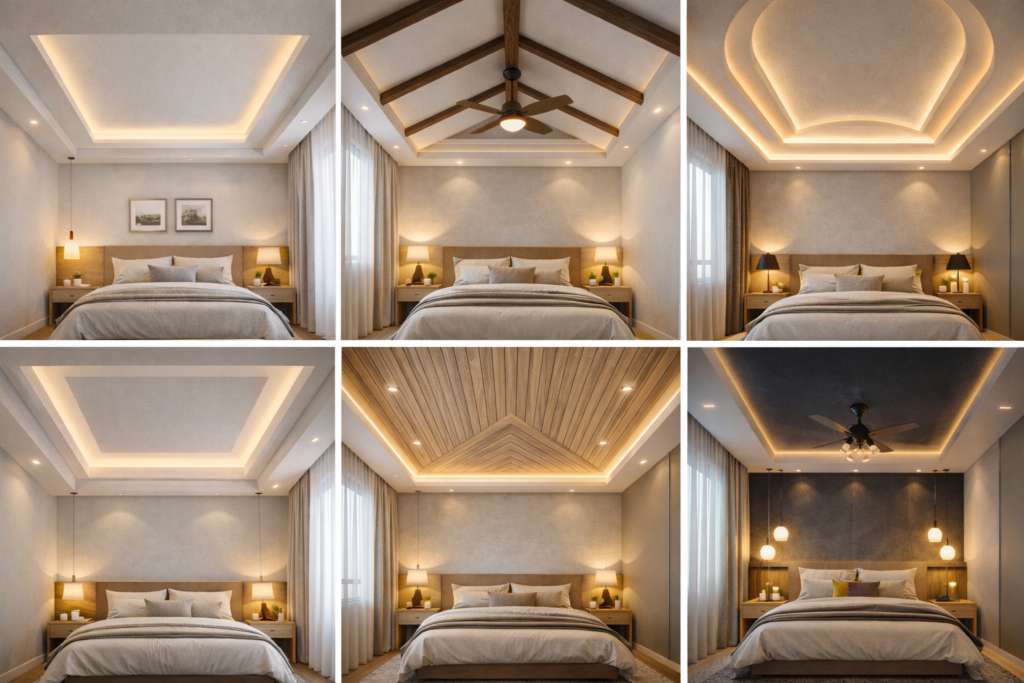
Ultimate Guide to Small Bedroom Ceiling Design (2026) — Inspire, Elevate & Expand Your Space Vallari Shah Writer & Blogger Small bedrooms deserve big design ideas. A thoughtful ceiling design can transform a compact room into a sanctuary that feels spacious, stylish, and serene. This ultimate guide walks you through every aspect of small bedroom ceiling design — from lighting tricks to architectural details, from minimalist ceilings to bold statement treatments. Curated with expert insights from Avinnyya – leading interior designer in Bengaluru, this guide ensures your small bedroom becomes a beautifully optimized space tailored for comfort and style. Why Ceiling Design Matters in Small Bedroom In small bedrooms, the ceiling plays a more vital role than in larger rooms. It influences: Perception of height — smart design can make a low ceiling feel taller. Atmosphere and mood — lighting, material, and color affect how the room feels. Visual flow — connecting the ceiling with walls and décor can visually expand space. Concealment — using false ceilings can hide wiring, ducting, and imperfections. A well-designed ceiling in a compact bedroom is not just decoration — it’s a strategy to maximize space, light, and comfort. Core Design Principles Before jumping into styles and ideas, keep these principles in mind: 1. Light Colors = Light Space Using light tones like crisp white, soft pastels, or neutrals makes the ceiling reflect more light — creating a sense of openness. Lighter ceilings recede visually, making rooms feel taller and brighter. 2. Good Lighting Expands Space Direct and indirect light (recessed LEDs, strip lights, cove lighting) makes the ceiling plane appear higher and more dynamic. 3. Avoid Heavy Visual Weight Dark paints, thick beams, or overly busy textures on ceilings can make a compact room feel tighter — use them thoughtfully and in balance. 4. Create Vertical Flow Visual cues like recessed lines, indirect lighting, or continuity with wall colors encourage the eye to move upward, stretching perception. Where to Use Images in Your Blog Suggested Image Placements: Hero image at top — inspiring small bedroom ceiling design Before/after comparison — highlight transformation with lighting Recessed LED lighting schemes — show soft uplighting effects Tray & peripheral ceiling visuals — depth and dimension examples Wood slats / beams installation visuals — texture with height emphasis Accent paint or wallpaper ceiling effects — bold yet elegant 3D panel or geometric patterns — artistic impact Natural and indirect lighting setups — cozy ambiance examples Discover a curated collection of simple, modern, minimalist, budget-friendly, and space-enhancing ceiling ideas for small bedrooms. See the ideas here – 25+ Small Bedroom Ceiling Ideas & Inspirations to Transform Compact Spaces This guide highlights design concepts, color combinations, lighting tricks, and creative styles that make compact rooms feel brighter, taller, and more visually appealing.- Top Small Bedroom Ceiling Design Ideas 1. Minimalist White Ceiling — Effortless & Elegant A straightforward white ceiling with clean plaster and recessed LED lights is timeless and functional. The neutral tone reflects light, minimizes visual clutter, and pairs with any décor. Best for: Low ceilings Modern minimal interiors Small guest bedrooms Why it works: Soft white ceiling treatments visually merge with walls, making corners fade and height appear greater. 2. Recessed LED & Cove Lighting — Elevate Without Height Loss LED cove lighting installed in perimeter recesses creates a floating effect, washing light upward and enhancing height perception. This integrates beautifully with false ceilings or POP borders. Lighting Tips: Use warm white LEDs (~3000K) for a calming vibe. Add dimmers to switch moods from energizing to cozy. 3. Wood Slats & Faux Beams — Warm Texture, Height Illusion Thin wooden slats or faux beams running lengthwise draw the eye upward and lend warmth without heaviness. Light-toned wood keeps the space feeling open. Style ideas: Parallel slats for Scandinavian simplicity Chevron or herringbone patterns for a modern twist Tip: Avoid heavy dark beams as they can visually pull the ceiling down. 4. Painted Accent Ceiling — Stylish Vertical Interest Use soft or subtle accent colors on the ceiling for personality. A matte finish helps soften glare and expand visual space. Color picks: Pastel blue Light sage green Muted terracotta Soft gray Pro Design Tip: Match accent ceilings with bedding or décor for visual continuity. 5. Tray & Peripheral Ceiling — Depth Without Chaos Tray ceilings create an architectural depth by recessing the center section slightly — perfect when paired with hidden lighting. Peripheral ceilings outline the walls and lift the visual height subtly. Benefits: Adds dimension Works with minimal drops (4–6 inches) Doesn’t eat headroom 6. Wallpaper or Patterned Ceiling — The “Fifth Wall” Effect Applying wallpaper or pattern overhead turns the ceiling into a design highlight. Subtle patterns or light-colored prints enhance depth without visual clutter. Thick, busy designs should be avoided in very small spaces. Best uses: Subtle floral murals Vertical pattern prints Light geometric wallpapers 7. 3D Panels & Sculptural Details — Artistic Statement Lightweight 3D ceiling panels add texture and visual interest without structural modifications. They can improve acoustics and create shadow play that elevates mood. Use sparingly: Let 3D elements be focal points — not overwhelming. 8. Starry or LED Integrated Designs — Magical & Cozy Using fiber-optic LED lights in false ceilings can mimic a starry night or soft constellation pattern — beautiful especially in kids’ bedrooms or bedrooms with relaxed, dreamy themes. Lighting: The Magical Third Dimension Lighting is the most transformative component in any ceiling design: Recessed lights — clean, modern illumination Cove lights — soft indirect glow LED strips — color tuning & mood changes Pendant lights — for accent in minimal setups Ceiling fans with integrated LEDs — good combination for tight spaces 💡 Tip: Hide fixtures if possible — flush lighting opens up more vertical space. A detailed breakdown of the most popular ceiling materials used in small bedrooms, including gypsum, POP, PVC, wooden panels, and more. Read the Full Guide here – The Complete Guide to Ceiling Types
How Good Space Planning Improves Daily Living
How Good Space Planning Improves Daily Living Vallari Shah Writer & Blogger When people think about interior design, they often imagine colors, furniture, décor, or stylish finishes. While aesthetics play an important role, the true foundation of a successful interior lies in something far more important — space planning. A beautifully decorated home can still feel uncomfortable if the layout doesn’t work. On the other hand, even a simple space can feel calm, efficient, and enjoyable when every area is thoughtfully planned. At Avinnyya, space planning is the starting point of every project. Because good design isn’t just about how a space looks — it’s about how it works in everyday life. This article explores how effective space planning improves daily living, enhances comfort, reduces stress, and helps homes and workplaces function better. What Is Space Planning? Space planning is the process of organizing a layout to ensure that every area serves its purpose efficiently. It involves: Furniture placement Movement flow (circulation) Functional zoning Storage allocation Lighting positioning Activity-based design The goal is simple: Make the space work for the people using it. Instead of filling rooms with furniture, space planning focuses on: How people move How they use each area What activities happen daily Where clutter builds up What causes discomfort or inefficiency When these factors are considered early, the result is a space that feels natural, comfortable, and easy to live in. Why Space Planning Matters in Everyday Life Most daily frustrations inside homes or offices are actually layout problems, not design problems. Common issues include: Crowded walkways Lack of storage Poor furniture placement Awkward room usage Unused corners Constant clutter Poor lighting for tasks Good space planning solves these problems before execution begins. At Avinnyya, every layout decision is made by asking one question: Will this make daily life easier? 1. Improves Movement and Comfort One of the biggest benefits of proper space planning is smooth movement. When circulation is planned correctly: People can move freely without bumping into furniture Doors and cabinets open comfortably Walways remain clear Rooms feel open instead of crowded For example: A living room should allow easy movement between seating, TV, and entry points. A kitchen should follow a logical workflow between cooking, washing, and storage. Bedrooms should have enough clearance around beds and wardrobes. When movement feels natural, the entire home feels more comfortable. 2. Reduces Clutter and Improves Organization Clutter is often a result of poor planning, not lack of effort. If storage isn’t designed according to lifestyle: Items get placed randomly Surfaces become crowded Spaces feel messy quickly Good space planning includes: Activity-based storage Hidden storage where needed Accessible everyday storage Dedicated zones for frequently used items At Avinnyya, storage is planned based on real habits — clothing types, kitchen usage, work routines, and family needs. When everything has a place, maintenance becomes easier and the home stays organized with less effort. 3. Makes Small Spaces Feel Bigger In cities where space is limited, planning becomes even more important. Smart space planning can: Eliminate unnecessary furniture Use multi-functional elements Improve vertical storage Optimize corners and niches Maintain visual openness A well-planned small apartment can feel more comfortable than a larger space with poor layout. Instead of focusing only on size, Avinnyya focuses on efficiency per square foot — ensuring every area adds value. 4. Supports Daily Routines Every household has different routines: Work-from-home needs School schedules Cooking frequency Guest visits Storage habits Cleaning routines Good space planning aligns the layout with these patterns. Examples: A dedicated work zone improves productivity. A shoe storage area near the entrance keeps the home clean. A breakfast counter works well for fast-paced mornings. Separate wardrobe sections reduce daily confusion. When spaces support routines instead of disrupting them, daily life becomes smoother and more efficient. 5. Improves Productivity and Focus Space planning isn’t just important for homes — it’s critical for work environments. In offices or home workspaces, layout affects: Concentration levels Comfort during long hours Collaboration efficiency Noise control Lighting quality Poor planning can lead to distractions, fatigue, and reduced productivity. Avinnyya designs workspaces with: Proper desk positioning Ergonomic clearance Task lighting Defined work zones Minimal visual clutter A well-planned workspace improves both performance and well-being. 6. Enhances Safety Good space planning also improves safety by preventing: Obstructed walkways Sharp furniture congestion Electrical overload points Poor kitchen workflows Slippery or crowded bathroom layouts For families with children or elderly members, proper layout planning is especially important. Safety-focused planning includes: Adequate circulation space Accessible storage heights Non-congested movement zones Functional lighting placement At Avinnyya, safety is considered alongside aesthetics and functionality. 7. Improves Lighting Efficiency Lighting works best when it’s planned along with the layout. Good space planning ensures: Task lighting where needed Balanced ambient lighting Avoidance of shadow zones Proper natural light utilization For example: Study tables near windows Kitchen counters with focused lighting Living areas with layered lightin Bedrooms with soft ambient zones When layout and lighting work together, the space feels brighter, more comfortable, and energy-efficient. 8. Creates Emotional Comfort A well-planned space doesn’t just function better — it feels better. When layouts are balanced: Rooms feel calm instead of crowded Daily activities feel effortless Cleaning takes less time Stress caused by clutter reduces The home feels more relaxing This emotional comfort is one of the most valuable outcomes of good design. At Avinnyya, the goal isn’t just to design spaces that look good in photos — but spaces that feel right every day. The Avinnyya Approach to Space Planning At Avinnyya, space planning begins long before design visuals. Step 1: Understanding Lifestyle The team studies: Family size Daily routines Storage needs Work patterns Future requirements Step 2: Functional Zoning Spaces are divided based on usage: Active zones Storage zones Relaxation areas Work areas Step 3: Circulation Planning Movement paths are designed to ensure smooth flow between areas. Step 4: Layout Optimization Furniture sizes, placement, and clearances are finalized for comfort and efficiency. Only after the layout is perfect does