
How Professional Interior Designers Transform Spaces
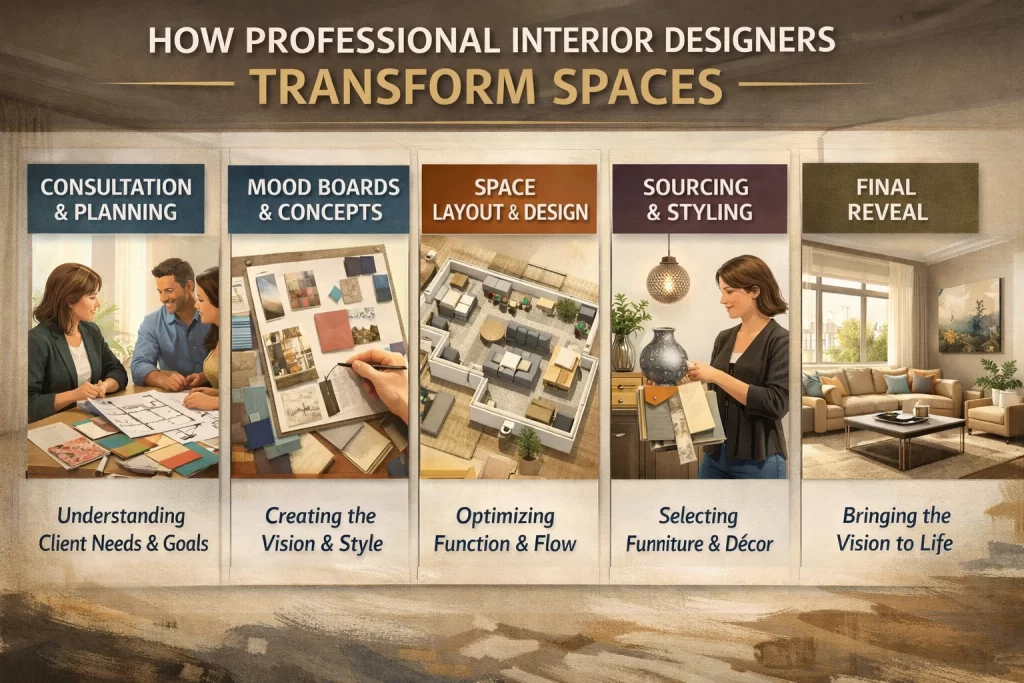
How Professional Interior Designers Transform Spaces avinnyyaadmin Principal Designer Have you ever walked into a space and instantly felt a sense of comfort, elegance, or inspiration? That seamless blend of aesthetics and functionality is rarely accidental—it is the result of thoughtful planning and expert execution by professional interior designers. In today’s fast-paced world, where homes and workplaces must serve multiple purposes, interior design has evolved into a powerful tool that enhances not just the look of a space but also the way people live and interact within it. Professional interior designers go far beyond choosing colors or arranging furniture. They analyze spatial dynamics, understand human behavior, and create environments that reflect personality, purpose, and practicality. This comprehensive guide by Avinnyya explores how professional interior designers transform ordinary spaces into extraordinary experiences through a structured and creative process. What Does an Interior Designer Really Do? Beyond Decoration – The Science of Design Many people confuse interior design with simple decoration, but the two are fundamentally different. While decoration focuses on surface-level aesthetics like furniture, accessories, and color schemes, interior design is rooted in technical knowledge and strategic planning. Designers consider factors such as spatial layout, lighting distribution, ergonomics, acoustics, and even ventilation to create spaces that are both beautiful and functional. Professional interior designers apply principles of architecture and psychology to ensure that every element in a space serves a purpose. For instance, the placement of furniture is not random—it is designed to optimize movement, enhance usability, and create visual balance. This scientific approach is what transforms a room from merely attractive to truly livable. Understanding Client Needs and Lifestyle A successful interior design project always begins with understanding the client. Designers invest time in learning about the client’s lifestyle, preferences, habits, and aspirations. Whether it’s a family home, a bachelor apartment, or a corporate office, every space has unique requirements that must be addressed. For example, a family with children may require durable materials and ample storage, while a professional working from home might prioritize a functional workspace. By aligning design solutions with real-life needs, designers ensure that the final outcome is not just visually appealing but also deeply practical and personalized. Step-by-Step Process of Interior Transformation Initial Consultation & Site Analysis The transformation journey begins with an in-depth consultation and site analysis. During this stage, designers evaluate the existing space, taking note of dimensions, structural elements, lighting conditions, and potential constraints. This helps them identify opportunities and challenges early in the process. Budget discussions also play a crucial role at this stage. A clear understanding of financial parameters allows designers to propose solutions that are both realistic and impactful, ensuring maximum value without unnecessary compromises. Concept Development & Mood Boards Once the initial groundwork is complete, designers move on to concept development. This is where creativity comes into play. Mood boards are created to visually represent the design direction, including color palettes, textures, materials, and overall themes. These visual tools help clients understand how their space will look and feel after transformation. Whether the concept leans toward minimalism, luxury, or contemporary elegance, this stage sets the foundation for the entire project. Space Planning & Layout Optimization Space planning is one of the most critical aspects of interior design. Designers carefully plan the layout to ensure optimal use of available space while maintaining comfort and accessibility. Every piece of furniture is strategically placed to enhance functionality and flow. In smaller spaces, this might involve using multifunctional furniture or creating open layouts to avoid clutter. In larger spaces, designers focus on defining zones to create a sense of structure and harmony. Material Selection & Finishes Choosing the right materials is essential for achieving both durability and aesthetic appeal. Designers select flooring, wall finishes, fabrics, and fixtures that align with the overall design concept while also meeting practical requirements. For instance, high-traffic areas may require durable flooring, while living rooms might benefit from softer textures that enhance comfort. This careful selection ensures that the space remains functional and visually appealing over time. Lighting Design Strategy Lighting plays a transformative role in interior design. Professional designers use a layered lighting approach that includes ambient, task, and accent lighting to create depth and atmosphere. Natural light is maximized wherever possible, while artificial lighting is strategically placed to highlight key features and improve usability. The right lighting can completely change the mood of a space, making it feel warm, energetic, or relaxing depending on the design intent. Execution & Project Management The final stage involves bringing the design to life. This requires coordination with contractors, vendors, and craftsmen to ensure that every detail is executed as planned. Designers oversee the entire process, managing timelines, budgets, and quality standards. Their expertise ensures that the project runs smoothly and that the final outcome matches the original vision. This end-to-end management is one of the key reasons why hiring a professional designer makes a significant difference. Key Elements Designers Use to Transform Spaces Color Psychology Colors have a profound impact on human emotions and behavior. Professional designers use color psychology to create environments that evoke specific feelings. Soft, neutral tones can create a calming atmosphere, while bold colors can add energy and vibrancy. By carefully selecting and combining colors, designers ensure that each room serves its intended purpose while maintaining visual harmony throughout the space. Furniture & Layout Furniture is not just about style—it plays a crucial role in defining functionality. Designers choose pieces that complement the space while meeting practical needs. Custom furniture is often used to maximize efficiency, especially in compact areas. The layout is equally important, as it determines how people move and interact within the space. A well-planned layout enhances comfort and usability, making the space more enjoyable to live in. Lighting & Ambience Lighting is used to create ambiance and highlight architectural features. Designers use a mix of lighting sources to add depth and dimension to a space. From statement chandeliers to subtle LED strips, each element contributes to the overall aesthetic.
Step-by-Step Guide to Planning Your Home Interiors
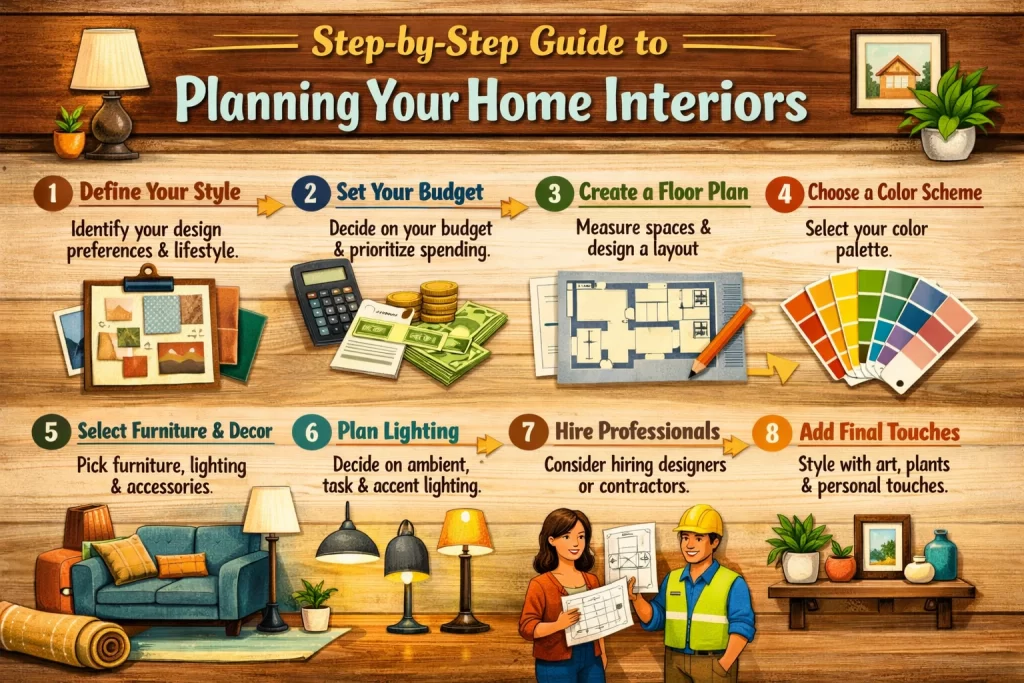
Step-by-Step Guide to Planning Your Home Interiors avinnyyaadmin Principal Designer Planning your home interiors is one of the most exciting yet challenging aspects of creating your dream living space. Whether you are moving into a new home or renovating your existing one, proper planning is the foundation of a successful interior design project. Without a clear roadmap, homeowners often face issues like budget overruns, mismatched designs, poor space utilization, and unnecessary delays. A step-by-step approach ensures that every detail—from layout to lighting—is carefully considered. It helps you align your vision with practicality while maintaining control over costs and timelines. This guide walks you through every stage of planning your home interiors, making the process smoother, more efficient, and far more enjoyable. At Avinnyya, we believe that great design is not just about aesthetics but also about functionality and personalization. Let’s dive into the complete process to help you design a home that reflects your lifestyle and personality. Understanding Your Needs and Lifestyle Define Your Purpose for Each Space The first step in planning your home interiors is to clearly define how each space will be used. Every room in your home serves a specific purpose, and understanding this purpose helps guide design decisions. For example, your living room may be used for entertaining guests, while your bedroom should prioritize comfort and relaxation. Instead of focusing only on how a space should look, think about how it should function. A well-designed kitchen should enhance efficiency, while a home office should support productivity. When you define the purpose of each room, you create a strong foundation for all subsequent design choices. Analyze Your Lifestyle Your lifestyle plays a crucial role in determining the design of your home. A family with children will have very different needs compared to a working professional living alone. Factors such as daily routines, work-from-home requirements, hobbies, and storage habits must all be considered. For instance, if you work remotely, investing in a well-designed home office becomes essential. Similarly, if you love hosting gatherings, your living and dining areas should be spacious and inviting. By aligning your interiors with your lifestyle, you ensure that your home is not just beautiful but also practical. Identify Must-Haves vs Nice-to-Haves It’s important to distinguish between essential features and optional upgrades. Must-haves are elements that are necessary for your daily life, such as storage solutions, comfortable seating, or functional lighting. Nice-to-haves, on the other hand, include luxury additions like statement décor pieces or high-end finishes. Prioritizing your needs helps you allocate your budget effectively and avoid overspending on non-essential items. This clarity also ensures that your home remains functional even if you need to make compromises. Setting a Realistic Budget Determine Your Total Budget Budget planning is one of the most critical steps in interior design. Before you begin, you need to decide how much you are willing to invest in your home interiors. This includes everything from furniture and materials to labor and décor. Having a clear budget prevents unnecessary stress later in the process. It also helps you make informed decisions and avoid overspending. Break Down Costs Once your total budget is defined, the next step is to break it down into categories. Allocate funds for furniture, lighting, materials, labor, and accessories. This detailed breakdown ensures that no aspect of your project is overlooked. It also allows you to track expenses and make adjustments if needed. For example, if you spend more on furniture, you may need to reduce costs in décor or finishes. Allocate Contingency Funds Unexpected expenses are a common part of any interior design project. This is why it is essential to set aside an additional 10–15% of your budget as a contingency fund. This buffer helps you handle unforeseen costs without disrupting your overall plan. Cost-Saving Tips Smart budgeting doesn’t mean compromising on quality. Focus on high-impact areas such as the living room and kitchen, where design makes the most difference. You can also save money by refurbishing existing furniture or choosing cost-effective materials that mimic premium finishes. Choosing Your Interior Design Style Popular Interior Design Styles Choosing a design style gives your home a cohesive look and feel. Some popular styles include modern, contemporary, minimalist, traditional, and industrial. Each style has its own characteristics, color palettes, and material preferences. Understanding these styles helps you identify what resonates with your taste and vision. How to Find Your Style Finding your style can be an enjoyable process. Explore design inspiration on platforms like Pinterest or create mood boards that reflect your preferences. Pay attention to colors, textures, and layouts that appeal to you. Over time, you will notice patterns in your choices, helping you define a clear design direction. Mixing Styles the Right Way While sticking to one style ensures consistency, mixing styles can add depth and personality to your interiors. The key is to maintain balance and avoid clutter. Choose a dominant style and complement it with elements from other styles to create a harmonious look. Space Planning and Layout Design Importance of Space Planning Space planning is the backbone of interior design. It involves organizing furniture and elements in a way that maximizes functionality and flow. Proper space planning ensures that your home feels spacious, comfortable, and easy to navigate. Furniture Layout Planning The placement of furniture plays a significant role in defining the usability of a space. Ensure that there is enough room for movement and that furniture is arranged logically. Avoid overcrowding, as it can make a space feel cramped and uncomfortable. Zoning Different Areas In modern homes, especially open-plan layouts, zoning is essential. It helps define different areas within a single space, such as separating the living room from the dining area. This can be achieved through furniture placement, rugs, lighting, or partitions. Using Technology Advanced tools like 2D layouts and 3D visualizations allow you to see your design before execution. These tools help you experiment with different layouts and make informed decisions, reducing the risk of errors. Selecting Color Schemes
How to Choose the Right Interior Design
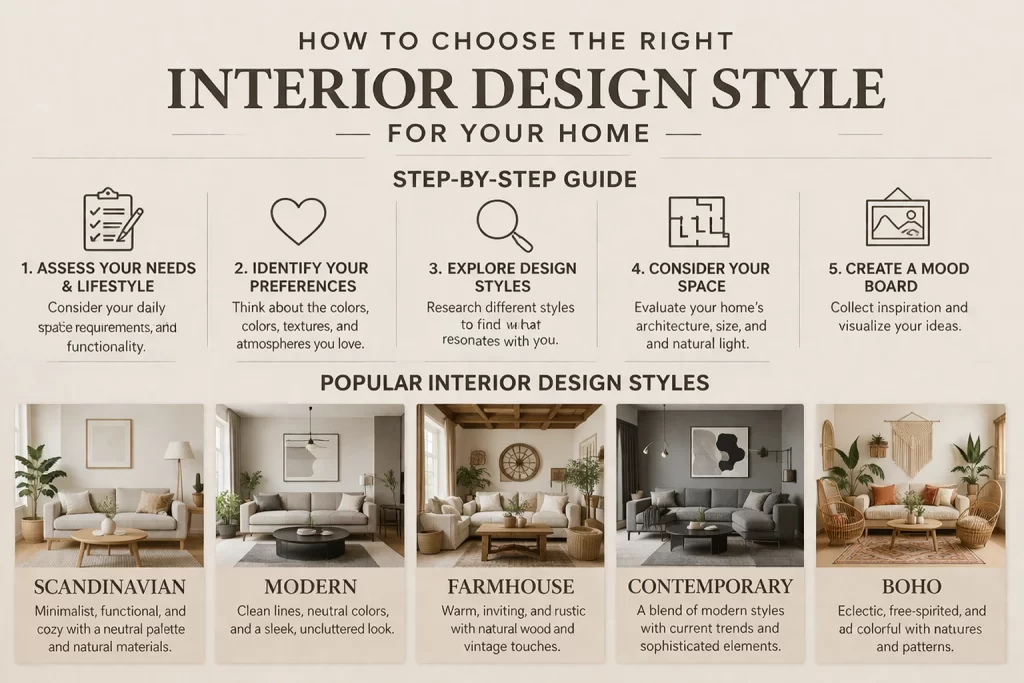
How to Choose the Right Interior Design Style for Your Home avinnyyaadmin Principal Designer Choosing the right interior design style for your home is one of the most important decisions you’ll make when creating a space that truly feels like your own. Your home is not just a place to live—it’s a reflection of your personality, lifestyle, and aspirations. With so many styles available today, from minimalist and modern to traditional and eclectic, it can feel overwhelming to decide what suits you best. However, by understanding your preferences, needs, and the fundamentals of design, you can confidently select a style that enhances both aesthetics and functionality. This comprehensive guide will walk you through everything you need to know about choosing the right interior design style, helping you transform your home into a cohesive and visually appealing space. Introduction to Interior Design Styles Interior design styles are essentially different ways of decorating and organizing a space using specific color schemes, materials, furniture, and layouts. Each style has its own identity and characteristics, which influence how a room looks and feels. For instance, a modern interior focuses on simplicity and clean lines, while a traditional style emphasizes elegance and detailed craftsmanship. Choosing the right style is crucial because it directly impacts your comfort and how you interact with your space. A well-designed home improves functionality, enhances mood, and creates a welcoming environment. It also ensures consistency throughout your home, avoiding a mismatched or cluttered appearance. Working with experts like an interior design company in bangalore can help streamline this process, ensuring your home reflects both your personal taste and practical needs. Why It’s Important to Choose the Right Interior Style Enhances Comfort and Functionality A well-chosen interior design style goes beyond aesthetics—it directly influences how comfortable and functional your home is. For example, a minimalist design reduces clutter and creates a calm environment, while a contemporary style may incorporate multifunctional furniture that maximizes usability. When your design aligns with your daily habits, it makes everyday living smoother and more enjoyable. Reflects Your Personality Your home should tell your story. The colors you choose, the furniture you select, and the décor you incorporate all speak volumes about your personality. Whether you prefer bold and vibrant spaces or calm and neutral tones, your interior design style helps express who you are without saying a word. Improves Property Value A cohesive and thoughtfully designed home significantly enhances its market value. Potential buyers are more attracted to homes with a consistent design theme and functional layout. Investing in the right style not only improves your living experience but also offers long-term financial benefits. Understanding Different Interior Design Styles Modern Interior Design Modern interior design is characterized by simplicity, clean lines, and a neutral color palette. It focuses on functionality and eliminates unnecessary elements, creating a clutter-free environment. Materials like glass, metal, and polished wood are commonly used to achieve a sleek and sophisticated look. Contemporary Style Contemporary design is dynamic and constantly evolving, reflecting current trends. Unlike modern design, which follows a specific era, contemporary style adapts to the present. It often combines various textures, bold accents, and innovative materials to create a fresh and stylish space. Minimalist Design Minimalism is all about “less is more.” This style emphasizes simplicity, open spaces, and essential elements. Furniture is functional and minimal, and décor is kept to a bare minimum. The result is a clean, calming environment that promotes clarity and focus. Traditional Design Traditional interiors are inspired by classic European styles and are known for their elegance and richness. They feature detailed woodwork, ornate furniture, warm color palettes, and luxurious fabrics. This style is ideal for those who appreciate timeless beauty and sophistication. Industrial Style Industrial design takes inspiration from warehouses and factories, showcasing raw materials such as exposed brick, concrete, and metal. It creates a rugged, urban look that is both edgy and stylish, making it popular in modern apartments and loft spaces. Scandinavian Design Scandinavian interiors focus on simplicity, functionality, and comfort. They use light colors, natural materials, and minimal décor to create bright and cozy spaces. This style is perfect for those who want a balance between aesthetics and practicality. Bohemian (Boho) Style Bohemian design is free-spirited and eclectic, combining various colors, patterns, and textures. It allows for creative expression and individuality, making it ideal for those who prefer a relaxed and artistic environment. Factors to Consider When Choosing Your Interior Style Your Lifestyle Your lifestyle plays a crucial role in determining the right design style. For example, families with children may prefer durable and low-maintenance interiors, while professionals working from home might prioritize functionality and workspace design. Understanding your daily routines helps in selecting a style that complements your life. Space Availability The size and layout of your home significantly influence your design choices. Smaller spaces benefit from minimalist or Scandinavian styles that create an illusion of openness, while larger homes can accommodate more elaborate designs like traditional or contemporary styles. Budget Planning Budget is another important factor. Some styles require expensive materials and custom furniture, while others can be achieved with affordable alternatives. Planning your budget in advance helps you make informed decisions without compromising on quality. Location and Climate Your geographical location and climate also affect your interior design choices. In warmer regions, light colors and breathable materials work best, while colder areas may benefit from warmer tones and cozy textures. Existing Architecture The architectural design of your home should align with your interior style. For instance, a modern apartment pairs well with contemporary or minimalist interiors, while a heritage home may suit traditional design better. How to Identify Your Personal Style Create a Mood Board One of the easiest ways to identify your style is by creating a mood board. Collect images, color palettes, and design ideas that appeal to you. Over time, you’ll notice patterns that reflect your preferences. Analyze Your Preferences Pay attention to the colors, textures, and materials you naturally gravitate toward. Your wardrobe, favorite cafés,
Top Interior Design Trends for Modern Homes in 2026
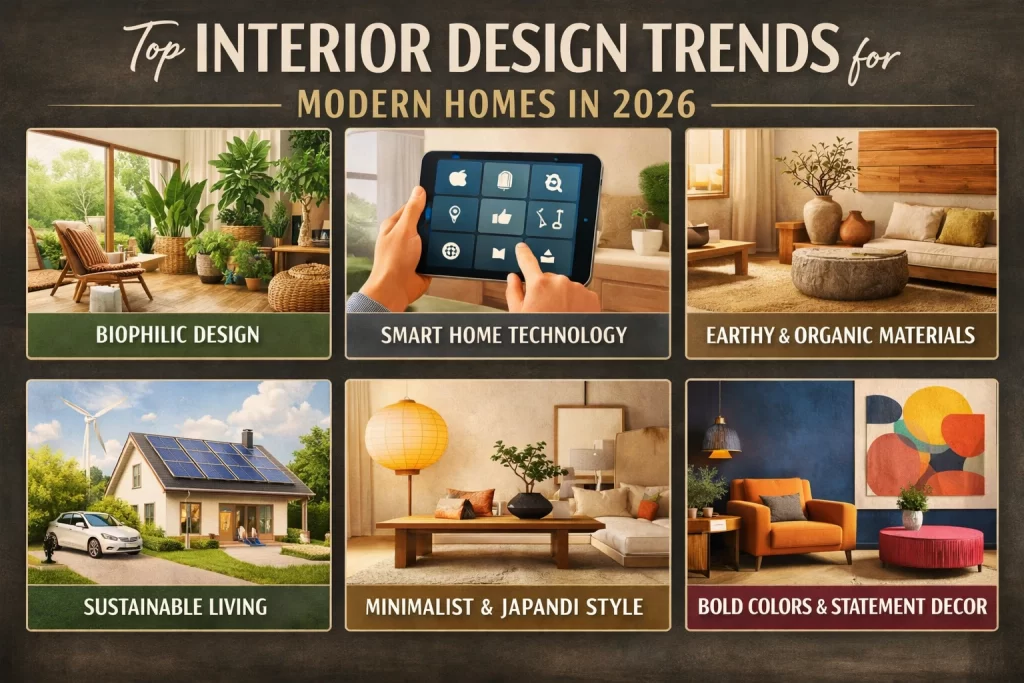
Top Interior Design Trends for Modern Homes in 2026 avinnyyaadmin Principal Designer Interior design in 2026 is no longer just about aesthetics—it is about creating intelligent, sustainable, and deeply personalized living environments. Modern homeowners are increasingly seeking spaces that reflect their lifestyle, enhance comfort, and integrate seamlessly with technology. As urban living evolves and homes become multifunctional hubs for work, relaxation, and entertainment, interior design trends are adapting to meet these dynamic needs. The top interior design trends for modern homes in 2026 revolve around a harmonious blend of functionality, innovation, and emotional well-being. From eco-conscious materials to smart automation and warm minimalism, every trend is rooted in enhancing the quality of life. Avinnyya, known for its forward-thinking approach, embraces these trends to craft interiors that are both timeless and future-ready. Sustainable and Eco-Friendly Interiors Rise of Conscious Living Sustainability is no longer a niche concept—it has become a fundamental aspect of modern interior design. Homeowners today are more aware of their environmental impact and are actively choosing eco-friendly solutions for their living spaces. This shift toward conscious living is driving the demand for interiors that are not only beautiful but also responsible. Popular Sustainable Materials In 2026, materials play a crucial role in defining sustainable interiors. Designers are increasingly using bamboo, reclaimed wood, recycled metals, and natural stones. These materials not only reduce environmental impact but also add a unique, organic character to the space. Organic textiles such as cotton, linen, and jute are widely preferred for upholstery and décor, creating a warm and natural ambiance. Energy-Efficient Design Elements Energy efficiency is another key aspect of sustainable interiors. LED lighting, solar-powered systems, and energy-efficient appliances are becoming standard features in modern homes. These elements not only reduce energy consumption but also contribute to long-term cost savings, making them a practical and eco-conscious choice. Smart Homes and Tech-Integrated Interiors Smart Living in 2026 Technology is redefining how we interact with our homes. In 2026, smart homes are no longer a luxury but a necessity. From controlling lighting to managing security systems, automation has become an integral part of modern living. Key Smart Features Voice-controlled assistants, smart thermostats, automated curtains, and advanced security systems are among the most sought-after features. These technologies offer convenience, efficiency, and enhanced control over the home environment. Design Meets Technology One of the biggest challenges in tech-integrated interiors is maintaining aesthetics. Modern design solutions ensure that technology blends seamlessly into the décor. Hidden wiring, sleek panels, and minimalist interfaces allow homeowners to enjoy smart features without compromising on style. Minimalism with Warmth (Soft Minimalism) Evolution of Minimalism Minimalism has evolved significantly over the years. While earlier designs focused on stark, monochromatic spaces, the 2026 version embraces warmth and comfort. Soft minimalism combines clean lines with inviting textures and colors. Key Design Elements Neutral color palettes dominate this trend, but with a twist. Shades like beige, taupe, and earthy browns replace cold whites, creating a cozy and welcoming environment. Soft fabrics, layered textiles, and subtle patterns add depth without cluttering the space. Functional and Clutter-Free Living Functionality remains at the core of minimalism. Multi-purpose furniture, hidden storage solutions, and smart layouts ensure that the space remains organized and efficient. This approach is particularly beneficial for urban homes where space optimization is essential. Biophilic Design: Bringing Nature Indoors Connection with Nature Biophilic design is one of the most influential trends shaping modern interiors. It focuses on strengthening the connection between humans and nature, which has been proven to improve mental well-being and productivity. Elements of Biophilic Design Indoor plants, vertical gardens, and natural light are key elements of this trend. Large windows, skylights, and open layouts allow sunlight to flow freely, creating a bright and refreshing atmosphere. Materials and Textures Natural materials such as wood, stone, and clay are extensively used in biophilic interiors. These elements bring a sense of calm and authenticity, making the space feel more grounded and harmonious. Bold Colors and Statement Pieces Color Trends for 2026 While minimalism remains popular, bold colors are making a strong comeback. Deep greens, terracotta tones, navy blues, and warm browns are trending in modern interiors. These colors add personality and depth to the space. Accent Walls and Furniture Statement pieces such as bold sofas, artistic wall panels, and unique décor items serve as focal points. Accent walls with textured finishes or vibrant hues create visual interest and break the monotony. Balancing Boldness The key to using bold colors effectively is balance. Pairing vibrant elements with neutral backgrounds ensures that the design remains elegant and not overwhelming. Multifunctional Spaces for Modern Living Rise of Hybrid Homes The concept of multifunctional spaces has gained immense popularity, especially with the rise of remote work. Homes are now designed to accommodate multiple activities within the same area. Flexible Layouts Convertible furniture, foldable desks, and modular partitions allow spaces to adapt to different needs. A living room can easily transform into a workspace or a guest area. Space Optimization Smart storage solutions, such as built-in cabinets and under-bed storage, help maximize space without compromising on design. This trend is particularly relevant for compact urban homes. Textured Interiors and Layered Materials Importance of Texture Texture plays a crucial role in adding depth and dimension to interiors. It enhances the tactile experience and makes the space more visually engaging. Trending Textures Materials like velvet, boucle, rattan, and cane are widely used in 2026 interiors. These textures create a rich and layered look, adding warmth and character. Layering Techniques Layering different materials through rugs, cushions, curtains, and wall panels creates a cohesive and dynamic design. This approach adds complexity without overwhelming the space. Personalized and Custom Interiors Shift Toward Individuality Modern homeowners are moving away from generic designs and embracing personalized interiors that reflect their personality and lifestyle. Custom Furniture and Décor Custom-made furniture and bespoke décor elements are becoming increasingly popular. These pieces not only fit perfectly within the space but also add a unique touch. Cultural and Local Influences Incorporating local craftsmanship and
Modern Interior Design Varanasi
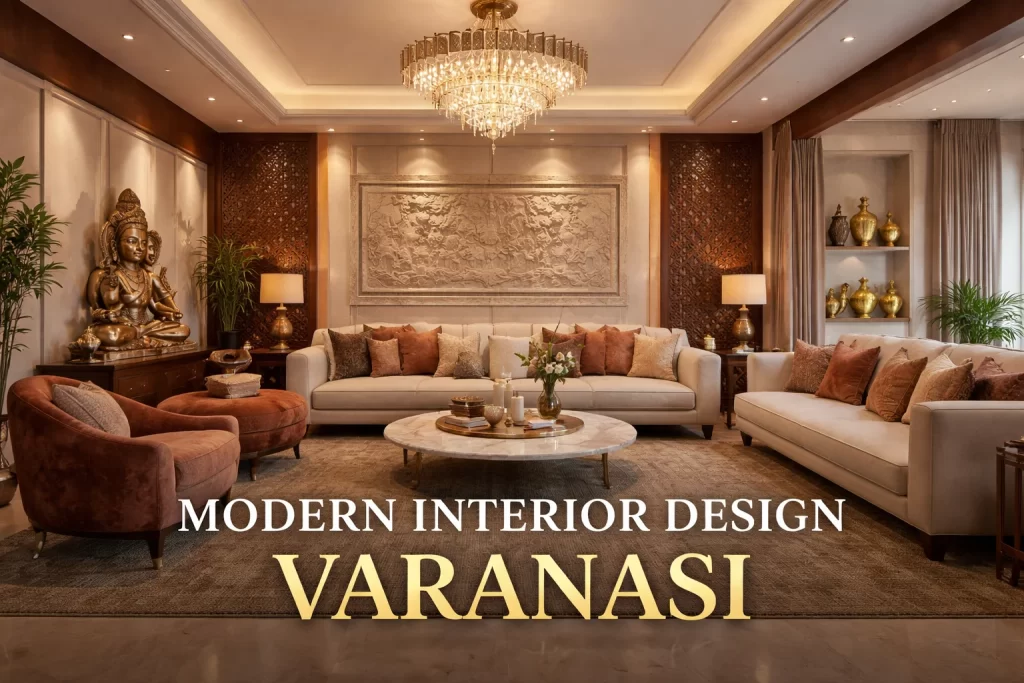
Modern Interior Design Varanasi – Transforming Homes with Style and Functionality avinnyyaadmin Principal Designer Modern interior design has become one of the most sought-after home styles in recent years, especially in rapidly developing cities like Varanasi. As more homeowners move into modern apartments, villas, and gated communities, the demand for clean, functional, and visually appealing interiors has grown significantly. Unlike traditional décor that often focuses on heavy furniture and ornate detailing, modern interior design emphasizes simplicity, efficiency, and elegance. Today’s homeowners want spaces that reflect their lifestyle—organized, stylish, and comfortable. Modern interiors offer exactly that by combining minimalist aesthetics with practical functionality. From sleek living rooms and smart kitchens to relaxing bedrooms and luxurious bathrooms, modern design transforms homes into sophisticated yet welcoming spaces. Brands like Avinnyya are helping homeowners adopt contemporary design principles by creating interiors that blend modern aesthetics with everyday comfort. Whether you are designing a new home or renovating an existing one, understanding modern interior design concepts can help you create a space that is both timeless and practical. What is Modern Interior Design? Modern interior design refers to a design philosophy that focuses on simplicity, functionality, and minimalism. It originated in the early 20th century and evolved as designers began prioritizing clean lines, open layouts, and uncluttered environments. Today, modern interior design has become a global trend because it perfectly aligns with contemporary lifestyles. In modern homes, every element serves a purpose. Furniture is functional, décor is minimal, and spaces are designed to maximize comfort and usability. The goal is to create a harmonious environment where design enhances everyday living. Key Characteristics of Modern Interior Design One of the most defining features of modern interior design is the use of clean and simple lines. Furniture pieces typically have sleek silhouettes without excessive ornamentation. Straight edges, geometric shapes, and balanced proportions create a calm and organized visual effect. Color palettes in modern interiors are usually neutral. Shades such as white, beige, grey, and soft earth tones dominate the design. These colors create a spacious and sophisticated look while allowing accent pieces like artwork or statement furniture to stand out. Another important characteristic is functionality. Every piece of furniture or décor has a clear purpose. Multifunctional furniture such as storage beds, modular wardrobes, and extendable dining tables are commonly used to maximize space efficiency. Natural light also plays a vital role in modern design. Large windows, glass partitions, and open layouts allow natural light to flow through the home, making interiors appear brighter and more spacious. Modern vs Contemporary Interior Design Many people use the terms “modern” and “contemporary” interchangeably, but they are actually different design styles. Modern design refers to a specific design movement that emphasizes minimalism, simplicity, and functionality. Contemporary design, on the other hand, reflects current design trends and evolves over time. In cities like Varanasi, modern interior design is often preferred because it offers a timeless look that does not easily go out of style. Contemporary design may change with trends, but modern interiors maintain their elegance for many years. Why Modern Interiors Are Perfect for Urban Homes Urban homes often face space constraints, making modern interior design an ideal solution. Minimal furniture, smart storage solutions, and open layouts help maximize the available space without making the home feel crowded. Additionally, modern interiors are easier to maintain. With fewer decorative elements and clutter-free layouts, cleaning and organizing become much simpler. This is particularly beneficial for busy families who want beautiful homes without the stress of constant maintenance. Why Modern Interior Design is Trending in Varanasi Over the past decade, Varanasi has seen significant urban development. New residential complexes, luxury apartments, and modern villas are being built across the city. As a result, homeowners are increasingly looking for interior styles that complement these modern architectural designs. Modern interior design fits perfectly with these new homes because it enhances both aesthetics and functionality. Rise of Modern Apartments and Smart Homes The rise of apartment living has significantly influenced interior design trends. Apartments typically require efficient use of space, and modern design provides practical solutions through modular furniture, built-in storage, and open layouts. Smart home technology is also becoming more common. Automated lighting, climate control systems, and integrated appliances work seamlessly with modern interior design, creating homes that are both stylish and technologically advanced. Lifestyle Changes of Urban Families Modern lifestyles demand organized and functional spaces. Families today prefer homes that are easy to maintain while still offering comfort and elegance. Modern interior design achieves this balance by focusing on simplicity and practicality. Working professionals, entrepreneurs, and young families in Varanasi are especially drawn to modern interiors because they reflect a contemporary lifestyle. Influence of Global Design Trends With the growth of social media platforms and design websites, homeowners are now exposed to global interior design trends. Platforms like Pinterest and Instagram have inspired many homeowners to experiment with modern décor ideas, minimal aesthetics, and stylish furniture. These platforms showcase innovative design concepts from around the world, encouraging homeowners to adopt modern interiors in their own spaces. Balance Between Tradition and Modernity Although modern design focuses on minimalism, it can still incorporate cultural elements. In a historic city like Varanasi, many homeowners blend modern interiors with traditional accents such as wooden carvings, artwork, or handcrafted décor. This fusion creates interiors that honor cultural heritage while embracing contemporary design. Essential Elements of Modern Interior Design Modern interior design relies on several core elements that define its aesthetic and functionality. Understanding these elements helps homeowners create balanced and visually appealing spaces. Minimalist Furniture Furniture in modern interiors is designed with simplicity and functionality in mind. Instead of bulky and ornate pieces, modern homes feature sleek sofas, streamlined coffee tables, and modular wardrobes. Minimalist furniture not only looks elegant but also improves movement and accessibility within the home. Neutral and Elegant Color Palettes Neutral color schemes form the foundation of modern interiors. Shades like white, beige, grey, and taupe create a calming atmosphere and make rooms appear larger.
Interior Design Consultation Varanasi
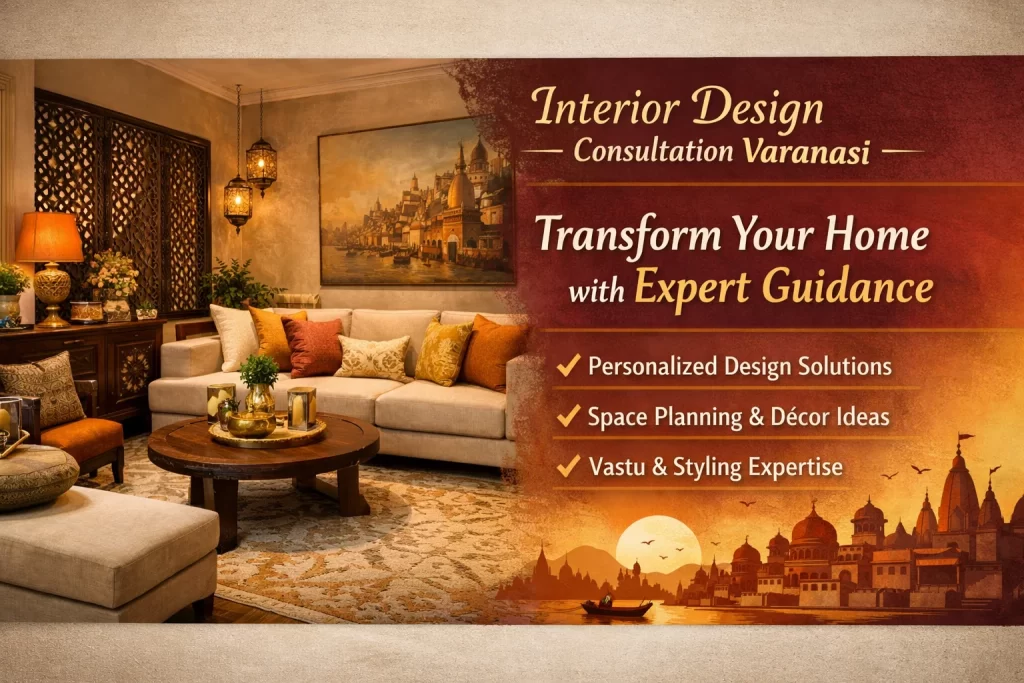
Interior Design Consultation Varanasi – Transform Your Home with Expert Guidance avinnyyaadmin Principal Designer Designing a home is one of the most exciting experiences for homeowners, but it can also be overwhelming without proper planning. From choosing the right furniture layout to selecting color schemes, lighting, materials, and decor, every decision plays an important role in creating a beautiful and functional living space. This is where professional interior design consultation becomes valuable. Homeowners in Varanasi are increasingly choosing professional design consultations before beginning renovation or interior work. A consultation session allows homeowners to understand how their space can be optimized, what design style suits their lifestyle, and how to plan the project within budget. Whether you are moving into a new apartment, renovating an old home, or planning interiors for a villa, consulting a professional designer can save time, reduce costly mistakes, and ensure your space reflects your personality. Design experts at Avinnyya provide professional guidance that helps homeowners visualize their dream home and turn ideas into practical design solutions. What Is Interior Design Consultation? Interior design consultation is the first step in the design journey. It is a professional meeting between a homeowner and an interior designer where ideas, requirements, space details, and budgets are discussed in detail. The main purpose of this consultation is to evaluate the space and create a clear design direction before starting the project. Understanding the Purpose of a Design Consultation The purpose of a consultation session is to understand the client’s lifestyle, needs, and expectations. Every home and homeowner is unique, and therefore interior design cannot follow a one-size-fits-all approach. During the consultation, the designer gathers information about how the space will be used, the number of family members, storage requirements, preferred styles, and functional priorities. For example, a family with children may require more storage and durable materials, while a working professional may prioritize a minimalistic and clutter-free layout. This process ensures the design concept reflects the homeowner’s personality while remaining practical for daily use. What Happens During a Consultation Session A professional interior design consultation typically includes multiple stages of discussion and analysis. Designers usually start by examining the layout of the space and identifying opportunities for improvement. This could include improving furniture placement, enhancing lighting conditions, or creating better storage solutions. Designers also discuss color palettes, material options, furniture styles, and decor elements that match the homeowner’s preferences. Budget considerations are another important part of the consultation. Designers help clients understand how different materials, furniture choices, and finishes affect the total project cost. The consultation session also helps establish a realistic project timeline so homeowners know how long the design and execution process may take. Online vs In-Person Interior Design Consultation Interior design consultations today can take place either online or in person, depending on the client’s preference. Online consultations are becoming popular because they allow homeowners to connect with designers remotely. Clients can share photographs, videos, and floor plans, while designers provide recommendations through video calls or digital presentations. This method is convenient and saves time. In-person consultations, however, offer the advantage of physical site inspection. Designers can observe lighting conditions, spatial proportions, ventilation, and structural details more accurately when visiting the property. Both consultation methods can be effective, but many homeowners prefer a combination of virtual discussions and on-site visits for the best results. Why Interior Design Consultation Is Important Before Starting a Project Many homeowners begin decorating or renovating their homes without professional planning. While this approach may seem easier initially, it often leads to expensive mistakes, inefficient layouts, and inconsistent design themes. Consulting a professional designer beforehand helps avoid these issues. Avoiding Costly Design Mistakes Interior design involves numerous decisions regarding furniture, materials, lighting, and layout. Without proper planning, homeowners may purchase furniture that is too large for the room or choose colors that do not complement each other. A consultation session helps identify potential problems early in the design process. Designers analyze the layout and recommend practical solutions that improve functionality and aesthetics. For instance, a poorly placed sofa or oversized dining table can disrupt the flow of movement within a room. Designers ensure furniture proportions and placements are balanced with the available space. Better Space Utilization Space optimization is one of the biggest advantages of professional interior design consultation. Many homes, especially apartments, have limited space and require smart planning to accommodate furniture and storage. Designers can recommend multi-functional furniture, built-in wardrobes, and creative storage solutions that maximize space without making the home feel crowded. Proper space planning improves comfort and ensures every area of the home serves a practical purpose. Budget Planning and Cost Control Another major benefit of consulting an interior designer is better financial planning. Home renovation projects often exceed the budget due to poor planning or last-minute changes. Design consultants help homeowners understand the cost of different materials, furniture types, and design features. They also prioritize elements that are essential for the home while suggesting budget-friendly alternatives where possible. This strategic approach helps homeowners achieve their desired design without unnecessary expenses. Professional Design Vision Interior designers bring professional creativity and technical expertise to a project. They understand design principles such as color harmony, proportion, balance, and visual flow. A consultation session helps establish a cohesive design theme for the entire home. Instead of each room looking disconnected, designers ensure all elements work together to create a unified and visually appealing space. Key Services Included in Interior Design Consultation in Varanasi Interior design consultation typically covers several important aspects of home design. These services help homeowners plan every element of the project before actual execution begins. Space Planning and Layout Design Space planning is one of the most critical components of interior design. Designers analyze the room dimensions, structural elements, and entry points to determine the best layout. This process ensures furniture placement allows easy movement throughout the room. It also helps identify areas where additional storage or design features can be incorporated. A well-planned layout makes a home feel
Space-Saving Interior Design
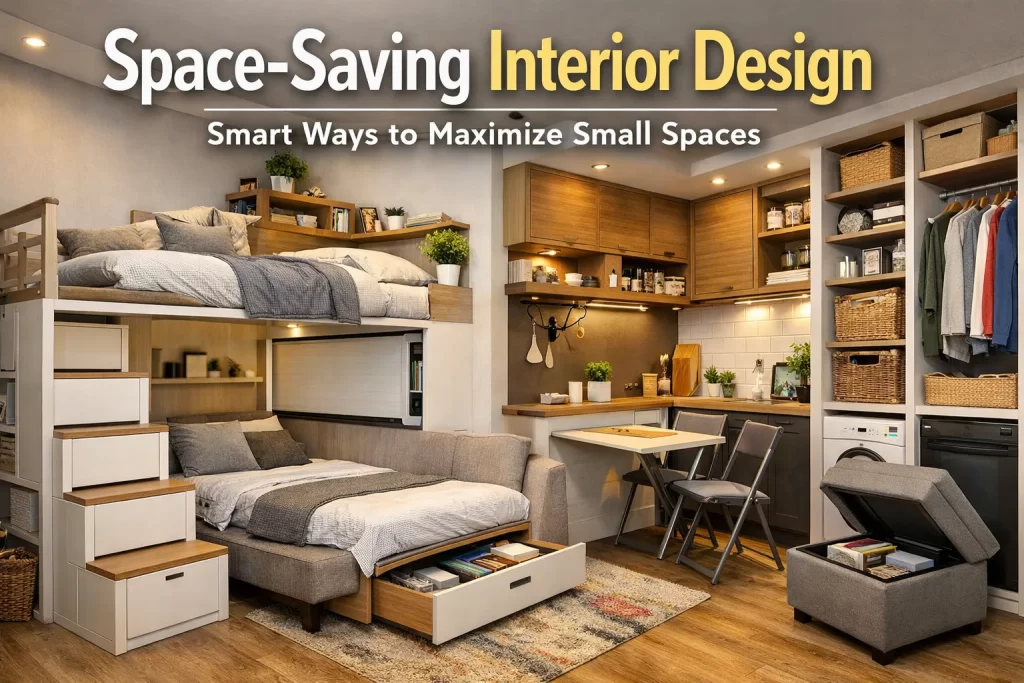
Space-Saving Interior Design: Smart Ways to Maximize Small Spaces avinnyyaadmin Principal Designer Modern homes are increasingly moving toward simplicity, functionality Modern homes are evolving rapidly, especially in urban environments where living spaces are becoming smaller and more compact. Apartments, studio homes, and compact houses require thoughtful planning to ensure every inch of space is used efficiently. This is where space-saving interior design plays a crucial role. Instead of simply decorating a room, this approach focuses on creating interiors that are both functional and visually appealing while making the most of limited space. Space-saving interior design combines creativity, practicality, and smart planning. From multifunctional furniture to clever storage solutions, designers now focus on maximizing usable space without compromising comfort or style. The goal is to make small spaces feel open, organized, and comfortable while ensuring that all essential functions of a home are preserved. For homeowners living in compact apartments or smaller houses, implementing the right design strategies can dramatically improve the functionality of their home. With the right layout planning, furniture choices, and storage ideas, even the smallest room can feel spacious and inviting. Why Space-Saving Interior Design Is Important in Modern Homes The demand for space-efficient interiors has grown significantly over the past decade. With increasing urbanisation and rising property costs, many people now live in smaller homes. Space-saving interior design helps homeowners adapt to these changes while maintaining comfort and style. The Rise of Compact Living Cities around the world are experiencing a shift toward compact housing. Studio apartments, micro apartments, and smaller homes have become common, especially in urban areas. While these homes offer affordability and convenience, they also present a challenge when it comes to interior design. Compact living requires smart planning. Traditional interior design approaches often focus on aesthetics alone, but modern homes demand functionality as well. Space-saving design helps homeowners create organized living environments where every piece of furniture and every corner serves a purpose. Benefits of Space Optimization Optimizing space offers several practical benefits. One of the biggest advantages is improved organization. When interiors are designed with smart storage solutions and efficient layouts, clutter can be minimized. This makes the home feel more comfortable and visually appealing. Another benefit is improved movement within the house. Properly arranged furniture ensures that residents can move freely without feeling cramped. Additionally, efficient design often makes rooms appear larger than they actually are by using visual tricks such as mirrors, lighting, and color schemes. Space-saving interiors also encourage minimalism. By focusing on essential items and avoiding unnecessary furniture, homeowners can create a cleaner and more peaceful living environment. Ideal Homes for Space-Saving Design While space-saving design can benefit any home, it is particularly useful for compact living spaces. Studio apartments, small bedrooms, compact kitchens, and urban apartments can greatly benefit from this approach. Even larger homes can adopt space-saving strategies to improve organization and functionality. Core Principles of Space-Saving Interior Design Successful space optimization begins with understanding the core principles behind space-saving interior design. These principles guide designers in creating efficient and practical living spaces. Functionality First The most important rule of space-saving design is prioritizing functionality. Every piece of furniture and every design element should serve a purpose. Instead of filling rooms with decorative pieces that take up space, designers focus on practical solutions that enhance usability. For example, a coffee table with hidden storage can serve both decorative and functional purposes. Similarly, foldable furniture can be used only when needed, freeing up space when not in use. Minimalism and Smart Layout Planning Minimalism is closely linked with space-saving interior design. A cluttered room instantly feels smaller and more restrictive. By reducing unnecessary items and focusing on essential elements, designers create interiors that feel open and breathable. Smart layout planning also plays a key role. Furniture should be arranged in a way that maximizes movement and accessibility. Open layouts often work well in small spaces because they remove visual barriers and create a sense of openness. Vertical Space Utilization Many homeowners overlook the potential of vertical space. Walls offer valuable storage opportunities that can help free up floor space. Tall cabinets, wall-mounted shelves, and hanging storage systems allow homeowners to organize belongings without overcrowding the room. Hidden Storage Solutions Hidden storage is another essential element of space-saving interior design. Furniture with concealed compartments helps maintain a clean and organized appearance while providing additional storage. Storage beds, ottomans with hidden space, and built-in cabinets are common examples. Multifunctional Furniture for Small Spaces Furniture plays a critical role in determining how efficiently a space is used. Multifunctional furniture pieces are specifically designed to perform multiple tasks, making them ideal for small homes. Sofa Cum Beds Sofa beds are one of the most popular space-saving furniture solutions. During the day they function as comfortable seating, and at night they transform into beds. This makes them perfect for studio apartments or homes with limited guest accommodation. Foldable Dining Tables Traditional dining tables often take up significant space. Foldable or extendable dining tables provide flexibility. They can remain compact during everyday use and expand when hosting guests or family gatherings. Wall-Mounted Desks With remote work becoming more common, home offices are increasingly important. Wall-mounted desks are an excellent solution for small homes because they occupy minimal space and can often be folded away when not in use. Storage Beds Beds occupy a large portion of bedroom space. Storage beds with built-in drawers or lift-up compartments make use of the space underneath the mattress, allowing homeowners to store bedding, clothing, or seasonal items. Expandable Furniture Expandable furniture provides flexibility in small spaces. Extendable tables, modular sofas, and adjustable shelving systems allow homeowners to adapt their furniture according to their needs. Smart Storage Ideas to Maximize Space Effective storage solutions are the backbone of space-saving interior design. Without proper storage, even well-designed homes can quickly become cluttered. Built-In Storage Units Built-in cabinets are an excellent way to maximize storage without occupying additional floor space. These units are integrated into walls and designed
Minimalist Home Interiors
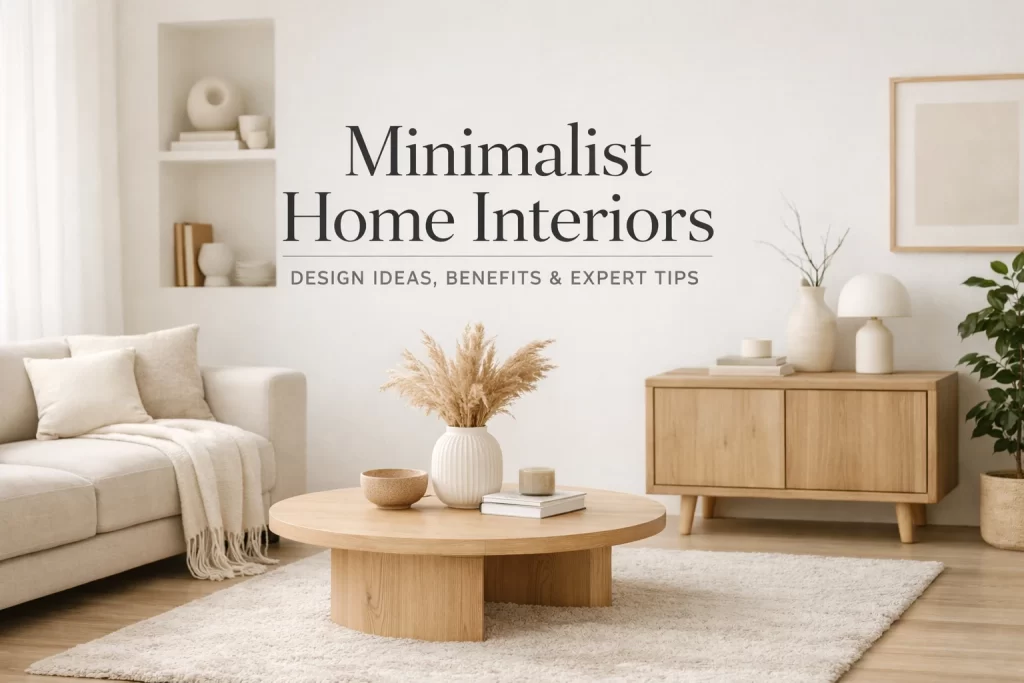
Minimalist Home Interiors: The Ultimate Guide to Simple and Elegant Living avinnyyaadmin Principal Designer Modern homes are increasingly moving toward simplicity, functionality, and calm living environments. One design approach that perfectly represents these values is minimalist interior design. Minimalist home interiors focus on creating clean, uncluttered spaces where every element has a purpose and contributes to the overall harmony of the home. In today’s fast-paced world, many homeowners are realizing the benefits of simplifying their living spaces. A minimalist home eliminates unnecessary items and replaces them with thoughtfully designed furniture, neutral color palettes, and well-organized layouts. The result is a home that feels peaceful, spacious, and visually balanced. Minimalist interiors are not about removing personality or warmth from a home. Instead, they focus on intentional design—choosing quality materials, functional furniture, and timeless aesthetics. This design philosophy allows homeowners to enjoy spaces that are both beautiful and practical. What Are Minimalist Home Interiors? Minimalist home interiors are based on the principle that simplicity can create powerful visual and emotional impact. The concept revolves around removing excess and focusing on essential elements that contribute to comfort, function, and aesthetics. Definition of Minimalist Interior Design Minimalist interior design is a design style that prioritizes simplicity, clean lines, and functional spaces. Instead of filling rooms with numerous decorative items, minimalist design emphasizes carefully chosen furniture and limited décor that enhances the overall environment. This design style often features neutral colors, open spaces, simple furniture, and plenty of natural light. Each element within the room serves a purpose and contributes to a cohesive visual balance. Origins of Minimalism in Interior Design The minimalist design movement was influenced by modern architecture and Japanese design philosophy. Traditional Japanese interiors emphasize harmony, balance, and simplicity—principles that strongly shaped modern minimalist design. During the mid-20th century, architects and designers began embracing the idea that spaces could be elegant without excessive decoration. Minimalism soon became popular in architecture, art, and interior design. Today, minimalist interiors are widely adopted in modern apartments, urban homes, and contemporary residences around the world. Core Philosophy Behind Minimalist Living The core philosophy of minimalist living revolves around intentional choices. Instead of accumulating many objects, homeowners focus on selecting fewer, high-quality items that enhance daily life. Minimalism also encourages mindful living. By reducing clutter and distractions, people can create environments that support relaxation, productivity, and mental clarity. A minimalist home ultimately promotes a more balanced and organized lifestyle. Key Principles of Minimalist Home Interiors Minimalist interiors follow certain design principles that help maintain simplicity while ensuring functionality and aesthetic appeal. Simplicity in Design Simplicity is the foundation of minimalist interiors. Rooms are designed with clean lines, uncluttered surfaces, and straightforward layouts. Furniture pieces typically have simple shapes and minimal ornamentation. This simplicity helps create spaces that feel calm and visually balanced, allowing homeowners to enjoy a peaceful atmosphere without overwhelming visual elements. Functionality Over Decoration In minimalist design, functionality is always prioritized over decoration. Every piece of furniture or décor should serve a clear purpose. For example, a coffee table may include hidden storage, or a bed frame might contain built-in drawers. Multi-functional furniture helps maintain a clutter-free environment while maximizing the usability of the space. Neutral Color Palettes Neutral colors are a defining feature of minimalist home interiors. Shades such as white, beige, grey, and soft earth tones create a calm and cohesive environment. These colors reflect light and make rooms feel larger and more open. Neutral palettes also allow furniture and textures to stand out without overwhelming the visual harmony of the space. Open and Airy Spaces Minimalist homes emphasize open layouts and a sense of spaciousness. Natural light plays an important role in achieving this effect. Large windows, open floor plans, and minimal barriers help create seamless transitions between different areas of the home. This openness contributes to a more relaxed and inviting atmosphere. Quality Over Quantity Rather than filling a room with numerous furniture pieces, minimalist design encourages investing in fewer, high-quality items. A well-crafted sofa, a durable dining table, or a beautifully designed light fixture can become a focal point of the room. These carefully selected pieces provide both functionality and long-lasting style. Benefits of Minimalist Home Interiors Adopting minimalist home interiors offers several advantages beyond aesthetic appeal. This design approach can positively impact both lifestyle and daily living experiences. Creates a Calm and Stress-Free Environment A cluttered environment can often lead to feelings of stress and distraction. Minimalist interiors reduce visual noise by limiting unnecessary objects and decorations. Clean and organized spaces help create a sense of calm, allowing homeowners to relax and focus on what truly matters. Easier Maintenance and Cleaning One of the most practical benefits of minimalist design is simplified maintenance. With fewer items in each room, cleaning becomes faster and more efficient. Minimal furniture and décor mean less dust accumulation and fewer surfaces that require constant upkeep. Maximizes Space in Modern Homes Minimalist interiors are particularly effective in smaller homes and apartments. By eliminating unnecessary furniture and emphasizing open layouts, minimalist design makes spaces appear larger and more comfortable. Strategic storage solutions and streamlined furniture help maximize every square foot of the home. Improves Functionality Minimalist design encourages efficient space planning. Furniture placement, storage systems, and room layouts are designed to support everyday activities. As a result, homes become more practical and easier to navigate. Timeless Design Appeal Unlike many interior trends that change quickly, minimalist interiors have a timeless quality. The focus on simplicity, neutral colors, and functional design ensures that minimalist homes remain stylish for many years. Essential Elements of Minimalist Home Interiors Certain design elements are essential for achieving a successful minimalist interior. Minimalist Furniture Furniture in minimalist homes typically features sleek designs, simple shapes, and neutral colors. Low-profile sofas, platform beds, and streamlined dining tables are commonly used. These pieces provide comfort while maintaining a clean and uncluttered appearance. Neutral Color Schemes Neutral color palettes help create visual harmony throughout the home. Soft whites, warm beiges, and subtle greys allow different
Traditional Indian Interior Design
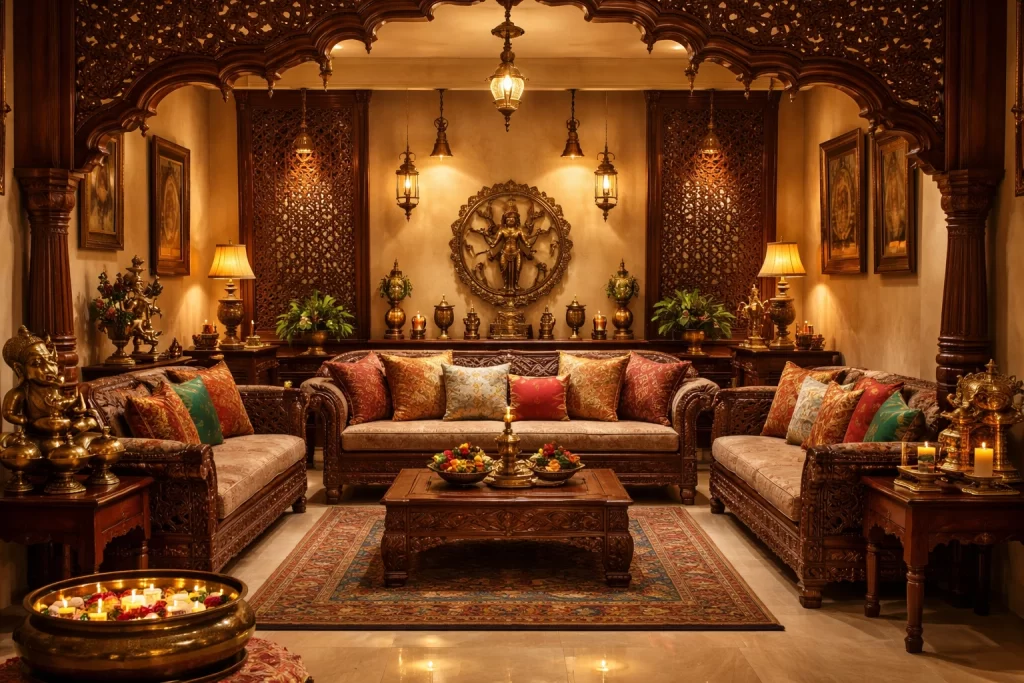
Traditional Indian Interior Design: Timeless Elegance for Modern Homes avinnyyaadmin Principal Designer A traditional Indian interior designer represents a beautiful blend of history, craftsmanship, culture, and artistry. Indian homes have always reflected a deep connection to heritage, spirituality, and regional craftsmanship. From intricately carved wooden furniture and vibrant textiles to handcrafted décor and natural materials, traditional interiors tell stories that have been passed down for generations. Even in today’s modern world of minimalism and smart homes, traditional Indian design continues to hold a special place. Many homeowners now prefer to combine heritage aesthetics with modern functionality, creating spaces that feel both elegant and comfortable. The richness of colors, the warmth of wood, and the beauty of handcrafted décor make Indian interiors timeless and welcoming. In this detailed guide, we will explore the core elements, design ideas, materials, colors, and regional influences that define traditional Indian interior design. Whether you are designing a new home or renovating an existing one, understanding these principles will help you create interiors that celebrate India’s cultural legacy while meeting modern lifestyle needs. What is Traditional Indian Interior Design? Traditional Indian interior design is a style rooted in India’s cultural heritage and architectural history. It emphasizes handcrafted elements, natural materials, rich colors, and decorative details that reflect regional art and craftsmanship. Unlike modern minimalist design, which focuses on simplicity and neutral tones, traditional Indian interiors embrace ornamentation, textures, and vibrant hues. Every element—from furniture to wall décor—plays a role in creating a space that feels warm, artistic, and culturally meaningful. Definition and Concept Traditional Indian interior design focuses on creating spaces that reflect India’s heritage, traditions, and lifestyle. The concept revolves around blending artistic craftsmanship with practical living spaces. Homes designed in this style often feature carved wooden furniture, traditional fabrics, brass or copper décor pieces, and cultural artwork. Instead of mass-produced décor, traditional interiors highlight handmade items created by skilled artisans. Another defining feature of traditional Indian design is the strong connection with nature. Materials like wood, stone, clay, cotton, and silk are commonly used, making interiors feel warm and organic. Historical Influence on Indian Interiors The evolution of traditional Indian interiors is deeply connected with the country’s architectural history. Different dynasties and regions have contributed unique elements that influence interior design today. For example, Mughal architecture introduced symmetrical layouts, floral motifs, marble surfaces, and intricate patterns. Rajput palaces contributed vibrant colors, carved wooden furniture, and decorative arches. South Indian homes brought wooden pillars, courtyards, and temple-inspired elements. Colonial architecture also influenced Indian interiors by introducing large windows, high ceilings, and spacious verandas. These historical influences continue to inspire modern traditional homes today. Key Characteristics of Traditional Indian Homes Traditional Indian interiors share several distinctive characteristics that make them instantly recognizable. First, they feature rich color palettes inspired by nature and Indian culture. Deep reds, mustard yellows, royal blues, and earthy tones are commonly used to create warmth and vibrancy. Second, handcrafted furniture plays a central role. Carved wooden pieces, antique cabinets, and traditional seating arrangements are common in Indian homes. Third, cultural décor elements such as brass lamps, clay pots, and traditional artwork add personality and authenticity to the space. Finally, natural materials like wood, stone, and terracotta help create a connection between the indoors and the natural environment. Core Elements of Traditional Indian Interior Design Several key elements define the beauty and authenticity of traditional Indian interiors. These elements work together to create a space that feels luxurious, artistic, and culturally rich. Intricately Carved Wooden Furniture Furniture is one of the most important aspects of traditional Indian interior design. Unlike modern furniture that focuses on sleek and minimal designs, traditional Indian furniture celebrates craftsmanship and intricate detailing. Wood is the primary material used in traditional furniture. Teak, rosewood, and Sheesham are particularly popular because they are durable and beautiful. Skilled artisans carve elaborate patterns and motifs into the furniture, making each piece unique. Common furniture pieces in traditional homes include carved wooden sofas, antique cabinets, low seating arrangements, and decorative side tables. One iconic element is the wooden swing, also known as a jhoola, which is often placed in living rooms or verandas. These handcrafted furniture pieces not only enhance the beauty of the space but also serve as heirlooms that can be passed down through generations. Rich Color Palettes Color plays a powerful role in traditional Indian interior design. Indian culture celebrates color, and this is reflected in home interiors. Deep and vibrant colors are commonly used to create a sense of warmth and luxury. Shades like royal red, emerald green, mustard yellow, and indigo blue are frequently seen in walls, fabrics, and décor. Gold accents are also widely used to add a regal touch. Whether it is through decorative frames, mirrors, or textiles, gold elements enhance the richness of the space. While modern homes sometimes prefer neutral tones, traditional interiors use bold colors to express personality and cultural identity. Traditional Fabrics and Textiles Textiles are another essential element of Indian interior design. India is famous for its diverse textile traditions, and these fabrics bring texture, color, and elegance to interiors. Silk curtains, embroidered cushion covers, and handwoven rugs are commonly used to enhance the visual appeal of rooms. Block-printed fabrics, Ikat designs, and traditional embroidery patterns add authenticity and artistic value. Layering textiles is a common technique used in traditional interiors. For example, a living room may feature a richly patterned carpet, decorative cushions, and embroidered curtains that together create a cozy and luxurious environment. Traditional Indian Living Room Design Ideas The living room is often the heart of an Indian home. It is the place where families gather, guests are welcomed, and cultural traditions are celebrated. Designing a traditional Indian living room involves combining elegant furniture, decorative accessories, and cultural artwork. Wooden Furniture and Handcrafted Pieces Carved wooden furniture forms the centerpiece of most traditional Indian living rooms. Sofas with detailed carvings, wooden coffee tables, and antique cabinets help establish the overall theme. Low seating arrangements with floor cushions
Commercial Interior Designer Varanasi
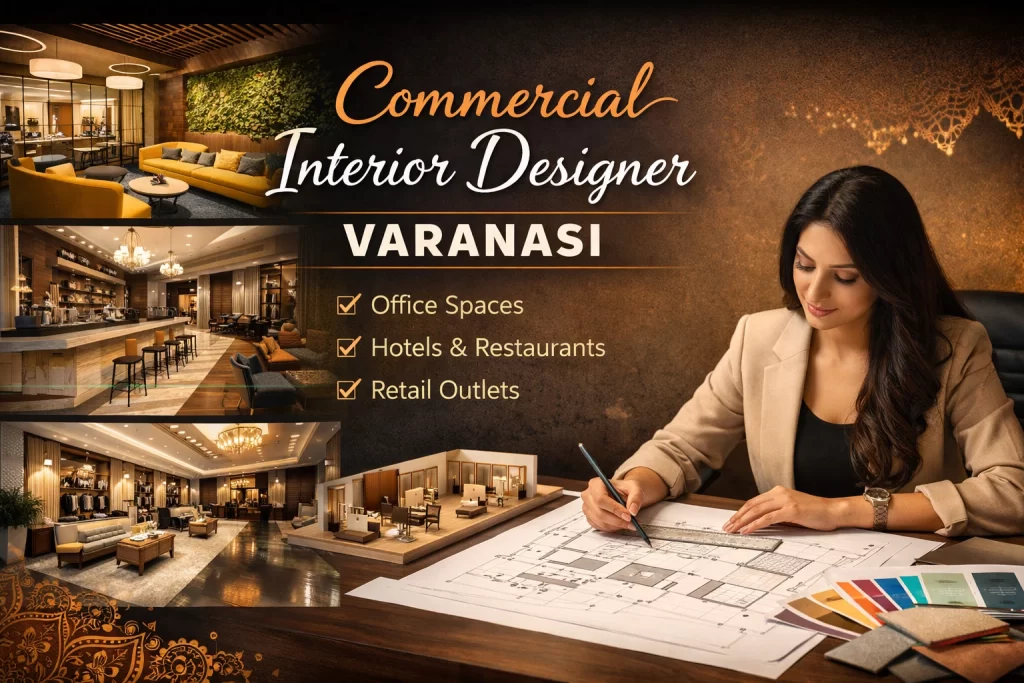
Commercial Interior Designer in Varanasi – Transforming Business Spaces with Smart Design avinnyyaadmin Principal Designer A well-designed commercial space is more than just a place where business activities happen. It is a powerful tool that reflects a company’s brand identity, improves employee productivity, and creates a memorable experience for customers. Whether it is an office, retail store, restaurant, or hotel, the design of the space directly influences how people interact with the environment and the business itself. In a rapidly developing city like Varanasi, commercial establishments are evolving quickly. Businesses are competing not only through products and services but also through the ambiance and functionality of their spaces. Modern customers and employees expect environments that are comfortable, visually appealing, and efficient. This is where professional commercial interior designers play a crucial role. Companies like Avinnyya specialize in transforming ordinary commercial spaces into dynamic environments that combine aesthetics with practicality. By understanding business goals, customer behavior, and spatial functionality, expert designers create interiors that help businesses grow and succeed. What Does a Commercial Interior Designer Do? Understanding Commercial Interior Design Commercial interior design focuses on designing spaces that are used for business purposes. Unlike residential design, which prioritizes personal comfort and lifestyle, commercial interiors are built around efficiency, branding, and customer experience. A commercial interior designer analyzes how people interact with a space and then creates layouts and designs that improve functionality while maintaining visual appeal. Every design decision—from lighting and furniture placement to wall colors and flooring—serves a strategic purpose. For example, an office interior design might focus on improving collaboration and productivity, while a retail store design may prioritize customer flow and product visibility. Restaurants often require mood lighting and thematic decor to create a memorable dining atmosphere. In cities like Varanasi, where traditional architecture meets modern business growth, commercial interiors often blend cultural elements with contemporary design trends. Key Responsibilities of Commercial Interior Designers Commercial interior designers perform several critical tasks to ensure that a space meets both functional and aesthetic requirements. One of the most important responsibilities is space planning. Designers carefully evaluate the available area and organize it into functional zones that support business operations. Another major responsibility is lighting design. Proper lighting enhances productivity, improves visibility, and creates a welcoming environment. Designers also select appropriate materials, furniture, and finishes that match the business’s branding and operational needs. Safety and compliance are also essential parts of commercial interior design. Designers ensure that layouts meet building regulations, fire safety standards, and accessibility requirements. This ensures that the space is not only beautiful but also safe and legally compliant. Industries That Require Commercial Interior Design Commercial interior design services are essential for many industries. Corporate offices rely on efficient workspace planning to improve productivity and employee satisfaction. Retail stores need attractive displays and well-organized layouts to encourage customer engagement and sales. Restaurants and cafés require theme-based interiors that create a pleasant dining environment. Hospitality spaces such as hotels and resorts depend on luxurious and welcoming designs to enhance guest experiences. Healthcare facilities, including clinics and diagnostic centers, also require professional design to ensure hygiene, comfort, and functional layouts for medical equipment. Each industry has unique design needs, and experienced designers tailor solutions accordingly. Why Businesses in Varanasi Need Professional Interior Designers Growing Business Infrastructure in Varanasi Over the past decade, Varanasi has seen significant growth in commercial infrastructure. New startups, retail outlets, coworking spaces, and hospitality businesses are emerging across the city. With increasing competition, businesses must create spaces that stand out and attract customers. Modern commercial environments require strategic planning and professional design expertise. Business owners are realizing that investing in interior design is not just about aesthetics—it is about creating functional environments that improve business performance. Impact of Well-Designed Commercial Spaces A well-designed commercial space has a strong impact on both employees and customers. For employees, a comfortable and organized workspace improves focus, productivity, and job satisfaction. Proper lighting, ergonomic furniture, and collaborative areas contribute to a healthier work environment. For customers, interior design shapes the overall experience. The layout, lighting, colors, and decor all influence how people feel when they enter a space. Retail stores with attractive displays encourage browsing, while restaurants with inviting atmospheres encourage longer stays and repeat visits. Businesses that invest in professional interiors often see improvements in brand perception, customer loyalty, and overall profitability. Local Design Trends in Varanasi Commercial interiors in Varanasi often reflect a unique blend of traditional culture and modern design. Many businesses incorporate local artistic elements such as handcrafted decor, textured wall finishes, or heritage-inspired patterns. At the same time, modern trends such as minimalist layouts, smart lighting systems, and flexible furniture are becoming increasingly popular. This combination creates commercial spaces that feel both contemporary and culturally connected. Types of Commercial Interior Design Services Office Interior Design Office interior design focuses on creating productive and comfortable work environments. Designers carefully plan workstations, meeting rooms, and collaborative areas to ensure smooth workflow and communication among employees. Modern office interiors often include open layouts, ergonomic furniture, and flexible workspaces. Breakout zones, lounge areas, and natural lighting are also integrated to improve employee well-being and creativity. Retail Store Interior Design Retail interiors are designed to attract customers and encourage purchasing behavior. Store layouts must guide customers through the space in a natural and engaging way. Visual merchandising techniques are used to highlight products and create appealing displays. Lighting plays a crucial role in retail interiors by drawing attention to specific products or sections of the store. Designers also consider branding elements such as colors, signage, and materials to create a consistent brand identity. Restaurant and Café Interior Design Restaurants and cafés rely heavily on atmosphere and ambiance. Designers carefully select themes, seating arrangements, lighting styles, and decorative elements that match the concept of the establishment. A well-designed restaurant interior enhances the dining experience and encourages customers to spend more time in the space. Comfortable seating, balanced lighting, and visually appealing decor all contribute to a memorable environment. Hotel and