
Vastu Tips for Modern Interior Design
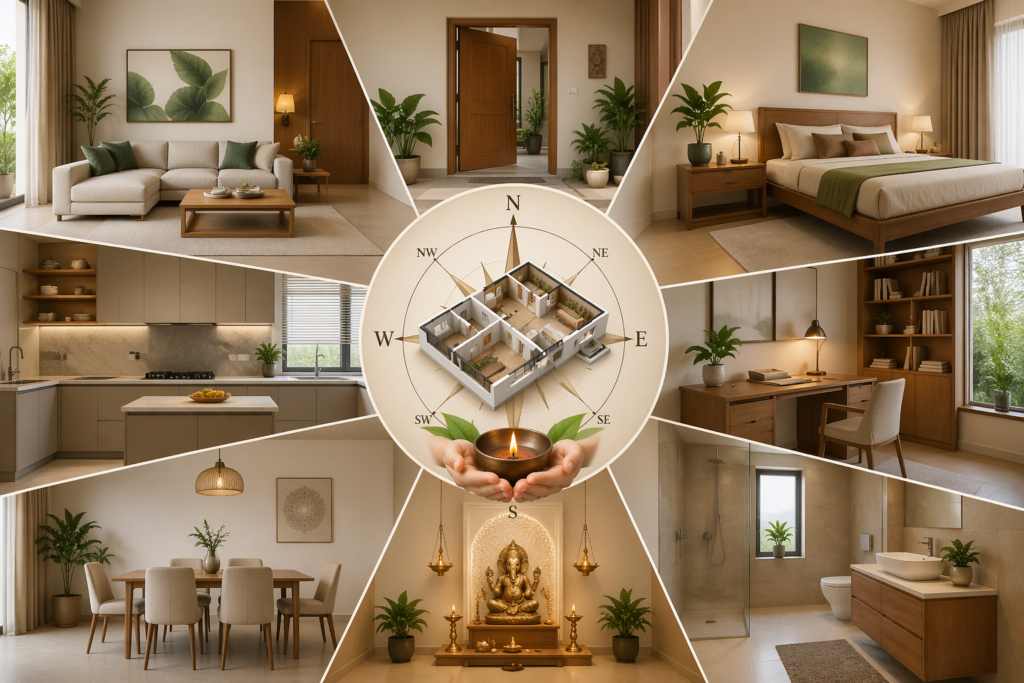
Vastu Tips for Modern Interior Designz: Creating Harmony in Contemporary Homes avinnyyaadmin Principal Designer Modern homes today are all about clean lines, functional layouts, and aesthetic appeal. However, beyond visual beauty, there is an increasing awareness about creating spaces that also promote peace, positivity, and well-being. This is where Vastu Shastra becomes highly relevant. The ancient Indian science of architecture, Vastu focuses on aligning your living space with natural energies to enhance harmony and prosperity. Incorporating Vastu into modern interior design does not mean compromising on style or creativity. Instead, it enhances the functionality and emotional comfort of your home. With thoughtful planning and smart design choices, you can easily blend contemporary interiors with timeless Vastu principles. This blog explores practical, actionable, and modern-friendly Vastu tips to help you design a home that feels as good as it looks. What is Vastu Shastra in Interior Design? Origins and Principles of Vastu Vastu Shastra is an ancient Indian architectural system that dates back thousands of years. It is based on the concept of balancing the five fundamental elements of nature—Earth, Water, Fire, Air, and Space. These elements are believed to influence energy flow within a space, directly impacting the well-being of its occupants. In interior design, Vastu focuses on spatial arrangement, directional alignment, and energy flow. Each direction is associated with specific energies, and when rooms and objects are placed accordingly, it creates a balanced and harmonious environment. Unlike rigid traditional interpretations, modern Vastu allows flexibility, making it adaptable for apartments, villas, and contemporary homes. Why Vastu Matters in Modern Homes In today’s fast-paced lifestyle, your home serves as a sanctuary where you recharge and relax. A Vastu-aligned home can improve mental clarity, reduce stress, and enhance productivity. It supports better sleep, stronger relationships, and a more positive atmosphere overall. For homeowners who value both design and well-being, integrating Vastu into interiors is no longer optional—it’s a strategic choice. When done correctly, it complements modern design rather than restricting it. Key Vastu Principles for Modern Interior Design Importance of Directions Directions play a crucial role in Vastu. Each direction is governed by a specific type of energy: The North direction is associated with wealth and career opportunities. The East represents health, growth, and new beginnings. The South signifies stability and strength. The West relates to gains and achievements. Modern interior design can align with these directional principles through furniture placement, room orientation, and usage of space. Even in compact apartments, small adjustments can significantly improve energy flow. Balancing the Five Elements Balancing the five elements is at the heart of Vastu. In modern interiors, this can be achieved creatively: Earth element through natural materials like wood and stone Water element via indoor fountains or aquariums Fire element through kitchen placement and lighting Air element with ventilation and open layouts Space element by avoiding clutter A well-balanced home ensures that no single element dominates, creating a calm and stable living environment. Vastu Tips for Living Room Design Ideal Placement and Direction The living room is one of the most important areas in a home, as it is where interactions and social connections happen. According to Vastu, the ideal location for the living room is in the North or East direction. These directions invite positivity and natural light, making the space feel welcoming. In modern layouts, even if relocation is not possible, ensuring that seating faces East or North can help align with Vastu principles. Furniture and Layout Furniture placement should promote free movement and avoid obstruction of energy flow. Heavy furniture like sofas should ideally be placed in the South or West areas of the room. This creates a sense of grounding and stability. Minimalist furniture designs work exceptionally well with Vastu, as they reduce clutter and allow energy to circulate freely. Avoid sharp-edged furniture and overcrowded arrangements. Colors and Décor Colors play a significant role in influencing mood and energy. Light shades such as beige, white, soft yellow, and pastel tones are ideal for living rooms. Mirrors can be used to reflect light and expand space, but they should not face the main door directly. Décor elements like indoor plants, artwork depicting nature, and calming textures enhance both aesthetics and energy. Vastu Tips for Bedroom Interiors Master Bedroom Placement The master bedroom should ideally be located in the Southwest direction of the house. This direction represents stability and strengthens relationships, making it perfect for homeowners. Bed Positioning The placement of the bed is crucial for restful sleep and mental peace. The head of the bed should face South or East, as these directions are considered beneficial for health and relaxation. Avoid placing mirrors directly in front of the bed, as they can disrupt sleep patterns. Color Schemes Bedrooms should have soothing and calming colors such as light blue, lavender, pastel green, or neutral tones. Bright and overly stimulating colors should be avoided as they can create restlessness. Soft lighting, comfortable textures, and minimal décor contribute to a serene and Vastu-compliant bedroom. Vastu Guidelines for Kitchen Design Ideal Kitchen Location The kitchen represents the Fire element, making the Southeast direction the most suitable location. If this is not possible, the Northwest direction can be considered as an alternative. Stove and Sink Placement The stove should be placed in the Southeast corner of the kitchen, while the sink should be in the North or Northeast direction. This separation ensures that fire and water elements do not clash, maintaining balance. Storage and Appliances Heavy appliances like refrigerators should be placed in the Southwest direction. Storage units should be organized and clutter-free. Modern modular kitchens can easily incorporate these principles without affecting design aesthetics. Vastu Tips for Bathroom and Toilets Ideal Location Bathrooms and toilets should ideally be located in the Northwest or Southeast areas of the home. These placements help manage negative energy effectively. Fixtures and Layout The toilet seat should face either North or South. Proper ventilation is essential to ensure airflow and prevent stagnation of energy. Remedies for Vastu Defects If
How to Mix Functionality and Aesthetics in Home Design
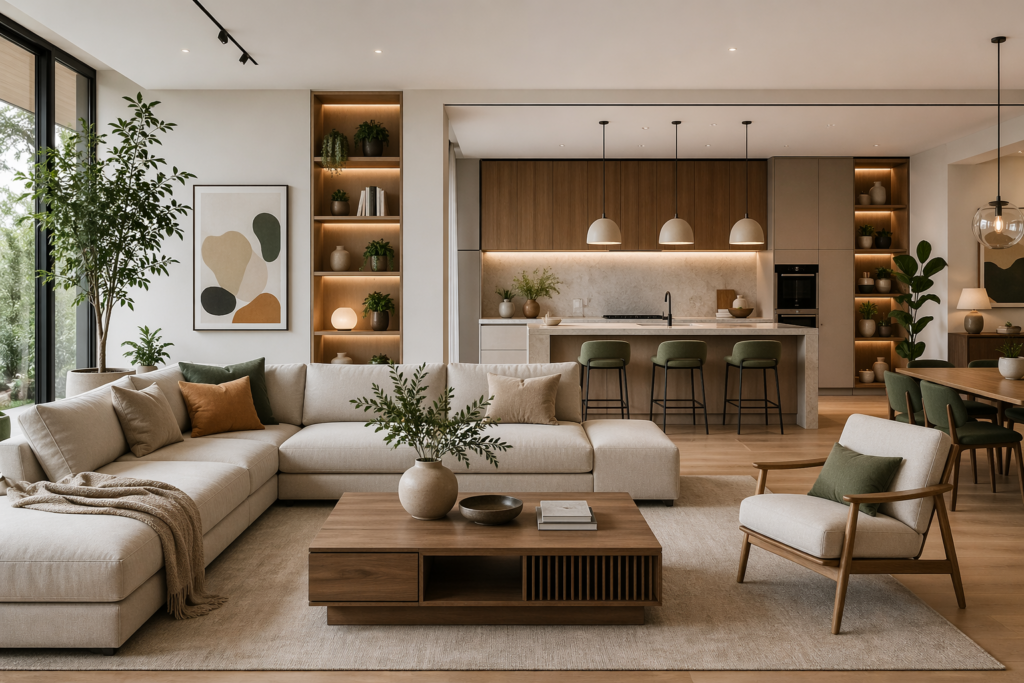
How to Mix Functionality and Aesthetics in Home Design: A Complete Guide for Modern Living avinnyyaadmin Principal Designer In today’s fast-paced world, a home is no longer just a place to live—it is a space that must reflect personality, provide comfort, and support everyday activities efficiently. This is why homeowners are increasingly looking for ways to strike the perfect balance between functionality and aesthetics in home design. While aesthetics focus on visual appeal and style, functionality ensures that every element serves a purpose and enhances usability. However, achieving this balance is not always straightforward. A home that looks stunning in pictures may not always be practical for daily living, while a highly functional space may sometimes lack visual charm. The real art lies in blending both seamlessly to create a home that is not only beautiful but also livable. This comprehensive guide will walk you through the principles, strategies, and expert insights needed to master the art of combining functionality with aesthetics in your home design. Understanding the Balance Between Functionality and Aesthetics What is Functional Design? Functional design revolves around usability, efficiency, and comfort. It ensures that every space, piece of furniture, and design element serves a clear purpose. A functional home is one where movement is effortless, storage is sufficient, and daily activities can be performed without inconvenience. For example, a well-designed kitchen follows the work triangle concept, allowing easy movement between the stove, sink, and refrigerator. Similarly, ergonomic furniture in a home office ensures comfort during long working hours. Functional design is not just about practicality; it also contributes to reducing stress and improving overall quality of life. What is Aesthetic Design? Aesthetic design focuses on how a space looks and feels. It includes elements such as color schemes, textures, materials, lighting, and decorative accents. Aesthetics create the mood and atmosphere of a home, influencing emotions and perceptions. A beautifully designed living room with coordinated colors, elegant furniture, and thoughtfully chosen décor can evoke a sense of warmth and sophistication. Aesthetic design allows homeowners to express their personality and style, making the space uniquely theirs. Why Both Are Equally Important A home that prioritizes aesthetics alone may look appealing but can quickly become impractical. For instance, a minimalist living room with insufficient seating may not accommodate guests comfortably. On the other hand, a purely functional home may feel dull and uninspiring. Balancing both ensures that your home is visually pleasing while also meeting your daily needs. It enhances comfort, improves efficiency, and increases the overall value of the property. This harmony is what defines truly great interior design. Key Principles to Combine Functionality and Aesthetics Start with Purpose-Driven Design Every successful home design begins with understanding how each space will be used. Purpose-driven design focuses on aligning the layout and elements of a room with the lifestyle of its occupants. Lifestyle Assessment Before designing, consider your daily routines, family size, work habits, and hobbies. A family with children may require durable materials and ample storage, while a working professional might prioritize a dedicated home office. Defining Room Functions Each room should have a clearly defined purpose. For instance, a living room may serve as a social space, while a bedroom should promote relaxation. When the purpose is clear, it becomes easier to choose the right furniture, layout, and décor. Smart Space Planning Space planning is the backbone of functional and aesthetic design. It ensures that the available area is used efficiently without compromising visual appeal. Open vs. Segmented Layouts Open layouts create a sense of spaciousness and improve natural light flow, making them ideal for modern homes. However, segmented layouts offer privacy and better organization. The choice depends on your needs and preferences. Optimizing Small Spaces In compact homes, every inch matters. Using vertical storage, foldable furniture, and multifunctional pieces can help maximize space without making it feel crowded. Creating Multi-Functional Zones Modern homes often require spaces to serve multiple purposes. For example, a living room can double as a workspace, or a dining area can function as a study zone. Thoughtful zoning ensures both efficiency and style. Choose Furniture That Works Hard Furniture plays a crucial role in balancing functionality and aesthetics. The right pieces can enhance usability while elevating the overall design. Multi-Functional Furniture Furniture that serves more than one purpose is ideal for modern homes. Sofa-cum-beds, storage ottomans, and extendable dining tables are excellent examples. Ergonomics Meets Style Comfort should never be compromised for style. Ergonomic chairs, well-cushioned sofas, and appropriately sized beds ensure that your home remains comfortable while looking stylish. Scale and Proportion Choosing furniture that fits the size of the room is essential. Oversized furniture can make a space feel cramped, while undersized pieces may look out of place. Focus on Storage Without Clutter Storage is a key aspect of functional design, but it should not disrupt the visual harmony of a space. Hidden Storage Solutions Built-in cabinets, under-bed storage, and concealed shelves help keep clutter out of sight, maintaining a clean and organized look. Modular Units Modular wardrobes and kitchen units offer flexibility, allowing you to customize storage according to your needs while maintaining a sleek appearance. Minimalism with Purpose Minimalist design emphasizes simplicity, but it should not come at the cost of practicality. The goal is to reduce unnecessary items while ensuring essential storage. Design Elements That Blend Beauty with Utility Lighting: The Perfect Combination Lighting is one of the most powerful tools in interior design, influencing both functionality and aesthetics. Layered Lighting Approach A combination of ambient, task, and accent lighting ensures that a space is well-lit and visually appealing. Task lighting is essential for activities like reading or cooking, while ambient lighting creates a comfortable atmosphere. Statement Fixtures Chandeliers, pendant lights, and designer lamps can act as focal points, adding character to a room while providing illumination. Natural Light Optimization Maximizing natural light not only reduces energy consumption but also enhances the overall look and feel of a space. Large windows, mirrors, and light-colored walls can
Interior Design Timeline: What to Expect from Start to Finish
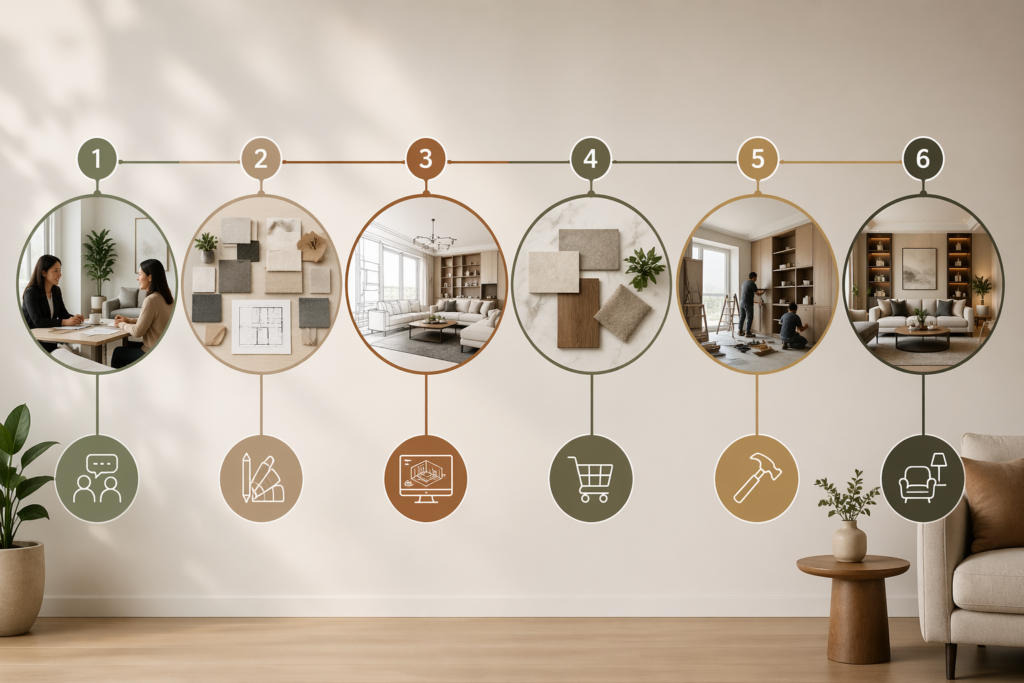
Interior Design Timeline: What to Expect from Start to Finish avinnyyaadmin Principal Designer Designing a home or commercial space is an exciting journey, but it often comes with one big question—how long will it take? Understanding the interior design timeline is essential for setting realistic expectations, managing budgets, and ensuring a smooth experience from concept to completion. Whether you are renovating a single room or designing an entire home, having clarity about each phase helps you stay prepared and confident throughout the process. This comprehensive guide walks you through every stage of the interior design timeline, explaining what happens at each step, how long it typically takes, and what you should expect as a client. With expert insights, you’ll gain a clear roadmap to turn your vision into reality without unnecessary stress or delays. Why Understanding the Interior Design Timeline Matters A well-defined timeline is the backbone of any successful interior design project. Without it, even the most beautifully planned designs can face delays, budget overruns, and miscommunication. When you understand the process in advance, you are better equipped to make timely decisions, coordinate with professionals, and avoid common pitfalls. One of the biggest advantages of knowing the timeline is that it helps you set realistic expectations. Interior design is not an overnight transformation—it involves careful planning, multiple revisions, sourcing materials, and executing complex tasks. By understanding how long each stage takes, you can plan your move-in date, manage finances efficiently, and reduce last-minute surprises. Additionally, a structured timeline improves collaboration between clients, designers, and contractors. Everyone works towards a shared schedule, ensuring smoother communication and better results. Overview of the Complete Interior Design Process The interior design journey can be broadly divided into six major phases: consultation, concept development, detailed design, procurement, execution, and installation. Each phase plays a critical role in shaping the final outcome of your space. The process begins with understanding your needs and preferences, followed by translating those ideas into a design concept. Once the concept is finalized, designers create detailed drawings and select materials. The next step involves sourcing furniture and coordinating with vendors before moving into on-site execution. Finally, the space is styled and handed over, ready for use. While the timeline can vary depending on the size and complexity of the project, having a clear understanding of these stages helps you stay informed and involved throughout the journey. Phase 1 – Initial Consultation & Requirement Gathering (1–2 Weeks) The first phase of any interior design project focuses on understanding the client’s vision, lifestyle, and requirements. This stage lays the foundation for everything that follows, making it one of the most important steps in the entire process. Understanding Client Needs During the initial consultation, designers take the time to understand how you use your space and what you expect from it. This includes discussing your daily routines, family size, storage needs, and aesthetic preferences. Whether you prefer a modern minimalist look or a more traditional style, your inputs play a crucial role in shaping the design direction. Site Visit & Measurements A detailed site visit allows designers to assess the existing space, take accurate measurements, and identify any structural constraints. This step ensures that the design is both practical and feasible, avoiding issues later in the project. Budget & Timeline Discussion Setting a realistic budget and timeline is essential at this stage. Designers help you understand the cost implications of your choices and align your expectations with what can be achieved within your budget. This transparency ensures a smoother process moving forward. Phase 2 – Concept Development (2–3 Weeks) Once the initial requirements are clear, the next step is to transform ideas into a cohesive design concept. This phase focuses on creativity and visualization. Mood Boards & Design Direction Designers create mood boards that showcase color palettes, textures, materials, and overall themes. These boards help you visualize the look and feel of your space before any actual work begins. Space Planning Effective space planning ensures that your layout is functional and comfortable. Designers determine the placement of furniture, define zones, and optimize the flow of movement within the space. Initial Design Presentation The concept is presented to you for feedback. This is an interactive stage where revisions are made based on your preferences, ensuring the design aligns perfectly with your vision. Phase 3 – Detailed Design & Documentation (3–5 Weeks) After finalizing the concept, the project moves into the technical phase, where every detail is carefully planned and documented. 2D Drawings & 3D Visualizations Designers create detailed floor plans and 3D renderings to give you a realistic view of the final space. These visuals help you understand how different elements will come together. Material & Finish Selection Choosing the right materials is crucial for both aesthetics and durability. This includes selecting flooring, wall finishes, fabrics, lighting fixtures, and more. Each choice is made to match the overall design concept. Technical Drawings Technical drawings serve as a blueprint for contractors and vendors. These include electrical layouts, plumbing plans, and custom furniture designs, ensuring precise execution on-site. Phase 4 – Procurement & Vendor Coordination (4–8 Weeks) With the design finalized, the focus shifts to sourcing materials and coordinating with vendors. Sourcing Materials & Furniture Designers procure all necessary items, including furniture, fixtures, and décor elements. Depending on the project, this may involve custom-made pieces or ready-made products. Vendor Finalization Reliable contractors, carpenters, and suppliers are selected based on the project requirements. Working with experienced professionals ensures quality and timely delivery. Order Placement & Tracking Orders are placed, and timelines are closely monitored to ensure everything arrives as scheduled. This phase requires careful coordination to avoid delays during execution. Phase 5 – Execution & On-Site Work (6–12 Weeks) This is where the design comes to life. The execution phase involves multiple teams working together to transform the space. Civil & Structural Work If required, demolition and structural modifications are carried out. This step prepares the space for further installations. Electrical & Plumbing Installation Wiring, lighting
How to Choose the Right Interior Designer for Your Home
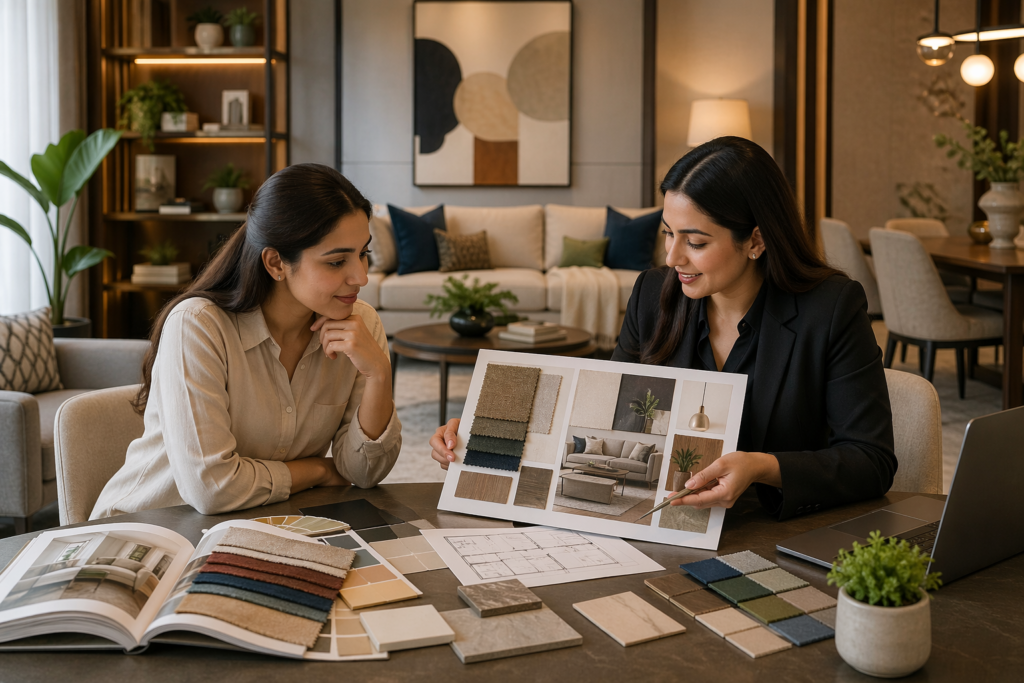
Step-by-Step Guide to Planning Your Home Interiors avinnyyaadmin Principal Designer Designing a home is more than just selecting furniture and colors—it’s about creating a space that reflects your personality, enhances your lifestyle, and brings comfort and functionality together. However, achieving this balance requires expertise, creativity, and a deep understanding of design principles. This is where choosing the right interior designer becomes crucial. The right designer can transform your vision into reality while saving you time, money, and costly mistakes. On the other hand, choosing the wrong one can lead to frustration, delays, and unsatisfactory results. With so many options available, the process can feel overwhelming. This comprehensive guide will walk you through every step to help you confidently choose the perfect interior designer for your home, ensuring a smooth and rewarding experience. Understand Your Design Needs First Define Your Project Scope Before you even begin searching for an interior designer, it’s essential to clearly define the scope of your project. Are you planning a complete home transformation, renovating a specific area, or designing a new home from scratch? The scope will determine the type of designer you need. For instance, a full-home design project requires someone experienced in managing large-scale projects, while a single-room makeover might benefit from a designer specializing in quick transformations. Clarity at this stage helps you communicate your expectations effectively and ensures the designer can deliver what you need. Identify Your Style Preferences Every homeowner has a unique taste, whether it leans toward modern minimalism, traditional elegance, contemporary chic, or eclectic creativity. Understanding your style preferences helps you shortlist designers whose portfolios align with your vision. Spend time exploring design inspirations on platforms like Pinterest or Instagram. Create a mood board that includes colors, textures, furniture styles, and layouts you love. This will act as a visual guide during discussions with your designer and ensure you are both aligned from the beginning. Set Functional Requirements A beautiful home must also be functional. Consider your daily routines, family size, storage needs, and lifestyle habits. Do you need a home office? Is maximizing storage a priority? Do you entertain guests frequently? These practical considerations play a significant role in shaping the design. A good interior designer will not only focus on aesthetics but also ensure the space works seamlessly for your everyday life. Set a Realistic Budget Why Budget Clarity is Crucial Budget is one of the most important factors when choosing an interior designer. Having a clear financial plan prevents overspending and ensures the project remains feasible. It also helps designers propose solutions that align with your financial expectations. Without a defined budget, you risk falling in love with designs or materials that may not be affordable, leading to unnecessary compromises later. Cost Breakdown Understanding how your budget will be allocated is equally important. Typically, costs include design fees, materials, furniture, labor, and execution. Some designers charge a fixed fee, while others may take a percentage of the total project cost. Being aware of these components allows you to make informed decisions and prioritize elements that matter most to you. Budget Flexibility While setting a budget is important, it’s equally wise to keep a buffer for unexpected expenses. Design projects often encounter unforeseen challenges, such as structural adjustments or material changes. A flexible budget ensures these situations are handled without stress or compromise on quality. Research and Shortlist Interior Designers Where to Find Designers The search for the right interior designer can begin online or through personal recommendations. Digital platforms provide access to portfolios, reviews, and design styles, while referrals from friends or family offer trusted insights based on real experiences. Combining both methods gives you a well-rounded list of potential candidates. Check Online Presence A designer’s online presence speaks volumes about their professionalism and style. Their website and social media profiles showcase their work, creativity, and consistency. Look for designers who regularly update their platforms with recent projects and engage with their audience. This indicates they are active, reliable, and passionate about their work. Look for Local Expertise Hiring a designer familiar with your city offers several advantages. They understand local vendors, materials, pricing, and logistical challenges. This knowledge can streamline the process and ensure smoother execution. For example, if you’re exploring services from an experienced interior design company in bangalore, their familiarity with regional trends and suppliers can significantly enhance project efficiency and quality. Evaluate Portfolio and Experience Review Past Projects A designer’s portfolio is a direct reflection of their capabilities. Carefully analyze their previous work to assess the variety, creativity, and quality of designs. Look for projects similar to your requirements. Pay attention to details such as space utilization, color coordination, and finishing quality. Before-and-after transformations can provide valuable insights into their problem-solving abilities. Check Industry Experience Experience plays a vital role in handling complex projects. Designers with several years in the industry are more likely to anticipate challenges and manage them effectively. They also tend to have established relationships with vendors and contractors, which can benefit your project in terms of cost and timelines. Look for Signature Style vs. Flexibility While some designers have a distinct signature style, it’s important to ensure they can adapt to your preferences. The ideal designer should strike a balance between their creative expertise and your vision. Avoid designers who impose their style without considering your input, as your home should ultimately reflect your personality. Verify Credentials and Professionalism Certifications and Qualifications Professional qualifications and certifications add credibility to a designer’s profile. Formal education in interior design ensures they have a strong foundation in design principles, materials, and spatial planning. Membership in professional organizations also indicates commitment to industry standards and continuous learning. Client Testimonials and Reviews Client feedback provides honest insights into a designer’s work ethic, reliability, and quality. Look for reviews that mention communication, adherence to timelines, and overall satisfaction. Be cautious of consistently negative feedback or recurring complaints, as these could indicate potential issues. Communication Skills Effective communication is essential for a successful project.
How to Set a Realistic Budget for Interior Design
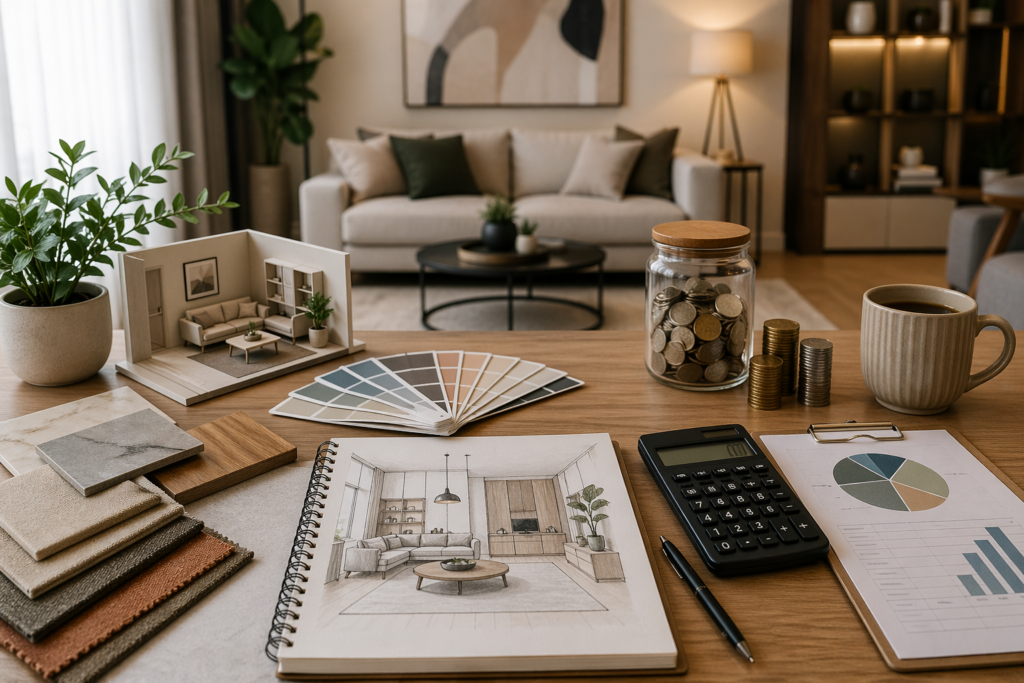
How to Set a Realistic Budget for Interior Design avinnyyaadmin Principal Designer Designing your dream home is exciting, but without a clear financial plan, that excitement can quickly turn into stress. Many homeowners start with a vision—Pinterest boards, mood boards, and inspiration images—but overlook one critical factor: budgeting. Setting a realistic budget for interior design is the foundation of a successful project, ensuring that your ideas translate into a beautiful and functional space without financial strain. At Avinnyya, we believe that great design doesn’t have to come with uncertainty or unexpected expenses. A well-structured budget allows you to make confident decisions, prioritize effectively, and achieve a cohesive look. Whether you’re designing a single room or an entire home, understanding how to plan and allocate your budget will help you avoid costly mistakes and keep your project on track. Why Budget Planning is Crucial in Interior Design A thoughtfully planned budget acts as a roadmap for your entire interior design journey. Without it, even the most well-intentioned projects can spiral out of control. Budget planning is not just about limiting expenses; it is about making informed decisions that align with your priorities and lifestyle. When you establish a clear financial framework, you reduce the risk of overspending and eliminate guesswork. It also helps you communicate more effectively with designers, contractors, and vendors, ensuring everyone is aligned with your expectations. Moreover, a realistic budget allows you to allocate resources where they matter most, whether that’s investing in durable furniture, high-quality materials, or statement design elements. Ultimately, budgeting empowers you to achieve a balance between aesthetics, functionality, and affordability—three pillars of successful interior design. Step-by-Step Guide to Setting an Interior Design Budget Step 1 – Define Your Goals and Scope The first step in setting a realistic budget is understanding what you want to achieve. Are you redesigning your entire home, renovating a kitchen, or simply refreshing your living room? The scope of your project will significantly influence your budget. Start by identifying your primary goals. Do you want a luxurious, high-end finish, or are you aiming for a budget-friendly yet stylish transformation? Consider your lifestyle needs as well. For example, a family with children may prioritize durability and storage, while a working professional might focus on aesthetics and comfort. Clarity at this stage prevents unnecessary expenses later. When you know exactly what you need, you can allocate your budget more efficiently and avoid spending on elements that don’t add real value to your space. Step 2 – Determine Your Total Budget Range Once your goals are defined, the next step is to establish your total budget range. This involves assessing your financial capacity and deciding how much you are comfortable investing in your project. A common guideline is to allocate a percentage of your property’s value toward interior design. However, this can vary depending on your priorities and the level of customization you desire. It’s important to differentiate between a fixed budget and a flexible one. A fixed budget sets strict limits, while a flexible budget allows room for adjustments if you decide to upgrade certain elements. Being realistic at this stage is crucial. Overestimating your budget can lead to unnecessary spending, while underestimating it may result in compromises that affect the final outcome. Step 3 – Break Down Costs into Categories A lump sum budget can be overwhelming and difficult to manage. Breaking it down into categories gives you better control and visibility over your expenses. Interior design costs typically include furniture, lighting, wall treatments, flooring, décor, and labor. Each category plays a vital role in shaping your space. Furniture often takes up a significant portion of the budget, especially if you opt for custom pieces. Lighting, on the other hand, can transform the ambiance of a room without requiring a massive investment. Wall treatments such as paint, wallpaper, or textures add character, while flooring contributes to both aesthetics and durability. Décor and accessories complete the look, tying all elements together. Labor costs, including installation and contractor fees, should also be carefully accounted for, as they can vary based on complexity and location. Step 4 – Allocate Budget Wisely Not all elements of your interior design project require equal investment. Strategic allocation is key to achieving a high-end look without overspending. Focus on areas that have the most impact and are used frequently. For instance, investing in a high-quality sofa or a well-designed kitchen can enhance both functionality and comfort. On the other hand, decorative items and trend-based elements can be more budget-friendly, as they are easier to update over time. A popular approach is the 60-30-10 rule, where 60% of your budget goes toward essential elements, 30% toward secondary features, and 10% toward accents and décor. This ensures a balanced and cohesive design while keeping your expenses under control. Step 5 – Add a Contingency Fund No matter how well you plan, unexpected expenses are almost inevitable in interior design projects. This is why setting aside a contingency fund is essential. A buffer of 10–20% of your total budget can help you handle unforeseen costs such as material price fluctuations, design changes, or additional labor requirements. Having this safety net ensures that your project continues smoothly without compromising on quality or design. Understanding Cost Factors in Interior Design Size of the Space The size of your space directly impacts your budget. Larger areas require more materials, furniture, and labor, leading to higher costs. However, smaller spaces may demand creative solutions and custom designs, which can also increase expenses. Material Selection The choice of materials plays a significant role in determining your budget. Premium materials such as marble, hardwood, or designer finishes can elevate the look of your space but come at a higher cost. Budget-friendly alternatives, on the other hand, can offer similar aesthetics without compromising too much on quality. Balancing quality and cost is essential. Investing in durable materials for high-traffic areas while opting for economical options elsewhere can help you stay within budget. Design Complexity The complexity
Step-by-Step Guide to Planning Your Home Interiors
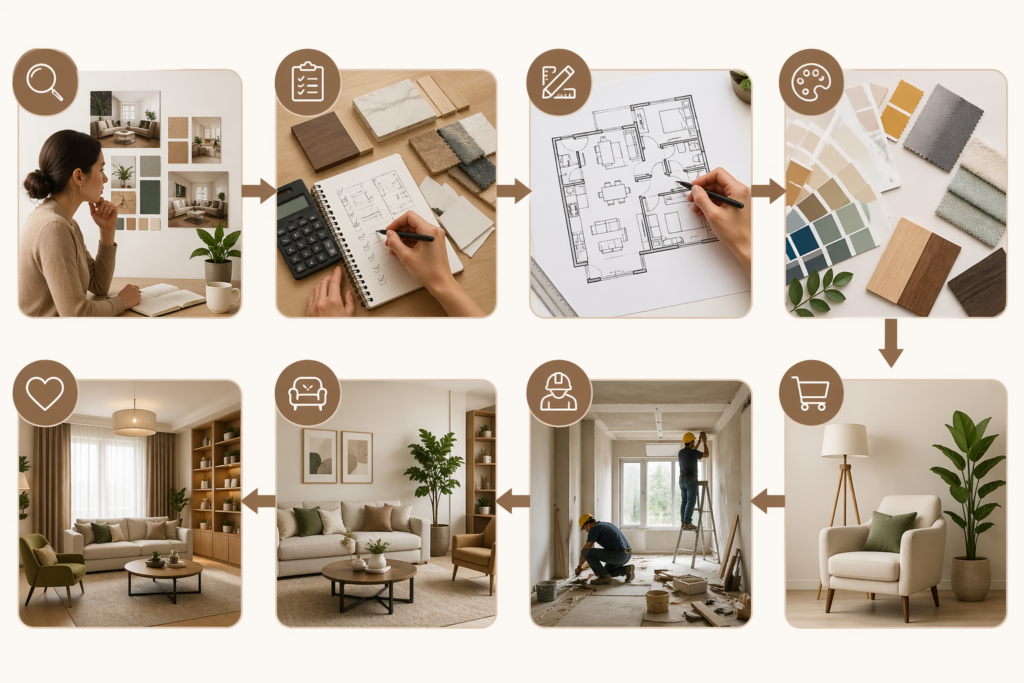
Step-by-Step Guide to Planning Your Home Interiors avinnyyaadmin Principal Designer Designing your dream home is exciting, but without a clear plan, it can quickly become overwhelming. From choosing the right colors to managing budgets and layouts, every decision plays a crucial role in shaping your living space. A well-thought-out interior plan not only enhances aesthetics but also improves functionality, comfort, and long-term satisfaction. Many homeowners jump straight into buying furniture or selecting paint colors, only to realize later that things don’t align. This is why a structured, step-by-step approach is essential. In this comprehensive guide, we walk you through every stage of planning your home interiors—ensuring that your vision translates seamlessly into reality. Why Planning Your Home Interiors is Essential Planning your home interiors is not just about visual appeal—it’s about creating a space that works for your lifestyle. Without proper planning, you may end up overspending, wasting space, or facing design inconsistencies that disrupt the overall harmony of your home. A well-planned interior helps you allocate your budget efficiently, ensuring that you invest in areas that matter most. It also prevents last-minute changes, which are often costly and stressful. Moreover, planning ensures that every room flows cohesively into the next, creating a unified design language throughout your home. Another key benefit is functionality. A beautifully designed space that lacks practicality can become frustrating over time. Thoughtful planning ensures that your home not only looks good but also supports your daily routines effortlessly. Step 1 – Define Your Requirements and Lifestyle Needs Understand Your Daily Routine The foundation of any successful interior design lies in understanding how you live. Your daily routine should directly influence your design decisions. For instance, if you work from home, you’ll need a dedicated workspace that is both comfortable and distraction-free. Similarly, families with children may require durable materials and ample storage. Your lifestyle determines everything—from furniture placement to lighting choices. A home designed around your habits will feel intuitive and comfortable, making everyday living more enjoyable. List Functional Priorities Once you understand your routine, the next step is identifying your priorities. Divide them into must-haves and nice-to-haves. Must-haves include essential elements like storage, seating, and lighting, while nice-to-haves may include decorative features or luxury additions. Each room should have a clear purpose. For example, your kitchen should prioritize efficiency and storage, while your bedroom should focus on relaxation and comfort. Defining these priorities early helps avoid confusion later in the process. Future-Proof Your Design A smart interior plan considers not just your current needs but also your future requirements. If you plan to expand your family or accommodate elderly members, your design should reflect those possibilities. Future-proofing also includes flexible furniture and adaptable layouts that can evolve with your lifestyle. This approach ensures that your home remains functional and relevant for years to come. Step 2 – Set a Realistic Budget Break Down Your Budget Budgeting is one of the most critical aspects of interior planning. Start by dividing your budget into categories such as furniture, materials, lighting, labor, and décor. This breakdown gives you a clear understanding of where your money is going and helps you make informed decisions. Instead of allocating funds randomly, prioritize spending based on importance. For instance, investing in high-quality furniture or durable materials can save money in the long run. Allocate Contingency Funds No matter how carefully you plan, unexpected expenses are inevitable. Setting aside a contingency fund—typically 10–15% of your total budget—helps you handle unforeseen costs without disrupting your project. This buffer ensures that you can make necessary adjustments without compromising the overall design. Cost-Saving Tips Smart budgeting doesn’t mean cutting corners—it means spending wisely. Identify areas where you can save, such as opting for cost-effective materials or repurposing existing furniture. At the same time, don’t hesitate to invest in elements that significantly impact functionality and aesthetics. Step 3 – Choose Your Interior Design Style Popular Design Styles Choosing a design style sets the tone for your entire home. Whether you prefer modern minimalism, traditional elegance, or contemporary chic, your style should reflect your personality. Modern interiors focus on clean lines and simplicity, while traditional designs emphasize rich textures and classic elements. Industrial styles incorporate raw materials, whereas minimalist designs prioritize clutter-free spaces. How to Find Your Style Finding your style can be challenging, especially with so many options available. Start by exploring inspiration platforms, magazines, or real-life homes. Creating a mood board can help you visualize your preferences and identify common themes. Over time, you’ll notice patterns in your choices, which will guide you toward a cohesive design direction. Mixing Styles the Right Way While sticking to one style is safe, blending styles can create a unique and personalized look. However, it requires balance and careful planning. Choose a dominant style and incorporate elements of another subtly to maintain harmony. Step 4 – Plan Your Space Layout Space Optimization Techniques Efficient space planning ensures that every square foot of your home is utilized effectively. Open layouts create a sense of spaciousness, while defined zones help organize different activities within the same area. Zoning is particularly useful in smaller homes, where multifunctional spaces are essential. Furniture Placement Strategy Furniture placement plays a crucial role in both functionality and aesthetics. Arrange furniture in a way that allows easy movement and creates natural focal points. Avoid overcrowding your space with too many pieces. Instead, focus on essential furniture that enhances usability while maintaining visual balance. Small Space Planning Tips For compact homes, smart planning is key. Multi-functional furniture, such as sofa beds or storage ottomans, can maximize utility without taking up extra space. Vertical storage solutions also help keep your home organized and clutter-free. Step 5 – Select Materials and Finishes Flooring Options Flooring forms the base of your interior design. Options like tiles, wood, marble, and vinyl each have their own advantages. Your choice should depend on factors such as durability, maintenance, and aesthetics. Wall Finishes Walls offer endless possibilities for creativity. From paint and wallpaper to
Guest Room Design Tips to Impress Visitors
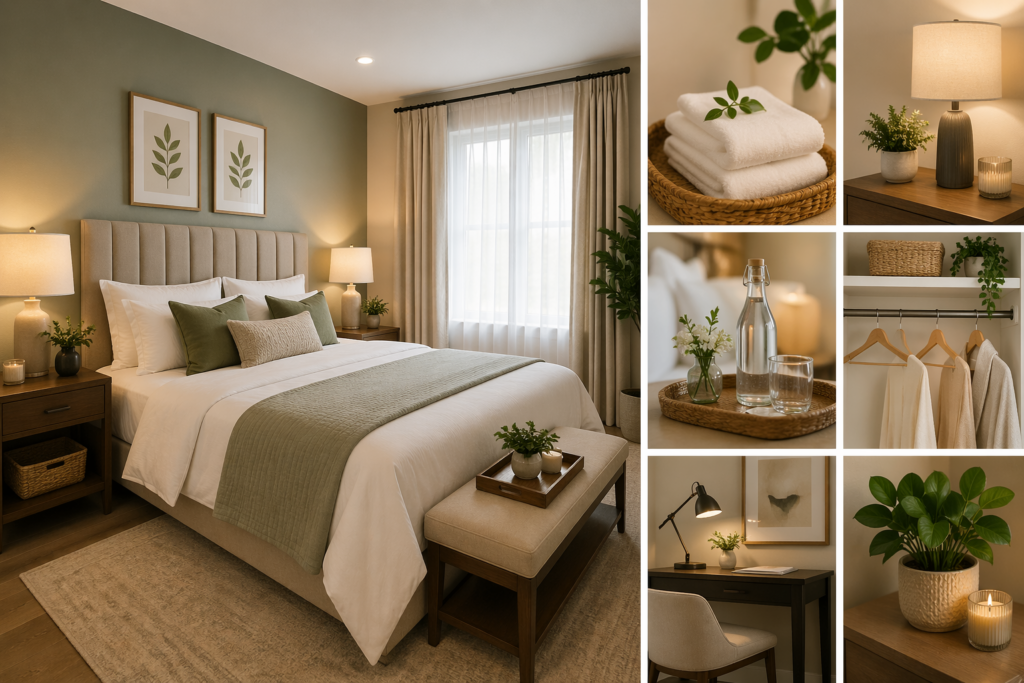
Guest Room Design Tips to Impress Visitors avinnyyaadmin Principal Designer A guest room is more than just an extra space in your home—it is a reflection of your hospitality, style, and attention to detail. When visitors step into your guest room, they immediately form an impression not only about the space but also about you as a host. A thoughtfully designed guest room can transform a simple stay into a memorable experience, making your guests feel valued and comfortable. In today’s modern homes, guest room design is no longer an afterthought. It is an essential part of interior planning that balances aesthetics, comfort, and functionality. Whether your guests are staying for a night or a week, their experience depends heavily on how well the room caters to their needs. From the color palette to furniture selection and lighting, every element plays a role in creating a welcoming atmosphere. At Avinnyya, the focus is on designing spaces that blend elegance with practicality, ensuring that every guest room becomes a perfect retreat for visitors. Understanding the Purpose of a Guest Room More Than Just a Spare Room Traditionally, guest rooms were treated as secondary spaces, often used for storage or rarely utilized furniture. However, modern homes have redefined this concept. A guest room today serves multiple purposes—it can double as a home office, a reading nook, or even a relaxation zone when not occupied. Despite its multi-functional nature, the primary goal of a guest room remains unchanged: to provide comfort and convenience to visitors. This means the design should be adaptable yet inviting, ensuring that guests feel at ease the moment they enter. Designing for Versatility Not all guests have the same needs. Some may prefer a cozy and warm environment, while others might appreciate a more minimal and modern setup. Designing a versatile guest room ensures that it caters to a wide range of preferences. For instance, incorporating neutral tones, flexible furniture, and uncluttered layouts makes the space universally appealing. Features like adjustable lighting, extra bedding, and adaptable furniture arrangements further enhance the room’s usability. Choosing the Right Color Palette Neutral Tones for Universal Appeal Color plays a significant role in setting the mood of a room. Neutral tones such as whites, beiges, and soft greys are ideal for guest rooms because they create a calm and soothing environment. These colors are not only timeless but also make the room feel more spacious and airy. Neutral palettes also provide a versatile base that can be easily updated with accessories and décor, allowing you to refresh the look of the room without major changes. Adding Personality with Accent Colors While neutrals form the foundation, accent colors bring life and character to the space. Elements like cushions, throws, rugs, and artwork can introduce pops of color that make the room visually interesting without overwhelming it. For example, soft blues and greens can add a refreshing touch, while muted yellows or terracotta tones can create warmth and coziness. Psychological Impact of Colors Colors influence emotions and behavior. Cool shades like blue and green promote relaxation and tranquility, making them perfect for a restful environment. Warm tones, on the other hand, create a sense of comfort and intimacy. Choosing the right combination of colors ensures that your guest room not only looks beautiful but also feels inviting and peaceful. Selecting Comfortable and Stylish Furniture The Bed – The Star of the Room The bed is undoubtedly the most important element in any guest room. Investing in a high-quality mattress is essential, as it directly impacts your guest’s comfort and sleep quality. Depending on the size of the room, you can choose between a queen-size or double bed. A well-designed bed with a sturdy frame and an elegant headboard can also enhance the overall aesthetic of the room. Multi-Functional Furniture In modern homes where space is often limited, multi-functional furniture is a smart choice. Sofa-cum-beds, foldable desks, and storage benches are practical additions that maximize utility without compromising on style. These pieces not only save space but also make the room adaptable for different uses. Essential Furniture Checklist Apart from the bed, a guest room should include a few essential pieces of furniture. Bedside tables provide convenience for placing personal items, while a wardrobe or hanging space allows guests to organize their belongings. A comfortable chair or seating area adds to the room’s functionality and comfort. Bedding That Feels Like a Luxury Hotel High-Quality Linens Nothing impresses guests more than a comfortable bed with high-quality linens. Fabrics like cotton and linen are breathable and soft, ensuring a pleasant sleeping experience. Paying attention to thread count and fabric quality can significantly enhance comfort. Layering for Comfort Layering bedding with blankets, duvets, and throws not only adds visual appeal but also provides flexibility for different weather conditions. Guests can adjust the layers according to their comfort level. Pillow Variety Providing a variety of pillows—soft, medium, and firm—allows guests to choose what suits them best. This small detail can make a big difference in ensuring a restful sleep. Smart Storage Solutions for Guests Decluttered Space A clutter-free environment is essential for creating a relaxing atmosphere. Removing unnecessary items and keeping the room organized makes it more welcoming and functional. Open and Closed Storage Combining open shelves with closed storage options like wardrobes ensures that guests have enough space to keep their belongings. Open shelves can also be used for decorative purposes. Space for Personal Belongings Leaving some drawers empty and providing a luggage rack shows thoughtfulness and consideration for your guests’ needs. It allows them to settle in comfortably without feeling restricted. Lighting That Enhances Comfort Layered Lighting Approach Lighting is a key element in interior design that affects both functionality and mood. A layered approach—combining ambient, task, and accent lighting—creates a balanced and versatile environment. Bedside Lighting Essentials Bedside lamps or wall-mounted lights are essential for reading and convenience. Easy-to-access switches ensure that guests can control lighting without hassle. Natural Light Optimization Maximizing natural light makes the
Dining Area Design Ideas for Modern Homes
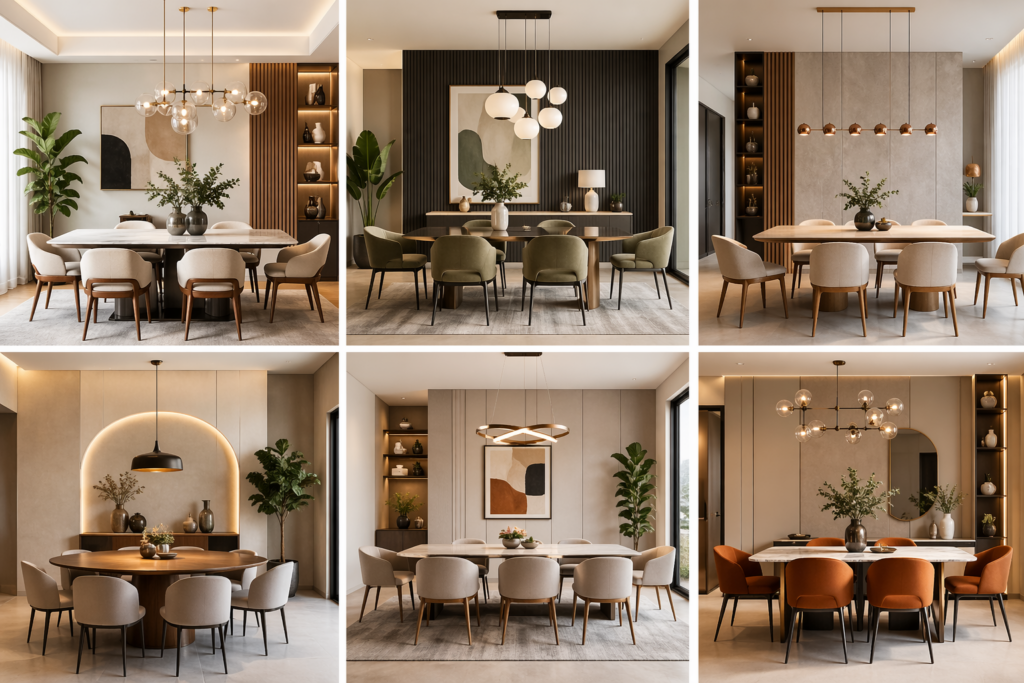
Dining Area Design Ideas for Modern Homes avinnyyaadmin Principal Designer In today’s fast-paced lifestyle, the dining area is no longer just a place to eat—it has evolved into a central hub for family bonding, conversations, celebrations, and even work-from-home moments. Modern homes demand dining spaces that are not only visually appealing but also highly functional, adaptable, and seamlessly integrated into the overall interior design. Whether you live in a compact apartment or a spacious villa, the right dining area design can significantly enhance your home’s aesthetic and usability. With changing design trends, homeowners are now leaning towards open layouts, minimalist furniture, and smart storage solutions that reflect both style and practicality. From selecting the perfect dining table to incorporating statement lighting and optimizing small spaces, every element plays a crucial role in crafting a modern dining experience. In this detailed guide, we will explore creative and practical dining area design ideas for modern homes, helping you transform your space into a perfect blend of comfort, elegance, and efficiency. Understanding Modern Dining Area Design What Defines a Modern Dining Space? A modern dining space is characterized by simplicity, clean lines, and a clutter-free environment. Unlike traditional dining rooms that often featured heavy furniture and elaborate décor, modern designs prioritize functionality without compromising on style. The focus is on creating a space that feels open, inviting, and cohesive with the rest of the home. Neutral color palettes, sleek furniture, and subtle textures are commonly used to create a calm and sophisticated atmosphere. Additionally, modern dining areas often blend seamlessly with kitchens and living rooms, forming a unified space that enhances both visual flow and interaction among family members. Key Elements of Modern Dining Design Designing a modern dining area involves balancing several key elements. Furniture forms the foundation, where tables and chairs should complement the overall theme. Lighting plays a critical role in setting the mood, while color schemes influence the ambiance of the space. Materials such as wood, glass, metal, and marble add depth and texture, contributing to a refined look. A well-designed dining area also considers ergonomics and comfort, ensuring that the space is not only beautiful but also practical for everyday use. Choosing the Right Layout for Your Dining Area Open-Concept Dining Spaces Open-concept layouts have become a defining feature of modern homes. By merging the dining area with the kitchen or living room, homeowners can create a more spacious and interactive environment. This layout is particularly beneficial for smaller homes, as it eliminates visual barriers and enhances natural light flow. An open dining space encourages communication and connectivity, making it ideal for families and social gatherings. Strategic placement of furniture, rugs, or lighting fixtures can help define the dining area without disrupting the openness. Separate Dining Rooms While open layouts are popular, separate dining rooms still hold value, especially in larger homes. A dedicated dining space allows for a more formal and intimate setting, perfect for hosting guests or special occasions. Modern separate dining rooms focus on simplicity and elegance rather than excessive ornamentation. Clean-lined furniture, statement lighting, and minimal décor can create a refined atmosphere that feels both contemporary and inviting. Small Space Dining Solutions Designing a dining area in a small home requires creativity and smart planning. Compact furniture such as foldable tables, extendable dining sets, and wall-mounted options can maximize space without compromising functionality. Corner seating arrangements, bench-style seating, and multi-purpose furniture are excellent solutions for tight spaces. The goal is to create a dining area that feels open and comfortable, even within limited square footage. Dining Table Design Ideas Popular Table Shapes The shape of your dining table plays a significant role in both aesthetics and functionality. Rectangular tables are ideal for larger families and spacious rooms, offering ample seating and a classic look. Round tables, on the other hand, are perfect for smaller spaces as they promote better interaction and save space. Square tables provide symmetry and work well in compact or square-shaped rooms, creating a balanced and harmonious layout. Trending Materials Modern dining tables come in a variety of materials, each offering a unique appeal. Marble tabletops exude luxury and sophistication, while solid wood provides warmth and durability. Glass-top tables are perfect for creating a light and airy feel, especially in smaller spaces. The choice of material should align with your lifestyle, maintenance preferences, and overall interior design theme. Statement Dining Tables A statement dining table can serve as the focal point of your dining area. Bold designs, unique finishes, or custom-made pieces can instantly elevate the space. Investing in a distinctive table not only enhances visual appeal but also reflects your personal style. Dining Chair Styles for Modern Homes Upholstered Chairs Upholstered dining chairs offer a perfect combination of comfort and elegance. Available in a variety of fabrics, colors, and designs, they add a touch of luxury to the dining space while ensuring a comfortable seating experience. Minimalist Wooden Chairs For those who prefer a simple and timeless look, minimalist wooden chairs are an excellent choice. Their clean lines and natural finish blend seamlessly with modern interiors, creating a cohesive and understated design. Mix-and-Match Seating Trends One of the most exciting trends in modern dining design is mixing and matching different chair styles. Combining various colors, materials, or designs can create a dynamic and personalized look, adding character to your dining area. Lighting Ideas to Elevate Dining Spaces Pendant Lights Pendant lights are a popular choice for modern dining areas. Hung above the dining table, they provide focused illumination while adding a stylish element to the space. Choosing the right size and height is crucial to achieving the perfect balance. Chandeliers For a touch of luxury, chandeliers can transform your dining area into a sophisticated space. Modern chandeliers come in sleek and minimalist designs that complement contemporary interiors without overwhelming the room. Layered Lighting A well-lit dining area incorporates multiple layers of lighting, including ambient, task, and accent lighting. This approach ensures flexibility, allowing you to adjust the lighting based
Bathroom Interior Trends That Combine Style & Function
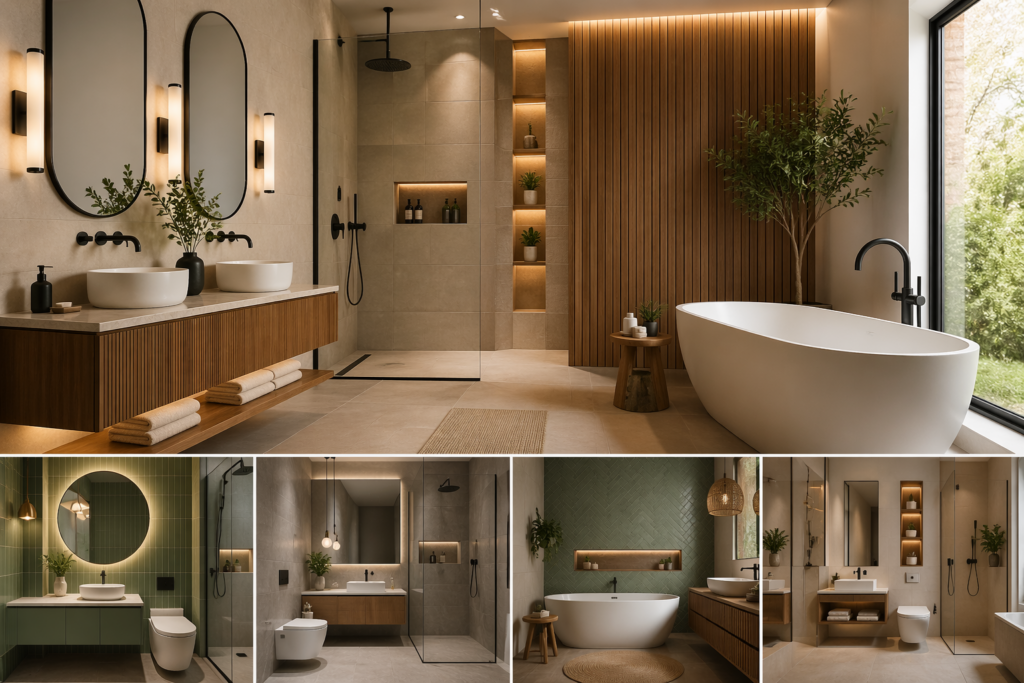
Bathroom Interior Trends That Combine Style & Function avinnyyaadmin Principal Designer Bathrooms are no longer viewed as purely functional spaces tucked away in a corner of the home. In today’s design landscape, they have evolved into personal sanctuaries—spaces where aesthetics meet efficiency, and relaxation blends seamlessly with practicality. Modern homeowners are increasingly looking for bathroom interiors that not only look luxurious but also enhance everyday usability. With rising urbanization and compact living spaces, the need for smart, stylish, and highly functional bathroom designs has become more important than ever. Whether it’s optimizing a small bathroom or designing a lavish master bath, the focus is on creating a space that reflects personal style while ensuring maximum convenience. At Avinnyya, the approach to bathroom design revolves around this balance—merging innovative trends with thoughtful functionality to deliver spaces that elevate everyday living. In this blog, we explore the top bathroom interior trends that successfully combine style and function, helping you transform your bathroom into a modern masterpiece. The Evolution of Modern Bathroom Design From Basic Utility to Luxury Retreat Bathrooms have undergone a remarkable transformation over the past few decades. What was once considered a strictly utilitarian space has now become a symbol of comfort and luxury. Earlier, bathrooms were designed with minimal attention to aesthetics—basic tiles, standard fixtures, and limited storage defined the space. Today, however, bathrooms are designed as extensions of personal style. Homeowners are investing in high-end materials, sophisticated lighting, and spa-like features that create a relaxing atmosphere. The shift is driven by changing lifestyles, where self-care and wellness have taken center stage. A well-designed bathroom now contributes significantly to mental relaxation and overall well-being. Why Functionality Matters More Than Ever While aesthetics have gained importance, functionality remains at the core of good design. With shrinking apartment sizes and increasing storage needs, every inch of space must be utilized effectively. Poorly planned bathrooms can lead to clutter, inconvenience, and maintenance issues. Modern bathroom design emphasizes efficient layouts, smart storage solutions, and user-friendly fixtures. The goal is to ensure that the space not only looks beautiful but also works seamlessly for daily routines. This balance between form and function is what defines contemporary bathroom trends. Trend #1 – Minimalist Bathroom Designs Clean Lines and Clutter-Free Spaces Minimalism continues to dominate bathroom interiors, and for good reason. A clutter-free environment instantly makes a bathroom feel more spacious and calming. Clean lines, simple forms, and hidden storage solutions are key elements of this trend. Floating vanities, wall-mounted fixtures, and concealed cabinets help maintain a streamlined look while maximizing usable space. By reducing visual clutter, minimalist designs create a sense of openness, making even small bathrooms feel larger and more inviting. Neutral Color Palettes Neutral tones such as white, beige, grey, and soft pastels play a crucial role in minimalist bathroom design. These colors reflect light effectively, enhancing the sense of space and cleanliness. A neutral palette also provides a timeless appeal, ensuring that the design remains relevant for years. Subtle contrasts, such as pairing matte black fixtures with light-colored tiles, can add depth without overwhelming the simplicity of the design. Trend #2 – Smart Bathroom Technology Touchless Fixtures and Automation Technology is revolutionizing bathroom design, making spaces more hygienic and convenient. Touchless faucets, sensor-based lighting, and automated flushing systems reduce physical contact, promoting better hygiene. These features are especially valuable in modern homes where efficiency and cleanliness are top priorities. Automation also adds a layer of sophistication, transforming everyday routines into seamless experiences. Smart Mirrors and Digital Showers Smart mirrors equipped with LED lighting, anti-fog features, and integrated displays are becoming increasingly popular. They enhance both functionality and aesthetics, providing better visibility and convenience. Digital showers allow users to control water temperature, pressure, and even music through smart systems. These innovations not only improve comfort but also contribute to water efficiency, making them a practical addition to modern bathrooms. Trend #3 – Space-Saving Solutions for Compact Bathrooms Wall-Mounted Fixtures Wall-mounted toilets, sinks, and cabinets are ideal for small bathrooms. By freeing up floor space, they create a more open and airy environment. This design approach also makes cleaning easier, adding to the overall functionality of the space. Floating fixtures are particularly effective in urban homes where maximizing space is essential. They offer a sleek, modern look while improving usability. Multi-Functional Storage Units Storage is a critical aspect of bathroom design, especially in compact spaces. Multi-functional units such as mirror cabinets, pull-out drawers, and built-in shelves help keep the space organized without compromising on style. Vertical storage solutions make use of unused wall space, ensuring that essentials are easily accessible while maintaining a neat appearance. Thoughtful storage planning can significantly enhance the usability of a bathroom. Trend #4 – Spa-Like Bathroom Experience Use of Natural Elements Incorporating natural materials like stone, wood, and greenery brings a sense of calm and relaxation to the bathroom. These elements create a connection with nature, transforming the space into a soothing retreat. Indoor plants, wooden accents, and textured tiles add warmth and character, making the bathroom feel more inviting. This trend aligns with the growing focus on wellness and mindfulness in interior design. Freestanding Bathtubs & Rain Showers Luxury features such as freestanding bathtubs and rain showers are becoming increasingly popular. They enhance the overall experience, turning everyday routines into moments of indulgence. Rain showers provide a gentle, immersive experience, while bathtubs offer a space for relaxation and rejuvenation. These elements combine style with functionality, elevating the bathroom to a spa-like environment. Trend #5 – Statement Tiles and Textures Bold Patterns and Accent Walls Tiles are no longer just functional surfaces; they have become key design elements. Bold patterns, geometric designs, and textured finishes can transform a simple bathroom into a visually striking space. Accent walls using patterned tiles create focal points, adding personality and depth to the design. This trend allows homeowners to experiment with creativity while maintaining a cohesive look. Matte vs Glossy Finishes The choice between matte and glossy finishes can significantly impact the
Wardrobe Design Ideas That Maximize Storage
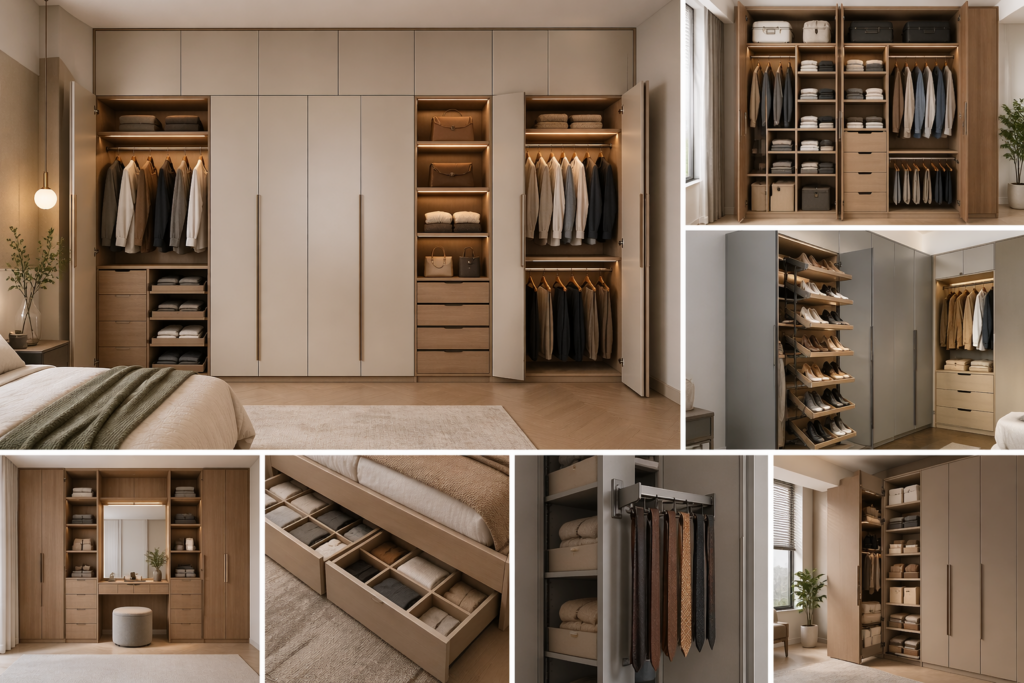
Wardrobe Design Ideas That Maximize Storage Vallari Shah Principal Designer In today’s modern homes, where space is often limited and lifestyle needs are constantly evolving, efficient storage solutions have become more important than ever. A wardrobe is no longer just a piece of furniture to store clothes—it is a functional system that plays a critical role in maintaining organization, enhancing aesthetics, and improving daily convenience. Thoughtfully designed wardrobes can transform even the smallest spaces into highly efficient storage zones, eliminating clutter and making your home feel more spacious and serene. Wardrobe design ideas that maximize storage focus on utilizing every inch of available space intelligently. From vertical storage to hidden compartments and modular systems, the right design approach can significantly increase storage capacity without compromising style. At Avinnyya, the focus is on creating wardrobes that seamlessly blend functionality with elegance, ensuring that every design is tailored to the unique needs of the homeowner. Why Smart Wardrobe Design Matters A well-designed wardrobe has a direct impact on your daily routine. When everything is organized and easily accessible, it saves time and reduces stress. Imagine starting your day without having to search through piles of clothes or struggling to find matching accessories. Smart wardrobe design ensures that every item has its place, making your mornings smoother and more efficient. Beyond convenience, an optimized wardrobe contributes to better space utilization. Poorly designed wardrobes often result in wasted space—unused corners, inefficient shelving, or inadequate hanging areas. Over time, this leads to clutter and frustration. On the other hand, a strategically planned wardrobe maximizes storage capacity while maintaining a clean and visually appealing look. Additionally, a well-organized wardrobe enhances the overall aesthetic of your room. It creates a sense of order and sophistication, making your living space more comfortable and inviting. Investing in smart wardrobe design is not just about storage—it’s about improving your quality of life. Types of Wardrobes That Maximize Storage Sliding Door Wardrobes Sliding door wardrobes are one of the most popular choices for modern homes, especially where space is limited. Unlike traditional hinged doors, sliding doors do not require additional clearance to open, making them ideal for compact bedrooms. This design allows you to utilize the surrounding space more efficiently, whether it’s placing furniture closer to the wardrobe or maintaining better movement flow in the room. Another advantage of sliding wardrobes is their sleek and contemporary appearance. They can be customized with various finishes such as glass, mirrors, or laminates, adding both functionality and style. Mirror-finished sliding doors, in particular, serve a dual purpose by creating an illusion of a larger space while eliminating the need for a separate dressing mirror. Hinged Door Wardrobes Hinged door wardrobes are a classic option that continues to remain relevant due to their practicality and accessibility. These wardrobes allow full visibility of the interior when opened, making it easier to organize and access items. They are especially suitable for larger rooms where space constraints are not a major concern. One of the key benefits of hinged wardrobes is the ability to add storage features on the inside of the doors, such as hooks, racks, or small compartments. This adds extra storage without occupying additional space. With the right internal configuration, hinged wardrobes can be highly efficient and versatile. Walk-in Wardrobes Walk-in wardrobes represent the perfect blend of luxury and functionality. They provide ample space to organize clothing, accessories, and even footwear in a highly structured manner. While they are typically suited for larger homes, their design can be adapted to fit medium-sized spaces with smart planning. The key to maximizing storage in a walk-in wardrobe lies in zoning. By dividing the space into sections for different categories—such as formal wear, casual clothing, accessories, and shoes—you can create a highly organized system that is both practical and visually appealing. Walk-in wardrobes also allow for better lighting and display, enhancing the overall user experience. Modular Wardrobes Modular wardrobes are a game-changer in modern interior design. These wardrobes are designed with flexibility in mind, allowing homeowners to customize storage according to their needs. They consist of pre-designed modules that can be combined and configured in various ways, making them highly adaptable. One of the biggest advantages of modular wardrobes is their scalability. As your storage needs change over time, you can easily add or modify components without replacing the entire wardrobe. This makes them a cost-effective and future-ready solution for urban homes. Smart Internal Wardrobe Storage Solutions Adjustable Shelving Systems Adjustable shelves provide flexibility to accommodate items of different sizes. Whether you need space for folded clothes, handbags, or storage boxes, adjustable shelving allows you to modify the layout as needed. This adaptability ensures that no space goes unused and helps in managing seasonal wardrobe changes effectively. Pull-Out Drawers and Baskets Pull-out drawers and baskets are essential for organizing smaller items such as accessories, undergarments, and daily essentials. These features not only keep items neatly arranged but also make them easily accessible. With smooth sliding mechanisms, they enhance convenience while maintaining a clutter-free appearance. Hanging Section Optimization Efficient use of hanging space is crucial for maximizing storage. Double hanging rods can significantly increase capacity by allowing you to hang shorter garments like shirts and trousers in two tiers. Separating sections for different clothing types further improves organization and accessibility. Hidden Compartments Hidden compartments are a smart addition for storing valuables or items that you prefer to keep out of sight. These compartments help maintain a clean and minimalist look while providing secure storage. They are especially useful in modern wardrobe designs where aesthetics play a key role. Shoe Racks and Accessories Organizers Dedicated storage for shoes and accessories ensures that these items do not take up valuable space meant for clothing. Customized racks, pull-out trays, and organizers can be designed to accommodate different types of footwear and accessories, keeping everything neatly arranged. Space-Saving Wardrobe Design Ideas Floor-to-Ceiling Wardrobes Floor-to-ceiling wardrobes are one of the most effective ways to maximize vertical space. By extending the wardrobe up to